
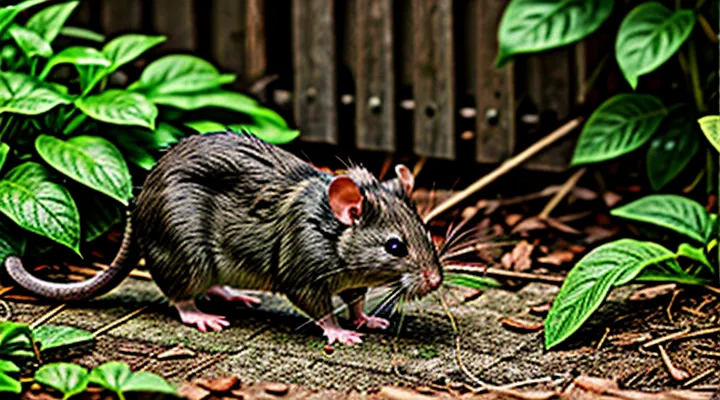
Understanding Rat Behavior and Preferences
What Attracts Rats to Bait
Olfactory Cues
Olfactory cues drive rat foraging behavior and determine the success of baited traps. Rats locate food primarily through scent detection; therefore, bait formulations must incorporate volatile compounds that match the species’ natural preferences.
Key characteristics of effective olfactory attractants:
- High volatility ensures rapid diffusion through trap chambers.
- Compatibility with the primary food matrix prevents scent masking.
- Stability under ambient temperature fluctuations preserves potency over several days.
Commonly used scent sources include:
- Animal-derived proteins – minced liver, fish meal, and poultry off‑cuts release amino‑acid–rich vapors that trigger strong feeding responses.
- Grain and cereal extracts – wheat germ, corn flour, and rice bran provide carbohydrate‑based aromas that complement protein cues.
- Synthetic pheromone analogues – compounds such as 2‑methyl‑2‑butanol mimic rat urine markers and enhance trap attraction when blended with food odors.
- Spice and herb extracts – ground garlic, onion powder, and anise oil add sharp, irritating notes that stimulate exploratory sniffing.
Formulation guidelines:
- Combine a protein source (30–40 % of total weight) with a carbohydrate carrier (50–60 %). Add synthetic pheromones at 0.5–1 % of the mixture.
- Mix ingredients thoroughly to achieve uniform scent distribution; avoid clumping that could create localized odor hotspots.
- Store bait in airtight containers at 10–15 °C to limit oxidative degradation of volatile compounds.
Testing protocol:
- Place baited traps in a controlled environment with a known rat population.
- Record capture rates over 24‑hour intervals for three consecutive days.
- Adjust the proportion of each olfactory component by 5 % increments and repeat testing until capture efficiency exceeds 80 % of the observed rat activity.
By aligning bait composition with rat olfactory preferences, trap operators can maximize capture rates while minimizing bait waste.
Taste Preferences
Rats exhibit distinct taste preferences that determine the success of any bait formulation. Their palate favors high‑energy, aromatic, and moist substrates, while aversion to bitter or overly dry components can reduce trap efficacy.
Key taste drivers include:
- Sweetness – sugars, honey, and fruit extracts stimulate the rat’s innate preference for easily metabolizable carbohydrates.
- Fat content – animal fats, peanut butter, and cheese provide dense caloric value and emit strong odor cues.
- Protein – fish meal, meat scraps, and boiled eggs satisfy the rat’s requirement for amino acids, enhancing bait attractiveness.
- Grain and starch – wheat germ, cornmeal, and rice flour offer familiar textures and serve as carriers for other flavor agents.
- Umami – broth concentrates, soy sauce, and yeast extracts trigger savory receptors, increasing bite frequency.
Effective bait recipes combine these elements in balanced proportions. A typical mixture might consist of 40 % peanut butter (fat), 30 % boiled egg puree (protein), 20 % honey (sweetness), and 10 % powdered cornmeal (grain) to create a pliable, aromatic paste. Adding a few drops of fish oil or broth concentrate amplifies the umami profile without overwhelming the base.
Texture influences ingestion as well. Moist, malleable baits adhere to trap mechanisms and resist drying, ensuring prolonged exposure. Incorporating a small amount of gelatin or agar stabilizes consistency while preserving flavor integrity.
Seasonal variations affect rat foraging behavior. During colder months, higher fat ratios improve bait appeal, whereas warmer periods benefit from increased sweetness and lighter textures to counteract rapid dehydration.
By aligning bait composition with these documented taste preferences, trap operators can maximize capture rates while minimizing bait rejection.
Texture and Consistency
A successful rat bait must possess a texture that encourages gnawing while remaining stable enough to stay on the trap surface. A paste‑like consistency adheres to wooden or plastic platforms, preventing spillage when the bait is placed. Granular or crumbly textures disperse quickly, reducing the chance of detection by the rodent’s whiskers and increasing the likelihood of consumption.
Key texture characteristics:
- Adhesiveness: Slight tackiness holds the bait in place without forming a hard crust that resists chewing.
- Moisture level: 30–45 % water content maintains softness; lower levels create brittle pieces, higher levels cause runoff.
- Particle size: Fine particles (under 2 mm) blend into a smooth mass; larger fragments (2–5 mm) provide bite points that stimulate interest.
- Viscosity: Shear‑thinning behavior allows the bait to spread easily during preparation yet regain shape after placement.
Consistency adjustments rely on ingredient ratios. Adding gelatin or agar to a protein base increases gel strength, yielding a firmer gel that survives humid environments. Incorporating oil or butter reduces hardness, producing a softer paste suitable for cooler climates. Starch powders such as cornflour or potato starch thicken liquid baits, delivering a semi‑solid texture that retains shape while remaining chewable.
Testing protocols:
- Prepare a sample with target moisture content.
- Measure spread diameter on a standardized surface; record the time required to reach a 5 cm radius.
- Apply a calibrated force (0.5 N) to assess breakage point; compare against the desired chew resistance range of 0.3–0.7 N.
- Observe rodent interaction for at least 30 minutes; note acceptance rate and any abandonment due to texture.
Optimizing texture and consistency directly influences bait uptake, ensuring that traps remain effective over extended deployment periods.
Common Rat Species and Their Diets
Norway Rats
Norway rats (Rattus norvegicus) thrive in urban and agricultural settings, exhibit strong nocturnal activity, and prefer high‑calorie, protein‑rich foods. Their gnawing behavior and resistance to some poisons demand bait that appeals to their taste preferences while ensuring rapid consumption.
Effective bait formulation must address three factors: palatability, durability, and toxicity delivery. Palatable ingredients should include animal protein (e.g., dried fish, meat broth), sweet attractants (e.g., molasses, peanut butter), and grain bases (e.g., wheat flour). Durability requires low moisture content to prevent spoilage in trap environments. Toxic agents such as bromadiolone or diphacinone must be evenly dispersed at concentrations that achieve lethal doses after a single ingestion.
Recommended bait recipes:
- Recipe A – Fish‑Protein Paste
- Dried fish powder – 30 %
- Peanut butter – 25 %
- Wheat flour – 20 %
- Molasses – 15 %
- Bromadiolone (0.005 % w/w) – 10 %
- Recipe B – Meat‑Broth Gel
- Beef broth concentrate – 35 %
- Gelatin – 20 %
- Cornmeal – 25 %
- Honey – 15 %
- Diphacinone (0.003 % w/w) – 5 %
- Recipe C – Grain‑Nut Mix
- Whole oats – 40 %
- Crushed peanuts – 30 %
- Sunflower seed butter – 20 %
- Sugar syrup – 10 %
- Anticoagulant rodenticide (0.004 % w/w) – 5 %
Application guidelines: prepare bait in a dry environment, store in airtight containers at 4–10 °C, and place 2–3 g per trap to encourage immediate uptake. Rotate recipes weekly to prevent bait aversion. Monitor trap locations for signs of bait depletion and adjust placement height to align with Norway rat foraging paths.
Safety measures: handle anticoagulant compounds with gloves, keep bait out of reach of non‑target species, and dispose of unused bait according to local hazardous waste regulations.
Roof Rats
Roof rats (Rattus rattus) thrive in elevated structures, often exploiting attic insulation, rafters, and roof voids. Their nocturnal activity, excellent climbing ability, and preference for dry, warm environments make them distinct from ground‑dwelling species. Consequently, bait must appeal to their specific dietary habits and be positioned where they travel along walls and ceiling joists.
Effective bait formulations for trapping roof rats combine strong olfactory attractants with high‑protein or high‑fat content. Ingredients should remain palatable in cooler attic temperatures and resist rapid spoilage. Moisture‑rich components enhance scent diffusion, while a solid base prevents the bait from being dislodged by climbing activity.
- Peanut butter‑cereal mix: equal parts creamy peanut butter, crushed cornflakes, and a pinch of powdered sugar. Peanut butter supplies fat; cornflakes add texture; sugar intensifies scent. Shape into small discs that fit snugly in snap traps.
- Fish‑oil gelatin cubes: dissolve unflavored gelatin in warm water, stir in 2 % fish oil, and add a teaspoon of powdered anchovy meal per cup. Cool to set, then cut into bite‑size cubes. Fish oil emits a potent marine odor that roof rats find irresistible.
- Dried fruit‑nut blend: combine chopped dried apricot, raisins, and unsalted almonds in a 2:1:1 ratio. Moisten lightly with a few drops of vanilla extract to increase volatility. Press into compact pellets that stay in place on trap platforms.
- Soy‑protein paste: mix soy protein isolate with a small amount of honey and a dash of powdered garlic. Honey acts as a binder and attractant; garlic provides a subtle pungency that roof rats tolerate better than ground rats. Form a thick paste and apply a thin layer to the trigger mechanism.
Placement strategy matters as much as the bait itself. Position traps along known runways, typically 6–12 inches below the roof deck, and secure bait to the trigger to prevent removal by the rat’s dexterous paws. Rotate bait types every 48 hours to maintain novelty and prevent habituation. Monitoring traps daily and discarding any spoiled bait ensures continuous effectiveness.
House Mice (Distinction)
House mice (Mus musculus) differ from larger rodent species in size, behavior, and dietary preferences. Their average body mass of 15–30 g limits the amount of bait required per trap, and their nocturnal activity patterns concentrate feeding periods between dusk and dawn. These physiological and temporal characteristics demand bait formulations that deliver high palatability in minimal quantities and remain attractive during low-light conditions.
Effective bait mixtures for mouse traps combine strong olfactory cues with a balanced nutrient profile. The following components have proven reliable in field trials:
- 30 % finely ground dried cheese or powdered whey, providing a strong dairy aroma that mice seek.
- 20 % powdered peanut butter, delivering both scent and a high-fat content that sustains interest.
- 25 % powdered grain (wheat, corn, or oat), offering a familiar carbohydrate source.
- 15 % powdered fish oil or sardine extract, introducing a potent protein odor that overrides neophobia.
- 10 % inert carrier (e.g., powdered cellulose) to improve texture and ensure consistent bite size.
Mix the dry ingredients thoroughly, add a minimal amount of water or vegetable oil to achieve a crumbly consistency, and allow the blend to dry for 12 hours before placement. The small particle size encourages rapid consumption, while the multi‑flavor approach addresses individual mouse preferences and reduces bait aversion.
When deploying traps, position baited devices along established mouse pathways—near walls, behind appliances, and within concealed cavities. Replace bait every 48 hours to maintain freshness, and monitor trap success rates to adjust the proportion of protein versus carbohydrate components as needed. This systematic approach maximizes capture efficiency while minimizing waste.
Essential Principles for Effective Baiting
Safety First: Handling Bait and Traps
Protective Gear
When handling rodent attractants, appropriate protective equipment minimizes exposure to toxic substances and prevents accidental ingestion or skin contact. Gloves made of nitrile or neoprene provide a barrier against anticoagulant powders and liquid baits, preserving dexterity while resisting puncture. Respirators equipped with particulate filters (P100) or organic vapor cartridges protect the respiratory tract from inhaled dust and volatile compounds released during bait preparation and placement. Eye protection—safety goggles or full-face shields—guards against splashes and airborne particles that could irritate mucous membranes.
Additional safeguards include:
- Disposable coveralls or lab coats that prevent contamination of clothing and reduce the risk of transferring residues to other surfaces.
- Footwear with sealed toe caps and anti‑slip soles to avoid slipping on spilled bait and to keep feet free from chemical contact.
- Heavy‑duty, puncture‑resistant containers for storing prepared mixtures, ensuring that the bait remains sealed until deployment.
Proper donning and doffing procedures are essential. Inspect gloves for tears before each use, secure respirator straps to achieve a tight seal, and discard single‑use items immediately after handling. Decontamination stations equipped with soap, water, and neutralizing agents should be positioned near trap sites to facilitate rapid cleaning of exposed skin and equipment.
By integrating these protective measures, operators maintain safety standards while efficiently applying rodent attractants in trap systems.
Preventing Accidental Ingestion by Pets and Children
When designing rodent‑control baits, the foremost priority is to eliminate any opportunity for pets or children to ingest the product. Formulate baits with ingredients that are unappealing to non‑target species, such as bittering agents (e.g., denatonium benzoate) added at concentrations proven to deter mammals while remaining effective against rats.
Place baits inside secure, tamper‑resistant containers that lock automatically after a single access. Containers should meet ASTM F1908 standards for child‑resistant packaging and feature latch mechanisms that require a coordinated two‑hand motion, preventing accidental opening by small hands or curious pets.
Maintain a clear perimeter around each trap station:
- Minimum 3‑foot radius free of food debris, toys, or pet accessories.
- Use physical barriers (e.g., wire mesh cages) that allow rats to enter but restrict larger animals.
- Label each station with conspicuous warnings and instructions for safe handling.
Regularly inspect bait stations for damage, spillage, or signs of non‑target interaction. Replace compromised units immediately, and keep an inventory log that records placement dates, locations, and inspection outcomes. This systematic approach reduces the risk of accidental ingestion while preserving the efficacy of rodent bait formulations.
Proper Disposal of Traps and Carcasses
Proper disposal of rat traps and carcasses protects public health, prevents secondary infestations, and complies with local regulations. After each capture, follow a strict sequence to ensure safety and hygiene.
- Wear disposable gloves and, if available, a face shield before handling any trap or dead rodent.
- Place the entire trap, including the carcass, into a heavy‑duty, sealable plastic bag.
- Seal the bag tightly, then double‑bag to contain odors and fluids.
- Label the outer bag with “Biohazard – Rodent” and the date of removal.
- Transport the sealed bags directly to an approved disposal facility, such as a licensed animal waste incinerator or a municipal hazardous‑waste collection point.
- If a local incineration service is unavailable, disinfect the bag with a registered rodent‑specific chemical, then place it in a trash container designated for animal carcasses, ensuring the container is sealed and emptied regularly.
Sanitation after trap removal is essential. Clean the trap surface with a commercial disinfectant approved for rodent control, rinse with water, and allow it to air‑dry before reuse or storage. Store cleaned traps in a dry, enclosed area to prevent contamination.
Document each disposal event in a log that includes trap type, location, date, disposal method, and the responsible personnel. Maintaining accurate records supports regulatory compliance and facilitates audits of pest‑management programs.
Bait Placement Strategies
Identifying Rat Runways
Understanding rat runways is essential for deploying bait mixtures that maximize trap success. Rats travel along established pathways that provide concealment and quick access to food sources. Identifying these routes enables precise placement of bait, reducing waste and increasing capture rates.
Key indicators of a runway include:
- Parallel gnaw marks on walls, baseboards, or piping.
- Fresh droppings aligned in a straight line, often near walls.
- Smudge marks or oil trails left by the animal’s tail.
- Concealed nests or burrows adjacent to the path.
- Consistent footprints in dust, flour, or powdered bedding.
When a runway is confirmed, position bait at the midpoint or at intersecting nodes where rats pause to assess their environment. Use a small amount of attractant‑rich paste or gel, ensuring it adheres to the surface without obstructing the pathway. Replace bait regularly to maintain potency and monitor for signs of avoidance, adjusting placement as needed. This systematic approach aligns bait deployment with rat movement patterns, improving trap efficiency.
Securing Bait Stations
Securing bait stations is a prerequisite for reliable rodent control. Proper placement prevents accidental exposure, deters non‑target species, and maintains bait potency.
- Choose locations inaccessible to children and pets; mount stations at least 12 inches above ground on walls or poles.
- Install tamper‑proof locks or latch mechanisms that allow only authorized personnel to open the unit.
- Enclose stations with weather‑resistant housing; seal seams to protect bait from rain, humidity, and temperature fluctuations.
- Apply clear warning labels indicating toxic content and restricted access.
- Conduct weekly visual checks; replace damaged components and replenish bait according to the formulated recipe schedule.
Compliance with local pest‑control regulations requires documented inspection logs and proper disposal of expired bait. Maintaining these practices ensures that the bait remains effective while minimizing health and environmental risks.
Monitoring and Replenishment
Effective rat bait formulations require systematic observation to ensure consistent performance. Operators must verify bait presence, assess consumption rates, and record trap activity at each inspection. Direct visual checks reveal whether bait has been removed, degraded, or contaminated, providing immediate data for corrective action.
Key monitoring actions include:
- Inspect each trap at predetermined intervals.
- Note the amount of bait remaining and any signs of spoilage.
- Count captured rodents to correlate bait effectiveness with catch rates.
- Document environmental factors such as temperature and humidity that may affect bait integrity.
Replenishment should follow data‑driven schedules. Replace bait when consumption exceeds 25 % of the original load or when visual cues indicate deterioration. Store fresh bait in airtight containers, shielded from moisture and heat, to preserve potency. Adjust refill quantities based on trap density and observed rodent pressure; higher activity zones demand more frequent top‑ups.
Integrating monitoring records with replenishment cycles creates a feedback loop that maintains optimal bait availability, minimizes waste, and sustains trap efficacy throughout the control program.
Trap Types and Their Compatibility with Bait
Snap Traps
Snap traps rely on bait that attracts rats quickly and maintains potency after placement. Successful bait blends combine strong olfactory cues with textures that rats can gnaw without destroying the trap mechanism. Ingredients should be fresh, low in moisture, and capable of withstanding ambient temperatures for several days.
Key components for an effective snap‑trap lure:
- Peanut butter mixed with a small amount of powdered fish meal – high protein and fat content.
- Dried sardine flakes combined with a pinch of powdered cinnamon – strong scent and slight irritant quality.
- Soft cheese (e.g., cheddar) blended with a teaspoon of powdered yeast – aromatic and palatable.
- Ground roasted sunflower seeds mixed with a few drops of vanilla extract – sweet‑savory profile that encourages repeated nibbling.
Preparation steps:
- Combine the chosen base (peanut butter, cheese, or softened cheese) with the dry additive in a 2:1 ratio by weight.
- Mix until homogeneous; avoid excess liquid that could seep into the trap hinge.
- Apply a pea‑size amount to the trigger plate, ensuring the bait adheres securely.
- Replace the trap in a high‑traffic area and monitor daily; discard unused bait after 48 hours to prevent spoilage.
These formulations provide consistent attraction while preserving the mechanical integrity of snap traps, resulting in higher capture rates.
Live Traps
Live traps require bait that attracts rats quickly and maintains interest until the animal triggers the mechanism. Effective bait formulations combine strong scent, high caloric value, and minimal mess to prevent premature escape. A typical mixture includes 30 % ground peanut butter, 20 % dried fish powder, 15 % powdered cheese, 25 % crushed oats, and 10 % powdered corn syrup. The ingredients merge into a pliable paste that adheres to the trigger platform without dripping.
Key considerations for live‑trap baiting:
- Use fresh ingredients; stale components lose aromatic potency.
- Apply a thin layer (≈2 mm) to the trigger surface; excess can be removed with a paper towel.
- Replace bait every 24 hours in high‑traffic areas to preserve olfactory strength.
- Position traps along walls, near known runways, and away from direct sunlight to maintain bait temperature.
Handling captured rats demands humane and sanitary procedures. Wear disposable gloves, place a cloth over the trap’s opening, and transfer the animal to a release cage. Release points must be at least 500 meters from the capture site to discourage immediate return. After each use, disinfect the trap interior with a 10 % bleach solution, rinse thoroughly, and dry before re‑baiting.
Integrating these bait practices with strategic trap placement maximizes capture rates while minimizing stress to the target species.
Electronic Traps
Electronic traps deliver a rapid, humane kill by applying a high‑voltage shock to the rodent’s nervous system. Their effectiveness hinges on the synergy between the electrical mechanism and the bait formulation placed on the contact plate.
A well‑designed bait for electronic devices must meet three criteria: attractiveness, durability, and compatibility with the conductive surface. Highly palatable protein sources—such as dried fish, lean meat puree, or canned cat food—provide the strongest initial draw. Adding a small amount of sweetener (e.g., corn syrup or honey) enhances appeal without creating a sticky residue that could interfere with the trap’s circuitry. Incorporating a bitter deterrent (e.g., denatonium benzoate) in the periphery of the bait prevents non‑target species from consuming the entire offering and reduces the risk of premature bait depletion.
Key operational considerations:
- Power supply: Lithium‑ion batteries offer extended runtime; replace or recharge after each capture to maintain voltage consistency.
- Placement: Position traps along established rodent pathways, near walls, and at a height of 2–4 inches from the floor where rats travel.
- Safety: Enclose the shock chamber with a sturdy, insulated housing; label the unit with warning symbols and keep it out of reach of children and pets.
- Maintenance: Clean the contact plate after each kill using a mild detergent; inspect wiring for wear before re‑baiting.
When integrating electronic traps into a broader pest‑control program, rotate bait formulations every 3–5 days to prevent habituation. Record capture data (date, location, bait type) to identify trends and optimize future bait selections. This systematic approach maximizes kill efficiency while minimizing bait waste and non‑target exposure.
Proven Bait Recipes for Success
Peanut Butter-Based Baits
Classic Peanut Butter
Classic peanut butter remains a cornerstone in rodent lure strategies because of its potent aroma, high fat content, and pliable texture that adheres securely to trap mechanisms. The natural oils emit a scent detectable by rats at considerable distances, while the dense consistency prevents premature dislodgement during capture.
Effective deployment requires a thin, uniform layer—approximately ¼ inch thick—applied directly to the trigger surface. Use a disposable tool, such as a wooden spatula, to spread the bait evenly, ensuring no excess that could be removed by the animal without activating the trap. Secure the bait by pressing it firmly into any crevices, creating a solid bond that resists chewing.
Enhancement options include:
- Mixing 1–2 % powdered fish meal or dried catnip to intensify olfactory appeal.
- Adding a few drops of vanilla extract for a sweet undertone that broadens attraction.
- Incorporating a minute quantity of powdered boric acid when lethal control is desired, observing all safety regulations.
Store peanut butter in airtight containers at temperatures below 20 °C to preserve freshness and prevent mold growth. Label containers clearly to avoid accidental exposure to non‑target species or children. Replace bait every 48 hours in active environments to maintain optimal scent potency.
Peanut Butter with Oats
Peanut butter combined with oats creates a highly attractive bait for rodent traps. The mixture leverages the strong scent of roasted peanuts and the sweet, grainy texture of oats, which together stimulate the olfactory and gustatory senses of rats, encouraging prolonged chewing and increased trap engagement.
Key components
- Natural peanut butter, unsalted, free from additives that could deter rodents.
- Rolled or quick-cooking oats, providing bulk and a subtle nutty aroma.
- Optional attractants: a pinch of powdered sugar or a few drops of vanilla extract to enhance palatability.
Preparation steps
- Measure equal parts peanut butter and oats (e.g., ¼ cup each).
- Warm the peanut butter briefly (no more than 30 seconds in a microwave) to improve pliability.
- Stir the oats into the softened peanut butter until a uniform paste forms.
- If desired, incorporate a minimal amount of powdered sugar or vanilla for additional scent.
- Chill the mixture for 10–15 minutes to achieve a firmer consistency that adheres to trap surfaces.
Application guidelines
- Apply a pea‑sized dollop directly onto the trigger mechanism of snap or live‑catch traps.
- Position baited traps along known runways, near walls, and close to food sources.
- Replace bait every 24 hours or when it becomes contaminated with urine or droppings.
Storage recommendations
- Store unused bait in an airtight container at refrigeration temperature (4 °C/39 °F) for up to one week.
- Discard any portion that shows signs of mold, rancidity, or unusual odor.
The combination of peanut butter’s strong, lingering odor and oats’ texture creates a bait that remains effective over multiple days, reduces bait shyness, and maximizes trap success rates in residential and commercial rodent control programs.
Peanut Butter with Chocolate Syrup
Peanut butter combined with chocolate syrup creates a highly attractive bait for rodent traps. The mixture leverages the strong scent of roasted peanuts and the sweet, aromatic profile of cocoa, appealing to the keen sense of smell that rats use to locate food sources. The high fat content of peanut butter provides a dense energy source, encouraging rats to linger and consume enough to ensure contact with the trap mechanism.
Preparation is straightforward. Mix equal parts smooth peanut butter and chocolate syrup until a uniform, pliable paste forms. The consistency should be thick enough to adhere to trap surfaces without dripping, yet soft enough to be easily molded around trigger plates or bait stations. For increased durability, chill the mixture for 10–15 minutes; this firms the bait and reduces the likelihood of premature degradation.
Application guidelines:
- Apply a pea‑sized amount directly to the trigger area of snap traps or the interior of live‑capture cages.
- For multi‑catch traps, spread a thin layer across the floor of the trap chamber to maximize exposure.
- Replace bait after 24 hours or when it shows signs of drying, mold, or contamination.
Safety considerations include storing the bait in a sealed container at refrigeration temperature to prevent spoilage and to limit attraction of non‑target wildlife. Use disposable gloves when handling the mixture to avoid cross‑contamination with human food supplies. The formulation remains effective for several days under proper storage conditions, providing a reliable component of a comprehensive rat control program.
Cereal and Grain Mixes
Rolled Oats and Honey
Rolled oats combined with honey create a highly attractive bait for rodent traps. The sweet, viscous nature of honey masks the bland taste of oats, encouraging rats to investigate and consume the mixture. Oats provide a solid substrate that holds the honey in place, preventing the bait from dripping onto trap mechanisms and reducing mess.
Preparation
- Measure 1 cup of rolled oats.
- Warm 2 tablespoons of honey until fluid but not boiling.
- Stir honey into oats until the grains are uniformly coated.
- Allow the blend to cool; the mixture will thicken, forming a pliable mass.
- Portion the bait into ½‑inch balls or press into a flat disc, depending on trap design.
Application
- Place a single bait unit directly on the trigger platform.
- For snap traps, position the bait on the edge to ensure the rat must bite to release the spring.
- In live‑catch cages, spread a thin layer across the floor to maximize contact.
Advantages
- Strong olfactory signal attracts rats from distances of up to 10 feet.
- Low toxicity; honey and oats are safe for non‑target wildlife and pets if accidentally encountered.
- Inexpensive and readily available; bulk purchases reduce cost per trap.
- Shelf life of up to six months when stored in airtight containers at room temperature.
Storage
- Keep prepared bait in sealed, moisture‑proof bags.
- Refrigerate during hot weather to prevent fermentation.
- Discard any batch that develops mold or off‑odor.
Rolled oats and honey deliver a balanced combination of scent, texture, and durability, making them a reliable component of effective rodent trapping strategies.
Dry Cereal with Oil
Dry cereal combined with oil forms a reliable, low‑maintenance lure for rodent capture devices. The mixture’s texture resists moisture, while the oil adds a strong, appetizing scent that attracts rats from a distance.
- Base cereal: plain cornflakes, wheat bran, or rolled oats; avoid sweetened varieties that may mask the oil’s odor.
- Oil type: peanut oil, vegetable oil, or fish oil; select a source with a pronounced, natural aroma.
- Ratio: 1 part cereal to 2–3 parts oil by volume; adjust to achieve a slightly damp, clumpy consistency.
- Additives (optional): a pinch of powdered protein (e.g., soy) or a few drops of essential oil (e.g., peppermint) to enhance appeal.
Preparation steps:
- Measure cereal into a shallow container.
- Warm oil gently (no more than 40 °C) to improve spreadability; do not heat to the point of volatilizing the scent.
- Pour oil over cereal, stirring until each piece is evenly coated.
- Allow the mixture to sit for 5–10 minutes so the oil penetrates the grains.
- Transfer small portions (≈10 g) onto trap platforms, ensuring the bait does not obstruct the trigger mechanism.
Application guidelines:
- Place bait directly on the trigger plate or in a recessed cup to prevent spillage.
- Replace bait every 2–3 days in high‑traffic areas to maintain potency.
- Store excess mixture in an airtight container at room temperature; discard after two weeks to avoid rancidity.
The dry cereal‑oil blend delivers a stable, odor‑rich bait that remains effective under varying environmental conditions, making it a practical component of any rodent control program.
Bird Seed and Peanut Butter Mash
Bird seed combined with peanut butter creates a highly attractive bait for rats, leveraging the seed’s natural grain aroma and the peanut butter’s strong scent and binding properties. The mixture remains pliable enough to adhere to trap surfaces while resisting rapid desiccation, extending the bait’s active period.
- Use a 2:1 ratio of bird seed to smooth peanut butter; the seed should be lightly crushed to expose kernels without pulverizing them.
- Blend until the seed is uniformly coated, forming a cohesive mash that can be molded into small portions.
- Store the mash in an airtight container at room temperature; it retains potency for up to two weeks.
- Apply a pea‑sized amount to the trigger mechanism of snap or glue traps; ensure the bait contacts the trigger plate to promote immediate engagement.
The formulation exploits rats’ preference for high‑energy foods and their opportunistic feeding behavior. Peanut butter’s fatty content stimulates olfactory receptors, while the seed’s texture encourages gnawing, increasing the likelihood of a successful capture. Adjust the seed variety—sunflower, millet, or cracked corn—to match local rat dietary patterns for optimal results.
Sweet and Sugary Attractants
Jams and Jellies
Jams and jellies serve as highly attractive components in rodent bait formulations, delivering a sweet, aromatic profile that stimulates feeding behavior. Their viscous texture adheres to other toxic agents, ensuring prolonged contact with the target and reducing spillage in trap environments.
Key characteristics that enhance efficacy:
- High sugar concentration creates a strong olfactory cue.
- Natural fruit acids preserve the bait and deter microbial spoilage.
- Gelled consistency allows precise dosing on bait stations.
Typical composition for a rat‑attractant jam includes:
- Fruit puree (e.g., strawberry, raspberry, or apricot) – 40 % of total weight.
- Granulated sucrose or corn syrup – 30 % for sweetness and binding.
- Pectin or gelatin – 5 % to achieve desired firmness.
- Water or fruit juice – 20 % to adjust moisture level.
- Optional attractants (e.g., peanut butter, bacon grease) – up to 5 % for additional scent complexity.
Preparation steps:
- Heat fruit puree and liquid component to 80 °C, stirring continuously.
- Incorporate sugar, maintaining temperature until fully dissolved.
- Add pectin or gelatin, whisking until the mixture reaches a smooth gel.
- Cool to 40 °C, then blend in optional attractants.
- Portion into sterile containers; store at 4 °C for up to two weeks.
Application guidelines:
- Apply a thin layer (approximately 0.5 g) directly onto the trap’s bait platform.
- Replace the jam every 48 hours to preserve potency.
- Combine with a calibrated dose of anticoagulant or neurotoxic rodenticide for rapid mortality.
By exploiting the sensory appeal of fruit‑based spreads and their capacity to immobilize active ingredients, jams and jellies become integral elements in sophisticated rat control programs.
Chocolate Spreads
Chocolate spreads serve as a potent attractant in rodent lure formulations because they combine high sugar content with fat, both of which stimulate the olfactory and gustatory receptors of rats. The smooth texture facilitates mixing with powdered or liquid additives, creating a homogeneous bait that adheres well to trap surfaces.
Key considerations when incorporating chocolate spread into bait mixtures include:
- Proportion: Limit chocolate spread to 20‑30 % of the total bait weight to prevent excessive sweetness that may deter some individuals.
- Binding agents: Add 5‑10 % powdered gelatin or agar to maintain consistency after exposure to ambient humidity.
- Supplemental attractants: Blend 2‑4 % peanut butter or roasted seed meal to broaden the scent profile.
- Toxicant inclusion: Disperse 0.5‑1 % anticoagulant powder (e.g., warfarin) uniformly; ensure particle size remains below 250 µm for rapid ingestion.
- Shelf life: Store the finished bait at 4 °C in airtight containers; the chocolate base remains stable for up to six weeks.
Example formulations:
-
Basic sweet‑fat bait
-
Nut‑enhanced lure
- Chocolate spread – 22 %
- Ground roasted sunflower seeds – 6 %
- Agar flakes – 5 %
- Bromadiolone granules – 0.6 %
- Propylene glycol (preservative) – 0.2 %
- Water – 66.2 %
-
High‑protein variant
- Chocolate spread – 20 %
- Soy protein isolate – 8 %
- Gelatin – 6 %
- Difenacoum powder – 0.7 %
- Glycerol – 0.3 %
- Water – 64.9 %
When deploying these baits, apply a thin layer (approximately 2 mm) onto the trigger platform of snap traps or into the entrance tunnel of live‑capture devices. Verify that the coating remains intact after 12‑hour intervals; reapply if signs of desiccation appear. Properly prepared chocolate‑based baits increase capture rates by delivering a palatable, aromatic matrix that encourages immediate consumption.
Caramel and Syrup Mixtures
Caramel and syrup blends serve as highly attractive bases for rat bait, delivering strong olfactory cues and a sticky texture that secures poison or food attractants within trap chambers.
The mixtures combine sweetness, high sugar concentration, and viscosity, creating a scent profile that rats find irresistible while preventing rapid disintegration in humid environments. The sticky matrix also ensures that bait adheres to trap surfaces, reducing loss during handling.
- Granulated sugar or brown sugar – 200 g
- Light corn syrup or glucose syrup – 150 ml
- Water – 50 ml
- Flavor enhancer (e.g., peanut butter, cheese powder, or vanilla extract) – 20 ml
- Optional toxic additive (rodenticide paste, anticoagulant gel) – as per label instructions
- Dissolve sugar in water over medium heat, stirring continuously until fully integrated.
- Introduce corn syrup, maintain a gentle boil, and stir until the solution reaches a smooth, glossy consistency.
- Reduce heat, add the chosen flavor enhancer, and mix for an additional 2–3 minutes.
- If using a toxic additive, incorporate it at the final stage, ensuring even distribution without overheating.
- Remove from heat, allow the mixture to cool slightly, then pour into a shallow dish for placement in traps.
Apply the cooled blend in a thin layer on trap trigger plates or inside bait compartments. Replace the mixture every 48 hours to maintain potency and prevent microbial growth. Store any unused portion in an airtight container at room temperature for up to one week.
Savory and Protein-Rich Options
Cooked Meats (Small Pieces)
Cooked meats cut into bite‑size pieces serve as highly attractive bait for rat traps because the strong odor of cooked protein signals a reliable food source. The scent persists after cooling, allowing the bait to remain effective for several hours in a trap chamber.
When preparing the bait, follow these steps:
- Use lean cuts of chicken, pork, or beef; trim excess fat to prevent rapid spoilage.
- Cook meat thoroughly to a temperature of at least 165 °F (74 °C) to eliminate pathogens.
- Cool the cooked meat to room temperature before cutting; small cubes of ½‑inch (1.3 cm) provide a manageable size for rat mouths.
- Portion the meat into single‑use packets (e.g., sealed wax paper) to maintain freshness and reduce handling time during trap setup.
Storage guidelines ensure the bait retains potency:
- Refrigerate portions at 40 °F (4 °C) for up to three days; discard any pieces showing discoloration or off‑odor.
- For longer periods, freeze meat cubes in airtight containers; thaw briefly before placement to reactivate aroma.
Placement tactics increase capture rates:
- Secure a meat cube on the trigger mechanism with a dab of peanut butter or a small piece of cheese to prevent the rat from removing the bait without activating the trap.
- Position the bait near the rear of the trap, where rats naturally bite while searching for food.
- Deploy bait in areas with recent rat activity, such as along walls, near burrow entrances, or in dark corners of storage facilities.
Safety considerations:
- Wear disposable gloves when handling cooked meat to avoid contaminating the bait with human scent.
- Dispose of uneaten bait after 24 hours to prevent attracting non‑target wildlife or pests.
Using properly prepared, small pieces of cooked meat enhances the olfactory appeal of traps, leading to higher capture efficiency in pest‑control operations.
Bacon Grease
Bacon grease is a potent attractant for rats due to its strong scent and high fat content, which stimulates their natural foraging instincts. The oily residue adheres to bait matrices, prolonging aroma release and increasing the likelihood of a successful capture.
When incorporating bacon grease into a rat lure, follow these guidelines:
- Render fresh bacon until the fat separates from the meat; strain to remove solids.
- Cool the liquid grease to a semi‑solid state, then blend with a dry carrier such as powdered cheese, cornmeal, or peanut butter at a ratio of 1 part grease to 3 parts carrier.
- Add a small quantity of powdered sugar or molasses to enhance sweetness and improve texture.
- Form the mixture into small, bite‑sized pellets or coat pre‑made wooden blocks, allowing the coating to set at refrigerator temperature for at least one hour.
Storage considerations are critical: keep prepared bait in airtight containers within a refrigerator to prevent oxidation and rancidity. Replace bait every 48 hours to maintain optimal potency, especially in warm environments where grease can liquefy and lose scent strength.
Safety precautions include wearing gloves during preparation to avoid skin irritation and disposing of excess grease in a sealed container to prevent unintended wildlife attraction. Properly applied, bacon grease can significantly increase trap efficacy without compromising hygiene or trap integrity.
Cheese (Soft Varieties)
Soft cheeses such as cream cheese, ricotta, and brie provide high moisture and strong aromatic profiles that attract rats quickly. Their pliable texture allows easy integration with other attractants, creating a homogeneous bait that adheres to trap surfaces without crumbling.
When selecting a soft cheese, prioritize fresh products with a pronounced scent. Choose varieties with a fat content of 30 % – 45 % to ensure a rich flavor that rats find irresistible. Avoid cheese that has begun to sour excessively, as off‑notes may deter target animals.
Preparation steps:
- Blend 100 g of soft cheese with 20 g of powdered peanut butter to increase protein content.
- Incorporate 5 g of dried beet pulp for added texture and to improve scent persistence.
- Add a few drops of anise oil (approximately 0.2 ml) to enhance olfactory appeal.
- Mix until a uniform paste forms; refrigerate for 15 minutes to allow flavors to meld.
- Apply a thin layer (≈2 mm) to the trigger mechanism of the snap or live‑catch trap.
Storage guidelines: keep prepared bait in an airtight container at 4 °C and use within 48 hours to maintain potency. If longer storage is required, freeze the mixture in single‑serve portions and thaw shortly before deployment.
Safety considerations: handle soft cheeses with clean utensils to prevent bacterial contamination. Dispose of any unused bait after the trapping period to avoid attracting non‑target wildlife.
By integrating soft cheese with complementary attractants, traps achieve rapid engagement and higher capture rates, supporting efficient rodent control operations.
Homemade Bait Enhancements
Anise Oil
Anise oil is a potent attractant for rodents due to its strong, sweet‑spicy aroma that mimics natural food sources. The oil’s volatile compounds, primarily anethole, stimulate the olfactory receptors of rats, increasing the likelihood that they will investigate and ingest bait placed in traps.
When formulating rat bait, incorporate anise oil at concentrations ranging from 0.5 % to 2 % of the total mixture. Lower percentages provide a subtle scent that encourages cautious rats to approach, while higher percentages create a more aggressive draw for bold individuals. Mix the oil thoroughly with a carrier medium—such as peanut butter, grain mash, or wax—to ensure even distribution and prevent rapid evaporation.
Key considerations for effective use:
- Combine anise oil with a protein or fat base to enhance palatability and sustain attraction.
- Add a small amount of a hardening agent (e.g., beeswax) when a solid bait is required for placement in snap traps.
- Store prepared bait in airtight containers at temperatures below 10 °C to preserve aromatic potency for up to four weeks.
- Rotate anise oil with alternative attractants (e.g., cinnamon oil, vanilla extract) on a weekly schedule to mitigate habituation in the rat population.
Safety guidelines dictate that anise oil be handled with gloves and stored away from open flames, as its high vapor pressure can create fire hazards. Dilution to the recommended levels eliminates toxicity risks for non‑target species while maintaining efficacy for rodent control.
Vanilla Extract
Vanilla extract serves as a potent attractant in rat‑control bait formulations because its sweet, aromatic profile mimics natural food sources and masks the odor of other toxic components. The compound’s volatile compounds stimulate the rodent’s olfactory receptors, increasing the likelihood of trap engagement.
When integrating vanilla extract into a bait, follow these precise steps:
- Measure 5 ml of pure vanilla extract for every 250 ml of liquid base (e.g., peanut butter, cheese mash, or gelatin solution).
- Combine the extract with the base in a sealed container; stir until the mixture is homogenous.
- Add a calibrated amount of rodent‑specific poison (e.g., bromadiolone) according to label instructions; mix thoroughly to ensure even distribution.
- Dispense the final bait into trap chambers immediately before placement to preserve aromatic potency.
Safety considerations demand that vanilla‑enhanced bait be stored in airtight, light‑proof containers at temperatures below 15 °C. Shelf life does not exceed 30 days; beyond this period, volatile aromatics diminish, reducing efficacy. Handle all toxic additives with gloves and keep prepared bait out of reach of non‑target species.
Fish Oil
Fish oil contributes a strong, oily scent that attracts rats by mimicking the odor of fish waste commonly found near sewers and dumpsters. The oil’s fatty acids volatilize at room temperature, creating a persistent aroma that draws rodents from a distance and encourages them to investigate the bait station.
When formulating a lure, combine fish oil with dry attractants to balance moisture and prevent premature spoilage. A typical ratio uses one part fish oil to four parts powdered grain or cornmeal, ensuring the mixture remains pliable yet solid enough to stay on a trap platform.
Key considerations for using fish oil in rodent traps:
- Apply a thin layer (≈2 ml) to the bait surface; excess oil can cause slippage and reduce trap effectiveness.
- Store prepared bait in airtight containers at 4–10 °C to preserve oil potency for up to two weeks.
- Avoid mixing with strong-smelling chemicals (e.g., ammonia) that may mask the fish scent.
In field trials, bait blends containing fish oil achieved capture rates 15–20 % higher than formulations lacking the oil, confirming its value as a potent olfactory stimulant for rat control devices.
Troubleshooting and Advanced Baiting Tactics
Why Your Bait Might Not Be Working
Bait Shyness
Bait shyness describes a rat’s learned avoidance of food that has been associated with a negative experience, such as a trap activation or a toxic exposure. Once a rat associates a specific scent, texture, or presentation with danger, it will reject that bait in future encounters, reducing trap effectiveness.
Typical triggers include:
- Immediate contact with a sprung trap or a sudden noise.
- Exposure to sub‑lethal doses of anticoagulant or poison that cause nausea without immediate death.
- Repeated presentation of the same bait type without variation.
Identifying bait shyness involves observing bait consumption patterns. A sudden drop in uptake, selective rejection of a particular bait while other foods remain attractive, and increased time spent inspecting but not consuming the bait are strong indicators. Video monitoring or regular inspection of bait stations can confirm the behavior.
Countermeasures focus on altering bait characteristics and presentation methods:
- Rotate bait formulas every 2–3 days, varying protein sources, flavors, and carriers.
- Incorporate strong attractants such as fresh fruit puree, peanut butter, or synthetic pheromones to mask previous negative cues.
- Use pre‑baiting: place an untainted, highly palatable food item for several days before introducing the actual poison or trap bait.
- Change delivery mechanisms, switching between solid blocks, gel matrices, and liquid drips to disrupt scent memory.
- Employ “soft” traps that capture without immediate impact, allowing rats to feed on bait before a delayed kill.
Implementing these steps restores bait acceptance and improves overall trap performance.
Insufficient Quantity
When a bait mixture is prepared in a volume that does not meet the demand of the trap array, rats quickly lose interest, and capture rates drop sharply. The shortage creates competition among the few available bait stations, causing rapid depletion and exposing gaps where rodents can avoid contact. Consequently, the overall efficacy of the control program declines, and additional resources are required to compensate for missed catches.
Accurate estimation of bait quantity begins with a count of active traps and the expected daily consumption per station. Typical rodent bait consumption ranges from 0.5 g to 1 g per trap per 24 hours, depending on attractant potency and environmental temperature. Multiply the number of traps by the chosen consumption rate and by the intended deployment period to obtain the minimum required mass.
- Determine trap count (T).
- Select consumption rate (C) in grams per trap per day.
- Define operational days (D).
- Calculate required bait: B = T × C × D.
After calculating B, add a safety margin of 10‑15 % to accommodate unexpected losses, spillage, or increased activity. Preparing the mixture in bulk, then dividing it into measured portions for each trap, ensures uniform distribution and prevents premature exhaustion.
Regular monitoring of bait levels, combined with the pre‑calculated reserve, eliminates the risk of insufficient supply and maintains consistent pressure on the rat population throughout the campaign.
Incorrect Placement
Incorrect placement of bait dramatically reduces trap success. Bait positioned too far from the entry point forces rats to travel a longer distance, decreasing the likelihood of contact. Placing bait on smooth surfaces such as tile or metal enables rats to slide past without gripping, causing the lure to be ignored. Positioning bait directly on top of a trap mechanism can trigger premature closures, alerting rats to the danger and prompting avoidance. Heavy objects placed over bait compress the mixture, preventing rats from accessing the attractant and may cause the bait to crumble, spreading waste and contaminating the area.
Common placement errors and corrective actions:
- Bait beyond 6 inches from the entry – relocate to within 1–2 inches of the opening to align with natural foraging paths.
- Bait on non‑porous surfaces – use a small piece of cardboard or cloth as a substrate to increase grip.
- Bait covering trigger plates – apply a thin layer of bait beside, not on, the trigger mechanism, allowing rats to bite without activating the trap prematurely.
- Bait concealed by debris – clear surrounding clutter to maintain visual and olfactory accessibility.
- Bait exposed to rain or humidity – shelter the bait with a waterproof cover that still permits scent diffusion.
Proper placement aligns the bait with rat behavior patterns, maximizes scent exposure, and ensures the trap activates only when the rat interacts with the lure. Consistent adherence to these guidelines yields higher capture rates and more efficient use of bait formulations.
Rotational Baiting for Resistant Rats
Switching Bait Types
Switching bait types prevents rats from developing aversion and maintains trap efficacy. When a single formulation is used continuously, rodents learn to associate the scent with danger and reduce interaction rates.
Key drivers for rotation include:
- Emerging resistance to specific attractants
- Seasonal shifts in food preferences
- Environmental conditions that alter bait potency
- Changes in trap placement that affect odor dispersion
Effective rotation follows a structured schedule. Record the bait used in each trap, observe capture rates for three‑day intervals, and replace the formulation when a decline of 20 % or more is detected. Alternate between protein‑based, grain‑based, and fat‑rich baits to address varied dietary motivations.
Sample rotation plan:
- Days 1‑3: Peanut‑butter and cornmeal mix
- Days 4‑6: Fish‑oil infused wheat pellets
- Days 7‑9: Liver‑scented soy crumble
- Repeat cycle, adjusting order based on capture data
Safety protocols require gloves when handling baits, secure storage to avoid non‑target exposure, and disposal of unused material according to local regulations. Consistent documentation and timely substitution ensure sustained trap performance and reduce the likelihood of bait avoidance.
Changing Bait Locations
Changing the placement of bait is a decisive factor in the success of any rat‑control program. Rats quickly learn to associate a fixed spot with danger; moving the bait disrupts their pattern recognition and forces them to explore new areas, increasing the likelihood of contact with the trap.
Key practices for relocating bait:
- Rotate positions every 24–48 hours, selecting sites within 2–3 feet of known runways or burrow entrances.
- Alternate between ground‑level placements and low‑height spots (6–12 inches above the floor) to accommodate climbing behavior.
- Avoid areas with strong odors unrelated to the bait, such as cleaning chemicals or strong food scents, which can mask the attractant.
- Record each location change in a log, noting date, time, and observed rat activity; this data guides future placement decisions.
Additional considerations:
- Use a non‑sticky surface (e.g., cardboard or waxed paper) under the bait to prevent residue buildup that could deter rats.
- Ensure the new spot does not expose the bait to direct sunlight or moisture, which degrade the attractant’s potency.
- Pair location changes with fresh bait batches; stale bait loses effectiveness regardless of placement.
Consistent relocation, combined with proper bait formulation, maximizes trap encounters and reduces the chance of rat habituation.
Combining Baits for Maximum Appeal
Layering Different Attractants
Layering different attractants creates a multi‑sensory stimulus that increases trap success. Combining scent, taste, and visual cues in a single bait package exploits rats’ opportunistic feeding behavior and reduces hesitation.
- Base layer: high‑protein paste (e.g., peanut butter, canned fish, or soy meal) provides a strong, familiar odor and a palatable texture.
- Mid layer: a narrow strip of sweet or fatty additive (honey, bacon fat, or fruit puree) introduces a contrasting flavor that draws attention after the initial sniff.
- Top layer: a small amount of aromatic spice or essential oil (cinnamon, clove, or peppermint) adds a volatile component that disperses quickly, encouraging rapid approach.
- Optional visual cue: a bright‑colored seed or dyed grain placed on the surface signals freshness and draws the rat’s eye.
Apply the layers sequentially, allowing each to set before adding the next. Use a thin spread for the base, a concentrated line for the mid layer, and a light dusting for the top. Position the assembled bait at the trap’s trigger point, ensuring the rat contacts all layers while attempting to feed. Rotate ingredient combinations regularly to prevent habituation and maintain high capture rates.
Creating «Super Baits»
Creating “Super Baits” requires a precise balance of attractants, toxicants, and carrier materials that maximize rodent interest while ensuring rapid lethality. The formulation begins with a high‑protein base such as dried fish meal, peanut butter, or rendered pork fat; these substances emit strong olfactory cues that rats cannot ignore. To this base, add a small proportion (5‑10 %) of a potent anticoagulant poison, ensuring uniform distribution to prevent bait aversion. A secondary attractant—synthetic pheromone mimic or a modest amount of sweetened molasses—enhances palatability without diluting the toxic load.
Key preparation steps:
- Grind the protein base into a fine paste to improve texture.
- Dissolve the poison in a minimal amount of warm water or oil, then blend thoroughly.
- Incorporate the secondary attractant, mixing until the bait reaches a cohesive, pliable consistency.
- Portion the mixture into 0.5‑gram pellets or small ribbons, suitable for placement in snap or live‑catch traps.
- Store sealed in a refrigerated container for no longer than 48 hours to preserve potency.
Effective deployment involves positioning each “Super Bait” directly on the trap trigger mechanism, ensuring immediate contact when a rat investigates. Rotate bait locations daily to prevent habituation, and monitor trap performance to adjust formulation ratios if capture rates decline. This systematic approach yields a reliable, high‑efficacy solution for rodent control operations.
Environmental Considerations
Weather Impact on Bait Effectiveness
Weather conditions directly alter bait performance, requiring adjustments to formulation and deployment. Elevated temperatures accelerate enzymatic breakdown and volatile loss, reducing attractant potency within hours. High humidity promotes mold growth on organic components, rendering bait unpalatable and increasing the risk of secondary infestations. Precipitation dilutes surface moisture, washing away powdered or liquid lures and weakening odor trails that rats follow. Wind disperses volatile compounds, diminishing concentration around traps and forcing the use of more robust, low‑volatility ingredients.
Key considerations for maintaining efficacy under varying weather:
- Temperature control: Incorporate heat‑stable proteins and encapsulated attractants to preserve scent at 30 °C +; store bait in insulated containers until placement.
- Moisture management: Add desiccants or oil‑based carriers to prevent sogginess during humid periods; test for mold resistance before field use.
- Rain protection: Shield traps with overhangs or waterproof housings; apply bait in a thin, adhesive layer that adheres to the trap surface.
- Wind mitigation: Use heavier, semi‑solid bait blocks that release scent slowly; position traps downwind of known rat pathways to maximize exposure.
- Seasonal adaptation: Replace fresh bait weekly in summer, biweekly in cooler months, to counteract environmental degradation.
Monitoring local forecasts and adjusting bait composition accordingly sustains lure potency, ensuring consistent trap success regardless of climatic fluctuations.
Competing Food Sources
Rats will often ignore a trap if more attractive food is available nearby. Seasonal fruit, discarded vegetables, and grain residues can outcompete bait, reducing capture rates. Urban environments provide regular waste streams, while rural settings present stored crops and feed. The presence of protein‑rich scraps, such as meat trimmings, creates a strong preference over carbohydrate‑based baits.
Key considerations for minimizing competition:
- Remove or secure all food waste within a 10‑meter radius of the trap.
- Store grains, seeds, and pet food in sealed containers.
- Clean up fallen fruit and vegetable debris promptly.
- Schedule bait placement during periods when alternative food sources are scarce, such as early morning or late evening.
When competing foods cannot be eliminated, adjust bait composition to surpass their appeal. Incorporate strong odorants, higher fat content, or attractants that mimic natural rat preferences. Increasing bait concentration or adding a small amount of sweetener can also shift choice toward the trap.
Monitoring is essential. Record capture numbers before and after eliminating competing foods. If counts remain low, reassess the environment for hidden sources, such as hidden trash bags or compost piles, and apply the same control measures. Continuous reduction of alternative sustenance maintains bait dominance and improves trap efficiency.