
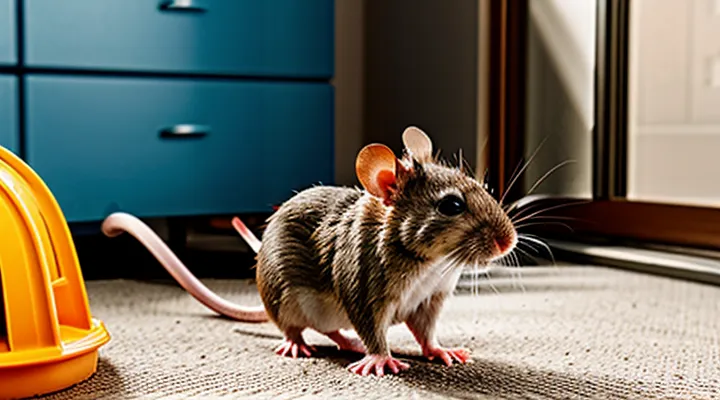
Understanding the Rodent Problem
Identifying a Rodent Infestation
Signs of Mice
Detecting mouse presence is the first step in any control strategy. Mice leave distinct evidence that can be identified without specialized equipment.
- Small droppings, 1‑3 mm long, dark with a pointed tip, commonly found along walls, behind appliances, and in pantry corners.
- Gnaw marks on wood, plastic, or wiring; teeth leave shallow, clean cuts, often at a 45‑degree angle.
- Nests constructed from shredded paper, fabric, insulation, or dried food, typically hidden in concealed spaces such as wall voids, under sinks, or inside cabinets.
- Grease or urine streaks that appear as dark, oily lines along baseboards, behind furniture, or on the underside of countertops.
- Fresh footprints in dusty areas, showing a distinctive four‑toed pattern with a small pad at the heel.
- Audible sounds, especially scratching or scurrying, occurring at night from ceilings, attics, or behind walls.
Each sign indicates active infestation and should prompt immediate remedial action. Early identification reduces damage to structures, wiring, and stored food, and improves the effectiveness of subsequent eradication measures.
Signs of Rats
Rats reveal their presence through distinct physical evidence and behavior that can be detected before damage escalates. Recognizing these indicators enables timely implementation of control strategies aimed at eradicating rodents from residential environments.
- Dark, cylindrical droppings, ½ to ¾ inch long, typically found near food sources, along walls, or in hidden corners.
- Gnaw marks on wood, plastic, wiring, and insulation, characterized by clean, V-shaped cuts.
- Scratching or scurrying sounds, especially at night, emanating from walls, ceilings, or attics.
- Visible tracks or tail marks in dusty areas, grease, or fresh mulch.
- Nests constructed from shredded paper, fabric, insulation, or dried vegetation, often located in concealed spaces such as crawl spaces, behind appliances, or within wall voids.
- Streaks of oily urine, which may appear as dark smears on surfaces, floors, or near entry points.
- Chewed or contaminated food packaging, showing holes, torn seals, or exposed contents.
- Occasional sightings of live rats or fresh carcasses, indicating active movement.
Identifying these signs promptly directs homeowners to adopt appropriate eradication measures, reducing health risks and structural damage.
Health Risks Associated with Rodents
Rodents introduce pathogens that cause acute and chronic illnesses in residents. Direct contact with feces, urine, or saliva transfers infectious agents, while contaminated food and surfaces perpetuate exposure.
Common diseases transmitted by mice and rats include:
- Hantavirus pulmonary syndrome
- Leptospirosis
- Salmonellosis
- Lymphocytic choriomeningitis virus (LCMV)
- Rat‑bite fever (streptobacillosis)
These infections produce symptoms ranging from fever and gastrointestinal distress to severe respiratory failure and organ damage. Early diagnosis is difficult because initial signs often mimic common viral illnesses.
Allergic reactions arise from rodent dander and droppings, triggering asthma attacks and rhinitis, particularly in children and individuals with pre‑existing respiratory conditions. Persistent infestations increase indoor mold growth by disrupting ventilation, compounding respiratory hazards.
Rodent‑borne parasites, such as fleas, mites, and ticks, attach to humans and pets, serving as vectors for additional diseases like plague and Lyme disease. Infestations also elevate the risk of foodborne poisoning by contaminating stored provisions with bacterial colonies.
Eliminating rodents promptly reduces the probability of infection, lowers allergen load, and protects vulnerable household members. Effective control measures—mechanical traps, sealed entry points, and targeted baiting—directly mitigate health threats by removing the source of contamination.
Why Rodents Enter Homes
Rodents are attracted to residential structures primarily because they provide resources that satisfy basic survival needs. Access to food, water, shelter, and warmth creates an environment where mice and rats can thrive, prompting them to breach interior spaces.
- Unsecured food sources such as pantry items, pet feed, and crumbs offer a reliable nutrition supply.
- Leaking pipes, dripping faucets, and condensation generate water points that support hydration.
- Gaps in foundations, walls, doors, and windows serve as entryways; once inside, insulation and clutter furnish protection from predators and weather.
- Heated indoor temperatures reduce the energetic cost of maintaining body heat, especially during colder months.
- Proximity to gardens, garbage bins, and compost piles increases the likelihood of rodents encountering a building’s perimeter.
Structural deficiencies, inadequate sanitation, and environmental factors combine to create conditions that invite rodent activity. Addressing each element directly reduces the incentive for these pests to infiltrate homes.
Prevention: The First Line of Defense
Sealing Entry Points
Inspecting the Exterior
Inspect the building’s perimeter to locate potential entry points before implementing control measures. Examine foundations, walls, and eaves for gaps larger than ¼ inch, paying special attention to areas where utilities and pipes penetrate the structure. Record each opening and prioritize those near food sources or shelter.
Assess the condition of exterior materials. Replace damaged siding, repair cracked mortar, and reinforce loose soffits. Install metal flashing around vents, chimneys, and crawl‑space openings to create a durable barrier that rodents cannot gnaw through.
Trim vegetation that contacts the house. Cut back tree branches, shrubs, and vines to maintain a clearance of at least two feet. Remove dense ground cover and debris that could conceal burrows or provide a travel corridor to the roof.
Create a checklist for regular monitoring:
- Visual inspection of doors, windows, and garage doors for wear on weatherstripping.
- Confirmation that screens are intact and securely fastened.
- Verification that door sweeps and threshold seals remain in place.
- Observation of signs such as gnaw marks, droppings, or nesting material along the exterior.
Address identified deficiencies promptly; sealing entry points eliminates the primary route rodents use to access indoor spaces.
Common Entry Points for Mice
Mice exploit the smallest openings to infiltrate residential structures. Gaps measuring as little as 1/4 inch provide sufficient access, allowing rodents to travel between exterior and interior environments.
- Gaps around exterior doors and sliding windows, especially where weatherstripping is worn or absent.
- Unsealed cracks in foundation walls, sill plates, and basement flooring.
- Openings around utility penetrations, such as electrical wiring, plumbing, and cable lines.
- Ventilation shafts, dryer exhaust ducts, and attic fans that lack mesh screens.
- Gaps around pipe entries for water, gas, and sewer lines, particularly where pipe sleeves are not tightly fitted.
- Roof eaves, soffits, and chimney flues without proper caps or flashing.
- Garage door bottom seals that are cracked, torn, or improperly aligned.
- Small holes in siding, trim, or decorative lattice where paint or caulk has deteriorated.
Inspect each potential entry point regularly, seal gaps with steel wool, copper mesh, or appropriate caulking, and reinforce closures with hardware cloth or metal flashing. Prompt remediation eliminates the primary pathway for mice, reducing the likelihood of infestation.
Common Entry Points for Rats
Rats gain indoor access through gaps that accommodate their 3‑inch body width and 2‑inch height. Identifying these openings is essential for any rodent control strategy.
- Openings around utility penetrations (pipes, cables, vents) larger than ¼ inch
- Gaps beneath doors and windows, especially where weather stripping is missing or damaged
- Cracks in foundation walls, foundation slabs, and crawl‑space joists
- Unsealed holes in exterior siding, brickwork, or stucco
- Openings around dryer vents, chimneys, and flues that lack metal collars or mesh
- Gaps around garage door seals and garage‑to‑house connections
- Unscreened attic vents, soffit vents, and roof eaves
- Holes left by rodents themselves, often near food sources
Inspect each potential entry point with a flashlight and a thin probe or steel wool. Apply steel wool, copper mesh, or expanding foam to seal gaps that cannot be covered with hardware cloth. Install door sweeps, weather stripping, and tight‑fitting screens where needed. Regular maintenance of seals and structural repairs prevents re‑infestation and supports long‑term rodent exclusion.
Maintaining a Clean Environment
Food Storage
Secure food storage is a fundamental component of any rodent‑control plan for residential environments. Proper containment eliminates the primary attractant that draws mice and rats into kitchens, pantries, and dining areas.
- Use airtight containers made of heavy‑wall plastic, glass, or metal for all dry goods, including grains, cereals, nuts, and pet food. Verify that lids seal with a compression lock or silicone gasket.
- Store bulk items in smaller, resealable packages before placing them in larger containers. This reduces the volume of exposed material should a container be compromised.
- Keep all containers off the floor. Position them on shelves or countertops at least six inches above the surface to deter gnawing and prevent rodents from accessing the underside of cabinets.
- Label containers with purchase dates and rotate stock regularly. Consuming older items first removes the temptation of stale, fragrant food that can attract vermin.
- Seal trash bags tightly and store waste bins with fitted lids. Empty indoor bins daily and keep outdoor receptacles at a distance from the house, preferably on a concrete pad.
Maintain a clean environment around storage areas. Wipe crumbs, spills, and food residues immediately; vacuum pantry corners and shelving regularly. Eliminate standing water sources by fixing leaks and using sealed containers for liquids. These measures reduce the scent cues that rodents use to locate nourishment and support the overall effectiveness of extermination techniques.
Waste Management
Proper waste handling reduces food sources that attract rodents, thereby supporting control strategies for household infestations. Store garbage in containers with tight-fitting lids, and place them away from entry points such as doors and windows. Empty bins regularly to prevent decomposition and odor buildup.
Maintain cleanliness in kitchen and dining areas:
- Remove food scraps immediately; wipe counters after meals.
- Dispose of pet food leftovers in sealed bags.
- Clean under appliances and behind furniture where crumbs may accumulate.
Implement outdoor waste practices that limit rodent access:
- Keep compost piles covered and located at a distance from the house.
- Use metal or heavy‑duty plastic bins that rodents cannot chew through.
- Position trash receptacles on a solid surface, not on soil or mulch, to prevent burrowing.
These measures eliminate the primary attractants, making other removal techniques—such as traps or exclusion—more effective.
Decluttering
Decluttering eliminates hiding places that attract rodents, making the environment less hospitable for mice and rats. Removing excess paper, cardboard, and fabric piles reduces shelter options, while organizing stored food in sealed containers prevents easy access to nourishment.
Key actions for an effective declutter:
- Clear floor space by discarding broken furniture, unused appliances, and stray items that create tunnels.
- Store pantry goods in airtight, rodent‑proof containers; label and rotate stock to avoid spoilage.
- Keep countertops, tables, and shelving free of crumbs and residues; wipe surfaces after each use.
- Eliminate clutter in basements, attics, and garages by installing shelving and using labeled bins for necessary supplies.
- Regularly inspect storage areas for signs of gnawing or nesting; remove any compromised materials promptly.
A systematic reduction of unnecessary objects simplifies cleaning routines and limits the opportunities for rodents to establish colonies, thereby supporting long‑term pest management in residential settings.
Non-Lethal Rodent Removal Methods
Live Trapping
Types of Live Traps
Live traps provide a humane alternative to lethal devices, allowing capture and release of rodents without killing them. They function by enclosing the animal in a secure compartment triggered by movement or weight. Proper selection of trap type influences capture efficiency, ease of handling, and suitability for different infestation levels.
-
Single‑catch cage trap – Small metal or plastic cage with a spring‑loaded door. Bait placed at the rear draws the rodent onto a pressure plate; entry closes the door instantly. Ideal for isolated sightings and indoor use because of compact size and low risk of accidental release.
-
Multi‑catch box trap – Larger enclosure featuring a funnel entry and a hinged door that closes after each capture. Allows collection of several individuals before emptying. Suitable for moderate to heavy infestations in basements, garages, or sheds where repeated checking is feasible.
-
Electronic live trap – Battery‑powered unit with a sensor that detects weight and activates a motorized door. Often includes a built‑in timer and LED indicator for real‑time monitoring. Best for users who prefer minimal manual inspection and precise control over capture intervals.
-
Snap‑free release trap – Similar to a traditional snap trap but equipped with a spring‑loaded latch that holds the rodent without injury. The latch releases when the user lifts a release lever. Provides quick capture with immediate release, useful for targeted removal in kitchens or pantry areas.
Each trap type requires appropriate bait—peanut butter, seeds, or fruit—and regular maintenance to prevent stress or injury to captured rodents. Selecting the correct model based on location, infestation severity, and handling preferences maximizes humane removal outcomes.
Baiting Strategies for Live Traps
Effective rodent control in residential settings often relies on live traps combined with targeted baiting. Proper bait selection increases capture rates while minimizing non‑target exposure.
- Peanut butter mixed with oats: strong scent, high palatability for both mice and rats. Apply a pea‑size amount on the trap trigger.
- Sunflower seeds: natural food source, attractive to rats. Secure a few seeds on the trap platform to encourage entry.
- Dried fruit pieces (e.g., raisins or apricots): sweet aroma appeals to mice. Place a small fragment inside the trap tunnel.
- Commercial rodent gel: concentrated flavor, low mess. Deposit a thin line on the trigger mechanism for quick activation.
- Soft cheese cubes: effective for mice in kitchen areas. Use a bite‑sized piece to avoid spillage.
Placement guidelines improve effectiveness. Position traps along walls, behind appliances, and near known droppings. Ensure traps are set perpendicular to travel routes, with the bait facing the entry point. Check traps daily; release captured rodents promptly, wearing gloves and following local wildlife regulations.
Safety considerations include avoiding toxic baits, keeping traps out of reach of children and pets, and sanitizing hands after handling. Consistent monitoring and bait rotation prevent habituation, sustaining high capture success.
Releasing Trapped Rodents
Releasing rodents captured in live traps requires precise handling to protect both the animal and the household environment. After confirming the trap is securely closed, transport the container to a location at least half a mile from the residence, ideally in a wooded area or field where natural predators can assist in population control.
Steps for safe release:
- Wear disposable gloves to prevent disease transmission.
- Place the trap on a flat surface, open the door away from you, and allow the rodent to exit voluntarily.
- Observe the animal for a brief period to ensure it moves away from the release site.
- Dispose of gloves and sanitize any equipment that contacted the rodent.
Legal considerations vary by jurisdiction; many regions prohibit releasing captured pests near residential zones or protected habitats. Verify local regulations before proceeding to avoid fines or ecological impact.
After release, inspect the home for entry points used by the animal. Seal gaps around pipes, vents, and foundation cracks with steel wool, caulk, or metal flashing. Install door sweeps and maintain a clutter‑free perimeter to reduce shelter opportunities. Regular monitoring of trap locations helps identify recurring activity and informs adjustments to the overall pest‑management plan.
Repellents
Natural Repellents
Natural repellents provide a chemical or sensory barrier that discourages rodents without relying on poisons or traps. Their effectiveness depends on proper application, concentration, and regular renewal, because rodents quickly become accustomed to weak or stale odors.
Common household substances used as rodent deterrents include:
- Peppermint oil – apply several drops to cotton balls and place them in entry points, closets, and pantry corners; replace every three days.
- Clove oil – soak cotton swabs in the oil and distribute similarly to peppermint; clove’s strong scent interferes with rodents’ olfactory cues.
- Cayenne or hot pepper powder – sprinkle a thin layer along baseboards, behind appliances, and around burrow openings; reapply after cleaning or when moisture dilutes the powder.
- Ammonia – mix equal parts water and ammonia in a spray bottle; mist areas where rodents travel, avoiding direct contact with food surfaces.
- Predator urine (e.g., fox or cat) – purchase commercially prepared spray and apply near suspected pathways; the scent signals danger to mice and rats.
Implementation guidelines:
- Identify all potential entry points and travel routes; seal gaps with steel wool or caulk before applying repellents.
- Maintain a schedule for replenishment; most natural agents lose potency within 1–2 weeks.
- Combine multiple repellents in a layered approach to reduce the likelihood of habituation.
- Monitor rodent activity with visual checks or tracking powder to assess the deterrent’s impact and adjust placement as needed.
When used consistently and in conjunction with exclusion measures, natural repellents form a viable component of a comprehensive rodent control strategy that minimizes health risks and environmental impact.
Electronic Repellents
Electronic repellents emit ultrasonic or electromagnetic frequencies intended to disturb the nervous systems of rodents, causing them to vacate the treated area. Devices typically operate continuously, drawing power from a wall outlet or battery, and are marketed for use in kitchens, basements, and attics where mouse and rat activity is common.
Effectiveness depends on several variables. The target species must be within the device’s frequency range; most products claim coverage for both mice and rats but laboratory data show higher sensitivity in mice. Obstacles such as furniture, walls, and insulation attenuate the signal, creating blind spots. Proper placement—near entry points, along walls, and at a height of 1–2 feet—maximizes exposure. Multiple units may be required for large or multi‑room dwellings.
Advantages:
- Non‑chemical, eliminating risk of poison exposure to children or pets.
- Silent operation, no odor, and low maintenance after initial installation.
- Immediate activation, providing instant deterrence without waiting for bait consumption.
Limitations:
- Variable efficacy; some rodents become habituated after a few days.
- Interference from other electronic devices can reduce output.
- Ineffective against established infestations where burrows are deep or food sources are abundant.
For reliable results, combine electronic repellents with exclusion measures: seal cracks, install door sweeps, and remove accessible food. Monitor activity with snap traps or motion‑activated cameras to verify reduction. Replace units according to manufacturer lifespan, typically 2–3 years, to maintain output strength.
Lethal Rodent Removal Methods
Snap Traps
Proper Trap Placement
Proper trap placement determines the success of any rodent‑control effort. Identify the most active pathways by observing droppings, gnaw marks, and fresh food sources. Set traps directly along these routes, typically within 2 inches of a wall where mice and rats travel for safety. Position the trigger side of snap or electronic traps against the wall, so the animal approaches from the side rather than from the front.
Key considerations for placement:
- Wall adjacency: Place the baited end facing the wall, with the trigger plate perpendicular to the wall surface.
- Travel corridors: Install traps in narrow passages, behind appliances, under cabinets, and in utility closets.
- Height: Position snap traps 1–2 feet above the floor for mice; place larger rat traps 2–3 feet high to match their typical movement level.
- Bait proximity: Keep bait within ½ inch of the trigger mechanism to ensure immediate contact.
- Multiple stations: Deploy at least two traps per identified pathway, spaced 12–18 inches apart, to increase capture probability.
Maintain a clear line of sight to each trap, removing clutter that could obstruct access. Replace or relocate traps after each capture, and rotate their positions weekly to prevent rodents from learning trap locations. Regular inspection and adjustment sustain efficacy throughout the eradication process.
Effective Baits for Snap Traps
Peanut butter remains the most reliable attractant for snap traps. Its strong aroma and oily texture stimulate both mice and rats, and it adheres well to the trigger mechanism, reducing the chance of the bait slipping off. Apply a pea‑sized dollop directly onto the trap’s trigger plate for optimal contact.
Chocolate, especially dark varieties, offers a sweet, fatty scent that appeals to rodents. Break a small piece into shavings and press them onto the trigger. The high caloric content encourages repeated visits, increasing capture probability.
Dried fruit, such as raisins or apricot pieces, provides a sugary lure that is especially effective for mice. Cut the fruit into bite‑sized fragments and secure them with a dab of petroleum jelly to prevent displacement.
Fresh meat, like small cubes of cooked chicken or bacon, targets larger rats that prefer protein. Use a minimal amount—no larger than a grain of rice—to avoid spillage and maintain trap sensitivity.
Combination baits can enhance effectiveness. Mixing peanut butter with a touch of vanilla extract or adding a few drops of almond oil creates a multi‑scent profile that attracts a broader range of rodent species.
Key considerations when selecting bait:
- Odor strength: Choose baits with strong, lingering scents to draw rodents from a distance.
- Texture: Ensure the bait adheres firmly to the trigger to prevent loss during handling.
- Size: Use the smallest amount necessary to trigger the mechanism while providing enough flavor.
- Safety: Avoid toxic substances; select food‑grade ingredients to prevent accidental poisoning of pets or children.
- Placement: Position traps along walls, behind appliances, and near known droppings, placing bait at the exact point where the rodent must touch the trigger.
By matching bait type to the target species and maintaining precise placement, snap traps become highly efficient tools for eliminating unwanted rodents from residential environments.
Glue Traps
Advantages and Disadvantages of Glue Traps
Glue traps are a passive control option that immobilizes rodents by adhering them to a coated surface. They require placement in known travel routes and function without electricity or chemicals.
Advantages
- Immediate capture without poisoning; no risk of secondary poisoning to pets or wildlife.
- Low initial cost; a single pack can cover multiple locations.
- Compact design; easy to conceal behind appliances, under cabinets, or inside wall voids.
- No need for ongoing maintenance after placement; the trap remains active until triggered.
Disadvantages
- Ethical concerns; rodents may suffer prolonged distress before death.
- Limited efficacy for larger rats; body weight can exceed the adhesive’s holding capacity.
- Potential for non‑target capture, including small reptiles, insects, or domestic animals that inadvertently encounter the trap.
- Disposal requires careful handling to avoid contact with the adhesive and to comply with local waste regulations.
- Reduced effectiveness in dusty or greasy environments, which can compromise the glue’s stickiness.
Glue traps provide a cost‑effective, chemical‑free solution for short‑term rodent reduction, yet ethical, safety, and performance limitations often outweigh their benefits in comprehensive home pest management.
Safe Use of Glue Traps
Glue traps provide a rapid, low‑cost option for capturing rodents that have infiltrated residential spaces. When employed correctly, they reduce infestations without the need for chemical poisons, but misuse can pose risks to non‑target animals and humans.
Placement must follow precise criteria. Position traps along established runways, behind appliances, and near entry points where droppings or gnaw marks are evident. Secure each trap to a flat surface using the supplied adhesive backing; avoid placement on elevated or unstable areas that could cause premature detachment. Keep traps out of reach of children and pets by installing them in concealed locations such as behind baseboards or inside wall voids.
Safe handling procedures include:
- Wearing disposable gloves before contacting any trap.
- Inspecting each device for captured rodents before removal.
- Placing used traps in sealed, puncture‑resistant containers.
- Disposing of containers according to local regulations for dead animal waste.
If a non‑target animal is captured, isolate the trap, cover it with a lid, and contact a wildlife rehabilitation service for guidance. Do not attempt to release captured rodents, as they may carry disease.
Regular monitoring enhances effectiveness. Check traps daily; replace adhesive surfaces that have lost tackiness or become contaminated. Rotate trap locations periodically to prevent rodents from learning avoidance patterns.
When integrated with complementary measures—such as sealing entry gaps, maintaining cleanliness, and eliminating food sources—glue traps contribute to a comprehensive rodent management plan while minimizing chemical exposure and collateral harm.
Rodenticides
Types of Rodenticides
Rodenticides represent a chemical approach for controlling mice and rats in residential settings. Their effectiveness varies according to active ingredient, mode of action, and regulatory restrictions.
Anticoagulant compounds interfere with blood clotting, leading to fatal hemorrhage after ingestion. First‑generation agents (warfarin, diphacinone) require multiple doses; second‑generation agents (bromadiolone, brodifacoum) act after a single feeding and are more potent. Both categories are widely available in pellet or block form, but second‑generation products demand stricter placement to prevent accidental exposure of children and pets.
Non‑anticoagulant options include:
- Bromethalin – disrupts cellular energy production, causing rapid neurological failure. Effective against resistant rodents; requires careful dosing to avoid secondary poisoning.
- Cholecalciferol (vitamin D₃) – induces hypercalcemia, leading to organ failure. Low risk of immediate toxicity for non‑target species but may accumulate in predators.
- Zinc phosphide – releases phosphine gas in the stomach, producing acute toxicity. Primarily used in grain storage; unsuitable for indoor use due to odor and gas hazards.
- Sodium fluoroacetate – interferes with the citric acid cycle, causing systemic failure. Restricted in many jurisdictions because of high toxicity to wildlife.
Selection criteria should address target species, resistance patterns, and household safety. Placement of bait stations behind appliances, within wall voids, or in tamper‑resistant containers limits access by children, pets, and non‑target wildlife. Regular inspection ensures bait remains fresh and eliminates depleted units, maintaining consistent pressure on the rodent population.
Integration with sanitation, exclusion, and trapping amplifies overall control. Rodenticides alone rarely eradicate an infestation; they function best as part of a comprehensive management plan that reduces food sources, seals entry points, and monitors activity levels.
Safety Precautions for Rodenticide Use
When employing chemical baits to eliminate mice and rats, protect human occupants, pets, and non‑target wildlife by following strict safety protocols.
- Store rodenticides in their original, sealed containers; keep them out of reach of children and animals.
- Place baits only in tamper‑resistant stations that prevent accidental contact or ingestion.
- Label each bait station with hazard warnings and instructions for proper handling.
- Wear disposable gloves and, if recommended by the product label, a mask while applying or moving baits.
- Keep bait stations away from food preparation surfaces, utensils, and pet feeding areas; maintain a minimum distance of 10 feet from these zones.
- Record the location, type, and concentration of each bait to facilitate monitoring and safe disposal.
- Dispose of expired or unused products according to local hazardous‑waste regulations; never dump them in regular trash or down drains.
- If a spill occurs, isolate the area, wear protective equipment, and clean with a suitable absorbent material before contacting local health authorities for guidance.
Adhering to these measures minimizes health risks, prevents accidental poisoning, and ensures that rodent control remains effective within residential environments.
Risks to Pets and Children
Rodent control measures can jeopardize the safety of household animals and youngsters. Toxic baits contain anticoagulants or neurotoxins; a single lick or chew can cause internal bleeding, seizures, or death in dogs, cats, and small pets. Live traps with spring mechanisms may crush paws or limbs, and snap traps pose a choking hazard if a child or animal accidentally triggers them. Ultrasonic emitters emit high‑frequency sound that can induce anxiety, disorientation, or hearing damage in sensitive pets.
Risks to children arise from the same sources. Ingesting bait pellets can lead to severe poisoning, vomiting, and hemorrhage. Small trap components can become choking objects. Contact with snap‑trap springs may cause lacerations. Exposure to rodent droppings and urine, which often accumulate around bait stations, increases the likelihood of hantavirus or leptospirosis infection.
Mitigation steps:
- Use tamper‑resistant bait stations positioned above reach of pets and kids.
- Select snap traps with protective shields or opt for catch‑and‑release devices placed in concealed locations.
- Store all rodenticides in locked containers, away from food preparation areas.
- Supervise children in rooms where control actions are performed; educate them about the dangers of bait and traps.
- Monitor pets for signs of illness after any rodent‑control activity and seek veterinary care promptly.
Professional Pest Control
When to Call an Exterminator
Rodent activity that spreads beyond a few sightings often signals the need for professional assistance. Evidence such as gnawed structural components, extensive droppings, or damage to wiring indicates a population size that DIY methods cannot contain.
- Multiple active nests detected in walls, attic, or crawl spaces
- Continuous chewing of insulation, pipes, or electrical cables
- Persistent odor of urine or feces despite traps and baits
- Signs of disease risk, e.g., contaminated food storage areas
- Failed attempts with snap traps, electronic devices, or sealed bait stations
When any of these conditions appear, a licensed exterminator can conduct a thorough inspection, identify hidden entry points, and apply integrated pest‑management strategies that exceed consumer‑grade solutions. Professionals bring certified rodenticides, calibrated trapping systems, and expertise in safe placement to minimize health hazards for occupants and pets.
Prompt engagement prevents structural deterioration, reduces fire risk from chewed wiring, and curtails the spread of pathogens. Contact a certified service as soon as the infestation exceeds isolated incidents or when previous control measures have not produced measurable reduction.
What to Expect from Professional Services
Professional rodent‑control firms begin with a thorough inspection. Technicians locate entry points, assess population size, and identify species. The findings are documented before any treatment is applied.
Based on the inspection, a written plan outlines:
- Targeted baiting or trapping methods suited to the identified species.
- Placement of devices in concealed, high‑traffic areas.
- Use of low‑toxicity products that comply with health‑safety regulations.
- Recommendations for sealing gaps, repairing screens, and improving sanitation.
Clients receive a clear schedule. Initial deployment occurs within 24–48 hours of agreement. Follow‑up visits are typically arranged weekly for the first month, then monthly or as needed until activity ceases.
All services include:
- Guarantees for a specified period, often 30 days, with free re‑treatment if activity resumes.
- Detailed reports describing actions taken, products used, and safety precautions observed.
- Advice on preventive measures, such as trimming vegetation, securing food storage, and regular property checks.
After completion, the contractor confirms the absence of fresh droppings, gnaw marks, or sightings. A final inspection validates that the infestation is resolved and that the property remains protected against re‑entry.
Integrated Pest Management Approaches
Integrated pest management (IPM) provides a systematic framework for controlling mice and rats in residential settings while minimizing reliance on chemicals. The approach begins with a thorough inspection to locate entry points, nesting sites, and activity trails. Data collected during inspection guide subsequent actions and allow measurement of progress.
Key components of an IPM program include:
- Exclusion – sealing gaps around doors, windows, utilities, and foundations; installing door sweeps and vent covers.
- Sanitation – removing food residues, storing dry goods in airtight containers, and disposing of garbage regularly.
- Physical control – deploying snap traps, electronic traps, or live‑catch devices in identified pathways; positioning traps perpendicular to walls.
- Biological control – employing natural predators such as barn owls or feral cats where appropriate and safe.
- Monitoring – placing non‑lethal detection devices (e.g., chew blocks, tracking powder) to verify activity levels and assess treatment efficacy.
- Evaluation – reviewing capture records and inspection findings weekly; adjusting measures based on observed outcomes.
Effective IPM relies on documentation of each step, ensuring that interventions are targeted, repeatable, and adaptable. By integrating exclusion, sanitation, mechanical controls, and ongoing monitoring, homeowners achieve lasting reduction of rodent populations while limiting exposure to toxic substances.
Post-Removal Strategies
Cleaning and Sanitizing Infested Areas
Cleaning and sanitizing infested areas eliminates disease agents, removes attractants, and reduces the likelihood of reinfestation.
First, remove all visible contamination:
- Dead rodents, droppings, urine stains, and nesting material
- Food residues, spilled grains, and crumbs
- Cardboard, paper, or fabric that rodents have gnawed or soiled
Dispose of waste in sealed bags and transport to an outdoor trash container.
Second, disinfect the cleared space:
- Select an EPA‑registered rodent disinfectant or a diluted bleach solution (1 part bleach to 10 parts water).
- Apply the product to surfaces, cracks, and crevices where droppings or urine were present.
- Observe the manufacturer’s required contact time, typically 10–15 minutes, before wiping or rinsing.
Third, ventilate and dry the treated area:
- Open windows and use fans to circulate air for at least 30 minutes.
- Ensure all moisture evaporates; lingering dampness encourages mold and attracts rodents.
Finally, establish a maintenance routine:
- Inspect high‑traffic zones weekly for fresh droppings or gnaw marks.
- Perform spot cleaning immediately after detection.
- Keep food storage sealed and waste containers covered to deny future food sources.
Ongoing Monitoring for Reinfestation
Regular inspection after an extermination program prevents a resurgence of rodents. Visual checks of walls, ceilings, and stored goods reveal fresh gnaw marks, droppings, or nesting material. Record each observation with date, location, and severity to identify patterns and prioritize intervention.
Effective surveillance combines passive and active techniques:
- Install motion‑activated cameras in concealed corners to capture nocturnal activity.
- Place non‑toxic tracking stations (e.g., powdered flour or charcoal) near entry points; replace weekly and examine for footprints.
- Use ultrasonic detectors calibrated to rodent frequencies; log alerts for further assessment.
- Conduct monthly perimeter audits to verify that seals, screens, and door sweeps remain intact.
Data from these measures guide timely reinforcement of barriers, targeted bait placement, or professional re‑treatment, ensuring that any re‑infestation is detected and addressed before it escalates.
Long-Term Prevention Measures
Maintaining a rodent‑free residence requires actions that extend beyond immediate removal. Long‑term prevention focuses on eliminating conditions that attract mice and rats and on blocking their access to the interior.
- Inspect the building’s exterior annually; seal cracks, gaps around pipes, vents, and utility penetrations with steel wool, copper mesh, or silicone caulk.
- Install door sweeps and weather stripping on all exterior doors to prevent entry beneath thresholds.
- Store food in airtight containers made of glass, metal, or heavy‑wall plastic; keep pantry shelves clean and free of crumbs.
- Remove standing water sources by fixing leaks, drying wet areas promptly, and using drip‑free basins for pet water.
- Keep garbage in tightly lidded bins; empty indoor trash daily and store outdoor containers away from walls.
- Trim vegetation at least 12 inches from the house; prune tree branches that contact the roof or walls to reduce bridge pathways.
- Place compost bins at a distance of at least 15 feet from the structure and use secure lids.
- Conduct quarterly interior inspections; look for droppings, gnaw marks, and nesting material, and address findings immediately.
- Maintain a minimal clutter environment; discard cardboard boxes, piles of paper, and unused fabrics that provide shelter.
- Consider employing predator cues, such as cat urine or commercial rodent‑deterrent sprays, in areas where infestation risk is high.
Consistent application of these measures creates an environment where rodents cannot locate food, water, or shelter, thereby reducing the likelihood of future incursions. Regular monitoring ensures that any breach is detected and remedied before a population becomes established.