
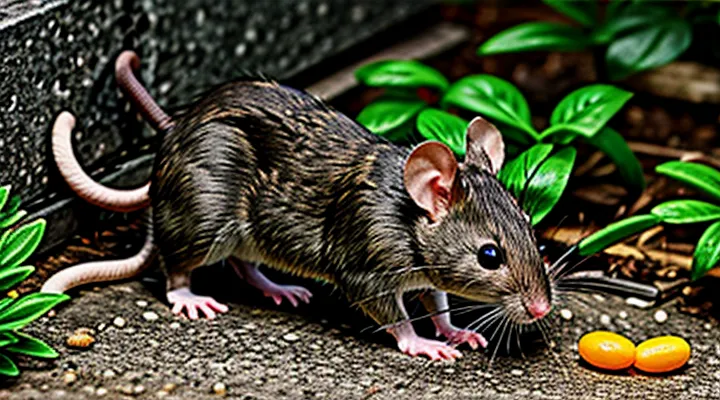
Understanding Rat and Mouse Behavior
Dietary Preferences of Rodents
Rodents consume a wide range of foods, but their intake concentrates on high‑energy, readily digestible items. Natural diets include grains, seeds, fruits, insects, and occasional animal protein. The preference for carbohydrate‑rich substances drives foraging behavior and influences bait attractiveness.
- Rats favor corn, wheat, barley, and wheat bran; they also accept peanut butter, dried fruit, and meat scraps.
- Mice show strong attraction to wheat germ, sunflower seeds, cheese, and soft doughs; they respond to sweetened cereals and powdered protein sources.
- Both species readily ingest foods with strong odors, such as garlic, anise, or molasses, when presented in a palatable matrix.
Bait formulation should align with these preferences. Selecting a base that mirrors grain or seed composition, adding a protein or fat enhancer, and incorporating an appealing scent maximizes consumption. Adjusting texture to a soft, moist consistency improves uptake, especially for mice, while a coarser, crumbly bait suits rat foraging patterns.
Factors Influencing Bait Acceptance
Neophobia
Neophobia describes the innate hesitation of rats and mice to consume unfamiliar substances. When a bait differs in scent, texture, or composition from foods the pest regularly encounters, the animal may reject it, reducing control effectiveness.
The presence of neophobia influences bait performance in several ways:
- Immediate rejection of novel formulations, leading to low initial uptake.
- Preference for natural food sources over synthetic attractants.
- Variable response across species; mice generally exhibit stronger aversion than rats.
To mitigate neophobia, apply the following practices:
- Incorporate a familiar food matrix, such as grain or peanut butter, into the bait.
- Use gradual flavor transition by mixing a small amount of new attractant with a known favorite, then increase proportion over several days.
- Select attractants that emit odors similar to common household or pantry items.
- Deploy pre-baiting stations where non-toxic food is offered before introducing lethal or monitoring bait.
- Rotate bait types periodically to prevent habituation and maintain interest.
Understanding and addressing neophobic behavior is essential for achieving reliable consumption rates and successful pest management.
Food Availability
Food availability directly influences bait performance. When rodents have abundant alternative nutrition, they are less likely to approach a trap or consume a poison. Assessing the local food environment before selecting bait reduces wasted effort and improves control outcomes.
Identify the primary food sources in the target area. Common options include grain storage, pet food, fruit debris, and human waste. Determine the seasonality of these resources, as availability fluctuates with weather and harvest cycles. Seasonal peaks of natural food reduce bait attractiveness, while scarcity periods increase rodent responsiveness.
Adjust bait composition to complement or replace the existing diet. Use the following guidelines:
- If grains dominate the environment, incorporate protein‑rich or high‑fat baits to create a nutritional imbalance that encourages consumption.
- When fruit or vegetable waste is prevalent, offer aromatic, sweet‑smelling baits that differ in texture and scent.
- In areas with abundant pet food, select bait with a strong, unfamiliar odor to break the rodents’ habituation.
Test bait acceptance before full deployment. Place a small quantity of the chosen bait near known activity zones and monitor removal rates for 24–48 hours. High removal indicates suitable attractiveness; low removal suggests the need for a different formulation or placement strategy.
Consider the timing of bait placement relative to feeding cycles. Deploy bait during periods of reduced natural food, such as early morning or late evening, when rodents are most active and hunger‑driven. Aligning bait availability with peak foraging times maximizes uptake.
Maintain bait freshness. Moisture, temperature, and exposure degrade scent and palatability, diminishing effectiveness. Store bait in airtight containers and replace it regularly, especially in warm or humid conditions.
By systematically evaluating the surrounding food supply, tailoring bait characteristics, and timing deployment, practitioners achieve higher acceptance rates and more efficient rodent control.
Types of Bait
Non-Toxic Bait Options
Food-Based Baits
Food‑based baits rely on the natural dietary preferences of rats and mice, making them highly attractive and easy to ingest. Common ingredients include grains, nuts, seeds, dried fruit, and protein‑rich substances such as peanut butter or fish meal. These components can be combined with anticoagulant or acute toxicants to create a lethal mixture that rodents will readily consume.
When selecting a food‑based formulation, consider the following factors:
- Palatability for the target species; grain blends suit rats, while mice often prefer softer, protein‑rich pastes.
- Moisture content; high moisture prolongs bait freshness and encourages gnawing.
- Resistance to non‑target consumption; encapsulation or bittering agents reduce accidental ingestion by pets or wildlife.
- Environmental stability; bait should remain effective despite temperature fluctuations and humidity.
Placement strategy influences efficacy. Position baits along established runways, near burrow entrances, and in concealed corners where rodents travel. Secure stations to prevent spillage and limit exposure to children and domestic animals. Replace or replenish bait every 2–3 days to maintain attractiveness and potency.
Monitoring outcomes ensures the chosen bait achieves control objectives. Record removal rates, inspect for fresh gnaw marks, and track any signs of secondary poisoning. Adjust formulation or placement based on observed rodent activity to maintain consistent pressure on the population.
Scent-Based Attractants
Scent‑based attractants exploit the keen olfactory sense of rodents to increase bait acceptance. Natural oils, fermented grain extracts, and synthetic pheromones provide the strongest cues.
- Natural oils: peanut, almond, and soy oil release volatile compounds that rodents detect from a distance.
- Fermented extracts: sour whey, molasses, and fish broth produce strong, lingering odors attractive to both rats and mice.
- Synthetic pheromones: commercially available mouse‑urine analogues mimic conspecific signals, prompting exploratory behavior.
Selection depends on target species, environment, and bait placement. Rats respond better to robust, protein‑rich scents such as fish or meat extracts, while mice show higher attraction to sweet, grain‑derived odors. Indoor applications favor low‑odor, dry powders to prevent residue, whereas outdoor settings tolerate moist, strong‑smelling liquids.
Effective integration requires coating the primary bait with a thin layer of the chosen attractant, ensuring the scent remains active for at least 48 hours. Rotate attractants weekly to prevent habituation; a standard schedule alternates between a protein source, a carbohydrate source, and a pheromone blend.
Safety considerations include verifying that the attractant does not pose toxicity to non‑target animals and that it complies with local pest‑control regulations. Store concentrates in sealed containers away from heat to preserve potency.
When applied correctly, scent‑based lures dramatically improve bait uptake, shorten control cycles, and reduce the quantity of toxic material needed.
Toxic Bait Options
Anticoagulants
Anticoagulant rodenticides interfere with blood clotting by inhibiting vitamin K recycling, leading to fatal hemorrhage in rats and mice. First‑generation compounds (warfarin, chlorophacinone, diphacinone) require multiple feedings to achieve mortality, while second‑generation agents (bromadiolone, difenacoum, brodifacoum) act after a single ingestion due to higher potency and longer biological half‑life.
Key characteristics of anticoagulant baits:
- Mode of action – Block vitamin K epoxide reductase, preventing synthesis of clotting factors II, VII, IX, and X.
- Efficacy – Second‑generation products achieve >90 % kill rate after one dose; first‑generation products typically need 3–5 consecutive exposures.
- Resistance – Documented in several rat populations; rotating active ingredients or combining with non‑anticoagulant formulations mitigates this risk.
- Safety – High secondary‑poisoning potential; use tamper‑resistant stations and follow label restrictions to protect non‑target wildlife and pets.
- Regulatory status – Many jurisdictions classify second‑generation anticoagulants as restricted use; proper licensing may be required.
When selecting anticoagulant bait, consider:
- Target species behavior – House mice often avoid large pellets; use fine, aromatic formulations.
- Exposure frequency – Environments with limited bait access favor second‑generation products.
- Resistance patterns – Conduct local surveillance; if resistance is present, opt for a different class or integrate mechanical controls.
- Environmental constraints – Indoor applications reduce secondary‑poisoning concerns; outdoor settings demand secure placement.
- Legal requirements – Verify regional restrictions before purchase and deployment.
Effective implementation combines accurate product choice with strategic placement, regular monitoring, and adherence to safety protocols to achieve reliable rodent control while minimizing unintended impacts.
Acute Toxins
Acute toxins are chemical agents that cause rapid physiological failure in rodents, typically within minutes to a few hours after ingestion. Their mode of action involves disruption of vital systems such as the nervous or cardiovascular pathways, leading to swift mortality.
The speed of effect reduces the likelihood of bait avoidance, because poisoned individuals succumb before they can develop aversion or share the bait with conspecifics. Rapid action also limits secondary exposure to non‑target species that might encounter the carcass.
When selecting bait, acute toxins offer:
- Immediate reduction of infestation levels
- Lower risk of bait shyness in subsequent generations
- Compatibility with small‑dose formulations, minimizing waste
Safety considerations include mandatory personal protective equipment during handling, secure storage away from food sources, and proper disposal of dead rodents to prevent environmental contamination. Users must follow label instructions regarding application rates and placement to avoid accidental exposure of pets or children.
Compliance with local pest‑control regulations requires verification that the chosen acute toxin is approved for residential or commercial use, that label warnings are displayed, and that usage records are maintained for audit purposes. Failure to meet these standards can result in legal penalties and increased public health risk.
Choosing the Right Bait
Assessing the Infestation
Identifying the Rodent Species
Accurate identification of the rodent species present is a prerequisite for selecting an effective lure. Different species exhibit distinct size ranges, coat colors, tail proportions, and behavioral patterns, all of which influence bait acceptance and placement strategy.
-
House mouse (Mus musculus)
• Body length 2–4 in (5–10 cm)
• Tail longer than head‑body length, slender, hairless
• Light brown to gray dorsal fur, pale ventral side
• Prefers indoor niches, cracks, and low‑lying clutter -
Norwegian rat (Rattus norvegicus)
• Body length 9–11 in (23–28 cm)
• Thick, hair‑covered tail, shorter than head‑body length
• Dark brown to black dorsal fur, lighter belly
• Occupies basements, sewers, and outdoor burrows -
Roof rat (Rattus rattus)
• Body length 7–9 in (18–23 cm)
• Long, hairless tail exceeding head‑body length
• Grayish‑brown dorsal fur, pale underside
• Climbs trees, attics, and high structures
Field identification relies on visual inspection of droppings, gnaw marks, and track impressions. Droppits differ in size and shape: mouse feces are 1–2 mm long, cylindrical; rat feces are 12–20 mm, rod‑shaped. Infrared trail cameras provide confirmation without disturbance. Live‑capture traps enable direct examination of captured specimens, allowing verification of species‑specific traits.
Choosing bait formulations must align with the identified species. Mice respond best to soft, aromatic baits such as peanut butter or grain mixtures, while rats prefer protein‑rich or fatty baits like meat emulsions or fish oil. Placement height and location should reflect each species’ preferred pathways: low, concealed spots for mice; ground‑level or elevated stations for roof rats; and robust, water‑proximate stations for Norway rats.
Estimating Population Size
Accurate knowledge of how many rats and mice inhabit an area determines the amount of lure required, the distribution pattern of traps, and the potency of the formulation. Over‑estimating leads to waste and potential non‑target exposure; under‑estimating results in insufficient pressure and continued damage.
Common techniques for quantifying rodent presence include:
- Live‑capture–recapture: Capture a sample, mark individuals, release, then recapture to calculate population using the Lincoln‑Petersen equation.
- Track plate or ink‑pad surveys: Record footprints on a grid, convert trace density to an estimate of activity.
- Burrow count: Count active entrances per unit area, apply species‑specific occupancy ratios.
- Food‑consumption measurement: Weigh bait or feed consumption over a set period, infer numbers from known per‑animal intake.
Population estimates directly shape bait strategy. A high count mandates larger bait blocks, multiple stations, and possibly a stronger active ingredient to achieve rapid mortality. A low count allows concentrated placement, smaller dosages, and reduced risk of secondary poisoning. Seasonal peaks identified through monitoring can trigger pre‑emptive bait deployment before reproduction surges.
Implementing the data involves:
- Conducting a baseline survey using the most feasible method for the environment.
- Updating the estimate at regular intervals, especially after control actions.
- Adjusting bait quantity and placement according to the latest figure.
- Documenting outcomes to refine future estimates and improve efficacy.
Consistent population assessment ensures that lure selection remains proportionate, cost‑effective, and environmentally responsible.
Environmental Considerations
Pet and Child Safety
When selecting rodent bait, prioritize formulations that pose minimal risk to non‑target animals and children. Opt for products labeled as child‑resistant and pet‑safe, which typically contain reduced concentrations of anticoagulants or alternative active ingredients such as vitamin B12 or plant‑derived toxins. Verify that the packaging meets regulatory standards for secure closure and tamper‑proof design.
Place bait stations in locations inaccessible to household members and pets. Ideal sites include wall voids, attics, crawl spaces, and behind appliances, where entry is limited to rodents. Mount stations at least 18 inches above floor level and out of reach of small children. If bait is loose, use sealed containers or bait blocks that require gnawing to access the toxic core, thereby reducing accidental ingestion.
Maintain strict supervision of bait usage. Regularly inspect stations for signs of tampering, spillage, or depletion. Replace damaged or compromised units immediately. Keep an inventory of the active ingredient and its concentration to facilitate rapid response in case of accidental exposure.
Key safety measures:
- Choose bait with a low toxicity profile for mammals.
- Use tamper‑resistant, child‑proof packaging.
- Install stations in concealed, elevated locations.
- Employ sealed or block‑type bait formats.
- Conduct routine checks and replace compromised units promptly.
Wildlife Concerns
Choosing rodent attractants inevitably influences surrounding wildlife. Toxic compounds can affect predatory birds, mammals, and insects that encounter bait directly or consume poisoned rodents. Secondary poisoning occurs when raptors or foxes eat affected prey, leading to population declines in non‑target species. Environmental exposure also arises from bait spillage, runoff, and decomposition, contaminating soil and water sources used by diverse fauna.
Key wildlife concerns include:
- Non‑target consumption of bait by birds, reptiles, and small mammals.
- Secondary mortality among predators that ingest poisoned rodents.
- Residual chemicals leaching into groundwater or surface water.
- Disruption of local food webs caused by reduced prey availability.
Mitigation strategies focus on minimizing unintended exposure:
- Deploy sealed bait stations that restrict access to rodents while preventing entry by larger wildlife.
- Select baits with low toxicity to non‑target species, such as anticoagulants with short half‑lives or biologically derived attractants.
- Position stations away from nesting sites, water bodies, and foraging areas used by birds and mammals.
- Apply bait at times when target rodents are most active, reducing the window for non‑target encounters.
- Monitor bait usage and perform regular inspections to detect spillage or unauthorized access.
Implementing these measures aligns bait effectiveness with responsible wildlife stewardship, ensuring rodent control does not compromise ecological integrity.
Bait Placement Strategies
Indoor Placement
When deploying rodent bait inside a building, position the product where rats and mice naturally travel and feed while minimizing exposure to non‑target animals and humans. Identify high‑traffic zones such as along walls, behind appliances, under sinks, and in concealed gaps near food storage. Place bait stations no more than 12 inches from these pathways; rodents tend to follow linear routes close to surfaces.
- Secure stations on the underside of cabinets or inside wall voids, ensuring the device is flush with the surrounding structure to prevent visual detection.
- Use tamper‑resistant containers in areas accessible to children or pets; lockable models reduce accidental contact.
- Install stations at a height of 4–6 inches above the floor, aligning with the typical foraging level of mice and the preferred running height of rats.
- Rotate placement every two weeks; rodents may develop avoidance if bait remains static for extended periods.
Monitor each station daily for consumption and signs of activity. Replace depleted units promptly, and adjust locations if evidence of avoidance appears. Maintain a log of station numbers, dates of inspection, and observed rodent activity to track effectiveness and guide future placement decisions.
Outdoor Placement
Effective outdoor bait deployment requires strategic positioning to attract rats and mice while minimizing non‑target exposure. Place stations in sheltered locations that protect bait from rain, direct sunlight, and wind, as moisture and UV degradation reduce potency. Position devices near known activity corridors—such as fence lines, garden edges, or utility access points—where rodents travel between shelter and foraging areas.
Environmental considerations include temperature fluctuations, precipitation levels, and ground moisture. Use weather‑resistant bait containers that seal tightly after each use. Elevate stations on low platforms or stakes to prevent flooding and to keep bait above ground moisture. Avoid placement near food sources intended for humans or pets, and keep a minimum distance of 10 feet from water features to reduce bait dilution.
- Install stations 2–3 feet from walls, under eaves, or behind shrubs.
- Secure bait within tamper‑proof, weather‑proof housings.
- Space stations 20–30 feet apart along rodent pathways.
- Rotate bait locations every 2–3 weeks to prevent habituation.
- Inspect stations weekly for damage, moisture ingress, and bait consumption.
Regular monitoring confirms bait effectiveness and identifies environmental wear. Replace compromised units promptly, replenish bait before depletion, and adjust placement based on observed rodent movement patterns. Consistent upkeep sustains control success throughout the outdoor season.
Baiting Best Practices
Pre-Baiting Techniques
Pre‑baiting prepares an environment for successful rodent control by encouraging rats and mice to investigate a bait source before the lethal product is introduced. The method builds familiarity, reduces hesitation, and increases the likelihood that target animals will accept the final bait.
Key elements of an effective pre‑baiting program include:
- Selection of non‑toxic attractants – use high‑protein foods such as peanut butter, dried fish, or commercial grain mixes. Choose formulations that match the local rodent diet to maximize appeal.
- Consistent placement – position pre‑bait stations along established runways, near walls, under appliances, and in concealed corners. Maintain a minimum of 3‑5 ft between stations to cover the activity zone without creating competition.
- Timing and duration – deploy pre‑bait for 3–5 days before introducing the lethal bait. Monitor removal rates daily; a 30‑40 % reduction in pre‑bait mass indicates strong interest.
- Station design – use sturdy, weather‑resistant containers with small entry holes that allow rodents but deter larger non‑target species. Ensure the interior remains dry to preserve attractant quality.
- Observation and adjustment – record which stations experience the highest depletion. Relocate underperforming stations to alternative pathways or increase the amount of attractant.
After the pre‑baiting phase, replace the non‑toxic material with the chosen lethal bait while preserving the same station locations. The established familiarity streamlines the transition, resulting in higher uptake and more efficient population reduction.
Monitoring and Replenishment
Effective bait selection requires continuous observation of rodent activity and timely renewal of the product. Monitoring confirms that the chosen formulation remains attractive and that placement locations continue to intercept foraging patterns.
- Inspect bait stations daily for signs of consumption, contamination, or displacement.
- Record the number of fresh bites, droppings, or gnaw marks to quantify efficacy.
- Note environmental changes such as moisture, temperature, or debris that could degrade bait quality.
- Identify any non‑target species interference and adjust station design accordingly.
Replenishment should follow a systematic schedule based on the data collected:
- Replace bait when consumption exceeds 50 % of the original load or when visual inspection reveals spoilage.
- Refresh stations after heavy rain, extreme heat, or after cleaning activities that may remove residues.
- Rotate bait types periodically to prevent habituation; alternate between grain‑based and protein‑rich formulations as indicated by monitoring results.
- Maintain a log of each refill, including date, quantity, and observed rodent response, to support future adjustments.
Consistent tracking and disciplined restocking ensure that the bait remains effective, reduces the risk of resistance development, and maximizes control outcomes.
Rotation of Baits
Rotating bait types prevents rodents from developing tolerance and reduces the risk of bait aversion. When a single formulation is used repeatedly, rats and mice can become desensitized, rendering the product ineffective and encouraging the population to seek alternative food sources.
Implement a systematic rotation schedule:
- Choose at least three bait categories (e.g., anticoagulant blocks, grain‑based pellets, and attractant gels).
- Assign each category to a specific week or month, ensuring no consecutive periods use the same type.
- Record the active bait, placement locations, and observed rodent activity to evaluate efficacy.
- Adjust the sequence based on performance data, replacing underperforming products with new formulations.
Consistent rotation disrupts learned feeding patterns, maintains high mortality rates, and extends the overall lifespan of the control program. Regular monitoring and documentation are essential to confirm that the rotation strategy continues to deliver optimal results.