
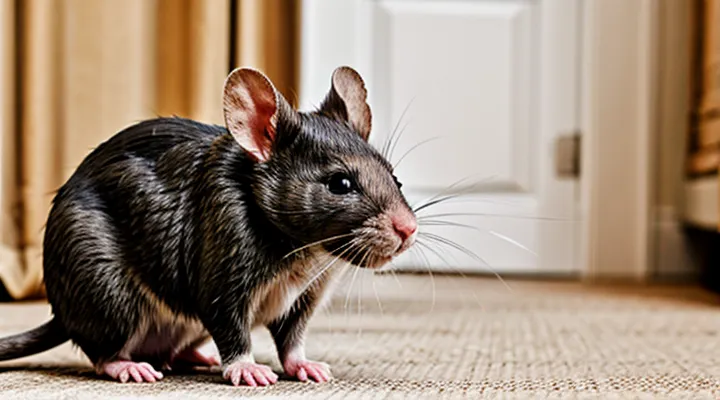
Introduction to Domestic Rats
History of Domestication
The domesticated rat first entered human environments as a commensal species, exploiting grain stores and waste in ancient Near Eastern settlements. Archaeological evidence from sites dated to the third millennium BC shows rat bones alongside pottery fragments, indicating an early association with agricultural communities.
During the Classical period, Greek and Roman writers described “house rats” that lived alongside humans, suggesting a gradual acceptance of the animal as a tolerated presence rather than a controlled companion. By the medieval era, rats were common in urban centers across Europe, yet they remained primarily regarded as pests.
The transition from pest to pet occurred in the late nineteenth century when selective breeding programs in England and the United States emphasized temperament and coat coloration. Breeders applied principles of Mendelian genetics to produce lines that were docile, sociable, and visually appealing. Key milestones include:
- 1860s: First documented attempts to tame wild rats for laboratory use.
- 1880s: Development of the “Fancy Rat” breed in England, focusing on color variants.
- 1910s: Establishment of dedicated rat clubs in the United States, promoting exhibition standards.
- 1950s: Expansion of the pet rat market alongside the rise of small-animal veterinary practice.
Modern domesticated rats benefit from a century of intentional selection, resulting in a species that thrives in household environments, displays a wide array of coat patterns, and exhibits predictable behavioral traits suitable for companionship and scientific study.
Why Rats Make Good Pets
Domestic rats are small, intelligent mammals that have been selectively bred for companionship. Their calm demeanor, curiosity, and adaptability make them suitable for household environments.
- High cognitive ability enables problem‑solving and simple trick training.
- Strong social instincts foster bonding with owners and other rats, reducing loneliness.
- Compact size requires only modest cage space and minimal furniture rearrangement.
- Short grooming needs eliminate regular brushing; a simple weekly clean keeps the habitat sanitary.
- Average lifespan of two to three years provides a tangible period for attachment without long‑term commitment.
- Low food cost; a balanced diet of pellets, fresh vegetables, and occasional treats meets nutritional requirements.
Successful rat ownership depends on consistent care: provide a secure enclosure with multiple levels, supply chewable toys to prevent dental overgrowth, maintain a routine feeding schedule, and schedule annual health checks with a veterinarian experienced in small mammals. These practices ensure a healthy, engaging pet that enriches the household.
Understanding Domestic Rat Breeds
Standard Rat
The Standard Rat is the most common variety kept as a pet, recognized for its balanced proportions and reliable temperament. Adults typically weigh 300–500 g, with a head‑body length of 20–25 cm and a tail of similar length. Coat texture ranges from smooth to slightly wiry, and color patterns include solid, agouti, and roan; each pattern follows a predictable genetic inheritance.
Key physical traits:
- Compact, well‑muscular body
- Rounded ears set low on the skull
- Short, sturdy tail with a slight taper
- Straight incisors without pronounced curvature
Behavioral characteristics:
- Socially adaptable, forming bonds with humans and other rats
- Active during twilight hours, engaging in exploration and foraging
- Capable of learning simple tasks, such as navigating mazes or responding to clicker training
Health considerations:
- Susceptible to respiratory infections; maintain low humidity and proper ventilation
- Require a balanced diet of commercial pellets, occasional fresh vegetables, and limited protein treats
- Regular dental checks prevent overgrowth of incisors
Photographic guidance:
- Use soft, diffused lighting to capture the fine detail of the coat without harsh shadows
- Position the rat on a neutral background to emphasize body shape and color pattern
- Shoot from a low angle to accentuate the animal’s natural posture and tail curvature
Breeding notes:
- Gestation lasts 21–23 days; litters average 6–12 pups
- Pairing should consider genetic compatibility to avoid undesirable coat mutations
- Early socialization, beginning at three weeks, promotes confident adult behavior
Overall, the Standard Rat offers a predictable combination of appearance, temperament, and care requirements, making it an ideal reference point for both novice owners and experienced breeders.
Dumbo Rat
The Dumbo rat is a domestic mouse‑like rodent distinguished by unusually large, low‑set ears that extend sideways from the skull. This ear placement gives the breed its name and creates a characteristic “elephant‑ear” silhouette. Fur can appear in a wide range of colors and patterns, including solid, brindle, and roan, while coat length varies from short to long (the latter often referred to as “rex”).
Originating from selective breeding in the United States during the late 1990s, the Dumbo rat was developed to emphasize ear size and a gentle disposition. Breeders focused on health and temperament, resulting in animals that typically exhibit calm behavior, enjoy handling, and adapt well to communal housing.
Key points for prospective owners:
- Physical care: Regular grooming reduces matting, especially for long‑haired individuals; nail trimming may be required every few weeks.
- Nutrition: A balanced diet of high‑quality rodent pellets supplemented with fresh vegetables and occasional protein treats supports growth and coat health.
- Environment: Spacious cages with multiple levels, nesting material, and chew‑safe accessories prevent boredom and promote natural activity.
- Health monitoring: Watch for signs of respiratory infection, ear mites, and dental overgrowth; routine veterinary checks are recommended.
Photographic documentation benefits from the breed’s prominent ears. Lighting from the side highlights ear shape, while shallow depth of field emphasizes facial details without obscuring the ears. A neutral background prevents distraction and allows accurate color representation.
Overall, the Dumbo rat combines distinctive morphology with a docile nature, making it a popular choice for enthusiasts seeking a visually striking and manageable domestic rodent.
Rex Rat
The Rex rat is a distinct variety of the domestic rat, recognized primarily for its unique coat texture. Unlike the standard smooth-furred rat, the Rex displays a short, curly, or wavy pelage that feels soft to the touch. This mutation results from a recessive gene affecting hair structure, producing a plush appearance that appeals to many enthusiasts.
Physical traits include a compact body, medium‑sized ears, and a well‑defined head. Coat colors range widely, encompassing solid, brindle, and patterned variants such as tuxedo or sable. The fur’s curl can vary from tight ringlets to looser waves, influencing grooming requirements and photographic presentation.
Key considerations for owners:
- Grooming – Regular brushing prevents matting; a soft‑bristle brush works best.
- Health – The coat does not predispose the animal to skin issues, but vigilant monitoring for parasites remains essential.
- Housing – Standard rat cages are suitable; provide ample bedding for burrowing, as the Rex’s coat does not require special substrate.
- Photography – Soft, diffused lighting highlights the texture; close‑up shots with a shallow depth of field emphasize the curl pattern.
Breeding Rex rats demands pairing two carriers of the recessive gene to ensure offspring express the characteristic coat. Litters may present a mix of coat types, allowing selective breeding for desired texture and color.
Overall, the Rex rat offers a distinctive visual profile within the pet rat community, combining aesthetic appeal with the same temperament and care standards as other domestic rat varieties.
Hairless Rat
Hairless rats are a distinct variety of the common pet rat, characterized by a complete lack of fur. Their skin appears pink to reddish‑brown, revealing underlying blood vessels. The hairless trait results from a recessive mutation; breeding two carriers produces a 25 % chance of hairless offspring, a 50 % chance of carriers, and a 25 % chance of normal‑fur rats.
The absence of fur makes hairless rats highly sensitive to temperature fluctuations. Ambient temperature should remain between 68 °F and 75 °F (20 °C–24 °C). Direct drafts, cold floors, and excessive heat must be avoided. Provide a nesting material that offers gentle warmth without causing abrasion, such as fleece blankets or soft cotton pads.
Health considerations include increased susceptibility to skin infections, parasites, and dehydration. Regular inspection of the skin for redness, sores, or scabs is essential. A daily moisture supplement—such as a few drops of water‑based electrolyte solution—helps maintain hydration through the exposed skin. Veterinary check‑ups should include skin swabs when irritation is observed.
Photographing hairless rats requires specific lighting and background choices. Soft, diffused lighting reduces harsh shadows on the delicate skin. Neutral‑colored backdrops (light gray or beige) enhance contrast without overwhelming the subject. A shallow depth of field draws attention to facial features, while a higher aperture (f/2.8–f/4) captures fine skin texture.
Care checklist (bullet format acceptable):
- Maintain temperature 68–75 °F (20–24 °C).
- Provide soft, non‑abrasive nesting material.
- Inspect skin daily for lesions or discoloration.
- Offer supplemental moisture each day.
- Schedule veterinary examinations every 3–4 months.
- Use diffused lighting and neutral backdrops for photography.
Breeding hairless rats demands careful genetic tracking. Record the genotype of each parent to predict litter outcomes accurately. Avoid pairing two hairless individuals without a carrier, as the resulting litter may experience higher rates of severe skin issues due to homozygosity for the mutation.
Overall, hairless rats present a unique photographic subject and a demanding companion. Proper environmental control, vigilant health monitoring, and informed breeding practices ensure their well‑being and allow their distinctive appearance to be captured effectively.
Satin Rat
The Satin rat is a distinct variety of the common pet rat, recognized for its glossy, fine coat that reflects light with a satin‑like sheen. The coat results from a specific gene that reduces the presence of coarse guard hairs, giving the animal a smooth appearance and a slightly metallic luster. Colors include black, silver, chocolate, and various patterned combinations; each variant retains the characteristic sheen.
Physical dimensions match those of standard domestic rats, with adult body lengths of 20–25 cm and tails of similar length. Weight typically ranges from 250 to 350 g. The head is proportionate, ears are small, and the eyes are dark and expressive. The fur’s texture demands gentle handling during grooming to avoid pulling.
Key care considerations:
- Provide a dry, well‑ventilated enclosure; humidity can dull the coat’s sheen.
- Use a soft bedding material, such as shredded paper, to prevent friction damage.
- Offer a balanced diet of high‑quality rat pellets, fresh vegetables, and occasional protein treats.
- Schedule weekly brushing with a soft brush to maintain coat luster and remove loose hairs.
- Monitor for skin conditions; the reduced guard hair layer can make the skin more sensitive to parasites and irritants.
Behaviorally, Satin rats display the same social dynamics as other pet rats: they thrive in groups, exhibit curiosity, and respond well to gentle handling. Their temperament is generally calm, though individual personalities vary. Enrichment items—tunnels, chew toys, climbing structures—support mental stimulation and promote natural foraging behavior.
When photographing a Satin rat, the reflective coat benefits from diffused lighting to capture the subtle shine without harsh glare. Position the animal against a neutral background, use a shallow depth of field to emphasize facial details, and employ a fast shutter speed to freeze movement. Post‑processing should preserve natural colors and avoid oversaturation, which can misrepresent the coat’s unique texture.
Breeding programs maintain the satin coat by pairing individuals that both carry the satin gene, ensuring offspring inherit the desired fur quality. Genetic testing confirms carrier status, reducing the risk of unwanted coat variations. Ethical breeding practices prioritize health, avoiding inbreeding and monitoring for hereditary issues.
Overall, the Satin rat combines aesthetic appeal with the typical traits of a domestic rat, requiring targeted grooming, proper environmental conditions, and attentive photography techniques to showcase its distinctive appearance.
Manx Rat
The Manx rat is a distinct variety of the common house mouse that has been selectively bred for a short, tailless or partially tailless phenotype. Originating from natural mutations observed in the United Kingdom, the condition is inherited as an autosomal recessive trait, resulting in a markedly reduced tail length that may be absent or range from a few millimeters to half the normal size.
Physically, the Manx rat displays the same body proportions as typical domestic rats—robust musculature, a rounded head, and a short, dense coat. Coat colors include albino, black, brown, and agouti, with occasional pattern variations such as hooded or brindle. The reduced tail does not affect locomotion; the animal compensates with enhanced grip from its hind limbs and a slightly altered gait.
Behaviorally, the Manx rat exhibits the same social structure and intelligence as its tailed counterparts. It is capable of complex problem‑solving, rapid learning, and forms strong bonds with conspecifics and human handlers. Temperament ranges from docile to assertive, depending on individual genetics and environmental enrichment.
Key considerations for keeping a Manx rat:
- Provide a spacious cage with multiple levels to encourage climbing, despite the shortened tail.
- Use chew‑resistant materials for bars and accessories, as the species retains strong incisors.
- Offer a balanced diet of high‑quality pellets, fresh vegetables, and occasional protein treats.
- Maintain regular health checks; the genetic mutation can predispose the animal to spinal curvature, which requires monitoring.
Photographic documentation of the Manx rat benefits from lighting that highlights the contrast between the head and the absent tail. A shallow depth of field draws attention to facial features, while a neutral background prevents distraction from the animal’s unique silhouette. Consistent exposure settings ensure accurate color representation across the various coat patterns.
Other Less Common Varieties
Domestic rats that fall outside the most frequently exhibited breeds deserve attention for their distinctive traits and visual appeal. These varieties expand the genetic and aesthetic spectrum available to hobbyists and researchers, offering alternatives to the standard hooded, white, and black coats.
- Satin – glossy, smooth fur that reflects light; requires regular grooming to prevent matting.
- Dumbo – markedly enlarged, low‑set ears that give a rounded facial appearance; ear cartilage is more delicate, demanding gentle handling.
- Rex – short, velvety fur with a plush texture; shedding is minimal, making it suitable for close‑up photography.
- Hairless – lack of fur exposes delicate skin; temperature regulation is critical, and protective environments are essential.
- Manx – tail‑less or very short tail; spinal alignment should be monitored to avoid curvature issues.
- Crested – a strip of longer hair running from the forehead to the nose, creating a “forelock”; grooming focuses on the crest to maintain shape.
Photographic documentation of these less common varieties benefits from tailored lighting that accentuates unique coat characteristics. Soft, diffused illumination reduces glare on satin and rex fur, while close‑up macro lenses capture the fine texture of hairless skin without distortion. Backgrounds of neutral tone prevent visual competition with the rat’s coloration, ensuring that each variety’s distinguishing features remain the focal point.
Physical Characteristics of Domestic Rats
General Appearance
Domestic rats present a compact, muscular body ranging from 15 cm to 25 cm in length, not including the tail. The tail typically matches the body length, is hair‑less, and tapers to a fine point, providing balance and aiding in thermoregulation.
Key visual traits include:
- Head: Broad, rounded skull with a short muzzle; eyes are large, dark, and set forward, granting a wide field of vision.
- Ears: Small, rounded, and covered with fine fur; positioned low on the skull for streamlined movement.
- Whiskers: Long, highly sensitive vibrissae extending from the snout and cheeks, essential for spatial awareness.
- Coat: Dense, soft fur varying in texture from sleek to plush depending on breed; coloration spans solid shades (black, white, brown) to patterned variants (agouti, roan, hooded).
- Limbs: Four sturdy legs with five toes each; forepaws feature dexterous digits equipped with sharp claws for climbing and manipulation.
Overall silhouette appears sleek yet robust, enabling rapid, agile locomotion and efficient burrowing. The combination of a streamlined body, expressive facial features, and diverse coat patterns makes the pet rat readily identifiable in photographs and breed documentation.
Coat Types
Standard Fur
Standard fur in domestic rats refers to the natural coat that develops without selective breeding for extreme textures such as hairlessness or wiry growth. The coat typically consists of a dense, soft underlayer covered by a smooth, glossy top layer. Coloration follows the species’ genetic palette, including agouti, black, white, cinnamon, and patterned variants such as roan or hooded.
Key characteristics of standard fur:
- Uniform length averaging 2–4 mm, providing a sleek appearance.
- Even distribution across the body, with slight variation on the tail and hindquarters.
- Natural sheen resulting from healthy skin and proper nutrition.
- Minimal shedding compared to long‑haired varieties, facilitating easier maintenance.
Grooming considerations focus on regular brushing to remove loose hair and prevent matting, especially in older or less active rats. A balanced diet rich in protein and essential fatty acids supports coat health; deficiencies often manifest as dullness or patchy fur.
Photographic representation of standard-furred rats benefits from lighting that accentuates the coat’s sheen. Soft, diffused illumination reduces glare, while a neutral background highlights color patterns without distraction. Close‑up shots should capture the texture of the underlayer and the smoothness of the top coat, providing viewers with an accurate visual reference for breed identification.
Breeders use standard fur as a baseline when evaluating genetic traits. Consistency in coat quality serves as an indicator of overall health and is a primary criterion in selection programs aimed at maintaining the species’ typical appearance.
Rex Fur
Rex fur in domestic rats is a mutation that produces a short, plush coat with a velvety texture. The hair shafts are tightly curled near the base, resulting in a dense, uniform surface that differs markedly from the typical smooth coat.
The trait follows an autosomal recessive inheritance pattern. Breeding two carriers yields a 25 % chance of producing a Rex offspring; breeding two Rex individuals guarantees the trait in all progeny. Genetic testing confirms carrier status and helps maintain healthy lineages.
Photographers capture Rex fur best under diffused lighting that minimizes glare on the glossy surface. A shallow depth of field isolates the coat’s texture, while a slightly higher ISO preserves detail without introducing noise.
Maintenance requires regular gentle brushing to remove loose fibers and prevent matting. Bathing should be limited to avoid stripping natural oils; a brief warm-water rinse followed by thorough drying maintains coat integrity. Nutrition supporting healthy skin—adequate omega‑3 fatty acids and protein—enhances fur quality.
Key care points
- Brush 2–3 times weekly with a soft, silicone brush.
- Offer a diet rich in essential fatty acids.
- Limit baths to once a month, using a mild, rodent‑safe shampoo.
- Monitor for skin irritation; address promptly with veterinary advice.
Understanding the genetic basis, visual characteristics, and proper husbandry ensures that Rex‑furred rats remain healthy and visually striking subjects for documentation and exhibition.
Double Rex Fur
Double Rex fur is a distinct coat type found in domestic rats, characterized by a plush, velvety texture that differs markedly from the standard satin or curly varieties. The hair grows uniformly short, with a dense, soft surface that feels similar to fine fleece. This texture results from a genetic mutation that reduces the length of the hair shaft while increasing the density of individual hairs.
Key characteristics of Double Rex fur include:
- Uniformly short, dense hair covering the entire body.
- Soft, velvety feel that resists tangling.
- Slightly wavy or straight alignment, lacking the curl seen in other rex strains.
- Enhanced visual contrast when photographed, as the matte surface reduces glare.
Breeding considerations focus on maintaining the Double Rex gene while avoiding unintended coat combinations. Pairing two Double Rex individuals maximizes the probability of offspring inheriting the trait; however, recessive carriers may produce mixed‑coat litters if paired with non‑rex rats. Genetic testing can confirm carrier status and guide selective breeding programs.
Care requirements for Double Rex rats center on hygiene and skin health. The dense coat traps moisture, making regular grooming essential to prevent fungal or bacterial infections. Recommended practices include:
- Weekly gentle brushing with a soft-bristle brush to remove debris.
- Monthly spot cleaning with a damp cloth to address localized soiling.
- Monitoring for signs of skin irritation, such as redness or excessive scratching, and adjusting humidity levels in the enclosure accordingly.
Photographic presentation benefits from the coat’s low reflectivity. Optimal lighting setups use diffused, soft sources placed at 45‑degree angles to minimize harsh shadows. A neutral background enhances the subtle texture, allowing the plush quality of the fur to become the focal point of the image. Macro lenses with a shallow depth of field emphasize individual hair clusters, creating a detailed visual record of the Double Rex phenotype.
Overall, Double Rex fur contributes a unique aesthetic to domestic rat breeding and photography, demanding specific breeding strategies, diligent grooming, and tailored imaging techniques to showcase its distinctive qualities.
Hairless Skin
The hairless skin of pet rats presents a distinct visual and physiological profile compared to fur‑covered counterparts. Absence of hair reveals a thin, delicate epidermis that displays a range of colors from pink to dark brown, depending on underlying pigmentation and vascularization. The skin’s translucency enhances the visibility of veins and muscle contours, making it a focal point for photographic documentation.
Health considerations for hairless individuals include heightened susceptibility to temperature fluctuations, dehydration, and skin injuries. Protective measures are essential to prevent abrasions and infection.
Key care practices:
- Maintain ambient temperature between 68 °F and 75 °F; avoid drafts.
- Provide a humidity level of 45‑55 % to keep skin from drying out.
- Apply a thin layer of veterinary‑approved moisturizer twice daily, especially during shedding periods.
- Inspect the skin daily for redness, lesions, or ulceration; intervene promptly with appropriate treatment.
- Use soft, dust‑free bedding to reduce irritation.
Photography tips:
- Employ diffused lighting to prevent harsh shadows that accentuate skin imperfections.
- Use a macro lens with a close‑focusing distance to capture fine texture.
- Adjust white balance to accurately render the skin’s natural hue; a slight warm bias compensates for pink undertones.
- Position the rat against a neutral background to highlight the skin’s details without distraction.
Overall, the hairless condition demands vigilant environmental control, meticulous grooming, and precise imaging techniques to ensure the well‑being of the animal and the quality of visual representation.
Satin Fur
Satin fur in domestic rats is a coat type distinguished by a glossy, reflective surface that appears smoother than standard hair. The sheen results from a mutation affecting the hair shaft structure, causing each strand to lie flat and reflect light uniformly. This genetic trait is inherited as an autosomal recessive allele; breeding two carriers can produce offspring with the satin phenotype, while breeding two satin individuals yields a litter that is uniformly satin.
Visually, satin rats display a near‑metallic luster across a wide range of colors, from solid black to patterned agouti. The coat’s tight alignment reduces the visible texture, making the animal’s outline sharper in photographs. When capturing images, lighting should be diffused to prevent harsh glare that can obscure the subtle sheen. A shallow depth of field emphasizes the glossy fur while keeping the background unobtrusive.
Care considerations for satin rats include regular grooming to remove loose hair that can become tangled due to the flatness of the coat. A balanced diet rich in protein supports healthy hair growth, and environmental humidity should be maintained at moderate levels to prevent static buildup, which can affect the coat’s appearance. Health monitoring does not differ significantly from that of other coat types, but breeders should watch for skin irritation that may arise from excessive grooming.
Key points for breeders and photographers:
- Satin coat is recessive; both parents must carry the allele for expression.
- The coat enhances visual contrast in images, especially under soft lighting.
- Routine grooming and stable humidity improve coat condition and photographic quality.
Ear Types
Standard Ears
Standard ears in pet rats are positioned laterally on the head, extending slightly beyond the cheekbones. The pinnae are typically oval‑shaped, thin, and covered with short, fine hair that matches the coat color. The cartilage provides a flexible yet firm structure, allowing the ears to swivel independently for sound localization.
Key attributes of standard rat ears include:
- Length: 1.5–2.5 cm from base to tip, proportionate to head size.
- Thickness: 2–4 mm, sufficient to protect the inner ear while remaining pliable.
- Hair coverage: uniform, without gaps or excessive clustering.
- Color: identical to the surrounding fur, without contrasting patches.
Health considerations focus on the ear canal and outer surface. Regular visual inspection should reveal no excessive wax, crust, or ulceration. Clean the outer ear with a damp cotton swab if debris accumulates; avoid inserting objects into the canal. Watch for signs of infection such as swelling, redness, or discharge, and seek veterinary care promptly.
When photographing standard‑ear rats, use soft, diffused lighting to reduce glare on the glossy surface. Position the animal at a slight angle to display both ears clearly, and employ a shallow depth of field to keep the ears in sharp focus while softening the background. This approach highlights the characteristic shape and fur texture that define the standard ear phenotype.
Dumbo Ears
Dumbo‑ear rats are distinguished by markedly enlarged, low‑set ears that fold forward, giving the head a rounded silhouette. The ear cartilage is softer than in standard‑eared varieties, and the ears often extend to the sides of the skull, covering a larger portion of the head surface. This trait results from a recessive gene that influences cartilage development; breeding two carriers produces litters with a predictable proportion of Dumbo‑ear offspring.
Physical characteristics
- Ear length: typically 1.5–2 cm, extending beyond the facial plane.
- Ear placement: set low on the skull, angled outward.
- Fur: often dense and plush, accentuating the ear shape.
- Body: similar size and weight to other domestic rats, with no impact on overall health when proper care is provided.
Photographic considerations
- Lighting: soft, diffused light reduces glare on the reflective ear surface.
- Angle: a slight upward camera tilt captures the full ear spread without distortion.
- Background: neutral tones prevent the ears from blending into the scene.
- Focus: prioritize the ear region to highlight texture and detail; depth of field can be shallow to isolate the feature.
Care guidelines
- Hygiene: the enlarged ears trap debris; regular cleaning with a damp cotton swab prevents infection.
- Handling: support the head gently to avoid stressing the cartilage; avoid pulling on the ears.
- Health monitoring: inspect for redness, swelling, or discharge weekly; any abnormalities warrant veterinary assessment.
Breeding notes
- Pair two confirmed Dumbo‑ear rats to achieve a 25 % chance of homozygous Dumbo offspring per litter.
- Maintain genetic diversity by introducing unrelated Dumbo lines every third generation to reduce the risk of hereditary defects.
- Record ear phenotype and pedigree data meticulously to track inheritance patterns.
Tail Characteristics
The tail of a pet rat serves as a primary visual and functional element, extending beyond the hindquarters and contributing to the animal’s silhouette.
Typical length ranges from 12 to 15 cm, equivalent to 1.5–2 times the body length. The structure is cylindrical, tapering toward the tip, and covered with fine, short hair that may appear glossy or matte depending on coat condition. The skin underneath exhibits a delicate network of blood vessels, giving the tail a pinkish hue in healthy individuals.
Breed‑specific variations include:
- Standard laboratory and fancy rats: fully furred, smooth surface, consistent taper.
- Hairless (e.g., “Satin” or “Rex”) rats: sparse or absent hair, exposing the underlying skin, which may be more prone to dryness.
- Dwarf varieties: proportionally shorter tail relative to body, yet retaining the same cylindrical shape.
- Long‑tailed mutants: tail length exceeding typical range, sometimes reaching 18 cm, with increased flexibility.
Functionally, the tail provides balance during climbing and rapid directional changes, acting as a counterweight. Vascularization assists in thermoregulation, allowing heat exchange when the animal is exposed to varying ambient temperatures. Muscular control enables subtle movements that convey emotional states, such as twitching during excitement or relaxation when the rat is calm.
Eye Colors
Domestic rats exhibit a range of eye colors that reflect genetic variation and breed characteristics. The most common shades include:
- Red (ruby) – result of albinism, with a pinkish iris and visible blood vessels.
- Black – dense melanin pigment, giving a deep, uniform appearance.
- Pink – often associated with the “pink-eyed white” mutation, where the iris lacks pigment.
- Yellow – moderate melanin, producing a warm, amber tone.
- Blue – rare, linked to specific coat color genes, presenting a pale, cyan hue.
Eye color can serve as an indicator of underlying genetics, helping breeders verify lineage and predict coat patterns. In mixed‑breed specimens, heterozygous combinations may produce intermediate shades or sectoral coloration, where the iris displays two distinct colors. Documentation of eye color alongside photographic records supports accurate identification and selection within breeding programs.
Size and Weight
Domestic rats display a broad spectrum of body dimensions that correlate with breed, sex, and age. Adult males typically exceed females by 10–20 percent in both length and mass. Standard varieties reach a head‑body length of 20–25 cm, with tails adding another 15–20 cm. Weight ranges reflect this size distribution:
- Standard breeds: 300–500 g
- Dwarf lines (e.g., “dwarf” or “mini”): 150–250 g
- Hairless or “rex” types: 250–400 g, depending on grooming and body condition
Growth curves indicate rapid increase during the first eight weeks, after which weight stabilizes within the listed intervals. Seasonal variations are minimal; diet and health status exert the greatest influence on final mass.
Care and Maintenance of Domestic Rats
Housing Requirements
Cage Size and Type
When housing a pet rat, the enclosure must provide sufficient floor space for climbing, foraging and exercise. Minimum dimensions are 24 inches (61 cm) long, 12 inches (30 cm) wide and 12 inches (30 cm) high for a single adult; each additional rat requires an extra 6 inches (15 cm) of length. Larger cages reduce stress and promote natural behavior. A multi‑level design increases usable area without expanding the footprint.
Suitable cage types include:
- Wire frames with stainless‑steel mesh, spacing no larger than ½ inch (1.3 cm) to prevent escape.
- Plastic or acrylic tops that lock securely and allow clear observation.
- Modular systems with interchangeable shelves, ramps and hideouts, enabling customization as the group expands.
- Cages featuring solid flooring or a removable tray for easy cleaning; avoid wire flooring that can damage delicate foot pads.
Key features to prioritize are solid construction, easy access for cleaning, ventilation without drafts, and the ability to attach enrichment accessories such as chew toys, tunnels and climbing ropes. Selecting a cage that meets these criteria supports health, activity and longevity of domestic rats.
Bedding Options
Rats require a dry, absorbent substrate that controls odor and minimizes respiratory risk. The choice of bedding directly influences health, activity level, and enclosure cleanliness.
- Paper-based bedding (recycled or shredded): high absorbency, low dust, easy to replace; suitable for sensitive respiratory systems.
- Aspen shavings: low aromatic oils, moderate dust, provides nesting material; must be sourced from untreated wood.
- Coconut fiber (coir): excellent moisture retention, natural scent, minimal dust; may compact over time, requiring regular loosening.
- Hemp bedding: strong absorbency, biodegradable, low dust; can be pricier than alternatives.
- Fleece liners: reusable cloth covering, zero dust, long‑term cost efficiency; requires frequent washing and may retain moisture if not dried properly.
Avoid cedar or pine shavings, as volatile compounds can irritate the respiratory tract. Rotate bedding types periodically to monitor individual preference and detect any adverse reactions. Proper bedding management supports optimal welfare and simplifies routine cleaning.
Enrichment and Toys
Enrichment is essential for the health and development of pet rats. Providing a varied environment stimulates natural behaviors, reduces stress, and promotes physical conditioning.
Physical enrichment includes structures that encourage climbing, jumping, and exploration. Suitable items are:
- Multi‑level platforms and shelves made of untreated wood or solid plastic.
- PVC or cardboard tunnels of differing diameters to mimic burrows.
- Safe exercise wheels with a minimum diameter of 12 inches to prevent spinal injury.
- Hammocks and hanging nests that allow resting above the cage floor.
Mental stimulation is achieved through problem‑solving challenges. Effective tools are:
- Puzzle feeders that dispense treats when manipulated.
- Foraging boxes filled with shredded paper or safe bedding where food can be hidden.
- Rotate objects weekly to maintain novelty and prevent habituation.
Chewing activity supports dental health. Recommended chewable materials include:
- Untreated wooden blocks, apple sticks, and natural sisal rope.
- Commercially available chew toys formulated for small rodents, free of toxic dyes.
Safety considerations must be observed. Items should be free of sharp edges, small detachable parts, and toxic substances such as lead‑based paint. Regular inspection prevents wear that could create hazards.
A balanced enrichment program combines at least one element from each category, ensuring rats receive comprehensive physical, mental, and dental stimulation throughout the day.
Diet and Nutrition
Essential Foods
Domestic rats require a balanced diet that supplies protein, fat, fiber, vitamins, and minerals. Commercially formulated rat blocks or pellets form the nutritional backbone, delivering consistent nutrient ratios and preventing selective feeding. These products should be offered daily in quantities that allow the animal to consume the full portion within an hour, after which any leftovers must be removed to avoid spoilage.
Supplementary foods enhance variety and provide additional nutrients:
- Cooked lean meats (chicken, turkey) – 1–2 teaspoons, three times per week.
- Hard‑boiled eggs – small piece, twice weekly.
- Low‑fat cottage cheese – 1 teaspoon, twice weekly.
- Fresh vegetables (broccoli, carrots, spinach, kale) – 1–2 teaspoons, daily rotation.
- Fruit (apple, banana, berries) – ½ teaspoon, limited to three servings per week due to sugar content.
- Whole‑grain cereals or oats – 1 teaspoon, occasional treat.
Treats must be low in sugar and fat; avoid chocolate, caffeine, citrus peels, and processed snacks. Fresh water should be available at all times, replaced daily and kept in a bottle with a metal spout to prevent contamination.
Monitoring body condition and adjusting portion sizes ensures optimal health, supporting growth, reproduction, and longevity in the pet rat.
Treats and Supplements
Treats and supplements are essential components of a pet rat’s nutrition plan. They provide enrichment, support specific health needs, and can aid in weight management.
High‑quality treats should contain natural ingredients, minimal sugar, and no artificial additives. Suitable options include:
- Small pieces of fresh fruit (apple, pear, berries) – limit to one or two bites per day.
- Vegetables such as carrot, broccoli, or kale – offer in moderation to avoid digestive upset.
- Commercial rat treats formulated with low fat and high protein content.
Supplements address deficiencies that may arise from a standard pellet diet. Recommended categories are:
- Vitamin C – rats synthesize it internally, but stress or illness may increase demand; a low‑dose supplement can be beneficial.
- Omega‑3 fatty acids – sourced from fish oil or algae capsules, support skin health and cognitive function.
- Calcium and phosphorus balance – a calcium‑rich supplement prevents skeletal issues, especially in breeding females.
- Probiotics – viable bacterial cultures promote gut flora stability and reduce the risk of diarrhea.
When introducing any new item, observe the rat for changes in appetite, stool consistency, and behavior. Rotate treats to maintain variety and prevent overreliance on a single food source. Store all treats in airtight containers to preserve freshness and prevent mold growth.
Foods to Avoid
Domestic rats require a balanced diet to maintain health and longevity. Certain items can cause digestive upset, nutritional deficiencies, or toxic reactions and should never be offered.
- Chocolate, candy, or any product containing caffeine
- Processed meats, including bacon, sausage, and deli slices
- Raw or undercooked beans, especially kidney beans, which contain lectins
- Citrus fruits and juices in large quantities, which can irritate the stomach lining
- Salty snacks such as chips, pretzels, and popcorn
- High‑fat dairy products, including cheese and whole‑milk yogurt
- Artificial sweeteners, particularly xylitol, which is poisonous to rodents
- Avocado flesh and pit, which contain persin toxic to rats
- Alcoholic beverages and any food with added alcohol
Feeding these substances can lead to diarrhea, liver damage, metabolic disorders, or acute poisoning. If a rat consumes any prohibited item, monitor for vomiting, lethargy, or abnormal behavior and seek veterinary assistance promptly. Maintaining a strict exclusion of the listed foods supports optimal growth, immune function, and overall wellbeing.
Health Concerns and Common Illnesses
Respiratory Issues
Respiratory problems are common in pet rats and can affect any breed, regardless of coat color or size. The most frequent agents are Mycoplasma pulmonis, Streptococcus pneumoniae, and viral infections such as Sendai virus. Inhalation of dust, ammonia from urine, or sudden temperature changes often initiates disease.
Typical signs include nasal discharge, audible wheezing, labored breathing, and reduced activity. Early detection relies on observing the rat’s posture—flattened chest, open mouth breathing—and checking for crusty secretions around the nostrils. Blood oxygen saturation measured with a pulse oximeter provides objective confirmation.
Treatment protocols involve:
- Antibiotics targeting Mycoplasma (e.g., doxycycline) or bacterial agents (e.g., enrofloxacin).
- Supportive care with humidified air, warmed enclosures, and fluid therapy to maintain hydration.
- Isolation of the affected animal to prevent spread to cage mates.
Prevention emphasizes environmental management. Clean bedding, frequent cage cleaning, and low‑dust substrates limit irritant exposure. Maintaining ambient temperature between 18 °C and 24 °C reduces stress on the respiratory tract. Regular health checks during routine grooming sessions allow prompt identification of subtle changes.
Breeders who document their rats with high‑resolution photographs should ensure subjects appear healthy; respiratory distress can alter facial features, causing swollen nasal passages and blurred eye clarity that compromise image quality. Selecting breeding pairs with a history of robust respiratory health improves both animal welfare and photographic outcomes.
Tumors
Tumors are a frequent health concern in pet rats, affecting both male and female individuals across most breeds. Clinical observation shows that benign neoplasms such as fibromas and lipomas appear more often than malignant forms, yet aggressive cancers—including mammary adenocarcinomas and hepatocellular carcinomas—are documented in aging specimens.
Key characteristics of common rat tumors:
- Fibroma: firm, well‑circumscribed mass; typically subcutaneous; surgical excision yields curative outcomes.
- Lipoma: soft, mobile nodule composed of adipose tissue; rarely interferes with function; removal optional.
- Mammary adenocarcinoma: palpable glandular enlargement; high metastatic potential to lungs and liver; chemotherapy combined with surgery improves survival.
- Hepatocellular carcinoma: liver enlargement detectable by ultrasonography; poor prognosis; palliative care recommended.
Diagnostic protocol includes physical examination, imaging (radiography or ultrasound), and histopathological analysis of biopsy specimens. Early detection relies on routine visual assessment of the animal’s coat and body contours during handling and photography sessions, which provide baseline documentation of morphology for each breed.
Management strategies emphasize:
- Prompt surgical removal of accessible tumors.
- Application of chemotherapeutic agents (e.g., doxorubicin, cyclophosphamide) for malignant lesions.
- Monitoring for recurrence through periodic imaging and clinical checks.
- Nutritional support with high‑protein diets to aid recovery.
Preventive measures focus on environmental control: maintaining clean cages, providing a balanced diet, and minimizing exposure to known carcinogens such as tobacco smoke or contaminated bedding. Genetic predisposition varies among strains; breeders should record tumor incidence in pedigree logs to inform selection decisions.
Overall, vigilant observation, accurate diagnosis, and evidence‑based treatment constitute the cornerstone of effective tumor management in domestic rats.
Parasites
Domestic rats kept as companions are prone to a range of parasites that can compromise health and affect appearance in photographs and breed documentation.
Common ectoparasites include:
- Mites (e.g., Myobia, Radfordia) – cause skin irritation, hair loss, and scabbing.
- Fleas (Ctenocephalides felis) – transmit bacterial agents, induce anemia in severe cases.
- Lice (Polyplax serrata) – lead to scratching, crust formation, and secondary infections.
Frequent internal parasites are:
- Pinworms (Syphacia muris, Aspicularis tetraptera) – produce perianal itching and occasional weight loss.
- Tapeworms (Hymenolepis nana) – may cause abdominal discomfort and nutrient malabsorption.
- Coccidia (Eimeria spp.) – result in watery diarrhea and dehydration.
- Lungworms (Angiostrongylus cantonensis) – produce respiratory distress and, in extreme cases, neurological signs.
Visible signs of infestation encompass excessive grooming, alopecia, crusted lesions, diarrhea, respiratory noises, and reduced activity. Laboratory fecal examinations and skin scrapings confirm diagnoses.
Preventive actions:
- Maintain clean cages, replace bedding weekly, and disinfect accessories regularly.
- Quarantine new arrivals for at least two weeks, conducting parasite screenings before introduction.
- Use approved environmental treatments (e.g., diatomaceous earth) to reduce mite populations.
- Provide balanced nutrition to support immune function.
Treatment protocols require veterinary prescription. Typical regimens involve:
- Topical or oral acaricides for mites and lice, applied according to weight.
- Anthelmintics such as pyrantel pamoate for pinworms and tapeworms, administered in a single dose or repeated after ten days.
- Coccidiostats (e.g., sulfadimethoxine) for coccidiosis, given for a prescribed duration.
- Follow‑up fecal exams verify eradication; repeat treatment if residual eggs persist.
Effective parasite management preserves the rat’s health, enhances its visual presentation, and ensures accurate breed documentation.
Dental Problems
Domestic rats possess continuously growing incisors that require constant wear. Overgrowth, malocclusion, or fracture can lead to pain, difficulty eating, and secondary infections.
Common dental issues include:
- Incisor overgrowth causing sharp edges that injure the oral mucosa.
- Misaligned teeth that prevent proper gnawing and result in uneven wear.
- Tooth fractures from hard objects or trauma, exposing pulp tissue.
- Periodontal disease manifested by swollen gums and bleeding.
Preventive measures:
- Provide a variety of chewable materials such as untreated wood, mineral blocks, and safe toys to ensure regular tooth filing.
- Offer a balanced diet rich in fiber, which promotes natural grinding action.
- Conduct routine oral examinations during health checks, looking for signs of swelling, discoloration, or abnormal bite patterns.
When problems arise, immediate veterinary intervention is essential. Treatment may involve:
- Trimming overgrown incisors under anesthesia to restore proper length.
- Dental radiographs to assess root health and detect hidden fractures.
- Extraction of severely damaged teeth when conservative trimming is insufficient.
- Antibiotic therapy for secondary infections, coupled with analgesics for pain management.
Owners should monitor feeding behavior daily. Sudden weight loss, reduced food intake, or excessive drooling indicate a dental emergency. Prompt attention prevents chronic pain and supports overall wellbeing in pet rats.
Social Needs
Domestic rats thrive on interaction with conspecifics and humans. In a typical household setting, a minimum of two rats is recommended to satisfy their innate tendency for group living; solitary individuals often exhibit heightened stress and reduced activity. Regular handling sessions, lasting five to ten minutes, establish trust and provide essential tactile stimulation. Exposure to varied environments—such as tunnels, climbing structures, and chewable materials—prevents boredom and encourages exploratory behavior.
Key social requirements include:
- Companionship: at least one cage‑mate of the same sex or a compatible mixed‑sex pair, with careful monitoring for aggression.
- Human contact: daily gentle handling to reinforce bonding and reduce fear responses.
- Enrichment: rotating toys, nesting materials, and foraging opportunities to stimulate problem‑solving and social play.
- Auditory cues: soft background sounds or the presence of familiar voices can calm rats during periods of isolation, such as cleaning or veterinary visits.
Meeting these needs promotes healthy weight, robust immune function, and consistent activity levels, aligning the animal’s welfare with the expectations of a well‑documented pet rat profile.
Handling and Training
Handling pet rats requires consistent, gentle contact to build trust. Begin with short sessions, allowing the animal to explore the hand while offering a small treat. Maintain a calm voice and avoid sudden movements that could startle the animal. Gradually increase the duration of handling as the rat becomes more comfortable, aiming for several minutes each day.
Training focuses on positive reinforcement. Identify a clear cue—such as a clicker sound or a spoken word—and pair it with a reward immediately after the desired behavior. Common commands include:
- Come: tap the cage bar, say the cue, and reward when the rat approaches.
- Target: present a stick with a small ball at the end; reward the rat for touching the ball with its nose.
- Litter use: place a shallow tray with absorbent bedding in a corner; reward the rat each time it eliminates in the tray.
Consistency is essential; repeat cues and rewards in the same order to prevent confusion. Sessions should be brief, no longer than five minutes, to keep the rat’s attention. Over time, the animal can learn to navigate simple obstacle courses, retrieve small objects, or perform tricks such as standing on hind legs.
Safety considerations include trimming nails regularly to reduce the risk of scratches, inspecting the environment for hazards, and ensuring the rat is healthy before intensive training. Monitoring weight, coat condition, and behavior provides early indicators of stress or illness, allowing prompt adjustment of handling techniques.
Photography Tips for Domestic Rats
Lighting Techniques
Effective illumination is essential for capturing the texture of a pet rat’s coat and the subtle details of its facial expression. Proper lighting reveals the animal’s coloration, highlights anatomical features, and reduces motion blur during quick movements.
- Natural daylight: Position the rat near a window with soft, diffused light. Overcast conditions provide even illumination without harsh shadows. Use a reflector opposite the window to fill in shadows on the opposite side of the body.
- Continuous artificial light: LED panels with adjustable color temperature allow precise control. Set the light at a 45‑degree angle to the subject to create gentle shading that defines musculature. Employ a softbox or diffuser to soften the output and prevent glare on the eyes.
- Flash with modifiers: When using a flash, attach a small octabox or a white umbrella to spread the light. Synchronize the flash with a fast shutter speed to freeze the rat’s rapid motions. Reduce flash intensity to avoid overexposure of the fur’s fine hairs.
- Background lighting: Separate the subject from the background by adding a rim light or hair light behind the rat. This creates a subtle outline that separates the animal from a potentially busy backdrop and enhances depth perception.
Maintain a low ISO setting (e.g., 100–200) to preserve color fidelity and minimize grain. Adjust aperture to a moderate f‑stop (f/5.6–f/8) for sufficient depth of field while keeping the focus on the eyes. Consistent white balance calibration ensures accurate representation of the rat’s natural hues across different lighting conditions.
Posing Your Rat
Posing a pet rat for photography requires patience, gentle handling, and awareness of the animal’s natural behavior. Proper technique enhances image clarity while maintaining the rat’s comfort.
- Choose a calm environment; eliminate loud noises and sudden movements.
- Use a low, stable surface that matches the rat’s size; a soft mat prevents slipping.
- Offer a familiar treat to encourage the rat to stand or sit upright.
- Position the rat’s head slightly elevated to expose facial features; avoid forcing an unnatural posture.
- Secure a lightweight prop, such as a small branch, to provide balance without restricting movement.
Lighting considerations:
- Prefer natural daylight from a window; diffuse the light with a sheer curtain to reduce harsh shadows.
- If artificial lighting is necessary, employ softbox or LED panels set at a 45‑degree angle to the subject.
- Avoid direct flash; it startles the rat and creates red‑eye artifacts.
Camera settings:
- Set aperture between f/4 and f/5.6 to achieve shallow depth of field, highlighting the rat while softening background distractions.
- Select ISO 200–400 for minimal grain; increase only if ambient light is insufficient.
- Use continuous focus mode to track subtle movements.
Safety measures:
- Keep nails trimmed to prevent accidental scratches.
- Monitor the rat’s breathing and stress signals; pause the session if the animal shows signs of agitation.
- Clean the shooting area after each session to remove scent trails that may cause anxiety.
Consistent practice develops the rat’s confidence, resulting in clearer, more expressive photographs that accurately represent the breed’s characteristics.
Capturing Personality
Capturing the distinct character of a pet rat requires deliberate attention to behavior cues, breed traits, and photographic technique. Recognizing how specific breeds express curiosity, boldness, or docility informs the selection of moments that reveal individuality.
Behavioral indicators such as whisker twitching, ear positioning, and exploratory movements correspond to genetic predispositions. For example, long‑haired varieties often display a more relaxed posture, while short‑haired lines may exhibit rapid, inquisitive scurrying. Observing these patterns before the shoot ensures that the images reflect authentic temperament rather than a generic pose.
Effective methods for documenting personality include:
- Positioning the camera at the rat’s eye level to emphasize facial expression.
- Using soft, diffused lighting to avoid harsh shadows that conceal subtle gestures.
- Incorporating familiar objects (toys, tunnels) that prompt natural interaction.
- Capturing a sequence of frames during a single activity to illustrate dynamic behavior.
- Employing a fast shutter speed to freeze quick movements without blur.
After capture, minimal editing preserves the integrity of the subject. Adjustments should focus on exposure balance and color accuracy, avoiding alterations that could misrepresent the animal’s appearance. The resulting photographs provide a clear visual narrative of the rat’s unique disposition, complementing any breed description with tangible evidence of personality.
Essential Gear
Essential gear for a pet rat includes items that support health, safety, and comfort while allowing clear documentation of appearance and breed characteristics.
A secure cage with solid flooring, ventilation slots, and a lockable door provides a stable environment. The cage should be large enough to accommodate climbing structures and nesting material, facilitating natural behaviors that enhance visual assessment.
Food and water delivery systems must prevent contamination. A stainless‑steel bowl for dry feed and a sipper bottle with a metal tip reduce leakage and maintain hygiene.
Enrichment accessories are critical for mental stimulation and for capturing dynamic photographs. Include chewable toys, tunnels, and platforms made of safe, non‑toxic materials.
Health maintenance tools consist of a digital thermometer, a small grooming brush, and a nail trimmer designed for rodents. These enable routine checks that support accurate breed documentation.
Lighting equipment improves image quality and mimics natural cycles. A low‑intensity LED lamp with adjustable timer supplies consistent illumination without overheating.
For photography, a compact DSLR or mirrorless camera with a macro lens, a soft‑box diffuser, and a white backdrop allow detailed capture of coat patterns and coloration. A portable tripod stabilizes the camera and reduces motion blur.
Checklist of essential gear
- Caged enclosure with secure latch
- Stainless‑steel feeding bowl and sipper bottle
- Chew toys, tunnels, climbing platforms
- Grooming brush, nail trimmer, digital thermometer
- Adjustable LED lighting with timer
- Macro lens camera, soft‑box diffuser, white backdrop, tripod
These components collectively ensure the rat’s welfare and provide the necessary tools for high‑quality visual documentation of breed traits.
Ethical Considerations
Responsible Breeding
Responsible breeding of pet rats demands systematic health assessment, genetic management, and environmental standards. Breeders must verify that each breeding pair is free from common hereditary conditions such as respiratory infections, spinal deformities, and tumors. Routine veterinary examinations and diagnostic testing confirm the health status before mating.
Genetic diversity is maintained by rotating breeding lines and avoiding repeated use of closely related individuals. Record-keeping of pedigrees enables calculation of coefficient of inbreeding, ensuring that pairings reduce the likelihood of recessive disorders. When a specific trait is emphasized—coat color, size, or temperament—selection should not compromise overall vitality.
Environmental requirements include spacious, clean cages with adequate ventilation, enrichment items, and temperature control. Nutrition protocols prescribe balanced diets rich in protein, fiber, and essential vitamins; water must be fresh and accessible at all times. Early socialization with littermates and human handlers promotes stable behavior and reduces stress.
Breeders who adhere to these practices produce rats that display the characteristics highlighted in photographic and breed documentation, while upholding animal welfare and long‑term breed health.
Adoption and Rescue
Adopting a pet rat involves evaluating the animal’s health, temperament, and compatibility with the intended household. Prospective owners should verify that the rat has been examined by a veterinarian, that vaccinations (if applicable) are up‑to‑date, and that the animal displays normal activity levels and a clean coat. Assessing the rat’s social behavior—whether it interacts well with humans and other rats—helps prevent future stress or aggression.
Rescue organizations typically follow a structured intake procedure:
- Health screening: Physical examination, parasite control, and treatment of any injuries.
- Behavioral assessment: Observation of social interactions, response to handling, and activity patterns.
- Quarantine period: Isolation for a minimum of two weeks to monitor for contagious diseases.
- Documentation: Provision of medical records, microchip identification (if used), and adoption contract outlining responsibilities.
Potential adopters must prepare the living environment before bringing a rat home. Essential elements include:
- A secure cage with solid flooring, adequate ventilation, and sufficient space for exercise.
- Bedding material that is absorbent, dust‑free, and safe for chewing.
- Enrichment items such as tunnels, climbing structures, and chew toys to stimulate natural behaviors.
- A balanced diet consisting of high‑quality pellets, fresh vegetables, and occasional protein treats.
Rescue rats often come with a known history, which can aid in matching them with suitable owners. Detailed records may indicate prior socialization, any special care requirements, and temperament notes. This information enables shelters to pair rats with families that can meet their specific needs, reducing the likelihood of return.
Adoption fees generally cover veterinary care, spay/neuter surgery, and the initial supply of food and enrichment. Paying the fee supports the rescue’s ongoing operations, including shelter maintenance, medical supplies, and outreach programs aimed at promoting responsible rat ownership.
Spaying and Neutering
Spaying and neutering are essential components of responsible rat ownership, directly affecting health, behavior, and population management.
The surgical alteration removes the reproductive organs, eliminating the ability to produce offspring. In male rats, the procedure—commonly called castration—removes the testes; in females, ovariohysterectomy extracts the ovaries and uterus.
Key considerations include:
- Optimal age: 6–8 weeks for males, 8–12 weeks for females, when the animal has reached a stable weight and can tolerate anesthesia.
- Health benefits: Reduced risk of testicular, ovarian, and uterine tumors; decreased incidence of mammary gland neoplasia in females; lower likelihood of urinary tract infections.
- Behavioral effects: Diminished aggression and territorial marking in males; elimination of heat cycles and associated nesting behavior in females.
- Population control: Prevents accidental litters, curbing the spread of unwanted rats in households and shelters.
Recovery typically requires 24–48 hours of monitoring, with limited activity and a bland diet. Analgesics and antibiotics may be prescribed to manage pain and prevent infection.
Veterinary guidelines advise pre‑operative assessment—complete blood count, weight measurement, and evaluation of any existing conditions—to ensure safe anesthesia. Post‑operative follow‑up includes wound inspection and confirmation of normal eating and grooming behaviors.
Implementing spaying or neutering aligns with best practices for maintaining the welfare of pet rats and supports broader efforts to control rodent populations in domestic settings.
Fun Facts About Domestic Rats
Intelligence and Learning
Domestic rats exhibit problem‑solving abilities comparable to those of many small mammals. Laboratory tests reveal rapid acquisition of maze navigation, object discrimination, and lever‑pressing tasks. Learning curves show steep initial improvement, followed by plateau phases that indicate mastery.
Memory retention is evident after single exposures; rats recall spatial layouts for weeks and can retrieve specific food locations after extended intervals. Conditioning experiments demonstrate that visual, auditory, and tactile cues are integrated efficiently, allowing flexible responses to novel situations.
Key aspects of cognitive performance include:
- Operant learning: Rats modify behavior to obtain rewards, adjusting lever‑press frequency and timing with minimal reinforcement.
- Observational learning: Individuals replicate actions observed in conspecifics, such as opening cage doors or accessing hidden food.
- Social cognition: Recognition of familiar companions and hierarchy positions is based on scent, vocalization, and posture cues.
Breed variations influence temperament but not core intelligence. Common domestic varieties—such as the standard, fancy, and hairless types—share the same capacity for associative learning, although coat differences may affect tactile exploration. Photographic documentation of each breed highlights morphological traits without altering the underlying cognitive profile.
Communication
Rats convey information through a combination of vocal, visual, and olfactory signals that reflect their breed-specific traits and affect how they appear in photographs. High‑frequency squeaks indicate excitement or distress, while softer chirps signal contentment; recognizing these sounds helps photographers anticipate movement and capture natural expressions. Body posture—raised fur, ear position, and tail angle—communicates hierarchy and mood, providing visual cues for selecting angles that highlight breed characteristics such as coat texture and size. Scent glands on the flank and chin release pheromones to mark territory and reinforce social bonds; awareness of these markings assists in managing multiple individuals during a shoot, reducing stress‑induced aggression that can blur images.
Key communication channels include:
- Auditory cues: ultrasonic calls, audible squeaks, and low‑frequency growls.
- Visual cues: ear orientation, whisker position, tail posture, and grooming displays.
- Chemical cues: flank and facial gland secretions used for identification and hierarchy establishment.
Understanding these signals enables precise timing of photo sessions, ensures accurate representation of each breed’s distinctive features, and supports humane handling practices that maintain the rats’ wellbeing while documenting their appearance.
Unique Behaviors
Domestic rats exhibit a range of behaviors that distinguish them from wild counterparts and make them compelling subjects for observation. Their social structure is hierarchical; dominant individuals assert control through posturing, tail rattling, and controlled access to food resources. Subordinate rats display deference by grooming higher‑ranking companions and yielding space within shared nests.
Problem‑solving ability manifests in maze navigation, lever manipulation, and puzzle‑box challenges. Rats rapidly learn cause‑and‑effect relationships, often employing trial‑and‑error strategies before consolidating efficient solutions. This cognitive flexibility supports enrichment programs and training regimens.
Communication relies on a spectrum of vocalizations and scent cues. High‑frequency squeaks signal alarm or excitement, while low‑frequency chirps accompany social bonding. Urine and glandular secretions mark territory and convey individual identity, enabling recognition among colony members.
Play behavior includes chasing, gentle biting, and object manipulation. Rats initiate play by pinning opponents or rolling across surfaces, fostering motor development and social cohesion. These interactions persist into adulthood, underscoring their role in maintaining group stability.
Key unique behaviors can be summarized:
- Structured dominance hierarchy with clear visual and auditory signals
- Advanced problem‑solving demonstrated in laboratory and home environments
- Multifaceted vocal and olfactory communication systems
- Persistent, cooperative play that reinforces social bonds
Understanding these traits enhances care practices, informs breeding decisions, and enriches photographic documentation of the species.