
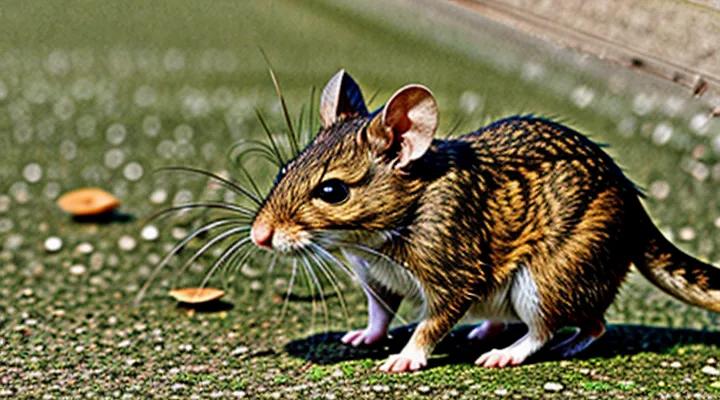
Understanding Mice: General Characteristics
Physical Characteristics
Size and Weight
Measurements of body dimensions and mass provide a clear basis for comparing Mus musculus (the common house mouse) with Apodemus sylvaticus (the typical field mouse). Adult house mice reach a total length of 7–10 cm, of which the tail accounts for 5–9 cm, and their body mass ranges from 12 to 25 g. Field mice are larger, with a total length of 9–12 cm and a tail length of 6–10 cm; their weight typically falls between 18 and 35 g. Both species exhibit sexual dimorphism, males averaging 5–10 % greater mass than females.
Key points of comparison:
- Length (head‑body): house mouse 7–10 cm; field mouse 9–12 cm.
- Tail proportion: house mouse tail ≈ 70–90 % of body length; field mouse tail ≈ 65–85 % of body length.
- Mass: house mouse 12–25 g; field mouse 18–35 g.
The overlap in weight (18–25 g) explains occasional misidentification when individuals are captured in mixed habitats. However, the consistent size advantage of field mice, especially in head‑body length, remains a reliable distinguishing characteristic.
Fur Color and Texture
The domestic mouse (Mus musculus) generally displays a uniform coat ranging from light gray to brown, with a soft, fine texture that facilitates movement in confined indoor environments. Pigmentation is often concentrated on the dorsal surface, while the ventral side remains pale. This coloration provides modest camouflage against typical household substrates such as wood, fabric, and dust.
Field mice (species of the genus Apodemus) exhibit a broader spectrum of fur hues, including reddish-brown, olive, and darker gray tones. Their coats are coarser, with a denser underlayer that enhances insulation against fluctuating outdoor temperatures. Dorsal fur often features distinct striping or mottling, which breaks up the animal’s outline among leaf litter and grass.
Key points of comparison:
-
Color variability
• Domestic mouse: limited palette, primarily uniform gray‑brown.
• Field mouse: diverse palette, often with dorsal patterning. -
Texture
• Domestic mouse: fine, smooth fibers, minimal undercoat.
• Field mouse: thicker, coarser fibers, substantial undercoat. -
Adaptive function
• Uniform, soft fur reduces friction in tight indoor spaces.
• Coarse, patterned fur improves camouflage and thermal regulation outdoors.
Both species possess a protective outer layer of guard hairs that shields the skin from abrasions, but the proportion of guard to undercoat hairs differs, reflecting the contrasting habitats they occupy.
Tail Length and Features
The tail serves as a primary locomotive and thermoregulatory organ in both house‑derived and wild rodent species. Its length relative to the head‑body axis and surface characteristics provide reliable criteria for distinguishing domestic forms from their field counterparts.
Domestic mice possess a tail that typically measures 75–100 % of the combined head‑body length. The structure is slender, largely hairless on the ventral side, and exhibits a pinkish hue due to underlying vasculature. Scale rows are sparse, and the dorsal surface bears a thin, uniform fur coat. These attributes reflect selective breeding for compactness and reduced grooming demands in laboratory environments.
Field mice display tails that frequently exceed the body length, reaching 90–120 % of head‑body measurements. The dorsal fur is dense, darker, and often exhibits a tufted appearance at the tip. Ventral scales are more pronounced, providing enhanced grip during arboreal activity. The increased length and fur density contribute to superior balance and insulation in variable outdoor habitats.
Both groups share fundamental anatomical features: a vertebral column of comparable segment count, flexible musculature enabling rapid adjustments, and a scaly ventral surface that assists in tactile feedback. The tails of each serve identical functional roles despite divergent morphologies.
Key comparative points
- Length proportion: domestic 75–100 % vs. field 90–120 % of body length.
- Dorsal covering: thin, uniform fur (domestic) vs. dense, darker fur with tufted tip (field).
- Ventral surface: minimal scales, hairless (domestic) vs. pronounced scales, slightly furred (field).
- Functional emphasis: laboratory handling and confined spaces (domestic) vs. arboreal navigation and thermal regulation in open environments (field).
These distinctions and shared traits clarify how tail morphology reflects the ecological niches occupied by domesticated and wild mouse populations.
Habitat and Distribution
Natural Environment
House mice and their wild counterparts occupy distinct yet overlapping ecosystems. The domestic form thrives in human‑made structures such as homes, barns, and grain stores, where temperature is regulated and food is abundant. In contrast, wild mice inhabit open fields, grasslands, and shrublands, relying on natural vegetation, seed heads, and insects for sustenance. Both groups exploit ground cover for protection, but the domestic mouse depends on building materials, while the wild mouse uses dense herbaceous growth and burrows.
Key environmental characteristics:
- Shelter: Domestic mouse shelters are confined to crevices, walls, and stored goods; wild mouse shelters consist of burrows, leaf litter, and dense ground cover.
- Food sources: Domestic mouse diet includes processed grains, cereals, and waste; wild mouse diet comprises seeds, grasses, and occasional invertebrates.
- Predation pressure: Domestic mouse faces predators such as domestic cats and birds that enter buildings; wild mouse contends with raptors, snakes, and mammalian carnivores.
- Climate exposure: Domestic mouse experiences moderated indoor climate; wild mouse endures seasonal temperature fluctuations and precipitation.
Adaptations reflect these environments. The domestic mouse exhibits reduced fear of humans, higher reproductive rates in stable conditions, and a tendency to exploit limited space. The wild mouse shows heightened vigilance, seasonal coat changes, and the ability to construct extensive tunnel networks. Overlap occurs where structures border fields, allowing occasional movement between habitats and gene flow.
Understanding the environmental contexts of both forms clarifies their ecological roles and informs management strategies in agricultural and residential settings.
Human-Associated Habitats
Domestic mice, primarily Mus musculus, occupy interiors of residential and commercial buildings, stored‑food facilities, and agricultural structures. Their presence is sustained by constant access to human food waste, bedding materials, and shelter in wall voids, crawl spaces, and attics. These environments provide stable temperature, humidity, and protection from predators.
Field mice, mainly Apodemus species, inhabit open fields, hedgerows, and forest edges but frequently exploit human‑altered landscapes. They colonize garden plots, compost heaps, grain stores, and peripheral zones of farms where vegetation offers cover and food resources such as seeds and insects. Their proximity to human activity is driven by the availability of supplemental food and shelter in peripheral structures.
Key points of convergence and divergence in human‑associated habitats
- Overlap: Both groups exploit stored grain, refuse, and building perimeters; they are attracted to the same nutrient sources.
- Shelter: Domestic mice rely on interior cavities; field mice prefer external debris, burrows, and vegetation near structures.
- Temperature regulation: Domestic mice benefit from indoor climate control; field mice experience outdoor fluctuations, using insulated nests or building gaps for thermoregulation.
- Predator exposure: Domestic mice encounter fewer natural predators within buildings; field mice remain vulnerable to avian and mammalian predators even when near human sites.
- Reproductive cycles: Domestic mice can breed year‑round due to stable indoor conditions; field mice exhibit seasonal breeding peaks aligned with outdoor temperature and food availability.
Understanding these habitat preferences clarifies why control measures must differentiate between indoor infestations and peripheral field mouse activity, targeting food sources, entry points, and environmental management accordingly.
Behavior and Social Structure
Nocturnal Habits
House mice (Mus musculus) and field mice (various Mus and Apodemus species) share a fundamentally nocturnal activity pattern, yet the timing and intensity of their night‑time behavior diverge in response to habitat constraints. Both groups reduce exposure to diurnal predators by concentrating foraging, social interaction, and nest maintenance after sunset. Their visual systems are adapted to low‑light conditions, with a high density of rod photoreceptors and a tapetum lucidum that enhances photon capture.
Key distinctions emerge in the organization of nightly routines.
- Foraging range: House mice exploit human‑generated food stores within a limited radius of the nest, often initiating activity shortly after dusk and ceasing before midnight. Field mice travel greater distances to locate seeds and insects, extending activity into the pre‑dawn hours.
- Social dynamics: Domestic mice form dense colonies that synchronize emergence and retreat, producing a sharp peak of activity. Field mice operate in looser aggregations; individual excursions may be staggered, resulting in a more uniform distribution of movement throughout the night.
- Predator avoidance: In built environments, domestic mice rely on structural refuges, allowing brief, frequent forays. In open fields, mice adopt longer, continuous periods of movement interspersed with pauses in dense vegetation to evade avian and mammalian hunters.
Physiological mechanisms governing circadian rhythms are comparable. Both possess a suprachiasmatic nucleus that entrains to the light‑dark cycle, melatonin secretion that peaks during darkness, and a high metabolic rate that supports rapid bursts of activity. However, field mice exhibit a broader amplitude of melatonin fluctuations, reflecting the need for flexibility under variable twilight conditions.
Overall, nocturnal habits illustrate a shared evolutionary solution to predation and resource acquisition, while ecological context shapes specific temporal strategies in domestic versus wild mouse populations.
Social Interactions
House mice (Mus musculus) and field mice (Apodemus spp.) both exhibit complex social systems, yet the organization and intensity of interactions differ markedly.
In domestic settings, house mice form stable colonies with a clear dominance hierarchy. Dominant individuals monopolize preferred nesting sites and food resources, while subordinates display submissive postures and reduced grooming. Aggressive encounters are frequent during hierarchy establishment, followed by a period of reduced conflict once rank is settled. Communication relies heavily on ultrasonic vocalizations and scent marking, which convey individual identity and reproductive status.
Field mice occupy open habitats where group cohesion is less pronounced. Seasonal fluctuations in population density lead to temporary aggregations during breeding periods, after which individuals disperse. Hierarchical structures are shallow; dominance is expressed primarily through brief aggressive bouts rather than sustained control of resources. Scent marking occurs, but visual cues and auditory signals predominate in mate attraction and territory defense.
Key points of similarity and difference:
-
Group composition
• Both species form mixed‑sex groups during breeding.
• House mice maintain year‑round colonies; field mice assemble seasonally. -
Dominance
• House mice exhibit stable, linear hierarchies.
• Field mice show fluid, context‑dependent rank. -
Communication channels
• Ultrasonic calls are essential for both, but house mice rely more on pheromonal cues.
• Field mice supplement vocalizations with visual displays. -
Aggression
• Aggressive behavior initiates hierarchy in both, yet persists longer in domestic colonies.
• Field mice limit aggression to brief territorial disputes.
Understanding these patterns informs laboratory management of Mus musculus and ecological monitoring of Apodemus populations, highlighting how habitat constraints shape social interaction strategies.
Reproductive Patterns
Domestic mice (Mus musculus domesticus) and their wild counterparts exhibit several overlapping reproductive traits, yet environmental pressures generate distinct patterns.
Both groups reach sexual maturity between six and eight weeks of age, experience a gestation period of approximately twenty days, and can produce multiple litters per year when conditions permit. Litter size, however, diverges:
- House mouse: average 5–8 pups; litters may occur every three to four weeks under laboratory or indoor conditions.
- Field mouse (e.g., Apodemus sylvaticus): average 3–6 pups; breeding intervals lengthen to five to six weeks due to seasonal constraints.
Seasonality shapes wild populations more markedly. Field mice display a pronounced breeding season, typically from spring to early autumn, with a peak in May–June when daylight length and temperature rise. Domestic mice, sheltered from climatic fluctuations, can breed year‑round, maintaining high reproductive output regardless of season.
Reproductive strategies reflect habitat stability. Wild mice allocate resources to fewer, larger offspring during optimal periods, enhancing juvenile survival in variable environments. Domestic mice, benefitting from constant food supply and reduced predation risk, favor rapid, successive litters, maximizing population turnover.
Hormonal regulation follows similar pathways in both taxa; gonadotropin‑releasing hormone (GnRH) drives luteinizing hormone (LH) and follicle‑stimulating hormone (FSH) release, triggering ovulation. Differences arise in the sensitivity of the hypothalamic‑pituitary axis to external cues: photoperiod and temperature exert stronger modulatory effects on field mice, while domestic mice respond primarily to internal metabolic signals.
Overall, reproductive timing, litter size, and breeding frequency illustrate a blend of shared physiology and adaptive divergence shaped by the contrast between stable indoor environments and fluctuating outdoor habitats.
Domestic Mice: The House Mouse (Mus musculus)
Origin and Evolution
Domestication Process
The domestication of mice began with the intentional breeding of wild specimens for laboratory research and pet ownership. Early experiments in the late 19th century selected individuals that tolerated confinement, exhibited reduced aggression, and reproduced reliably under controlled conditions. Over successive generations, these traits became fixed, producing a lineage distinct from their feral counterparts.
Key elements of the domestication process include:
- Selection for tameness – individuals displaying minimal flight response were preferentially bred.
- Genetic bottleneck – a limited number of founders reduced genetic diversity, accelerating the fixation of desired characteristics.
- Environmental conditioning – exposure to human-made habitats, standardized diets, and routine handling reinforced behavioral adaptation.
- Morphological changes – alterations in coat color, body size, and cranial shape emerged as by‑products of selective breeding and reduced predation pressure.
Genomic analyses reveal that domesticated mice carry mutations in genes associated with stress response, neural development, and metabolism, differentiating them from field populations that retain alleles supporting predator avoidance and foraging efficiency. Behavioral assays confirm lower neophobia and increased social tolerance in captive strains, whereas wild mice maintain heightened vigilance and territoriality.
The domestication trajectory demonstrates how deliberate selection, combined with controlled environments, reshapes both phenotype and genotype, establishing a clear divergence from naturally occurring mouse populations while preserving a common ancestry that facilitates comparative research.
Global Spread
The house mouse (Mus musculus) has achieved a worldwide presence largely through association with human activity. Shipping containers, grain shipments, and urban infrastructure provide continual pathways for introduction into new regions. Field mice, represented mainly by species of the genus Apodemus, extend their range primarily through natural habitat corridors and occasional accidental transport in agricultural products.
Key vectors of global movement include:
- Commercial cargo (e.g., grain, timber, machinery)
- Transportation vehicles (ships, trains, trucks)
- Urban waste disposal systems
- Agricultural trade of live plants and produce
Domestic populations expand rapidly in cities, industrial zones, and storage facilities where temperature stability and abundant food sources exist. Their spread correlates with the density of human settlements and the frequency of international trade routes. In contrast, field mouse populations advance through contiguous natural habitats such as forests, grasslands, and riparian zones. Their colonization of distant locales often follows large‑scale landscape alterations that create suitable corridors, such as deforestation or agricultural expansion.
Both groups share traits that facilitate colonization: high reproductive capacity, omnivorous diet, and behavioral plasticity that allows exploitation of diverse microhabitats. These characteristics enable successful establishment after arrival, regardless of whether the introduction is anthropogenic or natural.
Key Identifying Features
Ear Size and Shape
Ear morphology distinguishes domestic and wild mice. Laboratory and pet strains of Mus musculus possess relatively small, rounded ears that lie close to the skull. In contrast, Apodemus sylvaticus exhibits larger, more triangular ears with a pronounced tip and greater mobility.
Key comparative points:
- Length: Domestic mouse ear length averages 6–8 mm; field mouse ear length reaches 10–12 mm.
- Width: Domestic ears are about 4 mm wide at the base; field ears expand to 5–6 mm.
- Shape: Domestic ears present a blunt, oval outline; field ears display an acute apex and a slightly concave posterior margin.
- Hair coverage: Domestic ears are sparsely haired, often appearing smooth; field ears bear dense, fine pelage extending to the edge.
- Auditory canal orientation: Domestic mice have a slightly forward‑facing canal; field mice show a more laterally directed opening, facilitating sound detection in open habitats.
Both species share a common three‑cartilage structure supporting the auricle and a comparable vascular supply, reflecting their shared rodent lineage. However, the enlarged, pointed ears of field mice enhance sound localization and thermoregulation in variable outdoor environments, while the compact ears of domestic mice reduce heat loss in controlled indoor settings.
Eye Prominence
Eye prominence distinguishes house mice (Mus musculus) from wild field mice (Apodemus spp.) in both form and function. The two species exhibit measurable variation in orbital depth, eyelid positioning, and visible scleral exposure.
- House mice possess shallow orbits, resulting in a modest bulge of the eyeball above the surrounding fur. The eyelids rest close to the ocular surface, limiting the visible eye area.
- Field mice display deeper orbital sockets and a more pronounced protrusion of the cornea, giving the eyes a larger apparent size when the animal is at rest. The upper eyelid typically sits lower, exposing a greater portion of the iris and sclera.
These morphological differences align with ecological demands. A reduced eye bulge in domestic mice correlates with a reliance on tactile and olfactory cues within confined, low‑light environments. In contrast, the enhanced eye prominence of field mice supports acute visual detection of predators and prey across open habitats, where rapid motion assessment is critical.
Physiological consequences accompany the structural contrast. Greater ocular exposure in field mice increases retinal field of view and depth perception, facilitating navigation through dense vegetation. Conversely, the modest eye presentation in house mice minimizes ocular surface area, reducing susceptibility to debris and infection in human‑dominated settings.
Overall, eye prominence serves as a clear indicator of adaptive divergence between the two mouse groups, reflecting distinct visual strategies shaped by their respective habitats.
Odor Characteristics
House mice (Mus musculus) and field mice (Apodemus sylvaticus) emit distinct olfactory signatures that aid in species identification, territory establishment, and predator detection.
- Urine of house mice contains high concentrations of 2‑tert‑butyl‑4‑hydroxyanisole and phenylacetate, producing a sharp, musky odor.
- Field mouse urine is rich in 2‑methoxy‑phenol and 3‑hydroxy‑4‑methoxybenzaldehyde, resulting in a sweeter, earthy scent.
- Both species secrete volatile fatty acids from dorsal skin glands; the specific ratios differ, influencing overall odor profile.
In social contexts, house mice rely on urine marks to delineate nesting sites and to signal reproductive status to conspecifics. Field mice use scent trails composed of glandular secretions to navigate dense vegetation and to alert group members of danger. The intensity of odor cues correlates with individual dominance rank in both taxa.
Shared odor components include aldehydes and short‑chain ketones derived from lipid metabolism, reflecting common dietary substrates. These overlapping chemicals can cause occasional cross‑species recognition, especially in mixed habitats where both mice coexist.
Behavioral Traits
Curiosity and Exploration
Domestic mice (Mus musculus domesticus) and their wild counterparts exhibit distinct patterns of curiosity that reflect their ecological niches. House mice, accustomed to human‑made structures, display rapid habituation to novel objects within confined spaces. Their exploratory bouts are brief, often confined to the periphery of a new enclosure, and are driven by immediate access to food resources. In contrast, field mice (Mus musculus musculus) encounter variable terrain and predation pressure; they engage in prolonged investigation of novel stimuli, frequently re‑examining the same object from multiple angles before retreating to shelter.
Both groups rely on olfactory cues to initiate exploration. Upon detecting unfamiliar scents, they perform a sequence of sniffing, whisker probing, and light pawing. This behavior serves as a risk‑assessment mechanism that balances the potential reward of new resources against exposure to predators. The underlying neural circuitry involves the hippocampus and the olfactory bulb, regions that process spatial memory and scent discrimination in both domestic and wild forms.
Key similarities and differences can be summarized:
- Motivation: Food‑driven curiosity dominates house mice; field mice integrate predator avoidance into their exploratory drive.
- Duration: Domestic mice explore for seconds to minutes; field mice may sustain investigation for several minutes.
- Spatial strategy: House mice favor linear paths along walls; field mice employ zig‑zag routes covering a larger area.
- Sensory reliance: Both rely heavily on smell and whisker feedback; visual cues are secondary in low‑light habitats.
Understanding these behavioral nuances informs laboratory housing standards and field conservation practices. Adjusting enrichment items to match the exploratory profile of each group enhances welfare and yields more reliable experimental data.
Nesting Habits
Domestic mice and their wild counterparts exhibit distinct yet overlapping nesting behaviors that reflect adaptation to human‑dominated and natural environments.
Both groups construct nests using soft, insulating materials such as shredded paper, cloth fibers, dried grasses, and moss. They arrange these components into compact chambers that retain warmth and provide protection from predators. Nest placement typically favors concealed sites: under furniture, within wall voids, or beneath dense vegetation.
-
Similarities
- Use of readily available fibrous material for insulation.
- Preference for sheltered, low‑light locations.
- Construction of a single, multi‑layered chamber rather than complex tunnel systems.
-
Differences
- Domestic mice predominantly select structures created by humans—cabinets, basements, and attics—whereas field mice excavate shallow burrows in soil or utilize hollow stems and rock crevices.
- Wild individuals often incorporate natural debris (leaves, twigs) into the outer layer, while domestic mice favor synthetic fibers and household waste.
- Field nests are frequently positioned near food caches in open fields; domestic nests are closely associated with stored human food sources.
These patterns illustrate how each species tailors nest architecture to the resources and risks of its respective habitat.
Diet Preferences
Domestic mice (Mus musculus) and field mice (Apodemus spp.) share an omnivorous baseline, consuming both plant and animal matter when available. Their foraging strategies, however, diverge according to habitat and human association.
Common preferences
- Seeds and grains
- Insects and arthropods
- Fresh vegetation
- Small vertebrate carcasses
Domestic mouse diet
- High proportion of processed cereals and bakery residues
- Frequent consumption of stored pantry items (rice, pasta, pet food)
- Limited intake of wild insects due to indoor confinement
- Occasional ingestion of household waste (fruit peels, cheese)
Field mouse diet
- Predominantly wild seeds (grass, thistle, oak acorns)
- Seasonal reliance on insects, especially during breeding periods
- Consumption of herbaceous shoots and buds
- Opportunistic feeding on fallen fruits and nuts
Both groups adjust intake based on seasonal availability, but domestic mice exhibit a stronger dependence on human‑derived carbohydrates, whereas field mice retain a broader spectrum of natural foods, including higher insect protein content. This dietary split reflects adaptation to captivity versus wild ecosystems while preserving the fundamental omnivorous nature of the species.
Impact on Humans
Pest Status
Domestic mice and their field counterparts are classified as agricultural and urban pests because they exploit human‑created environments for food, shelter, and breeding sites. Both species establish colonies in stored grain, processed foods, and building interiors, leading to measurable economic losses.
- Direct consumption of commodities reduces inventory values by 5 %–15 % in affected facilities.
- Gnawing on wiring, insulation, and structural components creates fire hazards and increases maintenance costs.
- Contamination of foodstuffs with urine, feces, and hair triggers product recalls and incurs regulatory penalties.
Health risks stem from the ability of these rodents to carry and transmit pathogens such as Salmonella, Leptospira, and hantavirus. Their droppings and urine aerosolize infectious agents, exposing occupants to respiratory and gastrointestinal illnesses. The domestic form, which thrives indoors, presents a higher frequency of human contact, while field mice introduce pathogens from outdoor habitats into rural dwellings.
Reproductive capacity amplifies pest status. Domestic mice can produce up to ten litters annually, each containing 5–8 offspring, enabling rapid population expansion under favorable conditions. Field mice, though generally limited to three–four litters per year, compensate with broader foraging ranges that increase the probability of encountering stored resources across multiple sites.
Similarities in pest impact include:
- Opportunistic feeding on a wide array of food sources.
- Preference for concealed nesting areas that are difficult to detect.
- Resistance to simple exclusion methods, requiring integrated management.
Differences arise in habitat preference and seasonal activity. Domestic mice remain active year‑round within heated structures, whereas field mice exhibit peak activity during warmer months and migrate to burrows when temperatures drop. Consequently, indoor infestations demand continuous monitoring, while outdoor populations can be reduced through seasonal habitat modification.
Effective control integrates prevention, monitoring, and eradication:
- Seal entry points of ¼ inch or larger to block access.
- Store dry goods in metal or glass containers with tight lids.
- Deploy snap traps or electronic devices in high‑traffic corridors.
- Apply rodenticides in accordance with regulatory guidelines, focusing on bait stations placed away from non‑target species.
- Conduct regular inspections to identify early signs of activity and adjust measures accordingly.
By recognizing both shared and distinct characteristics of domestic and wild mice, pest managers can allocate resources efficiently, minimize damage, and protect public health.
Role in Research
Domestic laboratory strains of Mus musculus and their wild counterparts, such as Apodemus species, are employed in complementary research programs. The controlled genetics of domesticated lines enable reproducible experiments on gene function, drug metabolism, and disease mechanisms, while wild-caught individuals preserve natural genetic diversity, offering insight into evolutionary processes, behavior, and ecological interactions.
Key research domains utilizing both groups include:
- Genomics and genetics: domesticated mice provide reference genomes; wild mice contribute population‑level variation for mapping studies.
- Immunology: laboratory strains allow standardized immune assays; field mice reveal responses to naturally occurring pathogens.
- Neuroscience: inbred lines support precise neurophysiological recordings; wild mice exhibit complex social and foraging behaviors relevant to cognition.
- Toxicology: controlled dosing in laboratory mice yields dose‑response curves; wild mice assess environmental contaminant effects under realistic exposure scenarios.
Comparative analysis highlights distinct strengths. Domesticated mice deliver uniformity, facilitating statistical power and longitudinal studies. Wild mice retain phenotypic traits absent from laboratory colonies, such as heightened stress resilience and diverse microbiomes, which improve translational relevance. Limitations arise from genetic drift in captive lines and logistical challenges of capturing and maintaining wild specimens. Integrating data from both sources strengthens validity of biomedical conclusions and informs ecological risk assessments.
Field Mice: Diverse Species
Common Field Mouse Species
Wood Mouse (Apodemus sylvaticus)
The wood mouse (Apodemus sylvaticus) is a small rodent native to Europe, western Asia and North Africa. It belongs to the family Muridae, subfamily Murinae, and is classified among the true field mice. Populations thrive in woodlands, hedgerows, agricultural fields and occasionally in suburban gardens.
Morphologically, the wood mouse measures 70–100 mm in head‑body length, with a tail roughly equal to the body length. Dorsal fur is brown to reddish‑brown, ventral pelage pale gray‑white. Compared with the common house mouse (Mus musculus), the wood mouse has a longer, hairier tail, larger ears, and a more robust skull. Both species possess sharp incisors and a similar dental formula (I 1/1, C 0/0, P 0/0, M 3/3).
Habitat preference distinguishes the two: the wood mouse occupies natural and semi‑natural environments, constructing nests in burrows, under logs or in dense vegetation. The house mouse is primarily associated with human dwellings, exploiting stored food and building interiors. Both species are nocturnal and display opportunistic foraging behavior.
Diet consists mainly of seeds, grains, nuts, insects and soft fruits. The wood mouse supplements its intake with invertebrates during the breeding season, whereas the house mouse relies heavily on anthropogenic food sources. Both demonstrate seasonal variation in food selection, increasing consumption of high‑energy items before winter.
Reproduction in the wood mouse occurs from early spring to late autumn, with up to five litters per year, each containing 3–7 pups. Gestation lasts 21–23 days, and weaning occurs at three weeks. The house mouse exhibits a similar reproductive schedule, but typically produces larger litters (5–10 offspring) and may breed year‑round in heated buildings.
Ecologically, the wood mouse serves as prey for raptors, foxes and mustelids, and contributes to seed dispersal. It can act as a reservoir for hantaviruses and other pathogens, posing a minor health risk to humans in rural areas. The house mouse, while also a disease carrier, is more closely linked to human habitations and causes economic damage through grain consumption and contamination.
Key points of comparison
- Environment: natural fields and woodlands vs. human structures.
- Tail: longer, furred in wood mouse; shorter, less fur in house mouse.
- Reproductive output: up to five smaller litters vs. continuous larger litters.
- Dietary reliance: wild seeds and insects vs. stored human food.
- Human impact: minor pest in rural settings vs. major household pest.
The wood mouse exemplifies the characteristics of field rodents that contrast with domestic counterparts, while sharing fundamental murid traits such as dentition, nocturnality and high reproductive capacity.
Harvest Mouse (Micromys minutus)
The harvest mouse (Micromys minutus) is the smallest European rodent, measuring 5–7 cm in head‑body length and weighing 2–5 g. It belongs to the family Muridae and is distinguished by a long, prehensile tail that exceeds body length, enabling agile movement among grass stems.
This species occupies wet meadows, marshes, and riverbanks across Europe and parts of Asia. Nests are constructed from woven grasses and attached to the undersides of reed or sedge tufts, providing protection from predators and flooding. Seasonal migrations to higher ground occur when water levels rise.
Diet consists primarily of seeds, grasses, and insects. Harvest mice harvest seed heads directly from vegetation, storing excess in the nest for winter. Insect consumption peaks during the breeding season, supplying protein for offspring development.
Females produce 2–3 litters per year, each containing 3–6 young. Gestation lasts 19–21 days; newborns are altricial, gaining independence within three weeks. Rapid growth rates support population maintenance despite high predation pressure.
Comparison with house mice (Mus musculus) and typical field mice (e.g., Apodemus sylvaticus):
- Size: Harvest mouse < house mouse ≈ field mouse.
- Tail morphology: Prehensile and long in harvest mouse; shorter, non‑prehensile in house and field mice.
- Habitat preference: Wet grasslands for harvest mouse; human dwellings for house mouse; woodland edges and fields for field mice.
- Nesting: Suspended grass nests for harvest mouse; burrows or concealed nests for others.
- Dietary breadth: Primarily grass seeds for harvest mouse; omnivorous opportunism in house and field mice.
- Reproductive output: Similar litter size; harvest mouse exhibits shorter gestation and faster weaning.
- Social structure: Harvest mouse generally solitary or in small family groups; house mouse forms larger colonies; field mouse displays variable sociality.
These points illustrate both shared murid traits—such as high reproductive capacity and omnivorous potential—and distinct adaptations that separate the harvest mouse from its domestic and wild counterparts.
Vole Species (Microtus spp.)
Voles (genus Microtus) belong to the family Cricetidae, the same family that includes house mice (Mus musculus) and field mice (Apodemus spp.). They are distinguished by a compact body, short fur, and a stubby tail that is typically less than half the head‑body length, whereas domestic and wild field mice possess longer, hair‑less tails approaching the length of the torso.
Morphologically, voles display a broader skull, stronger incisors, and a denser pelage adapted for underground burrowing. Their hind limbs are shorter relative to body length, limiting sprint speed but enhancing digging efficiency. In contrast, house mice and field mice have elongated hind limbs that support rapid terrestrial locomotion.
Ecologically, voles occupy grasslands, meadows, and agricultural margins, constructing extensive tunnel systems that buffer temperature and humidity. Their diet consists mainly of grasses, herbs, and underground plant parts, with occasional seed consumption. House mice thrive in human‑associated environments, exploiting stored grains and refuse, while field mice inhabit forest edges and shrublands, feeding on seeds, fruits, and insects. Reproductive output in voles is high; several litters per year with up to eight offspring per litter, comparable to house mice but exceeding most field mouse species.
Points of convergence with domestic and field mice include:
- Overlap in diet composition (seeds, plant material, occasional insects).
- Potential to act as reservoirs for hantaviruses and other zoonotic pathogens.
- Competition for resources in agricultural settings, influencing pest management strategies.
Understanding the specific traits of Microtus species clarifies their role alongside house and field mice, revealing both distinct adaptations and shared ecological pressures.
Key Identifying Features
Larger Ears and Eyes
Field mice typically exhibit proportionally larger ears and eyes than their domestic counterparts. The expanded pinnae increase surface area for sound capture, enhancing detection of high‑frequency cues such as predator rustle or conspecific vocalizations. Enlarged ocular globes improve low‑light vision, allowing field mice to navigate dense vegetation and nocturnal habitats with greater precision.
Domestic mice, bred for laboratory or pet environments, possess reduced ear and eye dimensions. The diminished auditory aperture lowers sensitivity to distant sounds, reflecting a reduced need for predator awareness. Smaller lenses limit retinal exposure, consistent with indoor lighting conditions that provide ample illumination.
Key functional contrasts:
- Auditory range: Field mice respond to frequencies up to 100 kHz; domestic mice peak around 70 kHz.
- Visual acuity: Field mice maintain a broader visual field and superior night vision; domestic mice rely more on artificial light.
- Thermoregulation: Larger ears in field mice facilitate heat dissipation in variable outdoor temperatures; domestic mice experience less thermal stress.
These anatomical differences illustrate adaptive divergence driven by ecological pressures, while the underlying mammalian morphology remains fundamentally similar.
Robust Body Structure
Both house mice (Mus musculus domesticus) and field mice (various wild Mus species) exhibit compact, sturdy bodies adapted for rapid locomotion and burrowing. The overall body length ranges from 7 to 10 cm, but field mice typically display a slightly greater length and heavier mass, reflecting enhanced muscle development for navigating uneven terrain.
- Skeletal framework: Thickened lumbar vertebrae and reinforced pelvic girdle provide support during digging. Field mice possess broader pelvic arches, allowing greater hind‑limb extension.
- Musculature: Pectoral and forelimb muscles are more pronounced in field mice, facilitating the excavation of soil. House mice retain well‑developed forelimb muscles sufficient for climbing and navigating confined indoor spaces.
- Fur density: Field mice have denser, coarse pelage that offers protection against abrasive substrates and temperature fluctuations. Domestic mice possess finer fur, adequate for indoor climates but less suited to harsh outdoor conditions.
- Tail robustness: Both species feature long, tapered tails, yet field mice exhibit a thicker, more muscular tail that aids balance on uneven ground, while domestic mice have a slimmer tail optimized for maneuverability within confined structures.
These anatomical traits illustrate convergent evolution toward a resilient body plan, while variations in bone robustness, muscle mass, and pelage density correspond to the distinct environmental pressures faced by each group.
Specific Fur Patterns
Domestic mice (Mus musculus) typically display a uniform coat ranging from light gray to brown, with a distinct lighter ventral surface. The dorsal fur consists of short, sleek hairs that lack pronounced banding, and the coloration is often consistent across individuals bred for laboratory or pet use. A subset of pet strains exhibits patterned markings, such as the “agouti” coat where each hair contains alternating dark and light bands, but these are the result of selective breeding rather than natural variation.
Field mice (Apodemus spp.) present a broader spectrum of fur patterns that reflect adaptation to diverse habitats. Common characteristics include:
- A dorsal stripe of darker, coarse hairs that runs longitudinally along the back, providing camouflage among grasses and leaf litter.
- A mottled mixture of brown, black, and reddish tones on the sides, creating a disruptive pattern that breaks the animal’s outline.
- A sharply contrasting, pale belly with fine, fluffy fur that helps regulate temperature in open environments.
- Seasonal molt in many species, shifting from dense, darker winter pelage to lighter, sparser summer fur.
Genetically, the agouti signaling protein (ASIP) governs the banded hair pattern in both groups, but expression levels differ. In domestic strains, ASIP activity is often suppressed, yielding solid coloration, whereas in wild populations it remains active, producing the characteristic agouti and dorsal stripe. Pigmentation genes such as MC1R and TYRP1 contribute to the range of hues observed in field mice, influencing melanin production and resulting in the varied brown‑red palette.
Functionally, the fur patterns of field mice serve as camouflage against predators and aid thermoregulation across seasons. In contrast, the uniform coat of domestic mice reflects reduced selective pressure for concealment, as these animals inhabit human‑controlled environments where predation risk is minimal.
Behavioral Traits
Burrowing and Tunneling
Burrowing and tunneling are fundamental activities that enable mice to secure shelter, evade predators, and store food. In domestic environments, house mice create shallow, temporary burrows beneath floorboards, cabinets, or insulation. These structures consist of compacted debris and often lack defined chambers. Field mice, by contrast, excavate extensive tunnel networks in soil, leaf litter, or under vegetation. Their burrows include multiple entrances, nesting chambers, and dedicated storage cells, with depths reaching up to 30 cm depending on soil composition and climate.
Both groups employ tunnels for similar purposes:
- Protection from aerial and terrestrial predators
- Regulation of microclimate for thermoregulation
- Conservation of food resources
Key distinctions arise in construction and usage:
- Complexity: Domestic burrows are simple, single‑passages; field burrows exhibit branching systems and multiple nesting sites.
- Material selection: House mice incorporate building materials such as paper, fabric, and insulation; field mice rely on soil, roots, and organic debris.
- Seasonal adaptation: Wild mice deepen tunnels during winter for insulation; domestic mice maintain shallow burrows year‑round due to stable indoor temperatures.
- Spatial scale: Typical domestic burrow length does not exceed 1 m, whereas field tunnel networks can extend several meters horizontally.
Understanding these behavioral patterns clarifies how two closely related rodent species exploit similar strategies while adapting their burrowing techniques to divergent habitats.
Seed and Insect Diet
Domestic mice (Mus musculus) and wild field mice (e.g., Apodemus spp.) both incorporate seeds and insects into their diets, yet the proportion and timing of each resource differ markedly.
Seeds constitute the primary carbohydrate source for both taxa. House mice readily exploit stored grains and processed cereals in human habitats, consuming them year‑round. Field mice harvest wild seeds such as grass‑floret, pine, and oak acorns, with intake peaking during autumn when seed availability is highest. Digestive enzyme profiles in both species reflect adaptation to high‑starch content, but field mice exhibit longer gut retention times, facilitating fermentation of fibrous seed coats.
Insect consumption supplies protein, lipids, and micronutrients. Domestic mice opportunistically ingest insects found in domestic refuse, but the contribution remains low (approximately 5–10 % of total intake). Field mice actively hunt arthropods—beetles, moth larvae, and springtails—especially in spring and early summer when seed stores are scarce. Their foraging behavior includes nocturnal ambush and ground‑level probing, supported by heightened olfactory sensitivity.
Key contrasts in seed and insect utilization
- Seasonality: Domestic mice maintain a stable seed diet; field mice shift from seeds (autumn) to insects (spring‑summer).
- Proportion: Seed intake dominates both groups; insect proportion rises to >30 % of field mouse diet, remains <10 % for domestic mice.
- Foraging strategy: House mice rely on passive collection from human stores; field mice employ active hunting and seasonal seed caching.
- Physiological adaptation: Both species possess amylase‑rich saliva; field mice show enhanced cecal fermentation for seed coat digestion and increased protease activity for insect protein.
Overall, seed consumption provides a reliable energy base for both mouse types, while insect intake supplements protein needs, with field mice displaying greater reliance on the latter during periods of seed scarcity.
Seasonal Activity
Domestic mice (Mus musculus) and field mice (Apodemus spp.) adjust their activity according to seasonal changes, yet the magnitude and timing of those adjustments differ between the two groups. In temperate regions, domestic mice remain active throughout winter, exploiting indoor heating and stored food supplies. Their reproductive cycles continue year‑round, although litter size may decline during colder months. Field mice experience a pronounced reduction in activity as temperatures drop; they enter short bouts of torpor, decrease foraging trips, and often postpone breeding until spring.
Both species display heightened foraging intensity in spring and autumn when food availability peaks. Increased movement during these periods supports rapid growth of young and replenishment of fat reserves. In summer, domestic mice expand their range into outdoor environments, taking advantage of warm weather while still relying on human structures for shelter. Field mice, conversely, retreat to dense vegetation to avoid heat stress and predation, limiting exposure to open areas.
Key similarities and differences in seasonal behavior:
-
Winter
• Domestic: continuous activity, indoor nesting, reduced litter size.
• Field: reduced activity, occasional torpor, delayed breeding. -
Spring
• Both: surge in foraging, initiation of breeding, increased territory marking. -
Summer
• Domestic: expanded outdoor use, reliance on human shelters for cooling.
• Field: preference for shaded cover, limited daytime movement. -
Autumn
• Both: intensive food collection, preparation for winter, peak reproductive output.
Understanding these patterns clarifies how environmental pressures shape the life histories of commensal and wild rodent populations.
Ecological Role
Food Chain Dynamics
Domestic mice (Mus musculus) and field mice (Apodemus sylvaticus) occupy parallel trophic positions as primary consumers, yet their dietary sources differ according to habitat. In residential settings, domestic mice exploit stored grains, processed foods, and refuse, whereas field mice rely on seeds, nuts, and invertebrates found in natural vegetation.
- Domestic mouse diet: stored cereals, bakery waste, pet food remnants, occasional insects.
- Field mouse diet: grass seeds, tree nuts, beetles, larvae, mushroom spores.
Both groups serve as prey for a range of mesopredators, creating a conduit for energy transfer to higher trophic levels. Common predators include barn owls (Tyto alba), striped weasels (Mustela putorius), and domestic cats (Felis catus). Field mice additionally face predation from foxes (Vulpes vulpes) and raptors that forage in open fields, whereas domestic mice are less exposed to such wild carnivores.
Predation pressure regulates population density, influencing reproductive output and foraging behavior. In agricultural and suburban landscapes, domestic mice sustain predator populations that otherwise depend on field mice, thereby linking anthropogenic and natural food webs. Conversely, field mice contribute to seed dispersal and soil aeration, indirectly supporting plant community dynamics that domestic mice do not affect.
The combined presence of both mouse types stabilizes ecosystem energy flow. Domestic mice provide a reliable food source for opportunistic predators in human‑dominated habitats, while field mice maintain biodiversity through herbivory and seed predation. Their overlapping predator assemblages create redundancy that buffers predator populations against fluctuations in any single prey source.
Seed Dispersal
Seed dispersal by small rodents influences plant regeneration across habitats. House mice (Mus musculus domesticus) and wild field mice (Apodemus sylvaticus) interact with seeds through ingestion, transport, and storage, thereby altering seed fate.
Both species consume seeds opportunistically. After ingestion, viable seeds may pass through the digestive tract and be deposited in feces, often at a distance from the original plant. Additionally, seeds can adhere to fur or be carried in nests, providing another pathway for relocation.
Differences
- Domestic mice typically inhabit human structures; their movements are confined to buildings and immediate surroundings, limiting the spatial extent of seed transport.
- Field mice occupy open fields and woodlands; their home ranges extend several hundred meters, enabling longer-distance seed movement.
- Caching behavior is pronounced in field mice, who bury seeds for later use, creating persistent seed banks. House mice rarely cache, preferring immediate consumption or disposal in refuse.
- Seasonal activity patterns diverge: field mice increase caching during autumn, while domestic mice display relatively constant foraging intensity throughout the year.
Similarities
- Both species can reduce seed predation pressure on parent plants by removing seeds from the immediate vicinity.
- Each can enhance germination probability when seeds are deposited in microsites with suitable moisture and light conditions.
- Both contribute to the spread of opportunistic plant species, including weeds that thrive in disturbed environments.
The combined effect of these behaviors shapes plant community dynamics. In agricultural settings, house mice may concentrate seed dispersal near storage facilities, facilitating weed establishment. In natural ecosystems, field mice’s extensive caching supports seedling recruitment and influences vegetation structure. Understanding these mechanisms is essential for managing plant–rodent interactions across managed and wild landscapes.
Differentiating Between Domestic and Field Mice
Visual Comparison
Head and Snout Shape
The head of a laboratory‑bred house mouse is generally broader and more rounded than that of a field mouse, whose skull exhibits a narrower, elongated profile. Measurements of cranial width at the zygomatic arches show an average of 12 mm in domestic specimens versus 10 mm in wild counterparts. The dorsal contour of the domestic skull is smoother, while field mice display a pronounced sagittal ridge that supports stronger jaw muscles.
Snout length distinguishes the two groups as well. Domestic mice possess a short, blunt rostrum measuring approximately 6 mm from the tip of the nose to the anterior edge of the nasals. Field mice have a longer, tapering snout of about 8 mm, providing greater reach for probing soil and leaf litter. The nasal bones in field mice are more slender, contributing to the streamlined shape.
Key morphological contrasts:
- Cranial width: domestic ≈ 12 mm; field ≈ 10 mm
- Snout length: domestic ≈ 6 mm; field ≈ 8 mm
- Sagittal ridge: minimal in domestic, pronounced in field
- Nasal bone robustness: thicker in domestic, thinner in field
Both species share a basic murine skull architecture: a fused braincase, similar dental formula, and comparable placement of auditory bullae. The overall shape remains within the Mus/Apodemus family range, ensuring functional compatibility with common rodent behaviors such as gnawing and foraging.
Body Proportions
Body proportions provide a reliable basis for distinguishing house mice (Mus musculus) from their wild counterparts that inhabit fields and meadows. Measurements of head–body length, tail length, ear height, hind‑foot length, and body mass reveal consistent patterns across populations.
Domestic mice typically exhibit a head–body length of 70–85 mm, a tail that reaches 70–90 mm, and an ear height of 10–12 mm. Hind‑foot length averages 12–14 mm, while adult body mass ranges from 15 to 25 g. Fur coloration is often uniform, and the tail appears relatively short relative to the torso.
Field mice display a head–body length of 80–100 mm, a tail extending 80–110 mm, and larger ears measuring 12–15 mm. Hind‑foot length averages 14–16 mm, and body mass usually falls between 20 and 35 g. The tail is proportionally longer, and the pelage often features dorsal striping or variegated patterns.
Key points of comparison:
- Length ratios: Domestic mice have a tail‑to‑body ratio close to 1:1; field mice exceed 1:1.
- Ear size: Field specimens possess ears 20–30 % larger than those of domestic forms.
- Hind‑foot: Field mice show a 10–15 % increase in hind‑foot length.
- Mass: Overlap exists, but field mice regularly exceed the upper weight range of domestic individuals.
- Overall proportion: Both groups maintain slender builds, yet field mice present a more elongated silhouette due to longer tails and limbs.
Foot Structure
Domestic mice (Mus musculus) and field mice (Apodemus spp.) possess a pentadactyl foot plan typical of rodents, yet subtle morphological variations reflect their distinct habitats. Both species exhibit five toes on each hind foot, with the first digit reduced to a small, clawless sesamoid that functions as a grooming aid. The plantar surface is covered by dense, keratinized pads that provide traction on varied substrates.
Key distinctions in foot architecture include:
- Pad thickness – Field mice display thicker, more elastic plantar pads, enhancing grip on loose soil and vegetation; domestic mice have comparatively thinner pads suited to smooth indoor surfaces.
- Claw curvature – In field mice, the ungual claws are slightly more recurved, facilitating digging and climbing on rough terrain; domestic mice possess straighter claws optimized for gnawing and limited climbing.
- Metacarpal‑metatarsal fusion – Field mice show a modest fusion of the distal metatarsal bones, improving load distribution during rapid sprints across uneven ground; domestic mice retain a more separate bone arrangement, allowing greater flexibility within confined spaces.
Shared characteristics are:
- Five-digit arrangement with a vestigial first digit.
- Presence of a digital pad beneath each toe, composed of fibroelastic tissue.
- Hardened ungual claws composed of keratin, enabling effective self‑maintenance of foot surfaces.
These anatomical features illustrate how minor modifications in foot structure support the divergent ecological niches occupied by house and field mice while preserving the fundamental rodent limb blueprint.
Behavioral Distinctions
Fear of Humans
Domestic mice (Mus musculus) and their wild relatives exhibit distinct patterns of aversion to human presence, yet both species retain innate wariness that shapes their interactions with people.
In house mice, habituation to human environments reduces overt fear. Regular exposure to food, shelter, and low‑intensity disturbance leads to shorter flight distances and quicker resumption of foraging after a disturbance. Nevertheless, individuals retain a baseline avoidance response, manifested as brief pauses and rapid retreats when a person approaches unexpectedly.
Field mice (Apodemus spp.) experience limited direct contact with humans. Their natural habitats—grasslands, forests, and agricultural margins—expose them to sporadic human activity, reinforcing a strong, persistent fear response. Typical behaviors include:
- Immediate cessation of activity upon detecting human movement.
- Prolonged hiding in burrows or dense cover.
- Elevated stress hormone levels (corticosterone) measured after brief human encounters.
Both species share physiological mechanisms underlying fear. Activation of the amygdala and hypothalamic‑pituitary‑adrenal axis triggers rapid heart‑rate acceleration and release of catecholamines. Genetic studies reveal conserved expression of fear‑related genes (e.g., Fos, Nr4a1) across domestic and wild populations.
Key contrasts in fear of humans are:
- Exposure frequency – domestic mice encounter people daily; field mice encounter humans rarely.
- Behavioral plasticity – domestic mice adapt quickly, showing reduced latency to resume activity; field mice maintain prolonged suppression of movement.
- Ecological consequence – reduced fear in house mice facilitates indoor infestations; heightened fear in field mice limits their intrusion into human structures.
Understanding these differences informs pest‑management strategies. Conditioning protocols that exploit the residual fear response—such as brief, unpredictable human presence—remain effective for field mice, while integrated baiting and environmental sanitation are required for house mice, whose fear has been attenuated by constant human proximity.
Preferred Food Sources
Both house mice (Mus musculus) and field mice (commonly Apodemus spp.) rely primarily on seeds, grains, and insects, but their preferences diverge according to habitat. In domestic settings, house mice exploit stored products, favoring wheat, corn, rice, and processed foods such as cheese and pet kibble. Their proximity to human waste also makes them frequent consumers of discarded bread, fruit peels, and sugary snacks.
Field mice inhabit open environments where natural vegetation supplies the bulk of their diet. Preferred items include acorns, nuts, wild grasses, and herbaceous seeds. Seasonal shifts increase consumption of insects, larvae, and earthworms during summer, while autumn brings a focus on high‑fat seeds to build reserves for winter.
Commonalities persist despite these differences. Both species readily eat fresh fruit, leafy greens, and small invertebrates when available. Their opportunistic feeding behavior enables rapid adaptation to new food sources introduced by human activity, blurring the line between domestic and wild dietary patterns.
Activity Patterns
Domestic mice (house mouse, Mus musculus) and field mice (e.g., wood mouse, Apodemus sylvaticus) exhibit distinct activity schedules that reflect their ecological niches. Both species are fundamentally nocturnal, yet their temporal patterns diverge in several measurable ways.
- House mice concentrate activity in the early night, with peak locomotion between dusk and midnight.
- Field mice display a broader activity window, extending from dusk through the pre‑dawn hours and often showing a secondary peak at dawn.
- In laboratory settings, domestic mice maintain a rigid 12‑hour light/12‑hour dark cycle, whereas field mice adjust more flexibly to variable photoperiods.
Seasonal shifts further differentiate the two. During winter, domestic mice reduce overall movement but retain a consistent nocturnal rhythm. Field mice decrease foraging intensity yet expand their active period to include twilight hours, exploiting limited daylight for predator avoidance. Summer conditions prompt both species to increase nightly foraging, but field mice add crepuscular bouts that coincide with seed dispersal events.
Despite these differences, overlap exists. Both taxa synchronize peak activity with low ambient light to minimize exposure to diurnal predators. Their circadian clocks are driven by similar neuroendocrine mechanisms, resulting in comparable patterns of melatonin secretion and core body temperature fluctuations during the active phase.
Habitat Preferences
Indoor vs. Outdoor Presence
House mice (Mus musculus domesticus) inhabit human structures, exploiting cracks, walls, and stored food. Their presence indoors is sustained by constant access to nourishment, shelter from predators, and stable microclimates. Typical indoor habitats include kitchens, basements, and attics, where low‑level lighting and warmth promote rapid breeding cycles.
Field mice (Apodemus spp.) occupy natural ecosystems such as grasslands, hedgerows, and forest edges. Outdoor environments provide seasonal food sources—seeds, insects, and vegetation—and expose them to variable temperatures, precipitation, and predation pressures. Their activity peaks during dusk and night, aligning with foraging opportunities and reduced predator visibility.
Key distinctions in indoor versus outdoor presence:
- Resource reliability: Domestic mice rely on human‑generated waste; field mice depend on fluctuating natural supplies.
- Predation risk: Indoor mice face limited predators (e.g., domestic cats); outdoor mice encounter birds of prey, snakes, and mammalian carnivores.
- Shelter type: Indoor shelters are structural (wall voids, insulation); outdoor shelters include burrows, leaf litter, and dense vegetation.
- Reproductive output: Stable indoor conditions enable year‑round breeding; outdoor breeding is often seasonal, tied to resource abundance.
Despite these differences, both groups share physiological traits—small body size, high metabolic rate, and strong gnawing ability—that facilitate exploitation of confined spaces and rapid population growth when conditions permit.
Nesting Material Usage
Domestic mice and their wild counterparts both construct nests to regulate temperature, protect offspring, and conceal themselves from predators. Material selection reflects habitat availability and species‑specific preferences.
Common practices
- Gather soft fibers (e.g., hair, feather fragments) for lining.
- Incorporate dry plant matter to provide structural support.
- Use multiple layers to create insulation.
Distinct tendencies
- Domestic individuals favor readily accessible human‑derived items such as cotton, shredded paper, and synthetic fabrics.
- Field mice rely on natural resources, including grasses, broadleaf litter, moss, and small twigs.
- Nest architecture differs: domestic mice often build compact, dome‑shaped structures within concealed indoor spaces, while field mice construct larger, more open burrow chambers lined with loosely arranged material.
Understanding these patterns aids in designing effective laboratory housing, interpreting field observations, and developing targeted control measures.
Similarities Between Domestic and Field Mice
Rodent Classification
Shared Biological Family
Both domestic (Mus musculus) and field (Apodemus sylvaticus) mice belong to the family Muridae, the largest rodent family within the order Rodentia. This taxonomic grouping unites them under common evolutionary ancestry, reflected in shared chromosomal structures, similar genome organization, and comparable reproductive physiology. Their dentition follows the murid pattern of continuously growing incisors, and both species exhibit a comparable gestation period of approximately three weeks.
Key biological characteristics shared by the two species include:
- Altricial offspring that require parental care for several weeks after birth.
- Seasonal breeding cycles influenced by photoperiod and temperature.
- Omnivorous diet consisting of seeds, insects, and plant material, supported by a digestive tract adapted for high‑carbohydrate intake.
- Presence of a well‑developed vomeronasal organ that mediates pheromonal communication.
- Similar susceptibility to pathogens such as hantaviruses and Mycoplasma spp., making them valuable models for biomedical research.
These commonalities arise from their placement within Muridae, indicating that despite ecological divergences, domestic and field mice retain a core set of physiological and genetic traits inherited from a shared lineage.
Genetic Links
The genetic relationship between house mice and their wild counterparts reveals a complex pattern of shared ancestry and recent divergence. Both groups belong to the genus Mus and retain a core genome of approximately 2.7 Gb, with over 99 % nucleotide identity across conserved regions. High‑throughput sequencing of wild populations shows that the majority of single‑nucleotide polymorphisms (SNPs) are polymorphic in both taxa, indicating extensive historical gene flow.
Key genetic observations include:
- A suite of mitochondrial haplotypes common to domestic and wild individuals, suggesting maternal lineage intermixing.
- Introgression hotspots on chromosomes 2, 7, and X, where alleles associated with disease resistance appear in both groups.
- Divergent selective sweeps in loci controlling olfactory receptors and metabolic enzymes, reflecting adaptation to human‑associated diets versus natural foraging.
Phylogenetic reconstructions based on whole‑genome data place house mice within a clade that diverged from field populations roughly 10 kya, coinciding with the rise of agriculture. Nonetheless, the presence of shared alleles at neutral sites confirms that complete reproductive isolation has not been achieved. Recent hybrid zones documented in peri‑urban environments demonstrate ongoing genetic exchange, which can be quantified using admixture coefficients ranging from 0.12 to 0.38 in sampled individuals.
These findings underscore that while morphological and ecological differences are pronounced, the underlying genetic architecture remains largely overlapping, with selective pressures shaping only a fraction of the genome.
Dietary Generalists
Omnivorous Tendencies
Both house mice (Mus musculus) and field mice (Apodemus spp.) exhibit omnivorous feeding patterns, relying on a broad spectrum of food sources to meet metabolic demands.
Domestic mice obtain nutrition primarily from human‑associated environments. Their diet frequently includes:
- Grains, seeds, and processed cereals
- Insects and arthropods attracted to stored food
- Fungal spores present in damp storage areas
- Small quantities of meat scraps or pet food
Field mice occupy natural habitats where food availability fluctuates with season and habitat type. Their intake commonly consists of:
- Seeds and nuts from herbaceous and woody plants
- Fresh vegetation, buds, and fruits during growth periods
- Invertebrates such as beetles, larvae, and spiders
- Fungi that develop in leaf litter and decaying wood
Comparative analysis reveals that both groups display dietary flexibility, yet the degree of reliance on anthropogenic resources differs markedly. House mice exploit stable, high‑calorie supplies found in human dwellings, enabling rapid population growth. Field mice depend more heavily on seasonal plant production and opportunistic predation of invertebrates, which promotes adaptation to variable environmental conditions. Nutrient composition across both diets remains balanced, providing carbohydrates, proteins, fats, and micronutrients essential for reproduction and survival.
Adaptability to Food Sources
Domestic mice thrive on human‑provided foods, readily exploiting grain, processed snacks, and waste. Their dentition and digestive enzymes allow rapid assimilation of carbohydrates and fats, while their strong sense of smell guides them to stored provisions. Behavioral flexibility enables individuals to learn new feeding sites within a building, often after a single exposure.
Field mice inhabit natural habitats where diet varies seasonally. They consume seeds, insects, fruits, and occasional plant material. Seasonal shifts in food availability trigger physiological changes, such as increased gut length during seed‑rich periods to improve nutrient extraction. Their foraging patterns rely on spatial memory and tactile cues, allowing efficient exploitation of scattered resources.
Both groups share several adaptive mechanisms:
- Strong olfactory receptors for detecting edible items.
- Gnawing ability that permits access to hard‑shelled foods.
- Rapid breeding cycles that sustain populations despite fluctuating supplies.
Key distinctions include:
- Source dependence – Domestic mice depend on anthropogenic stores; field mice rely on fluctuating natural resources.
- Diet breadth – Domestic mice accept a narrower range of high‑calorie human foods; field mice exhibit broader omnivorous intake.
- Learning speed – Domestic mice quickly associate novel human objects with food; field mice develop foraging routes over longer periods.
Overall, adaptability to food sources reflects a combination of physiological capacity, sensory acuity, and behavioral plasticity, with domestic mice optimized for stable, human‑derived diets and field mice adapted to unpredictable, seasonal environments.
Rapid Reproduction Rates
Short Gestation Periods
House mice (Mus musculus) and wild field mice (Apodemus spp.) share a notably brief gestation. Both species reach parturition in roughly three weeks, yet precise durations differ slightly.
- House mouse gestation averages 19 days; some strains extend to 21 days under optimal nutrition.
- Field mouse gestation averages 21–22 days; colder environments can lengthen the period by a day or two.
The short gestational span enables rapid population turnover. Females can become fertile again within a week after giving birth, allowing multiple litters per breeding season. Consequently, both taxa can achieve high reproductive output despite modest litter sizes.
In comparative terms, the marginally longer gestation of field mice reflects adaptation to variable outdoor conditions, while the slightly shorter period in domestic mice aligns with the stable, resource‑rich environments of human dwellings. Both strategies rely on accelerated embryonic development to maximize reproductive efficiency.
Large Litter Sizes
Domestic mice (Mus musculus) typically produce litters of 6 – 12 offspring, with occasional peaks of 14. Field mice (Apodemus spp.) average 4 – 8 young per litter, rarely exceeding 10. Both species share a gestation period of 19–21 days and can generate several litters annually under favorable conditions.
- Environmental stability: Laboratory or household settings provide constant temperature, humidity, and readily available food, allowing domestic mice to sustain larger litters. Wild habitats expose field mice to seasonal temperature swings, predator pressure, and fluctuating food supplies, limiting reproductive output.
- Nutritional intake: High‑calorie diets in captivity increase maternal body condition, directly correlating with embryo survival and litter size. Field populations rely on natural foraging, which often yields lower energy density, constraining fetal development.
- Genetic selection: Breeding programs for domestic strains have unintentionally favored prolificacy, whereas wild populations retain genetic diversity that balances litter size with offspring survivability.
Despite these differences, the reproductive strategy of producing multiple, relatively large litters remains a common adaptation for rapid population turnover in both house and field mice.
Survival Strategies
Evasion of Predators
House mice and their wild counterparts rely on rapid detection and swift escape to survive encounters with predators. Both groups possess acute auditory and olfactory systems that register approaching threats within milliseconds, triggering immediate locomotor responses.
Sensory specialization differs in degree. Wild mice exhibit heightened vibration sensitivity, allowing them to perceive predator footsteps on loose soil. Domestic mice retain strong hearing but show reduced sensitivity to low‑frequency ground vibrations, reflecting the relative safety of human‑controlled environments.
Behavioral tactics include:
- Preference for nocturnal activity, reducing exposure to diurnal hunters.
- Frequent use of short, erratic runs punctuated by pauses to reassess danger.
- Selection of escape routes that lead to complex burrow networks or concealed crevices.
Physical capabilities support these tactics. Wild mice display superior climbing ability on vegetation and rocks, while domestic mice rely more on speed across smooth surfaces. Both possess flexible bodies that enable rapid directional changes, a critical factor when evading aerial predators such as owls.
Comparative analysis reveals:
- Similarity: Both groups employ startle‑induced freezing followed by rapid sprinting as a primary defense.
- Difference: Wild mice integrate burrow entry as a standard escape, whereas domestic mice often seek shelter under furniture or within human‑made structures.
- Similarity: Tail flicking serves as a visual distraction for predators in both populations.
Overall, predator evasion in these rodent species combines sensory acuity, flexible locomotion, and environment‑specific refuge selection, producing overlapping strategies with distinct adaptations to their respective habitats.
Adaptability to Environment
Both house mice (Mus musculus domesticus) and wild field mice (Apodemus sylvaticus) display high environmental flexibility, yet the mechanisms differ markedly.
-
House mice thrive in human‑occupied structures because they exploit omnivorous diets, reproduce rapidly, and tolerate fluctuating temperatures through nest insulation using available materials.
-
Their metabolic rate adjusts to limited food supplies, allowing survival during periods of scarcity.
-
Behavioral plasticity enables them to avoid predators by exploiting hidden crevices and nocturnal activity patterns.
-
Field mice occupy diverse natural habitats such as forests, grasslands, and agricultural margins.
-
They possess seasonal coat changes that improve thermoregulation.
-
Burrowing behavior creates microclimates that buffer extreme weather.
-
Diet shifts from seeds to insects according to seasonal availability, supported by a dentition adapted for both hard and soft foods.
-
Acute olfactory and auditory senses facilitate predator detection and foraging efficiency.
Comparatively, domestic mice rely on artificial shelter and human waste streams, whereas field mice depend on innate physiological and morphological traits to cope with variable weather and predator pressure. Both species exhibit reproductive acceleration under favorable conditions, yet the triggers differ: house mice respond to increased resource density in human dwellings, while field mice react to longer daylight periods and temperature rises in spring. The combined strategies illustrate convergent evolution toward survival in anthropogenic and natural ecosystems.