
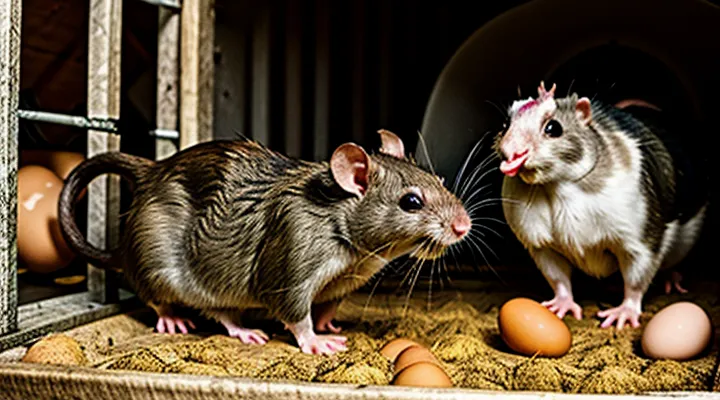
The Threat of Rats to Chicken Coops
Understanding Rat Behavior
Why Rats are Attracted to Coops
Rats are drawn to chicken coops because the environment offers multiple resources that meet their survival needs.
Food availability is the primary lure. Coops contain feed, grain, scratch kernels, and occasional spilled crumbs. Even small amounts left in feeders or on the floor provide high‑calorie sustenance. Additionally, insects, larvae, and hatchlings represent supplementary protein sources.
Shelter and protection are equally compelling. The structure of a coop—walls, nesting boxes, and roosting bars—creates a secure, enclosed space that shields rats from predators and harsh weather. The insulation and bedding material retain heat, making the interior an attractive winter refuge.
Water sources further increase appeal. Drinking troughs, damp bedding, or condensation on metal surfaces supply the moisture rats require for hydration and digestion.
Scent trails amplify the attraction. Residual odors from feed, droppings, and the chickens themselves signal a reliable food supply, prompting rats to follow the chemical cues back to the coop.
Easy access facilitates infestation. Gaps around doors, ventilation openings, or damaged wire mesh allow rats to enter without difficulty. Once inside, their strong gnawing ability enables them to enlarge entry points and create new pathways.
In summary, the combination of abundant food, protected nesting areas, accessible water, strong olfactory cues, and vulnerable entry points makes chicken coops a highly attractive habitat for rats.
Signs of Rat Infestation
Rats entering a poultry enclosure pose a direct threat to egg production and bird health. Early detection relies on observable evidence rather than speculation.
- Small, dark droppings near feed, water, or nesting boxes
- Gnaw marks on wood, wire mesh, or plastic containers
- Fresh nests built from shredded straw, fabric, or insulation
- Parallel tracks in dusty floors or sand bedding
- Scratching or scurrying sounds behind walls or in roof spaces
- Chewed feed bags, cracked eggshells, or missing feed pellets
- Burrows or holes up to 1 inch in diameter along walls or foundations
- Streaks of amber‑colored urine on surfaces or in corners
- Strong, musky odor indicating a large population
Inspect the coop at dusk and dawn with a flashlight, focusing on corners, under perches, and near feed stations. Place snap or live traps along identified pathways; captured specimens confirm infestation severity.
After confirmation, seal entry points larger than ½ inch, reinforce wire with hardware cloth, and store feed in rodent‑proof containers. Regular cleaning of bedding and prompt removal of waste reduce attractants, limiting future incursions.
Types of Rats Common to Coops
Rats that infiltrate poultry enclosures are typically limited to two species, each with distinct habits that influence their interaction with egg production.
-
Norway rat (Rattus norvegicus) – The larger, robust brown rat favors ground-level nests and burrows beneath litter, feed, or stored grain. Its omnivorous diet readily includes eggs, especially when they are cracked or exposed. Strong jaws enable it to break shells, and its nocturnal foraging aligns with the quiet hours of a coop.
-
Roof rat (Rattus rattus) – The slimmer, agile black rat prefers elevated structures such as rafters, nesting boxes, and hanging feeders. Although less likely to dig, it can climb to reach egg trays placed on shelves. Its preference for fruit and insects does not preclude opportunistic egg consumption when easy access is available.
Both species exhibit high reproductive rates and keen scent detection, allowing rapid colonization of any coop where food, water, or shelter is accessible. Effective exclusion requires sealing entry points at ground level for Norway rats and at roof or vent openings for roof rats, combined with diligent removal of spilled feed and damaged eggs.
Evidence of Egg Consumption by Rats
How Rats Access Eggs
Entry Points for Rodents
Rats reach chicken eggs primarily through gaps that allow entry into the coop. Any opening larger than a quarter‑inch can serve as a pathway, and rodents exploit structural weaknesses, ventilation systems, and utility penetrations.
- Gaps around doors and windows, especially where weather‑stripping is missing or damaged.
- Cracks in the foundation, floor joists, or wall sheathing.
- Openings around utility lines, feed tubes, water pipes, and vent pipes.
- Uncovered holes used for cleaning or egg collection.
- Loose or deteriorated wire mesh and louver panels.
Seal each opening with appropriate materials: steel wool or copper mesh for small gaps, hardware cloth for larger holes, and expandable foam for irregular spaces. Install self‑closing hinges on doors, reinforce lintels, and maintain a tight perimeter fence buried at least six inches underground. Regular inspection and prompt repair of wear prevent rodents from establishing a route to the nesting area, thereby reducing the risk of egg predation.
Methods of Egg Theft
Rats enter chicken enclosures primarily to obtain food, and eggs represent a high‑value target. Their ability to breach protective barriers and locate vulnerable eggs determines the extent of loss.
Common techniques rats employ to pilfer eggs include:
- Gap exploitation: squeezing through openings as small as a quarter‑inch, such as holes in wire mesh, poorly sealed doors, or gaps around feeders.
- Nest infiltration: burrowing into nesting boxes or straw piles where eggs are temporarily stored, using their strong incisors to displace bedding and reach the eggs.
- Nest‑box tampering: lifting or tipping nest boxes to expose eggs, then carrying them away in their mouths or dragging them across the coop floor.
- Egg puncture: using sharp teeth to crack the shell, allowing the contents to be consumed on site, which reduces the need to transport whole eggs.
- Cooperative foraging: working in small groups to overwhelm a nest box, allowing one rat to distract the hen while another extracts the egg.
Preventive measures focus on eliminating these pathways: sealing all structural gaps, reinforcing nest‑box locks, maintaining clean bedding to discourage nesting, and installing predator‑proof hardware cloth. Regular inspection for gnaw marks and droppings helps identify active intrusion points before significant egg loss occurs.
Distinguishing Rat Damage from Other Predators
Chewed Eggshells
Chewed eggshell fragments often appear in a poultry enclosure when rodents access laid eggs. The shell material is reduced to small, irregular pieces that bear bite marks and may be found near nesting boxes or in feed troughs. These remnants indicate that the animal has broken the shell to reach the yolk or albumen, leaving only the calcified outer layer.
Rats are opportunistic feeders; when an egg is left unattended, they will gnaw the shell to obtain the nutrient‑rich interior. The act of chewing the shell provides a foothold and creates an opening, after which the rat consumes the contents and discards the remaining shell fragments. Observation of chewed shells therefore confirms that rodents are exploiting the egg resource within the coop.
Management actions to reduce this risk include:
- Securing all eggs in closed containers or nest boxes with tight lids.
- Eliminating food spillage and cleaning debris that may attract rodents.
- Installing rodent‑proof barriers around the coop structure.
- Conducting regular inspections for shell fragments and repairing any entry points.
Prompt detection of chewed eggshells enables immediate intervention, preventing further loss of eggs and limiting rodent population growth in the poultry environment.
Missing Eggs
Missing eggs in a poultry enclosure often prompt owners to suspect predation. Rodents, particularly Norway and roof rats, are capable of entering coops during night hours and targeting unprotected eggs. Their strong incisors allow them to gnaw through wire mesh, wood, or plastic, while their keen sense of smell draws them to the scent of fresh eggs.
Typical indicators of rodent involvement include:
- Small bite marks or punctures on the shell surface.
- Egg shells found partially chewed or scattered near nesting boxes.
- Presence of rat droppings, gnaw marks, or nest material within the coop.
- Increased activity on motion‑activated cameras during low‑light periods.
Preventive actions reduce the likelihood of egg loss:
- Install hardware cloth with mesh no larger than ¼ inch on all openings.
- Seal gaps around doors, windows, and ventilation ducts with steel wool or metal flashing.
- Store feed in sealed containers to eliminate an attractant.
- Maintain a clean coop by removing spilled feed and debris daily.
- Deploy snap traps or electronic pest control devices along established rodent pathways.
Monitoring and prompt remediation are essential for preserving egg production and protecting flock health.
Preventing Rat Predation
Securing the Coop
Rodent-Proofing Materials
Effective rodent exclusion in a poultry enclosure depends on selecting materials that resist gnawing, corrosion, and accidental damage.
Metal hardware cloth with a mesh size of ¼ inch or smaller provides a durable barrier for walls, doors, and ventilation openings. Galvanized steel strips reinforce seams and prevent rats from pushing through weakened joints.
Concrete or cement mortar applied to floor cracks and around perimeters creates an impermeable foundation that rodents cannot tunnel through. Epoxy sealants fill gaps around pipe penetrations and wiring conduits, eliminating entry points that insects and small mammals exploit.
Wire mesh covering feed storage bins, combined with a tight‑fitting lid, stops rats from accessing food sources that attract them to the coop.
When installing any barrier, secure fasteners with stainless‑steel screws to avoid rust and maintain structural integrity over time.
Recommended rodent‑proofing materials
- ¼‑inch or finer galvanized hardware cloth
- 1/8‑inch steel flashing for roof edges
- Concrete slab with a minimum thickness of 4 inches
- Epoxy or polyurethane sealant for cracks and joints
- Stainless‑steel screws and bolts for all attachments
- Heavy‑duty latch mechanisms on doors and access panels
Regular inspection of these components ensures that wear, damage, or corrosion does not create new vulnerabilities. Maintaining a sealed environment reduces the likelihood that rats will reach eggs or other poultry products.
Sealing Entry Points
Rats reach a chicken coop by exploiting gaps, holes, and poorly sealed openings. Preventing these pathways eliminates the most reliable method of entry, thereby protecting eggs from predation and contamination.
Typical vulnerabilities include:
- Gaps around utility pipes and wires
- Openings at the base of doors and windows
- Cracks in foundation walls or floorboards
- Unsealed vents, chimney flues, and roof eaves
- Damaged or missing wire mesh on run enclosures
To seal entry points effectively:
- Inspect the entire structure, paying special attention to the areas listed above.
- Apply steel wool or copper mesh to fill small holes; secure with expanding foam or concrete.
- Install heavy-duty hardware cloth (minimum ½‑inch gauge) over larger gaps; fasten with rust‑resistant staples or screws.
- Fit door sweeps and weather stripping to eliminate gaps beneath doors.
- Seal seams around pipes and cables with stainless‑steel clamping plates or silicone caulk rated for outdoor use.
- Repair or replace damaged roofing, ensuring all eaves and vent covers are tightly fitted.
- Conduct a follow‑up inspection after each weather event to confirm integrity.
Consistent maintenance of sealed barriers removes the primary avenue rats use to reach eggs, reducing loss and disease risk within the coop.
Coop Management Practices
Feed Storage Solutions
Rats are attracted to accessible feed, and unsecured feed can lead to egg predation inside a coop. Proper feed storage eliminates the primary lure, reducing the likelihood that rodents will consume eggs.
Secure containers made of metal or heavy-duty plastic prevent gnawing. Containers should feature tight‑locking lids and be placed on elevated platforms to keep them out of reach of ground‑level pests. Sealing bags with zip locks or heat‑seal closures adds an extra barrier.
Location matters. Store feed in a dry, well‑ventilated area away from the coop’s entrance. Distance of at least three meters from any door or window minimizes the chance that rats will follow a scent trail into the nesting area.
Routine maintenance supports the storage system. Inspect containers weekly for signs of damage, replace compromised seals, and rotate stock to avoid stale feed that emits stronger odors. Clean spills immediately; even small crumbs can attract rodents.
A concise checklist for effective feed storage:
- Use rodent‑proof containers (metal or thick plastic).
- Ensure lids seal tightly; consider lockable mechanisms.
- Elevate containers on sturdy shelves or racks.
- Position storage at least three meters from coop access points.
- Keep the area dry and well‑ventilated.
- Perform weekly inspections and clean up any debris.
Implementing these measures removes the food incentive that drives rats to seek eggs, thereby safeguarding the flock without relying on chemical deterrents.
Waste Disposal
Rats are drawn to chicken coops when waste accumulates, and the presence of discarded eggs, shells, and feed creates a direct incentive for them to consume intact eggs. Reducing the availability of such resources removes the primary motivation for predation.
Typical waste in a coop includes spilled feed, broken shells, manure, and the carcasses of sick birds. Each item provides odor and moisture that signal a food source to rodents. When these materials are left unattended, they become focal points for rat activity and increase the likelihood of egg loss.
Effective disposal requires containment, frequency, and sanitation. Waste should be placed in sealed, rodent‑proof containers and removed from the coop area at least daily. Manure can be composted only after a heat treatment phase that destroys pathogens and eliminates attractants. Dead birds must be disposed of in a dedicated biohazard bin and incinerated or buried according to local regulations.
- Use lockable metal or heavy‑duty plastic bins with tight‑fitting lids.
- Empty bins before waste reaches the rim to prevent overflow.
- Clean feed troughs after each feeding session; sweep up any spillage immediately.
- Store fresh feed in airtight containers away from the coop.
- Apply a rodent‑proof barrier (e.g., hardware cloth) around waste stations.
Consistent waste management eliminates the scent cues that lure rats, thereby reducing their access to eggs and protecting the flock’s productivity.
Regular Cleaning
Regular cleaning of a chicken coop creates an environment that deters rodents from seeking food sources such as eggs. Removing spilled feed, droppings, and nesting material eliminates attractants that rats rely on to locate a coop. Consistent removal of waste also reduces moisture levels, which makes the area less hospitable for rodent activity.
Effective cleaning routine includes:
- Daily collection of broken shells and discarded feed.
- Weekly scrubbing of nesting boxes with a mild disinfectant.
- Bi‑weekly removal of accumulated bedding, replacing it with fresh material.
- Monthly inspection of structural gaps; seal any openings larger than ¼ inch.
Maintaining these practices lowers the likelihood that rats will enter the coop and consume eggs, thereby protecting both the flock and the harvest.
Rat Control Strategies
Trapping Methods
Types of Traps
Rats can infiltrate chicken houses and prey on eggs, making reliable trapping essential for protecting the flock. Selecting the appropriate device reduces damage while minimizing risk to birds.
- Snap traps: metal spring mechanisms deliver an immediate kill; bait with peanut butter or dried fruit; position near entry points and away from perch areas.
- Live‑catch traps: wire cages with a single entrance; bait similarly; check frequently and release captured rodents at least two miles from the coop to prevent recapture.
- Electronic traps: batteries power a high‑voltage plate that kills upon contact; suitable for indoor sections of the coop; require regular cleaning to maintain efficacy.
- Glue boards: adhesive surfaces capture rodents that walk across; best used in sealed corners where birds cannot perch; replace promptly to avoid prolonged suffering.
- Bucket‑style traps: a baited platform tilts when a rat steps on it, dropping the animal into a collection bucket; simple construction; monitor daily to remove captured rats.
Placement guidelines: locate traps along walls, near known gnawing holes, and beneath nesting boxes where rats travel. Ensure traps are anchored to prevent displacement by chickens. Regular inspection and prompt disposal of captured rodents preserve hygiene and maintain trap effectiveness.
Placement and Baiting
Effective control of rodent intrusion in a poultry enclosure relies on strategic positioning of traps and bait stations, coupled with appropriate attractants. Place devices along established runways, typically the edges of walls, under beams, and near feed or water sources where rats travel. Ensure each station is at least 12 inches from any nesting box to prevent accidental contact with chicks. Secure stations to the floor or a sturdy surface to avoid displacement by the animals.
When selecting bait, choose materials that mimic the natural diet of rats while remaining unattractive to chickens. Preferred options include:
- Peanut butter mixed with wheat germ, offering high fat and protein.
- Dried corn kernels combined with a small amount of vanilla extract for scent appeal.
- Commercial rodent blocks formulated with low‑toxin active ingredients.
Rotate bait types every two weeks to maintain novelty and reduce bait shyness. Position bait at the rear of each trap, allowing the rat to trigger the mechanism while the food remains concealed. Monitor stations daily; replace depleted bait promptly and relocate any device that shows signs of tampering or non‑target capture.
Natural Deterrents
Predatory Animals
Rats entering a poultry enclosure often act as opportunistic feeders. They can break into nests, gnaw through wire mesh, and consume unprotected eggs. Their strong incisors allow them to puncture shells, especially when eggs are left unattended on the floor.
Other predatory animals pose similar threats to chicken eggs:
- Cats: agile hunters; may steal eggs or kill chicks.
- Snakes: species such as rat snakes can enter low openings, swallow eggs whole.
- Weasels and ferrets: slender bodies enable entry through small gaps; they attack both eggs and hatchlings.
- Birds of prey: hawks and owls may swoop down on free‑range flocks, targeting eggs left in the open.
- Dogs: larger breeds may break nests and eat eggs if not restrained.
Preventive measures focus on eliminating access points and reducing attractants. Seal cracks, install hardware cloth with mesh no larger than ¼ inch, and keep feed storage sealed to discourage rodent activity. Regularly remove broken shells and clean the coop to eliminate scent cues that attract predators. Monitoring with motion‑activated cameras can confirm which species are attempting entry, allowing targeted mitigation.
Scent-Based Repellents
Rats are attracted to chicken coops because eggs and feed provide a reliable food source. Their presence increases the risk of egg loss and disease transmission.
Scent-based repellents exploit rodents’ acute sense of smell to create an environment that rats find unpleasant. The odors interfere with their ability to locate food and establish a safe pathway through the coop.
Common scent repellents include:
- Peppermint oil, applied on cotton balls or soaked cloths.
- Predator urine (fox, coyote), distributed in corners and near nesting boxes.
- Ammonia solutions, placed in sealed containers with small openings.
- Citrus peel fragments, positioned around feed storage.
Effective deployment requires:
- Placement at entry points, along walls, and adjacent to nesting areas.
- Replacement every 2–3 days for volatile oils, weekly for solid materials.
- Monitoring for any adverse reactions in chickens, such as respiratory irritation.
Research shows that strong odors reduce rat activity by 40–70 % when combined with physical barriers and proper sanitation. Scent repellents alone may not eliminate infestations, but they form a critical component of an integrated pest‑management strategy.
Chemical Solutions
Baits and Poisons
Rats readily explore chicken enclosures in search of protein, and eggs provide an attractive source. When rodents breach a coop, they may crack shells, consume yolk, or carry whole eggs away, causing loss of inventory and potential disease transmission.
Baits and rodenticides are the primary means of reducing rat populations in such environments. Commercial products include anticoagulant blocks, bromethalin pellets, and zinc phosphide sachets. These agents act after ingestion, leading to delayed mortality that limits immediate detection by the animal, thereby reducing the chance of bait avoidance.
Effective deployment requires strict separation between bait and poultry. The following measures protect chickens while maintaining rodent control:
- Place bait stations on the exterior of the coop, at least 3 feet from any opening used by chickens.
- Use tamper‑resistant containers that allow only rodents to enter.
- Select formulations labeled for outdoor use and approved for livestock environments.
- Monitor bait consumption daily; replace depleted units promptly.
- Remove any uneaten bait before the next feeding cycle to prevent accidental ingestion.
Integrating baiting with physical barriers—such as sealing gaps, installing metal mesh, and maintaining a clean, debris‑free area—enhances overall efficacy. Regular inspection of the coop for gnaw marks and droppings helps assess the need for additional bait placement.
In summary, targeted use of rodent baits, combined with strict control of access and ongoing sanitation, mitigates the risk that rats will consume eggs within a chicken coop.
Safety Considerations for Chickens
Rats entering a poultry enclosure pose direct threats to flock health and egg integrity. Their presence can lead to disease transmission, stress‑induced immunosuppression, and physical injury.
Key safety measures include:
- Securing all entry points with metal mesh or hardware cloth; gaps larger than ¼ inch allow rodent access.
- Maintaining a clean environment by removing spilled feed, water drips, and nesting material that attract rodents.
- Storing supplemental feed in airtight containers and elevating it off the ground.
- Installing predator‑proof, sealed coop doors and latches that close automatically at night.
- Using snap traps or electronic devices in areas away from chickens to reduce rodent numbers without exposing birds to poison.
- Conducting regular inspections for gnaw marks, droppings, or burrows; immediate repair prevents further infiltration.
- Rotating bedding and disposing of used material in sealed bags to eliminate hidden nests.
Implementing these practices minimizes the likelihood that rodents will consume eggs or harm chickens, thereby preserving flock welfare and production quality.