
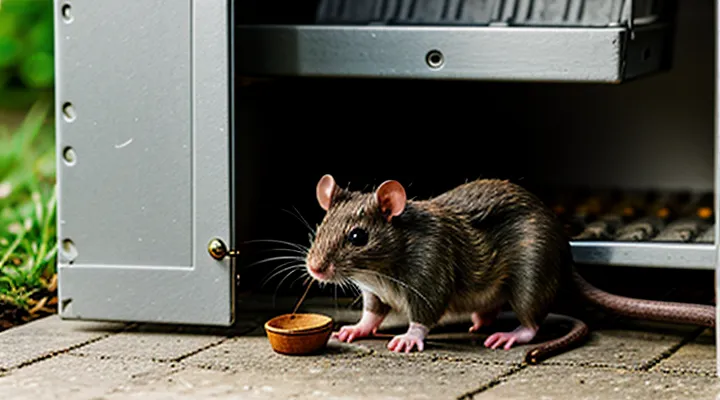
Understanding the Rat Problem
Identifying Rat Infestation Signs
Droppings and Urine Trails
Droppings and urine trails provide the most reliable indicators of rat activity, allowing precise placement of traps.
Rat droppings appear as small, dark, cylindrical pellets, typically 0.5–0.8 cm long. They are found in clusters along runways, near food sources, and in concealed areas such as wall voids or attic insulation. Fresh droppings retain a moist sheen; older specimens become dry and crumbly, which helps determine the recency of activity.
Urine trails leave a faint, oily residue on surfaces. When a flashlight is angled across a floor or wall, the trail may become visible as a glossy line. Urine stains often accompany droppings, especially in high‑traffic zones like behind appliances, under sinks, and along baseboards. The presence of a strong, musky odor confirms active habitation.
Using these signs to locate traps follows a straightforward process:
- Identify droppings clusters and follow the direction of the longest runway.
- Trace any visible urine line to its source; the endpoint usually indicates a nest or food cache.
- Position snap or live traps perpendicular to the runway, with the trigger end facing the direction of travel.
- Place bait stations directly adjacent to droppings or at the intersection of multiple trails.
- Check traps daily; relocate if no captures occur, using fresh droppings or urine evidence to refine placement.
Accurate interpretation of droppings and urine trails reduces trial‑and‑error, improves capture rates, and limits the need for extensive chemical treatments.
Gnaw Marks and Damage
Rats leave distinctive gnaw marks that differ from those of other rodents. The incisions are shallow, often V‑shaped, and appear on the edges of wood, plastic, or insulation. Teeth leave parallel scratches that widen with repeated chewing, creating a smooth, polished surface.
Common damage includes:
- Compromised structural members such as joists, studs, and support beams.
- Exposed wiring, increasing fire risk and causing intermittent power failures.
- Contaminated food supplies, leading to spoilage and health hazards.
- Deteriorated insulation, reducing thermal efficiency and raising energy costs.
Identifying gnaw marks pinpoints active pathways and nesting sites. Placement of snap traps, live‑catch cages, or electronic devices along these routes maximizes capture rates. Seal or repair damaged areas after removal to prevent re‑entry and to protect property integrity.
Unusual Noises and Smells
Rats reveal their presence through distinct auditory and olfactory cues. Recognizing these signals allows precise placement of proven trapping methods and reduces wasted effort.
Auditory indicators include:
- Scratching on walls, ceilings, or stored materials, especially at night when rodents are most active.
- Scurrying sounds within concealed spaces such as attics, crawl spaces, or behind appliances.
- Soft gnawing noises on wood, plastic, or insulation, often heard when rats test structural integrity.
Olfactory indicators consist of:
- A sharp, ammonia‑like odor produced by rat urine, noticeable near food sources, entry points, or nesting sites.
- A sweet, musky scent from glandular secretions used for marking territory.
- A faint, metallic smell associated with decomposing rat carcasses, indicating recent mortality within the structure.
When these cues are detected, follow a systematic approach:
- Locate the origin of the sound or smell by tracing the path from the most intense point outward.
- Identify nearby structural features that provide shelter—wall voids, pipe chases, or stored boxes.
- Set traps directly adjacent to the identified zones, ensuring bait placement aligns with the rat’s travel routes.
- Monitor trap activity daily, adjusting positions if auditory or olfactory signs shift.
By correlating unusual noises and smells with strategic trap deployment, rat control becomes efficient and measurable.
Types of Rats and Their Habits
Norway Rats
Norway rats (Rattus norvegicus) are the most common urban pest, reaching lengths of 7‑10 inches and weighing up to 0.5 lb. They prefer moist environments such as basements, sewers, and near garbage storage, and they are excellent swimmers, allowing access to lower‑level structures. Their nocturnal foraging habits, strong sense of smell, and tendency to travel in colonies make them especially vulnerable to well‑placed traps.
Key biological traits that influence trap selection:
- Strong jaws capable of crushing standard snap mechanisms; traps must deliver rapid, high‑force closure.
- High tolerance for low‑grade food; bait should be protein‑rich and aromatic (e.g., peanut butter, dried fish, or cooked meat).
- Preference for concealed pathways; place traps along walls, behind objects, and within 2 ft of known activity signs such as droppings or gnaw marks.
- Aversion to bright light and sudden movement; use insulated trap housings or cover to reduce visual disturbance.
Effective trapping methods for Norway rats:
- Snap traps – heavy‑duty steel models with a spring force of 15–20 lb. Position the trigger plate flush with the wall to align with the rat’s natural travel route.
- Electronic traps – deliver a lethal voltage shock within milliseconds. Ideal for indoor use where silent operation reduces disturbance.
- Live‑capture cages – equipped with a single‑entry door and a smooth interior. Use only when relocation is permitted and humane release is feasible.
- Multi‑catch glue boards – suitable for short‑term monitoring; not recommended for long‑term control due to humane concerns.
Implementation checklist:
- Identify all entry points and seal them after trapping to prevent reinfestation.
- Deploy traps in clusters of 3‑5 per active zone, spacing them 12‑18 inches apart.
- Apply a thin layer of bait directly onto the trigger mechanism; avoid excess that could allow the rat to eat without triggering the trap.
- Check traps at least twice daily; remove dead specimens promptly to prevent disease spread.
- Record capture locations to map activity patterns and refine placement.
Safety considerations:
- Wear thick gloves when handling traps to avoid accidental contact with the spring or electric components.
- Keep traps out of reach of children and non‑target wildlife; label areas clearly.
- Dispose of captured rats in sealed bags, following local regulations for pest disposal.
By aligning trap type, bait choice, and placement with the specific habits of Norway rats, control efforts become markedly more efficient and result in rapid population reduction.
Roof Rats
Roof rats (Rattus rattus) are arboreal rodents that prefer elevated habitats such as attics, roof spaces, and eaves. Their slender bodies allow them to navigate narrow gaps, while their nocturnal activity makes detection difficult. Infestations often result in structural damage, contamination of food supplies, and increased disease risk.
Key indicators of roof‑rat presence include gnaw marks on wood and wiring, droppings shaped like dark rice grains, greasy smears along pathways, and audible scratching in ceiling voids. Early identification prevents expansion into lower levels of the building.
Effective trapping strategies focus on placement, bait selection, and trap type:
- Snap traps: Position along known runways, set with a trigger sensitivity that accommodates the rat’s light weight. Use high‑protein baits such as peanut butter or dried fruit.
- Glue boards: Install on flat surfaces near entry points. Apply a thin layer of attractive scent (e.g., bacon grease) to increase capture rates.
- Live‑capture traps: Deploy in concealed corners, bait with fresh fruit or cheese. Check frequently to release captured rats away from the property, complying with local regulations.
For maximum success, seal all potential entry holes measuring ¼ inch or larger, reduce clutter that offers shelter, and maintain a regular monitoring schedule to replace ineffective traps promptly. These measures, combined with the described trapping methods, provide a reliable approach to eliminating roof‑rat infestations.
House Mice (Distinction from Rats)
Understanding the differences between house mice and rats is essential for applying effective rodent control measures. House mice (Mus musculus) are considerably smaller, typically 2‑4 inches long, with a slender body, large ears, and a pointed snout. Rats (Rattus spp.) range from 7‑10 inches, possess a more robust build, thicker tail, and blunt nose. These physical traits influence detection methods and trap sizing.
Key distinctions that affect trap choice:
- Size: Mice require smaller entry points; snap traps and live‑catch cages must be calibrated to a 1‑inch trigger mechanism, whereas rat traps accommodate a 2‑inch trigger.
- Activity pattern: Mice are predominantly nocturnal and explore tight spaces, favoring wall voids and ceiling voids; rats are more active at dusk and prefer ground‑level pathways.
- Food preferences: Mice gravitate toward grains, seeds, and soft cheese; rats are attracted to meat, nuts, and larger food scraps.
- Droppings: Mouse droppings are ¼‑inch, dark, and rod‑shaped; rat droppings are ½‑inch, kidney‑shaped, and more substantial.
When integrating these distinctions into proven trapping strategies, select devices that match the target’s size and behavior. For mice, use lightweight snap traps or multi‑catch live traps positioned along baseboard edges and near identified gnaw marks. For rats, employ heavier snap traps or baited cage traps placed along established runways, such as behind appliances or in crawl spaces. Proper bait selection—fine grains for mice, protein‑rich morsels for rats—enhances capture rates while minimizing non‑target interference.
Selecting the Right Trap
Snap Traps: The Classic Solution
Advantages of Snap Traps
Snap traps deliver immediate, lethal results, eliminating rodents without the need for ongoing monitoring. Their mechanical design requires no electricity or chemicals, reducing long‑term costs and environmental impact.
- Rapid kill – spring‑loaded jaws close within milliseconds, preventing injury or prolonged suffering.
- Low maintenance – once set, the device remains functional until triggered; no battery replacement or refilling is necessary.
- High specificity – trigger mechanisms can be adjusted to target rats while minimizing accidental captures of non‑target species.
- Cost efficiency – mass‑produced units cost a fraction of electronic or bait‑based alternatives, allowing extensive deployment in infestations.
- Ease of disposal – captured rodents are contained within the trap, facilitating safe removal and sanitation.
The compact form factor permits placement in concealed locations such as wall voids, attic corners, or behind appliances, where rats commonly travel. Durable construction resists tampering, ensuring consistent performance even in harsh environments. By combining swift lethality, economic viability, and operational simplicity, snap traps represent a reliable component of any comprehensive rat‑control strategy.
Disadvantages of Snap Traps
Snap traps deliver a rapid kill but present several practical drawbacks.
- Limited effectiveness against wary rats; repeated exposure leads to trap avoidance.
- High risk of accidental activation, endangering pets, children, and non‑target wildlife.
- Need for precise placement and bait selection; misplacement reduces capture rates.
- Mechanical components can corrode or jam in humid environments, requiring regular maintenance.
- Disposal of dead rodents is messy; trapped bodies may decompose quickly, creating odor and hygiene concerns.
- One‑use design provides no ongoing monitoring; each successful catch necessitates a new trap.
These factors diminish reliability and increase labor compared with alternative humane or multi‑capture solutions.
Proper Baiting Techniques
Effective bait selection determines trap success. Choose attractants that match the target’s dietary preferences and local environment. Fresh, high‑protein foods such as peanut butter, bacon, or cooked chicken generate immediate interest, while grain‑based products sustain longer engagement.
- Use a small amount of bait; excess material can obscure the trigger mechanism.
- Secure bait to the trap’s contact point with a thin wire or adhesive to prevent removal without activation.
- Rotate bait types weekly to avoid habituation and maintain curiosity.
- Store bait in airtight containers to preserve scent potency and prevent spoilage.
- Position baited traps near walls, behind appliances, or in concealed pathways where rats travel.
Placement strategy complements bait effectiveness. Locate traps along established runways, identified by droppings, gnaw marks, or fresh burrows. Position the trap with the bait facing the wall, forcing the rat to approach head‑first. Ensure the trap sits on a stable surface to avoid false triggers caused by vibrations.
Monitor traps daily. Replace any bait that has lost odor or become contaminated. Record capture data to identify high‑activity zones and adjust bait distribution accordingly. Consistent application of these techniques maximizes trap efficiency and reduces the time required to eliminate a rat infestation.
Optimal Placement Strategies
Effective trap placement determines capture rates. Identify rat pathways by observing droppings, gnaw marks, and food remnants. Focus on routes that connect shelter to food sources, typically along walls, behind appliances, and in low‑light corners.
Place traps perpendicular to the wall, with the trigger end facing the expected travel direction. Secure traps on solid surfaces to prevent movement. Position them at least 2–3 inches from the edge of the wall to accommodate the rat’s natural tendency to run close to the baseboard. Avoid clutter that could obscure the trap or provide alternative escape routes.
- Near active burrows or entry points identified by fresh soil displacement.
- Directly behind obstructed areas such as stacked boxes, where rats seek concealment.
- At the junction of two walls, creating a natural funnel.
- Within 12 inches of known feeding stations, ensuring immediate access to bait.
- In damp locations like under sinks, where moisture attracts rodents.
After deployment, inspect traps daily. Record capture locations and adjust placement to concentrate effort on high‑yield zones. Rotate traps periodically to prevent habituation and maintain pressure on the population.
Live Traps: Humane Options
Advantages of Live Traps
Live traps provide a humane method for removing rats without killing the animal. By containing the rodent in a secure cage, they allow relocation to a suitable environment far from human habitation.
- Preserve the animal’s life, meeting ethical standards and legal requirements in many jurisdictions.
- Eliminate the need for toxic baits, reducing health hazards for pets, children, and non‑target wildlife.
- Prevent secondary poisoning, as no poison residue remains in the environment.
- Enable precise monitoring; captured rats can be counted, identified, and tracked to assess infestation levels.
- Allow reuse of the trap after proper cleaning, lowering long‑term expenses compared with disposable snap traps or poison stations.
- Facilitate relocation to a location where the rat will not re‑enter the property, breaking the cycle of reinfestation.
- Reduce odor and mess associated with dead rodents, simplifying sanitation and maintenance.
Overall, live traps combine effectiveness with safety, compliance, and cost efficiency, making them a preferred choice within proven rat capture strategies.
Disadvantages of Live Traps
Live traps capture rats without killing them, but several practical drawbacks limit their effectiveness.
- High release risk – Captured rodents often escape when the trap is moved, especially if the cage is not secured tightly.
- Stress‑induced mortality – Confinement in a small enclosure can cause severe stress, leading to death or injury before release.
- Frequent monitoring required – Traps must be checked several times a day; otherwise, trapped rats may suffer from dehydration, hunger, or exposure.
- Limited bait appeal – Some rats avoid the confined space despite attractive bait, reducing capture rates compared to snap or glue traps.
- Sanitation concerns – Transporting live rats to a release site may spread disease or contaminate other areas.
- Legal and ethical constraints – Many jurisdictions impose restrictions on relocating wildlife, and improper handling can violate animal‑welfare regulations.
These factors make live traps less reliable for consistent rat control, especially in densely populated or commercial environments where rapid, humane removal is essential.
Relocation Considerations
When a rat is captured, deciding whether to release it or dispose of it requires careful assessment of legal, ecological, and health factors.
Legal restrictions vary by jurisdiction; many regions prohibit releasing captured rodents outside the property where they were found. Verify local wildlife regulations before any relocation attempt.
Ecological impact depends on the species and the release site. Introducing a rat into an unfamiliar ecosystem can disrupt native wildlife, spread disease, and compete for resources. Choose a location where the species already exists in established populations, and avoid protected habitats.
Health considerations include the potential for disease transmission to humans, pets, and other wildlife. Handling captured rats demands protective gloves and proper sanitation. If relocation is chosen, ensure the animal is released at a safe distance—typically at least one mile—from residential areas to reduce the risk of re‑infestation.
Practical steps for relocation:
- Confirm legality of release in both the capture and release areas.
- Identify an appropriate release site with existing rat populations and no protected status.
- Transport the animal in a secure, ventilated container to prevent escape.
- Release the rat at dusk, allowing it to seek shelter before predators become active.
- Clean and disinfect all equipment and surrounding surfaces after handling.
If legal or ecological constraints make relocation unsuitable, humane euthanasia or professional pest‑control services provide alternative solutions that minimize risk to public health and the environment.
Trap Setup and Monitoring
Effective trap placement begins with identifying rat activity zones. Observe gnaw marks, droppings, and pathways; focus on walls, corners, and near food sources. Choose a trap type compatible with the target environment—snap, live‑capture, or electronic models. Secure the trap on a stable surface, ensuring the trigger mechanism aligns with the expected entry point. Bait the device with high‑protein items such as peanut butter or dried meat, applying a small amount to the trigger plate to prevent spillage. Position the trap perpendicular to the wall, with the entry side facing the rat’s travel route. Verify that the trap is level, free of obstructions, and concealed enough to avoid premature avoidance.
Monitoring requires systematic checks and data recording. Inspect traps at consistent intervals—every 2–4 hours during peak activity periods (dusk to early morning). Record capture time, location, and trap condition in a log sheet or digital spreadsheet. Reset or replace traps promptly after a capture to maintain pressure on the population. Rotate trap locations weekly to prevent habituation; document each relocation in the same log. If a trap remains untouched after multiple checks, reassess bait type, placement, or environmental factors. Regular analysis of captured data reveals hotspots, informs adjustments, and validates the overall control strategy.
Electronic Traps: Modern Approaches
How Electronic Traps Work
Electronic rat traps rely on a sensor, a power source, and a delivery mechanism to eliminate rodents instantly.
The sensor detects the presence of a rat through one of two common methods. Infrared beams create a invisible fence; when a rat crosses, the beam is broken and triggers the circuit. Alternatively, a pressure-sensitive plate registers the weight of a rodent, sending a signal to the control unit.
The control unit processes the signal and activates a high‑voltage capacitor. The capacitor stores enough energy to generate a lethal shock, typically ranging from 2,500 to 5,000 volts, delivered within milliseconds. The shock disrupts the rat’s cardiac rhythm, causing immediate death.
Power is supplied by a rechargeable lithium‑ion battery or a direct‑current adapter. Battery‑powered models include a low‑battery indicator that flashes when capacity falls below the safe operating threshold.
Safety features prevent accidental discharge. A built‑in safety lock disables the shock circuit while the trap is being opened for cleaning. A transparent housing allows visual confirmation that the device is engaged without exposing users to voltage.
Effectiveness hinges on proper placement. Position traps along walls, near gnaw marks, or adjacent to known runways. Align sensors with the expected travel path to maximize detection probability.
Maintenance requirements are minimal. After each capture, the user empties the waste compartment, wipes the interior with a disinfectant, and resets the safety lock. Battery charge cycles should be monitored monthly; most units retain full capacity for 12 months under normal use.
Key advantages include:
- Immediate kill, eliminating disease transmission risk.
- No bait needed, reducing attraction of non‑target species.
- Reusable design lowers long‑term cost compared with disposable traps.
Understanding these components and operational steps enables reliable deployment of electronic devices in any rat‑infestation scenario.
Advantages of Electronic Traps
Electronic traps offer several practical benefits for effective rat control. They deliver immediate, observable results, allowing users to verify capture without handling live rodents. The built‑in sensors detect activity and trigger a rapid, humane kill, reducing the risk of escape or injury to non‑target animals. Battery‑powered units operate independently of external power sources, making them suitable for placement in basements, garages, or attics where wiring is inconvenient.
Key advantages include:
- Precision activation – motion or pressure sensors engage only when a rat contacts the device, minimizing false triggers.
- Rapid disposal – captured specimens are contained within a sealed compartment, eliminating the need for manual removal and lowering exposure to disease.
- Safety – lack of poison eliminates chemical hazards for pets, children, and humans.
- Ease of monitoring – many models feature LED indicators or wireless alerts that signal a successful catch, facilitating timely maintenance.
- Durability – solid‑state components resist corrosion and tampering, extending service life compared to disposable snap traps.
Overall, electronic traps combine efficiency, safety, and convenience, making them a reliable choice for professionals and homeowners seeking consistent rat eradication.
Disadvantages of Electronic Traps
Electronic rat traps offer quick kills, yet several drawbacks limit their practicality. High purchase prices place them beyond the budget of many homeowners and small‑scale operators. Battery‑powered models require regular replacement or recharging, creating ongoing expenses and potential downtime during power loss.
- False activations – Motion sensors can trigger on non‑target movement, such as insects or debris, depleting battery life and reducing effectiveness.
- Limited capacity – Most units hold a single rat; after a capture, the device must be cleared before it can operate again, slowing overall removal rates.
- Maintenance demands – Sensors and internal circuitry need periodic cleaning to prevent malfunction caused by urine, feces, or dust.
- Safety concerns – High‑voltage discharge poses a risk to pets, children, and careless handlers; accidental contact can cause severe injury.
- Environmental constraints – Extreme temperatures affect battery performance and sensor reliability, making traps unsuitable for outdoor or unheated spaces.
- Technical proficiency – Proper placement, settings adjustment, and troubleshooting require a basic understanding of electronics, which many users lack.
These limitations suggest that electronic traps, while effective in specific scenarios, may not serve as the most versatile or cost‑efficient solution for comprehensive rat control.
Safety Precautions
When setting traps for rodents, personal safety must precede effectiveness. Wear thick‑walled gloves to prevent bites and contact with urine or feces that may carry pathogens. Choose eye protection if using snap or electric devices that can release sudden force. Ensure traps are placed on stable surfaces; unstable placement can cause the mechanism to snap outward, risking injury.
Maintain ventilation in enclosed areas where traps are deployed. Many rodents carry airborne parasites; fresh air reduces inhalation risk. Keep children and pets away from the work zone; secure doors or use barriers to prevent accidental interference with active traps.
Handle dead rodents with disposable bags or sealed containers. Disinfect tools and surfaces after each use with a solution containing at least 1 % bleach or an EPA‑approved sanitizer. Store chemicals away from food storage areas and label them clearly.
Key safety steps
- Inspect each trap for damage before deployment.
- Test the trigger mechanism without bait to confirm proper function.
- Position traps perpendicular to walls, with the entry side facing the rodent’s travel path.
- Dispose of captured rodents promptly, following local waste‑disposal regulations.
- Wash hands thoroughly with soap after handling any equipment or waste.
Glue Traps: A Controversial Choice
Mechanism of Glue Traps
Glue traps rely on a high‑strength adhesive applied to a flat substrate. The surface is coated with a polymer that remains tacky at room temperature and does not dry quickly. When a rat steps onto the trap, the adhesive bonds to the animal’s feet and tail, immobilizing it within seconds. The trap’s design typically includes a thin, flexible backing that conforms to the rodent’s weight, preventing the animal from lifting its limbs off the adhesive.
Effective deployment follows a few precise steps:
- Position traps along established runways, near walls, or at the back of furniture where rats travel.
- Use a small amount of attractive bait (e.g., peanut butter or dried fruit) placed at the center of the adhesive area to draw the rodent onto the trap.
- Secure the trap on a stable surface to avoid accidental displacement.
- Check traps at regular intervals, preferably every few hours, to reduce suffering and prevent secondary infestations.
The adhesive’s chemistry creates a molecular bond with the keratin on the rat’s paws. This bond resists shear forces generated by the animal’s attempts to pull free, effectively locking the limbs in place. Once immobilized, the rat cannot reach food or shelter, leading to rapid incapacitation.
Disposal requires careful handling. Wear disposable gloves, place the entire trap with the captured rat into a sealed plastic bag, and discard according to local regulations. Clean surrounding areas to remove residual adhesive, preventing accidental capture of non‑target species.
Ethical Concerns
Effective rat control raises several ethical considerations that must be addressed before implementing any trapping strategy.
- Humane treatment – Traps should cause rapid loss of consciousness or death, avoiding prolonged suffering. Mechanical devices that crush or maim are unacceptable.
- Non‑target protection – Placement must prevent capture of birds, pets, or other wildlife. Designs with size‑specific triggers reduce accidental catches.
- Legal compliance – Local ordinances often require specific trap types, licensing, or reporting of lethal outcomes. Ignoring regulations can result in fines and community backlash.
- Disposal of carcasses – Proper removal and sanitation prevent disease spread and environmental contamination. Burying or incinerating without containment is prohibited.
- Alternative methods – Integrated pest management, habitat modification, and exclusion techniques can reduce reliance on lethal devices, aligning control efforts with animal welfare standards.
Ethical rat control balances efficacy with responsibility, ensuring that methods respect animal welfare, safeguard other species, and adhere to legal frameworks.
Limited Effectiveness
Traps commonly recommended for rodent control often deliver only partial success. Capture devices depend on specific conditions—bait attraction, placement accuracy, and rat behavior—that may not align with the realities of an infested environment. Consequently, a significant portion of the target population can avoid or ignore the devices, leaving the problem unresolved.
Factors limiting trap performance include:
- Bait aversion: Rats develop resistance to standard attractants after repeated exposure.
- Incorrect positioning: Devices placed away from primary pathways reduce encounter rates.
- Trap saturation: Overfilled traps lose efficacy, allowing survivors to escape or bypass.
- Species adaptability: Urban rats exhibit heightened wariness, decreasing trap interaction.
- Environmental interference: Dust, moisture, and debris impair trigger mechanisms.
Effective Trap Placement and Strategy
Pre-Baiting for Success
Pre‑baiting establishes a reliable feeding pattern before a trap is set, increasing capture rates. Rats quickly learn to associate a specific food source with a safe location; presenting that food in advance conditions them to return repeatedly.
First, select a bait that matches the target’s natural preferences—peanut butter, dried fruit, or fresh meat. Place the bait on a small, disposable platform near the suspected activity zone. Keep the platform clean and replace the bait every 24 hours to maintain freshness and prevent spoilage.
Second, limit alternative food sources. Remove unsecured garbage, pet food, and compost piles within a 10‑foot radius. The scarcity forces rats to concentrate on the offered bait, strengthening the learned association.
Third, allow a conditioning period of 2–3 days. During this time, observe for signs of regular visitation such as gnaw marks or droppings. Consistent activity indicates that the rats have accepted the bait location as a reliable feeding spot.
Finally, transition to the chosen trap. Position the trap directly under the pre‑bait platform, using the same bait to lure the rat into the mechanism. Secure the trap to prevent escape, and monitor it at least twice daily.
- Choose high‑palatability bait
- Eliminate competing food sources
- Condition for 48‑72 hours
- Align trap with bait location
Proper pre‑baiting reduces trap avoidance, shortens control cycles, and maximizes the efficacy of any proven rodent capture method.
High-Traffic Areas for Placement
Along Walls and Corners
Rats travel close to surfaces, using walls and corners as protective pathways. Positioning traps in these zones maximizes encounter rates while minimizing exposure to open areas where rats may avoid detection.
Place snap or electronic traps directly against the baseboard, aligning the trigger mechanism with the wall edge. Ensure the trap’s mouth faces outward, allowing the rodent to approach from the side of the wall. For glue boards, attach the adhesive surface to the underside of a wall corner, where the rat’s body will press against it while navigating tight turns.
Key considerations for effective placement:
- Height: 1‑2 inches above the floor, matching the typical rat travel path.
- Orientation: Trigger side oriented toward the wall, not toward open floor space.
- Spacing: Install traps every 3‑4 ft along continuous wall runs; concentrate additional units at junctions where two walls meet.
- Concealment: Use a thin piece of cardboard or a piece of pipe to hide the trap’s body while keeping the trigger exposed.
Maintain a clear line of sight to each trap for regular inspection. Replace bait or reset mechanisms after each capture to sustain attraction. By consistently covering walls and corners, the detection probability rises sharply, leading to rapid population reduction.
Near Food Sources
Rats gravitate toward any readily available nourishment. Positioning traps within a few feet of active food sources maximizes encounter rates and reduces the time needed for a successful catch.
Identify the most frequented feeding spots by observing droppings, gnaw marks, and smudge patterns. Place traps directly behind or beside these points, ensuring the bait is visible but not obstructed by debris. Use a low‑profile trap to prevent rats from avoiding it by stepping over.
Key considerations for placement near food:
- Use fresh, high‑protein bait (e.g., peanut butter, dried meat) to attract wary individuals.
- Secure traps to the floor or wall to prevent displacement by gnawing or movement.
- Maintain a clear line of sight from the bait to the trigger mechanism; rats prefer direct access.
- Rotate trap locations every 24–48 hours to counter trap shyness and cover multiple foraging routes.
Regularly inspect traps, dispose of captured rodents promptly, and replace bait to sustain attraction. Consistent monitoring and strategic positioning near food sources sustain high capture efficiency without additional chemicals or extensive labor.
Hidden and Dark Spaces
Rats thrive in concealed, poorly lit areas where food and shelter are abundant. Typical locations include wall voids, attic insulation, crawl spaces beneath foundations, behind appliances, and within pipe chases. Identifying these zones requires a systematic inspection: look for gnaw marks, droppings, and nesting material in corners, behind furniture, and under sinks.
Effective trap deployment in these environments follows a few principles:
- Position snap or electronic traps directly behind obstacles that force rats to travel in a straight line, such as baseboard corners or the edge of a cupboard.
- Use bait that remains stable in low‑light conditions; peanut butter, dried fruit, or small pieces of meat work well.
- Secure traps to surfaces that prevent displacement by the animal’s strong rear legs; adhesive pads or zip ties are useful in tight spaces.
- Replace or reposition traps after each capture to maintain pressure on the rat’s activity pattern.
Monitoring the hidden zones regularly, resetting traps promptly, and maintaining cleanliness to eliminate food sources will sustain the effectiveness of any proven rat control strategy.
Number of Traps Required
Effective rat capture depends on deploying enough traps to intersect the animals’ established pathways. The required quantity varies with infestation severity, trap type, and environmental layout. A minimal deployment—one trap per 10‑15 ft of wall or conduit—covers low‑level activity. Moderate infestations typically demand one trap per 5‑10 ft, while severe problems often require a trap every 2‑4 ft along all suspected routes.
Key factors influencing trap count:
- Infestation density – Higher rodent numbers increase the probability that a single trap will be ignored; more traps raise encounter rates.
- Trap design – Snap traps and electronic devices capture quickly, allowing wider spacing; glue boards and live‑catch cages work slower, necessitating tighter placement.
- Placement strategy – Align traps with walls, pipes, and concealed passages where rats travel; overlapping coverage eliminates blind spots.
- Environmental complexity – Multi‑room structures, cluttered basements, or extensive crawl spaces demand additional units to address each discrete zone.
- Monitoring cycle – Replace or reset traps daily; if captures plateau, increase trap density to sustain pressure.
A practical formula: Base traps = (Total linear footage of rat pathways ÷ spacing interval) + 10 % safety margin. Adjust the spacing interval according to the factors above, and add extra units for high‑traffic nodes such as food storage areas or waste collection points. This approach ensures sufficient coverage without excessive resource expenditure.
Regular Monitoring and Maintenance
Regular monitoring and maintenance keep traps functional and increase capture rates. A trap that is not inspected loses bait, becomes clogged, or fails to trigger, allowing rodents to avoid detection.
Inspect traps at least once daily when infestations are active, and at least twice weekly during lower activity periods. During each inspection, perform the following actions:
- Verify bait integrity; replace spoiled or depleted bait immediately.
- Check trigger mechanisms; clear debris and reset springs or levers.
- Remove captured rodents; dispose of them according to local health regulations.
- Clean surfaces with disinfectant to prevent disease buildup and odor attraction.
- Record observations, noting trap locations, capture numbers, and any malfunctions.
Neglecting these steps results in reduced effectiveness, increased rodent movement, and higher risk of secondary infestations. Continuous data collection enables adjustments to trap placement, bait type, and density, optimizing the control program.
Implement a schedule that assigns specific personnel to each inspection task, ensures supplies are stocked, and documents outcomes in a logbook. Consistent adherence to this routine sustains trap performance and supports long‑term rodent management.
Beyond Trapping: Prevention and Control
Eliminating Food and Water Sources
Proper Food Storage
Proper food storage eliminates one of the primary attractants for rodents. Seal all consumables in containers that lock tightly, preventing scent leakage and access. Use materials such as heavy‑duty plastic or glass with rubber gaskets; metal tins are also effective for dry goods.
Maintain a strict inventory rotation. Place newly purchased items behind older stock and discard products that show signs of spoilage or damage. Regularly inspect pantry shelves for crumbs, spills, or torn packaging, and clean any residue immediately.
Control temperature and humidity. Refrigerate perishable foods promptly, and store bulk items in a cool, dry area. Moist environments encourage mold growth, which draws rats; dry storage reduces this risk.
Implement physical barriers. Fit pantry doors with tight-fitting sweeps, seal gaps around pipes and wiring, and install mesh screens over ventilation openings. These measures block rodent entry points while preserving food integrity.
Key practices
- Use airtight containers for all dry and processed foods.
- Rotate stock to use older items first; discard compromised goods.
- Clean spills and crumbs after each use.
- Keep perishables refrigerated; store bulk items in low‑humidity spaces.
- Seal cracks, gaps, and openings in storage areas.
Consistent application of these measures reduces food‑borne odors and visual cues that lure rats, supporting the overall effectiveness of trap‑based control programs.
Fixing Leaks and Dripping Faucets
Leaking pipes and dripping faucets create a reliable water source that attracts rodents, undermining any effort to implement effective rat‑capture strategies. Eliminating these moisture sources removes a primary incentive for rats to inhabit a building.
Identify and repair leaks promptly.
- Shut off the water supply to the affected fixture.
- Remove the faucet handle and inspect the cartridge or valve stem for wear.
- Replace worn seals, O‑rings, or the entire cartridge as needed.
- Reassemble the faucet, restore water flow, and test for continued dripping.
Address pipe leaks with a systematic approach.
- Locate the leak by inspecting joints, elbows, and visible pipe sections.
- Tighten loose fittings with a wrench; apply pipe thread sealant if threads are damaged.
- For cracked or corroded sections, cut out the defective segment and install a new pipe using appropriate couplings and solvent cement.
- Flush the system after repair to clear debris and verify pressure stability.
Maintain a leak‑free environment.
- Conduct quarterly visual inspections of all fixtures and exposed piping.
- Install water‑saving aerators to reduce flow pressure that can stress connections.
- Use moisture‑detecting sensors in high‑risk areas such as basements and kitchens to receive early alerts.
By removing water availability through diligent leak repair, the attractiveness of the premises to rats diminishes, enhancing the success rate of any proven trapping methodology.
Sealing Entry Points
Inspecting Foundation and Walls
Inspecting the foundation and walls provides the data needed to position traps where rats travel most frequently. Direct observation of structural elements reveals entry points, nesting sites, and active corridors, allowing a targeted approach that reduces trap waste and increases capture rates.
- Examine the exterior foundation for cracks, gaps, and loose mortar. Seal openings larger than ¼ inch.
- Check basement walls for damp spots, peeling paint, and gnaw marks. Moisture attracts rodents; repair leaks promptly.
- Look for droppings, urine stains, and shredded insulation along wall bases and near utility penetrations.
- Identify burrows or tunnels emerging from the soil beneath the slab. Fill with concrete or steel mesh to block access.
- Verify that vent covers, utility lines, and pipe sleeves are fitted tightly; install metal flashing where needed.
When signs appear, map their locations relative to potential trap sites. Concentrate traps near identified pathways, such as along wall corners, behind appliances, and at the base of repaired openings. Ensure traps are placed on a stable surface and checked daily; replace bait and reposition as activity shifts.
A systematic inspection eliminates hidden routes, confines rat movement to predictable zones, and maximizes the effectiveness of proven trapping methods.
Securing Vents and Pipes
Securing vents and pipes eliminates common entry points that rats exploit to access interior spaces. Install metal mesh with openings no larger than ¼ inch over all ventilation openings, and replace damaged sections promptly. Use stainless‑steel or copper flashing around pipe penetrations, sealing gaps with high‑temperature silicone or expanding foam rated for pest control.
Key actions for effective protection:
- Inspect every vent, chimney, and utility opening at least quarterly.
- Fit vent covers equipped with lockable clamps to prevent removal without tools.
- Wrap exposed pipe sections with conduit sleeves, overlapping seams and fastening with corrosion‑resistant clamps.
- Apply rodent‑grade sealant to all seams, joints, and screw holes; allow full cure before exposing to airflow.
- Install removable access panels that can be inspected and resealed after maintenance work.
Consistent implementation of these measures reduces the likelihood of rat intrusion, supporting the overall effectiveness of trap‑based control programs.
Sanitation and Decluttering
Sanitation eliminates food sources that attract rats, forcing them to seek sustenance elsewhere and reducing the likelihood of repeated visits to traps. Remove crumbs, spills, and improperly stored waste; clean surfaces daily with a disinfectant solution; and ensure garbage containers have tight‑fitting lids. Consistent removal of organic matter deprives rodents of the energy needed to survive, making them more vulnerable to capture devices.
Decluttering cuts off hiding places and travel routes, limiting the areas where rats can establish nests. Store boxes, laundry, and seasonal items off the floor; keep shelves organized; and seal gaps around walls, pipes, and vents. A clear environment forces rodents into open spaces where baited traps can operate effectively.
Practical steps:
- Sweep and mop floors after each meal preparation.
- Empty trash bins nightly; replace liners regularly.
- Store pet food in sealed containers; clean bowls after feeding.
- Keep storage areas tidy; stack items away from walls.
- Inspect and repair cracks or holes in the building envelope.
- Position traps along cleared pathways, away from clutter.
Implementing rigorous sanitation and systematic decluttering creates conditions where rat traps achieve maximum efficiency, leading to faster population reduction.
Professional Pest Control Considerations
Professional pest‑control operators must align trap deployment with safety protocols, regulatory requirements, and client expectations. Before any trapping effort begins, a thorough site assessment identifies entry points, harborage locations, and population density. Accurate mapping of these factors guides strategic placement of proven rat traps, reducing unnecessary exposure and maximizing capture rates.
Key operational considerations include:
- Compliance with local wildlife and health statutes; documentation of permits and disposal methods is mandatory.
- Selection of baits that meet toxicity standards while remaining attractive to target species; non‑target exposure must be minimized.
- Use of traps that meet industry certifications for durability and humane capture; regular inspection ensures functionality.
- Personal protective equipment for technicians, encompassing gloves, eye protection, and respiratory filters when handling rodenticides or contaminated traps.
- Structured monitoring schedule; captured rodents are logged, identified, and removed according to bio‑security guidelines.
- Waste management procedures that segregate carcasses, contaminated materials, and reusable equipment, followed by approved disposal channels.
Training programs reinforce these practices, emphasizing proper trap handling, bait preparation, and emergency response. Integrated pest‑management (IPM) frameworks supplement mechanical trapping with sanitation improvements, structural repairs, and exclusion techniques, creating long‑term suppression without reliance on chemical controls alone.
Client communication outlines the planned approach, anticipated outcomes, and safety measures. Written reports detail trap locations, capture counts, and any adjustments made during the operation, providing transparent accountability and supporting future prevention strategies.