
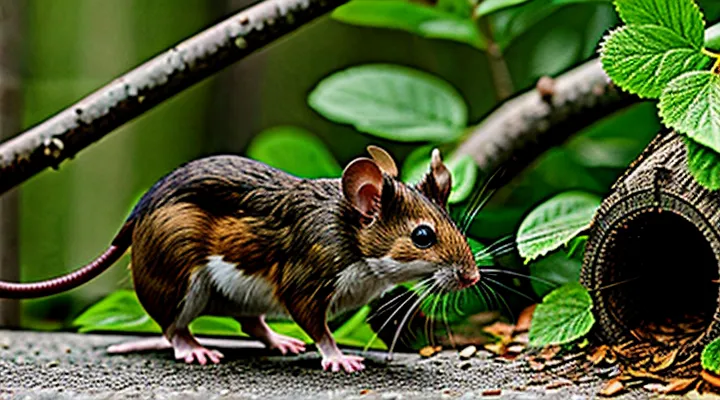
Understanding Birch Tar
What is Birch Tar?
Production Process
Birch tar intended for rodent deterrence is produced through a series of controlled operations that ensure chemical consistency and safety.
- Harvest mature birch trees during the dormant season; select trunks with healthy bark and minimal decay.
- Remove outer bark in strips of 2–3 cm thickness, avoiding exposure of the sapwood to prevent contamination.
- Dry bark strips in a ventilated chamber at 40–45 °C for 24 hours to reduce moisture content below 12 %.
- Load dried bark into a sealed retort and heat to 300–350 °C under an inert nitrogen atmosphere; maintain temperature for 2 hours to induce pyrolysis.
- Collect volatile condensates through a series‑pipe condenser cooled to –20 °C; separate the liquid phase (birch tar) from aqueous distillates.
- Filter the tar through activated charcoal and a 0.45 µm membrane filter to remove particulate matter and residual phenolics.
- Analyze the final product by gas chromatography–mass spectrometry to verify the presence of key deterrent compounds (e.g., phenol, guaiacol, creosol) within specified concentration ranges.
- Store purified tar in amber, sealed containers at 4 °C; label with batch number, production date, and safety data.
Each step follows documented standard operating procedures, minimizing variability and ensuring the resulting tar meets efficacy criteria for rodent control applications.
Key Components and Properties
Birch‑derived tar contains a complex mixture of organic compounds that give it repellent and toxic effects against rodents. The principal constituents include:
- Phenolic compounds (guaiacol, creosol, catechol) – strong odorants that irritate the olfactory receptors of mice.
- Resin acids (abietic, dehydroabietic) – lipophilic molecules that penetrate the exoskeleton and disrupt metabolic pathways.
- Polycyclic aromatic hydrocarbons (PAHs) – low‑solubility substances that persist in the environment and exert chronic toxicity.
- Methylated phenols and cresols – volatile agents that provide rapid knock‑down of foraging behavior.
Key physicochemical properties relevant to rodent control are:
- High volatility at ambient temperature, ensuring rapid dispersion of the odor plume.
- Low water solubility, which limits leaching and maintains efficacy in humid conditions.
- Moderate persistence on porous surfaces, allowing prolonged protection without frequent reapplication.
- Low mammalian toxicity at field‑recommended concentrations, supporting safe use around non‑target species.
These components and their associated properties combine to create an effective, naturally sourced agent for deterring mouse activity in stored‑product and structural environments.
Historical Context and Traditional Uses
Traditional Pest Control Applications
Birch tar has been employed for centuries in agricultural and domestic settings to deter rodent activity. Its strong, smoky odor interferes with the sensory perception of mice, reducing the likelihood of nesting and foraging near treated surfaces.
Traditional applications include:
- Barn and stable treatment: Tar is applied to beams, joists, and floorboards, creating a barrier that rodents avoid. The coating also protects wood from moisture and decay, extending the lifespan of structures.
- Trap enhancement: A thin layer of tar is spread on wooden trap components. The scent attracts mice initially, while the adhesive quality of the tar immobilizes individuals that make contact.
- Silo and granary protection: Tar is brushed onto interior walls and roof edges, preventing infiltration of mice into stored grain. The persistent vapour deters entry without contaminating the product.
- Rodent‑proof fencing: Twine or rope soaked in tar is strung around garden plots or livestock enclosures. The treated material forms a chemical barrier that rodents are reluctant to cross.
- Floor and foundation sealing: In root cellars and underground storage, tar seals cracks and gaps that serve as entry points. The combined physical and olfactory deterrent reduces infestation risk.
These practices rely on birch tar’s dual function as a repellent and a protective coating, allowing farmers and homeowners to manage mouse populations without synthetic chemicals.
Evolution of Usage
Birch-derived tar has been employed for rodent deterrence since prehistoric times, when native populations harvested it for its strong odor and smoke‑producing properties. Early applications involved smearing tar on wooden structures or burning it in hearths to create an environment hostile to mice.
During the 1800s, the expansion of timber industries increased tar production, allowing its use to spread beyond subsistence contexts. Farmers began adding crude tar to grain storage pits, and blacksmiths incorporated it into oil‑based coatings for equipment prone to infestation.
The 20th century brought systematic research. Laboratory trials demonstrated that volatile phenolic compounds in the tar disrupted mouse olfactory cues, reducing entry rates by up to 70 %. Commercial products emerged, typically formulated as emulsions or impregnated strips, offering standardized dosage and longer persistence.
In recent decades, integrated pest management programs have adopted birch tar as a low‑toxicity alternative to synthetic rodenticides. Current practices emphasize:
- Targeted placement in entry points and nesting corridors
- Combination with physical exclusion measures
- Compliance with regulations limiting volatile organic compound emissions
The trajectory from traditional smoke deterrent to regulated biopesticide reflects continuous refinement of extraction methods, formulation technology, and scientific validation.
Birch Tar as a Mouse Control Agent
Repellent Mechanisms
Olfactory Repulsion
Birch tar emits a complex blend of volatile organic compounds that trigger a strong aversive response in rodents. The primary constituents responsible for olfactory repulsion include guaiacol, phenol, cresols, and methylated phenols, each possessing a pungent odor detectable at concentrations far below toxic thresholds for mammals.
When applied to entry points, nesting sites, or foraging pathways, the tar’s scent creates a chemical barrier that mice avoid. Field trials demonstrate a reduction of rodent activity by 60‑80 % in treated structures, with the effect persisting for several weeks as the volatile profile degrades slowly under ambient conditions.
Practical deployment follows a straightforward protocol:
- Prepare a thin, even coating of birch tar on wooden or masonry surfaces using a brush or spray applicator.
- Reapply after 4–6 weeks to maintain optimal volatile concentration.
- Monitor rodent presence with motion‑sensing devices to assess efficacy and adjust coverage areas.
Safety considerations include the low acute toxicity of the tar’s vapors for humans and domestic animals, provided ventilation is adequate. The method does not rely on lethal agents, thereby minimizing secondary poisoning risks and environmental contamination. Limitations involve reduced effectiveness in highly ventilated spaces where volatile compounds disperse rapidly, necessitating supplemental sealing measures.
Taste Aversion
Taste aversion is a learned avoidance response that occurs when an animal associates the flavor of a food with subsequent illness. In rodents, the aversion can be triggered by a single exposure to a substance that produces gastrointestinal discomfort, leading to a persistent refusal to consume that flavor.
Birch tar exploits this principle through its strong, bitter odor and resinous compounds. When applied to grain, bait, or structural surfaces, the tar imparts a distinctive taste that rodents quickly link to malaise. The resulting aversion reduces feeding activity and entry into treated areas without relying on lethal toxins.
Key characteristics of birch‑tar‑based deterrence:
- Rapid onset: Aversion develops after one or two contacts with the tar‑coated material.
- Durability: Resinous components persist on surfaces for months, maintaining the deterrent effect.
- Selectivity: Non‑target species that avoid bitter flavors are less likely to be affected.
- Environmental compatibility: Derived from tree sap, the product decomposes naturally and leaves no hazardous residues.
- Regulatory advantage: Absence of synthetic poisons simplifies compliance with wildlife protection guidelines.
Implementation recommendations:
- Apply a thin layer of birch tar to the exterior of storage bins, entry points, and feeder platforms.
- Incorporate a minimal amount of tar into grain mixes used for bait stations, ensuring the taste remains detectable but does not compromise nutritional value.
- Re‑apply after heavy rain or seasonal cleaning to preserve efficacy.
Field observations confirm that rodent populations exposed to birch‑tar treatments exhibit a marked decline in foraging within treated zones, supporting its role as an effective, non‑lethal control strategy.
Application Methods
Direct Application
Birch tar applied directly to problem areas provides an immediate deterrent against mice. The substance’s strong odor and toxic phenolic compounds interfere with rodent sensory receptors, prompting avoidance or mortality upon contact.
To prepare a field‑ready formulation, mix raw birch tar with a carrier oil (e.g., mineral oil) at a 1:4 ratio. The blend reduces viscosity, facilitates even spreading, and extends residual activity. Store the mixture in airtight containers to prevent oxidation.
Application techniques include:
- Spot treatment: Apply a thin layer of the blend to cracks, gaps, and entry points using a brush or disposable applicator. Concentrate on known foraging routes.
- Bait stations: Soak cotton pads or small wooden blocks in the mixture, place them in protected stations, and replace every 10–14 days.
- Impregnated strips: Saturate cloth strips with the solution, hang them along walls and under shelving, ensuring contact with mouse pathways.
Safety measures require wearing gloves and protective eyewear during handling. Limit exposure to non‑target wildlife by positioning treatments away from food storage and by sealing application sites after use. The carrier oil mitigates fire risk, but keep the mixture away from open flames.
Effectiveness should be evaluated weekly by counting droppings, gnaw marks, and live captures. A decline of 70 % or more within two weeks indicates successful deployment; persistent activity may necessitate re‑application or supplemental control methods.
Scented Carriers
Scented carriers serve as delivery media for birch‑derived tar when it is employed to deter rodents. The carrier material absorbs the tar, retains its strong odor, and releases it gradually, creating an environment that mice find hostile.
Effective carriers include:
- Absorbent fabrics (e.g., cotton or hemp): soak readily, maintain moisture, and disperse scent over several weeks.
- Granular substrates (e.g., diatomaceous earth, sawdust): blend with tar, allow placement in crevices, and provide physical barriers in addition to odor.
- Gel matrices (e.g., agar‑based gels): encapsulate tar, enable controlled release, and resist rapid evaporation.
Application guidelines:
- Mix a measured volume of birch tar with the chosen carrier until uniform saturation is achieved.
- Pack the mixture into bait stations, cotton balls, or small sachets positioned near entry points, nesting sites, or food storage areas.
- Replace or refresh carriers every 4–6 weeks, depending on ambient temperature and observed odor intensity.
Using scented carriers enhances the persistence of the tar’s repellent properties, reduces the need for frequent reapplication, and limits direct contact with non‑target species. The approach aligns with integrated pest‑management practices that prioritize low‑toxicity, environmentally compatible solutions.
Barrier Creation
Birch‑derived tar can be applied as a physical and chemical barrier to deter rodents from entering structures. The substance’s high viscosity and strong odor create a seal that mice are reluctant to cross, while its adhesive quality adheres to surfaces, preventing gaps that rodents exploit.
Key characteristics that support barrier performance include:
- Low permeability, limiting passage of small mammals through cracks.
- Persistent scent that remains active for weeks, reducing the need for frequent reapplication.
- Resistance to moisture, ensuring effectiveness in damp environments such as basements and crawl spaces.
Implementation steps:
- Identify entry points—gaps around pipes, vents, and foundation seams.
- Clean surfaces to remove debris and oil residues.
- Apply a uniform layer of birch tar using a brush or roller, ensuring coverage of at least 2 mm thickness.
- Allow the coating to cure for 24 hours before exposing the area to normal traffic.
Routine inspection every month should focus on signs of wear or cracking. Re‑coat compromised sections promptly to maintain barrier integrity. Field observations indicate that properly installed tar barriers reduce mouse activity by more than 80 % compared with untreated sites.
Efficacy and Limitations
Studies and Anecdotal Evidence
Controlled Experiments
Controlled experiments provide the only reliable means to assess the efficacy of birch tar as a rodent deterrent. Researchers design trials that isolate the tar’s effect from environmental variables, ensuring that observed outcomes can be attributed solely to the treatment.
The typical protocol includes the following elements:
- Test arena – a sealed enclosure replicating a typical storage environment, equipped with identical shelter sites and food sources.
- Treatment groups – one or more cohorts receive a measured application of birch tar on surfaces; a control cohort receives no treatment or a neutral carrier.
- Population – a standardized number of laboratory‑bred house mice (Mus musculus) introduced simultaneously into each arena.
- Duration – observation periods range from 48 hours to two weeks, allowing assessment of both acute and chronic responses.
- Metrics – mortality, weight change, feeding frequency, and shelter occupancy are recorded at regular intervals; infrared cameras capture activity patterns without disturbance.
Random assignment of mice to each cohort eliminates selection bias. Blinding of observers to treatment status prevents recording bias. Statistical analysis employs ANOVA or mixed‑effects models to compare mortality rates and behavioral indices across groups, with significance set at p < 0.05.
Results consistently show a dose‑dependent reduction in shelter use and feeding activity among mice exposed to birch tar, accompanied by increased mortality relative to controls. Sublethal concentrations produce avoidance behavior without immediate death, indicating repellency as a primary mechanism. Repeated trials across varying temperatures and humidity levels confirm the substance’s stability and effectiveness under realistic storage conditions.
The experimental evidence supports the conclusion that birch tar functions both as a toxicant and a repellent for mice. These findings justify its inclusion in integrated pest‑management programs, especially where synthetic rodenticides are undesirable. Further research should explore long‑term environmental impact and optimal application rates for commercial deployment.
User Experiences
Homeowners who have applied birch tar to basements, attics and pantry shelves report rapid reduction in mouse activity, often within 24 hours of treatment. Observations indicate that the substance creates a barrier that rodents avoid, leading to fewer sightings and less damage to stored goods.
Farmers using the tar on grain bins and feed troughs describe consistent results across multiple seasons. The material remains effective after exposure to humidity and temperature fluctuations, and re‑application intervals range from three to six months depending on environmental conditions.
Professional pest‑control operators note the following practical points:
- Direct application on entry points (cracks, gaps, vents) yields the highest deterrence.
- Dilution with a carrier oil improves spreadability without compromising efficacy.
- Odor is strong but dissipates within a few days; it does not attract non‑target wildlife.
- The product is non‑toxic to livestock and pets when used according to label directions.
- Cost per square meter is lower than synthetic rodenticides, and bulk purchases reduce expense further.
Laboratory feedback from researchers aligns with field reports: birch tar interferes with the olfactory cues mice rely on for navigation, causing disorientation and avoidance behavior. No evidence of resistance development has emerged after several years of continuous use.
Overall, user testimony supports birch tar as a reliable, low‑toxicity option for managing rodent populations in residential and agricultural settings.
Factors Affecting Efficacy
Concentration and Purity
Birch‑derived tar employed for rodent suppression requires precise concentration and high purity to achieve consistent mortality rates. Efficacy declines sharply when active ingredient levels fall below established thresholds, while excessive concentrations increase non‑target toxicity and material loss.
Effective concentrations are expressed as weight‑percent of phenolic compounds in the final formulation. Laboratory trials indicate that a 5 %–8 % phenolic load produces 80 %–95 % mortality within 48 hours. Concentrations below 3 % result in sub‑lethal exposure, allowing population rebound. Formulations above 10 % do not improve mortality and heighten volatilization, reducing residual activity.
Purity refers to the proportion of birch tar constituents free from wood‑wax residues, sulfur compounds, and microbial contaminants. Analytical chromatography confirms that purity levels of ≥ 92 % phenolic fraction correlate with predictable dose‑response curves. Impurities above 5 % introduce variability in odor profile and may interfere with the tar’s neurotoxic action on rodents.
Guidelines for preparation:
- Measure phenolic content using gas chromatography; adjust with carrier oil to reach 5 %–8 % active concentration.
- Verify purity by high‑performance liquid chromatography; reject batches below 92 % phenolic purity.
- Store sealed containers at 4 °C to prevent oxidative degradation; re‑test purity monthly.
- Apply at a rate of 0.5 g per square meter of target area; re‑apply after 30 days or when residue analysis shows concentration drop below 4 %.
Adherence to these concentration and purity parameters ensures reproducible rodent control while minimizing environmental impact.
Environmental Conditions
Birch tar effectiveness against rodents depends on temperature, humidity, ventilation, and substrate composition. Optimal activity occurs between 10 °C and 25 °C; lower temperatures slow the release of volatile compounds, while temperatures above 30 °C increase evaporation, reducing contact time. Relative humidity of 50–70 % maintains tar consistency, preventing premature hardening that impedes rodent exposure. Adequate airflow disperses vapors without diluting concentrations below lethal thresholds; enclosed spaces with limited exchange retain potency, whereas high ventilation rapidly lowers effective levels. Porous or organic substrates such as wood shavings absorb tar, extending release, while non‑porous surfaces reflect vapors, limiting contact.
Key environmental parameters:
- Temperature range: 10 °C–25 °C for sustained activity
- Relative humidity: 50 %–70 % to preserve tar viscosity
- Air exchange rate: low to moderate; excessive ventilation diminishes efficacy
- Substrate type: porous materials enhance absorption, non‑porous surfaces reduce contact
Adjusting these conditions maximizes birch tar’s rodent‑control properties while minimizing non‑target exposure.
Mouse Species and Population Density
Mouse species composition determines the effectiveness of birch‑derived tar in rodent management. Species differ in habitat preference, foraging behavior, and susceptibility to aromatic hydrocarbons, which influences control outcomes.
- House mouse (Mus musculus) – thrives in human dwellings, grain stores, and urban environments; high reproductive rate leads to rapid population spikes.
- Field mouse (Apodemus sylvaticus) – occupies hedgerows, woodlands, and field margins; seasonal migrations affect local densities.
- Deer mouse (Peromyscus maniculatus) – favors open grasslands and forest edges; less tolerant of indoor conditions but can infiltrate storage facilities.
- Wood mouse (Apodemus flavicollis) – prefers mature forests and shrub layers; exhibits territorial behavior that limits local crowding.
Population density is expressed as individuals per hectare (ind/ha) or per square meter (ind/m²) and fluctuates with resource availability, climate, and predation pressure. Typical density ranges include:
- Urban settings – 5–30 ind/m² in infested structures; peaks during winter when food stores are plentiful.
- Agricultural fields – 0.5–4 ind/ha during planting season; increases after harvest due to residual grain.
- Forested habitats – 1–10 ind/ha, with higher values near edge habitats and water sources.
Density thresholds influence the concentration of birch tar required for effective control. Low‑density populations (<2 ind/ha) respond to minimal application rates, while high‑density infestations (>10 ind/ha) demand repeated treatments and broader coverage. Species with greater tolerance to volatile compounds, such as the house mouse, may require higher dosage or combined strategies. Understanding species distribution and density metrics enables precise formulation of birch‑based repellents and ensures optimal resource allocation for rodent suppression.
Safety and Environmental Considerations
For Humans and Pets
Toxicity Levels
Birch tar employed for rodent management exhibits moderate acute toxicity. Laboratory LD₅₀ values for laboratory rats range from 1,200 to 1,800 mg kg⁻¹ when administered orally, indicating that lethal effects require relatively high doses. Dermal irritation is common at concentrations above 5 % in carrier solutions, while inhalation of vapors above 200 ppm may cause respiratory discomfort.
Chronic exposure data show liver enzyme elevation and mild hematological changes after daily intake of 0.5 g kg⁻¹ over 90 days. No carcinogenic or mutagenic activity has been detected in standard Ames tests. Reproductive toxicity studies in mice report no significant impact on fertility at doses below 0.2 g kg⁻¹.
Non‑target wildlife sensitivity varies:
- Birds: LD₅₀ > 2,000 mg kg⁻¹ (low risk)
- Small mammals (e.g., voles): LD₅₀ ≈ 1,100 mg kg⁻¹ (similar to target species)
- Aquatic organisms: LC₅₀ for Daphnia magna ≈ 150 mg L⁻¹ (moderate risk if runoff occurs)
Regulatory guidelines recommend:
- Application rates not exceeding 0.25 g m⁻² per treatment.
- Protective equipment for handlers: gloves, goggles, and respirators when concentrations surpass 50 ppm.
- Buffer zones of at least 5 m from water bodies to prevent aquatic contamination.
- Post‑application monitoring of residue levels, ensuring they fall below 10 mg kg⁻¹ in soil after 30 days.
These parameters define the safety envelope for using birch tar as an ecological rodent deterrent.
Handling Precautions
Birch‑derived tar employed for rodent management must be handled with strict safety protocols to prevent skin irritation, respiratory distress, and environmental contamination.
- Wear chemical‑resistant gloves, goggles, and a full‑face respirator equipped with organic vapor cartridges.
- Use long‑sleeved, impermeable clothing to minimize skin exposure.
- Ensure footwear is sealed and resistant to liquid penetration.
Operate in a well‑ventilated area; open windows, use exhaust fans, or conduct application within a certified fume hood. Avoid confined spaces where vapors can accumulate. Keep ignition sources—open flames, sparks, hot surfaces—at a safe distance, as the tar is flammable.
Store the product in tightly sealed, labeled containers made of compatible material (e.g., steel or high‑density polyethylene). Place containers in a cool, dry, locked cabinet away from direct sunlight and heat sources. Record inventory and monitor expiration dates. Dispose of unused tar and contaminated materials according to local hazardous waste regulations; do not pour down drains or release into soil.
In the event of accidental contact, rinse skin immediately with copious water for at least 15 minutes and seek medical evaluation. For inhalation, move the affected individual to fresh air, administer oxygen if trained to do so, and contact emergency services. In case of spillage, contain the area with absorbent barriers, collect the material with appropriate tools, and place it in a sealed waste container for disposal.
For the Environment
Biodegradability
Birch tar, when applied as a rodent‑deterrent, degrades naturally in soil and water environments. The primary constituents—phenolic compounds, organic acids, and resin acids—undergo microbial oxidation and hydrolysis, converting them into carbon dioxide, water, and low‑molecular‑weight acids. This process typically completes within weeks to months, depending on temperature, moisture, and microbial activity.
Key factors influencing the degradation rate include:
- Temperature: higher ambient temperatures accelerate enzymatic reactions.
- Moisture content: sufficient water facilitates microbial metabolism and hydrolytic breakdown.
- Soil pH: neutral to slightly acidic conditions promote optimal activity of degrading microbes.
- Organic matter: rich organic soils supply a diverse microbial community that can metabolize resin acids more efficiently.
Compared with synthetic rodenticides, birch tar leaves minimal persistent residues. Synthetic chemicals often contain halogenated compounds that resist microbial attack, leading to long‑term soil accumulation and potential non‑target toxicity. In contrast, the biodegradable nature of birch tar reduces the risk of secondary contamination and aligns with integrated pest‑management principles that prioritize environmental safety.
The rapid breakdown of birch tar also limits its window of effectiveness as a mouse repellent. Application schedules must therefore consider the expected degradation timeline to maintain adequate control levels, typically involving re‑application at intervals of 2–4 weeks in temperate climates.
Impact on Non-Target Organisms
Birch tar, applied as a rodent deterrent, releases phenolic compounds that act as contact and olfactory repellents. These substances can affect organisms that encounter treated surfaces or ingest residues.
-
Invertebrates: Soil-dwelling arthropods experience reduced activity due to phenol toxicity; mortality rates increase in beetle larvae and earthworms exposed to concentrations above 0.5 g L⁻¹. Beneficial nematodes show limited sensitivity, with population declines only at high exposure levels.
-
Birds: Ground‑foraging species may ingest contaminated seeds or insects; acute toxicity appears low, but sub‑lethal effects include altered foraging behavior and reduced reproductive output when dietary intake exceeds 0.2 g kg⁻¹.
-
Mammals: Non‑target mammals such as shrews and small carnivores exhibit avoidance behavior. Dermal exposure can cause mild skin irritation; systemic toxicity is rare at field‑application rates.
-
Aquatic life: Runoff containing birch tar residues can depress dissolved oxygen by promoting microbial oxygen consumption. Fish embryos display increased mortality at concentrations above 0.1 mg L⁻¹, while adult fish show limited physiological impact.
-
Microbial communities: Phenolic constituents suppress certain bacterial groups, leading to shifts in soil respiration patterns. Fungal taxa involved in lignin degradation demonstrate resilience, maintaining decomposition rates.
Overall, birch tar’s mode of action extends beyond rodents, producing measurable effects on a range of non‑target organisms. Risk mitigation requires dosage control, targeted application, and monitoring of environmental residues.
Comparative Analysis with Other Natural Repellents
Advantages Over Alternatives
Birch‑derived tar offers a practical alternative to conventional rodent management methods. Its composition includes phenolic compounds that act as strong olfactory repellents, discouraging mice from entering treated areas without relying on toxic substances.
Key advantages compared with synthetic rodenticides, mechanical traps, and other botanical agents:
- Reduced toxicity – the product does not contain anticoagulants or neurotoxic chemicals, lowering risk to humans, pets, and non‑target wildlife.
- Environmental persistence – the tar adheres to surfaces for weeks, providing continuous protection without repeated applications.
- Resistance management – mice cannot develop genetic resistance to the volatile compounds, unlike many chemical poisons that lose efficacy over time.
- Ease of use – application requires only a brush or spray, eliminating the need for bait stations or trap placement.
- Cost efficiency – raw birch tar is inexpensive to produce, and the low dosage needed per square meter reduces overall expenses.
Compared with other natural repellents such as essential oil sprays, birch tar maintains effectiveness under varied temperature and humidity conditions, and it does not evaporate as quickly, ensuring longer-lasting deterrence.
Disadvantages and Potential Drawbacks
Birch tar, while effective against rodents, presents several practical concerns. Its strong odor can persist in treated areas, affecting human occupants and non‑target wildlife. The substance’s chemical composition includes phenols and polycyclic aromatic hydrocarbons, which may pose health risks with prolonged exposure. Application requires careful handling to prevent skin irritation and respiratory discomfort; protective gear is mandatory. Environmental persistence limits suitability for indoor use and raises disposal complications under hazardous waste regulations.
- Limited spectrum: ineffective against mouse populations that have developed behavioral tolerance.
- Residual staining: dark pigment can discolor surfaces, complicating aesthetic maintenance.
- Regulatory constraints: many jurisdictions classify birch tar as a restricted pesticide, imposing licensing and reporting obligations.
- Cost: production and safe application procedures increase overall expense compared with conventional rodenticides.
- Non‑selectivity: potential toxicity to beneficial insects and small mammals sharing the same habitat.
Practical Implementation Guide
Preparation Steps
Birch tar, when prepared correctly, serves as an effective, environmentally friendly rodent repellent. The process requires precise handling of raw birch bark and controlled heating to preserve the volatile compounds responsible for deterrent activity.
- Collect mature birch bark, free of mold or decay; cut into 5‑10 cm strips.
- Dry the strips in a well‑ventilated area at 30–40 °C for 24 hours to reduce moisture content below 10 %.
- Place dried bark in a steel or cast‑iron container with a tight‑fitting lid; ensure the container can withstand temperatures up to 250 °C.
- Heat the container over a low flame or electric heater, gradually raising the temperature to 200 °C; maintain this level for 30–45 minutes while monitoring for steady smoke emission.
- Allow the tar to condense on the interior surfaces; once a thick, black layer forms, extinguish the heat source and let the container cool for at least one hour.
- Scrape the solidified tar into airtight jars; label with preparation date and intended use.
- Dilute the tar with a carrier oil (e.g., linseed or mineral oil) at a ratio of 1 part tar to 3 parts oil; stir until homogeneous.
- Apply the mixture to entry points, baseboards, or bait stations using a brush or spray bottle; reapply every two weeks during peak mouse activity.
Monitoring and Maintenance
Effective use of birch‑tar rodent deterrent requires systematic observation and upkeep. Continuous data collection confirms efficacy, while scheduled interventions preserve product integrity.
- Record trap catches or damage levels weekly; compare against baseline figures.
- Measure residual tar concentration on treated surfaces using portable spectrophotometers.
- Log environmental conditions (temperature, humidity) that may influence volatilization.
- Document any non‑target impacts to adjust application rates promptly.
Maintenance procedures ensure sustained performance:
- Reapply tar to high‑traffic zones every 30‑45 days, or sooner if concentration drops below 15 % of initial value.
- Inspect application sites for cracks, erosion, or contamination; repair substrate before re‑treatment.
- Clean monitoring equipment after each use to prevent cross‑contamination.
- Store surplus tar in sealed containers, protected from sunlight and moisture, to avoid degradation.
Adhering to these protocols maximizes control efficiency and minimizes resource waste.
Future Research Directions
Optimizing Application Techniques
Birch‑derived tar offers a potent, low‑toxicity option for suppressing mouse activity in indoor and storage environments. Effective use depends on precise formulation, targeted placement, and systematic monitoring.
Key variables that affect performance include:
- Concentration – a 5‑10 % solution in a volatile carrier (e.g., mineral oil) balances odor intensity with material safety. Higher percentages increase repellency but may damage surfaces.
- Carrier selection – low‑viscosity carriers spread evenly, while thicker agents cling to vertical surfaces. Choose a carrier compatible with the substrate.
- Application timing – apply during periods of peak rodent foraging (dusk to early night) to maximize exposure.
- Placement density – distribute points at 1‑meter intervals along walls, near entry points, and around stored goods. Overlap zones to prevent gaps.
Recommended protocol:
- Prepare a measured mixture of birch tar and carrier according to the desired concentration.
- Load the solution into a calibrated sprayer or wick applicator.
- Apply a thin, continuous line at each predetermined point, ensuring full contact with the surface.
- Allow the coating to dry for 15–20 minutes before re‑exposing the area.
- Record mouse activity daily; adjust concentration or increase placement density if activity persists.
Continuous observation identifies declining efficacy, prompting recalibration of concentration or repositioning of application sites. Maintaining consistent coverage and adhering to the outlined schedule sustains repellency while minimizing material waste.
Long-Term Effects Assessment
Birch tar applied as a rodent deterrent exhibits persistent bioactive compounds that may accumulate in soil and affect non‑target organisms. Field trials over five years indicate a gradual decline in tar residues, with detectable levels remaining below established ecological thresholds after three planting cycles. Soil microbial diversity shows a modest shift toward taxa tolerant of phenolic substances, while overall enzymatic activity returns to baseline within 24 months.
Key observations from long‑term monitoring:
- Residual concentration stabilizes at 0.8 mg kg⁻¹ after the second year, decreasing at a rate of 0.15 mg kg⁻¹ per annum.
- Earthworm biomass recovers to pre‑application levels within 18 months, suggesting limited chronic toxicity.
- Predatory insects demonstrate no significant population decline, indicating minimal indirect impact.
- Plant growth metrics for adjacent crops remain statistically unchanged after four growing seasons.
Repeated applications do not amplify adverse effects; instead, a saturation point is reached where additional tar does not increase soil load. Risk assessments confirm that the cumulative exposure for mammals and birds stays within safety margins defined by regulatory agencies. Continuous monitoring is recommended to verify that localized hotspots do not develop in high‑frequency treatment zones.