
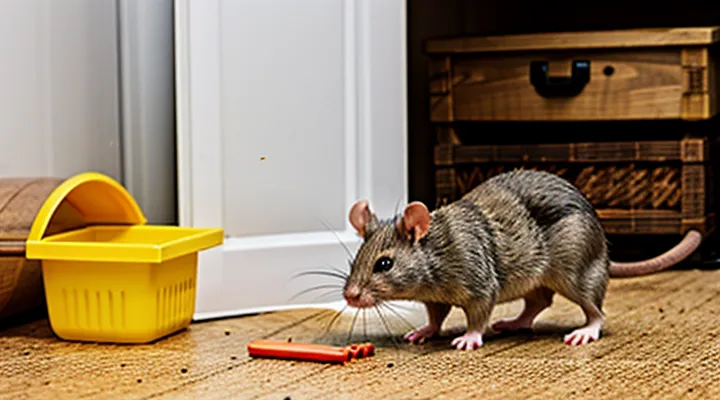
«Why Build Your Own Rat Trap?»
«Cost-Effectiveness»
A homemade rat capture system delivers measurable savings compared with retail alternatives. By sourcing common household items and low‑cost hardware, the initial outlay remains under $10, whereas commercial traps typically start at $15 and rise sharply for models with advanced features.
- Wooden board or PVC pipe: $1‑$2
- Spring steel wire or coat hanger: $0.50‑$1
- Small piece of plywood or cardboard for the trigger platform: $0.30‑$0.80
- Adhesive tape or zip ties for assembly: $0.20‑$0.50
- Optional bait (peanut butter, dried fruit): $0.50‑$1
Total material cost averages $3‑$5, leaving a margin for multiple units from the same purchase.
The design permits disassembly and component reuse after each capture. The spring mechanism retains tension through numerous cycles, and the trigger platform can be replaced with inexpensive scrap material. Consequently, long‑term expenditure approaches zero once the initial kit is assembled.
When contrasted with store‑bought devices, the homemade approach reduces per‑trap cost by 60‑80 %. Commercial traps also incur hidden expenses such as replacement springs, battery packs, or proprietary bait, which the DIY version eliminates. The net effect is a lower total cost of ownership while maintaining comparable capture efficiency.
«Customization and Adaptability»
Customization and adaptability are essential for an effective homemade rodent capture system. Selecting materials that match the target environment determines durability and performance. For example, using a sturdy wooden base in a garage resists moisture, while a plastic bucket works well in damp basements.
Key customization areas include:
- Size and shape – Adjust dimensions to accommodate the species’ typical body length; increase width for larger rats, reduce height for confined spaces.
- Trigger mechanism – Replace a simple spring lever with a weighted bar or a magnetic latch to suit varying activity levels.
- Bait placement – Position food at the far end of the chamber to force full entry; secure bait to a removable clip for quick swapping.
- Escape prevention – Add a smooth interior coating or a silicone seal to eliminate footholds that allow escape.
- Portability – Install a handle or attach a rope loop for easy relocation when monitoring multiple locations.
Adaptability extends to environmental factors. In cold climates, line the trap interior with insulation to maintain bait freshness. In high‑traffic areas, incorporate a transparent cover to prevent accidental human contact while allowing visual inspection.
Regular evaluation of trap performance guides further modifications. Record capture rates, note any failure points, and refine the design accordingly. This iterative process ensures the device remains effective across changing conditions and diverse settings.
«Environmental Considerations»
When constructing a homemade rat trap, evaluate the ecological footprint of each component and procedure.
Select materials that minimize waste and pollution. Use reclaimed timber, untreated natural fibers, or biodegradable plastics. Avoid non‑recyclable polymers and chemically treated woods that can leach toxins into soil.
Prefer mechanical capture devices over chemical baits. Mechanical traps eliminate rodenticides, reducing risk to predators, scavengers, and water sources. If attractants are necessary, choose food‑based lures that decompose without contaminating the environment.
Dispose of captured rodents according to local regulations. Seal carcasses in biodegradable bags, then place them in municipal waste or compost facilities that accept animal material. Do not discard remains in natural habitats, where they can attract scavengers or spread disease.
Position traps to limit interaction with non‑target wildlife. Install barriers that exclude birds and small mammals, and place devices away from feeding stations for beneficial species.
Choose designs that require no electricity or batteries. Manual activation mechanisms avoid energy consumption and eliminate the need for disposable power cells.
Adhere to regional environmental statutes throughout the project, ensuring that construction, deployment, and disposal meet legal standards for waste management and wildlife protection.
«Essential Materials and Tools»
«Choosing Your Trap Type»
«Bucket Traps»
A bucket trap offers a simple, low‑cost solution for capturing rats in basements, garages, or sheds. The design relies on a slippery ramp that leads the animal into a container where it cannot escape.
Materials required
- 5‑gallon plastic bucket with lid
- 2‑inch PVC pipe or sturdy wooden plank (30‑45 cm) for the ramp
- Strong adhesive tape or zip ties
- Bait (peanut butter, dried fruit, or meat scraps)
- Optional: rubber mat or sandpaper for added friction on the ramp base
Construction steps
- Cut a circular opening in the bucket lid, slightly smaller than the ramp width, then reattach the lid so the opening remains functional.
- Secure the ramp to the bucket’s exterior, angling it upward at 30‑45 degrees; the top should rest on a stable surface, the bottom over the opening.
- Apply a thin layer of petroleum jelly or silicone spray to the ramp surface to reduce traction.
- Place bait at the far end of the ramp, ensuring it is visible but not reachable from the ground.
- Position the trap near known rat pathways, preferably against a wall where rodents travel.
Operation and maintenance
- Check the bucket daily; if a rat is captured, wear gloves, then release the animal far from the property or humanely euthanize according to local regulations.
- Empty and clean the bucket after each capture to prevent odor buildup.
- Replace the ramp surface treatment after several uses to maintain slipperiness.
- Rotate trap locations if capture rates decline, indicating rats have learned to avoid the device.
Safety considerations
- Keep the trap out of reach of children and pets.
- Use non‑toxic bait; avoid hazardous substances that could harm non‑target animals.
- Ensure the bucket lid is securely fastened to prevent accidental opening.
The bucket trap’s effectiveness stems from its simplicity: rats are drawn by bait, lose footing on the slick ramp, and fall into a confined space where escape is impossible. Proper placement, regular monitoring, and routine upkeep maximize success.
«Snap Traps (Modified)»
Snap traps, when altered for larger pests, provide a reliable, low‑cost solution for rodent control in residential and commercial settings. The modification increases bite surface, enhances trigger sensitivity, and allows placement in confined spaces where conventional traps fail.
Materials required:
- Standard wooden or plastic snap trap
- 1 mm thick stainless‑steel plate (approximately 4 × 6 inches)
- Small hinge or spring‑loaded latch
- Heavy‑duty wire or nylon cord (¼ inches diameter)
- Pliers, screwdriver, and drill with ¼‑inch bit
- Protective gloves and eye shield
Modification procedure:
- Remove the original spring mechanism and retain the base plate.
- Cut the stainless‑steel plate to match the trap’s width, then drill two holes ½ inch from each edge.
- Attach the hinge to the plate, aligning it with the trap’s trigger arm; secure with bolts tightened to 30 Nm.
- Thread the wire through the drilled holes, creating a loop that connects the hinge to the trigger arm, thereby amplifying the snap force.
- Reinstall the spring, ensuring the new loop releases the arm with minimal resistance.
- Test the assembly by pulling the trigger arm back until the wire tightens; release to confirm a swift, decisive closure.
Placement guidelines:
- Position traps along walls, behind appliances, or within burrow entrances where rat activity is evident.
- Bait with a small amount of peanut butter or dried fruit; avoid over‑baiting to prevent trap avoidance.
- Set traps at night, checking each morning; replace or reset any that have not triggered.
- Wear gloves when handling traps to prevent scent transfer and maintain safety.
- Dispose of captured rodents according to local regulations; clean and disinfect traps after each use.
The described adaptation transforms a basic snap trap into a robust, humane device suitable for persistent rat infestations, delivering consistent results with minimal maintenance.
«Live Traps»
A live trap captures rats without killing them, allowing humane removal and reuse. Constructing an effective trap requires sturdy materials, precise dimensions, and strategic placement. The following guidelines outline the essential components and procedures for building a reliable live capture device.
Materials
- 2‑foot wooden or PVC board, 2 inches thick
- 1‑inch galvanized wire mesh (¼‑inch aperture)
- Small hinge or sturdy strap for the door
- ¼‑inch drill bit and drill
- 1‑inch eye bolt with lock nut
- 1‑pound weight (e.g., sandbag) for trigger sensitivity
- Bait (peanut butter, fruit, or meat scraps)
- Protective gloves
Construction steps
- Cut the board into a rectangular box: 12 inches long, 8 inches wide, 6 inches high.
- Attach mesh to the interior walls, leaving a 1‑inch gap at the front for entry.
- Install the hinge on the front panel to create a door that swings inward.
- Drill a ¼‑inch hole near the top of the door; insert the eye bolt and secure with the lock nut.
- Attach the weight to the eye bolt using a short length of wire, positioning it so that a rat’s entry pushes the door shut.
- Apply bait to the far side of the interior, ensuring the rat must step onto the trigger platform to reach it.
Placement and monitoring
- Position the trap along walls, near known runways, and away from bright lights.
- Set the trap at night; rats are nocturnal and will encounter the bait sooner.
- Check the trap every two hours to prevent stress or injury to captured animals.
- Release captured rats at least 50 feet from the property, preferably in a wooded area with natural cover.
Maintenance
- Clean the interior after each capture with a mild disinfectant.
- Inspect the hinge, trigger mechanism, and mesh for wear; replace damaged parts promptly.
- Rotate bait types weekly to maintain attraction.
Following these steps produces a functional live trap that captures rats efficiently while preserving their wellbeing and allowing repeated use in a do‑it‑yourself rat‑control program.
«Materials for Bucket Traps»
«5-Gallon Bucket»
The 5‑gallon bucket serves as the central containment vessel in a homemade rodent capture system. Its cylindrical shape and 12‑inch diameter provide sufficient volume for an active rat to enter, become trapped, and remain confined without excessive stress. The bucket’s sturdy plastic construction resists chewing, while the opaque material obscures the interior, discouraging escape attempts.
Key attributes of the bucket for this application include:
- Capacity of approximately 19 liters, allowing ample space for bait and movement.
- Wide opening (≈12 in) that accommodates a standard 2‑inch entrance tunnel.
- Smooth interior walls that reduce friction and prevent the animal from climbing out.
- Snap‑tight lid with a pre‑drilled hole for securing a release mechanism or ventilation pipe.
Integration steps:
- Cut a 2‑inch diameter hole near the bucket’s rim; attach a PVC pipe or wooden tunnel leading to the bait station.
- Position a bait platform inside the bucket, ensuring the rodent must pass through the entrance tunnel to reach it.
- Secure the lid with a latch that remains closed once the animal triggers the trap, preventing accidental release.
- Place the assembled bucket on a stable surface, preferably on a non‑slip mat, to maintain orientation during capture.
By adhering to these specifications and assembly procedures, the 5‑gallon bucket functions as an efficient, low‑cost component in a self‑constructed rat containment device.
«Wire or Rod»
Wire or rod serves as the primary triggering mechanism in a self‑made rat trap. Selecting the appropriate material determines reliability, durability, and ease of construction.
Use stainless steel or galvanized wire with a diameter of 12–16 gauge. This thickness provides sufficient strength to hold the bait platform while allowing the trap to snap shut when the rod is displaced. For a rigid trigger, a steel rod of ¼‑inch diameter and 6‑inch length works well; it resists bending under the weight of a large rodent and returns quickly to its original position.
Preparation steps:
- Cut the wire or rod to the specified length using wire cutters or a hacksaw.
- Remove burrs and sharp edges with a file to prevent accidental injury.
- Bend the wire into a “U” shape, leaving a 1‑inch gap at the apex; this gap will accommodate the bait platform.
- If using a rod, drill a ¼‑inch hole near one end, then insert a small eye bolt to serve as the attachment point for the trigger lever.
Assembly guidelines:
- Secure the U‑shaped wire to the trap base with two ½‑inch nails, ensuring the gap aligns with the bait holder.
- Attach the eye bolt on the rod to the lever arm using a lock nut; tighten until the lever moves freely but does not sag.
- Test the trigger by applying gentle pressure to the bait platform; the wire or rod should flex and release the lever, closing the trap instantly.
Safety considerations:
- Wear gloves when handling sharp metal.
- Verify that all connections are tight before placing bait.
- Position the trap away from foot traffic to avoid accidental activation.
Choosing the correct wire or rod and following these precise steps yields a functional, long‑lasting rat trap that operates consistently under repeated use.
«Plastic Bottle or Can»
A plastic bottle or metal can serves as the core component of a low‑cost, effective rodent capture device. The container’s narrow neck or opening creates a one‑way entry point, while its interior provides a confined space that prevents escape once the animal is inside.
- Select a bottle (2‑liter soda bottle) or a clean, empty can with a diameter of at least 4 inches.
- Cut a 2‑inch slit near the base of the bottle or cut a small rectangular opening in the side of the can, large enough for a rat to enter but too small to allow easy exit.
- Attach a hinged flap or a piece of flexible wire to the cut edge, allowing it to swing inward when pressure is applied.
- Bait the interior with attractive food items (peanut butter, dried fruit, or grain) placed near the far end of the container.
- Position the trap in a known rodent pathway, ensuring the opening faces the direction of travel.
- Secure the trap to the floor or a wall using zip ties or sturdy tape to prevent displacement.
The container’s transparent or metallic walls enable visual monitoring without disturbing the trap. After capture, wear gloves, transport the sealed container to a disposal area, and release the animal according to local regulations or euthanize humanely if required. Regularly inspect and reset the device to maintain continuous control.
«Peanut Butter or Bait»
Peanut butter serves as an effective attractant for homemade rat traps because its strong scent and oily texture adhere to the trap mechanism, reducing the chance of escape. The high protein and fat content appeal to rodents, ensuring rapid engagement with the device.
When selecting bait, consider the following factors:
- Freshness: Use unopened, unscented peanut butter to prevent contamination that could deter rats.
- Quantity: Apply a pea‑sized amount to the trigger surface; excess can cause spillage and reduce precision.
- Placement: Position the bait directly over the trigger lever or plate, allowing the rat to reach it without disturbing the release mechanism.
Alternative baits, such as dried fruit, cheese, or commercial rodent attractants, may be employed when peanut butter is unavailable. Evaluate each option for odor strength, stickiness, and availability. Match the bait’s consistency with the trap design to maintain reliable operation.
For optimal results, test the bait placement before final assembly. Observe rat activity for 24‑48 hours; adjust the amount or type of bait if capture rates decline. Consistent application of these guidelines enhances the efficacy of any DIY rat trap solution.
«Ramp Material (Wood, Cardboard)»
When constructing a homemade rodent trap, the ramp that guides the animal onto the trigger platform must be sturdy yet easy to shape. Wood provides reliable strength; select pine, plywood, or hardwood of ½‑inch thickness. Cut the piece to a gentle incline—approximately 30 degrees—ensuring the length supports a smooth ascent without excessive height. Sand edges to prevent splinters that could deter the target or cause injury during handling.
Cardboard offers a lightweight alternative suitable for temporary setups or indoor use. Choose double‑wall corrugated sheets for added rigidity. Reinforce the base with tape or glue to maintain shape under the animal’s weight. Fold the cardboard along the centerline to create a subtle ridge that improves traction.
Key considerations for both materials:
- Load capacity: verify that the ramp supports at least 0.5 kg without bending.
- Surface texture: roughen wood with sandpaper or add a thin strip of non‑slip material; for cardboard, apply a light coating of non‑toxic glue to increase grip.
- Moisture resistance: seal wood with a clear varnish; keep cardboard dry to avoid warping.
- Ease of replacement: design the ramp to attach with removable clips or screws, allowing quick swaps if damage occurs.
Select the material that matches the trap’s location, expected usage frequency, and available tools. Properly prepared ramps increase the likelihood of successful capture while maintaining safety for the handler.
«Materials for Modified Snap Traps»
«Standard Snap Traps»
Standard snap traps consist of a spring‑loaded bar, a trigger plate, a bait platform, and a wooden or plastic base. The bar stores kinetic energy; when the trigger plate is disturbed, the bar snaps shut, delivering a rapid, lethal strike to the rodent’s neck. The bait platform holds attractants such as peanut butter, dried fruit, or meat scraps, ensuring the rat contacts the trigger.
When selecting a trap, choose a model rated for 300–400 g of force, sufficient to kill adult rats instantly. Verify that the spring mechanism operates smoothly and that the trigger releases with minimal resistance. Plastic bases reduce moisture damage, while wooden bases offer sturdier anchoring.
Proper placement maximizes capture rates. Position traps along walls, behind appliances, or near known runways, with the trigger plate facing the wall to align with the rodent’s natural travel path. Secure the base to the floor using a thin strip of duct tape or a small nail to prevent displacement by the rat’s force.
To set the trap, follow these steps:
- Open the spring bar by pulling the latch upward until it locks in the open position.
- Place bait on the platform, spreading a thin layer to avoid excess that could block the trigger.
- Position the trap so the trigger plate is level with the floor and the spring bar is fully extended.
- Release the latch gently, allowing the bar to rest under tension while keeping fingers clear of the strike zone.
Safety precautions include wearing thick gloves to avoid accidental snap injuries, keeping traps out of reach of children and pets, and inspecting the mechanism before each use. After a capture, wear gloves, lift the trap by the base, and place it in a sealed plastic bag before disposal. Clean the base with a mild detergent to remove residual scent, then dry thoroughly before reuse.
Regular monitoring—checking traps twice daily—prevents bait spoilage and ensures rapid removal of dead rodents, reducing disease risk. Rotating trap locations every few days discourages rats from learning avoidance patterns, maintaining effectiveness throughout the control campaign.
«Plastic Container»
A plastic container serves as the core component of a homemade rodent capture device. Choose a sturdy, airtight container with a lid that snaps securely; typical sizes range from 1‑ to 2‑gallon capacity. The material must resist chewing, so select thick, high‑density polyethylene rather than thin, disposable containers.
Prepare the container by drilling a single entry hole near the top edge. Use a 3‑inch (7.5 cm) drill bit to create an opening large enough for a rat to enter but small enough to discourage escape. Smooth the cut edges with sandpaper to prevent injury. Attach a bait platform inside the lid: a small piece of wood or a plastic disc secured with adhesive provides a stable surface for food.
Placement of the trap follows these steps:
- Position the container on a flat surface along known rat pathways.
- Place attractive bait (peanut butter, dried fruit, or meat scraps) on the interior platform.
- Secure the lid tightly; the rat must push through the entry hole to reach the bait, causing the lid to close automatically.
- Check the trap at regular intervals, preferably every 12 hours, to remove captured rodents and reset the device.
Maintenance includes cleaning the container with hot, soapy water after each capture and inspecting the entry hole for wear. Replace the container if cracks develop or if the material shows signs of chewing. Using a plastic container in this manner creates an effective, low‑cost, and reusable trap for rodent control.
«Zip Ties or Duct Tape»
Zip ties and duct tape are the two most accessible fasteners for a homemade rodent trap. Both provide quick, inexpensive ways to secure the trigger mechanism and the holding cage, but each material behaves differently under stress and environmental conditions.
-
Zip ties
- Tensile strength typically ranges from 50 lb to 120 lb; sufficient for holding a lightweight cage and trigger lever.
- Made of nylon; resistant to moisture, mildew, and temperature fluctuations up to 140 °F (60 °C).
- Installation requires only a pair of scissors; once tightened, the tie cannot be released without cutting, which ensures a permanent lock.
- Limited adjustability after tightening; repositioning demands a new tie.
- Recommended for securing the cage frame, attaching the release arm, and fastening the bait compartment.
-
Duct tape
- Adhesive strength varies; high‑quality industrial tape can hold several pounds, but the bond weakens when exposed to heat or humidity.
- Flexible backing allows wrapping around irregular shapes and creating custom loops.
- Can be removed and repositioned without cutting, useful for fine‑tuning trigger tension.
- Prone to peeling over time; replacement may be needed after repeated use.
- Ideal for reinforcing zip‑tie joints, sealing gaps in the trap housing, and attaching the bait platform when a non‑permanent fix is desired.
Selection guidelines
- Choose zip ties when a permanent, high‑strength connection is required, especially for the structural frame.
- Opt for duct tape when adjustable tension or temporary attachment is needed, such as aligning the trigger spring.
- Combine both: use zip ties for the main framework and duct tape to reinforce stress points or seal openings.
Safety considerations
- Cut zip ties with wire cutters to avoid jagged edges that could injure the animal or the handler.
- Ensure duct tape does not contact the rat’s mouth directly; some adhesives can cause irritation.
- Inspect both fasteners before each use; replace any that show fraying, cracking, or loss of adhesion.
By applying zip ties for rigid support and duct tape for flexible reinforcement, a self‑made rat trap achieves reliable operation while remaining simple to assemble and maintain.
«Common Tools Needed»
«Drill and Drill Bits»
A reliable rat trap built at home requires precise holes for the trigger mechanism and bait compartment. Selecting the appropriate drill and drill bits ensures clean, accurately sized openings that function without jamming.
Choose a cordless drill with variable speed control. Variable speed allows slow drilling in hardwood and faster advancement in soft pine, reducing the risk of splitting the material. A torque‑adjustable clutch prevents over‑driving the bit, preserving the integrity of the trap’s frame.
Match bit type to material:
- Brad point bits – optimal for hardwood and plywood; create clean, flat-bottomed holes.
- Spade bits – suitable for larger openings in soft wood; useful for bait chambers up to 1 inch in diameter.
- Step bits – ideal for gradually enlarging holes without changing tools; perfect for adjusting trigger slots.
Determine hole dimensions before drilling. Measure the diameter of the spring‑loaded latch and the clearance needed for the trigger arm. Mark the exact center on the wood, then drill a pilot hole with a 1/16‑inch bit to guide the larger bit and prevent wandering.
Drilling procedure:
- Secure the wood piece in a bench vise or clamp to eliminate movement.
- Insert the pilot hole marker, then align the larger bit with the pilot.
- Set drill speed to low (≈500 RPM) for hardwood, medium (≈800 RPM) for softwood.
- Apply steady pressure; avoid forcing the bit, which can cause overheating.
- Withdraw the bit periodically to clear wood chips and maintain a clean cut.
- After the hole reaches the required depth, deburr the edges with a small file or sandpaper to avoid sharp edges that could damage the latch.
Maintain the drill by cleaning debris after each use and inspecting the bit for wear. Dull bits increase torque load, potentially stripping the wood and compromising trap functionality.
By pairing a controlled‑speed drill with the correct bit selection and adhering to a disciplined drilling routine, the constructed rat trap will operate smoothly, with precise tolerances that enhance reliability and safety.
«Pliers»
Pliers serve as a primary hand tool when assembling a homemade rat trap. Their ability to grip, bend, and cut small components makes them indispensable for shaping the trap’s frame and securing fasteners.
Select the appropriate type based on the task: needle‑nose pliers for precise bending of wire, slip‑joint pliers for general gripping, and diagonal cutting pliers for trimming metal. Choose tools with hardened steel jaws and ergonomic handles to reduce hand fatigue during prolonged work.
- Cut gauge wire to the required length for trigger mechanisms.
- Bend spring steel or coat hanger wire into hooks and levers.
- Grip and tighten nuts or bolts that hold the trap’s base together.
- Remove burrs from cut edges to prevent damage to bait or release mechanisms.
- Adjust tension on tension springs by twisting the plier jaws.
Observe safety guidelines: wear cut‑resistant gloves, keep the cutting edges clean, and inspect pliers for cracks before each use. Store tools in a dry environment to avoid rust, and lubricate moving joints periodically to maintain smooth operation.
Correct use of pliers streamlines the construction process, ensures accurate component fit, and enhances the durability of the final rat trap.
«Scissors or Utility Knife»
Scissors and utility knives serve as primary cutting instruments when constructing a homemade rodent capture device. Both tools enable precise shaping of wood, cardboard, or plastic components that form the trap’s trigger mechanism and enclosure.
- Use heavy‑duty scissors for cutting thin sheet material, flexible PVC, or cardboard; they provide clean edges without tearing.
- Choose a utility knife for trimming lumber, acrylic, or thick plastic; the replaceable blade delivers straight, accurate cuts.
- Select a blade length of 3–5 inches for optimal control; shorter blades increase maneuverability in confined workspaces.
- Opt for non‑slip handles to maintain grip when applying force, reducing the risk of accidental injury.
Safety measures are mandatory. Wear cut‑resistant gloves, secure the workpiece on a stable surface, and cut away from the body. Replace dull blades immediately; a sharp edge requires less pressure and lowers the chance of slippage.
After each project, clean the cutting edge with a cloth and store the tool in a dry environment to prevent corrosion. Periodically inspect scissors for loose joints and utility knives for blade wobble; replace or service components that show wear. These practices ensure the tools remain reliable for future trap assemblies.
«Measuring Tape»
A measuring tape is essential for determining the exact dimensions of each component in a homemade rat trap. Accurate measurements ensure that the trigger mechanism, support frame, and bait platform fit together without gaps that could compromise the trap’s effectiveness.
When planning the trap, follow these steps:
- Measure the length of the wooden or plastic base that will hold the trigger lever. Typical bases range from 12 inches to 18 inches, depending on the target rodent’s size.
- Record the width of the opening that the rat will enter. A 4‑inch to 6‑inch gap provides enough space for entry while limiting escape routes.
- Mark the distance from the base to the top of the support arm. This vertical span usually falls between 8 inches and 10 inches, allowing the lever to swing freely.
- Verify the length of the spring or elastic band that powers the snap‑back action. Measure from the attachment point on the base to the anchor on the trigger arm; a 6‑inch stretch typically yields sufficient force.
Use the tape’s lockable blade to hold each measurement while you transfer marks onto the material. Align the tape’s edge with the reference point, pull it taut, and lock the blade before making a permanent mark with a fine‑point pencil or marker. This practice prevents slippage and guarantees repeatable cuts.
For consistency, repeat each measurement at least twice. Document the values in a simple table or notebook to reference during assembly. Precise dimensions reduce the need for adjustments, streamline construction, and improve the trap’s reliability.
«Step-by-Step Construction Guide»
«Building a Spinning Bottle Bucket Trap»
«Preparing the Bucket»
Select a sturdy, 5‑gallon plastic bucket with a tight‑closing lid. Verify that the container is free of cracks and that the lid seals securely; any compromise will allow a rat to escape.
- Rinse the bucket with hot water and a mild detergent. Rinse again with clean water to remove any soap residue. Dry thoroughly.
- Using a drill with a 1‑inch spade bit, create two holes near the top rim on opposite sides. Space the holes 2 inches apart to accommodate the trigger mechanism and a bait placement tube.
- Insert a short PVC pipe (½‑inch diameter, 4‑inch length) into each hole. Fit each pipe snugly; if necessary, apply silicone sealant around the edges to prevent gaps.
- Attach a small piece of sturdy wire mesh (¼‑inch mesh) over the interior side of each pipe opening. The mesh blocks the rat from chewing through while allowing the trigger arm to pass.
- Place a thin layer of sand or fine gravel at the bucket’s bottom. This material cushions the animal’s fall and reduces noise.
- Secure the lid with a metal strap or zip tie. Ensure the strap does not interfere with the trigger arm’s movement.
After these steps, the bucket is ready to serve as the containment chamber for the trap mechanism. All components should be checked for stability before assembling the remainder of the device.
«Assembling the Spinning Mechanism»
The spinning mechanism converts the trap’s trigger motion into rapid rotation that propels the cage shut. Correct assembly ensures reliable operation and prevents premature failure.
- Gather components: motor shaft, bearing housing, rubber O‑ring, set screw, and mounting bracket.
- Insert the bearing housing onto the motor shaft, aligning the flat side with the shaft’s keyway.
- Slide the rubber O‑ring onto the shaft, positioning it just beyond the bearing housing to provide friction‑based damping.
- Secure the housing with the set screw; tighten until the shaft rotates smoothly without wobble.
- Attach the mounting bracket to the base plate using the supplied bolts; ensure the bracket’s hole aligns with the housing’s central axis.
- Thread the drive arm through the bracket’s slot, then lock it in place with the secondary set screw.
- Verify clearances: the arm should rotate freely, and the O‑ring must maintain contact with the housing interior.
- Test the mechanism by manually pulling the trigger cord; the arm should spin 180° within two seconds, closing the cage cleanly.
A final visual inspection should confirm that all fasteners are tight, the O‑ring is seated evenly, and no debris obstructs the rotation path. Properly assembled, the spinning mechanism delivers consistent capture performance.
«Attaching the Bait»
Attaching the bait correctly maximizes trap efficiency and reduces the chance of premature release.
Materials required: fresh food attractant (peanut butter, cheese, or dried fruit), a small disposable container (e.g., a plastic film canister), adhesive tape or zip ties, and a clean cloth for handling.
Procedure:
- Place a pea‑sized amount of attractant on the interior surface of the container; avoid excess that could spill onto the trap mechanism.
- Secure the container to the trap’s trigger platform using strong adhesive tape or zip ties, ensuring the bait remains accessible but does not interfere with moving parts.
- Verify that the bait holder is positioned so the rat must step on the trigger to reach it; adjust placement if the platform tilts or the bait slides away.
- Test the trap by gently applying pressure to the trigger; the bait holder should stay fixed while the mechanism activates.
Safety and maintenance:
- Wear disposable gloves to prevent scent transfer to the bait.
- Replace the bait after each capture or when the attractant hardens.
- Clean the bait holder with mild soap and water before reapplying fresh attractant to maintain hygiene and scent potency.
«Creating the Ramp»
The ramp is the entry point that guides rodents onto the trigger platform. Its geometry, material, and surface finish determine whether the trap will activate reliably.
Select a flat, sturdy board at least 12 inches long and 4 inches wide. Cut the board to a gentle incline of 15 to 20 degrees; a steeper angle discourages movement, while a shallower angle reduces the force needed to reach the platform. Secure the lower end to the floor with a few screws or strong adhesive, ensuring the board does not wobble.
Attach a non‑slip surface to the top third of the ramp. Options include:
- Thin strip of sandpaper (coarse side up) glued with contact cement.
- Rubber mat cut to size and affixed with epoxy.
- Fiberglass tape wrapped tightly around the board.
The non‑slip layer must be flush with the board to prevent gaps that could trap a rat’s paws.
Reinforce the ramp’s connection to the trap base. Use a metal bracket or a wooden cleat positioned at the junction of ramp and platform. Fasten the bracket with at least two 1‑inch wood screws, drilling pilot holes to avoid splitting the material.
Test the ramp by placing a small weight at the top. The weight should slide smoothly to the platform without hesitation. Adjust the angle or surface texture if resistance occurs.
After verification, position the completed ramp in the desired location, aligning the platform with the bait holder. The ramp is now ready for use in a homemade rat trap system.
«Modifying a Snap Trap for Enhanced Effectiveness»
«Securing the Snap Trap»
Securing the snap trap is essential for reliable capture and user safety. Proper fixation prevents the mechanism from shifting, ensures the trigger activates as intended, and reduces the risk of accidental injury.
- Choose a sturdy base such as a wooden board, thick cardboard, or a plastic tray. The surface must support the trap’s weight and resist bending.
- Position the trap near known rodent pathways, aligning the bait side with the wall or corner where rats travel.
- Attach the base to the surrounding structure using screws, nails, or heavy‑duty zip ties. For temporary setups, double‑sided tape combined with clamps can provide adequate hold.
- Insert a wooden dowel or metal rod through the pre‑drilled holes on the trap’s frame and secure it with a lock‑nut. Tighten until the snap mechanism remains steady under light pressure.
- Verify alignment by gently pulling the trigger arm; it should release cleanly without wobbling. Adjust fasteners if any movement is detected.
Materials such as stainless‑steel screws, rust‑resistant brackets, and non‑slip pads extend the trap’s durability in damp environments. Replace any corroded components promptly to maintain performance.
After installation, conduct a brief test with a small object to confirm the snap action functions correctly. Keep the area clear of pets and children, and label the trap if placed in a shared space. Regular inspection—at least once a week—will reveal loosened fittings before they compromise effectiveness.
«Adding a Protective Cover»
A protective cover shields the trigger mechanism from accidental contact, weather, and non‑target animals while preserving the trap’s effectiveness. Choose a lightweight, rigid material such as PVC sheet, thin plywood, or sturdy cardboard. Cut the material to match the trap’s dimensions, leaving a small opening for the bait and a gap that allows the trigger to move freely.
- Measure the trap’s length, width, and height; mark the cut lines on the cover material.
- Cut the outline with a utility knife or saw, ensuring clean edges.
- Drill or punch two ¼‑inch holes near the top corners for mounting screws or zip ties.
- Align the cover over the trap, confirm the bait opening aligns with the trigger plate, and test the movement.
- Secure the cover to the trap using stainless‑steel screws, zip ties, or heavy‑duty adhesive, tightening enough to prevent wobble but not to restrict the trigger.
- Seal any gaps with weather‑resistant tape to keep rain out while maintaining airflow.
Inspect the assembled trap before each use. Verify that the cover does not impede the trigger’s release and that the bait opening remains unobstructed. Replace the cover if it shows cracks, warping, or corrosion, as structural integrity directly influences trap reliability.
«Strategic Bait Placement»
Effective bait placement determines whether a homemade rat trap succeeds or fails. Positioning the lure where rodents naturally travel maximizes contact while minimizing exposure to non‑target animals.
Key considerations include:
- Travel pathways: Identify walls, baseboard seams, and behind appliances where rats habitually run. Place bait directly adjacent to these routes.
- Safety distance: Keep bait at least 2 inches from the trap trigger to allow the rat to reach the food without prematurely activating the mechanism.
- Concealment: Use a small amount of food covered with a thin layer of cheese, peanut butter, or dried fruit. The concealment should be enough to hide the scent from predators but still detectable by rats.
- Environmental factors: Avoid areas with strong drafts, direct sunlight, or moisture, as these conditions can degrade bait and deter activity.
Implementation steps:
- Survey the infested area for signs of gnaw marks, droppings, and nesting material. Mark the most frequented routes.
- Choose a bait type that matches the rats’ current diet; peanut butter and bacon are universally attractive.
- Apply a pea‑sized dollop of bait to the trap’s capture platform, then cover with a thin slice of cheese to secure it.
- Position the trap so the bait sits 1–2 inches from the trigger mechanism, aligned with the identified pathway.
- Secure the trap against the wall or floor using a bracket or heavy object to prevent displacement.
- Monitor the trap daily, replace spoiled bait, and relocate any traps that show no activity after 48 hours.
By following these precise placement tactics, a DIY rat control system achieves consistent capture rates while reducing the likelihood of accidental encounters with pets or children.
«Constructing a Simple Live Trap»
«Choosing a Container»
Choosing the right container determines the trap’s effectiveness and safety. A sturdy, non‑porous material such as plastic, metal, or thick glass prevents rats from chewing through and keeps the bait intact. The container must accommodate an adult rat comfortably; a volume of 1–2 liters provides enough space for movement without allowing escape.
Key attributes to evaluate:
- Durability: Resistant to gnawing, weather, and accidental impacts.
- Sealability: A tight‑fitting lid with a small entry hole limits escape and contains odors.
- Transparency: Clear walls allow visual monitoring of capture without opening the trap.
- Ease of cleaning: Smooth interior surfaces enable quick disassembly and sanitation.
- Portability: Handles or a lightweight design facilitate placement and removal.
Select a container with a smooth interior to avoid injuries when handling captured rodents. Ensure the entry hole is sized just large enough for a rat to enter—approximately 2 cm in diameter—to discourage larger animals from entering and to focus the trap on target pests. If the trap will be used outdoors, choose a UV‑resistant material to prevent degradation from sunlight.
Finally, verify that the chosen container complies with local regulations regarding pest control devices. Proper selection eliminates the need for frequent replacements and supports a reliable, low‑maintenance rat control solution.
«Setting up the Trigger Mechanism»
The trigger mechanism defines when the trap activates, converting a rat’s movement into a swift release of the spring. Proper alignment of the latch, bait platform, and release arm ensures reliable operation and minimizes false triggers.
- Position the latch bar so its rear edge rests against the trap’s frame, leaving a 2‑3 mm gap between the bar and the release arm.
- Attach the spring to the release arm using a sturdy eye bolt; tighten until the arm holds the latch under slight tension.
- Secure the bait platform to the latch bar with a slip‑on clip, allowing the platform to slide forward when the rat steps on it.
- Test the mechanism by gently pulling the release arm back until it clicks into the latch; release should cause the arm to snap forward, freeing the latch and closing the trap.
- Adjust the gap if the arm does not release cleanly; a narrower clearance increases sensitivity, while a wider clearance reduces accidental activation.
After verification, lock the trigger in the armed position by sliding the safety pin through the designated hole on the release arm. The trap remains ready for deployment until the safety pin is removed.
«Ensuring Ventilation»
Proper airflow is essential for a functional homemade rat trap. Without sufficient ventilation, bait can spoil, moisture can accumulate, and odors may attract unwanted wildlife or cause indoor contamination.
To maintain adequate ventilation, follow these steps:
- Select a breathable material – Use a sturdy plastic container with pre‑drilled holes or a wooden box fitted with a fine metal mesh. The material must resist chewing while allowing air exchange.
- Determine hole size and placement – Cut openings ¼‑inch (6 mm) in diameter, spaced evenly around the trap’s sides. Position holes at least 2 inches (5 cm) from the floor to prevent rats from escaping through the vents.
- Install a removable screen – Secure a stainless‑steel or aluminum screen over each opening. The screen prevents debris and the captured animal from exiting while preserving airflow.
- Seal non‑vent areas – Apply a non‑toxic sealant to all joints and seams that are not intended as vents. This eliminates drafts that could weaken the trap’s structural integrity.
- Place the trap in a well‑ventilated location – Position the device near a window, vent, or open doorway. Avoid confined spaces such as closets or under sinks where air circulation is limited.
Regularly inspect the vent openings for blockages caused by nesting material or debris. Clean the screens with mild detergent and warm water to preserve airflow and prevent bacterial growth.
By implementing these measures, the trap remains dry, bait stays effective, and the risk of odor buildup or secondary infestations is minimized. This approach ensures the device operates reliably throughout the pest‑control process.
«Baiting and Placement Strategies»
«Effective Baits for Rats»
«High-Fat Foods»
High‑fat foods attract rodents because the scent of animal fat signals an energy‑rich meal. When constructing a self‑made trap, selecting bait with a high lipid content increases the likelihood of capture, especially in colder months when rats seek additional calories.
Common high‑fat items suitable for bait include:
- Bacon strips, cooked until crisp
- Peanut butter, dense and aromatic
- Rendered animal fat (e.g., lard or suet), solidified in a small dish
- Cheese with a high butterfat percentage, such as cheddar or gouda
- Canned sardines, oil‑preserved
Apply a thin layer of the chosen bait to the trigger mechanism or place it on a small platform within the trap. Ensure the bait is fresh; rancid fat may deter rather than entice. Adjust the amount to avoid oversaturation, which can cause the trap to slip or the bait to spread beyond the intended area.
«Sweet Baits»
When constructing a homemade rat trap, the choice of bait determines the trap’s effectiveness. Sweet baits attract rodents because their natural preference for sugary substances overrides wariness of unfamiliar objects.
Select a bait that combines high sugar content with strong scent. Common options include:
- Peanut butter mixed with honey or maple syrup; the oily texture adheres to the trap mechanism.
- Fruit preserves such as strawberry jam or apricot marmalade; the bright aroma penetrates the environment quickly.
- Commercially available sweet lures, often formulated with corn syrup and vanilla extract; these provide consistent potency.
Prepare the bait by softening it to a spreadable consistency. Warm the mixture briefly (no more than 30 seconds in a microwave) to ensure uniform texture, then apply a thin layer to the trigger surface. Excessive quantity can cause premature activation, so limit the amount to a pea‑sized dollop.
Position the bait directly over the trigger plate or within the capture chamber, depending on the trap design. For snap traps, place the bait on the metal bar that releases the spring; for live‑catch cages, secure the bait on the interior wall near the entrance to lure the rat inside.
After deployment, inspect the trap at regular intervals—every 12‑24 hours—to confirm capture and to replace bait that has dried or become contaminated. Store any unused sweet bait in an airtight container in a cool, dry place to prevent spoilage and to maintain its aromatic strength.
Safety considerations include wearing gloves when handling bait to avoid skin irritation from sugary residues and ensuring that the trap is placed out of reach of children and non‑target animals. Properly dispose of captured rodents according to local regulations to prevent disease transmission.
By following these guidelines, the sweet bait component of a DIY rat trap becomes a reliable attractant that maximizes capture rates while minimizing effort and waste.
«Sticky Baits»
Sticky baits consist of a high‑adhesion adhesive surface combined with an attractant that lures rats. The adhesive is typically a petroleum‑based or silicone gel that remains tacky for several weeks, while the attractant may be a blend of grain, peanut butter, or commercial rodent pheromones. This combination immobilizes rodents upon contact, allowing for immediate capture without the need for lethal mechanisms.
Preparation steps
- Cut a piece of commercial adhesive sheet to the desired size (approximately 10 × 10 cm for indoor use).
- Apply a thin layer of attractant evenly across the surface; avoid excess that could drip.
- Allow the attractant to set for 5–10 minutes, ensuring it adheres to the gel.
- Seal the edges of the sheet with tape to prevent premature exposure.
Placement guidelines
- Position baits along walls, behind appliances, and in dark corners where rat activity is observed.
- Place each bait 2–3 cm from the nearest surface to facilitate easy approach.
- Use a non‑slip mat or cardboard base to keep the bait flat and stable.
- Replace or rotate baits every 7 days to maintain attractant potency.
Safety and disposal
- Wear disposable gloves when handling sticky baits to avoid skin contact with adhesive.
- Keep baits out of reach of children and non‑target animals; label the area if necessary.
- After capture, seal the bait in a heavy‑duty plastic bag, then dispose of it according to local pest‑control regulations.
- Clean the surrounding area with a solvent‑based remover if adhesive residue remains.
These instructions integrate sticky baits into a practical homemade rat‑trapping strategy, providing clear actions for preparation, deployment, and safe disposal.
«Optimal Trap Placement»
«Identifying Rat Runways»
Rats travel along established pathways that connect food sources, nesting sites, and entry points. Recognizing these routes is essential for positioning a homemade trap where activity is highest.
Observe walls, baseboards, and corners for fresh droppings, gnaw marks, or greasy smears. Follow each sign back toward the nearest food source; the line traced by these clues represents a runway. Note the direction of movement: rats prefer to run parallel to walls, using the edge as cover. Identify any gaps under doors, cracks in foundation, or openings around utility lines; these often serve as entry or exit points and anchor the runway.
Document each runway with a simple sketch or photographic record. Mark the start (entry), the midpoint (high traffic), and the end (food or nest). Use the information to place the trap at the midpoint, aligning the trigger mechanism with the rat’s natural line of travel.
Key indicators for runway detection:
- Fresh droppings in a straight line
- Gnawed edges on wood, plastic, or insulation
- Grease or urine stains on surfaces
- Chewed wiring or conduit
- Visible burrows or nesting material near walls
Implement the placement plan promptly; rats quickly adapt if a trap fails to intercept their preferred route. Regularly reassess runways, as activity may shift after initial captures.
«Placement Near Food Sources»
Place traps where rats encounter food most often. Identify locations where crumbs, spills, or stored provisions are present, such as pantry shelves, kitchen counters, garbage bins, and behind appliances. Position the device directly adjacent to these spots, ensuring the bait is visible from the rat’s approach path.
- Align the trap’s entry hole with the edge of a food container or the side of a trash can.
- Secure the trap on a flat surface to prevent tipping when a rat enters.
- Keep the bait within a few centimeters of the trap’s trigger mechanism to reduce travel distance.
- Rotate trap locations weekly to cover all active feeding zones and prevent habituation.
Avoid placing traps in high-traffic human areas where accidental contact is likely. Ensure the surrounding area remains clean; remove excess food debris that could distract rats from the bait. Regularly inspect and relocate traps if capture rates decline, indicating the need to target a different feeding hotspot.
«Avoiding Human/Pet Interference»
When constructing a homemade rat trap, the greatest risk to success is accidental activation by children, adults, or pets. Position the device out of sight and out of reach to prevent unintended contact. Use mounting hardware that secures the trap to a wall or ceiling, keeping the trigger mechanism inaccessible from ground level. Install a protective barrier—such as a rigid mesh or a wooden frame—around the trap’s entrance, allowing only a rodent‑sized opening.
- Choose a location behind appliances, under cabinets, or in crawl spaces where household traffic is minimal.
- Anchor the trap with screws at least 2 inches deep into solid material; avoid temporary adhesives.
- Cover the trigger lever with a thin sheet of metal or stiff plastic that releases only under sufficient pressure.
- Mark the area with a discreet warning sign to alert visitors without drawing attention to the trap itself.
- Regularly inspect the setup for signs of tampering and adjust the barrier if wear appears.
By integrating these precautions, the trap remains functional for rodents while eliminating the chance of human or pet interference. Continuous monitoring ensures the device stays secure and effective throughout its deployment.
«Safety and Ethical Considerations»
«Handling Traps Safely»
«Protecting Hands and Fingers»
When assembling a rodent capture device, the risk of cuts, punctures, and pinching injuries is significant. Proper hand protection reduces accidents and preserves the functionality of the trap.
Select gloves that combine cut resistance with tactile sensitivity. Heavy‑duty leather or reinforced nitrile gloves shield against sharp wire, spring steel, and splintered wood while allowing precise placement of components. For tasks involving small pins or snap mechanisms, thinner cut‑resistant gloves maintain dexterity.
Prepare the work area to prevent unintended contact with the trap’s spring tension. Secure the frame on a stable surface, and keep fingers clear of the trigger assembly until the device is fully locked. Use pliers or a wrench to adjust tensioned parts, never apply direct hand pressure to springs.
During construction, follow these steps:
- Wear inspected gloves; replace any with tears or worn patches.
- Position the trap on a non‑slippery workbench; anchor it if possible.
- Attach the spring mechanism with a screwdriver or wrench, keeping hands away from the coil.
- Install the trigger plate using pliers; confirm the plate moves freely without finger obstruction.
- Test the trap’s release by pulling the trigger with a tool, not with fingers.
- After testing, store the trap in a sealed container; keep gloves on while handling.
Inspect gloves before each session. If a glove slips or tears, stop work immediately and replace it. Regularly clean the work surface to remove debris that could cause accidental hand contact with moving parts. By adhering to these measures, the builder minimizes the likelihood of hand injuries while maintaining the trap’s effectiveness.
«Securing Traps from Children and Pets»
When building a homemade rat trap, protecting children and pets is a priority. Position the device out of reach, such as on a high shelf or behind a locked cabinet door. Secure the trap with a sturdy latch that only an adult can open; commercial bait‑lock mechanisms can be adapted for this purpose.
Use physical barriers to prevent accidental contact. A mesh cage or wire enclosure around the trap allows the rodent to enter while keeping larger animals and kids safely outside. Ensure any gaps are no larger than 2 cm to block paws or fingers.
Label the area clearly. Attach a permanent sign that reads “Danger: Trap Area” and place it at eye level for adults. Replace signs if they become faded or damaged.
Inspect the setup daily. Verify that locks remain engaged, barriers are intact, and bait is concealed. If a lock shows wear, replace it immediately.
Consider alternative designs that eliminate exposed moving parts. Snap‑trap models with a sealed housing or electric traps with insulated casings reduce the risk of accidental injury.
Safety checklist
- Mount trap at least 1.5 m above floor level.
- Enclose with wire mesh (1 mm gauge, 2 cm openings).
- Install a child‑proof latch on the enclosure door.
- affix “Danger” signage visible from all angles.
- Perform a visual inspection each morning.
By following these measures, a DIY rat capture system remains effective while minimizing hazards for non‑target occupants.
«Disposing of Captured Rats»
«Humane Euthanasia (if applicable)»
When a self‑constructed rodent capture device secures a rat, humane termination may be required to prevent prolonged suffering.
Compliance with local animal‑control statutes and ethical standards is mandatory before proceeding.
Recommended termination methods include:
- Carbon dioxide (CO₂) exposure in a sealed chamber
- Immediate cervical dislocation performed by a trained individual
CO₂ exposure procedure
- Place the trapped rat in a clear, airtight container that fits the animal comfortably.
- Connect a regulated CO₂ source to a flow meter; adjust flow to 30 % of the container volume per minute.
- Observe the rat until loss of consciousness, confirmed by the absence of reflexes.
- Maintain flow for an additional 2 minutes to ensure death.
- Remove the carcass for disposal.
Cervical dislocation procedure (only for personnel with proper training)
- Grasp the rat’s head with the thumb and forefinger, supporting the neck.
- Apply a swift, firm downward force to separate the cervical vertebrae.
- Verify death by checking for heartbeat and respiratory movements.
After euthanasia, seal the carcass in a biodegradable bag, dispose of it according to municipal waste regulations, and disinfect the trap with a 10 % bleach solution before reuse.
«Release Options (for live traps)»
When a live trap captures a rat, the method of release determines the effectiveness of population control and the welfare of the animal. Release must be swift, safe for the handler, and minimize the chance of immediate recapture.
- Relocate at least one mile from the capture site to prevent the rat from returning. Choose an area with abundant cover, such as a wooded field or abandoned lot, where the animal can find shelter.
- Prefer sites with minimal human activity to reduce conflict and disease transmission. Municipal landfills, vacant farms, or natural reserves often meet this criterion.
- Conduct releases during daylight hours. Rats are less likely to encounter predators when released in daylight, allowing them to seek shelter before nightfall.
- Wear thick gloves and long sleeves to avoid bites. Secure the trap lid before opening, and tilt the trap gently to let the rat exit without jumping onto the handler.
- After release, seal the trap with a tight-fitting lid. Clean the interior with a diluted bleach solution (1 part bleach to 9 parts water) to eliminate scent trails that could attract other rodents.
- Record the release location, date, and time. Documentation supports compliance with local wildlife regulations and helps track trap performance.
If relocation is impractical, consider on‑site release in a concealed area at least 50 feet from the trap’s original placement. Ensure the spot offers immediate cover and is away from food sources that could lure the rat back to the trap.
Always verify local ordinances regarding the transport and release of captured wildlife. Non‑compliance can result in fines or legal action. By following these procedures, the handler ensures humane treatment, reduces the likelihood of recapture, and supports long‑term rodent management.
«Sanitation Practices»
Maintain a clean workspace before constructing any rodent capture device. Remove food residues, spilled liquids, and debris from the work area. Use disposable gloves and wash hands after handling materials that have contacted rodents or waste.
- Store all tools and components in sealed containers when not in use.
- Disinfect surfaces with a solution of bleach (1 part bleach to 9 parts water) or a commercial sanitizer after each trapping session.
- Dispose of dead rodents, droppings, and contaminated bait in sealed plastic bags, then place them in an outdoor trash receptacle.
- Replace or clean trap components (e.g., wires, boards) after each capture to prevent bacterial growth.
Ventilate the area while cleaning to reduce aerosolized particles. Keep a log of sanitation actions, noting dates, chemicals used, and any incidents of contamination. Regular adherence to these practices minimizes health risks and improves the effectiveness of the homemade rat capture system.
«Preventing Future Infestations»
«Sealing Entry Points»
Sealing entry points prevents rats from re‑entering after a trap is set. Begin by inspecting the building’s exterior and interior for gaps larger than a quarter‑inch. Common locations include around pipes, vents, utility openings, door frames, and foundation cracks.
Identify each opening, then choose an appropriate material: steel wool for irregular gaps, expandable foam for larger voids, and silicone or acrylic caulk for seams around windows and doors. Apply the material firmly, ensuring no space remains for a rodent to squeeze through. For metal‑framed doors, install weatherstripping to block narrow passages.
After sealing, verify the work by running a thin piece of cardboard or a flexible probe through the repaired area. If resistance is felt, the seal is adequate; otherwise, add additional material.
Maintain the barriers by checking them periodically, especially after seasonal temperature changes or building repairs, and reinforce any areas that show wear.
Steps to seal entry points
- Walk the perimeter, noting all openings.
- Clean each gap of debris and dust.
- Insert steel wool into small cracks, then cover with caulk.
- Fill larger holes with expandable foam, trimming excess once cured.
- Apply weatherstripping to doors and windows.
- Test each seal with a probe; reinforce as needed.
- Schedule quarterly inspections to ensure integrity.
«Proper Food Storage»
Proper food storage is critical when building a homemade rat trap. Contaminated bait attracts unwanted pests and compromises trap effectiveness.
Store bait in airtight containers made of glass, metal, or heavy‑wall plastic. Keep containers in a cool, dry area away from direct sunlight. Label each container with the bait type and the date of preparation to monitor freshness.
- Use small portions of bait; replenish only when the previous supply is exhausted.
- Freeze perishable bait (e.g., cheese, meat) for at least 24 hours before placement to kill hidden insects.
- Keep non‑perishable bait (e.g., peanut butter, dried fruit) in a pantry with a humidity level below 60 %.
- Separate bait from other food supplies to prevent cross‑contamination.
Inspect containers weekly for signs of spoilage, moisture, or pest intrusion. Discard any bait that shows discoloration, odor, or mold. Replace with fresh material following the same storage protocol.
By maintaining strict storage standards, the bait remains attractive to rodents while minimizing health risks and ensuring the trap operates as intended.
«Maintaining Cleanliness»
Maintaining cleanliness directly affects the effectiveness and safety of a homemade rat trap. A tidy workspace prevents accidental contamination of bait, reduces the risk of disease transmission, and simplifies inspection of trap performance.
Before assembly, clear the work area of food scraps, dust, and clutter. Disinfect tools with a solution of one part bleach to nine parts water, then rinse and dry. Lay a disposable sheet or newspaper on the surface to catch debris and facilitate cleanup.
During construction, follow these steps:
- Keep all components dry; moisture encourages mold and attracts insects.
- Wipe each piece with a clean cloth after handling to remove fingerprints and residue.
- Store unused materials in sealed containers to protect them from dust and pests.
After the trap is positioned, implement a regular maintenance routine:
- Inspect the trap daily; remove dead rodents and any spilled bait promptly.
- Dispose of waste in a sealed bag, then place the bag in an outdoor trash bin.
- Sweep the surrounding floor, then mop with a mild disinfectant to eliminate lingering odors.
- Replace bait according to manufacturer recommendations, ensuring the area remains free of excess food particles.
A disciplined cleaning schedule extends trap lifespan, maintains hygiene, and minimizes the likelihood of secondary infestations.