
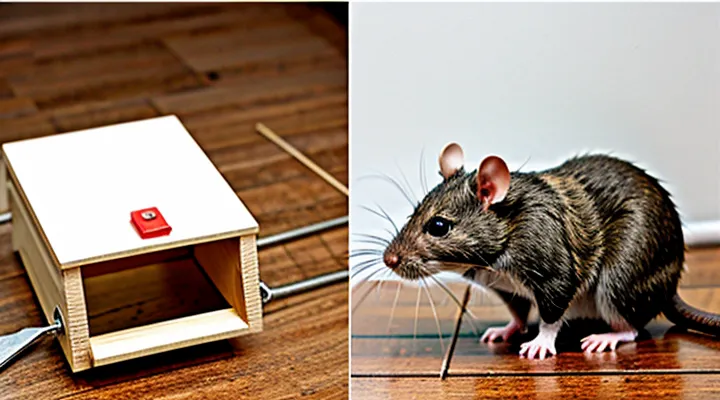
Understanding the Problem: Why DIY?
Identifying Rat Infestation Signs
Recognizing the early indicators of a rat problem is essential before constructing a self‑made trap, because it determines placement, timing, and the scale of the solution.
Typical signs of infestation include:
- Fresh droppings, ½‑inch black pellets, found near food sources, along walls, or in hidden corners.
- Gnaw marks on wood, plastic, wires, or insulation, often with clean, smooth edges.
- Grease or oily smears along baseboards, where rodents travel.
- Nests built from shredded paper, fabric, or insulation, usually concealed in concealed spaces.
- Scratching noises in ceilings or walls, especially at night.
- Strong, musky odor that intensifies as the population grows.
- Presence of live or dead rats, especially near entry points.
Documenting these observations allows precise positioning of the homemade trap and informs any additional preventive measures required.
Advantages of DIY Traps
Cost-Effectiveness
A homemade rat-catching device reduces expenses by eliminating retail markup and allowing selection of low‑cost components. The primary cost drivers are:
- Materials: wood or PVC pipe (≈ $3‑$5), steel wire or spring steel (≈ $2‑$4), trigger mechanism (e.g., a plastic bottle or 3‑inch bolt, ≈ $1‑$2), fasteners (≈ $0.50‑$1). Total material cost typically ranges from $6 to $12.
- Tools: most users already possess a saw, drill, and screwdriver; if not, basic hand tools cost ≈ $15‑$20, but they are reusable for future projects.
- Labor: assembly time averages 30‑45 minutes. Valuing labor at $20 per hour adds $10‑$15 to the overall expense, though this is a one‑time investment.
Commercial snap traps retail for $8‑$12 each, with additional charges for bait and disposal. Bulk purchases reduce unit price to $5‑$7, but still exceed the material cost of a self‑made unit. The initial outlay for a DIY trap is therefore 40‑70 % lower than purchasing an equivalent ready‑made product, even after accounting for tool acquisition and labor valuation. Durability improves further because the builder can select corrosion‑resistant materials, extending service life beyond the typical 6‑month warranty of store‑bought traps.
Customization and Adaptability
A homemade rodent catcher can be tailored to specific needs by altering its structural and functional elements. Customization begins with material selection; sturdy cardboard, thin plywood, or recycled plastic each provide distinct durability and weight profiles. The triggering system may employ a simple spring‑loaded lever, a weighted fulcrum, or a tensioned string, allowing adjustments to sensitivity and force required to activate the trap. Bait placement can be moved along the entry pathway to direct the target toward the capture zone, while the overall dimensions can be scaled to accommodate larger or smaller pests.
Key variables for modification include:
- Material type: cardboard, plywood, plastic, metal.
- Trigger mechanism: lever, string, weight, magnetic latch.
- Bait location: front, side, recessed cavity.
- Size and shape: narrow tunnel, wide box, cylindrical tube.
Adaptability ensures the device functions across diverse environments. Indoor installations benefit from compact designs that fit under cabinets or behind appliances, whereas outdoor versions require weather‑resistant components and elevated platforms to avoid flooding. In confined spaces such as attics or crawlspaces, a low‑profile trap reduces obstruction risk. Adjusting the trap’s angle and anchoring method enables stable operation on uneven surfaces.
Adaptation strategies comprise:
- Weatherproofing: seal joints, apply waterproof coating.
- Portability: attach handles or wheels for relocation.
- Space optimization: foldable or collapsible frames for storage.
- Target specificity: modify entrance width to exclude non‑target species.
Routine inspection identifies wear in springs, corrosion of metal parts, or degradation of bait chambers. Replacing or reinforcing these components extends service life and permits iterative improvements based on observed performance.
Control Over Materials
When constructing a personal rat trap, mastery over the chosen materials determines safety, effectiveness, and cost efficiency. Selecting components that match the intended design prevents structural failure and reduces the risk of unintended harm to non‑target animals.
- Choose a sturdy base such as a 2‑inch‑thick plywood sheet or a metal tray; both resist chewing and support the trap’s weight.
- Opt for a trigger mechanism made from spring steel or a strong rubber band; these provide reliable snap‑back action.
- Use a humane bait container made from stainless steel or thick plastic to avoid contamination and facilitate cleaning.
- Prefer fasteners with corrosion‑resistant coatings—galvanized nails, screws, or bolts—to extend the trap’s lifespan in damp environments.
Procure materials from reputable suppliers, verify dimensions before purchase, and inspect each item for defects. Cut, drill, and assemble components according to precise measurements; avoid improvisation that compromises the trigger’s sensitivity or the enclosure’s integrity.
Maintain control by labeling each part, storing unused supplies in sealed containers, and documenting any modifications. Regularly test the trigger with a calibrated force gauge to confirm consistent operation, and replace worn elements promptly to preserve performance.
Essential Safety Precautions
Handling Rodents and Contaminants
When constructing a homemade rat trap, safe handling of rodents and associated contaminants is essential to protect health and prevent environmental spread.
- Wear disposable nitrile gloves and a face mask to avoid direct contact with urine, feces, and saliva.
- Use eye protection if the trap involves snap mechanisms or chemicals.
- Work in a well‑ventilated area; open windows or operate a portable exhaust fan to disperse airborne particles.
- Disinfect surfaces before and after assembly with a solution containing at least 70 % isopropyl alcohol or a diluted bleach mixture (1 part bleach to 9 parts water).
After capture, follow a strict disposal protocol:
- Seal the trapped rodent in a heavy‑duty plastic bag, then place the bag inside a second bag for double containment.
- Label the outer bag with “biological hazard” and store it in a locked, temperature‑controlled container until municipal waste services can collect it.
- Clean all tools, gloves, and work surfaces with the same disinfectant used during setup.
- Dispose of disposable PPE in a designated biohazard bin; launder reusable clothing separately on a hot cycle.
Maintain a log of each trap deployment, noting date, location, and disposal actions. This record supports traceability and compliance with local health regulations.
Protecting Children and Pets
When constructing a homemade rat capture device, safety for children and pets must be integral to the design. Select materials that are non‑toxic and avoid sharp edges that could cause injury if touched inadvertently. Position the trap out of reach, preferably on a high shelf or inside a sealed enclosure with a one‑way entry for rodents. Secure the mechanism with child‑proof locks or latch systems to prevent accidental activation.
Implement the following precautions:
- Use a sturdy, closed container (e.g., a plastic bucket with a lid) as the trap housing.
- Install a secure latch that releases only when the rodent applies pressure to a designated trigger, keeping the latch inaccessible to small hands and paws.
- Seal any gaps with mesh or fine wire to block entry of cats, dogs, or toddlers.
- Label the device clearly with warning signs in visible locations.
- Conduct regular inspections to verify that the trap remains functional and that no parts have become loose or exposed.
Maintain a clear separation between the trap area and zones where children play or pets roam. Store bait in sealed containers away from food supplies to eliminate accidental ingestion. If a capture occurs, handle the rodent with gloves and dispose of it according to local regulations, then reset the device after confirming that the environment is safe for non‑target occupants.
Proper Disposal of Trapped Rodents
After a homemade rodent catcher has secured its target, immediate and safe disposal prevents disease transmission and secondary infestations. Handle the captured animal with thick disposable gloves; avoid direct contact with skin or clothing. Place the rodent in a sealable, puncture‑resistant bag, then double‑bag to contain fluids and odors. Discard the sealed package in a municipal waste container designated for non‑recyclable refuse, adhering to local regulations for dead animal disposal.
Key steps for compliant disposal:
- Wear protective gloves and, if available, a disposable mask.
- Transfer the rodent into a heavy‑duty, sealable plastic bag.
- Seal the bag, then place it inside a second bag and seal again.
- Label the outer bag with “Dead Animal – Do Not Recycle.”
- Place the bag in the appropriate waste bin; avoid leaving it in a garage or yard.
- Wash hands thoroughly with soap and water after removing gloves, and sanitize any tools used.
Following these procedures eliminates health hazards, satisfies municipal codes, and maintains a sanitary environment around the trap site.
Choosing Your DIY Rat Trap Design
The "Bucket Trap" Method
Materials Needed
The trap construction relies on a specific set of components that must be sourced before assembly. Each item contributes to the mechanism’s reliability and safety.
- Sturdy wooden board, at least 12 × 12 in, for the base platform.
- 2‑inch‑diameter PVC pipe, 12 in long, serving as the trigger tube.
- Spring‑loaded steel bar, 8 in length, to generate the closing force.
- Thin metal wire, 24 in, for the latch and release system.
- Heavy‑duty adhesive or epoxy, sufficient to bond wood to metal.
- Screws (¼‑inch) and a screwdriver for securing the pipe and bar.
- Protective gloves and safety glasses for handling sharp components.
- Optional: bait container made from a small plastic cup with a lid.
These materials, when combined according to the assembly instructions, produce a functional, low‑cost rat capture device.
Step-by-Step Assembly Instructions
Creating a functional rodent catcher requires precise assembly. Gather all components before beginning to avoid interruptions.
Required materials
- Wood plank (10 × 5 × 1 cm)
- Two steel springs, 15 cm long
- Hinged metal latch
- Small piece of PVC pipe (diameter 3 cm, length 12 cm)
- Screws (M4, 20 mm)
- Drill with appropriate bits
- Screwdriver
- Wire cutter
- Protective gloves
Assembly procedure
- Position the wood plank horizontally on a stable surface. Mark two points 8 cm apart near one edge; these will anchor the springs.
- Drill pilot holes at the marked positions, depth 5 mm.
- Insert the steel springs into the holes, securing each with a screw. Ensure the springs face upward to provide tension.
- Align the hinged latch with the opposite edge of the plank, 2 cm from the end. Drill two pilot holes for the latch’s mounting screws.
- Fasten the latch with screws, confirming that it pivots freely without binding.
- Cut the PVC pipe to a 10 cm length using the wire cutter. This segment will serve as the entry tunnel.
- Drill a 3 cm diameter hole through the center of the plank, 4 cm from the latch side. Insert the PVC tunnel, securing it with two small screws placed around the circumference.
- Attach a bait holder to the interior of the tunnel using a single screw; this prevents bait from falling out.
- Test the mechanism: depress the latch, release it, and observe the springs snapping the latch shut, trapping any rodent that enters the tunnel. Adjust spring tension if the latch fails to close quickly.
- Apply a thin coat of non-toxic sealant to all exposed wood surfaces to resist moisture and prolong durability.
After completion, place the trap in areas of rodent activity, position bait inside the tunnel, and monitor daily. Properly maintain by cleaning debris and checking spring integrity before each use.
Baiting and Placement Tips
Effective bait selection and strategic trap placement are the two factors that most directly influence capture rates. Choose attractants that match the local rat population’s dietary preferences and position the device where activity is highest.
- Peanut butter, chocolate spread, or dried fruit for omnivorous rats.
- Small pieces of cooked meat, bacon, or fish for carnivorous individuals.
- Fresh corn kernels or sunflower seeds for grain‑focused pests.
- Avoid overly strong scents that may deter rather than attract; apply a thin layer to the trigger mechanism only.
Placement guidelines:
- Locate traps along walls, behind appliances, and near known entry points, as rats travel close to surfaces.
- Position devices perpendicular to the wall, with the bait side facing the baseboard, to align with natural running routes.
- Set traps in dark, concealed areas such as under cabinets, in crawl spaces, or within insulated wall cavities where rats seek shelter.
- Ensure the trap is stable; secure it to the floor or a solid surface to prevent displacement by other animals.
- Deploy multiple traps at intervals of 2–3 feet in heavily infested zones to increase encounter probability.
After installation, inspect traps daily. Replace spoiled bait promptly and relocate any trap that shows no activity for several days. Continuous adjustment based on observed rat movement patterns maximizes the effectiveness of a self‑constructed capture system.
The "Snap Trap" Modification
Enhancing Store-Bought Traps
Store‑bought rat traps offer a reliable foundation, but simple adjustments can increase capture efficiency and safety. Strengthening the trigger mechanism, improving bait placement, and reinforcing the enclosure are the most effective upgrades.
- Replace the plastic spring with a steel coil of equal length; steel retains tension longer, reducing the need for frequent resets.
- Attach a thin metal plate to the trigger arm using a self‑tapping screw; the plate distributes force evenly, preventing premature release.
- Apply a small amount of petroleum jelly to the hinge joint; the lubricant eliminates friction that can cause misfires.
- Use a high‑protein bait such as peanut butter mixed with powdered dry cat food; the combination emits a stronger scent and encourages repeated visits.
- Position the bait on a small, disposable cup placed atop the trigger platform; the cup slides out when the rat pulls, ensuring the trap activates fully.
- Enclose the trap in a rigid PVC pipe segment, cutting openings only for entry and exit; the pipe confines the rodent, preventing escape after activation.
Additional enhancements focus on durability and hygiene. Wrap the trap’s exterior with a thin layer of waterproof tape to protect against moisture, which can corrode metal parts. After each capture, disinfect the interior with a 10 % bleach solution, rinse, and allow to dry before reassembly. These measures extend the trap’s service life and maintain consistent performance.
Materials for Modification
A functional rat trap requires specific components that can be altered to improve efficiency, durability, and safety. The core structure typically consists of a sturdy base—such as a 2 × 4 inch pine board or a 12‑inch steel plate—providing a stable platform for the mechanism. For the capture surface, replace standard cardboard with a thin sheet of stainless steel or a hardened polymer to resist gnawing and moisture.
Bait delivery benefits from a sealed container made of clear acrylic or food‑grade polyethylene, allowing visual monitoring while preventing spillage. Include a small perforated lid to release scent without exposing the bait directly.
The trigger system can be upgraded with a spring‑loaded hinge made from stainless steel torsion springs, offering consistent snap‑back action. Attach a nylon‑coated steel wire as the latch, ensuring smooth operation and resistance to corrosion.
Reinforcement elements such as corner brackets, lock washers, and epoxy‑bonded joints increase structural integrity under repeated use. Apply a non‑toxic, water‑based sealant to all wooden parts to extend lifespan and reduce rot.
Typical modification materials
- 2 × 4 inch pine board or 12‑inch steel plate (base)
- Stainless‑steel sheet or hardened polymer (capture surface)
- Clear acrylic or food‑grade polyethylene container (bait holder)
- Stainless‑steel torsion springs (trigger)
- Nylon‑coated steel wire (latch)
- Corner brackets, lock washers, epoxy adhesive (reinforcement)
- Water‑based, non‑toxic sealant (protective coating)
Selecting these items ensures a robust, adaptable trap that can be assembled with basic hand tools and maintained with minimal effort.
Installation Guide
A homemade rat trap must be anchored securely to function reliably. Follow these steps to install the device in any indoor or outdoor setting.
Materials and tools
- Wooden base (approximately 30 cm × 20 cm)
- Metal spring‑loaded bar or tension wire
- Hinged trigger plate
- Bait container with lid
- Screws, nails, or concrete anchors (depending on surface)
- Drill with appropriate bits
- Screwdriver or hammer
- Level and measuring tape
- Protective gloves
Installation procedure
- Choose a location with high rodent activity, preferably along walls or near entry points. Ensure the area is clear of obstacles and has a flat surface.
- Measure and mark the exact position of the base on the floor or wall. Use the level to confirm the surface is even.
- Secure the wooden base:
- Attach the spring‑loaded bar to the base according to the manufacturer’s instructions. Align the bar so that it rests against the trigger plate when the trap is set.
- Install the hinged trigger plate on the opposite side of the bar. Verify that the plate moves freely and releases the bar when pressure is applied.
- Place the bait container on the trigger plate. Load the container with attractive food (e.g., peanut butter, dried fruit). Close the lid securely.
- Test the mechanism: apply gentle pressure to the trigger plate. The bar should snap shut, locking the plate in place. Adjust tension if the release is too weak or too strong.
- After successful testing, position the trap so that the trigger plate faces the expected path of the rodent. Ensure the trap remains stable and cannot be tipped over by the animal.
- Inspect the installation weekly. Replace bait, tighten loose screws, and check the spring for signs of fatigue.
Proper anchoring and regular maintenance guarantee consistent performance and reduce the likelihood of escape. Use the guide as a reference each time the trap is relocated or reassembled.
Other Simple Trap Ideas
Live Traps
Live traps capture rats without killing them, allowing humane relocation. The design relies on a trigger mechanism that releases a door when the animal steps on a pressure plate, sealing the enclosure instantly.
Materials commonly used include:
- sturdy wooden or plastic box (minimum 12 × 8 × 8 in);
- spring‑loaded latch or a simple wooden bar;
- thin wooden plank or metal strip for the trigger plate;
- cable ties or clamps for reinforcement;
- bait such as peanut butter or dried fruit;
- gloves and protective eyewear for handling.
Construction steps:
- Cut an opening on one side of the box large enough for a rat to enter but small enough to prevent escape once the door closes.
- Install the latch so the door stays shut until the trigger plate is depressed.
- Attach the trigger plate to the interior floor, aligning it with the latch release point.
- Secure the latch and test the mechanism by applying pressure to the plate; the door should swing shut cleanly.
- Place bait on the trigger plate to entice the rat.
- Position the trap in a known activity corridor, preferably near walls where rats travel.
Key considerations:
- Ensure the enclosure is escape‑proof; check for gaps around hinges and seams.
- Use a smooth interior surface to prevent the animal from climbing out.
- Release captured rats at least 200 feet from the property to reduce the chance of return.
- Clean the trap after each use to eliminate scent trails that could deter future captures.
Safety protocols require wearing gloves when handling trapped rodents to avoid disease transmission. Disinfect the trap with a bleach solution after release, then rinse and dry before the next deployment. This straightforward approach enables effective, humane control without purchasing commercial devices.
Glue Traps (with warnings)
Glue traps consist of a flat surface coated with a strong adhesive designed to immobilize rodents upon contact. They are inexpensive, widely available, and can be incorporated into a self‑made rat capture system without complex mechanisms.
To integrate glue traps safely:
- Place traps along established rodent pathways, such as behind appliances, near wall junctions, or under cabinets.
- Secure each trap on a sturdy base (cardboard or a shallow dish) to prevent sliding.
- Position traps perpendicular to the wall, with the adhesive side facing outward, ensuring rats encounter the surface while moving parallel to the wall.
- Check traps at least twice daily; remove captured animals promptly to avoid prolonged suffering.
- Dispose of trapped rodents in sealed bags, then discard according to local waste regulations.
Warnings:
- Glue traps cause distress and may be considered inhumane; many jurisdictions restrict or ban their use. Verify local laws before deployment.
- Pets and children can inadvertently contact traps; keep them out of reach by covering with a protective barrier or placing in inaccessible locations.
- Adhesive residues can damage flooring or furniture; use disposable liners or place traps on removable trays.
- Prolonged exposure to trapped rodents may release pathogens; wear disposable gloves when handling captures and sanitize the area afterward.
- Repeated failures may indicate the need for alternative control methods, such as snap traps or professional pest management.
Selecting the Right Bait
Effective Bait Options
Peanut Butter
Peanut butter serves as the primary attractant in a homemade rodent capture device. Its strong aroma and oily texture entice rodents while remaining difficult for them to remove from a trap surface.
The effectiveness of peanut butter derives from several properties:
- High scent intensity that penetrates the environment quickly.
- Viscous consistency that adheres to bait stations, preventing displacement.
- Nutrient density that satisfies the rodent’s natural foraging preferences.
When selecting a product, choose a smooth, unsalted variety without added sugars or preservatives. Avoid chunky or honey‑infused formulations, as fragments can obscure the trap’s trigger mechanism.
Apply the bait sparingly: place a pea‑sized dollop on the trigger platform, spreading it thinly to ensure contact with the rodent’s paws. Position the trap in areas of known activity, keeping the bait exposed but protected from dust and rain.
Store unused peanut butter in an airtight container at room temperature. Replace the bait after each capture to maintain potency and prevent spoilage.
Cheese
Cheese serves as an effective attractant for rodent capture because its strong aroma and high fat content stimulate the sense of smell and taste in rats. The scent penetrates the environment quickly, guiding the animal toward the trap.
When selecting cheese for a homemade trap, prioritize varieties with pronounced odors and low moisture to reduce spoilage:
- Blue cheese, aged cheddar, and gouda – intense smell, firm texture.
- Parmesan and pecorino – dry, crumbly, long‑lasting scent.
- Soft, highly aromatic cheeses (e.g., Brie) – useful for short‑term setups but prone to rapid decay.
Preparation steps ensure consistent bait performance:
- Cut the cheese into cubes or shards about 1 cm in size.
- Store portions in a sealed container until use to preserve aroma.
- Attach each piece to the trap’s trigger mechanism with a small piece of wire or dental floss, preventing the rat from removing it without activating the trap.
Placement guidelines maximize capture efficiency:
- Position the bait at the rear of the trap, directly above the trigger plate, so the rat must step on the plate to reach the cheese.
- Secure the bait to the trap surface to avoid displacement by wind or other animals.
- Align the trap along established rodent pathways, such as along walls or near food sources.
Safety and hygiene considerations:
- Replace cheese every 24–48 hours to maintain potency and prevent mold growth.
- Wear disposable gloves when handling bait to avoid contaminating the trap with human scent.
- Dispose of used cheese in sealed bags to eliminate lingering attractants after trap removal.
Sweet Treats
Sweet treats serve as highly effective bait for a homemade rat-catching device. Their strong aroma and palatable flavor attract rodents, increasing the likelihood of trap activation.
Common sweet baits include:
- Peanut butter mixed with honey
- Dried fruit pieces coated in syrup
- Chocolate chips blended with powdered sugar
- Marshmallow cubes soaked in caramel
To prepare the bait, combine the chosen sweet component with an adhesive such as a thin layer of peanut butter. Apply a pea‑sized amount to the trigger mechanism, ensuring the mass does not obstruct the release. Position the baited trap along wall edges or near known rodent pathways, where rats routinely travel.
Safety measures require keeping the bait out of reach of children and pets. Use food‑grade ingredients to avoid contaminating the environment. Dispose of captured rodents promptly, following local regulations, and clean the trap with hot, soapy water before reuse.
Meats and Proteins
When constructing a homemade rat catcher, the choice of bait directly influences capture efficiency. Meats and proteins provide the strongest olfactory cues for rodents, ensuring rapid attraction to the device.
Effective protein baits include:
- Fresh chicken liver, finely diced
- Raw ground beef, moist but not saturated with fat
- Canned tuna, drained and broken into small chunks
- Hard‑boiled egg, mashed to expose interior
- Peanut butter mixed with shredded cheese, offering both protein and fat
Preparation guidelines: cut each item into 1‑2 cm pieces to fit the trap’s entry slot; store bait in a sealed container until use to preserve scent; handle raw meat with gloves to prevent cross‑contamination. Position bait at the trap’s trigger mechanism, ensuring it does not obstruct the release arm.
Maintain hygiene by discarding leftover bait after each capture session and sanitizing the trap with a diluted bleach solution. Regular bait replacement sustains a potent scent profile, maximizing the likelihood of successful rodent control.
Baiting Techniques
Securing the Bait
Choosing the right bait and fixing it firmly are decisive factors for a functional homemade rat catcher. Fresh food items such as peanut butter, dried fruit, or small pieces of meat generate strong attraction; avoid stale or overly scented substances that may deter rodents.
Secure the bait by following these steps:
- Apply a thin layer of adhesive (e.g., non‑toxic glue or double‑sided tape) to the trap’s trigger platform.
- Place a small amount of bait on the adhesive, ensuring it does not spill onto surrounding surfaces.
- Press the bait gently until it adheres completely, creating a single, compact mass.
- Cover the bait with a thin barrier (e.g., a piece of cardboard or a small mesh) that the rat can gnaw through but prevents the bait from shifting when the trap is moved.
After placement, verify that the bait remains stable when the trap is lifted or tilted. If movement occurs, reinforce the adhesive layer or reduce the bait size. Consistent bait security minimizes false triggers and maximizes capture efficiency.
Avoiding Direct Contact
When constructing a homemade rat trap, the first priority is preventing skin, eye, or respiratory exposure to the animal and any chemicals used. Wear disposable nitrile gloves, safety goggles, and a dust‑mask before handling live rodents, bait, or adhesive substances. Dispose of gloves and masks in sealed bags after each session to eliminate residual contamination.
Key practices for avoiding direct contact:
- Keep the trap assembly on a disposable work surface (e.g., cardboard or a plastic sheet).
- Use long‑handled tools such as pliers or tongs to position bait and trigger mechanisms.
- Secure the trap inside a sturdy container with a lid before transporting it to the target area.
- After a capture, place the entire trap into a secondary sealed bag before opening it for disposal or release.
Cleaning procedures must also exclude direct handling. Rinse the trap with a solution of diluted bleach (1 % sodium hypochlorite) using a spray bottle, then rinse with water while wearing gloves. Allow the trap to air‑dry in a well‑ventilated area before storage.
These steps eliminate unnecessary exposure, protect personal health, and maintain the effectiveness of a self‑made rat control device.
Optimal Trap Placement Strategies
Identifying Rat Runways
Understanding the pathways rats use to travel through a structure is essential for positioning a self‑made trap where it will intercept the most activity. Rats follow established routes that connect food, water, shelter and nesting sites; a trap placed outside these routes yields little result.
Typical indicators of a rat runway include:
- Parallel gnaw marks on walls, baseboards or structural beams.
- Fresh droppings arranged in a line, often near the edge of a wall.
- Smear marks of urine or oil along the same line.
- Chewed insulation, wiring or piping that aligns with other evidence.
- Footprints or tail marks on dusty surfaces, especially near entry points.
To confirm a suspected runway, employ one or more of the following techniques:
- Sprinkle a thin layer of non‑toxic tracking powder along the suspected line; check for footprints after a few hours.
- Install a motion‑activated infrared camera focused on the area; review footage for repeated movement patterns.
- Use a handheld UV flashlight to highlight fresh urine stains that are invisible under normal light.
- Conduct a short‑term observation period, noting the times when activity peaks and correlating them with food availability.
Once a runway is verified, align the homemade trap directly on the path, preferably at a choke point where the rat must pass through a narrow opening. Secure the trap so that the bait is positioned at the rat’s head height while the trigger mechanism is aligned with the animal’s forward movement. Regularly inspect the runway for new damage or shifting patterns, and relocate the trap as needed to maintain optimal coverage.
Placing Traps Discreetly
When installing a homemade rodent trap, concealment reduces the likelihood of avoidance and minimizes visual disruption. Choose areas where rats travel regularly but human activity is limited. Base placement on observed runways, gnaw marks, and droppings; these indicators pinpoint high‑traffic zones.
Key considerations for discreet positioning:
- Near walls or corners – Rats favor tight spaces; a trap tucked against a baseboard blends with the structure.
- Under furniture – Tables, cabinets, or shelves provide natural cover; ensure the device remains stable and accessible for checking.
- Inside storage boxes – Empty cardboard or plastic containers hide the trap while allowing scent diffusion.
- Behind appliances – The space behind a refrigerator or washing machine offers darkness and limited disturbance.
- Within cluttered areas – Piles of newspapers, magazines, or garden tools mask the trap without compromising effectiveness.
Maintain safety by keeping the trap out of reach of children and pets. Use non‑transparent containers or fabric covers that allow scent escape but block visual detection. Secure the device with tape or brackets to prevent accidental displacement. Regularly inspect the site, replace bait as needed, and relocate the trap if activity declines, ensuring continuous pressure on the rodent population.
High-Traffic Areas
When installing a homemade rodent trap, focus on zones where rats travel most frequently. These corridors include gaps beneath doors, along baseboards, and near utility lines. Positioning the device in these passages maximizes encounter rates and reduces the number of traps required.
Key factors for selecting high‑traffic spots:
- Proximity to food sources such as garbage bins, pet feeders, or pantry openings.
- Evidence of activity: droppings, gnaw marks, or fresh burrows.
- Accessibility without obstruction from furniture or clutter.
- Continuous pathways that connect interior rooms to exterior entry points.
By concentrating traps in these areas, the likelihood of capture rises sharply, allowing efficient control with minimal material expenditure.
Post-Capture Procedures
Safely Disposing of Trapped Rats
When a homemade rodent trap captures a rat, the first priority is to prevent disease transmission and accidental exposure. Wear disposable nitrile gloves, a face mask, and eye protection before handling the animal. Place the trapped rat in a sturdy, sealable plastic bag, then double‑bag to contain fluids and odors.
Dispose of the sealed bags according to local regulations:
- Deliver to a licensed animal waste collection service if available.
- If no service exists, contact the municipal health department for guidance on approved disposal sites.
- In jurisdictions that permit it, place the double‑bagged carcass in a trash container designated for hazardous waste, ensuring the container is clearly labeled.
After disposal, clean all tools and surfaces with a disinfectant effective against rodent pathogens (e.g., a 10 % bleach solution). Rinse with water, allow to air‑dry, and discard gloves and masks in a sealed bag. Record the disposal date and method for future reference and compliance audits.
Cleaning and Reusing Traps
Cleaning a homemade rat capture device promptly after each use prevents odor buildup, reduces the risk of disease transmission, and extends the lifespan of the apparatus. Disassemble the trap according to the manufacturer’s instructions or the original design plan. Rinse all components with hot water to remove debris, then soak them in a solution of one part distilled white vinegar to three parts water for ten minutes. Scrub surfaces with a stiff brush, focusing on hinges and trigger mechanisms where residue accumulates. Rinse thoroughly, dry with a clean cloth, and allow parts to air‑dry completely before reassembly.
When reusing the trap, inspect moving parts for wear. Apply a thin layer of food‑grade silicone lubricant to hinges to maintain smooth operation. Replace any disposable bait holders with fresh ones, or sterilize reusable containers by boiling for three minutes. Store the assembled device in a sealed container to keep it free from dust and pests until the next deployment.
Preventing Future Infestations
Sealing Entry Points
Sealing entry points is a critical step before installing a homemade rat trap. Properly closed gaps prevent rodents from re‑entering the treated area, ensuring the trap’s effectiveness and reducing the need for repeated interventions.
Identify all potential access routes. Common locations include:
- Gaps around pipes, vents, and cables
- Cracks in foundation walls or floors
- Openings under doors and windows
- Holes in exterior siding or roof eaves
Use durable, pest‑proof materials to block each opening. Recommended options are:
- Steel wool or copper mesh for irregular gaps; compress tightly and secure with caulk.
- Expanding polyurethane foam for larger voids; apply in thin layers to avoid excess buildup.
- Cement or concrete patch for foundation cracks; smooth surface after curing.
- Weather‑stripping or door sweeps for door thresholds; install flush against the floor.
- Metal flashing or hardware cloth for vent openings; fasten with screws or zip ties.
After sealing, inspect the perimeter with a flashlight to confirm no residual openings remain. A thorough seal eliminates alternative pathways, forcing rats to encounter the trap directly and improving overall control outcomes.
Eliminating Food Sources
Eliminating food sources is the first step in ensuring a homemade rat trap works effectively. Rats are attracted to readily available crumbs, spills, and improperly stored items; removing these incentives reduces the likelihood of repeated captures and limits population growth.
- Store dry goods in sealed containers made of metal or heavy‑duty plastic.
- Clean countertops, floors, and appliances daily to erase residue.
- Dispose of garbage in bins with tight‑fitting lids and empty them regularly.
- Keep pet food in airtight containers and feed pets only at scheduled times, removing leftovers promptly.
- Seal cracks, gaps, and holes in walls, floors, and cabinetry to prevent rodents from accessing concealed food caches.
By systematically denying access to sustenance, the trap becomes the primary attraction, increasing capture rates and simplifying ongoing maintenance.
Maintaining Cleanliness
Keeping the work area spotless is essential when constructing a self‑built rodent trap. Dust, food residue, and debris attract pests, undermine the trap’s effectiveness, and create health hazards. A clean environment also reduces the risk of accidental injury while handling sharp components.
Before assembly, clear the surface of all non‑essential items. Disinfect the workbench with a solution of diluted bleach or an approved sanitizer. Wear disposable gloves and a mask to prevent contamination of the trap’s components. Use a vacuum or damp cloth to remove sawdust, shavings, and any spilled bait.
During construction, follow these practices:
- Store raw materials in sealed containers to avoid exposure to moisture and pests.
- Keep tools organized; wipe them after each use to remove residue.
- Dispose of waste promptly in a sealed bag, then place it in an outdoor trash bin.
- Apply a thin coat of non‑toxic sealant to wooden parts before assembly to inhibit mold growth.
After the trap has captured rodents, clean it thoroughly before reuse. Remove carcasses with disposable gloves, place them in a sealed bag, and discard according to local regulations. Scrub all surfaces with hot, soapy water, then rinse and dry completely. For metal components, apply a rust‑preventive spray after drying. Store the cleaned trap in a sealed container to protect it from dust and insects until the next deployment.