
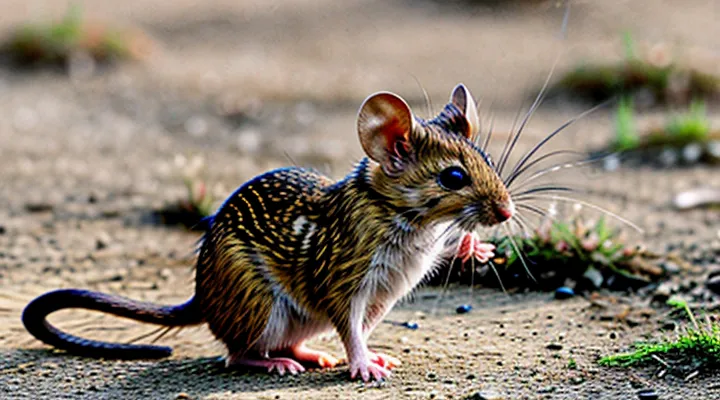
«Understanding Field Mice»
«Ecological Role and Habitat»
«Habitat Preferences»
Field mice occupy a range of semi‑natural and cultivated environments where shelter, food availability, and predator avoidance converge. Preference for dense ground cover, such as tall grasses, low shrubs, and leaf litter, creates microhabitats that support foraging and nesting activities.
Typical habitat components include:
- Grassland margins with abundant herbaceous vegetation;
- Hedgerows and fence rows providing structural complexity;
- Agro‑ecosystems featuring crop residues and irrigation ditches;
- Forest edges where understory density offers protection;
- Riparian zones with moist soil and abundant invertebrate prey.
These settings facilitate contact with rabies‑susceptible carnivores, ectoparasites, and environmental reservoirs of bacterial and viral agents. Proximity to water sources increases exposure to water‑borne pathogens, while dense vegetation enhances the likelihood of ectoparasite infestation, a known vector for several mouse‑associated infections.
Understanding habitat selection assists in targeted surveillance, habitat modification, and risk assessment. Management actions that reduce dense ground cover near human dwellings, control predator populations, and limit water‑standing sites can diminish the interface between field mice and disease agents.
«Diet and Foraging Behavior»
The nutritional intake of wild house mice directly influences their susceptibility to viral and bacterial agents prevalent in their habitats. Protein‑rich seeds, insects, and grain fragments provide essential amino acids that support immune cell proliferation, while high‑carbohydrate plant material supplies energy for rapid pathogen replication. Seasonal shifts in food availability modify gut microbiota composition, creating conditions that can either inhibit or facilitate viral entry, including the neurotropic virus responsible for fatal encephalitis in rodents.
Foraging strategies determine exposure risk to contaminated substrates. Mice that prioritize ground‑level search patterns encounter droppings and urine from infected conspecifics, whereas individuals that exploit arboreal food sources experience reduced contact with contaminated soil. Key behavioral factors include:
- Preference for communal feeding sites versus solitary foraging routes
- Frequency of nocturnal activity peaks aligned with predator avoidance
- Use of cached food stores that may preserve or degrade pathogen viability
Understanding these dietary and behavioral parameters allows targeted management interventions aimed at reducing infection prevalence within field mouse populations.
«General Overview of Field Mice Diseases»
«Factors Influencing Disease Prevalence»
The prevalence of viral and bacterial diseases in wild rodents is shaped by multiple interacting elements. Understanding these elements is essential for effective surveillance and control strategies.
«Factors Influencing Disease Prevalence» include:
- Habitat characteristics: vegetation density, soil moisture, and proximity to water sources modify pathogen survival outside the host.
- Host population density: higher concentrations of mice increase contact rates, facilitating transmission of agents such as lyssaviruses and hantaviruses.
- Genetic variability: allelic differences in immune‑related genes affect individual susceptibility and can alter population‑level infection patterns.
- Vector abundance: ectoparasites and arthropod carriers amplify bacterial spread and may serve as mechanical vectors for viral particles.
- Seasonal cycles: temperature fluctuations and breeding periods create temporal windows of heightened transmission risk.
- Anthropogenic impact: land use changes, pesticide application, and waste management influence both host habitats and exposure to novel pathogens.
Each factor exerts a measurable effect on disease dynamics. Elevated moisture in burrow systems prolongs viral viability, while dense mouse colonies accelerate rabies propagation through increased bite encounters. Genetic resistance can limit outbreak magnitude, whereas abundant flea populations raise the incidence of bacterial septicemia. Seasonal peaks in reproductive activity coincide with surges in infection rates, reflecting intensified social interactions. Human alteration of fields often reduces natural refuges, concentrating mice in limited areas and thereby raising transmission potential.
Continuous monitoring of these variables supports predictive modeling and targeted intervention, reducing the risk of spillover to domestic animals and humans.
«Common Pathogen Types»
Field mice host a limited yet impactful spectrum of pathogens that frequently cause morbidity and mortality in wild and laboratory populations. Understanding the principal categories of these agents informs surveillance, diagnostics, and control measures.
Common pathogen types include:
- Viruses, such as «Rabies» virus, hantaviruses, and murine norovirus, which replicate intracellularly and often spread via saliva, urine, or aerosolized particles.
- Bacteria, exemplified by «Leptospira interrogans», «Bartonella spp.» and «Yersinia pestis», that colonize renal or gastrointestinal tracts and may be transmitted through contaminated water, ectoparasites, or direct contact.
- Parasites, comprising protozoans like «Giardia duodenalis» and helminths such as «Syphacia obvelata», which persist in the intestinal lumen or tissue and are disseminated via fecal–oral routes or intermediate hosts.
- Fungi, including «Candida albicans» and dermatophytes, which exploit compromised skin or mucosal barriers and spread through environmental spores.
Viral infections often present with acute neurological signs, particularly in cases of «Rabies», where encephalitic progression leads to rapid deterioration. Bacterial diseases may manifest as septicemia, renal failure, or lymphadenopathy, depending on the organism’s tropism. Parasitic infestations typically cause gastrointestinal distress, weight loss, and anemia, while fungal colonization results in dermatitis or systemic mycoses under immunosuppressive conditions.
Effective management relies on targeted diagnostic assays—polymerase chain reaction for viral genomes, culture or serology for bacterial agents, microscopy for parasitic stages, and histopathology for fungal elements. Preventive strategies emphasize biosecurity, vector control, and environmental sanitation to limit pathogen exposure across field mouse populations.
«Rabies in Field Mice»
«Rabies Virus: Characteristics and Transmission»
«Viral Structure and Pathogenesis»
Viruses that cause neurological and systemic disease in field rodents possess a compact organization that determines infectivity and tissue tropism. The core consists of a single‑stranded or double‑stranded nucleic acid encapsidated by a protein shell, while many agents are surrounded by a lipid bilayer derived from the host cell membrane.
Key structural elements include:
- «genomic nucleic acid» – RNA or DNA that encodes replication enzymes and structural proteins;
- «capsid protein» – forms the protective icosahedral or helical shell;
- «envelope glycoproteins» – mediate attachment to cellular receptors and fusion with host membranes;
- «matrix protein» – links the nucleocapsid to the envelope and stabilizes virion morphology.
Pathogenesis begins with receptor recognition by envelope glycoproteins, enabling entry into peripheral neurons or immune cells. Following internalization, the viral genome is released, directing synthesis of replication complexes that hijack host machinery. Neuroinvasive strains travel retrograde along axonal transport pathways, reaching the central nervous system where they trigger neuronal dysfunction, inflammation, and, in severe cases, fatal encephalitis. Systemic viruses replicate in lymphoid tissues, inducing viremia that disseminates to multiple organs, causing hemorrhagic, hepatic, or renal lesions. Immune evasion strategies—such as inhibition of interferon signaling and modulation of apoptotic pathways—extend viral persistence and amplify tissue damage.
«Transmission Routes to Field Mice»
The discussion of «Transmission Routes to Field Mice» is essential for managing health threats that affect wild rodent populations, including viral, bacterial, and parasitic agents.
Direct contact provides the most immediate pathway. Aggressive encounters result in bite wounds that can introduce rabies virus. Skin abrasions allow entry of bacterial pathogens such as Salmonella spp. Maternal transmission occurs when infected females pass agents to offspring through placental or lactational routes.
Indirect exposure expands the risk spectrum. Contaminated food stores and water sources become reservoirs for Leptospira spp., hantaviruses, and enteric bacteria. Urine and feces deposited in nesting material sustain pathogen viability, facilitating oral ingestion during foraging. Environmental persistence of viral particles on soil or plant surfaces contributes to sustained transmission cycles.
Vector-borne mechanisms involve ectoparasites. Fleas, ticks, and mites acquire pathogens while feeding on infected hosts and later transmit them during subsequent blood meals. These arthropods can carry Rickettsia spp., Bartonella spp., and other zoonotic agents, linking separate mouse colonies.
Predator‑prey interactions introduce additional routes. Scavenging on carcasses of infected carnivores or consumption of prey harboring pathogens enables oral acquisition of rabies virus and other infectious agents. Intraguild predation among rodent species also facilitates cross‑species pathogen exchange.
Understanding these pathways informs surveillance and control strategies. Reducing direct aggression, managing food and water contamination, controlling ectoparasite populations, and limiting exposure to infected carrion are practical measures to curtail disease spread among field mice.
«Clinical Manifestations and Progression in Field Mice»
«Early Symptoms»
Early manifestations of viral and bacterial diseases in field mice often appear within 2‑5 days after exposure. Initial signs focus on neurologic, behavioral, and systemic changes that may be subtle but distinguishable from normal activity.
Typical early indicators include:
- Reduced responsiveness to stimuli
- Uncharacteristic lethargy or inactivity
- Altered grooming patterns, such as neglect of fur maintenance
- Unsteady gait or loss of coordination
- Excessive salivation, especially before the onset of overt neurological disease
- Elevated body temperature detectable through rectal measurement
- Mild respiratory distress, manifested as rapid, shallow breaths
In cases of rabies infection, the first observable symptom is usually an increase in aggression or irritability, followed by the progression to facial paralysis and difficulty swallowing. Concurrently, a noticeable change in vocalization frequency may occur, reflecting early central nervous system involvement.
Bacterial infections, such as those caused by Salmonella spp. or Streptococcus spp., present with early fever, anorexia, and occasional diarrhea. These systemic signs precede more severe complications like septicemia or organ failure.
Monitoring these early clinical features allows prompt diagnostic testing and implementation of control measures, reducing the spread of disease within wild rodent populations and limiting zoonotic risk.
«Advanced Stages of Infection»
Advanced infection stages in field mice present severe systemic involvement that often culminates in fatal outcomes. Viral encephalitis, exemplified by rabies, progresses from peripheral nerve invasion to widespread central nervous system dissemination. Clinical manifestations include abrupt aggression, excessive salivation, paralysis of facial muscles, and loss of coordination. Pathological examination reveals neuronal degeneration, perivascular cuffing, and viral antigen accumulation detectable by immunohistochemistry.
Bacterial agents such as Yersinia spp. and Leptospira spp. advance from localized contamination to septicemia. Signs comprise rapid weight loss, hemorrhagic enteritis, and organ congestion. Histopathology shows necrotizing lesions in liver and spleen, with bacterial colonies identifiable by Gram staining. Parasitic infestations, including Toxoplasma gondii and Trichinella spp., may reach chronic tissue encystment, producing muscular atrophy and pulmonary fibrosis.
Diagnostic protocols for late-stage disease emphasize:
- Serological assays (ELISA, MAT) for antibody detection.
- Molecular techniques (PCR) targeting pathogen-specific genomic regions.
- Culture of blood or organ samples under selective conditions.
- Post‑mortem examination with histopathological staining.
Therapeutic options are limited in advanced phases. Antiviral interventions are ineffective once rabies reaches the brain; humane euthanasia is recommended to prevent zoonotic transmission. Antibiotic regimens (e.g., doxycycline for leptospirosis) may mitigate bacterial spread if administered promptly, but efficacy declines sharply in septic stages. Antiparasitic treatment (e.g., sulfadiazine‑pyrimethamine) reduces cyst burden only before extensive tissue involvement.
Control measures focus on preventing progression to advanced infection:
- Vaccination of domestic animals in proximity to rodent habitats.
- Environmental sanitation to reduce exposure to contaminated water and soil.
- Population management through trapping and habitat modification.
- Regular surveillance using sentinel rodents to detect emerging pathogens early.
Understanding the pathophysiology of terminal infection phases enables targeted intervention, reduces mortality, and limits spill‑over risk to humans and livestock.
«Public Health Implications of Rabid Field Mice»
«Risk of Transmission to Humans and Livestock»
Field mice serve as reservoirs for several zoonotic pathogens, notably rabies virus and a range of bacterial, viral, and parasitic agents. Direct contact with infected rodents, bites, scratches, or exposure to contaminated secretions creates a pathway for pathogen transfer to humans and domestic animals. The probability of transmission varies with pathogen characteristics, host density, and environmental conditions.
Key factors influencing spill‑over risk:
- Rabies virus – present in wild rodent populations at low prevalence; transmission to humans or livestock requires a bite that breaches skin. Prompt post‑exposure prophylaxis reduces fatality.
- Hantaviruses – aerosolized excreta pose inhalation risk; occupational exposure (farm workers, veterinarians) increases likelihood of infection.
- Leptospira spp. – urine contamination of water or feed sources can infect cattle, sheep, and swine; serological surveys indicate higher incidence in regions with rodent infestations.
- Salmonella and other enteric bacteria – fecal shedding leads to contamination of feed stores; ingestion by livestock results in gastrointestinal disease and potential zoonotic spread.
- Protozoan parasites (e.g., Toxoplasma gondii) – rodent tissue cysts become infectious when consumed by carnivorous livestock or humans handling raw meat.
Mitigation strategies focus on population control, environmental sanitation, and barrier methods:
- Implement rodent exclusion measures in barns and feed silos.
- Conduct regular surveillance of rodent colonies for rabies and other pathogens.
- Apply acaricide and rodenticide programs according to integrated pest management guidelines.
- Educate farm personnel about personal protective equipment and wound care following rodent encounters.
- Ensure vaccination of livestock against rabies where legal frameworks permit.
Overall, the risk of pathogen transmission from field mice to humans and livestock remains measurable but manageable through targeted biosecurity practices and timely medical intervention.
«Preventive Measures and Surveillance»
Preventive actions target the reduction of pathogen transmission among wild rodents and the protection of domestic animals and humans. Effective strategies include habitat modification, population control, and targeted immunization programs.
- Habitat modification: remove food sources, maintain clean storage facilities, and limit access to human dwellings.
- Population control: implement humane trapping, use rodenticides in accordance with regulatory guidelines, and encourage natural predators.
- Immunization programs: distribute oral rabies vaccine baits designed for small mammals, apply injectable vaccines to captive or high‑risk individuals, and vaccinate livestock in areas with high rodent activity.
Surveillance systems provide early detection of emerging infections and assess the impact of preventive measures. Core components consist of systematic trapping, laboratory diagnosis, and data integration.
- Trapping: conduct regular live‑trap grids across representative habitats, record species, age, and health status.
- Laboratory diagnosis: employ polymerase chain reaction for viral agents, serological assays for rabies antibodies, and bacterial culture for common zoonoses.
- Data integration: feed results into regional wildlife health databases, generate risk maps, and issue alerts to veterinary and public‑health authorities.
Coordinated implementation of these measures sustains low infection prevalence, supports rapid response to outbreaks, and safeguards ecosystem and public health.
«Other Significant Infections in Field Mice»
«Bacterial Infections»
«Lyme Disease (Borrelia burgdorferi)»
«Lyme Disease (Borrelia burgdorferi)» represents a widespread spirochetal infection that frequently involves wild rodents, including field mice, which serve as primary reservoirs for the pathogen. The bacterium persists in the host’s bloodstream and tissues, facilitating transmission to feeding arthropod vectors.
The etiologic agent, Borrelia burgdorferi, is a helical Gram‑negative spirochete characterized by a complex genome that encodes surface proteins essential for evasion of the murine immune response. Strain variation influences tissue tropism and pathogenic potential within rodent populations.
Transmission occurs through the bite of infected ixodid ticks, predominantly Ixodes ricinus in temperate regions. Rodents acquire the infection during larval or nymphal feeding stages; subsequent tick stages become infected while feeding on the same host, perpetuating the enzootic cycle. Environmental factors such as humidity and vegetation density modulate tick activity and, consequently, infection prevalence among field mice.
Clinical manifestations in rodents are often subclinical but may include transient fever, joint inflammation, and renal involvement. Persistent infection can lead to chronic arthritis and impaired reproductive performance, thereby affecting population dynamics.
Diagnostic approaches comprise:
- Polymerase chain reaction targeting flagellin or OspA genes for direct pathogen detection.
- Serological assays (ELISA, Western blot) measuring specific IgM and IgG antibodies.
- Culture in Barbour‑Stoenner‑Kelly medium for isolation of viable spirochetes.
Control strategies focus on vector management and reservoir reduction. Measures include habitat modification to lower tick density, acaricide application on nesting sites, and targeted vaccination of rodent populations with recombinant OspA antigens. Integrated pest management programs that combine these interventions reduce pathogen circulation and lower the risk of spillover to other wildlife and humans.
«Leptospirosis (Leptospira spp.)»
«Leptospirosis (Leptospira spp.)» is a bacterial zoonosis frequently encountered in wild rodents, including field mice that share habitats with other wildlife and domestic animals. The pathogen persists in renal tubules, leading to chronic shedding in urine and contamination of soil and water sources.
Transmission occurs through direct contact with infected urine or indirect exposure to contaminated environments. Field mice acquire infection via ingestion of contaminated material or through skin abrasions. Inter‑species spread is facilitated by overlapping territories and shared water points, linking rodent populations to livestock and human exposure.
Clinical signs in field mice are often subclinical; when disease manifests, it includes lethargy, weight loss, anorexia, and occasional jaundice. Histopathology reveals interstitial nephritis and hepatic congestion. Mortality rates remain low under natural conditions but increase during environmental stressors such as flooding.
Diagnostic approaches rely on:
- Serological testing (MAT) to detect antibodies against pathogenic serovars.
- Polymerase chain reaction targeting LipL32 gene for direct detection of leptospiral DNA in kidney or urine samples.
- Culture in EMJH medium for isolation, though sensitivity is limited.
Control strategies emphasize environmental management and population reduction:
- Limiting access to standing water and improving drainage to reduce urine accumulation.
- Implementing rodent control programs using bait stations and habitat modification.
- Vaccinating livestock in endemic areas to interrupt spill‑over cycles.
- Monitoring wildlife reservoirs through systematic sampling to inform risk assessments.
Effective management of «Leptospirosis (Leptospira spp.)» in field mouse communities reduces the burden of infection across ecosystems and mitigates zoonotic transmission to humans and domestic animals.
«Tularemia (Francisella tularensis)»
The bacterial infection «Tularemia (Francisella tularensis)» affects wild rodents, particularly field mice, and represents a significant component of rodent‑associated disease complexes. Transmission occurs through direct contact with contaminated tissues, ingestion of infected arthropods, or inhalation of aerosolized particles. Vectors such as ticks and fleas amplify spread among mouse populations, while predators and scavengers may acquire infection via prey consumption.
Infected mice exhibit rapid onset of fever, lethargy, and weight loss, often progressing to septicemia and high mortality rates. Lesions commonly include necrotic splenomegaly, hepatic necrosis, and ulcerative skin lesions at entry sites. Laboratory diagnosis relies on culture of F. tularensis under biosafety level 3 conditions, polymerase chain reaction assays targeting specific genomic regions, and serologic detection of antibodies using microagglutination or ELISA techniques.
Control strategies focus on habitat management to reduce rodent density, implementation of acaricide treatments to limit vector populations, and vaccination of domestic animals at risk. Personal protective equipment and strict handling protocols are essential for researchers and field workers to prevent occupational exposure. Monitoring programs that integrate trapping data with molecular surveillance provide early warning of outbreak emergence and guide targeted interventions.
«Viral Infections (Excluding Rabies)»
«Hantavirus Pulmonary Syndrome (Hantavirus)»
«Hantavirus Pulmonary Syndrome (Hantavirus)» is a severe acute respiratory illness transmitted primarily by infected field mice. The virus resides in the rodents’ salivary glands, urine, and feces; aerosolized particles provide the main route of human exposure. Once inhaled, the pathogen induces rapid endothelial damage, leading to pulmonary edema and circulatory collapse.
Key clinical manifestations include:
- Fever and myalgia developing within 2–4 days after exposure
- Rapid onset of shortness of breath and non‑productive cough
- Hypotension and tachycardia progressing to shock
- Laboratory evidence of thrombocytopenia and elevated serum creatinine
Diagnosis relies on serologic detection of specific IgM antibodies or polymerase‑chain‑reaction (PCR) identification of viral RNA from blood or respiratory specimens. Early recognition is critical; supportive care in an intensive‑care setting, with mechanical ventilation and careful fluid management, improves survival. No specific antiviral therapy has proven consistently effective; ribavirin remains investigational.
Prevention strategies focus on rodent control and minimizing aerosol generation:
- Sealing entry points to dwellings and storage areas
- Using gloves and masks when cleaning contaminated spaces
- Wetting surfaces before disturbance to reduce dust
- Educating at‑risk populations about proper handling of rodent carcasses
Awareness of the disease’s epidemiology, prompt clinical assessment, and rigorous infection‑control measures constitute the primary defense against this potentially fatal zoonosis.
«Lymphocytic Choriomeningitis Virus (LCMV)»
«Lymphocytic Choriomeningitis Virus (LCMV)» belongs to the arenavirus family and infects wild rodents, especially the common field mouse (Apodemus spp.). The virus establishes a persistent, asymptomatic infection in its natural host, allowing long‑term shedding of virions in urine, feces, and saliva.
Epidemiological surveys indicate that LCMV prevalence in field mouse populations ranges from 5 % to 30 % depending on geographic region and population density. Horizontal transmission occurs through direct contact with contaminated bedding or food, while vertical transmission is documented via transplacental infection of embryos. Seasonal peaks correspond with breeding cycles, when juvenile mice increase the susceptible cohort.
Infected rodents rarely display clinical signs, but occasional immunocompromised individuals may exhibit:
- Lethargy
- Weight loss
- Neurological disturbances such as ataxia
- Hemorrhagic lesions in the brain meninges
Human exposure results primarily from laboratory work, pet handling, or inhalation of aerosolized rodent excreta. Clinical outcomes in humans include aseptic meningitis, encephalitis, and congenital infections that cause developmental abnormalities.
Diagnostic procedures rely on:
- Serological testing for LCMV‑specific IgG and IgM antibodies.
- Reverse transcription polymerase chain reaction (RT‑PCR) targeting the S‑segment of the viral genome.
- Virus isolation in cell culture for confirmatory analysis.
Control strategies focus on:
- Reducing rodent density in laboratory and domestic environments.
- Implementing barrier systems and personal protective equipment for personnel handling rodents.
- Regular screening of breeding colonies to prevent vertical transmission.
Effective management of LCMV requires integration of surveillance, biosecurity, and rapid diagnostic response to limit zoonotic spillover.
«Parasitic Infections»
«Internal Parasites: Helminths»
Internal parasites, specifically helminths, represent a major health concern for field mouse populations. Infections compromise nutritional status, reduce reproductive output, and increase susceptibility to secondary pathogens, including viral agents such as rabies.
Common helminth taxa reported in wild rodents include:
- Nematodes: Trichuris muris, Heligmosomoides polygyrus, Strongyloides spp.
- Cestodes: Taenia taeniaeformis, Hymenolepis diminuta.
- Trematodes: Echinostoma spp., occasionally detected in water‑rich habitats.
Pathogenic mechanisms involve intestinal mucosal damage, blood loss, and immune modulation. Clinical manifestations range from mild weight loss to severe diarrhoea, anaemia, and lethargy. Helminth‑induced immunosuppression may facilitate viral replication and enhance transmission dynamics within rodent colonies.
Diagnostic approaches rely on fecal flotation for egg detection, necropsy with direct worm recovery, and molecular assays targeting species‑specific DNA. Quantitative egg counts provide estimates of parasite burden, informing epidemiological assessments.
Control strategies encompass environmental management, targeted anthelmintic treatment, and habitat modification to reduce intermediate host availability. Integrated pest management, combining sanitation, population density regulation, and periodic deworming, limits helminth prevalence and mitigates indirect effects on zoonotic disease emergence.
«External Parasites: Fleas, Ticks, and Mites»
External parasites constitute a primary health concern for field‑dwelling rodents, influencing morbidity and mortality through direct irritation, blood loss, and vector‑mediated pathogen transmission. Infestations frequently involve fleas, ticks, and mites, each exhibiting distinct life cycles and host‑association patterns that shape disease dynamics within wild mouse populations.
- Fleas (e.g., Ctenophthalmus spp.) attach to the host’s fur, ingest blood, and serve as vectors for bacterial agents such as Yersinia spp. and Bartonella spp.; rapid reproductive cycles enable population explosions under favorable humidity.
- Ticks (e.g., Ixodes ricinus, Dermacentor spp.) require prolonged blood meals across developmental stages, facilitating transmission of spirochetes, rickettsiae, and protozoa; questing behavior increases exposure during peak activity periods.
- Mites (e.g., Myobia musculi, Psoroptes spp.) reside on the skin surface, causing dermatitis and secondary infections; some species act as carriers for viral particles and bacterial toxins.
Ectoparasites do not transmit the rabies virus directly, yet heavy infestations compromise skin integrity and immune function, predisposing mice to secondary bacterial infections that may exacerbate clinical outcomes of viral encephalitis. Moreover, fleas and ticks can introduce zoonotic pathogens that coexist with rabies‑related outbreaks, creating complex co‑infection scenarios that influence diagnostic and control strategies.
Effective management relies on integrated pest‑control protocols: habitat sanitation to reduce humidity, targeted acaricide applications during peak parasite activity, and regular monitoring of infestation indices. Prompt removal of heavily infested individuals limits pathogen spread and supports overall population health.
«Fungal Infections»
«Common Fungal Pathogens»
Field mice frequently encounter fungal agents that compromise respiratory function, integumentary health, and overall vigor. Recognizing the spectrum of «Common Fungal Pathogens» is essential for comprehensive disease surveillance in wild rodent populations.
- Candida spp. – Yeast colonization of the oral cavity and gastrointestinal tract; opportunistic overgrowth linked to immunosuppression, producing white plaques and mucosal inflammation.
- Aspergillus spp. – Airborne molds causing pulmonary granulomas; inhalation of conidia leads to necrotic lesions, reduced gas exchange, and secondary bacterial infection.
- Trichophyton spp. – Dermatophytes responsible for alopecia and crusted dermatitis; transmission occurs through direct contact or contaminated bedding.
- Pneumocystis murina – Obligate lung parasite classified among fungi; induces interstitial pneumonia, particularly in juveniles and stressed individuals.
Accurate identification relies on culture on selective media, microscopic morphology, and molecular assays such as PCR. Management strategies emphasize environmental sanitation, reduction of moisture accumulation, and targeted antifungal therapy (e.g., azoles for Aspergillus, echinocandins for Candida). Monitoring fungal prevalence contributes to mitigating mortality spikes and preserving ecosystem stability within rodent disease frameworks.
«Impact on Field Mouse Health»
Rabies infection dramatically reduces survival rates in field mouse populations. The virus attacks the central nervous system, leading to rapid onset of paralysis, loss of coordination, and death within days of symptom appearance. Infected individuals also exhibit heightened aggression, increasing the likelihood of transmission to conspecifics and to predators that may act as secondary hosts.
Other bacterial and parasitic infections further compromise health. Common agents include Salmonella spp., Yersinia pestis, and various helminths. Their effects encompass:
- Gastrointestinal ulceration and hemorrhage, causing weight loss and dehydration.
- Immunosuppression, which predisposes mice to secondary opportunistic infections.
- Reproductive impairment, manifested as reduced litter size and increased fetal mortality.
Chronic disease burden leads to population-level consequences. Elevated morbidity lowers foraging efficiency, reducing overall nutrient intake and diminishing the capacity for territory defense. Consequently, predator‑prey dynamics shift, with predators experiencing temporary increases in prey availability followed by declines as mouse numbers dwindle.
Environmental stressors amplify disease impact. Habitat fragmentation limits movement, fostering higher contact rates among individuals and facilitating pathogen spread. Climate variability influences vector populations, altering transmission cycles for tick‑borne and flea‑borne pathogens that affect field mice.
Effective monitoring of morbidity indicators—such as abnormal behavior, weight loss, and mortality spikes—provides early warning of outbreak escalation. Targeted interventions, including habitat restoration and vector control, mitigate health deterioration and support population resilience.
«Disease Management and Control»
«Surveillance and Monitoring Programs»
«Sampling and Diagnostic Techniques»
The effectiveness of disease surveillance in wild rodent populations depends on rigorous «Sampling and Diagnostic Techniques». Accurate detection of rabies and additional pathogens requires representative specimen collection and reliable laboratory analysis.
Sampling strategies include:
- Capture of live individuals using calibrated traps, followed by humane euthanasia or release after sample acquisition.
- Retrieval of carcasses found in field surveys, providing access to multiple tissue types.
- Collection of environmental material such as nest debris, which may contain viral particles or bacterial DNA.
Diagnostic procedures applied to collected specimens encompass:
- Serological assays (e.g., enzyme‑linked immunosorbent assay) for antibody detection, indicating prior exposure.
- Molecular amplification methods (polymerase chain reaction) targeting specific genomic regions of rabies virus and other agents.
- Virus isolation in cell culture or embryonated eggs, confirming infectivity.
- Histopathological examination with immunohistochemistry to localize antigens in tissue sections.
Quality assurance measures mandate cold‑chain maintenance, use of validated reagents, and inclusion of positive and negative controls. Biosafety protocols, including personal protective equipment and containment facilities, prevent laboratory‑acquired infections and protect personnel throughout the diagnostic workflow.
«Data Analysis and Reporting»
Effective «Data Analysis and Reporting» underpins surveillance of viral and bacterial threats affecting wild rodents, including rabies and a spectrum of secondary infections. Accurate detection relies on systematic collection of specimens, laboratory confirmation, and integration of ecological variables such as habitat type, population density, and seasonal patterns. Each dataset must be validated for completeness, standardized to common units, and stored in secure, query‑able repositories.
Key components of the analytical workflow include:
- Data cleaning to remove duplicate entries and resolve inconsistent coding.
- Descriptive statistics that quantify prevalence, incidence, and mortality across geographic zones.
- Spatial analysis using Geographic Information Systems to identify clusters and transmission corridors.
- Temporal trend assessment employing time‑series models to detect emerging spikes or declines.
- Multivariate modeling that evaluates risk factors, such as age class, sex, and exposure to domestic animals.
Final reports synthesize findings into concise tables, maps, and executive summaries. Recommendations are derived from statistical significance thresholds and predictive model outputs, guiding targeted vaccination campaigns, public health advisories, and further research priorities. Continuous feedback loops ensure that updated field data refine analytical parameters, maintaining relevance of the reporting process for rodent disease management.
«Environmental Control Strategies»
«Habitat Modification»
The practice of «Habitat Modification» directly influences disease dynamics among field mouse communities. Adjusting vegetation density, ground cover, and resource availability alters population structure, contact frequency, and exposure to pathogens.
Key interventions include:
- Regular mowing to reduce tall grass that shelters rodents and ectoparasites.
- Removal of accumulated debris and litter that serve as nesting sites.
- Strategic placement of bait stations or food restrictions to limit aggregation.
- Installation of physical barriers such as low fences to prevent movement between high‑risk zones.
Reduced rodent density and disrupted social interactions lower the probability of rabies virus transmission. Fewer close contacts diminish the basic reproduction number (R₀), leading to slower spread within local populations.
Changes in microhabitat also affect other infections. Lower humidity and fewer shelter sites decrease tick and flea survival, curbing the prevalence of bacterial and viral agents transmitted by these vectors. Modified foraging patterns reduce ingestion of contaminated material, limiting exposure to hantaviruses and leptospires.
Effective implementation requires continuous monitoring of rodent abundance, pathogen prevalence, and non‑target species impacts. Adaptive management ensures that ecological balance is maintained while maximizing disease mitigation benefits.
«Population Management»
Effective control of pathogen spread among wild rodents requires disciplined «Population Management». Precise regulation of host density limits opportunities for rabies‑virus transmission and reduces incidence of secondary infections such as hantavirus, leptospirosis, and bacterial enteropathogens.
Key interventions include:
- Habitat modification to diminish shelter availability and food sources that sustain high mouse densities.
- Fertility suppression through contraceptive baits or release of sterile individuals to curb reproductive output.
- Targeted removal of infected or high‑risk individuals using live traps or humane euthanasia.
- Oral vaccination campaigns employing virus‑laden baits distributed across activity zones.
- Continuous surveillance employing live‑capture data, serological testing, and remote sensing to adjust management intensity.
Implementation must account for non‑target species protection, cost‑effectiveness, and compliance with wildlife regulations. Integration of ecological modeling helps predict population responses and optimize intervention timing.
When applied consistently, disciplined «Population Management» yields measurable reductions in disease prevalence, stabilizes rodent community structure, and mitigates spillover risk to domestic animals and humans.
«Biosecurity Measures»
«Preventing Human-Wildlife Contact»
Preventing direct interaction between humans and wild rodents reduces the risk of transmitting zoonotic agents such as rabies, bacterial pathogens, and parasitic infections. Physical barriers, including secure fencing and wildlife‑proof waste containers, limit entry of field mice into residential and occupational areas. Habitat modification, such as clearing dense vegetation, removing debris, and maintaining tidy storage facilities, decreases shelter availability and discourages colonization.
Education programs should convey practical measures: avoid handling unknown animals, wear gloves when cleaning potential rodent habitats, and report unusual wildlife behavior to public‑health authorities. Personal protective equipment, specifically gloves and masks, provides a defensive layer when contact is unavoidable, for instance during pest‑control operations. Prompt vaccination of domestic animals, particularly dogs, creates an additional safeguard against rabies spillover.
Surveillance components enhance early detection and response. Routine trapping and testing of rodent populations identify pathogen prevalence, guiding targeted interventions. Reporting systems that record human exposures enable rapid assessment and implementation of prophylactic treatment when needed.
Key preventive actions:
- Install and maintain rodent‑exclusion devices on building perimeters.
- Store food in sealed containers; eliminate spillage.
- Conduct regular inspections for entry points and seal gaps.
- Provide community training on safe wildlife handling and waste management.
- Ensure timely vaccination of pets and livestock.
Adhering to these protocols minimizes opportunities for disease transmission from field mice to people, protecting public health while preserving ecological balance.
«Pet and Livestock Protection»
Field mice constitute a reservoir for zoonotic agents that can compromise the health of companion animals and livestock. Rabies, a neurotropic virus, and a spectrum of bacterial, parasitic, and viral infections circulate among these rodents, creating a direct threat to domestic species that share the same environment.
Transmission occurs through bites, scratches, or contact with contaminated saliva, urine, or feces. Predatory interactions between pets or livestock and infected mice facilitate virus entry, while indirect exposure arises from contaminated feed, water sources, or bedding.
Key protective measures include:
- Secure storage of feed and water to prevent rodent intrusion.
- Installation of physical barriers such as fencing, mesh screens, and sealed building envelopes.
- Regular rodent control programs employing traps, bait stations, and environmentally safe rodenticides.
- Vaccination of dogs, cats, and susceptible livestock against rabies according to regional guidelines.
- Routine health inspections for early detection of neurological signs or atypical illness.
Effective surveillance requires systematic trapping and testing of rodent populations, documentation of infection prevalence, and rapid reporting to veterinary authorities. Response protocols involve isolation of affected animals, administration of post‑exposure prophylaxis where indicated, and reinforcement of biosecurity practices to mitigate further spread.