
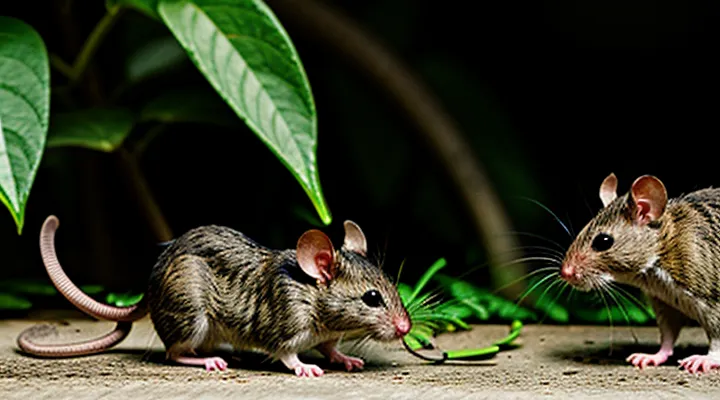
Introduction
General Overview of Rodents
Rodents belong to the order Rodentia, the most diverse mammalian group, encompassing over 2,300 species distributed across six continents. Members range from tiny pocket mice weighing less than 10 g to large capybaras exceeding 50 kg, occupying habitats from deserts to tropical rainforests.
All rodents share a distinctive dental arrangement: a pair of continuously growing incisors in each jaw, reinforced by enamel on the front surface and dentine on the back. This structure enables persistent gnawing, a behavior essential for feeding, nest construction, and predator avoidance.
Reproductive strategies vary widely but generally feature short gestation periods, large litter sizes, and rapid sexual maturity. Lifespans are typically brief; many species live less than two years in the wild, although some, such as the beaver, may exceed a decade.
Ecological functions include seed dispersal, soil aeration, and serving as prey for numerous predators. Rodents adapt to urban, agricultural, and natural environments, often influencing vegetation dynamics and disease transmission cycles.
- Muridae (e.g., house mice, Norway rats) – the largest family, prominent in human‑associated settings.
- Sciuridae (squirrels, marmots) – primarily arboreal or burrowing, notable for cache behavior.
- Caviidae (capybaras, guinea pigs) – semi‑aquatic and terrestrial grazers.
- Dipodidae (jerboas, birch mice) – adapted to arid zones with elongated hind limbs.
- Castoridae (beavers) – ecosystem engineers that modify waterways.
Mice and rats represent a subset of Muridae that have become central to laboratory research, providing a basis for detailed comparisons of biological and behavioral traits within the broader rodent clade.
Importance of Distinguishing Between Mice and Rats
Accurate identification of mice and rats is essential for reliable scientific outcomes. Experimental protocols that rely on rodent models depend on species‑specific physiology; using the wrong animal can invalidate data on metabolism, neurobiology, or immunology. Regulatory agencies require precise species documentation, and misclassification may breach compliance standards.
Effective pest management also hinges on species distinction. Rats exhibit larger home ranges, higher burrowing capacity, and different food preferences than mice. Control measures—trap size, bait composition, and placement density—must align with these behavioral patterns to achieve cost‑effective eradication.
Public‑health assessments benefit from clear separation of the two rodents. Rats are more likely carriers of pathogens such as Leptospira and hantavirus, while mice commonly transmit different strains of Salmonella. Surveillance programs that differentiate species improve risk estimation and guide targeted interventions.
Key reasons to differentiate mice from rats:
- Species‑specific drug metabolism influencing dosage calculations.
- Genetic background variations affecting reproducibility of transgenic studies.
- Divergent reproductive rates altering population dynamics in ecological surveys.
- Distinct social structures that shape stress responses and behavioral testing outcomes.
Biological Differences
Size and Appearance
Body Size and Weight
Mice are considerably smaller than rats, a distinction evident in both length and mass. Adult house mice (Mus musculus) typically measure 6–10 cm from nose to tail tip, with a body weight of 15–30 g. In contrast, common brown rats (Rattus norvegicus) range 20–25 cm in body length, an additional 15–20 cm for the tail, and weigh 250–500 g. These measurements reflect species‑specific growth patterns and ecological niches.
Key dimensional parameters:
- Total length (head‑to‑tail): mouse ≈ 6–10 cm; rat ≈ 35–45 cm.
- Body mass: mouse ≈ 15–30 g; rat ≈ 250–500 g.
- Tail proportion: mouse tail ≈ 75 % of total length; rat tail ≈ 45 % of total length.
- Growth rate: mice reach adult size within 6–8 weeks; rats require 10–12 weeks.
The larger size of rats confers greater muscle mass, enabling stronger bite forces and higher endurance during foraging. Mice’s compact form facilitates access to narrow crevices and reduces energy requirements, supporting rapid reproduction cycles.
Tail Length and Proportions
Mice possess relatively short tails, typically ranging from 7 to 10 cm in adult specimens, which represent about 70–80 % of their head‑body length. The tail is slender, covered with sparse hair, and exhibits limited muscular control, serving primarily for balance during rapid, erratic movements.
Rats exhibit substantially longer tails, averaging 15–20 cm in common laboratory strains and extending up to 25 cm in larger species. Tail length constitutes roughly 60–70 % of the animal’s total length. The rat tail is thick, densely furred, and contains a well‑developed musculature that enables precise positioning, aiding in thermoregulation and navigational stability.
Key proportional differences:
- Length relative to body: Mice ≈ 0.7–0.8 × body length; Rats ≈ 0.6–0.7 × body length.
- Diameter: Mouse tail diameter 2–3 mm; Rat tail diameter 4–6 mm.
- Hair coverage: Sparse on mouse tail, dense on rat tail.
- Functional emphasis: Balance in mice; thermoregulation and tactile sensing in rats.
These morphological distinctions influence locomotor strategies: mice rely on agile, high‑frequency sprints with tail assistance for rapid directional changes, whereas rats employ longer, steadier strides, using tail musculature to maintain equilibrium on varied substrates and to dissipate excess heat.
Ear Size and Shape
Mice possess proportionally larger ears relative to head size than rats. The pinna in mice is thin, rounded, and highly mobile, allowing rapid adjustments to sound direction. In contrast, rat ears are broader, flatter, and less flexible, providing a broader surface area for low‑frequency detection.
Key morphological distinctions include:
- Length: mouse ear length averages 7–10 mm; rat ear length averages 12–15 mm.
- Thickness: mouse pinna is approximately 0.5 mm thick; rat pinna reaches 1–1.5 mm.
- Hair coverage: mouse ears are sparsely furred, enhancing vibration transmission; rat ears exhibit denser hair, which dampens high‑frequency sounds.
Behaviorally, these structural differences influence auditory acuity. Mice excel at detecting high‑frequency cues essential for predator avoidance, while rats demonstrate superior sensitivity to lower frequencies, aiding navigation in burrow systems. The ear morphology thus reflects each species’ ecological niche and communication strategies.
Snout Shape
Snout morphology provides a clear visual cue for separating the two rodent groups. Mice possess a narrow, tapered rostrum that ends in a delicate tip. The length of the snout is proportionally short relative to head size, creating a streamlined profile suited for navigating tight burrow passages. Sensory whiskers emerge close to the tip, enhancing tactile perception in confined spaces.
Rats exhibit a broader, more robust snout with a comparatively longer rostrum. The nasal aperture is wider, and the tip is blunt rather than pointed. This configuration supports a stronger bite force and facilitates handling larger food items. Whisker placement is spaced farther apart, providing a wider tactile field for surface exploration.
Functional consequences of these shapes include:
- Mice: precise gnawing of small seeds; rapid probing of narrow crevices.
- Rats: ability to manipulate bulky objects; efficient processing of tougher material.
The distinct snout designs reflect divergent ecological niches and feeding strategies, reinforcing their classification as separate species within the rodent order.
Fur Color and Texture
Mice typically display a limited palette of fur colors, ranging from light brown and gray to pure white in laboratory strains. Their pelage is fine, soft, and densely packed, providing effective insulation for the small body size. In contrast, rats exhibit a broader spectrum that includes black, brown, agouti, and spotted patterns, especially in wild populations. Rat fur is coarser, with longer guard hairs interspersed among a softer undercoat, creating a layered texture that enhances durability and offers protection against abrasive environments.
-
Color variability:
- Mice: narrow range, often uniform; laboratory mice may be albino.
- Rats: extensive variation, including mixed patches and dorsal‑ventral contrast.
-
Texture characteristics:
- Mice: short, uniformly soft fibers; high hair density relative to body surface.
- Rats: combination of short, soft underfur and longer, stiffer guard hairs; lower overall hair density but greater structural resilience.
These distinctions affect thermoregulation, camouflage, and social signaling. The finer mouse coat retains heat efficiently for a small organism, while the rat’s mixed fur structure balances heat retention with resistance to wear in more rugged habitats.
Skeletal and Dental Structures
Skull Morphology
Mice and rats exhibit distinct cranial architectures that reflect their divergent ecological niches and feeding strategies. The mouse skull is compact, with a short rostrum and a relatively small braincase. The rat skull is larger, featuring an elongated rostrum, a broader braincase, and more robust zygomatic arches. These variations influence bite force, sensory perception, and burrowing behavior.
Key morphological differences include:
- Rostrum length: mouse ≈ 3 mm; rat ≈ 6–8 mm.
- Cranial capacity: mouse ≈ 0.4 cm³; rat ≈ 2 cm³.
- Dental arcade: mouse molars are narrow and high‑crowned; rat molars are broader with pronounced wear facets.
- Zygomatic arch thickness: mouse ≈ 0.5 mm; rat ≈ 1.2 mm.
- Suture pattern: mouse exhibits tightly interdigitated sutures; rat shows more open, laterally expanding sutures.
The expanded rostrum in rats accommodates larger infraorbital foramen, enabling enhanced whisker innervation and tactile exploration. The larger braincase correlates with higher encephalization, supporting complex social interactions and problem‑solving abilities. Conversely, the mouse’s reduced skull size facilitates rapid maneuverability in narrow tunnels and supports a diet of smaller seeds and insects.
Skull morphology therefore serves as a reliable anatomical marker for distinguishing these rodent species and provides insight into their respective behavioral adaptations.
Tooth Characteristics
Mice and rats exhibit distinct dental morphologies that reflect their dietary adaptations and phylogenetic divergence. Both species belong to the order Rodentia and possess continuously growing incisors, yet the size, enamel pattern, and occlusal surface differ markedly.
- Incisor length: rat incisors are typically 5–7 mm longer than those of mice, providing a broader gnawing arc.
- Enamel thickness: rats display a thicker enamel layer on the labial surface, enhancing resistance to wear; mice have a comparatively thinner enamel, suited for softer food items.
- Root structure: rat incisors develop a more pronounced root canal system, facilitating greater mineral deposition; mouse incisors possess a simpler root architecture.
- Dental formula: both species share the same formula (1/1, 0/0, 0/0, 3/3), but rat molars are larger and exhibit deeper cusps, allowing processing of coarser material.
These dental distinctions influence feeding behavior, habitat utilization, and susceptibility to dental pathologies, underscoring the importance of species‑specific considerations in laboratory and pest‑management contexts.
Reproductive Characteristics
Gestation Period
Mice and rats differ markedly in the length of their reproductive cycles. The gestation period for the common house mouse (Mus musculus) averages 19 to 21 days, with slight variation among strains and environmental conditions. In contrast, the Norway rat (Rattus norvegicus) carries embryos for 21 to 23 days before parturition.
Key comparative points:
- Duration: Mice: 19–21 days; Rats: 21–23 days.
- Litter size: Mice typically produce 5–8 pups per litter; rats often deliver 6–12.
- Developmental maturity: Rat neonates are slightly larger and more developed at birth, reflecting the longer intra‑uterine phase.
- Reproductive frequency: Shorter gestation in mice enables more frequent breeding cycles, influencing population growth rates.
These differences affect laboratory breeding schedules, colony management, and experimental timing, underscoring the importance of species‑specific reproductive data.
Litter Size
Mice typically produce litters of 4–8 offspring, with an average of 6. Rats commonly give birth to 6–12 young, averaging around 9. The disparity reflects species‑specific reproductive strategies: mice invest in smaller, more frequent broods, while rats favor larger, less frequent litters.
Gestation length influences litter size. Mice gestate for approximately 19–21 days; rats for 21–23 days. The slightly longer gestation in rats allows for the development of more embryos, contributing to higher offspring counts per birth.
Environmental conditions modulate litter outcomes. Adequate nutrition, optimal temperature, and low stress increase the likelihood of reaching species‑typical litter maxima. Suboptimal conditions can reduce litter size in both species, though rats often retain a greater buffer against adverse factors.
Key comparative figures:
- Mice: 4–8 pups; average 6; gestation ~20 days.
- Rats: 6–12 pups; average 9; gestation ~22 days.
Sexual Maturity
Mice reach sexual maturity faster than rats, reflecting distinct developmental timelines. Female house mice (Mus musculus) typically become fertile at 5–7 weeks of age, while females of the common rat (Rattus norvegicus) require 8–10 weeks. Male mice attain reproductive capability around 6 weeks, whereas male rats mature at approximately 9–12 weeks.
Key physiological differences include:
- Puberty onset: Mice exhibit a rapid rise in gonadal hormone levels shortly after weaning; rats show a more gradual hormonal increase.
- Estrous cycle length: The mouse estrous cycle lasts 4–5 days, allowing multiple litters within a short period; the rat cycle extends to 4–5 days as well but often includes a longer luteal phase, influencing timing of ovulation.
- Spermatogenesis duration: Completion of spermatogenesis occurs in about 35 days in mice, compared with roughly 48 days in rats, contributing to earlier male fertility in mice.
These disparities affect breeding strategies, colony management, and experimental design. Researchers must adjust weaning schedules, housing conditions, and mating intervals to align with the species‑specific onset of reproductive competence.
Behavioral Differences
Habitat and Nesting
Preferred Environments
Mice typically occupy small, concealed spaces that offer protection from predators and fluctuations in temperature. They favor dry, well‑ventilated structures such as cracks in walls, grain storage areas, and dense vegetation. Nesting material is often soft, including shredded paper, cloth fibers, or plant matter, which they compact into spherical nests near food sources. Ambient temperatures between 20 °C and 25 °C support optimal reproductive rates, while humidity levels below 60 % reduce the risk of fungal growth in their burrows.
Rats prefer larger, more open habitats that accommodate their greater body size and social hierarchy. They are commonly found in sewers, basements, and outdoor debris piles where water access is readily available. Their nests consist of coarser materials—cardboard, wood shavings, and soil—arranged in communal chambers that support group living. Ideal environmental conditions include temperatures ranging from 18 °C to 22 °C and moderate humidity (50 %–70 %), which facilitate thermoregulation and pathogen control.
Key environmental distinctions:
- Space requirement: mice → confined micro‑habitats; rats → spacious communal areas.
- Nest composition: mice → fine, soft fibers; rats → coarse, mixed debris.
- Temperature tolerance: mice → slightly higher optimal range; rats → broader, cooler range.
- Humidity preference: mice → low; rats → moderate.
Understanding these habitat preferences aids in accurate identification, control measures, and welfare considerations for each species.
Nest Construction Materials
Mice and rats construct nests from readily available resources, yet the composition of those nests reflects distinct ecological strategies. Small, fast‑breeding mice favor lightweight, easily assembled materials that can be gathered quickly in confined spaces. Rats, larger and more exploratory, select sturdier components that provide long‑term structural stability.
Typical mouse nest materials include:
- Fine shredded paper or tissue
- Loose plant fibers such as grass or cotton
- Small pieces of soft insulation or upholstery fabric
- Hair or fur collected from conspecifics
Typical rat nest materials include:
- Coarse twine, rope, or burlap strips
- Thick cardboard or pressed wood fibers
- Durable fabric scraps, including denim or canvas
- Larger quantities of dried vegetation or straw
The contrast in material choice aligns with each species’ body size, predation risk, and reproductive cycle. Mice prioritize rapid assembly and concealment, while rats invest in robust, reusable structures that support larger litters and longer occupancy periods.
Diet and Feeding Habits
Food Preferences
Mice and rats exhibit distinct dietary preferences that reflect their differing metabolic requirements and sensory capacities.
Mice favor high‑carbohydrate foods such as grains, seeds, and processed cereals. Their small stomach capacity encourages frequent ingestion of low‑fat, energy‑dense items. Sweetness is a strong attractant; laboratory studies show mice rapidly develop a preference for sucrose solutions at concentrations as low as 2 %. Protein intake is modest, with a bias toward plant‑derived sources like soymeal.
Rats demonstrate a broader palate. They readily consume animal protein, including meat scraps and insects, and show a marked preference for fatty foods. Laboratory rats will select lard or peanut butter over pure carbohydrate substrates when both are available. Their larger digestive tract accommodates higher fat and protein loads, supporting more robust growth rates. Rats also display a pronounced curiosity for novel textures and odors, leading them to explore a wider array of food types in natural environments.
Key comparative points:
- Carbohydrate emphasis – mice prioritize grains and sugars; rats accept but do not prioritize them.
- Protein source – mice rely mainly on plant proteins; rats readily incorporate animal proteins.
- Fat tolerance – rats consume higher-fat diets without adverse effects; mice limit fat intake.
- Exploratory feeding – rats explore unfamiliar foods more aggressively, driven by enhanced olfactory sensitivity.
These dietary distinctions influence habitat selection, competition dynamics, and experimental design in research settings. Understanding the specific food preferences of each species ensures accurate interpretation of behavioral assays and effective pest‑management strategies.
Foraging Strategies
Mice and rats exhibit distinct foraging strategies that reflect their divergent ecological niches and physiological capacities. Both species rely on tactile and olfactory cues, yet the relative emphasis differs: mice prioritize whisker-mediated texture discrimination while rats depend more heavily on scent detection to locate dispersed food sources.
Mice adopt opportunistic, short‑range foraging. They exploit transient seed deposits and insect larvae near the ground surface, frequently employing rapid, erratic movements to minimize exposure to predators. Their small body size limits intake per foraging bout, prompting frequent returns to the nest for food processing and storage.
Rats pursue a more deliberative approach. They travel longer distances, integrate spatial memory of resource locations, and often cache surplus food in concealed sites. Their larger digestive tract allows prolonged feeding sessions, supporting a broader diet that includes grains, fruits, carrion, and anthropogenic waste.
Key contrasts in foraging behavior:
- Search pattern: mice – chaotic, high‑frequency bursts; rats – systematic, route‑based exploration.
- Diet breadth: mice – narrow, primarily seeds and small invertebrates; rats – wide, encompassing plant matter, animal protein, and refuse.
- Caching: mice – minimal, occasional temporary hoarding; rats – extensive, strategic storage in burrows or crevices.
- Risk assessment: mice – immediate retreat upon predator cues; rats – assess threat level before abandoning a foraging site, often employing alarm vocalizations.
These differences arise from variations in sensory specialization, metabolic demands, and social organization, shaping each species’ adaptive response to food availability and predation pressure.
Social Behavior
Colony Structure
Mice colonies are organized around small, fluid groups that often consist of a dominant male, several females, and their offspring. The hierarchy is relatively shallow; dominance is established through brief aggressive encounters, and subordinate individuals readily disperse when population density rises. Nesting sites are compact, usually located in concealed crevices, and are shared by the entire group for thermoregulation and predator avoidance.
Rats form larger, more stable colonies with a pronounced social hierarchy. A single dominant male typically controls a territory that includes multiple females and their young. Subordinate males may remain within the colony as helpers or be expelled to establish separate groups. Burrow systems are extensive, featuring multiple chambers for nesting, food storage, and waste, allowing simultaneous occupation by several family units.
Key structural differences:
- Group size: mice ≈ 5‑10 individuals; rats ≈ 20‑30 individuals.
- Hierarchical depth: shallow in mice; multi‑tiered in rats.
- Nest complexity: simple, single‑chamber in mice; multi‑chamber, branching burrows in rats.
Aggression Levels
Aggression manifests differently in laboratory mice and rats, reflecting distinct evolutionary pressures and social organization. In mice, aggression is generally limited to brief, low‑intensity encounters that establish a hierarchy within a cage. Male mice display occasional mounting and chasing, but sustained fighting is rare. Hormonal fluctuations, particularly elevated testosterone during puberty, increase the likelihood of aggressive bouts, yet the overall frequency remains modest compared to rats.
Rats exhibit markedly higher aggression levels. Male rats engage in prolonged fights that involve biting, wrestling, and vocalizations. Dominance hierarchies are reinforced through repeated confrontations, and aggressive behavior can persist for extended periods when resources such as food or nesting sites are contested. Elevated plasma corticosterone and testosterone correlate with intensified aggression, and environmental stressors amplify the response.
Key contrasts:
- Frequency: mice ≈ occasional; rats ≈ regular.
- Intensity: mice ≈ low; rats ≈ high, with physical injury risk.
- Social function: mice ≈ hierarchy maintenance; rats ≈ resource defense and dominance assertion.
- Hormonal drivers: both species rely on testosterone, but rats show stronger corticosterone‑mediated aggression.
Communication Methods
Mice and rats rely on several sensory channels to convey information, yet the patterns and purposes of these signals diverge markedly. Chemical cues dominate both species, but rats produce larger, more persistent scent marks and use a richer repertoire of urinary pheromones to establish hierarchy and territory. Mice emit brief, highly concentrated urine spots primarily for short‑range mate attraction and individual recognition.
Auditory communication operates through ultrasonic vocalizations (USVs). Rats generate broadband calls ranging from 20 to 80 kHz, often in sequences that encode social status, stress level, and maternal–infant bonding. Mice emit narrower‑band USVs (30–90 kHz) with simpler temporal structures, primarily during courtship and aggression. The rat’s vocal repertoire includes distinct alarm calls that trigger rapid group escape, whereas mice rely on subtle variations in call duration to signal dominance.
Tactile interactions involve whisker contact, grooming, and direct body pressure. Rats display extensive huddling and synchronized grooming bouts that reinforce group cohesion; their larger size permits forceful tactile signals during dominance contests. Mice, being smaller, employ rapid, brief whisker touches and fleeting grooming exchanges, which serve as immediate feedback during exploratory behavior.
Visual cues are limited in darkness but remain relevant in illuminated environments. Rats use pronounced body posture shifts, tail elevation, and ear positioning to communicate threat or submission. Mice exhibit subtler limb extensions and head tilts, conveying similar messages with lower amplitude.
Key distinctions in communication methods
- Chemical: Rat scent marks are larger and persist longer; mouse marks are concentrated and transient.
- Auditory: Rat USVs are broadband and context‑rich; mouse USVs are narrower and primarily courtship‑oriented.
- Tactile: Rat grooming is prolonged and group‑oriented; mouse grooming is brief and dyadic.
- Visual: Rat postural displays are pronounced; mouse visual signals are modest.
These differences reflect each species’ social organization, habitat use, and evolutionary pressures, shaping how information is transmitted within and between individuals.
Activity Patterns
Nocturnal vs. Diurnal
Mice and rats exhibit distinct patterns of activity that influence their biology and behavior. Both species are generally classified as nocturnal, yet the degree of nocturnality and the presence of diurnal activity differ markedly.
Mice display strict nocturnal behavior. Peak locomotion occurs during the first three hours of darkness, coinciding with heightened foraging and social interaction. Visual sensitivity is tuned to low‑light conditions, and retinal photoreceptors contain a higher proportion of rod cells. Hormonal cycles, such as melatonin secretion, align closely with the dark phase, reinforcing a narrow activity window.
Rats demonstrate a more flexible schedule. While laboratory and wild rats are predominantly active at night, they frequently extend activity into twilight and, under certain environmental pressures, into daylight hours. This partial diurnality is associated with a broader distribution of cone cells in the retina and a less pronounced melatonin rhythm, allowing adaptation to varied habitats and human presence.
Physiological consequences of these patterns include differences in metabolic rate, stress‑hormone fluctuations, and gene expression linked to the circadian clock. Mice experience a sharper rise in corticosterone at night, whereas rats show a more gradual increase that can persist into early daylight.
Practical implications:
- Experimental design must align testing times with each species’ active phase to avoid confounding results.
- Pest‑control strategies targeting nocturnal foraging are more effective for mice; for rats, timing may need to cover both night and early day periods.
- Circadian‑related drug metabolism varies; dosing schedules should reflect the species‑specific activity cycle.
Locomotion and Agility
Mice exhibit rapid, erratic movement patterns driven by a high stride frequency and short limb length. Their small body mass allows acceleration within a few centimeters, facilitating swift escape responses in confined spaces. Muscular fiber composition favors fast‑twitch fibers, supporting brief bursts of speed up to 8 km/h. Climbing proficiency derives from flexible ankle joints and a prehensile tail that provides additional grip on vertical surfaces. Jumping ability is limited to distances comparable to body length, reflecting modest hind‑limb power.
Rats possess longer limbs and a more robust skeletal frame, resulting in a lower stride frequency but greater stride length. Maximum terrestrial speed reaches 13 km/h, achieved through coordinated activation of both fast‑ and slow‑twitch muscle fibers. The tail is less prehensile, yet the hind‑foot morphology delivers superior push‑off force, enabling jumps up to twice body length. Burrowing efficiency is enhanced by strong forelimb musculature and incisors adapted for soil displacement, allowing rapid tunnel construction.
Key locomotor distinctions:
- Stride frequency: mice > rats; stride length: rats > mice.
- Maximum speed: rats exceed mice by roughly 50 %.
- Climbing: mice rely on tail grip; rats depend on limb strength.
- Jumping: rats achieve longer distances; mice limited to body‑length range.
- Burrowing: rats demonstrate greater excavation speed due to stronger forelimbs.
Learning and Problem-Solving
Cognitive Abilities
Mice and rats display distinct cognitive profiles that reflect differences in neural architecture and ecological adaptations. Rats outperform mice in tasks requiring spatial navigation, long‑term memory retention, and flexible problem solving, whereas mice excel in rapid habituation to novel stimuli and display higher impulsivity in operant conditioning paradigms.
- Spatial learning: Rats achieve higher accuracy and faster acquisition in Morris water maze and radial arm maze tests; mice reach comparable performance only after extended training periods.
- Working memory: Rats sustain correct responses over longer delay intervals in delayed alternation tasks; mice show rapid decay of information after brief delays.
- Problem solving: Rats manipulate complex apparatuses, such as puzzle boxes, with fewer errors; mice often rely on trial‑and‑error strategies and display limited insight into multi‑step solutions.
- Social cognition: Rats demonstrate empathy‑like behaviors, including consolation and observational learning; mice exhibit weaker social transmission of food preferences and reduced responsiveness to conspecific distress cues.
- Habituation and impulsivity: Mice habituate to novel environments within minutes, while rats retain heightened exploratory behavior; mice exhibit higher premature responding in fixed‑interval schedules, indicating greater impulsivity.
Neurobiological correlates support these behavioral distinctions. Rats possess larger hippocampal dentate gyrus volumes and denser mossy fiber projections, facilitating robust spatial representations. Mice show elevated prefrontal dopamine turnover, aligning with rapid stimulus habituation and impulsive choices. The combined evidence delineates a clear divergence in cognitive capacities, informing species selection for studies of learning, memory, and social behavior.
Maze Navigation
Mice and rats exhibit distinct strategies when navigating mazes, reflecting variations in sensory processing, memory capacity, and exploratory drive. Mice rely heavily on olfactory cues and display rapid habituation to repeated patterns, enabling swift route learning in simple configurations. Rats demonstrate superior spatial mapping abilities, integrating visual and tactile information to form robust cognitive representations of complex layouts.
Key behavioral distinctions in maze performance include:
- Learning speed: mice achieve criterion performance faster in short, linear mazes; rats require more trials but attain higher accuracy in multi‑branch mazes.
- Error patterns: mice frequently repeat recent turns, indicating a propensity for egocentric navigation; rats exhibit fewer perseverative errors, suggesting reliance on allocentric mapping.
- Exploration intensity: rats explore a larger portion of the maze per trial, while mice concentrate on the immediate goal area.
Neurobiological factors underpin these differences. The hippocampal formation, larger and more densely connected in rats, supports long‑term spatial memory and flexible route planning. In contrast, the olfactory bulb and associated cortical regions are proportionally more developed in mice, favoring scent‑based cue utilization.
Experimental implications are clear: selecting the appropriate rodent model depends on the maze complexity and the sensory modality under investigation. Simple, odor‑guided tasks align with mouse physiology; intricate, visually driven mazes match rat capabilities.
Response to Humans
Tameness and Aggression
Mice and rats display distinct patterns of tameness and aggression, reflecting divergent evolutionary pressures and social structures. In laboratory settings, mice are generally more receptive to handling, showing rapid habituation to human contact. Their smaller size and less robust defensive repertoire facilitate calm behavior when restrained, making them suitable for repeated experimental procedures.
Rats, by contrast, exhibit heightened wariness and stronger defensive responses. Their larger body mass and stronger bite force contribute to a more pronounced aggression when threatened. Even with extensive habituation, rats often retain a cautious stance, reacting sharply to sudden movements or unfamiliar stimuli.
Key comparative points:
- Habituation speed: Mice adapt within a few handling sessions; rats require longer exposure and consistent gentle handling.
- Defensive behaviors: Mice primarily employ freezing and fleeing; rats employ biting, lunging, and upright posturing.
- Social hierarchy influence: Dominant rats may display overt aggression toward subordinates, while mouse hierarchies are less overtly violent.
- Stress indicators: Elevated corticosterone levels are observed sooner in rats during handling, indicating higher stress reactivity.
These differences affect experimental design, animal welfare protocols, and the selection of species for studies involving behavioral conditioning or pharmacological testing. Understanding the nuanced spectrum of tameness and aggression enables researchers to tailor handling techniques, minimize stress, and ensure reliable data collection.
Fear Responses
Mice and rats exhibit distinct patterns of fear reactivity that reflect divergent neurobiological circuitry and ecological pressures. In mice, acute threat triggers rapid activation of the amygdala‑hippocampal axis, leading to a pronounced increase in corticosterone within minutes. Rats display a slower hormonal surge, accompanied by heightened activity in the periaqueductal gray, which modulates defensive locomotion.
Behavioral manifestations of fear differ markedly between the two species. Typical mouse responses include:
- Immediate freezing lasting 2–5 seconds after a conditioned stimulus.
- High‑frequency ultrasonic vocalizations (≈50 kHz) during escape attempts.
- Repetitive grooming when confined to a novel arena.
Rats, by contrast, favor:
- Prolonged immobility interspersed with vigorous escape jumps.
- Low‑frequency ultrasonic calls (≈22 kHz) that signal distress to conspecifics.
- Exploration of shelter zones after a brief period of tonic immobility.
These divergences arise from species‑specific predator avoidance strategies. Mice prioritize concealment, resulting in brief, intense freezing bouts, whereas rats emphasize active evasion, reflected in longer escape sequences and social alarm calls. Experimental protocols that measure latency to freeze, vocalization frequency, and corticosterone levels reliably capture these interspecies differences.
Ecological Impact and Control
Damage to Property
Rodents are frequent agents of property loss; their biological makeup and behavioral patterns determine the extent and nature of the damage they cause.
Mice, weighing less than 30 g and possessing a high reproductive rate, exploit minute openings to enter buildings. Their incisors grow continuously, compelling constant gnawing that targets soft materials. Typical damage includes severed electrical wiring, stripped insulation, compromised stored grains, and chewed cardboard packaging. Their nesting behavior concentrates damage in concealed spaces such as wall cavities and attic insulation.
Rats, with body masses up to 500 g, exhibit greater bite force and a propensity for burrowing. They favor larger entry points, often near water sources, and can undermine structural components. Damage patterns feature collapsed foundations, chewed plumbing, extensive gnawing of metal fixtures, and contamination of stored goods with urine and feces. Their larger size allows them to transport heavier debris, increasing the risk of blockages in drainage systems.
Key distinctions in property impact:
- Size of entryways required: mice ≤ ¼ in., rats ≥ ½ in.
- Material preference: mice favor soft, pliable substances; rats can damage hard metals and concrete.
- Structural threat level: rats cause measurable deformation; mice produce localized wear.
- Contamination severity: rat urine contains higher concentrations of pathogens, leading to greater health hazards.
Understanding these biological and behavioral differences enables targeted prevention measures and more accurate assessment of potential financial loss.
Disease Transmission
Mice and rats serve as distinct reservoirs for a range of pathogens, influencing the epidemiology of zoonotic diseases. Their differing physiologies and social behaviors shape transmission dynamics.
- Pathogen spectrum: Mice frequently harbor hantavirus, Lymphocytic choriomeningitis virus, and certain Salmonella serotypes. Rats more commonly carry Leptospira, Yersinia pestis, and a broader array of rodent-borne viruses such as Seoul hantavirus and rat hepatitis E virus.
- Transmission routes: Mice transmit infections primarily through aerosolized excreta and direct contact during nesting activities. Rats transmit via contaminated water, bite wounds, and aggressive encounters, increasing the likelihood of bloodborne spread.
- Reservoir longevity: Rats exhibit longer lifespans and larger body mass, supporting chronic infection cycles and sustaining pathogen presence in urban environments. Mice’s shorter life cycle leads to rapid turnover, favoring acute outbreaks with high turnover of susceptible hosts.
- Habitat overlap with humans: Rats occupy sewers, basements, and outdoor waste sites, creating persistent exposure pathways. Mice tend to inhabit interior structures such as kitchens and storage areas, resulting in intermittent, food‑related contamination.
Behavioral distinctions further affect disease spread. Rats display hierarchical social structures and territorial aggression, promoting direct transmission through fights. Mice form dense, cooperative colonies, enhancing indirect transmission via shared nesting material. Both species exhibit prolific breeding, yet rat populations can surge more dramatically in response to abundant food waste, amplifying outbreak potential.
Effective control strategies must consider these biological and behavioral differences. Targeted rodent management, habitat modification, and surveillance of species‑specific pathogens reduce the risk of zoonotic disease emergence.
Control Methods
Trapping Strategies
Effective capture of small rodents requires strategies that reflect species‑specific anatomy, foraging habits, and activity cycles. Mice, with a lighter frame and a preference for concealed pathways, respond best to snap traps or glue boards positioned along wall edges and behind objects. Rats, possessing greater strength and a more exploratory nature, demand robust mechanisms such as multi‑catch live traps or heavy‑duty snap devices placed on established runways and near water sources.
Key considerations for selecting and deploying traps include:
- Bait selection – Mice favor high‑carbohydrate items such as peanut butter or grain; rats show a stronger attraction to protein‑rich foods like meat scraps or fish oil.
- Placement height – Mice travel close to the floor, typically within 2–4 inches of ground level; rats operate slightly higher, often 6–12 inches above floor, necessitating adjusted trap elevation.
- Trigger sensitivity – Snap traps for mice require low‑force triggers to accommodate delicate limbs, whereas rat traps must incorporate higher‑force levers to prevent premature release.
- Safety measures – All traps should be positioned away from child access points and non‑target wildlife; live traps must include ventilation and prompt release protocols to minimize stress.
Proper maintenance enhances efficacy: inspect traps daily, replace worn springs, and rotate bait to counter habituation. Combining multiple trap types in a coordinated grid, aligned with known foraging routes, maximizes capture rates while reducing collateral damage.
Pest Management Approaches
Effective pest control for rodents requires strategies that reflect the distinct physiological and behavioral traits of mice and rats. Recognizing these differences improves targeting, reduces non‑target impact, and enhances long‑term suppression.
Mice reproduce rapidly, reaching sexual maturity within six weeks and generating multiple litters each year. Their small size enables access to narrow openings and preference for cluttered interiors. Consequently, management emphasizes exclusion of minute entry points, reduction of dense storage, and frequent monitoring of juvenile populations.
Rats mature more slowly, attain larger body mass, and exhibit stronger foraging intelligence. They favor burrows, sewers, and outdoor habitats, often establishing extensive tunnel networks. Control measures therefore focus on habitat modification, strategic placement of bait stations, and use of robust traps capable of handling larger specimens.
Common approaches, adapted to each species, include:
- Physical barriers – steel wool or copper mesh for mice; heavy‑gauge hardware cloth for rats, installed around foundations and utility penetrations.
- Mechanical traps – snap traps calibrated for size (small‑gauge for mice, larger‑gauge for rats); live‑capture cages where removal is required.
- Chemical baits – anticoagulant rodenticides formulated for specific weight ranges; bait stations positioned away from non‑target fauna and protected by tamper‑resistant designs.
- Environmental sanitation – elimination of spilled grain, proper waste containment, and removal of standing water to reduce attractants.
- Biological agents – use of predatory birds or feral cat programs in outdoor settings, acknowledging that rats may exhibit warier behavior and require sustained exposure.
Integrated pest management (IPM) combines these tactics into a coherent program: assess infestation level, identify species, apply targeted controls, and verify efficacy through regular inspections. Documentation of actions, dosage, and trap counts supports regulatory compliance and informs future interventions.