
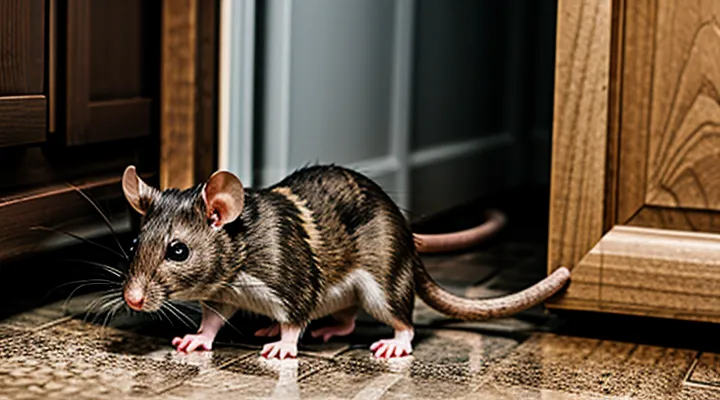
Understanding the Pests
Identifying Rodent Types
«Rats vs. Mice: Key Differences»
«Rats vs. Mice: Key Differences»
Rats and mice differ markedly in size, behavior, reproductive capacity, and the signs they leave in a residence. Understanding these distinctions aids in selecting appropriate control measures.
- Size: Rats typically measure 20–25 cm body length, excluding tail; mice average 7–10 cm. Larger size allows rats to gnaw through thicker materials.
- Lifespan: Rats live 2–3 years; mice survive 1–1.5 years. Longer lifespan increases the likelihood of established colonies.
- Reproduction: A single rat litter contains 6–12 offspring, with up to five litters annually; mice produce 5–8 offspring per litter, up to ten litters per year. High reproductive rates accelerate infestation growth.
- Habitat preference: Rats favor basements, sewers, and outdoor debris; mice prefer interior walls, cabinets, and ceiling voids. Habitat choice dictates inspection focus.
- Activity pattern: Rats are primarily nocturnal but may forage during daylight; mice are strictly nocturnal, rarely seen during the day.
- Health risks: Both transmit pathogens, but rats more frequently carry leptospirosis and hantavirus, while mice are notable vectors for salmonella and hantavirus variants.
- Evidence of presence: Rat signs include large droppings (1–2 cm), gnaw marks on wood and plastic, and greasy footprints; mouse signs consist of small droppings (0.3–0.5 cm), fine gnaw marks on electrical wiring, and faint, powdery footprints. Damage patterns reflect the animal’s size and chewing strength.
Accurate identification of species based on these criteria enables targeted eradication strategies and reduces the risk of property damage and disease transmission.
«Common Species in Residential Areas»
Rodent problems in private dwellings are dominated by a small group of species that have adapted to human environments. Recognizing these species is essential for selecting effective, permanent control measures.
- House mouse («Mus musculus») – small, gray‑brown body, 7–10 cm length; prefers interior walls, cabinets, and stored food; droppings are 3–5 mm, dark and pointed.
- Norway rat («Rattus norvegicus») – robust, brown‑black coat, up to 30 cm body length; occupies basements, crawl spaces, and sewer connections; droppings are 12–20 mm, dark and rounded.
- Roof rat («Rattus rattus») – slender, black‑to‑gray coat, 20 cm body length; exploits attics, roof voids, and eaves; droppings are 5–10 mm, dark and spindle‑shaped.
- Deer mouse («Peromyscus maniculatus») – larger than house mouse, 9–12 cm body length, reddish‑brown back; occasional indoor presence in rural homes; droppings similar to house mouse but with a lighter hue.
Each species exhibits distinct entry preferences, nesting sites, and signs of activity. Effective eradication strategies must address the specific pathways and habitats associated with the identified rodents, ensuring that control actions target the correct biological characteristics and reduce the likelihood of reinfestation.
«Signs of Infestation»
«Droppings and Urine Trails»
«Droppings and Urine Trails» provide the most reliable evidence of rodent activity inside a residence. Fresh droppings appear as small, dark, cylindrical pellets, typically 3‑6 mm in length for mice and 6‑12 mm for rats. Urine leaves faint, often invisible stains that become detectable when illuminated with ultraviolet light.
Health hazards arise from pathogens carried in feces and urine. Bacterial agents such as Salmonella, Leptospira, and Hantavirus can survive for weeks on dried material. Inhalation of aerosolized particles during cleaning may trigger respiratory irritation or allergic reactions.
Effective removal requires a systematic approach:
- Wear disposable gloves and a N‑95 respirator before contact.
- Collect visible droppings with a damp paper towel; avoid dry sweeping to prevent aerosolization.
- Disinfect the area using a solution of 1 part bleach to 10 parts water; allow a minimum of 10 minutes contact time.
- For urine stains, apply an enzymatic cleaner designed to break down organic residues; rinse thoroughly.
- Dispose of all contaminated materials in sealed bags and discard them according to local hazardous waste regulations.
After cleaning, seal entry points identified by the pattern of «Droppings and Urine Trails». Use steel wool, concrete, or hardware cloth to block gaps larger than ¼ inch. Regular inspection of previously affected zones reduces the likelihood of reinfestation.
«Gnaw Marks and Damage»
Gnaw marks indicate active rodent presence. Fresh teeth impressions appear as shallow, V‑shaped cuts on wood, plastic, or wiring. Older marks become deep, irregular holes, often accompanied by shredded material. Identifying these signs early prevents structural compromise and electrical hazards.
Damage assessment should follow a systematic approach:
- Inspect all accessible interior surfaces for bite marks, focusing on baseboards, cabinets, and conduit.
- Examine insulation and wiring for exposed copper or frayed sheathing; rodents gnaw to access electrical current.
- Check pantry items, grain storage, and garbage receptacles for chewed packaging and contamination.
- Document location, size, and severity of each mark to prioritize remediation efforts.
Remediation actions include:
- Seal entry points larger than a quarter‑inch with steel wool, cement, or metal flashing.
- Replace compromised structural components, such as chewed joists or damaged drywall, using rodent‑resistant materials.
- Repair or replace exposed wiring, adhering to electrical codes to eliminate fire risk.
- Clean contaminated areas with disinfectant, discarding any food items showing signs of gnawing.
Prevention relies on eliminating conditions that attract chewing. Store food in sealed containers, maintain a clean environment, and install metal mesh or hardware cloth around vulnerable openings. Regular inspections for new gnaw marks sustain long‑term protection against rodent damage.
«Noises and Odors»
Rats and mice generate characteristic sounds that serve as reliable indicators of infestation. Scratching noises appear at night when rodents gnaw on structural elements or stored materials. Squeaking or chirping, especially in concealed spaces such as walls, attics, or basements, confirms active movement. Persistent rustling behind cabinets or within insulation suggests nesting activity. Monitoring these acoustic signs with listening devices or mobile applications enables early detection and targeted intervention.
Odors provide complementary evidence of rodent presence. A distinct musky scent, often described as ammonia‑like, originates from urine and glandular secretions. Accumulation of urine in hidden corners, behind appliances, or within crawl spaces produces a pervasive smell that intensifies with population growth. Fecal deposits emit a sharp, fecal odor, especially when moist. Decomposing food remnants and gnawed materials contribute to a rancid, fermented aroma. Identifying these olfactory cues guides inspection priorities and informs placement of traps or bait stations.
Effective response combines acoustic and olfactory assessment with systematic elimination measures:
- Conduct thorough visual inspection of suspected areas, focusing on entry points, nesting sites, and food sources.
- Deploy snap traps or electronic devices near identified noise sources; position bait stations adjacent to odor hotspots.
- Apply rodent‑resistant sealing materials to close gaps larger than ¼ inch, preventing further ingress.
- Implement rigorous sanitation: remove food residues, store perishables in sealed containers, and clean contaminated surfaces with enzymatic cleaners to eliminate lingering scents.
- Schedule regular follow‑up inspections to verify cessation of noises and disappearance of odors, confirming successful eradication.
«Nests and Burrows»
Identifying the locations where rodents build their nests and burrows is essential for effective eradication. Nests are typically composed of shredded insulation, fabric, paper, or dried plant material and are found in concealed areas such as wall cavities, attics, behind appliances, and within floor joists. Burrows appear as tunnels in insulation, drywall, or soil that penetrates the building envelope, often entering through gaps around utility penetrations, foundation cracks, or open vents.
Key signs of active nesting sites include:
- Accumulated droppings near food sources or entry points.
- Gnaw marks on wood, plastic, or wiring.
- Presence of shredded material or urine stains.
- Distinctive musky odor, especially in enclosed spaces.
Effective removal follows a systematic approach:
- Seal all exterior openings larger than ¼ inch with steel wool, metal flashing, or concrete caulk.
- Deploy snap traps or electronic traps directly inside identified nest chambers, positioning bait at the deepest point of the tunnel.
- Apply a rodent‑resistant foam sealant to fill small burrow openings after trapping is complete.
- Remove all nesting material using disposable gloves and place it in sealed bags for disposal.
- Disinfect the cleared area with a diluted bleach solution (1 part bleach to 10 parts water) to eliminate pathogens.
Preventive measures focus on eliminating conditions that encourage nest construction. Maintain a clean interior by storing food in airtight containers, regularly disposing of garbage, and reducing clutter that can serve as nesting material. Install door sweeps and mesh screens on vents to block potential entry routes. Conduct quarterly inspections of insulation, crawl spaces, and attic insulation to detect early signs of burrowing activity before populations become established.
«Preventative Measures: Sealing Your Home»
«Exterior Inspection and Sealing»
«Foundation Cracks and Holes»
Foundation integrity directly influences rodent intrusion risk. Cracks and openings in the foundation create unobstructed pathways for rats and mice to access interior spaces. Regular inspection of all perimeter walls, basement floors, and crawl‑space surfaces reveals gaps as small as a quarter‑inch, which are sufficient for determined rodents.
Effective sealing requires a systematic approach:
- Identify every visible fissure, joint, or hole using a flashlight and a probing rod.
- Clean debris, dust, and loose material from each opening to ensure adhesion.
- Apply appropriate filler: hydraulic cement for structural cracks, expanding foam for larger voids, and steel mesh combined with caulk for gaps surrounding utility penetrations.
- Verify seal integrity after curing by conducting a tactile check and, if necessary, re‑apply material to any remaining fissures.
- Implement a protective barrier, such as a perimeter drip‑edge or concrete sealant, to discourage future crack formation caused by moisture migration.
Long‑term prevention depends on maintaining structural health. Manage groundwater levels through proper grading and drainage, repair damaged masonry promptly, and schedule biannual foundation assessments. By eliminating the conduit represented by «Foundation Cracks and Holes», the overall efficacy of a permanent rodent‑removal strategy for a private residence is substantially increased.
«Utility Line Entry Points»
Utility line entry points—gaps where electrical, water, gas, or communication cables penetrate the building envelope—provide direct access routes for rats and mice. These openings often occur around conduit sleeves, service drops, and junction boxes, and may be overlooked during routine inspections.
Identifying vulnerable entry points requires a systematic visual survey. Look for the following indicators:
- Damaged or missing conduit seals around exterior walls.
- Cracks in the masonry surrounding cable boxes.
- Gaps between cable sheathing and the surrounding structure.
- Loose or deteriorated weatherproof covers on utility meters.
- Evidence of gnaw marks or droppings near utility installations.
Once identified, sealing each opening eliminates the pathway. Recommended sealing methods include:
- Inserting appropriately sized steel or copper conduit sleeves, then securing them with stainless‑steel clamps.
- Applying high‑grade silicone or polyurethane sealant to fill residual gaps around sleeves.
- Installing metal flashing or cement‑based mortar around larger penetrations to create a continuous barrier.
- Using rodent‑resistant mesh (½‑inch galvanized hardware cloth) to cover openings that cannot be fully sealed, such as vented service entries.
- Replacing compromised weatherproof covers with reinforced models rated for rodent exclusion.
Maintenance practices reinforce the barrier. Schedule periodic inspections of all utility penetrations, especially after severe weather or renovation work. Replace worn seals promptly, and monitor for fresh gnaw marks. Integrating these steps into the overall rodent‑control strategy reduces the likelihood of re‑infestation and supports long‑term protection of the home.
«Vents and Chimneys»
Vents and chimneys constitute common pathways for rodents seeking shelter and food within a residence. Unsealed gaps around vent covers, flues, and chimney crowns allow rats and mice to infiltrate interior spaces, often unnoticed until damage appears.
Inspection should focus on the following elements:
- Exterior vent grilles: verify that mesh screens are intact, free of tears, and securely fastened.
- Chimney crown and flashing: examine for cracks, missing mortar, or deteriorated sealant.
- Dampers and access doors: ensure they close tightly and that hinges function without wobble.
- Penetrations for exhaust fans, dryer vents, and furnace ducts: confirm that each opening is surrounded by metal or silicone caulk.
Sealing measures must employ materials resistant to gnawing and weather exposure. Recommended solutions include:
- Stainless‑steel mesh (¼‑inch opening) installed over vent openings, secured with self‑drilling screws.
- High‑temperature silicone or expandable polyurethane foam applied to cracks in chimney crowns.
- Metal flashing strips wrapped around pipe sleeves, overlapped and sealed with caulk designed for outdoor use.
- Heavy‑duty steel wool packed into small gaps, followed by a layer of concrete or cementitious sealant.
Maintenance practices reduce re‑entry risk. Schedule biannual checks after seasonal weather changes to confirm that seals remain intact. Clean vent covers to remove debris that could create hiding spots. Replace damaged chimney caps promptly, selecting models with integrated rodent guards.
If infestation persists despite sealing, install snap traps or live‑capture devices directly beneath vent openings and chimney access points. Position bait stations within 12‑inch radius of suspected entry routes, monitoring daily for activity.
By systematically inspecting, reinforcing, and maintaining vents and chimneys, homeowners eliminate primary entry routes, thereby sustaining a rodent‑free environment.
«Doors and Windows»
Securing doors and windows is a critical element in preventing rodent ingress into a private residence. Gaps larger than ¼ inch provide entry points for rats and mice, which can exploit even minimal openings to access interior spaces.
- Install weather‑stripping or silicone sealant around door frames to eliminate cracks.
- Fit metal or heavy‑duty mesh over vent openings and beneath sliding doors.
- Replace damaged screens with tightly woven material; inspect for tears after each cleaning cycle.
- Ensure that door sweeps are properly aligned with the threshold and remain flexible under repeated use.
- Verify that window latches close flush with the frame; retrofit with additional locking mechanisms if necessary.
Regular inspection of door and window assemblies detects wear before rodents exploit weaknesses. Pay particular attention to basements, garages, and utility rooms where doors often remain open for extended periods. Reinforcing these barriers reduces the likelihood of infestation and supports long‑term rodent control strategies.
«Interior Inspection and Sealing»
«Gaps Around Pipes»
«Gaps Around Pipes» constitute one of the most common pathways for rodents to infiltrate a residence. Small openings around plumbing, gas lines, and drainage fixtures allow rats and mice to move from exterior spaces into interior rooms, often without detection.
Typical locations include:
- Wall penetrations where water supply lines enter the building envelope.
- Floor or basement openings surrounding drain pipes and sewer connections.
- Utility chases that contain electrical conduit alongside plumbing.
- Exterior vent stacks and chimney flues that intersect with pipework.
Inspection should be systematic. Use a high‑intensity flashlight to reveal dark crevices, probe suspicious gaps with a thin rod, and employ a mirror to view hidden angles. Document each opening before remediation.
Sealing solutions depend on gap size and material compatibility:
- Steel wool packed tightly into openings larger than ¼ inch, covered with caulking to prevent displacement.
- Copper mesh for gaps around moving pipes, offering durability and resistance to gnawing.
- Expanding polyurethane foam for irregular voids, applied in thin layers to avoid excess pressure on surrounding structures.
- Silicone or acrylic sealant for small cracks and seams, ensuring a watertight finish.
After closure, schedule quarterly checks to verify integrity. Reapply sealant where weathering or structural shifts have created new openings. Maintain clear clearance around pipework to discourage nesting and facilitate future inspections.
«Attic and Basement Access Points»
Rats and mice exploit structural gaps in the attic and basement to enter private residences. Identifying these access points is essential for lasting exclusion.
Typical attic entry routes include:
- Eaves and soffit vents lacking mesh screens
- Gable roof cracks and damaged shingles
- Unsealed roof‑to‑wall junctions
- Chimney flues without caps or with deteriorated mortar
- Attic hatch or pull‑down stairs without weatherstripping
Common basement ingress routes consist of:
- Foundation cracks wider than ¼ inch
- Utility pipe penetrations without proper collars
- Sump pump openings without tight covers
- Crawl‑space vents without insect screens
- Floor joist gaps and unsealed slab edges
Inspection procedure:
- Conduct a daylight test by shining a flashlight through suspected openings; visible light indicates a breach.
- Use a mirror on an extendable pole to view concealed gaps behind insulation or under joists.
- Examine exterior siding, roofing, and foundation for signs of gnaw marks or droppings.
Sealing recommendations:
- Install stainless‑steel mesh (¼‑inch opening) over vents and eaves; fasten with corrosion‑resistant screws.
- Apply high‑grade silicone or polyurethane caulk to cracks and gaps; ensure material remains flexible for seasonal movement.
- Fit metal flashing around chimney bases and roof‑to‑wall intersections; secure with roofing nails and sealant.
- Replace deteriorated utility collars with copper or stainless‑steel sleeves, sealing edges with expanding foam rated for pest control.
- Install heavy‑duty, lockable lids on sump pump and crawl‑space access points; verify that lids sit flush with surrounding concrete.
Regular maintenance includes quarterly visual checks of the identified locations and prompt repair of any new damage. Consistent sealing of attic and basement entry points eliminates the primary pathways rodents use, supporting permanent removal efforts.
«Crawl Spaces»
Crawl spaces provide direct access routes for rodents seeking shelter, food, and water. Their concealed nature often hides entry points, nesting material, and droppings, allowing infestations to develop unnoticed. Thorough examination of these areas is essential for any permanent rodent control strategy in a residential setting.
Key inspection actions include:
- Visual search for gnaw marks on joists, insulation, and structural elements.
- Identification of gaps larger than ¼ inch around utility penetrations, vents, and foundation seams.
- Detection of droppings, urine stains, and shredded material on surfaces and within insulation.
- Use of motion‑activated cameras to monitor activity during nocturnal periods.
Effective sealing techniques rely on durable, rodent‑proof materials. Apply steel‑wool or copper mesh to fill openings, then cover with high‑grade caulk or expanding foam formulated for pest resistance. Replace damaged insulation with non‑fibrous, rodent‑incompatible options such as rigid foam board.
Maintenance practices reduce re‑entry risk. Schedule periodic inspections to verify seal integrity, clear debris that may attract rodents, and maintain proper ventilation to discourage moisture accumulation. Consistent attention to crawl spaces sustains a rodent‑free environment throughout the home.
«Maintaining Your Yard»
«Removing Debris and Clutter»
Removing debris and clutter eliminates shelter and food sources that attract rodents, thereby reducing the likelihood of re‑infestation. Clean, organized spaces deny rats and mice the hiding places they exploit for nesting and movement.
Key actions for effective debris removal:
- Conduct a thorough sweep of all rooms, attics, basements, and storage areas; collect discarded packaging, cardboard, and paper waste.
- Dispose of collected material in sealed, rodent‑proof containers; transport to a secure outdoor trash bin located away from the house.
- Eliminate standing water and damp spots by repairing leaks and using dehumidifiers; moisture encourages rodent activity.
- Organize remaining items on shelves or in closed cabinets; avoid stacking boxes directly on the floor.
- Schedule regular inspections to identify and remove any newly accumulated clutter before it becomes a habitat.
Maintaining a clutter‑free environment complements other control measures, creating a hostile setting that discourages rodents from establishing permanent residence.
«Trimming Vegetation»
Effective rodent control begins with eliminating external habitats that attract rats and mice. Overgrown shrubs, vines, and ground cover provide shelter, nesting sites, and safe travel routes from neighboring fields to the building envelope. Reducing this vegetation creates a hostile environment for rodents and limits their ability to reach entry points.
Key actions for «Trimming Vegetation» include:
- Cutting back shrubs to a minimum height of 12 inches from the ground, ensuring no dense foliage touches the foundation.
- Removing vines that climb walls or trellises, then pruning remaining growth to prevent re‑establishment.
- Maintaining a clear perimeter of at least three feet between trimmed plants and the house, using gravel or mulch to discourage burrowing.
- Regularly mowing lawn edges and clearing leaf litter, which serve as food sources and concealment.
- Disposing of trimmed material away from the property, preferably in sealed containers or through municipal waste services, to avoid providing shelter for displaced rodents.
Consistent implementation of these measures reduces the likelihood of rodent ingress and supports long‑term exclusion strategies within a private residence.
«Securing Outdoor Food Sources»
Securing outdoor food sources eliminates the primary attraction that draws rodents to residential properties. Proper storage and disposal practices reduce the likelihood of rats and mice establishing foraging routes that lead to indoor infestations.
Key actions include:
- Store pet food, birdseed, and garden produce in sealed, rodent‑proof containers made of metal or heavy‑wall plastic.
- Position garbage bins on sturdy platforms, elevate them at least 30 cm above ground level, and fit lids with tight‑closing latches.
- Remove fallen fruit, nuts, and vegetable debris promptly; compost piles should be enclosed with fine mesh and situated away from the house.
- Install motion‑activated lights or ultrasonic deterrents around outdoor dining areas to discourage nocturnal activity.
- Schedule regular waste collection and ensure that dumpsters are cleaned to prevent residual crumbs.
By implementing these measures, outdoor environments become inhospitable to rodents, decreasing the pressure on indoor defenses and supporting long‑term exclusion.
«Elimination Strategies: Active Rodent Removal»
«Trapping Techniques»
«Snap Traps: Placement and Baiting»
Snap traps provide immediate lethality, making them essential for rapid population reduction. Effective deployment relies on precise placement and appropriate bait selection.
- Position traps along established travel routes: walls, baseboards, and behind appliances where rodents seek shelter.
- Install traps perpendicular to the wall, with the trigger mechanism facing the wall, forcing the animal to encounter the bait.
- Deploy multiple traps at intervals of 1–2 feet in high‑activity zones to increase capture probability.
- Avoid placing traps in open areas where non‑target animals might access them.
Baiting must attract rodents while minimizing exposure to children and pets. Use high‑protein or high‑fat substances such as peanut butter, bacon grease, or dried fruit. Apply a pea‑sized amount directly onto the trigger platform to ensure contact. Rotate bait types periodically to prevent habituation. Regularly inspect traps, dispose of captured rodents promptly, and reset with fresh bait to maintain continuous pressure on the infestation.
«Live Traps: Use and Release»
Live traps provide a humane option for eliminating rodents while preserving the possibility of relocation. Selecting an appropriate trap involves choosing a model with a secure door mechanism, a smooth interior surface, and a capacity sufficient for the target species. Steel mesh cages, wooden box traps, and plastic tunnel designs meet these criteria.
Placement of traps follows the rodents’ travel routes. Identify active runways by observing droppings, gnaw marks, and nesting sites. Position traps perpendicular to walls, with the entrance facing the wall, and set them at a distance of 10‑15 cm from the baseboard. Avoid high‑traffic human areas to reduce accidental encounters.
Bait selection influences capture efficiency. Preferred attractants include peanut butter, sunflower seeds, dried fruit, or a small piece of meat. Apply a pea‑sized amount to the trigger plate, ensuring the bait does not obstruct the door’s closure. Replace bait regularly to maintain freshness.
Check traps at least twice daily. Prompt removal of captured rodents minimizes stress and prevents escape. Use thick gloves when handling traps to protect against bites and disease transmission. After capture, transport the animal in a secure container to a release site.
Release guidelines require compliance with local wildlife regulations. Choose a location at least 2 km from the residence, offering shelter, food sources, and water. Prefer natural habitats such as fields, woodlands, or abandoned structures. Release the animal at dusk to reduce predation risk. Disinfect the trap with a mild bleach solution before reuse.
Regular monitoring of trap performance helps refine placement and bait strategies. Document capture dates, locations, and species to identify patterns. Adjust trap density and positioning based on observed activity to maintain effective control while adhering to humane practices.
«Electronic Traps»
Electronic traps present a rapid, humane solution for eradicating rats and mice from residential settings. The devices deliver a high‑voltage shock that kills rodents instantly, eliminating the risk of lingering suffering and preventing secondary infestations caused by surviving pests.
Key characteristics of effective electronic traps include:
- Instant lethality – A single strike delivers sufficient voltage to ensure immediate death.
- Safety mechanisms – Built‑in insulated housings and automatic shut‑off protect children, pets, and non‑target animals.
- Ease of use – Simple bait placement and plug‑in operation require minimal setup.
- Maintenance simplicity – Removable collection chambers allow quick disposal of carcasses without exposure to pathogens.
- Durability – Metal construction resists tampering and withstands repeated use.
Installation guidelines:
- Position traps along established rodent pathways, such as walls, behind appliances, and near entry points.
- Use a small amount of attractive bait (e.g., peanut butter) placed directly on the trigger plate.
- Connect each unit to a grounded outlet; avoid using extension cords that lack proper grounding.
- Check traps daily, remove deceased rodents, and reset the device promptly to maintain continuous coverage.
Safety considerations:
- Verify that the electrical outlet complies with local code requirements; faulty wiring can compromise trap performance.
- Keep traps out of reach of children and domestic animals; lockable covers or elevated placement reduce accidental contact.
- Wear disposable gloves when handling dead rodents to prevent disease transmission.
Advantages over traditional snap or glue traps:
- Immediate kill reduces the chance of disease spread.
- No lingering odor or mess associated with glue surfaces.
- Reusable design lowers long‑term costs compared to disposable alternatives.
Limitations:
- Requires access to electricity; areas without power sources need alternative methods.
- Initial purchase price exceeds that of basic mechanical traps.
Overall, electronic traps constitute a reliable component of a permanent rodent‑control strategy, offering swift extermination, user safety, and repeatable effectiveness when deployed correctly.
«Glue Traps: Ethical Considerations»
«Glue traps» immobilize rodents with adhesive surfaces, preventing escape and leading to death by starvation, dehydration, or injury. The method provides no immediate cessation of suffering, raising serious animal‑welfare concerns.
Ethical considerations include:
- Prolonged distress caused by entrapment and inability to free the animal.
- High likelihood of non‑target capture, affecting birds, reptiles, and beneficial insects.
- Inability to verify species, potentially harming protected wildlife.
- Disposal challenges that may expose household members or pets to trapped animals.
Legal frameworks in several regions classify adhesive devices as inhumane, imposing restrictions or outright bans. Enforcement agencies often require proof of humane intent and documentation of alternative control measures.
Humane alternatives mitigate ethical issues. Mechanical live‑catch traps allow release after relocation, while exclusion techniques seal entry points and eliminate attractants. Integrated pest management emphasizes sanitation, structural repairs, and population monitoring to reduce reliance on lethal devices.
Adopting non‑adhesive strategies aligns pest control with ethical standards, minimizes regulatory risk, and protects non‑target organisms.
«Baits and Rodenticides»
«Types of Baits: Pros and Cons»
Effective rodent control relies on selecting an appropriate bait. Understanding the advantages and disadvantages of each option enables permanent eradication of rats and mice from a private residence.
- «Snap‑type bait» (mechanical traps with poison): rapid kill, low cost; risk of non‑target exposure, requires frequent monitoring and proper disposal of carcasses.
- «Live‑catch bait» (trap‑and‑release devices): humane capture, reusable; limited efficacy for large infestations, potential for released rodents to re‑enter the property.
- «Stationary grain bait» (pelleted anticoagulants): long‑term action, suitable for concealed areas; delayed mortality may allow bait consumption by pets, secondary poisoning hazard, requires strict placement out of reach of children.
- «Liquid bait» (rodenticide solutions): easy application in cracks and crevices, quick distribution among gnawing rodents; high toxicity, potential for spillage, unsuitable for surfaces where food is prepared.
- «Electronic bait stations» (battery‑powered devices delivering a measured dose): precise dosing, tamper‑resistant; higher initial investment, dependent on power source, limited availability in some markets.
Choosing a bait involves balancing speed of elimination, safety for occupants and pets, cost, and the extent of the infestation. Combining multiple bait types, while adhering to local regulations, maximizes the likelihood of permanent rodent removal.
«Safe Placement for Baits»
Choosing locations for rodent baits demands precision to maximize effectiveness while protecting occupants and pets. Bait should be positioned where rodents travel but out of reach of children, domestic animals, and non‑target wildlife. Placement near walls, behind appliances, and within concealed entry points concentrates exposure on the intended pests.
- Install bait stations at least 30 cm from food preparation surfaces and refuse containers.
- Secure stations behind furniture, under sinks, and in crawl‑space openings.
- Avoid placement on open countertops, shelves, or any area accessible to household members.
- Position baits along known gnawing routes, such as along baseboards and near ventilation ducts.
- Ensure stations are anchored to prevent displacement by pets or accidental contact.
Monitoring devices placed in the same zones provide early detection of bait consumption and allow timely replenishment. Regular inspection of each station confirms integrity and verifies that only rodents are interacting with the product. By adhering to these placement principles, the risk of unintended exposure diminishes, while the probability of successful rodent control rises.
«Risk of Secondary Poisoning»
Secondary poisoning occurs when non‑target animals ingest poison that has been consumed by rodents. The danger extends to pets, wildlife, and humans who handle contaminated carcasses or feed.
Key pathways include:
- Predatory birds or mammals eating poisoned rodents.
- Domestic cats and dogs scavenging dead or dying rodents.
- Children or adults handling dead rodents without protective gloves.
- Pets licking surfaces contaminated by rodent excrement containing residual poison.
Consequences range from acute neurological symptoms to organ failure, depending on the toxin and dose absorbed. Some anticoagulant rodenticides persist in the liver of rodents for weeks, increasing the likelihood of transfer through the food chain.
Mitigation measures:
- Choose bait stations that restrict access to rodents only, preventing accidental contact.
- Employ non‑chemical methods such as traps or exclusion to reduce reliance on poisons.
- Use single‑dose anticoagulants rather than multi‑dose formulations to limit residue buildup.
- Remove carcasses promptly, wearing disposable gloves and disposing of waste in sealed containers.
- Monitor pets for signs of poisoning and keep veterinary contact information readily available.
Regulatory agencies often require labeling that warns of secondary poisoning risk. Compliance with these warnings and implementation of the outlined precautions significantly lowers the probability of unintended harm while maintaining effective rodent control.
«Natural Repellents and Deterrents»
«Essential Oils»
Essential oils provide a natural, low‑toxicity option for deterring rodents in residential settings. Their strong aromatic compounds interfere with the olfactory receptors of rats and mice, prompting avoidance of treated areas. Application methods include direct diffusion, cotton‑ball placement, and spray solutions; each method delivers volatile molecules to the environment without leaving residues that attract other pests.
Commonly recommended oils are:
- «peppermint oil» – high menthol content creates a scent that rodents find repellent.
- «eucalyptus oil» – eucalyptol disrupts scent trails and nesting behavior.
- «lavender oil» – linalool produces a calming aroma for occupants while remaining offensive to pests.
- «clove oil» – eugenol acts as a mild irritant to rodent sensory pathways.
Effective use requires proper concentration. A typical spray mixture consists of 10–15 ml essential oil diluted in 1 liter of water with a small amount of emulsifier (e.g., liquid soap) to ensure even distribution. Cotton balls soaked in undiluted oil should be positioned near entry points, hidden crevices, and known travel routes; replace them weekly to maintain potency. For diffusion, set devices to operate continuously in rooms where activity is observed, ensuring ventilation to prevent buildup of strong odors.
Safety considerations include avoiding direct contact with skin and eyes, storing oils out of reach of children and pets, and testing for allergic reactions on a small surface before widespread application. Essential oils complement, rather than replace, structural exclusion measures such as sealing gaps and installing traps; together they form a comprehensive, chemical‑free strategy for long‑term rodent control.
«Ultrasonic Devices»
«Ultrasonic Devices» emit high‑frequency sound waves beyond human hearing, targeting the auditory sensitivity of rodents. The emitted tones cause discomfort, prompting rats and mice to vacate the area.
Effectiveness depends on proper installation. Devices must cover the entire infestation zone; gaps allow rodents to remain undisturbed. Continuous operation is required, as intermittent use reduces the deterrent effect.
Key selection criteria include:
- Frequency range of 20–65 kHz, matching the hearing spectrum of common house rodents.
- Coverage area appropriate for the room size; larger spaces may need multiple units.
- Adjustable intensity, allowing safe use around pets and children.
Placement guidelines:
- Position units at least 12 inches off the floor to avoid obstruction.
- Install near walls, corners, and entry points where rodents travel.
- Avoid direct line of sight blockage by furniture; ensure sound can propagate freely.
Routine maintenance involves cleaning the exterior surface to prevent dust accumulation, which can attenuate the ultrasonic output. Power supply should remain uninterrupted; battery‑backed models guarantee continuity during outages. Safety considerations require verifying that the device does not emit frequencies harmful to domestic animals; many manufacturers provide pet‑safe specifications.
When integrated with sealing cracks, trapping, and sanitation measures, «Ultrasonic Devices» contribute to a comprehensive, permanent rodent‑exclusion strategy for private residences.
«Predators: Cats and Dogs»
Domestic felines and canines can serve as biological deterrents against rodent infestations. Cats possess innate hunting instincts that trigger pursuit and capture of rats and mice. Regular feeding does not suppress predatory drive; however, indoor‑only cats may exhibit reduced effectiveness if they lack exposure to live prey. Selecting a breed known for high prey motivation, such as the European Shorthair or the Maine Coon, increases the likelihood of successful rodent encounters.
Canines contribute to rodent control primarily through scent detection and territorial presence. Certain breeds, including terriers and hounds, have been bred to track and chase small mammals. Dogs equipped with scent‑enhancing collars can locate hidden nests, allowing homeowners to target treatment zones more precisely. Training focuses on cue recognition for “hunt” or “track” commands, reinforcing the animal’s response to rodent activity.
Practical integration of these predators into a permanent rodent‑management plan requires attention to health, safety, and effectiveness:
- Ensure all animals receive up‑to‑date vaccinations and parasite preventatives to avoid disease transmission.
- Provide safe, escape‑proof environments; rodents should not have access to areas where pets could be harmed.
- Combine predator presence with structural exclusion measures—seal entry points, eliminate food sources, and maintain clutter‑free storage.
- Monitor predation outcomes; record sightings and capture rates to assess impact and adjust strategies accordingly.
When employed responsibly, cats and dogs complement mechanical and chemical controls, reducing reliance on toxic substances and contributing to long‑term rodent suppression in residential settings.
«Post-Removal Cleanup and Sanitation»
«Safe Handling of Carcasses»
Effective disposal of rodent remains is a critical component of any permanent eradication program. Mishandling carcasses can re‑introduce pathogens, attract scavengers, and compromise indoor air quality. The following procedures ensure safety and compliance with health regulations.
- Wear disposable gloves made of nitrile or latex. Replace gloves immediately after each carcass is handled.
- Place each dead rodent in a sealable, puncture‑resistant bag. Expel excess air before sealing to minimize volume.
- Label the bag with the date of removal and the location of capture. This practice facilitates documentation and trace‑back if needed.
- Store sealed bags in a dedicated, ventilated container away from food preparation areas. Limit storage time to no more than 48 hours before final disposal.
- Dispose of the container contents according to local waste‑management guidelines. Options typically include municipal hazardous‑waste collection or approved incineration services.
Additional precautions:
- Avoid direct contact with eyes, nose, or mouth while handling bags.
- Disinfect work surfaces with an EPA‑registered rodent‑specific sanitizer after each use.
- Wash hands thoroughly with soap and water for at least 20 seconds after glove removal.
Compliance with these measures reduces the risk of disease transmission, prevents secondary infestations, and supports the overall objective of permanently eliminating rats and mice from a private residence.
«Disinfecting Contaminated Areas»
«Surfaces and Objects»
Rats and mice exploit any accessible surface or object that offers food, shelter, or a travel route. Effective eradication requires systematic treatment of all interior and exterior elements that can support infestation.
Key surfaces and objects to address include:
- Kitchen countertops, cutting boards, and appliance exteriors – remove crumbs, grease, and spills; disinfect with rodent‑safe cleaners.
- Floorboards, tiles, and carpet edges – inspect for gnaw marks; seal joints and gaps with steel‑wool‑filled caulk.
- Shelving units, pantry containers, and stored‑food packaging – store items in airtight metal or glass containers; discard damaged packaging.
- Furniture legs, under‑bed spaces, and couch cushions – vacuum regularly; place traps or bait stations beneath and behind.
- Wall cavities, attic insulation, and basement joists – fill entry holes with hardware cloth; replace compromised insulation.
- Outdoor structures such as decks, sheds, and garbage bins – keep lids sealed; clear vegetation that contacts walls; apply rodent‑repellent spray to surfaces.
Cleaning protocols must eliminate residual odors that attract rodents. Use enzymatic cleaners on all food‑contact surfaces, then rinse with hot water. After cleaning, apply a thin layer of non‑toxic deterrent (e.g., peppermint oil or commercial rodent‑repellent) to discourage re‑entry.
Sealing measures involve:
- Identifying all cracks larger than ¼ inch; filling with steel wool and expanding foam.
- Installing door sweeps and weather stripping to block gaps beneath entryways.
- Replacing worn gaskets on windows and vents with rodent‑proof mesh.
Regular inspection cycles, performed monthly, verify that no new damage appears on treated surfaces. Documentation of findings and actions supports long‑term prevention and ensures that all potential habitats remain inhospitable to rats and mice.
«Ventilation and Air Quality»
Effective «Ventilation and Air Quality» reduces rodent attraction by eliminating damp, stale air that provides shelter and food sources. Proper airflow discourages nesting and limits the growth of mold and insects that support rat and mouse populations.
Key actions to optimize «Ventilation and Air Quality» in a residence:
- Install exhaust fans in kitchens, bathrooms, and laundry areas; operate them continuously or during high‑humidity activities.
- Ensure all vents, ducts, and air intakes are sealed with fine mesh screens to block entry points.
- Use dehumidifiers in basements and crawl spaces to maintain relative humidity below 50 %.
- Replace HVAC filters monthly with high‑efficiency particulate air (HEPA) models to capture droppings and allergens.
- Conduct regular inspections for condensation, water stains, or musty odors; address leaks promptly.
Routine maintenance preserves the benefits of improved «Ventilation and Air Quality». Clean vent grilles and ducts quarterly, verify the integrity of weatherstripping around doors and windows, and monitor indoor humidity with a hygrometer. Consistent application of these measures sustains an environment hostile to rodents, supporting long‑term eradication efforts.
«Preventing Future Infestations»
«Food Storage Best Practices»
Proper food storage is a critical component of any effective rodent control strategy in a private residence. Secure containers prevent rodents from detecting and accessing food sources, thereby reducing attraction and limiting population growth.
Use airtight, heavy‑duty containers made of metal or thick plastic for all dry goods such as grains, cereals, and pet food. Ensure lids close tightly and inspect seals regularly for damage. Store these containers on elevated shelves rather than on the floor, keeping them away from walls and potential entry points.
Maintain a strict cleaning routine. Remove crumbs and spills immediately, wiping surfaces with a disinfectant solution. Dispose of waste in sealed bags and place trash cans with fitted lids at least three feet from the house foundation. Empty outdoor bins frequently to avoid attracting foraging rodents.
Implement a systematic inventory system. Rotate stock by date, using older items first, and discard any product showing signs of infestation, such as droppings, gnaw marks, or unusual odors. Label containers with purchase dates to facilitate this process.
Consider the following best‑practice checklist:
- Store all food in sealed, rodent‑proof containers.
- Elevate storage units away from walls and floors.
- Clean surfaces daily; address spills promptly.
- Use trash cans with tight‑fitting lids; locate them away from the home’s perimeter.
- Rotate inventory regularly; discard compromised items.
- Seal cracks and gaps in walls, floors, and around utility penetrations to block access routes.
Adhering to these practices eliminates primary food sources, making the home environment inhospitable to rats and mice and supporting long‑term eradication efforts.
«Waste Management»
Effective waste management reduces food sources that attract rats and mice, limiting their ability to establish a permanent presence in a residence. Secure containers, regular removal, and proper segregation are essential components.
- Use airtight, lidded bins made of sturdy material; ensure lids close tightly after each use.
- Position waste containers away from building walls and entry points; maintain a clearance of at least 30 centimetres.
- Empty bins frequently, preferably daily for organic waste, to prevent decomposition odors.
- Store compost in enclosed, rodent‑proof units; avoid open piles near the home.
- Seal all food packaging before disposal; discard cracked or damaged containers promptly.
- Keep surrounding areas clean; remove fallen fruit, birdseed, and pet food that may accumulate on the ground.
«Proper waste disposal prevents rodent attraction» reinforces the principle that eliminating accessible food eliminates a primary incentive for infestation. Regular inspection of waste storage areas for damage, gaps, or signs of rodent activity ensures early detection of potential breaches. Implementing these practices creates an environment where rats and mice find insufficient sustenance, supporting long‑term eradication efforts.
«Regular Home Maintenance»
Regular home maintenance forms the foundation of long‑term rodent exclusion. Consistent upkeep eliminates shelters, food sources, and pathways that attract rats and mice, reducing the likelihood of re‑infestation after treatment.
Key maintenance actions include:
- Sealing cracks, gaps, and utility openings with steel wool, caulk, or metal flashing.
- Installing door sweeps and weather‑stripping on exterior doors.
- Storing food in airtight containers and promptly cleaning spills.
- Using covered trash bins and removing waste from the premises regularly.
- Trimming vegetation, removing litter, and keeping debris away from the building’s perimeter.
- Inspecting and repairing roof tiles, soffits, and eaves to prevent entry points.
A systematic inspection schedule supports these measures. Conduct visual checks monthly, focusing on potential entry points, signs of gnawing, and accumulation of droppings. Perform a comprehensive audit each season, documenting repairs and confirming the integrity of barriers.
Integrating regular maintenance with trapping, baiting, and professional monitoring creates a layered defense. When structural vulnerabilities are addressed proactively, chemical and mechanical controls operate more efficiently, sustaining a rodent‑free environment in a private residence.
«When to Call a Professional»
«Signs of a Severe Infestation»
A severe rodent intrusion is identified by multiple, unmistakable indicators that exceed occasional sightings. Presence of these signs signals an established population that requires immediate, comprehensive eradication measures.
- Large quantities of dark, pellet‑shaped droppings located near food sources, along walls, and in concealed areas such as attics or crawl spaces.
- Gnawed edges on wooden structures, insulation, electrical wiring, and stored goods, often accompanied by fresh chew marks.
- Persistent, audible scurrying or squeaking during nighttime hours, especially within walls, ceilings, or beneath floorboards.
- Noticeable urine stains or a strong musky odor, indicating extensive nesting activity.
- Visible tracks or footprints in dusty corners, along baseboards, or on exposed surfaces.
- Presence of nests constructed from shredded paper, fabric, or insulation material, frequently found in hidden corners or behind appliances.
These manifestations reflect a high breeding rate and widespread foraging, confirming that the infestation has progressed beyond isolated incidents. Immediate implementation of professional removal strategies is essential to prevent structural damage, disease transmission, and further population growth. «Severe rodent activity is indicated by multiple signs», underscoring the urgency of decisive intervention.
«Risks of DIY Removal»
Rats and mice infestations demand thorough, permanent solutions. When homeowners attempt removal without professional assistance, several hazards emerge.
• Exposure to diseases transmitted by rodent urine, droppings, and saliva increases without proper protective equipment.
• Improper placement of traps or poison can result in accidental injury to residents, pets, or children.
• Inadequate sealing of entry points often leads to re‑infestation, extending the problem and escalating costs.
• Use of unapproved chemicals may violate local regulations and cause contamination of food preparation areas.
Improper disposal of captured rodents can spread pathogens to other parts of the house. Failure to follow recommended sanitation protocols after removal heightens the risk of allergic reactions and respiratory issues caused by lingering allergens.
Professional pest‑control services employ trained personnel, certified products, and systematic inspection methods that mitigate these dangers. Reliance on expert guidance ensures compliance with health standards and reduces the likelihood of recurrence.
«DIY methods often overlook health hazards», emphasizing that the perceived savings of self‑service are frequently offset by increased medical and remediation expenses.
«Benefits of Professional Pest Control»
«Expertise and Experience»
Successful eradication of rats and mice from a private residence depends on deep professional knowledge and proven practical skills. The combination of formal training and hands‑on work creates a reliable foundation for permanent control.
«Expertise and Experience» encompass several critical components. Formal expertise includes certifications, understanding of rodent biology, and familiarity with approved control methods. Practical experience adds insight into seasonal activity patterns, typical hiding spots, and homeowner behavior that influences infestation dynamics.
Field experience provides a record of diverse scenarios: multi‑story homes, apartments, and properties with extensive landscaping. Each case refines techniques such as bait selection, placement precision, and exclusion‑door installation. Continuous observation of outcomes feeds back into method adjustments, reducing recurrence rates.
When expertise and experience intersect, outcomes improve through:
- Accurate species identification, preventing misapplication of control products.
- Targeted bait positioning based on known travel routes, minimizing non‑target exposure.
- Construction of durable exclusion points, sealing entryways identified through inspection.
- Ongoing monitoring using traps and visual checks, confirming long‑term success.
Professional practitioners who integrate certified knowledge with extensive field data deliver consistent, permanent solutions for residential rodent problems.
«Specialized Tools and Products»
Specialized tools and products provide the most reliable means of eliminating rodent infestations from residential properties.
Traps designed for permanent control include snap devices constructed from hardened steel, equipped with spring mechanisms that deliver instantaneous force. These units require precise placement along established pathways; positioning at wall junctions and near entry points maximizes effectiveness.
Electronic devices emit ultrasonic frequencies that exceed the hearing range of rodents, causing discomfort and prompting departure. Models featuring adjustable timers allow continuous operation without manual intervention.
Bait stations encapsulate anticoagulant or neurotoxic formulations within tamper‑resistant containers. Products such as «Rodenticide Gel», «Block Bait Block», and «Secure Pellet» combine palatable attractants with regulated dosage to ensure lethal intake after a single exposure.
Chemical barriers consist of rodent‑repellent sprays containing natural essential oils (e.g., peppermint, eucalyptus) and synthetic compounds (e.g., d‑phenothrin). Application along cracks, gaps, and utility conduits creates a hostile environment that discourages re‑entry.
For sealing entry points, expandable foam sealants and steel‑wool inserts fill irregular openings, while weather‑strip kits provide a durable barrier around doors and windows.
Maintenance tools such as inspection mirrors, LED flashlights, and digital moisture meters assist in detecting hidden activity, confirming eradication, and preventing recurrence.
Implementing the above equipment in a coordinated program delivers lasting removal of rats and mice from private homes.
«Long-Term Solutions»
Long‑term control of rats and mice in a private residence requires structural, environmental, and monitoring measures that prevent re‑infestation. Eliminate access points by inspecting walls, foundations, doors, windows, and utility penetrations; install steel‑wool or metal mesh to seal gaps no larger than ¼ inch. Replace cracked roofing, damaged siding, and worn weather‑stripping to block external entry.
Maintain a habitat that discourages rodent habitation: store food in airtight containers, keep countertops and floors free of crumbs, and dispose of waste in sealed bins. Reduce vegetation and debris near the building, trim tree branches away from the roof, and eliminate standing water that offers drinking sources.
Implement an ongoing surveillance program. Place snap traps or electronic devices in high‑traffic zones, check them weekly, and replace as needed. Use motion‑activated cameras to verify activity patterns and adjust placement of deterrents.
Adopt biological deterrents where appropriate. Encourage natural predators such as barn owls by installing nesting boxes, and consider the use of ultrasonic emitters calibrated for rodent frequencies, acknowledging that effectiveness varies with placement and environmental conditions.
Schedule periodic professional inspections at least biannually. Professionals can assess structural integrity, identify hidden nests, and apply targeted rodenticide baits in compliance with safety regulations, ensuring that non‑target species and household members remain protected.
Consistent application of these measures creates an environment where rats and mice cannot thrive, providing lasting protection for the home.