
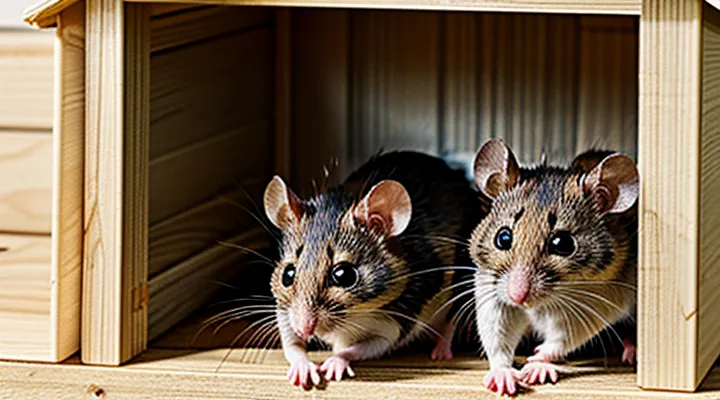
Understanding the Threat: Why Mice are a Problem for Frame Houses
The Allure of Frame Houses for Mice
Entry Points and Vulnerabilities
Mice gain access to timber‑framed dwellings through a range of structural weaknesses. Small openings around plumbing, electrical conduits and HVAC ducts often exceed the ½‑inch clearance that rodents can squeeze through. Cracks in foundation walls, deteriorated brickwork and gaps at the junction of the sill plate and joists provide additional passages. Roof eaves, soffits and vent flues frequently contain unsealed gaps left by weather‑boarding or insulation work. Doorways lacking proper sweeps, window frames with warped casings, and chimney crowns without caps constitute further entry routes.
Key vulnerabilities arise from material behavior and maintenance practices. Wood expansion and contraction create intermittent fissures in framing members, especially where moisture levels fluctuate. Age‑related decay weakens joist connections, allowing insects and rodents to exploit loosened joints. Inadequate sealing of exterior cladding, such as missing or damaged flashing, leaves continuous pathways from the exterior to interior cavities. Poorly installed or neglected insulation can shift, exposing hidden voids that serve as conduits.
Addressing these points requires systematic inspection and remediation:
- Seal all utility penetrations with steel‑wool and expanding foam.
- Install door sweeps and weather‑stripping on external doors.
- Repair foundation cracks using hydraulic cement.
- Fit mesh screens over vent openings and soffit gaps.
- Maintain roof and chimney caps to prevent aerial entry.
- Conduct regular wood‑frame inspections, replacing compromised members promptly.
Eliminating structural openings and reinforcing vulnerable areas reduces the likelihood of rodent colonization in frame houses.
Ideal Living Conditions
Ideal living conditions in timber‑framed dwellings aim to eliminate factors that attract or sustain rodent populations. A dry interior, sealed openings, and controlled food access create an environment where mice cannot thrive.
- Maintain relative humidity below 50 % to prevent moisture‑dependent food sources and nesting material.
- Install metal mesh or steel wool in gaps around pipes, vents, and foundation seams; replace deteriorated timber where insects and rodents can infiltrate.
- Store all edible items in airtight containers; avoid leaving pet food or waste exposed.
- Ensure proper ventilation to discourage condensation and mold growth, both of which can provide shelter for pests.
- Keep clutter and debris away from interior walls and attics; remove cardboard, fabric scraps, and unused insulation.
Implementation requires regular inspection of the building envelope, prompt repair of water leaks, and systematic housekeeping. Monitoring devices such as snap traps or electronic sensors can verify the effectiveness of preventive measures, allowing timely adjustments before infestations develop.
Risks Associated with Mouse Infestations
Structural Damage
Mice infiltrate timber‑framed dwellings and compromise structural integrity through persistent gnawing, nesting, and contamination. Their incisors readily damage wooden joists, studs, and rafters, creating points of weakness that may precipitate sagging or failure under load.
Typical manifestations include:
- Parallel gnaw marks on beams and floor joists;
- Accumulated droppings and urine stains near concealed cavities;
- Displaced or shredded insulation within wall cavities;
- Audible creaking or vibration indicating compromised support.
Effective mitigation begins with exclusion. Seal all exterior gaps larger than ¼ inch, install metal flashing around vent openings, and maintain a clear perimeter free of vegetation and debris that shelters rodents. Deploy snap traps or electronic devices in identified activity zones, and consider predator‑friendly landscaping to deter populations.
When damage is identified, remedial actions must restore load‑bearing capacity. Replace compromised timber with pressure‑treated or steel‑reinforced members, apply rodent‑resistant coatings, and reinstall insulation using materials resistant to chewing. Conduct a post‑repair inspection to verify the absence of new entry points and confirm the stability of repaired elements.
Health Hazards
Mice inhabiting timber‑frame dwellings create direct threats to occupant health. Their urine and feces contaminate surfaces, food supplies, and air, fostering bacterial growth and viral transmission. Common pathogens include Salmonella, Leptospira and hantavirus, each capable of causing severe gastrointestinal or respiratory illness. Dust generated by rodent activity carries allergens that trigger asthma attacks and chronic sinus inflammation, particularly in children and the elderly. Structural damage caused by gnawing can expose insulation to moisture, encouraging mold proliferation and associated mycotoxin exposure.
Key health risks:
- Foodborne infection from contaminated pantry items.
- Airborne disease agents originating in droppings and urine.
- Allergic sensitization due to rodent dander and dust.
- Secondary mold development linked to compromised building envelope.
Effective prevention requires eliminating access and reducing attractants. Seal cracks, gaps around utility penetrations, and roof eaves with steel wool or cement‑based caulk. Store dry goods in airtight containers and maintain rigorous waste management. Regular inspection of attic and crawl‑space insulation identifies gnaw marks and nesting material before populations expand.
Remedial actions include:
- Snap or electronic traps positioned along walls and near suspected runways.
- Enclosed bait stations containing anticoagulant or non‑anticoagulant rodenticides, placed out of reach of non‑target species.
- Professional pest‑management services employing integrated approaches, such as habitat modification, population monitoring, and targeted chemical application.
- Post‑treatment sanitation: thorough cleaning of contaminated areas with disinfectant solutions, followed by safe disposal of droppings and nesting material.
Implementing these measures curtails disease transmission, minimizes allergen load, and protects structural integrity, thereby safeguarding resident health in frame‑constructed homes.
Fire Risks
Rodent activity in timber‑framed dwellings creates direct fire hazards. Mice gnaw electrical cables, exposing live conductors that can spark under load. Their nests incorporate shredded insulation, paper and debris, providing combustible material close to heat sources. When rodents infiltrate heating ducts or chimney flues, they obstruct airflow and increase temperature buildup, raising the likelihood of ignition.
Key fire‑related risks include:
- Damaged wiring caused by gnawing
- Compromised insulation with nesting material
- Blocked ventilation pathways in heating systems
- Accumulated dry debris near electrical panels
Mitigation begins with systematic inspection. Seal all exterior gaps larger than ¼ inch to prevent entry. Install rodent‑proof conduit and conduit sleeves for electrical runs. Replace any chewed wiring with fire‑rated cable. Apply fire‑resistant insulation in areas prone to nesting. Maintain clear vegetation and debris zones around the building to reduce shelter opportunities.
When infestation is confirmed, engage licensed pest‑control professionals to remove rodents and sanitize affected zones. Replace compromised wiring and insulation with certified fire‑rated components. Fit heat‑sensitive detectors in high‑risk locations, such as attic spaces and near heating equipment, to provide early warning of temperature anomalies. Regularly audit the integrity of barriers and monitoring devices to ensure continued protection against fire caused by rodent activity.
Proactive Prevention Strategies
Sealing Entry Points
Exterior Inspection and Sealing
Exterior inspection begins with a systematic walkaround to locate potential mouse ingress points. Inspect the foundation, siding, eaves, and roof overhangs for gaps larger than ¼ inch. Pay special attention to areas where utilities penetrate the envelope, such as water pipes, electrical conduits, and vent shafts. Document each opening, noting its dimensions and surrounding material condition.
Key actions for sealing include:
- Insert steel wool or copper mesh into small cracks before applying sealant; rodents cannot gnaw through these metals.
- Apply a high‑quality, UV‑resistant silicone or polyurethane caulk to fill gaps around pipe sleeves, vent flues, and window frames.
- Install metal flashing or rigid sheet metal over larger openings in soffits and fascia, securing with corrosion‑resistant screws.
- Replace deteriorated siding or weatherstripping with pressure‑treated lumber or composite panels that resist moisture and chewing.
- Seal foundation cracks with epoxy injection kits designed for structural repair; allow full cure before backfilling.
Materials must meet two criteria: durability against rodent gnawing and compatibility with the house’s climatic exposure. Stainless steel mesh, copper gauze, and hardened polymer sealants satisfy both requirements. Regularly inspect sealed areas after seasonal temperature shifts, as expansion and contraction can reopen pathways.
A maintenance schedule that includes quarterly visual checks, after‑storm assessments, and annual resealing of high‑risk zones sustains the barrier’s effectiveness and reduces the likelihood of interior infestation.
Interior Cracks and Gaps
Interior cracks and gaps constitute primary pathways for rodent ingress in timber‑framed residences. Small openings around window frames, door jambs, and utility penetrations often remain unnoticed during routine inspections, yet they provide sufficient clearance for mice to enter living spaces.
Identifying vulnerable points requires visual examination of wall sheathing, plaster joints, and baseboard seams. Indicators of active intrusion include gnawed wood, droppings near seams, and fresh gnaw marks on structural members. Early detection limits population growth and reduces damage to insulation and wiring.
Effective sealing strategies involve:
- Cleaning each opening to remove debris and nesting material.
- Applying a durable, non‑toxic sealant such as silicone‑based caulk for gaps up to ¼ inch.
- Installing steel wool or copper mesh within larger voids before applying expanding foam.
- Reinforcing repaired areas with trim or molding to restore structural integrity and aesthetic continuity.
Materials selected for closure must resist chewing; metal mesh and hard‑cured foam outperform soft fillers. Regular maintenance schedules should include re‑inspection of sealed areas after seasonal temperature fluctuations, as expansion and contraction can reopen seams.
Integrating these measures into a comprehensive rodent‑prevention program enhances the overall resilience of frame houses, reducing the likelihood of infestation and associated health risks.
Maintaining a Clean Environment
Food Storage Best Practices
Proper food storage directly reduces the likelihood of rodent activity in timber‑framed residences. Seal all containers with tight‑fitting lids; avoid open jars, bags, or boxes that allow scent diffusion. Store bulk items in metal or heavy‑wall plastic containers, not in cardboard boxes that mice can chew through.
Maintain a clean pantry environment. Remove crumbs and spills immediately, wipe shelves regularly, and keep the storage area free of clutter that could provide hiding places. Rotate stock based on the “first‑in, first‑out” principle to prevent stale or spoiled food from emitting odors that attract pests.
Recommended practices:
- Use airtight, rodent‑proof containers for grains, cereals, pet food, and dried goods.
- Position storage units away from walls and baseboards, creating a clear perimeter for inspection.
- Install metal shelving or reinforce existing wood with metal brackets to prevent gnawing.
- Conduct monthly inspections for signs of damage, droppings, or gnawed packaging.
- Keep the surrounding area tidy; eliminate outdoor food sources and store garbage in sealed bins.
Implementing these measures creates an inhospitable environment for mice, supporting broader rodent‑control strategies in frame houses.
Waste Management
Effective waste management directly reduces food sources that attract rodents in timber‑framed dwellings. Proper handling of refuse eliminates the primary incentive for mice to infiltrate living spaces.
- Store garbage in containers equipped with tight‑closing lids.
- Empty waste receptacles at least once daily during peak activity periods.
- Keep compost piles at a minimum distance of three metres from the house foundation.
- Dispose of spoiled produce promptly; avoid leaving food remnants in open areas.
Position refuse bins on solid, non‑porous surfaces to prevent moisture accumulation. Ensure drainage systems channel water away from storage zones, eliminating damp conditions that encourage rodent nesting. Regularly inspect container seals for wear and replace defective components without delay.
Implement a schedule for cleaning surrounding yards, removing debris, and trimming vegetation that could serve as shelter. Document inspections and corrective actions to maintain consistent standards and facilitate early detection of potential infestations.
Decluttering and Organization
Decluttering eliminates the hidden pathways and shelter that rodents exploit in timber‑framed dwellings. Accumulated items on the floor, in attics, and within wall voids create warm, protected niches where mice can breed and travel unnoticed. Removing these environments directly reduces the likelihood of infestation.
- Remove all food remnants, pet feed, and organic waste from open shelves.
- Store items in sealed, rodent‑proof containers made of metal or thick plastic.
- Dispose of cardboard boxes, paper piles, and fabric scraps that can serve as nesting material.
- Keep storage areas elevated from the floor; avoid placing items directly against walls.
Organizing remaining possessions enhances long‑term prevention. Label containers to facilitate quick identification and periodic checks. Implement a schedule for inspecting closets, basements, and roof spaces, noting any signs of gnawing or droppings. Adopt a “one‑in, one‑out” policy for items entering storage to prevent unnecessary buildup.
Integrating systematic decluttering with structural repairs—such as sealing gaps, installing door sweeps, and maintaining roof integrity—creates a comprehensive barrier against rodent entry. Consistent organization sustains the barrier, ensuring that even after repairs, the environment remains inhospitable to mice.
Natural Deterrents and Repellents
Essential Oils and Plants
Essential oils provide a natural deterrent against rodent activity in timber‑frame dwellings. Peppermint oil, eucalyptus oil, clove oil, citronella oil, and rosemary oil contain volatile compounds that irritate mice’s sensory receptors, prompting avoidance of treated zones. Application methods include soaking cotton pads, placing them in wall cavities, and sealing pads within cracks and openings; the oil’s vapour persists for several days before re‑application is required.
Plants positioned around a house create a complementary barrier. Mint, lavender, rosemary, catnip, and pennyroyal emit aromatic substances that discourage mice from entering structures. Effective deployment involves planting dense borders within a one‑meter radius of the foundation, maintaining regular pruning to ensure vigorous growth, and using potted specimens on windowsills to extend coverage to interior entry points.
Integration with structural safeguards enhances overall efficacy. Seal gaps in siding, repair damaged sheathing, and install metal mesh over ventilation openings before introducing aromatic treatments. Combining physical exclusion with continuous exposure to essential‑oil vapours and repellent plants reduces the likelihood of infestation without reliance on chemical pesticides.
«Regular monitoring of treatment zones» ensures timely replacement of oil‑saturated materials and assessment of plant health. Documenting observed rodent activity alongside maintenance actions supports adaptive management and long‑term protection of frame houses.
Ultrasonic Devices: Effectiveness and Limitations
Ultrasonic devices emit high‑frequency sound waves that are inaudible to humans but intended to irritate rodents. The emitted frequencies typically range from 20 kHz to 65 kHz, targeting the hearing sensitivity of mice. Manufacturers claim that continuous exposure forces pests to vacate the area.
Effectiveness reports are mixed. Controlled laboratory tests demonstrate short‑term avoidance behavior in naïve mice, yet field studies in timber‑framed dwellings show limited long‑term impact. Mice quickly habituate to a constant tone, reducing deterrent value after a few days. Penetration of ultrasonic waves through solid wood, insulation, and plaster is minimal; the sound field is confined to open spaces, leaving concealed nest sites unaffected.
Key considerations for ultrasonic solutions:
-
Advantages
- No chemical residues, preserving indoor air quality.
- Silent operation for occupants, eliminating audible nuisance.
- Simple installation, often requiring only a plug‑in power source.
-
Limitations
Regulatory agencies provide limited guidance on ultrasonic pest control, and independent certification is rare. Consumers should evaluate product specifications, seek peer‑reviewed efficacy data, and consider complementary measures such as sealing entry points and maintaining sanitation. Combining ultrasonic devices with structural exclusion offers the most reliable strategy for reducing mouse activity in timber‑frame structures.
Landscape Management
Trimming Vegetation
Trimming vegetation around timber‑framed dwellings reduces shelter and travel routes that attract rodents. Dense shrubs, low‑lying branches, and overgrown ground cover create continuous cover from the exterior to the roofline, allowing mice to move undetected and access entry points.
Effective vegetation management includes:
- Cutting back shrubs to a minimum height of 30 cm from the ground, preventing mice from climbing onto the foundation.
- Pruning tree branches so they terminate at least 1 m below the eaves, eliminating bridges to the roof.
- Removing dead or decaying plant material that may serve as nesting material.
- Maintaining a clear perimeter of at least 2 m between vegetation and the building envelope, exposing potential entry zones for inspection.
- Conducting seasonal inspections to adjust pruning height and remove new growth that could restore connectivity.
Regular implementation of these practices limits the availability of food, shelter, and pathways, thereby supporting broader rodent‑prevention strategies for frame houses.
Removing Debris
Removing debris from timber‑frame dwellings reduces shelter and food sources that attract rodents. Accumulated leaves, twigs, insulation remnants, and construction waste create pathways for mice to enter walls, crawl spaces, and attics.
Typical debris includes:
- Fallen foliage around the foundation
- Loose shingle fragments on the roof
- Unused lumber and packaging in garages or sheds
- Excess mulch or garden waste near entry points
Effective debris removal follows a systematic approach:
- Inspect the exterior perimeter and clear all vegetation within a two‑meter radius of the foundation.
- Sweep roof eaves and gutters to eliminate loose shingle pieces and nesting material.
- Collect and dispose of discarded lumber, cardboard, and packaging in sealed containers; avoid leaving them near doors or windows.
- Compact or replace mulch with a thin layer that does not provide nesting depth.
- Seal gaps where debris accumulates, using metal flashing or caulk appropriate for wood structures.
Schedule regular checks after seasonal changes or major weather events. Document findings and actions to ensure consistent upkeep. Continuous debris management limits rodent access, supporting broader pest‑prevention strategies in frame houses.
Effective Solutions for Existing Infestations
Trapping Methods
Snap Traps: Pros and Cons
Snap traps represent a widely used mechanical method for reducing mouse populations in timber‑frame dwellings. Their design relies on a spring‑loaded bar that delivers a rapid, lethal force when the baited trigger is activated.
Advantages
- Immediate kill reduces the risk of disease transmission.
- Low purchase cost makes large‑scale deployment financially viable.
- No reliance on electricity or chemicals, eliminating exposure hazards.
- Simple construction allows placement in confined spaces and behind walls.
Disadvantages
- Requires careful positioning to avoid accidental injury to occupants or pets.
- Effectiveness diminishes when mice develop trap aversion, leading to reduced capture rates.
- Disposal of dead rodents demands proper sanitation to prevent secondary contamination.
- Limited reusability; each device must be reset after a catch, increasing labor.
For optimal performance in frame houses, locate «snap traps» along established rodent pathways such as wall voids, baseboard gaps, and near food sources. Use a bait that appeals to local mouse species while minimizing attraction to non‑target animals. Regular inspection and prompt resetting maintain high capture efficiency and support an integrated pest‑management program.
Live Traps: Humane Removal
Live traps provide a humane method for removing mice from timber‑frame residences while preserving structural integrity. These devices capture rodents without lethal injury, allowing release at a safe distance from the property.
Key advantages include:
- Elimination of chemical attractants that can damage wood or finish.
- Immediate observation of capture, preventing unnoticed deaths that could attract pests.
- Reusability, reducing long‑term expense compared to disposable snap traps.
Effective deployment follows a systematic approach:
- Identify high‑activity zones such as kitchen corners, pantry shelves, and concealed wall voids.
- Position the trap with bait that appeals to mice but does not attract larger wildlife; common choices are peanut butter or small seed mixes.
- Check traps at least twice daily; release captured mice at least 1 kilometer from the dwelling to discourage return.
- Reset traps promptly after release to maintain continuous pressure on the infestation.
Maintenance considerations:
- Clean traps with mild detergent after each use to remove scent traces that could deter subsequent captures.
- Inspect the trap’s mechanism for wear; replace springs or seals as recommended by the manufacturer.
- Store unused traps in a dry environment to prevent rust, which could impair functionality.
Integrating live traps with complementary measures—such as sealing entry points, managing indoor clutter, and controlling outdoor vegetation—creates a comprehensive strategy that minimizes mouse populations while respecting animal welfare.
Electronic Traps: Modern Approaches
Electronic traps represent a contemporary solution for rodent control in timber‑framed dwellings. Devices employ sensor‑driven mechanisms that detect mouse movement and deliver an instantaneous electric shock, ensuring rapid elimination without chemical agents.
Key operating principles include:
- Ultrasonic detection of motion, triggering a high‑voltage discharge.
- Infrared beams that create a virtual barrier, activating the circuit upon breach.
- Battery or mains power options, allowing flexible installation in varied locations.
Advantages of electronic traps:
- Immediate mortality reduces the risk of disease transmission.
- Absence of poisons eliminates secondary poisoning hazards.
- Reusable components lower long‑term expenditure compared with disposable snap traps.
- Minimal noise and odor maintain residential comfort.
Implementation guidelines:
- Position traps along established mouse pathways: near wall voids, behind appliances, and adjacent to entry points.
- Secure devices to stable surfaces to prevent displacement by animal activity.
- Ensure power sources are protected from moisture; use ground‑fault circuit interrupters where required.
- Conduct regular inspections to verify functionality and replace depleted batteries or faulty units.
Integration with broader pest‑management strategies:
- Combine electronic traps with sealing of structural gaps to limit re‑entry.
- Use monitoring data from trap activations to identify hotspot areas and adjust preventive measures accordingly.
- Coordinate with professional assessments for comprehensive control plans, especially in large or multi‑unit structures.
Baits and Poisons
Safety Considerations for Baits
Effective rodent control in timber‑framed dwellings requires strict adherence to bait safety protocols. Toxic baits must be selected based on target species, toxicity level, and regulatory approval. Products containing anticoagulants, bromethalin, or zinc phosphide demand precise labeling and documented usage instructions.
Placement of bait stations should follow these principles:
- Position stations within 1.5 m of known activity zones, avoiding direct contact with food preparation surfaces.
- Mount stations at 0.3–0.6 m above the floor to limit access by non‑target animals.
- Secure stations with tamper‑resistant locks to prevent accidental opening.
Protection of children and pets is paramount. Use enclosed bait stations that meet UL 2075 standards, and store all unused bait in locked containers made of metal or heavy‑duty plastic. Keep containers in a separate, well‑ventilated area away from living spaces.
Disposal procedures must comply with local hazardous waste regulations. Empty stations should be sealed in double‑layered bags before transport to an authorized disposal facility. Do not discard baits in regular trash or flush them down drains.
Regular inspection schedules ensure continued safety. Inspect each station weekly for damage, depletion, or signs of non‑target exposure. Replace compromised units immediately and record findings in a maintenance log.
Placement Strategies for Poisons
Effective rodent control in timber-framed dwellings depends on precise placement of toxic baits. Positioning must consider mouse travel routes, concealment opportunities, and proximity to food sources. Baits placed directly on established runways interrupt movement and increase the likelihood of ingestion.
Key placement guidelines:
- Install stations at wall junctions where gaps or cracks are evident, as these points serve as primary entryways.
- Locate baits near stored grains, pantry shelves, and kitchen appliances, ensuring they remain out of reach of children and pets.
- Use tamper‑resistant containers in attics and crawl spaces, positioning them behind insulation or within concealed cavities.
- Distribute multiple stations along the perimeter of each room, maintaining a spacing of 3–4 feet to cover overlapping foraging zones.
- Replace or rotate stations weekly to preserve potency and prevent bait shyness.
Monitoring after deployment confirms efficacy. Inspect stations for consumption signs, adjust locations if activity persists, and maintain a record of placement patterns to refine future interventions.
Risks to Pets and Children
Mice inhabiting timber‑frame homes pose direct health hazards to pets and children. Their urine and droppings contain hantavirus, leptospira and salmonella, which can be transmitted through contact or ingestion. Small animals, such as cats and dogs, may ingest trapped rodents or contaminated materials, leading to gastrointestinal blockage, poisoning, or infection. Children, especially those who crawl or play on the floor, are at risk of dermal exposure to allergens that trigger asthma and allergic reactions, as well as accidental ingestion of droppings.
Key risks include:
- Disease transmission through bite wounds, scratches, or contaminated surfaces.
- Physical injury from bites, which may cause swelling, infection, or allergic response.
- Gastrointestinal obstruction caused by swallowing whole mice or fragments of nesting material.
- Psychological stress manifested by heightened anxiety or fear of rodents, affecting behavior and well‑being.
Preventive measures focus on eliminating entry points, maintaining strict sanitation, and using pet‑safe trapping methods. Regular inspection of walls, roof voids and utility penetrations reduces the likelihood of mouse colonisation, thereby protecting vulnerable household members.
Professional Pest Control
When to Call an Exterminator
Professional pest control becomes necessary when evidence shows that a mouse population has moved beyond isolated sightings. Signs that indicate an established presence include:
- Droppings in multiple rooms or along walls
- Gnaw marks on structural timber, wiring, or insulation
- Persistent odors of urine or nesting material
- Damage to stored food or packaging
- Audible activity during daylight hours
If any of these indicators appear, waiting for the problem to self‑resolve increases the risk of structural damage, electrical hazards, and health concerns. Prompt engagement of a licensed exterminator limits the spread of rodents and prevents costly repairs.
Before contacting a service, homeowners should:
- Seal obvious entry points such as cracks, gaps around pipes, and openings around doors.
- Remove food sources by storing perishables in airtight containers and eliminating pet feeding stations at night.
- Set temporary traps to confirm activity and provide the professional with current data.
When the infestation meets the criteria above, call an exterminator without delay. The specialist will conduct a thorough inspection, implement an integrated control plan, and offer follow‑up monitoring to ensure long‑term eradication.
Integrated Pest Management (IPM) Approaches
Integrated Pest Management (IPM) provides a systematic framework for reducing mouse activity in timber‑framed dwellings. The approach combines biological insight, structural assessment, and targeted interventions to achieve durable control while minimizing chemical reliance.
Key elements of an IPM program include:
- Regular monitoring using traps and visual inspections to establish population levels.
- Sanitation measures that eliminate food sources and nesting material.
- Physical exclusion through sealing gaps, repairing vents, and installing door sweeps.
- Mechanical control such as snap traps or electronic devices positioned at identified pathways.
- Selective chemical application reserved for confirmed infestations, employing low‑toxicity baits placed in tamper‑resistant stations.
- Ongoing evaluation of action effectiveness and adjustment of tactics based on recorded outcomes.
Implementation proceeds through defined steps: conduct a comprehensive inspection; identify entry points and harborage sites; set action thresholds based on trap catch rates; execute the integrated control plan; document results in a maintenance log; and review data to refine future measures.
The IPM model yields several advantages: reduced reliance on broad‑spectrum rodenticides, preservation of non‑target species, compliance with environmental regulations, and sustained protection of structural integrity. Continuous application of these practices maintains low mouse pressure and supports long‑term habitability of frame houses.
Post-Extermination Clean-up
Sanitation and Disinfection
Effective sanitation is essential for reducing rodent activity in timber‑frame dwellings. Removing food sources, water, and shelter eliminates the conditions that attract mice and supports broader control measures.
Key sanitation practices include:
- Secure storage of dry goods in sealed containers; glass or heavy‑wall plastic prevents gnawing.
- Prompt removal of spilled grain, pet food, or kitchen waste; sweep floors and wipe surfaces after each use.
- Regular disposal of garbage in tightly fitting bins; keep lids closed and empty bins frequently.
- Elimination of standing water through repair of leaks, proper drainage, and routine cleaning of pet water dishes.
Disinfection complements sanitation by breaking down odors and biological residues that may draw rodents. Recommended steps are:
- Apply an EPA‑registered disinfectant to countertops, floors, and work surfaces after cleaning; follow manufacturer contact time for maximum efficacy.
- Treat areas where droppings or urine have accumulated with a virucidal solution; wear protective equipment to avoid inhalation of aerosols.
- Re‑sanitize equipment such as grain scoops, feeding trays, and storage shelving after each use; rinse with hot water before applying disinfectant.
A systematic schedule reinforces these actions. Conduct a weekly inspection of all food‑handling zones, document cleaning and disinfection activities, and adjust frequency during peak infestation periods. Consistent implementation of these measures creates an environment that deters mice from establishing nests within frame structures.
Odor Removal
Mice activity in timber‑frame dwellings generates persistent smells from urine, feces and decomposing nesting material. These odors indicate contamination, can attract additional pests and affect indoor air quality.
Primary odor sources include:
- Accumulated droppings in concealed wall cavities
- Stagnant urine absorbed by insulation or wooden beams
- Decaying food remnants left in pantry corners or attic storage
Effective odor elimination follows a systematic approach:
- Increase air exchange through window opening, exhaust fans or temporary mechanical ventilation
- Remove all droppings and urine stains with a vacuum equipped with a HEPA filter, followed by thorough washing using a detergent‑free enzymatic cleaner that breaks down organic residues
- Apply a neutral‑pH disinfectant to treated surfaces; allow sufficient dwell time before rinsing
- Deploy activated‑charcoal bags or zeolite granules in affected rooms to adsorb volatile compounds
- Conduct controlled ozone treatment in unoccupied spaces; monitor concentration to avoid material degradation
- Seal cracks, gaps and entry points with steel wool, caulk or expanding foam to prevent re‑infestation and subsequent odor recurrence
Routine maintenance reduces future odor buildup:
- Schedule quarterly inspections of insulation and wall voids for signs of rodent activity
- Perform monthly vacuuming of hidden areas using a brush attachment
- Replace or clean odor‑absorbing materials annually
By integrating ventilation, targeted cleaning agents, adsorption techniques and structural sealing, odor issues associated with rodent presence can be resolved promptly, preserving habitability and structural health.
Preventing Re-infestation
Effective mouse control in timber‑framed homes ends with a robust plan to stop re‑infestation.
- Seal all potential entry points; use steel‑wool, caulk, or metal flashing around gaps in walls, foundations, and roof eaves.
- Store food in airtight containers; keep countertops, floors, and waste areas free of crumbs and spills.
- Maintain a dry environment; repair leaks, install proper ventilation, and use dehumidifiers in damp zones.
- Trim vegetation and remove debris within a two‑meter radius of the building; rodents use overgrown shrubs as travel routes.
Continuous monitoring prevents hidden colonies from re‑establishing. Place snap traps or electronic detectors along known pathways, check them weekly, and replace bait promptly. Record observations in a log to identify patterns and adjust barriers accordingly.
Professional follow‑up enhances long‑term protection. Schedule quarterly inspections by certified pest‑management operators; they can verify the integrity of seals, assess structural vulnerabilities, and apply targeted rodent‑repellent treatments when needed.
«Regular inspections reduce recurrence», notes the National Pest Management Association, emphasizing that vigilance, not chance, determines lasting success.