
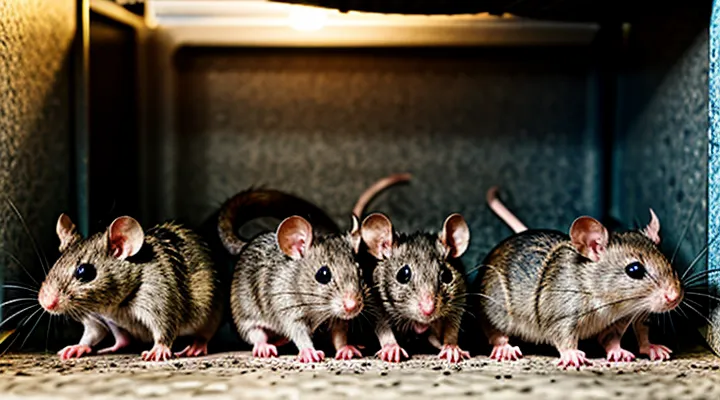
Understanding Rodent Infestations
Identifying Rodent Activity
Signs of Presence
Identifying rodent activity is the first step in any effective pest‑management program. Accurate detection prevents unnecessary traps and allows targeted intervention.
Typical indicators of rat or mouse presence include:
- Fresh droppings, ¼‑inch long, dark‑brown, often found along walls, behind appliances, or in storage areas.
- Gnawed materials such as wood, plastic, wires, and packaging; bite marks are usually clean‑cut and irregular.
- Grease‑laden pathways: oily smears along baseboards, cabinets, or pipes where rodents travel.
- Distinctive odors: a strong, musky scent, especially in enclosed spaces, signals established colonies.
- Nesting debris: shredded paper, fabric, insulation, or dried plant material accumulated in concealed corners.
- Audible activity: scratching or scurrying sounds in ceilings, attics, or walls, typically heard at night.
- Footprints or tail marks: visible on dusty surfaces, powders, or fresh mulch.
Observing any combination of these signs warrants immediate inspection and the deployment of appropriate capture or exclusion methods. Prompt response reduces population growth and limits damage to property and health.
Common Hiding Spots
Rats and mice exploit structural gaps, concealed cavities, and cluttered areas to avoid detection. Identifying these locations is essential for effective population management.
- Wall voids and stud cavities, especially where insulation is disturbed.
- Attics with exposed rafters, insulation piles, or unsecured access panels.
- Basements and crawl spaces where moisture accumulates and openings exist around utility penetrations.
- Behind or beneath appliances such as refrigerators, dishwashers, and stoves, where heat and food residues are present.
- Under sinks, inside cabinet backs, and within pantry shelves that contain stored dry goods.
- Inside ceiling tiles, drop ceilings, and light fixtures that provide easy entry points.
- In stored items, cardboard boxes, and miscellaneous debris that create concealed nests.
- Exterior burrows in soil, mulch, or compost heaps, often near building foundations.
- Dense vegetation, hedges, and shrubs that shelter rodents from predators and weather.
- Under decks, porches, and patios where gaps allow entry to sheltered ground.
- Sewer and drainage systems, particularly where pipe joints are loose or cracked.
Each site offers protection from predators, temperature extremes, and human activity. Regular inspection of these areas, combined with sealing entry points and removing food sources, reduces the likelihood of infestation and supports long‑term control efforts.
Risks Associated with Rodents
Health Hazards
Rodent capture operations present significant health risks that must be addressed before, during, and after intervention. Direct contact with rats and mice exposes workers to pathogens, allergens, and chemical agents commonly employed in control programs.
- Pathogen transmission – species carry leptospira, hantavirus, salmonella, and plague bacteria; infection occurs through bites, scratches, or contact with urine and feces.
- Allergic reactions – shed skin, dander, and urine proteins trigger respiratory sensitization and asthma in susceptible individuals.
- Chemical exposure – rodenticides, disinfectants, and trap lubricants contain anticoagulants, neurotoxins, and volatile compounds; accidental ingestion or dermal absorption can cause acute toxicity.
- Physical injury – snap traps, live‑catch cages, and handling of aggressive rodents result in puncture wounds, contusions, and fractures.
Mitigation requires systematic controls: wear impermeable gloves, goggles, and respirators; implement double‑gloving and hand‑washing protocols; use bait stations that limit direct handling; select low‑toxicity anticoagulants and follow label‑specified dilution ratios; provide training on safe trap placement and animal restraint; conduct regular health monitoring for staff exposed to rodent‑borne agents. These measures reduce occupational illness and ensure that population reduction efforts do not compromise human safety.
Property Damage
Rats and mice inflict substantial property damage that directly undermines structural integrity and increase maintenance costs. Their gnawing habit compromises electrical wiring, leading to short circuits, fire hazards, and costly repairs. Burrowing activity deteriorates insulation, flooring, and foundation elements, creating pathways for moisture intrusion and mold growth. Contamination of stored goods, food supplies, and packaging results in spoilage, loss of inventory, and the need for extensive sanitation procedures.
Key damage categories include:
- Electrical system impairment: chewed cords, exposed conductors, malfunctioning appliances.
- Structural degradation: weakened beams, compromised drywall, perforated insulation.
- Material loss: ruined fabrics, corroded metal components, contaminated food stocks.
- Health‑related impacts: spread of pathogens via droppings, urine, and parasites, prompting additional remediation expenses.
Effective rodent management techniques reduce these losses by decreasing population density and limiting access to vulnerable areas. Trapping programs, exclusion methods, and targeted baiting interrupt breeding cycles and deter entry points, thereby preserving building assets. Regular monitoring and prompt removal of captured individuals sustain low infestation levels, ensuring that damage remains minimal and repair cycles are shortened.
Integrating comprehensive control measures into facility maintenance plans yields measurable economic benefits. Lower incidence of fire incidents, reduced utility downtime, and preservation of inventory translate into tangible cost savings, reinforcing the strategic value of proactive rodent mitigation.
Trapping Techniques
Snap Traps
Types of Snap Traps
Snap traps remain a primary method for reducing rodent numbers in residential, commercial, and agricultural settings. Their effectiveness derives from rapid, lethal action that prevents escape and minimizes suffering. Various designs address differences in target species size, infestation severity, and environmental constraints.
-
Wooden spring snap trap – Traditional construction with a wooden base and metal spring. Simple to assemble, inexpensive, and suitable for light to moderate infestations of mice and small rats. Requires careful placement to avoid premature triggering.
-
Heavy‑duty metal snap trap – Reinforced steel frame and robust coil spring. Handles larger rats and higher activity levels. Durable under harsh conditions, often equipped with a larger kill plate for increased bite force.
-
Plastic snap trap – Molded polymer body with metal spring mechanism. Lightweight, corrosion‑resistant, and ideal for damp environments such as basements or sewers. Provides comparable kill power to wooden models while reducing maintenance.
-
Dual‑trigger snap trap – Combines a pressure plate and a trip wire. Increases capture probability by responding to both forward pressure and lateral movement. Effective in cluttered spaces where rodents may avoid a single trigger type.
-
Self‑resetting snap trap – Mechanical latch that automatically re‑arms after a kill. Allows continuous operation without manual resetting, suited for high‑density infestations. Requires periodic inspection to clear debris and replace bait.
-
Bait‑integrated snap trap – Features a sealed bait compartment that protects attractant from moisture and non‑target exposure. Enhances lure longevity and reduces bait theft, improving overall capture rates.
Selection of a specific snap trap should consider target species size, infestation intensity, placement conditions, and maintenance capacity. Proper positioning—along walls, near entry points, and within active runways—maximizes contact with the trigger mechanism and ensures efficient population reduction.
Baiting Strategies
Effective baiting relies on precise selection, placement, and management of attractants to reduce rodent populations. Commercially available baits fall into two categories: anticoagulant formulations that disrupt blood clotting and non‑anticoagulant agents that cause rapid physiological failure. Anticoagulants are further divided into first‑generation compounds, effective after a single dose, and second‑generation products, which require multiple ingestions to achieve mortality. Non‑anticoagulants, such as bromethalin or cholecalciferol, provide alternatives when resistance to anticoagulants is documented.
Successful deployment follows a systematic protocol:
- Targeted placement – position bait stations along established runways, near wall voids, and adjacent to food sources; maintain a minimum distance of 10 ft between stations to prevent bait competition.
- Secure containment – use tamper‑resistant stations that limit access by non‑target species and children; ensure lids close tightly after each visit.
- Dose control – calibrate bait weight to deliver the recommended active ingredient per rodent, typically 0.005 g for anticoagulants; avoid over‑loading to reduce waste and secondary poisoning risk.
- Rotation schedule – alternate active ingredients every 4–6 weeks to mitigate resistance development; record product type, batch number, and application dates for traceability.
- Monitoring and evaluation – inspect stations daily for consumption, replace depleted units, and document capture rates; adjust density based on observed activity.
Safety considerations demand compliance with local regulations governing hazardous substances. Personal protective equipment must be worn during handling, and disposal of unused bait follows hazardous waste protocols. Integrating baiting with complementary tactics—such as exclusion, sanitation, and habitat modification—enhances overall efficacy and sustains long‑term population suppression.
Placement Considerations
Effective placement of capture devices determines success in rodent management. Devices must be positioned where rodents travel, rest, or feed, ensuring immediate contact with bait or trigger mechanisms.
Key considerations include:
- Proximity to known activity signs such as droppings, gnaw marks, or burrow entrances.
- Alignment with natural pathways: walls, corners, and along walls where rodents prefer to move.
- Accessibility for maintenance: locations that allow safe inspection, bait replacement, and trap clearing without exposing personnel to hazards.
- Environmental factors: avoid extreme temperatures, moisture, or direct sunlight that can degrade bait or trap function.
- Non-target protection: placement away from food preparation areas, pet zones, and child-accessible spaces to prevent accidental capture.
Placement should reflect the species’ behavior patterns. Rats favor larger, concealed routes and may require devices near sewer lines or utility conduits, while mice prefer tight spaces near baseboards and cabinets. Adjust device density according to infestation level; higher densities increase encounter probability in heavily infested zones. Continuous monitoring of capture results guides repositioning, ensuring sustained control efficacy.
Live Traps
Advantages and Disadvantages
Effective rodent capture methods vary in cost, humane impact, and operational requirements. Understanding the trade‑offs helps select an approach that aligns with specific objectives.
-
Live traps
- Advantages: Allows relocation of captured animals; avoids secondary poisoning; reusable, reducing long‑term expense.
- Disadvantages: Requires frequent checking; stress to captured rodents; potential for escape if not sealed properly.
-
Snap traps
- Advantages: Immediate kill; low purchase price; simple deployment.
- Disadvantages: Risk of injury to non‑target species; disposal of carcasses; may provoke public concern over cruelty.
-
Glue boards
- Advantages: Inexpensive; effective for small infestations; easy placement.
- Disadvantages: Causes prolonged suffering; difficult removal; not suitable for areas with pets or children.
-
Electronic traps
- Advantages: Quick lethal action; reusable; minimal odor.
- Disadvantages: Higher upfront cost; requires power source; limited capacity before cleaning.
-
Bait stations with anticoagulant rodenticides
- Advantages: Can reduce large populations; minimal handling required.
- Disadvantages: Secondary poisoning of predators; regulatory restrictions; risk of accidental ingestion by non‑target animals.
-
Environmental management (exclusion, sanitation)
- Advantages: Reduces attractants; prevents entry; long‑term effectiveness without killing rodents.
- Disadvantages: Requires structural modifications; may involve higher labor; does not eliminate existing individuals.
Choosing a technique involves balancing immediate efficacy against ethical considerations, safety, regulatory compliance, and total cost of ownership. Combining methods—such as exclusion with targeted live trapping—often maximizes control while mitigating individual drawbacks.
Humane Relocation Protocols
Effective rodent relocation requires a systematic approach that minimizes stress and ensures the safety of both animals and humans. The protocol begins with accurate identification of target species and assessment of population density. Traps must be pre‑baited with species‑specific attractants and designed for live capture, such as multi‑catch or single‑catch cage traps. Traps are inspected at regular intervals—no longer than two hours after deployment—to prevent prolonged confinement.
Key steps for humane handling include:
- Wearing protective gloves and using gentle restraint techniques to avoid injury.
- Transporting captured rodents in ventilated containers with bedding material to reduce shock.
- Providing temporary water and food during transport if relocation distance exceeds one hour.
- Recording capture data (location, time, species, health condition) for monitoring and regulatory compliance.
Release sites are selected based on ecological suitability: habitats must offer adequate shelter, food sources, and low predator density. Distance from the capture point should exceed the home‑range radius—typically 0.5–1 km for rats and 0.2–0.5 km for mice—to discourage immediate return. Before release, the area is surveyed for hazards such as toxic substances or excessive human activity.
Post‑relocation monitoring involves periodic visual checks and, when feasible, the use of motion‑activated cameras to verify settlement and assess any adverse effects. Data collected informs adjustments to trap placement, bait selection, and release criteria, optimizing future humane relocation efforts while contributing to overall rodent population management.
Glue Traps
Ethical Considerations
Ethical assessment of rodent management requires clear justification for lethal or non‑lethal interventions. Actions must be based on documented evidence of infestation levels that pose health risks, structural damage, or economic loss. Unnecessary capture of healthy populations undermines moral responsibility and may breach animal welfare regulations.
Procedures should incorporate the least harmful methods available. Preference is given to live‑trap systems, exclusion techniques, and habitat modification before resorting to lethal devices. When killing is unavoidable, methods must ensure rapid loss of consciousness and minimal suffering, adhering to accepted humane standards.
Compliance with legal frameworks and institutional policies is mandatory. Documentation of pest assessments, chosen control measures, and post‑intervention monitoring demonstrates accountability and supports transparent decision‑making.
Key ethical principles:
- Necessity: intervention only when clear harm is demonstrated.
- Proportionality: scale of control matches severity of the problem.
- Humaneness: selection of methods that reduce pain and distress.
- Accountability: thorough record‑keeping and adherence to regulations.
Effective Use
Effective rodent capture requires precise application of trapping methods to achieve measurable population reduction. Success depends on aligning device choice, placement strategy, and bait selection with the target species’ behavior.
Trap selection must reflect size, activity pattern, and habitat. Snap traps provide rapid kill for indoor infestations; live‑catch traps allow relocation when humane handling is required. Glue boards serve as monitoring tools but lack control capacity. Choose devices that match the environment and regulatory constraints.
- Position traps along established runways, near walls, and at points of entry.
- Use bait that mirrors natural food sources: grain for rats, peanut butter for mice.
- Deploy traps in the late evening when nocturnal activity peaks.
- Rotate trap locations weekly to prevent trap avoidance.
- Inspect and reset traps at least every 12 hours to maintain effectiveness.
Continuous monitoring validates the approach. Record capture counts, identify hotspot clusters, and adjust trap density accordingly. Data‑driven revisions ensure sustained impact and prevent rebound populations.
Other Control Methods
Baits and Rodenticides
Types of Baits
Effective rodent control relies on selecting baits that match target species, environment, and regulatory constraints. Bait categories differ in active ingredients, mode of action, and safety profile.
-
Anticoagulant baits contain compounds such as warfarin, brodifacoum, bromadiolone, and difenacoum. They disrupt blood clotting, causing fatal internal bleeding after several days of ingestion. First‑generation anticoagulants (e.g., warfarin) require multiple feedings; second‑generation agents (e.g., brodifacoum) are effective after a single dose.
-
Non‑anticoagulant baits employ toxicants that act independently of the clotting cascade. Common agents include zinc phosphide, which releases phosphine gas in the stomach; cholecalciferol (vitamin D₃), which induces hypercalcemia; and sodium fluoroacetate, which interferes with cellular metabolism.
-
Combination baits integrate attractants and secondary agents to improve palatability and reduce bait shyness. Examples are bait blocks that blend grain, soy, or peanut oil with the primary toxicant, enhancing acceptance by both rats and mice.
-
Low‑risk baits are formulated for use in sensitive areas such as food‑handling facilities or residential settings. These products contain reduced concentrations of active ingredients and are often packaged in sealed bait stations to limit accidental exposure.
Choice of bait must consider target species’ feeding habits, resistance patterns, and local legal restrictions. Proper placement, monitoring, and disposal procedures complete the control strategy, ensuring efficacy while minimizing non‑target impact.
Safety Precautions
Effective rodent control operations require strict adherence to safety protocols to protect personnel, non‑target species, and the surrounding environment.
Personnel must wear appropriate personal protective equipment (PPE) at all times. Recommended items include gloves resistant to puncture, safety goggles, disposable coveralls, and respiratory protection when handling dust or aerosols. PPE should be inspected before each use and replaced if compromised.
Traps and capture devices must be inspected for damage before deployment. Bait containers should be sealed to prevent accidental exposure. When setting live‑catch traps, ensure that mechanisms are immobilized until placement to avoid accidental closure. After capture, handle rodents with gloves and place them in sealed containers for transport or euthanasia, following local regulations.
Chemical control agents demand precise handling. Store rodenticides in locked, clearly labeled containers. Apply baits only in designated areas inaccessible to children, pets, and wildlife. Use calibrated dispensers to avoid over‑application. Immediate decontamination procedures must be in place for skin or eye contact, including access to eyewash stations and safety showers.
Disposal of dead rodents and contaminated materials requires sealed biohazard bags, followed by incineration or approved landfill disposal. Clean and disinfect all equipment after each use with EPA‑registered disinfectants.
Training programs must cover proper PPE use, trap setting, chemical handling, emergency response, and regulatory compliance. Refresher courses should be scheduled regularly to maintain competency.
- Conduct a pre‑operation risk assessment for each site.
- Verify that all PPE meets current safety standards.
- Keep an up‑to‑date inventory of safety data sheets (SDS) for all chemicals.
- Maintain a log of incidents, corrective actions, and equipment maintenance.
Adhering to these measures minimizes occupational hazards, prevents accidental poisoning, and ensures that rodent population management is conducted responsibly.
Integrated Pest Management Approach
Integrated Pest Management (IPM) provides a systematic framework for reducing rodent populations while minimizing environmental impact. The approach combines several control measures, each applied according to specific thresholds and site conditions.
Effective IPM implementation begins with thorough monitoring. Traps, tracking powders, and visual inspections generate data on species, activity levels, and infestation hotspots. This information determines whether intervention is warranted and guides the selection of appropriate tactics.
Core components of the rodent IPM program include:
- Exclusion: Seal entry points using steel wool, concrete, or metal flashing; install door sweeps and window screens.
- Sanitation: Remove food residues, store waste in sealed containers, and maintain vegetation at a distance from structures.
- Mechanical control: Deploy snap traps, electronic devices, or live‑catch traps in identified activity zones; rotate trap types to prevent bait aversion.
- Biological control: Encourage natural predators such as barn owls or feral cats where feasible; apply rodent‑specific pathogens only under regulatory approval.
- Chemical control: Apply rodenticides as a last resort, targeting only verified problem areas; use low‑toxicity formulations and follow label instructions to protect non‑target species.
After each intervention, the program requires evaluation. Compare post‑treatment monitoring data with pre‑treatment baselines to assess reduction efficacy. Adjust thresholds, revise exclusion measures, or modify baiting schedules based on observed outcomes.
Continuous documentation ensures accountability and facilitates long‑term success. Records of inspections, trap placements, bait types, and population trends support decision‑making and compliance with health and safety regulations.
Exclusion Methods
Sealing Entry Points
Sealing entry points prevents rodents from accessing indoor spaces, thereby reducing the need for reactive control measures. Typical gaps range from ¼‑inch cracks around foundations to larger openings around utility penetrations. Effective exclusion requires systematic identification and durable closure of all potential ingress routes.
- Conduct a thorough inspection of exterior walls, foundations, roof eaves, and utility entries.
- Prioritize openings near food storage, waste areas, and shelter sites.
- Apply appropriate materials: steel wool combined with caulk for small cracks, hardware cloth or metal flashing for larger gaps, expanding foam for irregular voids, and cement or mortar for foundation fissures.
- Ensure closures are weather‑resistant and securely fastened to prevent future deterioration.
- Schedule periodic reviews to verify integrity after seasonal changes or construction activity.
Consistent exclusion lowers population pressure, diminishes disease transmission risk, and reduces reliance on traps or poisons, delivering long‑term cost savings and a healthier environment.
Maintaining Property Hygiene
Maintaining a clean environment directly reduces the attractiveness of buildings to rats and mice, thereby supporting any trapping or population‑reduction program.
Key hygiene actions include:
- Prompt removal of food waste; store refuse in sealed containers and dispose of it regularly.
- Daily cleaning of food preparation and storage areas to eliminate crumbs and spills.
- Regular sweeping and vacuuming of floors, especially in corners, under appliances, and behind shelving.
- Immediate repair of leaks; moisture draws rodents and facilitates their nesting.
- Sealing entry points such as gaps around pipes, vents, and door frames with steel wool, caulk, or metal flashing.
- Proper placement and frequent emptying of bait stations and traps to prevent secondary contamination.
A disciplined sanitation routine complements mechanical control methods. Inspections that verify the absence of food residues, standing water, and structural defects allow traps to function with higher efficiency and reduce the need for repeated deployments.
Consistent property hygiene creates conditions where rodent populations cannot establish, making capture efforts more effective and sustainable.
Professional Pest Control Services
When to Call an Expert
Rodent infestations that persist despite basic traps, bait stations, or sanitation measures require professional assessment. When standard methods fail to reduce activity, an experienced pest‑control specialist can identify hidden entry points, assess population density, and implement targeted solutions that comply with health and safety regulations.
Key indicators that an expert should be consulted include:
- Continuous sightings of rats or mice after repeated DIY attempts.
- Evidence of gnaw damage to structural components, wiring, or insulation.
- Presence of droppings, urine stains, or strong odors in multiple rooms.
- Signs of disease vectors, such as fleas or mites, associated with rodent activity.
- Property owners or tenants reporting health concerns or allergic reactions linked to rodents.
Professional intervention offers accurate species identification, strategic placement of traps and baits, and long‑term exclusion plans. Certified technicians also provide documentation required for insurance claims or regulatory compliance, ensuring the problem is resolved efficiently and sustainably.
Services Offered
Professional pest‑management firms provide a comprehensive suite of services designed to reduce rodent activity and prevent future infestations. Initial site assessments identify entry points, harborage areas, and food sources, allowing technicians to develop a targeted control plan. The plan typically includes the following components:
- Placement of mechanical traps (snap, live‑catch, and electronic) calibrated to species behavior and location.
- Strategic deployment of rodenticide stations, selected for efficacy and safety, with strict compliance to regulatory standards.
- Installation of exclusion measures such as steel‑wool, mesh, and sealants to block gaps in walls, foundations, and utility penetrations.
- Ongoing monitoring through weekly inspections, trap checks, and bait consumption reports.
- Sanitation guidance that eliminates attractants by advising on waste management, storage practices, and structural cleanliness.
- Emergency response for acute infestations, delivering rapid deployment of traps and baits to mitigate health risks.
- Integrated pest‑management (IPM) consulting, combining biological, mechanical, and chemical tactics while emphasizing long‑term prevention.
Clients receive detailed documentation after each visit, outlining actions taken, findings, and recommendations for maintenance. Service contracts often include scheduled follow‑ups to verify efficacy and adjust tactics as rodent populations shift. This structured approach ensures consistent reduction of rodent numbers and safeguards facilities against recurrence.