
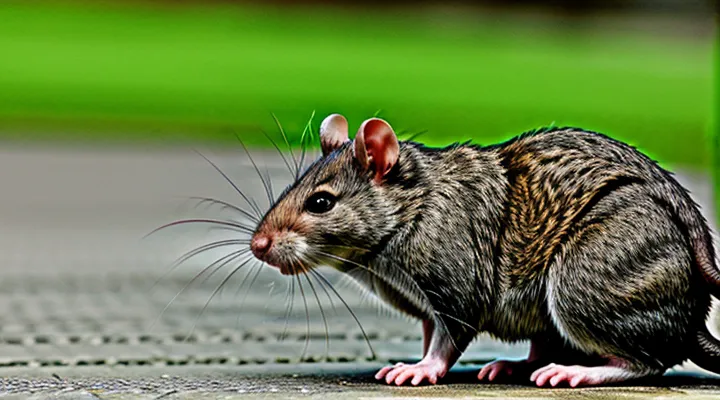
The Respiratory System of Rats: A Brief Overview
Normal Breathing Patterns
Rats maintain a steady respiratory rhythm when at rest, characterized by a frequency of 80–120 breaths per minute, a tidal volume of approximately 0.2 ml per gram of body weight, and a regular inspiratory‑expiratory (I:E) ratio close to 1:1. This baseline, termed eupnea, reflects the balance between metabolic oxygen demand and carbon‑dioxide removal under normoxic conditions.
During mild activity, the respiratory rate rises to 150–200 breaths per minute, tidal volume expands by 30–40 %, and the I:E ratio shifts toward a shorter expiration phase. The increase occurs without abrupt changes in pattern, indicating a smooth transition from resting to active ventilation.
Environmental and physiological factors that modify normal breathing include:
- Ambient temperature: higher temperatures elevate metabolic rate, modestly increasing frequency.
- Ambient oxygen concentration: hypoxia triggers a proportional rise in rate and depth.
- Body temperature: hyperthermia accelerates rhythm; hypothermia depresses it.
- Stress hormones: acute catecholamine release can temporarily boost rate.
Normal breathing remains rhythmic, with each cycle composed of a predictable inspiratory phase followed by an expiratory phase. The absence of irregularities such as apneas, gasps, or erratic frequency distinguishes healthy ventilation from pathological tachypnea. Understanding these baseline parameters provides a reference point for identifying abnormal rapid breathing in rodents.
Factors Influencing Rat Respiration
Rats exhibit rapid breathing when a combination of internal and external conditions elevates the demand for oxygen or disrupts normal respiratory control.
Metabolic intensity drives ventilation directly. Resting adult rats breathe 80–100 breaths per minute; activity, thermogenesis, and growth increase this rate proportionally. Hormonal shifts—particularly elevated thyroid hormones—accelerate basal metabolism, prompting faster airflow.
Ambient variables modulate respiratory effort. Higher ambient temperatures raise body heat, compelling increased ventilation to dissipate excess warmth. Low oxygen tension, elevated carbon‑dioxide levels, and reduced humidity each stimulate chemoreceptor pathways, resulting in quicker breaths. Sudden noises, predator cues, or handling stress trigger sympathetic activation, which also raises respiratory frequency.
Disease states impose additional burdens. Pulmonary infections (e.g., Streptococcus pneumoniae, viral bronchiolitis) reduce gas‑exchange efficiency, forcing the animal to compensate with rapid breaths. Cardiac insufficiency, anemia, and metabolic acidosis similarly elevate ventilatory drive. Exposure to toxic agents—such as carbon monoxide, ammonia, or pesticide residues—impairs airway function and provokes hyperventilation.
Genetic background and experimental conditions introduce variability. Different laboratory strains display distinct baseline respiration rates; selective breeding for traits like high endurance or obesity alters metabolic demands. Anesthetic agents, analgesics, and sedatives depress or stimulate breathing depending on dosage and mechanism of action.
Key determinants of rat respiratory speed include:
- Metabolic rate (activity, growth, hormonal status)
- Environmental temperature and humidity
- Ambient oxygen and carbon‑dioxide concentrations
- Acute stressors (noise, handling, predator cues)
- Respiratory and cardiovascular pathology
- Toxic exposure (gases, chemicals)
- Genetic strain differences
- Pharmacological interventions
Understanding these factors clarifies why a rat may breathe rapidly and guides interpretation of experimental data involving rodent respiration.
Physiological Causes of Rapid Breathing
Stress and Anxiety
Environmental Stressors
Rats exposed to adverse environmental conditions often exhibit increased respiratory rates as a direct physiological response to maintain oxygen delivery and remove excess carbon dioxide. Elevated temperature, low humidity, and high atmospheric pollutants raise metabolic demand, prompting the respiratory centers in the brainstem to accelerate ventilation. Chemical irritants such as ammonia, formaldehyde, or volatile organic compounds stimulate airway receptors, triggering reflex tachypnea to clear irritants from the respiratory tract. Noise and vibration create stress hormones that influence autonomic control of breathing, leading to faster, shallow breaths. Overcrowding and poor ventilation increase carbon dioxide buildup, which the animal compensates for by breathing more rapidly.
Key environmental stressors that induce rapid breathing in rats include:
- High ambient temperature (>30 °C)
- Low relative humidity (<30 %)
- Presence of airborne irritants (ammonia, formaldehyde, VOCs)
- Elevated ambient carbon dioxide levels
- Persistent loud noise or mechanical vibration
- Overcrowded housing with inadequate airflow
Each factor independently or synergistically elevates the animal’s respiratory drive, resulting in the observed tachypnea.
Social Stress
Social stress represents a potent physiological trigger that can elevate respiratory rate in laboratory rats. When animals encounter unfamiliar conspecifics, territorial intrusions, or hierarchical challenges, the hypothalamic‑pituitary‑adrenal (HPA) axis activates, releasing corticosterone and catecholamines. These hormones increase sympathetic drive, causing bronchiolar dilation and heightened ventilation to meet perceived metabolic demands.
The stress response also modulates central respiratory centers. Amygdalar and brainstem circuits receive heightened excitatory input, shifting the set point for carbon‑dioxide detection and prompting faster, shallower breaths. This adjustment preserves oxygen delivery while preparing the organism for a fight‑or‑flight response.
Key physiological pathways linking social tension to rapid breathing include:
- Neuroendocrine activation – elevated corticosterone amplifies chemoreceptor sensitivity.
- Sympathetic outflow – norepinephrine stimulates respiratory muscles, raising tidal frequency.
- Behavioral arousal – increased locomotor activity during confrontations raises metabolic rate, demanding greater airflow.
Experimental observations confirm that rats exposed to repeated social defeat or crowding exhibit sustained tachypnea compared with isolated controls. Pharmacological blockade of adrenergic receptors attenuates the respiratory acceleration, underscoring the role of sympathetic mediation.
In summary, social stressors initiate endocrine and neural cascades that directly accelerate breathing patterns in rats, positioning this factor among the primary contributors to increased respiratory rates observed in experimental settings.
Pain and Discomfort
Acute Pain
Acute pain triggers a swift activation of the sympathetic nervous system, which increases respiratory drive to meet heightened metabolic demands. In rodents, nociceptive signals from tissue injury travel via spinal afferents to the brainstem, where they stimulate the medullary respiratory centers. The resulting tachypnea serves to improve oxygen delivery and facilitate the removal of metabolic by‑products generated during the stress response.
Key mechanisms linking sudden pain to increased breathing rate in rats include:
- Activation of peripheral nociceptors, releasing substance P and calcitonin‑gene‑related peptide.
- Stimulation of the hypothalamic‑pituitary‑adrenal axis, raising circulating catecholamines.
- Direct excitation of the ventral respiratory group in the medulla, shortening the inspiratory cycle.
- Elevated metabolic rate in skeletal muscles, creating a demand for greater alveolar ventilation.
Differentiating pain‑induced rapid breathing from other causes requires observation of accompanying signs. Pain typically produces facial grimacing, guarding behavior, and a transient spike in heart rate that subsides as analgesia is administered. In contrast, hypoxia‑driven tachypnea persists despite analgesic intervention and is often accompanied by cyanosis.
Effective management of acute nociceptive episodes in laboratory rats involves prompt analgesic delivery, which attenuates the sympathetic surge and normalizes respiratory frequency. Monitoring respiratory patterns alongside pain scores provides a reliable indicator of treatment efficacy and helps distinguish pain‑related tachypnea from pathological respiratory disorders.
Chronic Pain Conditions
Rapid breathing observed in laboratory rats often signals underlying physiological disturbances, and chronic pain conditions are a primary source of such disturbances. In experimental settings, persistent nociceptive input induces long‑term changes in neural pathways that regulate respiration, making respiratory rate a valuable indicator of pain‑related stress.
Chronic pain in rodents is characterized by ongoing activation of peripheral nociceptors, central sensitization, and maladaptive plasticity within the spinal cord and brainstem. These alterations sustain heightened sympathetic outflow, elevate circulating catecholamines, and disrupt normal ventilatory control. Consequently, rats experiencing chronic pain exhibit a consistently higher tidal frequency compared with pain‑free controls.
Mechanisms that connect enduring nociception to accelerated breathing include:
- Enhanced sympathetic nervous system activity, which raises heart rate and respiratory drive.
- Release of pro‑inflammatory cytokines (e.g., IL‑1β, TNF‑α) that sensitize brainstem respiratory nuclei.
- Dysregulation of the vagal afferent pathway, reducing inhibitory feedback on respiratory centers.
- Altered opioid receptor signaling, diminishing endogenous analgesic modulation of respiration.
Interpretation of rapid breathing data must consider the presence of chronic pain, as failure to do so can confound assessments of respiratory function, drug efficacy, or metabolic status. Researchers should incorporate pain assessments alongside respiratory measurements and, when possible, employ analgesic interventions to isolate the specific contribution of nociception to ventilatory changes.
Understanding the link between persistent pain and increased respiratory rate refines experimental design, improves translational relevance, and supports the development of therapies targeting both analgesic and respiratory outcomes.
Overheating
Environmental Temperature
Ambient temperature directly alters a rat’s respiratory rate because thermoregulatory mechanisms are tightly linked to ventilation. When the surrounding air becomes warm, the hypothalamus triggers an increase in breathing to dissipate excess heat through evaporative loss from the respiratory surfaces. This response raises oxygen intake and carbon‑dioxide removal, supporting the elevated metabolic activity required for heat production.
- Elevated ambient heat → hypothalamic activation → faster tidal volume and respiratory frequency
- Increased ventilation → enhanced evaporative cooling from nasal passages and lungs
- Higher metabolic demand → greater oxygen consumption, reinforcing rapid breathing
Conversely, exposure to cold air reduces the need for heat‑dissipating ventilation. The animal may lower its respiratory frequency to conserve body heat, while peripheral vasoconstriction and shivering generate additional warmth. In extreme cold, the respiratory drive can rise again if metabolic demand for heat exceeds baseline levels, but the pattern typically shifts toward slower, deeper breaths.
Experimental protocols must maintain consistent temperature conditions to avoid confounding respiratory measurements. Acclimatization periods allow rats to stabilize their thermoregulatory set point, ensuring that observed breathing rates reflect the intended physiological stimulus rather than transient temperature stress. Proper temperature control therefore provides reliable insight into the mechanisms underlying rapid respiration.
Exertion
Rats increase ventilation when they engage in physical activity because muscular work raises the demand for oxygen and the production of carbon dioxide. During locomotion, the heart pumps more blood, delivering oxygen to active tissues while transporting metabolic waste to the lungs for elimination. The respiratory control centers in the brainstem detect elevated arterial CO₂ and reduced pH, triggering faster and deeper breaths to restore homeostasis.
Key physiological responses to exertion include:
- Elevated tidal volume and respiratory rate to match metabolic needs.
- Enhanced sympathetic nervous system activity, which stimulates bronchodilation and increases airflow.
- Recruitment of additional motor units in the diaphragm and intercostal muscles, allowing rapid adjustments in breathing patterns.
If the workload exceeds aerobic capacity, rats switch to anaerobic metabolism, producing lactate and further increasing CO₂ levels. The resulting acidosis intensifies the drive to breathe, leading to pronounced tachypnea until recovery mechanisms reduce metabolic by‑products and restore equilibrium.
Medical Conditions Leading to Tachypnea
Respiratory Infections
Bacterial Infections
Rapid respiration in rats often signals underlying bacterial infection. Pathogens invade the respiratory tract, trigger inflammation, and impair gas exchange, compelling the animal to increase breathing frequency to maintain oxygen levels.
Inflammatory mediators such as cytokines and prostaglandins cause bronchial smooth‑muscle constriction and edema. The resulting reduction in airway diameter elevates airway resistance, forcing deeper and faster breaths. Simultaneously, fever induced by bacterial toxins raises metabolic demand, further accelerating the respiratory rate.
Common bacterial agents responsible for this response include:
- Streptococcus pneumoniae: induces lobar pneumonia, marked by alveolar exudate and hypoxemia.
- Klebsiella pneumoniae: produces necrotizing pneumonia, leading to severe ventilation‑perfusion mismatch.
- Pseudomonas aeruginosa: colonizes compromised airways, generating toxin‑mediated damage and secretions that obstruct airflow.
- Bordetella bronchiseptica: causes bronchitis with mucus hypersecretion, reducing tidal volume.
Diagnostic confirmation relies on culture of respiratory secretions, PCR identification of bacterial DNA, and radiographic evidence of infiltrates. Early antimicrobial therapy, combined with supportive oxygen supplementation, reduces the need for compensatory hyperventilation and improves survival.
Viral Infections
Rapid respiratory rate in rats often signals an underlying infection, and viral agents are frequent contributors. Respiratory viruses invade the airway epithelium, trigger inflammation, and impair gas exchange, leading to increased ventilation to maintain oxygenation.
Common viral pathogens associated with tachypnea in laboratory rats include:
- Sendai virus – causes bronchiolitis and alveolar damage.
- Rat coronavirus (RCV) – induces interstitial pneumonia and fluid accumulation.
- Hantavirus – produces pulmonary edema and hemorrhage.
- Lymphocytic choriomeningitis virus (LCMV) – can involve the respiratory tract during systemic spread.
The physiological cascade typically follows these steps:
- Virus binds to epithelial receptors, initiating replication.
- Infected cells release cytokines (e.g., IL‑1, TNF‑α) that increase vascular permeability.
- Fluid and inflammatory cells infiltrate alveolar spaces, reducing effective surface area for oxygen diffusion.
- Chemoreceptors detect falling arterial oxygen, stimulating the medullary respiratory center to elevate breath frequency and depth.
Consequences of unchecked viral pneumonia include hypoxemia, acidosis, and eventual respiratory failure. Early detection through clinical observation of elevated breathing rate, coupled with virological testing, enables timely antiviral or supportive therapy, mitigating severe outcomes.
Fungal Infections
Fungal infections can provoke accelerated respiration in rats by compromising pulmonary function and triggering systemic inflammation. Inhalation of spores or hematogenous spread introduces organisms such as Aspergillus spp., Pneumocystis spp., and Candida spp. into the respiratory tract. These pathogens colonize alveolar tissue, generate necrotic lesions, and obstruct airways, forcing the animal to increase breathing rate to maintain oxygen uptake.
Typical manifestations include:
- Persistent tachypnea without obvious external injury
- Labored breathing accompanied by wheezing or crackles on auscultation
- Fever, weight loss, and lethargy indicating systemic involvement
Diagnosis relies on:
- Radiographic imaging showing infiltrates, nodules, or cavitation
- Microscopic examination of bronchoalveolar lavage fluid for fungal hyphae or cysts
- Culture or polymerase chain reaction to identify species and guide therapy
Effective management combines antifungal agents with supportive care. First‑line drugs such as itraconazole or voriconazole target Aspergillus infections, while trimethoprim‑sulfamethoxazole is preferred for Pneumocystis pneumonia. Adjunctive oxygen therapy and fluid balance monitoring reduce hypoxia and prevent secondary complications. Early intervention curtails disease progression and restores normal respiratory rhythm.
Cardiovascular Issues
Heart Failure
Rapid breathing in laboratory rats often signals underlying cardiovascular compromise. When the heart cannot maintain adequate blood flow, several physiological disturbances provoke an increase in respiratory rate.
Reduced cardiac output diminishes arterial oxygen delivery, activating peripheral chemoreceptors that signal the brainstem to accelerate ventilation. Simultaneously, left‑sided failure raises hydrostatic pressure in pulmonary capillaries, leading to fluid transudation into alveolar spaces. The resulting edema impairs gas exchange, lowering arterial oxygen tension and further stimulating the respiratory drive.
Neurohumoral activation associated with heart failure also contributes. Elevated circulating catecholamines and angiotensin‑II increase metabolic demand and stimulate central respiratory centers, reinforcing tachypnea.
Key mechanisms linking cardiac insufficiency to accelerated breathing:
- Decreased systemic perfusion → peripheral chemoreceptor stimulation.
- Pulmonary congestion → impaired alveolar oxygenation, elevated carbon dioxide retention.
- Neurohormonal surge → heightened sympathetic output, direct respiratory center excitation.
- Acid‑base imbalance from tissue hypoxia → compensatory hyperventilation.
Experimental observations confirm that rats with induced myocardial dysfunction exhibit a measurable rise in breaths per minute, correlating with echocardiographic indices of reduced ejection fraction and with histologic evidence of pulmonary edema. Monitoring respiratory frequency therefore provides a non‑invasive indicator of cardiac failure severity in rodent models.
Anemia
Anemia reduces the oxygen‑carrying capacity of blood, compelling the respiratory system to compensate. In rats, the diminished hemoglobin level forces the body to increase ventilation to maintain tissue oxygenation. The resulting tachypnea is a direct physiological response to the reduced arterial oxygen content.
Key mechanisms linking anemia to accelerated breathing:
- Lowered arterial oxygen pressure stimulates peripheral chemoreceptors, triggering increased respiratory drive.
- Decreased blood viscosity reduces vascular resistance, but also limits oxygen delivery per unit of blood flow, prompting higher minute ventilation.
- Compensatory erythropoietin release may be insufficient in acute anemia, leaving rapid breathing as the primary acute adaptation.
Clinical observation confirms that rats with induced blood loss or hemolytic conditions exhibit a measurable rise in respiratory rate, often preceding other signs of hypoxia. Monitoring breathing frequency provides an early indicator of anemic stress, allowing timely intervention.
Allergic Reactions
Environmental Allergens
Environmental allergens are a frequent trigger of accelerated respiration in laboratory rats. Inhaled particles such as dust, pollen, mold spores, and volatile organic compounds irritate the nasal mucosa and lower airways. The irritation provokes an immune response that releases histamine and other mediators, leading to swelling of the respiratory epithelium and narrowing of the air passages. Reduced airway diameter forces the animal to increase its breathing frequency to maintain adequate oxygen intake.
Specific allergens commonly implicated include:
- House dust mite fragments
- Grain pollen (e.g., wheat, rye)
- Fungal spores (Aspergillus, Penicillium)
- Rodent bedding materials treated with chemicals
- Perfume or cleaning product aerosols
The physiological pathway involves activation of mast cells, production of leukotrienes, and recruitment of eosinophils. These processes generate bronchoconstriction and increase airway resistance, which the rat compensates for by raising its respiratory rate. Chronic exposure can lead to persistent tachypnea, reduced gas exchange efficiency, and secondary stress on cardiovascular function.
Mitigation strategies focus on controlling indoor air quality: filtering ventilation systems, using low‑allergen bedding, limiting the presence of mold, and avoiding scented cleaning agents. Regular monitoring of respiratory patterns provides early detection of allergen‑induced hyperventilation, allowing timely adjustment of environmental conditions.
Food Allergies
Food allergies represent a significant physiological trigger for increased respiratory frequency in laboratory rats. Ingested allergens provoke immune activation that releases histamine, leukotrienes, and cytokines, which directly affect bronchial smooth muscle and pulmonary capillary permeability. The resulting airway irritation and mild edema reduce effective gas exchange, prompting the central respiratory control centers to elevate the breathing rate to maintain oxygen delivery.
Key mechanisms linking dietary hypersensitivity to tachypnea include:
- Mast‑cell degranulation in the gastrointestinal tract, producing systemic mediators that reach the lungs via circulation.
- Cytokine‑mediated inflammation of the airway epithelium, leading to bronchoconstriction and increased airway resistance.
- Activation of vagal afferents by intestinal irritation, which reflexively stimulate respiratory drive.
Experimental data demonstrate that rats exposed to common protein allergens (e.g., whey, soy, egg white) exhibit measurable rises in breaths per minute within 30–60 minutes after ingestion. Control groups receiving non‑allergenic diets show stable respiratory patterns, confirming the specificity of the response. Monitoring respiratory rate alongside serum IgE levels provides a reliable indicator of allergen‑induced respiratory stress, useful for both toxicology assessments and the development of therapeutic interventions.
Toxins and Poisons
Ingested Toxins
Ingested toxins trigger rapid respiration in rats by disrupting normal metabolic and respiratory pathways. Chemical agents that impair oxygen transport, such as cyanide, bind to cytochrome oxidase, halting cellular respiration and forcing the organism to increase breathing rate to compensate for tissue hypoxia. Heavy metals like lead and mercury interfere with neural control of breathing, producing irregular, accelerated breaths as the central nervous system attempts to maintain adequate ventilation.
Volatile organic compounds (e.g., benzene, toluene) are absorbed through the gastrointestinal tract, then metabolized into reactive intermediates that irritate the pulmonary epithelium. Irritation activates sensory receptors, initiating a reflex hyperventilation to clear the airway. Pesticides containing organophosphates inhibit acetylcholinesterase, leading to excess acetylcholine, overstimulation of the respiratory muscles, and consequently, a marked increase in breathing frequency.
The physiological response follows a predictable pattern:
- Toxin absorption – ingestion introduces the substance into the bloodstream.
- Systemic distribution – the toxin reaches the lungs and central respiratory centers.
- Cellular disruption – interference with oxygen utilization or neural signaling occurs.
- Compensatory hyperventilation – the rat elevates respiratory rate to restore oxygen balance.
Laboratory observations confirm that rats exposed to sub‑lethal doses of these agents exhibit a measurable rise in breaths per minute within minutes of ingestion, often accompanied by signs of distress such as pawing and vocalization. Continuous monitoring of respiratory parameters provides a reliable indicator of toxic exposure severity and assists in evaluating antidotal interventions.
Inhaled Irritants
Inhaled irritants trigger a swift increase in respiratory frequency in rats by stimulating airway sensory receptors. The irritants provoke reflex arcs that elevate neural drive to the respiratory muscles, producing tachypnea.
Typical airborne agents that provoke this response include:
- Combustion smoke containing carbon monoxide, formaldehyde, and polycyclic aromatic hydrocarbons.
- Fine particulate matter such as silica dust, talc, and metal fumes.
- Volatile organic compounds (VOCs) like ammonia, chlorine, and acrolein.
- Aerosolized acids and bases, for example, sulfuric acid mist and ammonia vapor.
Mechanistically, irritants bind to transient receptor potential (TRP) channels on vagal afferents, generating action potentials that reach the brainstem respiratory centers. The resulting cascade releases substance P and calcitonin gene‑related peptide, inducing bronchoconstriction and mucosal edema. These changes reduce airway resistance and gas exchange efficiency, prompting the animal to increase breath rate to maintain oxygen uptake.
Experimental data show that exposure to concentrations as low as 10 ppm ammonia or 50 µg/m³ fine dust can produce a measurable rise in respiratory rate within minutes. Dose‑response curves are steep; higher concentrations amplify the reflex, sometimes leading to hyperventilation and respiratory alkalosis.
Understanding the irritant‑induced tachypnea in rats informs toxicological risk assessment, supports the development of protective ventilation strategies, and aids interpretation of respiratory endpoints in laboratory studies.
Metabolic Disorders
Diabetes
Diabetes mellitus in rodents produces persistent elevation of blood glucose that disrupts normal physiological balance. Chronic hyperglycemia triggers osmotic diuresis, leading to fluid loss, electrolyte imbalance, and reduced plasma volume. These disturbances increase the work of breathing and predispose the animal to rapid, shallow respiration.
Key mechanisms linking diabetes to accelerated breathing include:
- Ketoacidosis: Excessive fatty‑acid oxidation generates ketone bodies, lowering blood pH. The resulting metabolic acidosis stimulates central chemoreceptors, producing deep, rapid breaths (Kussmaul ventilation) to expel CO₂.
- Dehydration: Fluid depletion from polyuria reduces blood viscosity and impairs tissue oxygen delivery, prompting compensatory tachypnea.
- Neuropathy: Diabetic peripheral and autonomic nerve damage can alter the sensitivity of respiratory reflex arcs, causing irregular breathing patterns that often appear faster.
- Anemia and infection: Diabetes‑related marrow suppression and heightened susceptibility to bacterial invasion diminish oxygen transport and increase metabolic demand, both of which elevate respiratory rate.
Laboratory assessment of respiratory frequency in diabetic rats provides a non‑invasive indicator of metabolic derangement. Elevated tidal volume coupled with increased breaths per minute signals the presence of acidosis or severe fluid loss, guiding timely therapeutic intervention.
Kidney Disease
Kidney disease in rats frequently coincides with an elevated respiratory rate. Impaired renal function disrupts homeostatic mechanisms that directly influence ventilation.
- Accumulation of acidic metabolites produces metabolic acidosis; the body compensates by increasing minute ventilation to expel excess CO₂.
- Retention of fluid elevates pulmonary capillary pressure, reducing gas exchange efficiency and stimulating faster breathing.
- Anemia resulting from reduced erythropoietin lowers oxygen-carrying capacity, prompting the respiratory centers to raise breath frequency.
- Uremic toxins affect central nervous system control of respiration, leading to irregular, rapid breaths.
Monitoring respiratory patterns provides a non‑invasive indicator of renal compromise. Early detection of tachypnea can prompt diagnostic testing, such as serum creatinine and blood gas analysis, and guide interventions like dialysis, fluid management, or correction of acid‑base balance. Effective treatment of the underlying kidney pathology generally normalizes breathing rate.
Tumors and Growths
Respiratory Tract Tumors
Respiratory tract tumors are a direct factor that can induce marked tachypnea in laboratory rats. Neoplastic growths within the nasal cavity, larynx, trachea, or lungs obstruct airflow, increase airway resistance, and impair gas exchange, compelling the animal to elevate its breathing frequency to maintain adequate oxygenation.
Common neoplasms affecting the rodent respiratory system include:
- Nasal adenocarcinoma
- Laryngeal squamous cell carcinoma
- Tracheal papilloma
- Bronchial carcinoma
- Pulmonary adenoma and carcinoma
Each lesion produces a specific pattern of respiratory compromise. Nasal adenocarcinomas often cause stertorous breathing and nasal discharge, while laryngeal and tracheal tumors generate audible stridor and inspiratory effort. Pulmonary tumors reduce alveolar surface area, leading to hypoxemia that triggers rapid, shallow breaths.
Diagnostic evaluation typically combines clinical observation of increased respiratory rate with imaging techniques such as radiography or computed tomography, followed by histopathological confirmation. Treatment options are limited; surgical excision may be feasible for localized lesions, whereas advanced disease requires palliative care to alleviate dyspnea.
Recognizing respiratory tract neoplasia as a cause of accelerated breathing enables researchers to differentiate pathological tachypnea from physiological responses to environmental stressors, thereby improving the interpretation of respiratory data in experimental studies.
Tumors Affecting Oxygen Exchange
Tumors that involve the respiratory system directly impair the exchange of oxygen and carbon dioxide, prompting rats to increase their breathing frequency. Malignant growths in the lung tissue decrease the surface area available for diffusion, lower alveolar ventilation, and elevate the work of breathing. When diffusion capacity falls, arterial oxygen tension drops, and the central chemoreceptors trigger a faster respiratory rhythm to preserve tissue oxygenation.
Common tumor locations and their impact on gas exchange include:
- Pulmonary parenchymal neoplasms – destroy alveolar walls, reduce capillary density, and compromise diffusion gradients.
- Bronchial carcinomas – narrow airways, increase airway resistance, and create obstructive patterns that limit airflow.
- Mediastinal masses – compress the trachea or major vessels, limiting inspiratory flow and reducing pulmonary perfusion.
- Pleural tumors – restrict lung expansion, lower tidal volume, and force the animal to breathe more rapidly to achieve adequate minute ventilation.
- Metastatic lesions in the vasculature – obstruct pulmonary arteries, raise pulmonary arterial pressure, and impair perfusion of ventilated alveoli.
Physiologically, the body responds to reduced arterial oxygen by stimulating peripheral chemoreceptors, which increase the respiratory drive. The resulting tachypnea restores alveolar oxygen levels despite the compromised exchange surface. In experimental settings, rats bearing such tumors consistently display higher respiratory rates compared with healthy controls, confirming the direct relationship between tumor‑induced disruption of oxygen transport and rapid breathing.
Environmental and Behavioral Factors
Poor Ventilation
Rapid breathing in rats often signals inadequate oxygen intake, and insufficient air exchange in the enclosure is a primary driver. When fresh air is limited, carbon dioxide accumulates, reducing the partial pressure of oxygen and forcing the animal to increase respiratory rate to meet metabolic demands.
Poor ventilation creates several physiological stressors:
- Elevated CO₂ levels stimulate chemoreceptors, triggering hyperventilation.
- Reduced O₂ availability lowers arterial oxygen saturation, prompting compensatory tachypnea.
- Humidity and temperature may rise, further impairing gas exchange efficiency.
The combination of hypoxia and hypercapnia can lead to:
- Increased heart rate to distribute limited oxygen.
- Muscle fatigue due to insufficient oxygen delivery.
- Potential respiratory alkalosis if ventilation exceeds metabolic CO₂ production.
Mitigation requires maintaining a consistent flow of fresh air. Practical steps include:
- Installing filtered ventilation fans that exchange at least 10–15 air changes per hour.
- Monitoring CO₂ concentrations with calibrated sensors, keeping levels below 0.5 % (5 mm Hg).
- Ensuring enclosure design prevents dead‑air zones where stale air can accumulate.
By controlling air turnover, the respiratory burden on rats diminishes, stabilizing breathing patterns and supporting overall health.
Dust and Allergens
Dust particles suspended in a rat’s environment act as mechanical irritants. When inhaled, they contact the nasal mucosa and lower respiratory tract, triggering sensory nerves that signal the brain to increase respiratory rate. The rapid breathing serves to clear the airway and maintain oxygen delivery despite the obstruction.
Allergens such as mold spores, pollen, or rodent‑specific proteins provoke an immune response. Exposure leads to:
- Release of histamine and leukotrienes, causing bronchial smooth‑muscle contraction.
- Edema of the airway lining, narrowing the lumen.
- Recruitment of eosinophils and neutrophils, producing inflammatory mediators that further irritate the respiratory epithelium.
These physiological changes reduce airflow efficiency, and the rat compensates by elevating tidal volume and respiratory frequency. Persistent exposure can progress to chronic hyperventilation, altered gas exchange, and eventual respiratory distress.
Mitigation strategies focus on reducing ambient dust and allergen loads: using low‑dust bedding, maintaining humidity within optimal ranges, and implementing regular cage cleaning. Air filtration systems that capture particulate matter lower the stimulus for rapid breathing, supporting normal respiratory patterns.
Humidity Levels
High ambient humidity directly influences the respiratory rate of rats by altering the physical properties of inhaled air. Moist air carries more water vapor, reducing the partial pressure of oxygen and increasing the work required for gas exchange in the alveoli. Consequently, rats increase their breathing frequency to maintain adequate oxygen uptake.
Key physiological responses to elevated humidity include:
- Reduced alveolar ventilation efficiency – water vapor displaces oxygen molecules, prompting faster breaths to compensate for lower oxygen availability.
- Increased airway resistance – humid conditions cause mucosal swelling, narrowing the bronchial lumen and forcing the animal to breathe more rapidly to achieve the same tidal volume.
- Thermoregulatory demand – in humid environments, evaporative cooling is less effective, leading to a rise in core temperature; the rat responds with accelerated respiration to dissipate heat through the lungs.
When humidity drops, the opposite effects occur: air becomes drier, oxygen concentration rises relative to water vapor, airway tissues contract, and respiratory rate declines. Thus, humidity level is a decisive factor in the modulation of rapid breathing observed in rats.
Behavioral Responses to Threats
Rapid respiration in rats serves as a reliable indicator of perceived danger. When a threat is detected, the animal’s nervous system activates pathways that increase oxygen intake to support imminent action.
Common defensive behaviors include:
- Freezing: Muscles remain tense while the rat remains motionless; breathing rate rises to supply the brain with oxygen for heightened vigilance.
- Fleeing: Muscular effort to escape triggers sympathetic stimulation, causing a marked increase in respiratory frequency.
- Aggressive display: Threatened rats emit vocalizations and adopt dominant postures; the associated motor activity elevates breathing to meet metabolic demands.
- Exploratory scanning: Even low‑intensity threat assessment involves rapid sniffing cycles, each accompanied by brief spikes in ventilation.
These responses are coordinated by the amygdala and brainstem respiratory centers. Activation of the amygdala signals danger, prompting the brainstem to accelerate breathing. Simultaneously, the hypothalamic-pituitary-adrenal axis releases catecholamines, further amplifying respiratory drive. The resulting tachypnea prepares the animal for either sustained confrontation or swift escape, ensuring adequate oxygen delivery to muscles and the central nervous system.
When to Seek Veterinary Care
Identifying Warning Signs
Persistent Rapid Breathing
Persistent rapid breathing in rats signals a sustained disturbance of the respiratory system. It differs from occasional tachypnea, which may arise from brief stressors, by maintaining elevated ventilation rates over hours or days. Continuous hyperventilation reduces arterial carbon dioxide, leading to respiratory alkalosis and compromising oxygen delivery to tissues.
Common physiological and pathological drivers include:
- Chronic hypoxia from inadequate ambient oxygen or impaired lung function
- Persistent inflammatory processes such as pneumonia, bronchitis, or allergic airway disease
- Neurological lesions affecting the brainstem respiratory centers, for example, trauma or neurodegenerative disorders
- Metabolic acidosis requiring compensatory hyperventilation, as seen in renal failure or severe diarrhea
- Exposure to toxic gases or volatile anesthetics that depress normal respiratory control
Diagnostic evaluation should combine arterial blood gas analysis, chest imaging, and neurological assessment to identify the underlying mechanism. Treatment focuses on correcting the primary cause: supplemental oxygen for hypoxia, anti‑inflammatory medication for infection, ventilatory support for central dysfunction, and electrolyte management for metabolic imbalances. Monitoring respiratory rate, tidal volume, and blood gas trends guides therapeutic adjustments and prevents progression to respiratory failure.
Labored Breathing
Labored breathing in rats manifests as visibly increased effort to inhale and exhale, often accompanied by thoracic retractions, nasal flaring, and irregular respiratory rhythm. The pattern indicates that the animal must overcome elevated resistance or reduced compliance within the respiratory system.
Physiological drivers include reduced alveolar ventilation, heightened airway resistance, and impaired gas exchange. When tidal volume cannot meet metabolic demand, the organism compensates by augmenting respiratory muscle activity, producing the characteristic laborious pattern.
Common precipitants are:
- Acute hypoxia (e.g., high‑altitude exposure, pulmonary embolism)
- Metabolic acidosis (lactic acidosis, renal failure)
- Pain or stress (post‑surgical trauma, severe inflammation)
- Respiratory infections (pneumonia, bronchitis)
- Cardiovascular compromise (congestive heart failure, pulmonary edema)
- Neurological dysfunction (brainstem lesions, toxin exposure)
- Environmental extremes (heat stress, inhaled irritants)
Diagnostic evaluation relies on direct observation, measurement of respiratory rate and depth, arterial blood gas analysis, and imaging studies such as thoracic radiography or ultrasound to identify underlying pathology.
Therapeutic response focuses on eliminating the root cause: supplemental oxygen for hypoxia, analgesics for pain, antimicrobial agents for infection, diuretics for pulmonary edema, and mechanical ventilation when spontaneous effort is insufficient. Continuous monitoring ensures rapid adjustment of interventions and prevents progression to respiratory failure.
Other Accompanying Symptoms
Rapid breathing in rats seldom occurs in isolation. Several physiological and behavioral changes frequently appear alongside tachypnea, providing clues to the underlying disturbance.
Common concurrent signs include:
- Elevated heart rate, often detectable by a faster pulse at the femoral artery or through telemetry.
- Cyanosis of the extremities or mucous membranes, indicating reduced oxygen saturation.
- Restlessness or agitation, manifested as increased locomotor activity, frequent grooming, or attempts to escape the enclosure.
- Decreased appetite and reduced water intake, leading to weight loss over a few days.
- Wet or serous nasal discharge, sometimes accompanied by sneezing, suggesting upper respiratory irritation.
- Diarrhea or soft stools, reflecting systemic stress or infection.
- Hypothermia or, conversely, hyperthermia, depending on the cause of the respiratory distress.
Neurological manifestations may also arise. Rats may display tremors, ataxia, or reduced responsiveness to stimuli, especially when hypoxia or metabolic acidosis is present. In severe cases, seizures can develop, signaling critical impairment of brain function.
Laboratory observations often reveal abnormal blood parameters: increased arterial carbon dioxide, decreased arterial oxygen, and altered acid–base balance. These metrics corroborate the clinical picture and help differentiate between infectious, toxic, or metabolic origins of the rapid breathing.
Recognizing the pattern of accompanying symptoms accelerates diagnosis and guides appropriate interventions, whether they involve antimicrobial therapy, environmental remediation, or supportive care such as oxygen supplementation.
Emergency Situations
Rapid breathing in rats often signals an emergency that requires immediate attention. Recognizing the underlying trigger enables prompt intervention and reduces the risk of fatal outcomes.
Common emergency triggers include:
- Acute hypoxia caused by airway obstruction or environmental oxygen depletion.
- Severe trauma such as blunt force injury or penetrating wounds.
- Systemic infection leading to sepsis and inflammatory shock.
- Heatstroke resulting from exposure to extreme temperatures.
- Cardiac arrhythmias or myocardial infarction.
- Toxic exposure to gases, chemicals, or venom.
When rapid respiration is observed, the first priority is stabilization. Assess the animal’s airway, breathing, and circulation within seconds. Provide supplemental oxygen through a mask or chamber to counteract hypoxia. If airway blockage is present, clear the obstruction using sterile instruments and ensure patency. Control hemorrhage with pressure dressings or suturing as needed. Initiate intravenous fluid therapy to maintain circulatory volume and support blood pressure. Administer broad‑spectrum antibiotics promptly if infection is suspected. For heat‑related emergencies, employ rapid cooling techniques such as ice packs applied to the ventral abdomen and hind limbs while monitoring core temperature. In cases of suspected toxin exposure, identify the agent and apply appropriate antidotes or supportive care.
Effective emergency management relies on swift diagnosis, targeted treatment, and continuous monitoring until the rat’s respiratory rate returns to normal ranges.