
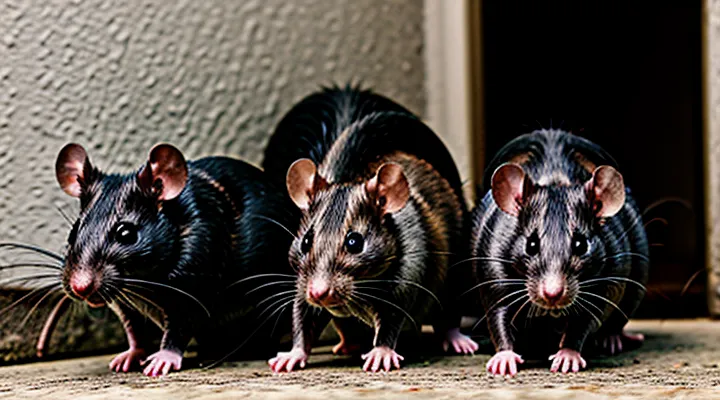
The Charm of Distinctive Names
Why Choose an Unusual Name?
Expressing Personality
Unconventional monikers for male rodents function as concise signals of character, allowing owners to convey humor, affection, or thematic interests in a single word. Selecting a name that departs from generic labels creates an immediate impression of individuality, reinforcing the animal’s role as a companion rather than a laboratory specimen.
Names achieve personality expression through three primary channels. First, lexical choice mirrors observable traits—speed, curiosity, or boldness—by employing adjectives or nouns that describe the behavior. Second, cultural references embed the owner’s tastes, linking the rat to literature, mythology, or pop culture icons. Third, phonetic styling, such as alliteration or unusual spelling, imparts a playful or sophisticated tone that influences perception during interaction.
Practical guidelines for constructing expressive names:
- Identify a dominant trait; pair it with a vivid descriptor (e.g., «Swiftshadow», «CheekyWhisker»).
- Reference a favorite story or character that aligns with the rat’s demeanor (e.g., «Gryffindor», «Moriarty»).
- Apply inventive orthography or rhyme to enhance memorability (e.g., «ZigzagZap», «BlinkyBard»).
- Avoid overly long or complex constructions that hinder recall.
Consistent use of the chosen name reinforces the intended persona, shaping both caretaker behavior and external perception. A well‑crafted moniker thus operates as a compact narrative, encapsulating the rat’s distinctive qualities within everyday communication.
Standing Out from the Crowd
Choosing a name that diverges from common pet‑rat conventions immediately distinguishes a male rodent within any collection. Unconventional monikers convey personality, simplify record‑keeping, and prevent confusion when multiple animals share similar appearances.
Distinctive names often draw from mythology, literature, or scientific terminology, reinforcing the animal’s individuality and enhancing owner engagement. A name that stands out also aids veterinarians and breeders by providing a clear identifier during health assessments and breeding programs.
«Erebus», «Quark», «Maverick», «Sable», «Tiberius», «Nimbus», «Gizmo», «Rook», «Cobalt», «Vortex», «Basilisk»
These examples illustrate a range of cultural, astronomical, and fantastical references that break from typical pet‑rat naming patterns. Adoption of such names contributes to a memorable presence, promotes precise communication, and reflects a deliberate choice to celebrate uniqueness among male rodents.
Avoiding Repetition
When selecting distinctive monikers for male rodents, repetitive patterns diminish originality. Variety emerges from deliberate manipulation of linguistic elements rather than reliance on familiar suffixes or themes.
Effective techniques include:
- Mixing languages; combine a French adjective with an English animal term, e.g., « Sombre » + Whisker.
- Altering phonetic structures; replace common endings (“‑er”, “‑y”) with unconventional ones (“‑ix”, “‑oz”).
- Employing mythological or literary references that are rarely associated with rodents, such as « Aegis » or « Mordred ».
- Integrating numerical or symbolic components, for example « Zero‑One » or « Δ‑Claw ».
- Using descriptive contrasts, pairing an unexpected quality with a typical rat trait, like « Gentle‑Razor ».
Apply these methods sequentially or combine them to generate a pool of names that resist duplication. Review each candidate for overlap with previously used terms; discard any that share more than two consecutive letters or identical morphological roots. This systematic approach sustains novelty while preserving relevance to the target species.
Categories of Unique Rat Names
Names Inspired by Mythology and Legend
Gods and Heroes
Names drawn from mythic deities and legendary champions offer distinctive options for male rodents. Such designations convey strength, bravery, or cleverness, qualities often admired in pet rats.
Examples include:
- « Zeus » – supreme ruler of the Greek pantheon, evokes authority.
- « Odin » – Norse chief god, symbolizes wisdom and foresight.
- « Hercules » – hero of ancient epics, suggests remarkable endurance.
- « Achilles » – famed warrior, reflects unmatched courage.
- « Gilgamesh » – legendary ruler, denotes regal bearing.
- « Perseus » – slayer of monsters, conveys daring spirit.
- « Beowulf » – epic defender, implies protective nature.
- « Thor » – hammer‑wielding deity, represents raw power.
- « Atlas » – bearer of the heavens, suggests resilience.
- « Theseus » – founder of a great city, indicates leadership.
Selecting a mythic or heroic name supplies an unusual yet meaningful identifier for a male rat, aligning the animal’s personality with timeless narratives of valor and power.
Creatures and Beasts
Naming male rats within the broader classification of creatures and beasts reveals a spectrum of unconventional choices that reflect mythology, literature, and scientific terminology. These designations often derive from ancient deities, literary villains, or linguistic twists that emphasize the animal’s nocturnal and adaptable nature.
Historical and cultural sources provide a foundation for inventive appellations. Roman mythology contributes names such as «Vulcan», invoking the god of fire and metalwork, appropriate for a rat’s propensity for exploring hidden, heated environments. Gothic literature supplies monikers like «Mordred», echoing the treacherous knight whose reputation aligns with the rat’s reputation for stealth. Scientific nomenclature offers terms such as «Rattus Magnus», a Latinized construct that elevates the species’ stature without altering taxonomic conventions.
Unusual male rat names commonly adopted by breeders and researchers include:
- «Vulcan» – emphasizes resilience and ingenuity.
- «Mordred» – conveys cunning and intrigue.
- «Rattus Magnus» – denotes size or prominence.
- «Sable» – references the animal’s dark fur coloration.
- «Gizmo» – highlights mechanical curiosity.
- «Nox» – Latin for night, underscoring nocturnal habits.
- «Quillon» – derived from a sword’s crossguard, suggesting protective instincts.
Selection of such names serves functional purposes in laboratory records, pet identification, and narrative storytelling. Precise, distinctive labels reduce ambiguity, streamline communication, and enrich the cultural tapestry surrounding these small mammals.
Names from Literature and Pop Culture
Fictional Characters
Fictional works frequently assign male rats names that deviate from conventional pet nomenclature, enhancing character distinctiveness and narrative texture.
- «Rizzo» – comic‑relief rodent in The Muppets franchise, known for sardonic commentary and street‑wise demeanor.
- «Splinter» – martial‑arts master in Teenage Mutant Ninja Turtles, origin story rooted in a laboratory rat transformed by mutagenic exposure.
- «The Rat King» – antagonist in Batman: The Animated Series, leading a collective of sewer‑dwelling rats through telepathic coordination.
- «Remy» – culinary‑driven protagonist of Ratatouille, a rat whose aspirations transcend typical rodent stereotypes.
- «Baron Cheddar» – supporting character in the video game Mice and Mystics, a noble‑titled rat commanding a cadre of cheese‑obsessed minions.
These examples illustrate how creators employ atypical monikers to reinforce personality traits, plot functions, and thematic resonance within their respective media.
Authors and Artists
Authors and artists have long explored eccentric designations for male rodents, turning ordinary laboratory subjects into memorable characters. Literary figures such as Charles Dickens have incorporated rats named «Squeakers» and «Bartholomew» into Victorian sketches, highlighting the contrast between genteel society and street‑wise vermin. Contemporary novelist Neil Gaiman introduces a rat called «Rufus the Rogue» in a short story, employing the name to underscore the creature’s mischievous nature.
Visual artists also contribute to the lexicon of unconventional rat names. Street‑art pioneer Banksy depicts a graffiti‑styled rat labeled «Maverick», a nod to the animal’s rebellious reputation. Illustrators for children’s books frequently assign whimsical titles; for example, Beatrix Potter features a male rat named «Sir Whiskerton» in an unpublished manuscript, combining aristocratic flair with rodent traits.
Key contributions can be summarized:
- Charles Dickens – «Squeakers», «Bartholomew» (Victorian prose) - Neil Gaiman – «Rufus the Rogue» (modern short fiction) - Banksy – «Maverick» (urban mural) - Beatrix Potter – «Sir Whiskerton» (illustrated draft)
These creators demonstrate how inventive naming practices enrich narrative and visual storytelling, granting male rats distinctive identities that resonate beyond scientific contexts.
Names Reflecting Appearance or Traits
Colors and Patterns
Colors and patterns provide a natural source for distinctive male rat names. Coat hues ranging from deep sable to bright ivory suggest descriptive monikers that immediately convey appearance. Patterned markings such as spots, stripes, or mottled patches further enrich naming possibilities, allowing owners to highlight unique visual traits.
«Midnight» – dark, uniform coat resembling night sky
«Snowflake» – pure white fur with occasional gray speckles
«Tiger» – bold, alternating dark and light stripes
«Freckle» – light base color dotted with small brown spots
«Ash» – soft gray coat with subtle gradients
«Copper» – reddish‑brown fur with a metallic sheen
«Marble» – variegated patches of black and white resembling stone
When choosing a name, match the most striking element of the rat’s pelage. Prioritize contrast, hue intensity, or pattern regularity to ensure the name remains memorable and reflective of the animal’s visual identity.
Quirks and Habits
Male rodents bearing eccentric monikers frequently display distinctive behavioral traits that set them apart from peers. Researchers observe that naming conventions influence caretaker expectations and, indirectly, the animals’ interaction patterns.
- «Sir Whiskerstein» prefers solitary foraging, turning away from group feeding stations.
- «Baron Binky» engages in repetitive tunnel‑digging, extending burrows beyond the enclosure’s standard dimensions.
- «Count Cheddar» exhibits heightened scent‑marking, leaving dense urine trails along perimeter walls.
- «Lord Nibbleton» shows a propensity for object manipulation, repeatedly rearranging enrichment toys.
Grooming routines differ among uniquely named males. «Sir Whiskerstein» allocates extended periods to facial cleaning, resulting in noticeably longer whisker length. «Baron Binky» incorporates grooming into tunnel construction, pausing to brush forepaws on newly excavated soil. Social hierarchy interactions reveal that «Count Cheddar» asserts dominance through frequent flank‑rubs, while «Lord Nibbleton» avoids direct confrontations, opting for peripheral observation.
Nocturnal activity peaks align with the individual’s name‑derived personality. «Sir Whiskerstein» initiates movement at the first dimming of light, exploring perimeters methodically. «Baron Binky» remains active throughout the night, producing continuous digging sounds. Feeding schedules benefit from aligning with these patterns: timed dispensers delivered at dusk accommodate early risers, whereas automated feeders operating hourly satisfy constant diggers.
Understanding these idiosyncrasies assists caretakers in designing enclosure layouts, enrichment programs, and health monitoring protocols. Tailored environments reduce stress indicators, promote natural behaviors, and enhance overall well‑being of male rats with unconventional appellations.
Whimsical and Humorous Names
Food-Related Puns
Food‑themed wordplay offers a memorable way to label male rodents, turning everyday culinary terms into characterful identifiers. By attaching a pun to a rat’s name, owners create a playful link between the pet’s personality and a recognizable dish or ingredient.
- «Cheddar Whiskers» – blends a popular cheese with a physical trait.
- «Biscuit Bite» – pairs a baked good with a hint of aggression.
- «Sausage Slink» – combines a meat staple and a typical rodent movement.
- «Muffin Munch» – merges a sweet treat with a feeding habit.
- «Popcorn Paws» – fuses a snack with a reference to the animal’s paws.
- «Cinnamon Scamper» – joins a spice with a swift action.
- «Bagel Burrow» – links a bakery item to a typical nesting behavior.
- «Taco Tail» – merges a Mexican dish with a tail reference.
Choosing a food‑related pun requires balancing clarity and humor. The pun should be instantly recognizable, avoid overly complex word constructions, and respect the animal’s gender identity. Short, two‑word combinations tend to be most effective, ensuring the name remains easy to call and remember.
When the name is used consistently, it reinforces the bond between owner and pet, while also providing an entertaining conversation starter for visitors. The culinary twist adds a layer of cultural reference, making each male rat’s moniker both distinctive and socially engaging.
Clever Wordplay
Clever wordplay transforms ordinary labels into memorable monikers for male rodents, turning a simple identifier into a linguistic signature.
Techniques include puns that juxtapose rodent traits with culinary terms, alliteration that reinforces a rhythmic quality, portmanteaus that merge two concepts, and literary allusions that add depth. Each method leverages phonetic similarity or semantic twist to create a name that stands out.
Examples of such inventive names are:
- «Cheddar Cheek» – combines a cheese reference with a playful facial feature.
- «Squeak Shakespeare» – merges the characteristic sound with a famed playwright.
- «Nibbles Newton» – pairs a feeding habit with a renowned scientist.
- «Whisker Whimsy» – employs alliteration to highlight a distinctive whisker trait.
- «Ratatouille Rogue» – fuses a culinary classic with a mischievous edge.
Names from Other Languages
Exotic Sounds
Exotic sounds, often characterized by rare phonetic patterns or animal-inspired onomatopoeia, serve as a fertile source for unconventional male rodent monikers. The auditory distinctiveness of such sounds translates into memorable identifiers that stand apart from traditional pet names.
Examples of names derived from exotic sounds include:
- «Skrillix»
- «Zyphra»
- «Vraxel»
- «Quorblip»
- «Thrumble»
These selections illustrate how unusual phonetic combinations convey personality traits, reinforce uniqueness, and facilitate easy recall. By integrating uncommon acoustic elements, owners create a linguistic signature that reflects both the animal’s character and the owner’s creative intent.
Meaningful Translations
Unusual male rat monikers often originate from languages that embed cultural nuance, requiring careful translation to preserve meaning. Accurate rendering ensures the name’s character, humor, or symbolic reference remains evident to English‑speaking audiences.
- « Schnurrbart » – literal translation « mustache », evokes a distinguished, whiskered appearance.
- « Mausi » – literal translation « little mouse », conveys affection and diminutive size despite species difference.
- « Rattus Rex » – literal translation « king rat », combines scientific genus with regal title, suggesting dominance.
- « Zigzag » – literal translation « zigzag », reflects erratic movement patterns typical of the animal.
- « Kurokumo » – literal translation « black cloud », derived from Japanese, highlights dark fur and elusive nature.
- « Bâton » – literal translation « stick », French term implying slender, straight‑bodied physique.
Each translation retains the original term’s descriptive intent, allowing owners to select names that convey personality, visual traits, or cultural references without loss of significance.
Tips for Naming Your Male Rat
Observing His Personality
Observing a male rodent’s demeanor provides essential clues for selecting a distinctive name that reflects individual traits. Behavioral patterns such as bold exploration, nocturnal activity, and social hierarchy positioning emerge during routine enclosure checks. Noting the frequency of tunnel‑digging, the intensity of scent marking, and reactions to novel objects creates a reliable personality profile without reliance on subjective interpretation.
Key personality indicators and corresponding naming ideas:
- Adventurous explorer – names like «Maverick», «Odysseus», «Rover».
- Calm sentinel – names such as «Zen», «Atlas», «Sable».
- Playful mischief‑maker – options include «Jester», «Pixel», «Whisk».
- Dominant leader – suitable monikers «Caesar», «Titan», «Regulus».
Consistent observation across multiple days confirms trait stability, enabling the assignment of a name that aligns with the rat’s authentic character rather than fleeting moods.
Considering Longevity
Choosing a name for a male rat that remains appealing over many years requires attention to durability, cultural resonance, and ease of recall. Names that evoke timeless qualities, such as strength, curiosity, or mythic heritage, tend to endure in the memory of owners and observers alike.
Factors that support long‑term relevance include phonetic simplicity, avoidance of transient slang, and alignment with universal archetypes. A concise, two‑syllable construction reduces the risk of mispronunciation and reinforces memorability. Incorporating classic literary or historical references adds gravitas, while avoiding overly whimsical elements prevents the name from sounding dated as trends evolve.
- « Ares » – brief, mythic, evokes power; remains recognizable across generations.
- « Milo » – classic, easy to pronounce, carries a gentle yet adventurous tone.
- « Orion » – celestial reference, timeless appeal, distinct auditory pattern.
- « Jasper » – solid gemstone association, conveys durability and refinement.
- « Rex » – Latin for “king,” simple, authoritative, widely understood.
Selecting from this set ensures that the chosen moniker sustains its charm and relevance throughout the rat’s lifespan and beyond, supporting consistent identification and affectionate attachment.
Saying It Aloud
Pronouncing unconventional monikers for male rodents influences how owners and observers perceive the animal. A distinct name spoken aloud creates a memorable identifier, separates the pet from generic labels, and reinforces the bond between caretaker and creature.
Clarity of articulation matters. Select names with consonant–vowel patterns that resist mishearing in noisy environments. Avoid syllables that blend with common commands, such as “run” or “stay,” to prevent confusion during training sessions.
- «Baron Whiskerstein»
- «Sir Squeakington»
- «Count Nibbles»
- «Professor Cheddar»
- «Lord Verminous»
- «Captain Tailspin»
When uttering these titles, emphasize the initial stress to highlight uniqueness. Enunciate each consonant, pause briefly before the honorific, and maintain a steady tempo. Repetition during daily interactions solidifies recognition and encourages the rat to respond to its personalized call.
Involving Family
Families assigning unconventional monikers to male rats often turn the naming process into a collaborative activity. Each household member contributes preferences, resulting in names that reflect shared humor, cultural touchstones, or familial anecdotes.
Selection criteria typically include:
- Historical or literary references meaningful to the household;
- Wordplay that resonates with multiple generations;
- Phonetic qualities that suit a rodent’s lively character.
Examples of atypical male rat names frequently chosen by families:
- «Sir Whiskerstein»
- «Baron von Cheddar»
- «Captain Squeak‑Paws»
- «Lord Nibblesworth»
- «Professor Pipsqueak»
The naming procedure often follows a simple structure: suggestions are gathered, a brief discussion clarifies each option’s background, and a vote determines the final choice. Involving children in the discussion encourages responsibility and reinforces the pet’s role as a family member.
Resulting names serve as conversational anchors, strengthening bonds and providing a shared point of reference during daily interactions with the animal.
The Impact of a Great Name
Strengthening Your Bond
Creative monikers for male rodents often spark curiosity, yet the lasting connection depends on daily interaction. Consistent, gentle handling establishes trust; each session should involve slow strokes along the back and careful support of the body.
Regular grooming reinforces familiarity. Brushing the fur with a soft brush removes loose hair and stimulates circulation, while occasional nail trimming prevents injury.
Positive reinforcement shapes behavior. Offering small pieces of fresh fruit or vegetable as rewards immediately after a desired action encourages repetition. A calm, steady voice during training sessions further reduces stress and clarifies expectations.
Practical measures for deepening the relationship include:
- Scheduled play periods lasting 10–15 minutes, featuring tunnels, chew toys, and climbing structures.
- Daily inspection of the cage for signs of illness, ensuring the animal feels secure in its environment.
- Rotating enrichment items every few days to maintain novelty and mental stimulation.
Monitoring body language provides feedback. Alert ears, relaxed whiskers, and a steady breathing rate indicate comfort, whereas rapid movements or vocalizations suggest unease. Adjust handling techniques accordingly to preserve a harmonious bond.
By integrating these practices, the caretaker cultivates a reliable, affectionate partnership with a uniquely named male rat, transforming novelty into lasting companionship.
Sparking Conversation
Creative monikers for male rodents frequently become conversation starters in pet circles and online communities. A name that deviates from the ordinary invites curiosity, prompting questions about origin, meaning, and the owner’s sense of humor. This dynamic enhances social interaction, encourages storytelling, and can lead to the exchange of breeding tips or care advice.
Examples of distinctive male rat names that generate dialogue include:
- «Sir Whiskerstein»
- «Lord Cheddar»
- «Captain Nibbles»
- «Baron von Squeak»
- «Professor Paws»
Each title combines a formal element with a playful reference to typical rat traits, prompting listeners to comment on the juxtaposition. The resulting discussion often expands beyond the pet itself, touching on topics such as naming conventions for small mammals, cultural references, and personal anecdotes.
When owners introduce these names in forums, shop aisles, or veterinary appointments, the brief pause before a response signals engagement. The pause creates space for the speaker to elaborate, revealing personality, background, or inspiration. Such exchanges reinforce community bonds and elevate the status of the pet within social narratives.
In summary, employing unconventional male rodent names serves as an effective catalyst for dialogue, fostering interaction and knowledge sharing among enthusiasts.
A Name as Unique as Your Rat
Choosing a distinctive moniker enhances a male rodent’s individuality. Owners often prefer names that stand out from common pet labels, reflecting the animal’s quirky behavior or striking appearance.
Effective names share several traits: brief pronunciation, memorable rhythm, and relevance to the rat’s character or cultural references. Combining mythic figures, scientific terms, or playful wordplay yields options that remain exclusive within the pet‑community.
«Sir Whiskers»
«Rasputin»
«Quark»
«Nebula»
«Balthazar»
«Pixel»
«Gizmo»
«Maverick»
«Sable»
«Thorn»