
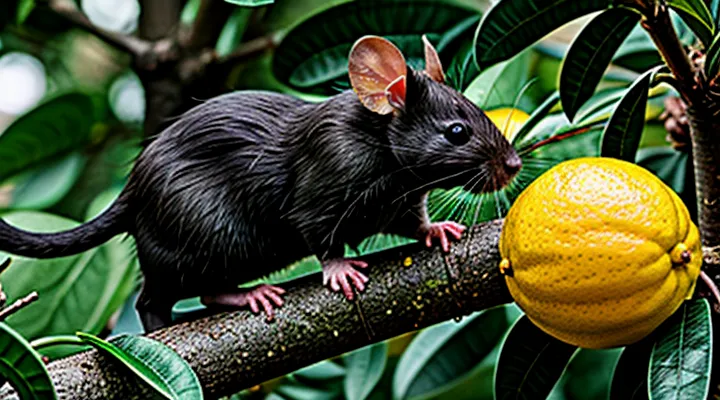
Understanding Rat Dietary Needs
Essential Nutritional Requirements for Rats
Rats require a balanced diet that supplies adequate protein, fat, fiber, vitamins, minerals, and water to support growth, reproduction, and immune function. Protein should constitute 14‑20 % of the diet, sourced from animal or plant proteins such as soy, casein, or mealworms. Fat supplies essential fatty acids and should represent 4‑6 % of total calories, with sources including sunflower oil and animal fat. Fiber, provided by coarse materials like timothy hay or shredded paper, aids gastrointestinal motility and must be present at 5‑10 % of the diet.
Vitamins A, D, E, K, and the B‑complex are critical for vision, bone health, antioxidant protection, and metabolic processes. Vitamin C is not required because rats synthesize it endogenously; excessive intake can cause gastrointestinal upset. Minerals such as calcium, phosphorus, magnesium, potassium, sodium, and trace elements (zinc, copper, iron, selenium) must be balanced to prevent skeletal deformities and metabolic disorders. Calcium‑phosphorus ratios should remain near 1:1 to 2:1.
Water availability is non‑negotiable; rats consume 30‑50 ml per 100 g body weight daily. Dehydration accelerates renal failure and reduces feed intake.
Citrus fruits contain high levels of citric acid, natural sugars, and vitamin C. While the vitamin is redundant for rats, the acidity can disturb stomach pH and lead to dental erosion if offered in large quantities. Small, occasional pieces (no more than 5 % of total daily caloric intake) are unlikely to cause harm, provided the primary diet meets the nutrient specifications listed above. Excessive citrus exposure may reduce appetite for nutritionally complete feed, risking deficiencies in protein, essential fatty acids, and minerals.
Foods to Avoid for Rat Health
Common Toxic Foods for Rats
When assessing the suitability of citrus for pet rodents, it is essential to recognize foods that pose a clear health risk. Certain items commonly found in household kitchens can cause acute or chronic toxicity in rats.
- Chocolate and cocoa products – contain theobromine, which the rat’s liver cannot metabolize efficiently.
- Caffeine‑containing beverages and powders – stimulate the cardiovascular system and may lead to arrhythmia.
- Alcohol – depresses central nervous function, resulting in respiratory failure at low doses.
- Raw potatoes and green tomato skins – high in solanine, a glycoalkaloid that interferes with cell membranes.
- Onions, garlic, and other Allium species – produce compounds that damage red blood cells, causing hemolytic anemia.
- Avocado flesh and pit – contain persin, a toxin that can cause respiratory distress and myocardial damage.
- High‑fat processed snacks (e.g., chips, salted nuts) – predispose rats to obesity, hepatic lipidosis, and pancreatitis.
The toxicity of these items arises from specific chemical agents that rats lack the enzymatic pathways to detoxify. Exposure, even in small quantities, can produce vomiting, diarrhea, seizures, or sudden death.
A balanced rodent diet should consist primarily of commercial pellets formulated for nutritional completeness, supplemented with fresh vegetables such as leafy greens, carrots, and limited fruit. If citrus is offered, provide only small portions of orange or lemon rind, monitoring for signs of gastrointestinal upset. Avoid all items listed above to maintain optimal health and reduce the risk of preventable poisoning.
Citrus and Rats: The Safety Question
Components of Citrus Fruits
Acidity Levels in Citrus
Citrus fruits contain organic acids, primarily citric acid, that determine their pH. The pH of common citrus varieties falls between 2.0 and 4.0, with lemons and limes near 2.0, oranges around 3.3, and grapefruits close to 3.0. These values reflect the concentration of hydrogen ions and influence the taste, preservation qualities, and physiological impact on mammals.
Rats possess a gastric environment adapted to neutralize moderate acidity. When citrus is introduced in small, controlled portions, the stomach’s buffering capacity mitigates the low pH, preventing mucosal damage. Excessive intake can overwhelm this system, leading to:
- Gastric irritation
- Reduced appetite
- Potential electrolyte imbalance
Laboratory studies show that a daily citrus supplement constituting less than 5 % of total caloric intake does not alter blood pH or cause renal stress in healthy rodents. Higher concentrations correlate with increased markers of gastric inflammation.
Safety assessment therefore hinges on dosage, frequency, and the specific citrus type. Low‑pH fruits may be offered as occasional treats, provided that the overall diet remains balanced and that monitoring for adverse gastrointestinal signs is routine.
Limonene and Psoralen Explained
Limonene, a monoterpene found in the peel of most citrus fruits, is absorbed rapidly through the gastrointestinal tract of rats. Metabolic conversion occurs primarily in the liver via cytochrome P450 enzymes, producing menthol‑like metabolites that are excreted in urine. At concentrations below 0.5 % of a standard chow formulation, limonene does not alter growth rates, feed intake, or organ weights. Higher inclusion levels (≥2 % of diet) have been linked to hepatic enzyme induction and mild lipid accumulation, indicating a dose‑dependent response.
Psoralen, a furanocoumarin present in certain citrus varieties, functions as a photosensitizer. Oral exposure in rats triggers hepatic metabolism through CYP3A4, generating reactive intermediates that bind DNA upon ultraviolet activation. Experimental data show that dietary psoralen concentrations above 0.1 % produce skin erythema and increased incidence of hepatic lesions in UV‑exposed animals. In the absence of UV light, the compound exhibits low acute toxicity, but chronic administration at sub‑threshold levels still raises concerns about cumulative DNA damage.
Key considerations for incorporating citrus derivatives into rat nutrition:
- Limit limonene to ≤0.5 % of total feed weight to avoid hepatic stress.
- Exclude psoralen‑rich citrus parts (e.g., certain seeds and membranes) from diets intended for indoor housing where UV exposure is minimal.
- Conduct periodic liver function tests (ALT, AST) when citrus extracts are used regularly.
- Prefer purified limonene isolates over whole‑fruit powders to control psoralen content.
- Document any UV light sources in the animal facility, adjusting dietary formulations accordingly.
Regulatory agencies classify limonene as Generally Recognized as Safe (GRAS) for human consumption but require specific toxicological data for rodent use. Psoralen is listed as a potential carcinogen in rodent studies, prompting caution in any long‑term feeding program. Proper formulation and monitoring reduce the risk of adverse effects while allowing the beneficial aromatic properties of citrus to be leveraged in laboratory rat diets.
Potential Risks of Feeding Citrus to Rats
Kidney Damage Concerns
Citrus fruits contain high levels of citric acid, vitamin C, and flavonoids, which can alter the acid‑base balance of a rat’s urine. Excessive urinary acidity increases the risk of calcium phosphate precipitation, a known precursor to renal tubule obstruction. Studies on laboratory rodents show that diets with more than 5 % citrus juice by weight elevate serum creatinine and blood urea nitrogen, indicating compromised glomerular filtration.
Experimental data reveal a dose‑dependent relationship between citrus intake and renal pathology. Rats fed a 10 % citrus supplement for eight weeks develop tubular dilation, interstitial fibrosis, and occasional necrosis of renal cortex cells. Histological examinations attribute these changes to prolonged exposure to organic acids that overwhelm the kidney’s buffering capacity, leading to cellular injury and impaired waste excretion.
Gastrointestinal Upset
Citrus fruits contain organic acids, essential oils, and sugars that can irritate the rodent gastrointestinal tract. When rats ingest fresh orange, lemon, or grapefruit in quantities exceeding their normal dietary fiber, the acidic pH may disrupt gastric mucosa, leading to inflammation and altered motility.
Typical manifestations include:
- Soft or watery stools
- Reduced food intake
- Abdominal distension
- Occasional vomiting (rare in rats)
- Weight loss over several days
The primary mechanisms are:
- Acidic environment lowering gastric pH beyond the rat’s buffering capacity.
- Monoterpenes such as limonene exerting a mild irritant effect on intestinal epithelium.
- High simple sugar load promoting osmotic diarrhea.
Experimental data suggest that a daily citrus portion greater than 5 % of total feed weight raises the incidence of gastrointestinal disturbances. Below this threshold, most rats tolerate occasional citrus treats without observable adverse effects.
Risk mitigation strategies:
- Limit citrus to ≤2 % of the diet by weight.
- Offer citrus in small, pre‑measured pieces rather than free‑choice access.
- Monitor stool consistency and body condition for at least 72 hours after introduction.
- Replace citrus with low‑acid fruit (e.g., apple) if signs of upset appear.
When gastrointestinal upset is detected, discontinue citrus immediately and provide a bland diet of standard rodent chow and hydrated water. Recovery typically occurs within 3–5 days if the irritant is removed promptly.
Allergic Reactions
Rats can develop immune‑mediated responses when citrus components are introduced into their diet. The most common allergens are flavonoids, essential oils, and citric acid residues that may trigger IgE‑type hypersensitivity.
Typical clinical signs include:
- Pruritus or excessive grooming
- Facial swelling, particularly around the muzzle
- Respiratory distress such as wheezing or rapid breathing
- Dermal eruptions, ranging from erythema to ulcerative lesions
- Gastrointestinal upset, manifested by vomiting or diarrhea
Diagnostic evaluation should combine observation of symptoms with laboratory confirmation, such as serum allergen‑specific IgE testing or skin prick assays adapted for rodents. Management strategies involve immediate removal of citrus sources, administration of antihistamines or corticosteroids under veterinary guidance, and gradual reintroduction only after tolerance is demonstrated through controlled exposure trials.
Scientific Evidence and Expert Opinions
Studies on Limonene Toxicity in Rats
Research on limonene, the predominant monoterpene in citrus oils, provides quantitative data on its safety profile for laboratory rats. Acute toxicity trials report a median lethal dose (LD₅₀) ranging from 1,600 mg kg⁻¹ to 2,200 mg kg⁻¹ when administered orally, indicating low acute toxicity relative to many synthetic additives. Sub‑chronic studies (90‑day exposure) at dietary concentrations of 0.5 % and 1.0 % limonene reveal no statistically significant changes in body weight, feed consumption, or organ weights compared with control groups.
Key physiological observations from repeated‑dose experiments include:
- Hepatocellular vacuolation at dietary levels ≥2 % (equivalent to ~2 g kg⁻¹ body weight), reversible after a 30‑day recovery period.
- Mild irritation of the gastric mucosa at concentrations ≥3 %, characterized by focal epithelial erosion without ulceration.
- No detectable nephrotoxicity or cardiotoxicity at doses up to 5 % of the diet.
- Absence of genotoxic effects in standard Ames and micronucleus assays at concentrations up to 10 % of the diet.
Metabolic pathways in rats convert limonene primarily into menthol‑derived glucuronides, which are excreted in urine. The resulting metabolites exhibit negligible affinity for hepatic cytochrome P450 enzymes, reducing the likelihood of drug‑interaction risks. NOAEL (No‑Observed‑Adverse‑Effect Level) values derived from these studies consistently fall at 0.5 % dietary inclusion, providing a benchmark for safe formulation of citrus‑based feeds.
Collectively, the data suggest that limonene can be incorporated into rat diets at low to moderate levels without inducing systemic toxicity. Safety margins derived from LD₅₀ and NOAEL assessments support the use of citrus extracts containing limonene as a flavoring or mild aromatic additive, provided that concentrations remain below the thresholds identified for hepatic and gastric irritation.
Veterinary Recommendations
Veterinarians advise that citrus fruits should be offered to laboratory and pet rats only with strict limits. The acidic nature of oranges, lemons, limes, and grapefruits can irritate the digestive tract and cause electrolyte imbalance if consumed in excess. Consequently, citrus should be treated as an occasional treat rather than a dietary staple.
- Limit citrus portions to no more than 5 % of the total daily food intake.
- Provide only small, seed‑free pieces; remove peel and any visible pesticides.
- Monitor for signs of diarrhea, reduced appetite, or lethargy after exposure.
- Offer citrus only to healthy adult rats; avoid giving it to juveniles, pregnant females, or individuals with known gastrointestinal sensitivities.
- Replace citrus with safe alternatives such as fresh vegetables (e.g., carrots, broccoli) or commercial rat treats formulated for balanced nutrition.
If a rat exhibits adverse reactions, discontinue citrus immediately and consult a veterinary professional. Routine health checks should include assessment of gastrointestinal health when citrus is part of the diet.
Safe Alternatives and Healthy Treats
Recommended Fruits for Rats
Berries and Melons
Berries and melons are frequently offered to laboratory and pet rats as occasional treats. Both fruit groups differ markedly from citrus in sugar composition, acidity, and fiber content, which influences their safety profile.
Berries (strawberries, blueberries, raspberries, blackberries) provide antioxidants, vitamin C, and moderate fiber. Rats tolerate the low‑acid nature of most berries, but the following considerations apply:
- Fresh berries must be washed to remove pesticide residues.
- Seeds of some berries (e.g., raspberries) are small enough to pass through the digestive tract without obstruction.
- Portion size should not exceed 5 % of daily caloric intake; excessive sugar can lead to obesity and dysbiosis.
- Freeze‑dry or dehydrated berries increase sugar concentration and should be avoided.
Melons (cantaloupe, honeydew, watermelon) supply water, potassium, and vitamin A. Safety guidelines include:
- Remove rind and seeds; rind is indigestible, and seeds can cause choking.
- Offer bite‑size cubes to prevent accidental inhalation.
- Limit intake to 3–4 g per 100 g body weight; over‑consumption may cause diarrhea due to high water content.
- Choose ripe, unsprayed fruit; underripe melons contain higher levels of cucurbitacin, a compound that can be toxic to rodents.
Overall, berries and melons are acceptable supplemental foods when introduced gradually, prepared hygienically, and served in controlled quantities. Their low acidity makes them less likely to cause gastrointestinal irritation than citrus, but the same vigilance regarding pesticide exposure and portion control remains essential.
Apples and Pears (Seedless)
Seedless apples and seedless pears are low‑acid fruits that can complement a rat’s diet when citrus fruits are under evaluation for safety. Both provide simple carbohydrates, dietary fiber, and vitamins C and K without the bitterness and potential irritants associated with citrus peel.
Nutritional profile per 100 g:
- Calories ≈ 52 kcal
- Carbohydrates ≈ 14 g (primarily fructose and glucose)
- Fiber ≈ 2.4 g
- Vitamin C ≈ 5 mg (apple) or 7 mg (pear)
- Vitamin K ≈ 4 µg (apple) or 5 µg (pear)
Safety considerations for laboratory or pet rats:
- No seeds eliminate cyanogenic glycosides, removing a known toxic risk.
- Low acidity reduces the likelihood of gastric irritation compared with citrus varieties.
- High sugar content may promote obesity or dental wear if offered excessively; limit to 1–2 small pieces (≈10 g) per day.
- Wash thoroughly to remove pesticide residues; organic produce is preferable.
Feeding guidelines:
- Offer fresh, seedless slices at room temperature.
- Remove any bruised or moldy sections before serving.
- Introduce gradually, observing for changes in stool consistency or appetite.
- Rotate with other low‑acid fruits (e.g., berries) to ensure dietary variety.
Overall, seedless apples and pears present a safe, nutritionally modest alternative to citrus fruits for rats, provided they are presented in limited quantities and free of contaminants.
Safe Vegetables for Rats
Leafy Greens
Leafy greens are a regular component of a balanced rat diet and can complement the occasional citrus treat without compromising health.
Rats benefit from the vitamins, minerals, and fiber found in greens such as kale, romaine lettuce, and spinach. Vitamin A supports vision, while calcium and magnesium contribute to bone strength. Dietary fiber promotes gastrointestinal motility and helps maintain a stable gut microbiome.
Potential concerns include high oxalate levels in spinach, which may predispose rats to urinary stone formation, and residual pesticide residues on commercially grown produce. Selecting fresh, organic greens and washing them thoroughly reduces these risks.
When integrating greens with citrus, follow these guidelines:
- Offer 1–2 grams of leafy greens per 100 grams of body weight each day.
- Rotate varieties to avoid nutrient excesses; limit spinach to no more than twice weekly.
- Provide citrus no more than twice a week, keeping portions small (approximately 0.5 gram per 100 grams of body weight).
Properly managed, leafy greens enhance overall nutrition and support the safe inclusion of citrus in a pet rat’s diet.
Root Vegetables
Root vegetables constitute a substantial source of carbohydrates, fiber, and micronutrients in rat nutrition, influencing how supplemental foods such as citrus affect overall health.
- Carrots: high in beta‑carotene, moderate sugar content.
- Sweet potatoes: rich in complex starches, vitamin A, and potassium.
- Beets: provide dietary fiber, folate, and iron; contain natural sugars.
- Turnips: low‑calorie source of vitamin C and glucosinolates.
- Parsnips: supply dietary fiber and vitamin K; moderate carbohydrate level.
When citrus is introduced, root vegetables help balance rapid glucose spikes by supplying slower‑digesting carbohydrates. Feeding guidelines recommend limiting citrus to no more than 5 % of total diet weight; root vegetables should not exceed 15 % to avoid excessive caloric intake. All vegetables must be washed, peeled if necessary, and offered in small, uniform pieces to prevent choking. Monitoring for signs of gastrointestinal upset, such as soft stools or reduced activity, ensures early detection of adverse reactions.
Moderation and Preparation Tips
Portion Control for Treats
When offering citrus as a snack, precise portion control prevents nutritional imbalance and digestive upset. Rats tolerate small amounts of fruit; excessive intake can introduce excess sugar and acidity, leading to weight gain, dental wear, or gastrointestinal irritation.
- Limit citrus to no more than 5 % of the daily caloric intake; for a typical adult rat, this equals roughly ¼ – ½ teaspoon of finely diced fruit per day.
- Provide citrus no more than three times per week; alternate with other low‑sugar vegetables to maintain variety.
- Cut fruit into bite‑size pieces (approximately 2 mm cubes) to ensure consistent dosing and reduce choking risk.
- Record each serving in a feeding log to monitor cumulative intake and adjust based on body condition.
Freshness matters. Use only ripe, pesticide‑free segments; discard any that show signs of mold or bruising. Wash thoroughly before serving to remove surface residues. Store leftovers in a sealed container in the refrigerator and discard after 24 hours to avoid bacterial growth.
If a rat exhibits loose stools, decreased appetite, or excessive grooming after citrus consumption, reduce or eliminate the fruit temporarily and observe for improvement. Regular weight checks and health assessments help determine whether the current portion size remains appropriate.
Washing and Peeling Produce
Washing and peeling citrus fruits before offering them to laboratory or pet rodents removes surface contaminants that could harm the animals. Residues from pesticides, waxes, and soil microbes are commonly present on the rind and may cause gastrointestinal irritation or systemic toxicity in rats. Peeling eliminates the outer layer, which also contains higher concentrations of essential oils that can be irritating in large amounts.
Effective preparation includes the following steps:
- Rinse each fruit under running, lukewarm water for at least 30 seconds.
- Apply a soft brush to the surface to dislodge stubborn particles.
- Submerge the fruit in a solution of one part distilled white vinegar to three parts water for 2–3 minutes; this reduces bacterial load without leaving harmful residues.
- Rinse again with clean water to remove any vinegar trace.
- Use a vegetable peeler or a sharp knife to remove the peel, discarding the outermost 1–2 mm of tissue.
- Cut the flesh into bite‑size pieces appropriate for the rat’s size and weight.
When preparing citrus, consider the following safety points:
- Only feed small portions; excessive citric acid can lead to enamel erosion and stomach upset.
- Avoid bitter varieties (e.g., Seville oranges) that contain higher levels of limonin, a compound known to cause liver stress in rodents.
- Store peeled fruit in a sealed container in the refrigerator and use within 24 hours to prevent mold growth.
Proper washing and peeling protocols minimize health risks while preserving the nutritional benefits of citrus, such as vitamin C and flavonoids, for rat diets.