
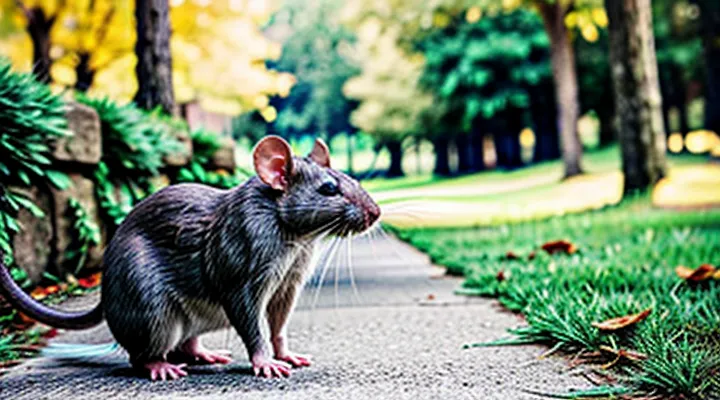
The Appeal of Outdoor Walks for Pet Rats
Outdoor walks provide pet rats with sensory stimulation that cannot be replicated indoors. Natural light, varied textures, and ambient sounds engage their whiskers, paws, and auditory system, promoting neural development and reducing monotony. Exposure to fresh air also supports respiratory health by encouraging deeper breathing cycles.
A well‑planned walk enhances a rat’s confidence and social behavior. When a rat encounters safe, controlled environments, it learns to navigate obstacles, assess risks, and adapt to unfamiliar cues. This experience translates to calmer interactions within the home, as the animal becomes less prone to stress‑induced behaviors.
Key benefits of regular outdoor excursions include:
- Enriched olfactory landscape that sharpens scent discrimination.
- Strengthened musculoskeletal tone through gentle climbing and exploration.
- Improved thermoregulation skills via exposure to moderate temperature fluctuations.
- Reduced incidence of stereotypic pacing and excessive grooming.
Assessing the Risks of Walking Rats Outdoors
Predator Dangers
Birds of Prey
Walking pet rats in open environments introduces exposure to avian predators. Birds of prey possess acute vision, rapid flight, and talons designed to seize small mammals. When a rat is tethered or free‑roaming outdoors, these raptors can detect movement from considerable distances and launch attacks within seconds.
Typical predators include:
- Red‑tailed hawk (Buteo jamaicensis) – hunts from perches, targets ground‑level prey.
- Cooper’s hawk (Accipiter cooperii) – excels in maneuvering through vegetation, pursues agile rodents.
- Sharp‑shinned hawk (Accipiter striatus) – frequently ambushes in wooded corridors.
- Swainson’s hawk (Buteo swainsoni) – migratory, occasionally forages in open fields.
- Osprey (Pandion haliaetus) – primarily fish‑eater but may opportunistically capture water‑related rodents.
Preventive measures:
- Choose enclosed, predator‑proof enclosures for outdoor sessions.
- Conduct walks during daylight hours when raptor activity peaks, but remain vigilant of sudden skyward movements.
- Employ a harness with a short leash to limit escape potential.
- Position the rat on a secure platform or carrier rather than allowing free movement on the ground.
- Monitor local raptor populations and adjust outdoor activities during nesting seasons when hunting pressure intensifies.
Understanding the predatory capabilities of these birds informs safe practices for taking rats outside, reducing the likelihood of encounters that could result in injury or loss.
Cats and Dogs
Rats that are accustomed to being taken outside encounter two of the most common domestic predators: cats and dogs. Understanding the behavior of these animals is essential for safe outdoor excursions.
Cats possess strong hunting instincts and react quickly to small, fast-moving prey. Even well‑socialized felines may instinctively chase a rat that appears in their field of vision. To mitigate risk, keep the rat in a secure carrier or harness while the cat is present, and maintain a physical barrier such as a stroller or pet carrier that limits the rat’s exposure.
Dogs vary widely in temperament toward rodents. Breeds bred for tracking or retrieving may pursue a rat with enthusiasm, while others show little interest. Evaluate each dog individually, observe its reaction in a controlled environment, and use a sturdy leash and a harness designed for small mammals. Training the dog to ignore the rat, reinforced by consistent commands, reduces the likelihood of a chase.
Practical measures for outdoor walks with rats in the presence of cats and dogs:
- Use a breathable, escape‑proof carrier or a specialized harness that distributes pressure evenly.
- Attach a short, sturdy leash to the carrier; keep the leash short enough to prevent the rat from slipping out but long enough to allow natural movement.
- Walk in areas where cats are less likely to roam freely, such as fenced parks or early‑morning routes.
- Choose a dog‑friendly path; avoid trails known for off‑leash activity.
- Carry a deterrent spray (e.g., citrus‑based) acceptable for both the rat and the dog, to discourage sudden pursuits.
Monitoring the rat’s stress signals—rapid breathing, vocalizations, or attempts to escape—provides immediate feedback. If any sign of agitation appears, pause the walk, secure the rat, and reassess the environment before proceeding.
Wild Animals
Rats that have never lived in captivity retain instincts typical of wild mammals. Their sensory systems are tuned to detect predators, sudden movements, and unfamiliar scents, which can trigger stress responses when exposed to open environments. Consequently, allowing a domesticated rodent to roam outside without proper containment often results in escape, injury, or conflict with native fauna.
Key factors influencing the feasibility of outdoor excursions for such animals include:
- Containment: A secure harness or enclosed carrier prevents loss and limits contact with hazardous objects.
- Habitat compatibility: Areas with dense vegetation, high foot traffic, or predatory species increase risk.
- Health considerations: Exposure to parasites, toxins, and extreme weather can compromise immune function.
- Legal restrictions: Many jurisdictions classify free‑roaming rats as invasive, imposing penalties for release.
When planning a brief, supervised outing, owners should select a low‑traffic, predator‑free zone, monitor temperature and humidity, and keep the animal on a short leash attached to a well‑fitted harness. After the session, thorough cleaning of the harness and inspection of the animal for injuries are essential to maintain health standards.
Overall, while the concept of walking a rat outdoors is technically possible, the practice demands rigorous safety protocols, awareness of ecological impact, and adherence to local wildlife regulations.
Environmental Hazards
Parasites and Diseases
Taking a rat on an outdoor walk introduces exposure to a range of ectoparasites and zoonotic pathogens. Contact with soil, vegetation, and other animals creates opportunities for infestation and infection that are rare in a controlled indoor environment.
-
Ectoparasites
• Fleas (Ctenocephalides spp.) – feed on blood, cause anemia, transmit bacterial agents.
• Mites (Myobia, Radfordia) – irritate skin, may lead to dermatitis and secondary infection.
• Ticks (Ixodes, Dermacentor) – attach to fur, serve as vectors for bacterial and viral agents. -
Endoparasites
• Tapeworms (Hymenolepis nana) – acquired through ingestion of contaminated material, cause gastrointestinal distress.
• Cestodes (Taenia spp.) – rare but possible if rats consume infected prey.
• Protozoa (Giardia, Cystoisospora) – spread via contaminated water, produce diarrhea and weight loss. -
Zoonotic diseases
• Leptospirosis – bacteria transmitted through contact with urine‑contaminated water, can affect humans and other mammals.
• Salmonellosis – ingestion of fecally contaminated food or water, leads to gastrointestinal illness.
• Rat‑borne hantavirus – inhalation of aerosolized rodent droppings may cause severe respiratory disease.
• Rat‑bite fever (Streptobacillus moniliformis) – results from bites or scratches, produces fever and joint pain.
Preventive actions include regular ectoparasite control with veterinarian‑approved products, routine fecal examinations, vaccination where available, and limiting exposure to high‑risk environments such as stagnant water, dense vegetation, and areas with known rodent populations. A clean harness, hand hygiene after handling, and immediate removal of any attached parasites reduce the likelihood of disease transmission during outdoor activities.
Toxins and Poisons
When rats accompany owners on outdoor excursions, they encounter a range of environmental toxins that can cause acute or chronic health problems. Exposure occurs through ingestion, inhalation, or skin contact with substances commonly found in gardens, streets, and public spaces.
- Pesticides – organophosphates, carbamates, and pyrethroids used on lawns and vegetable patches inhibit cholinesterase activity, leading to tremors, respiratory distress, and potentially fatal seizures.
- Rodenticides – anticoagulant baits (warfarin, bromadiolone) pose a lethal risk if a rat consumes a fragment or tracks contaminated particles back to its cage.
- Heavy metals – lead in old paint, mercury from broken thermometers, and cadmium in industrial runoff accumulate in tissues, impairing kidney function and neurological development.
- Plant toxins – oleander, yew, foxglove, and certain ornamental lilies contain cardiac glycosides or alkaloids that cause arrhythmias, vomiting, and organ failure.
- Household chemicals – cleaning agents containing ammonia, bleach, or phenols can irritate mucous membranes and damage liver cells if a rat licks contaminated surfaces.
- Insect repellents – DEET and picaridin formulations are toxic to small mammals, producing central nervous system depression and liver toxicity at relatively low doses.
Mitigation strategies focus on environmental control and personal vigilance. Choose routes free of treated turf, avoid areas near construction sites, and inspect ground cover for hazardous plants before each walk. Carry a portable water source to prevent accidental drinking from puddles that may contain runoff. Secure the harness and leash to prevent the rat from reaching discarded bait or trash. After each outing, wash the animal’s paws and fur with mild, non‑soap solution, then monitor for signs of distress such as lethargy, abnormal gait, or excessive salivation.
Understanding the spectrum of toxins present in outdoor settings enables owners to minimize risk and maintain the health of their companion rats during walks.
Extreme Weather Conditions
Walking pet rats outdoors exposes them to temperature extremes, precipitation, and wind that differ sharply from the controlled environment of a cage. Their small body mass and limited fur insulation make them vulnerable to rapid heat loss or overheating, while their respiratory systems are sensitive to moisture and dust carried by strong gusts.
-
Cold and Frost: Ambient temperatures below 10 °C (50 °F) can cause hypothermia within minutes. Frost on the ground increases the risk of skin lesions and impairs paw traction. Provide insulated footwear or a heated pad if exposure is unavoidable; otherwise, confine walks to indoor spaces.
-
Heat and Humidity: Temperatures above 30 °C (86 °F) combined with high humidity accelerate dehydration and raise core body temperature. Rats lack efficient sweating mechanisms, so they cannot dissipate heat effectively. Schedule outings during the coolest part of the day, offer fresh water, and limit duration to a few minutes.
-
Rain, Snow, and Wind: Wet fur reduces insulation, while snow accumulation adds weight and increases the chance of frostbite. Strong winds strip heat from the body and can blow debris into the eyes and nose. Use a waterproof, breathable harness cover, keep the animal’s head protected, and abort the walk if precipitation intensifies.
Extreme weather conditions demand strict monitoring of the rat’s behavior. Signs of distress—shivering, panting, lethargy, or attempts to retreat—require immediate return to a warm, dry environment. Proper planning and protective gear mitigate risks, ensuring that outdoor walks remain safe and beneficial for the animal.
Escape Risks
Taking a pet rat on an outdoor walk introduces a set of escape hazards that differ from indoor housing. Rats possess strong exploratory drives, rapid reflexes, and the ability to squeeze through openings as small as a quarter‑inch. When released from a controlled environment, these traits increase the likelihood of a sudden break‑away.
Escape risk stems from several sources:
- Leash failure – standard cat or dog leashes lack attachment points designed for a rat’s lightweight body; the knot can slip or the leash can be torn by gnawing.
- Carrier breach – mesh or plastic carriers may have gaps or weak hinges that a determined rat can pry open.
- Unsecured outdoor enclosure – garden fences, patio railings, or low walls often contain gaps or loose panels that a rat can exploit.
- Predator presence – birds of prey, feral cats, and snakes trigger a flight response, prompting the rat to bolt toward the nearest opening.
- Human traffic – sudden movements by passersby can startle the rat, causing it to dash away from the handler.
Mitigating these risks requires a combination of equipment and procedural controls:
- Use a purpose‑built rat harness with a secure quick‑release buckle and a short, reinforced leash designed for small rodents.
- Test the harness for fit before each outing; the rat should be snug but able to move its limbs freely.
- Keep the rat within a portable, double‑layered carrier when not directly supervised; verify that all seams are intact.
- Choose a quiet, enclosed outdoor area free of predators and heavy foot traffic; inspect the perimeter for gaps before entry.
- Maintain constant visual contact; any sign of agitation warrants immediate return to the carrier.
Effective risk management makes outdoor walks feasible while preventing the loss of a pet rat. Continuous vigilance and appropriate gear are the only reliable safeguards against escape.
Preparing Your Rat for Outdoor Excursions
Harness and Leash Training
Choosing the Right Harness
When taking a pet rat outside, the harness is the primary safety device; an ill‑fitting or inappropriate model can cause escape, injury, or stress. Selecting a harness that meets the specific needs of small rodents involves evaluating material, construction, and adjustability.
A suitable harness should be made of lightweight, breathable fabric such as nylon or cotton blends. These materials prevent overheating while resisting tearing if the rat claws at the edges. Reinforced stitching at connection points adds durability, especially during longer outings on rough terrain.
Fit is critical. The harness must encircle the chest and back without restricting rib movement. Adjustable straps allow fine‑tuning to the animal’s body shape; a snug but not tight tension can be tested by inserting a finger between the strap and the skin. A “figure‑eight” or “vest‑style” design distributes pressure evenly and reduces the risk of the rat slipping out.
Safety features include a secure metal or plastic D‑ring positioned on the back for leash attachment. The leash should be lightweight, no longer than 3 feet, and equipped with a quick‑release clasp to disengage the rat instantly if needed. Reflective stitching or trim enhances visibility in low‑light conditions.
Maintenance considerations are straightforward: the harness should be machine‑washable or easy to hand‑wash without losing its shape. Quick‑dry fabrics minimize downtime between walks.
Key criteria for choosing a rat harness
- Breathable, tear‑resistant material (nylon, cotton blend)
- Reinforced stitching at stress points
- Adjustable chest and back straps for precise fit
- Figure‑eight or vest configuration for even pressure distribution
- Integrated D‑ring for secure leash attachment
- Reflective elements for visibility
- Machine‑washable or simple hand‑wash capability
By adhering to these specifications, owners ensure that their rats can explore outdoor environments safely and comfortably, minimizing the likelihood of accidents while supporting natural curiosity.
Gradual Introduction to the Harness
When preparing a small pet rodent for outdoor walks, the first priority is establishing a comfortable relationship with a harness. Begin by selecting a lightweight, adjustable harness designed specifically for rodents. The material should be soft, breathable, and free of metal clasps that could pinch delicate skin.
Introduce the harness in the home environment. Place it near the cage so the animal can sniff and explore it without pressure. After a few days of familiarity, gently drape the harness over the rat’s back without fastening it. Allow the rat to move freely for several minutes, observing any signs of stress.
Secure the harness for short periods. Fasten the buckles loosely, ensuring the fit is snug enough to stay in place but loose enough to permit natural movement. Keep the rat inside the cage for 5–10 minutes, then release it to a confined, safe area for additional exploration. Increase the duration by 5‑minute increments each day, monitoring behavior and adjusting tension as needed.
Once the rat tolerates the harness for 20–30 minutes without agitation, attach a short leash. Practice walking the leash indoors on a carpeted surface, using gentle guidance rather than pulling. Limit sessions to 10 minutes initially, then extend to 15–20 minutes over several days.
Transition to outdoor settings only after the rat demonstrates confidence indoors. Choose a quiet, enclosed garden or balcony, free of predators and excessive noise. Keep the leash short, allowing the rat to investigate while remaining under control. Begin with 5‑minute outings, gradually extending to 15‑20 minutes as the animal acclimates to new scents and textures.
Throughout the process, maintain consistent positive reinforcement. Offer small food rewards or gentle petting after each successful session. Regularly inspect the harness for wear, and replace it if any fraying or damage appears. This stepwise approach minimizes stress and builds the foundation for safe, enjoyable outdoor excursions.
Leash Familiarization
Leash familiarization is the foundational step for introducing a pet rat to outdoor walks. Start by selecting a lightweight, adjustable harness designed specifically for small rodents. The harness must fit snugly without restricting breathing or movement; a two‑finger test around the chest ensures proper tension.
Begin training indoors. Attach a short leash and allow the rat to move freely while the leash remains slack. Observe the animal’s reaction for signs of stress, such as excessive freezing or frantic grooming. If the rat appears calm, gently guide it toward the leash’s end for a few seconds, then release. Repeat this process in short sessions of five minutes, extending the duration only when the rat consistently tolerates the harness and leash without agitation.
Progress to a controlled indoor environment with mild distractions (e.g., a low‑noise fan). Increase the leash length gradually, encouraging the rat to explore while maintaining a loose grip. Introduce basic commands—such as “stop” and “come”—by using a soft tone and offering a treat when the rat complies. Consistency in cue delivery reinforces the association between the command and the desired behavior.
When the rat demonstrates steady indoor confidence, transition to a secure outdoor area. Follow these steps:
- Verify that the outdoor space is enclosed, free of predators, and free of toxic plants or chemicals.
- Attach the leash to the harness, keeping it short enough to prevent the rat from reaching hazardous zones but long enough to allow natural movement.
- Walk slowly, allowing the rat to sniff and investigate at its own pace.
- Monitor temperature; avoid extreme heat or cold, as rats are sensitive to temperature fluctuations.
- Provide immediate access to a safe retreat (e.g., a portable carrier) if the rat shows signs of distress.
Leash familiarization, when executed methodically, equips the rat with the confidence and safety needed for outdoor excursions. Regular reinforcement of the harness and leash routine sustains the behavior, enabling owners to enjoy controlled walks while minimizing risk.
Health Check-ups
Health assessments are required before exposing pet rats to outdoor environments. Veterinarians evaluate respiratory function, skin condition, and parasite load to determine suitability for walks.
Key elements of a pre‑walk health check:
- Physical examination of ears, eyes, and fur for injuries or infections.
- Respiratory assessment for signs of distress, such as labored breathing or nasal discharge.
- Fecal analysis to detect internal parasites or bacterial overgrowth.
- Vaccination status review, especially for diseases transmitted by wild rodents.
- Weight measurement to ensure the animal is neither under‑ nor overweight, which can affect stamina.
Routine examinations should occur at least once every three months for active outdoor rats, and more frequently if the animal shows any of the following:
- Persistent sneezing, wheezing, or coughing.
- Redness, swelling, or sores on the skin.
- Changes in appetite, lethargy, or abnormal stool.
When a rat passes the health evaluation, owners can begin short, supervised walks, gradually increasing distance while monitoring behavior. Any emergence of the listed symptoms during or after outings warrants immediate veterinary consultation.
Creating a Safe Outdoor Experience
Choosing a Suitable Location
Enclosed Spaces
Enclosed spaces serve as the primary safety mechanism when a rat is taken outside for a walk. A confined area prevents the animal from escaping into traffic, predators, or unfamiliar terrain, and it limits exposure to hazardous substances such as pesticides or toxic plants.
Key features of effective enclosed spaces include:
- Secure attachment points – harnesses or collars must connect to a sturdy, lockable tether that resists sudden pulls.
- Ventilation – mesh panels or breathable fabric allow airflow while maintaining a barrier.
- Size appropriate to the rat – the enclosure should be large enough for natural movement but small enough to keep the animal within reach.
- Durable materials – rip‑resistant fibers and reinforced seams reduce the risk of tearing under stress.
When selecting an enclosure, evaluate the following criteria:
- Compatibility with the rat’s size and activity level.
- Ease of cleaning to prevent bacterial buildup.
- Portability for transport in a backpack or stroller.
- Visibility for the owner to monitor the rat’s behavior.
Proper use of an enclosed space minimizes stress. The rat experiences controlled exposure to external stimuli while remaining protected from immediate dangers. Regular practice in a secure enclosure builds the animal’s confidence, making future outdoor excursions smoother and safer.
Quiet Environments
Walking a pet rat outdoors requires an environment where sudden sounds are minimized. Rats possess acute hearing; unexpected noises can trigger stress responses, causing the animal to freeze, attempt escape, or exhibit aggression. A quiet setting reduces these risks and supports a calmer outing.
Select a location that meets the following criteria:
- Low traffic areas with minimal vehicle or pedestrian noise.
- Absence of loud machinery, construction, or frequent animal sounds.
- Natural surroundings where wind and rustling leaves provide gentle background noise rather than sharp, abrupt sounds.
Maintain a low acoustic profile during the walk. Use a soft, insulated carrier or harness to dampen the rat’s own movements. Speak in a calm, low voice; abrupt vocalizations may startle the animal. Avoid bringing portable speakers or devices that emit high‑frequency tones.
Monitor the rat’s behavior continuously. Indicators of discomfort include rapid breathing, excessive grooming, or attempts to hide. If any of these signs appear, relocate to a quieter spot or end the outing promptly. Consistent exposure to calm environments gradually acclimates the rat to outdoor stimuli, improving confidence and safety during future walks.
Avoiding Busy Areas
When taking a pet rat outside, selecting routes that lack heavy foot traffic, vehicle flow, and loud activity reduces stress and minimizes the risk of escape. Rats are prey animals; sudden movements and noises trigger flight responses, which can lead to loss of control.
Key considerations for staying clear of crowded zones:
- Choose quiet residential streets, garden paths, or lightly used park trails.
- Avoid sidewalks during peak hours, especially near schools, shopping districts, or public events.
- Keep distance from roadways with fast‑moving traffic; the vibration and scent of cars can startle a rat.
- Prefer times of day when pedestrian density is low, such as early morning or late evening, while still ensuring adequate daylight for visibility.
- Scan the area before entry; look for groups of people, dogs, bicycles, or loud machinery that could disrupt the rat’s focus.
Implementing these measures creates a controlled environment that encourages calm exploration and safe handling. By deliberately steering clear of bustling locations, owners protect their rats from panic‑induced injuries and maintain a predictable walking experience.
Supervision and Monitoring
Constant Vigilance
Constant vigilance is the defining requirement for safely taking a rat outdoors. The animal’s natural curiosity, rapid movement, and sensitivity to stress demand continuous observation from the handler.
Every outing begins with a pre‑walk inspection. The leash or harness must be secure, the environment free of gaps where the rat could slip away, and the handler’s hands positioned to intercept sudden darting. During the walk, the handler watches for signs of anxiety—flattened ears, rapid breathing, or attempts to retreat into tight spaces. Immediate correction, such as gently guiding the rat back onto the path, prevents escalation into panic.
Potential hazards require specific attention:
- Traffic: monitor vehicle proximity, stop at crosswalks, and keep the rat within arm’s length.
- Predators: identify birds of prey, dogs, or cats nearby; maintain a barrier or retrieve the rat if an animal approaches.
- Terrain: avoid rough surfaces, sharp objects, and sudden drops that could cause injury.
- Weather: observe temperature and humidity; pause or end the walk if conditions become extreme for the rat’s physiology.
The handler must also track the rat’s physical condition. Signs of overheating, dehydration, or injury demand an immediate cessation of the walk and appropriate care. After each session, a brief health check confirms that the rat remains healthy and uninjured.
Consistent application of these practices creates a predictable routine, reduces stress, and maximizes the safety of outdoor excursions for rats.
Recognizing Stress Signals
When taking a pet rat on an outdoor walk, the animal’s ability to cope with unfamiliar stimuli depends on immediate recognition of stress cues. Observers must monitor body language, vocalizations, and physiological responses to intervene before anxiety escalates.
Visible signs include a hunched posture, tail tucked tightly against the body, and rapid, shallow breathing. Rats may also press their hind legs against the ground, exhibit trembling, or freeze in place. Sudden attempts to hide under foliage or retreat to a carrier indicate heightened fear.
Auditory indicators consist of high‑pitched squeaks, chattering, or prolonged silence when the rat would normally vocalize. Excessive grooming or self‑biting during the walk reflects discomfort.
Physiological changes are observable through dilated pupils, moist nose, and increased heart rate, which may be felt by a gentle pulse check on the femoral artery. A sudden loss of coordination or stumbling suggests overwhelming stress.
Effective response strategies:
- Pause immediately at the first sign of distress.
- Reduce sensory input by moving to a quieter, shaded area.
- Offer a familiar object, such as a favorite chew toy or a piece of bedding, to provide reassurance.
- If the rat does not calm within a short period, return to the carrier and end the outing.
Consistent observation of these signals enables owners to adjust walk duration, route complexity, and environmental exposure, ensuring that outdoor excursions remain beneficial rather than detrimental to the rat’s welfare.
Emergency Protocols
When a pet rat is taken for a walk outside, unexpected incidents can arise: sudden escape, injury, exposure to toxins, or aggressive wildlife encounters. Immediate, organized response reduces harm and protects both animal and handler.
- Secure the rat with a sturdy harness and leash before any outdoor activity. Keep the leash short enough to prevent entanglement but long enough for natural movement.
- Carry a portable carrier or cage that can be quickly closed if the rat slips free. The carrier should be ventilated, lightweight, and equipped with a secure latch.
- Maintain a first‑aid kit containing sterile gauze, antiseptic wipes, tweezers, and a small syringe for administering oral fluids or medication.
- If the rat is bitten or scratched by another animal, rinse the wound with clean water, apply antiseptic, and monitor for swelling or infection. Contact a veterinarian promptly.
- In case of ingestion of a toxic substance (e.g., pesticide, plant material), note the product name, remove any remaining source, and call an emergency animal poison control hotline. Do not induce vomiting unless instructed by a professional.
- Should the rat become frightened and hide, search calmly, avoid loud noises, and use a soft voice to coax it back. If the animal remains hidden for more than five minutes, check surrounding areas for potential hazards before resuming the walk.
- If extreme weather conditions develop (heavy rain, freezing temperatures), cease the walk immediately, shelter the rat in the carrier, and return indoors. Prolonged exposure can lead to hypothermia or heatstroke.
After any incident, document the event, actions taken, and outcomes. Review the notes to refine future safety measures and ensure readiness for similar situations.
Alternatives to Outdoor Walking
Indoor Enrichment
Playpens and Agility Courses
Playpens provide a controlled environment for rats during outdoor excursions. A sturdy, escape‑proof enclosure prevents predators and eliminates the risk of the animal slipping away. Mesh panels should have a ¼‑inch opening to restrict access while allowing ventilation. The base must be solid and easy to clean, with a non‑slippery surface to protect tiny paws on grass or pavement.
Agility courses extend the benefits of a playpen by introducing mental and physical challenges. Simple obstacles—ramp, tunnel, low platform, and balance beam—can be arranged in a portable layout that fits within a fenced area. Rats learn to navigate these elements, which improves confidence and reduces stress when exposed to unfamiliar outdoor stimuli.
Key considerations for implementing playpens and agility courses outdoors:
- Safety: inspect all connections, ensure no sharp edges, and secure the enclosure to a fixed object.
- Material: use UV‑resistant plastic or coated metal to withstand sun exposure.
- Size: provide at least 2 sq ft of floor space per rat; larger spaces accommodate group activities.
- Supervision: maintain visual contact at all times; a second person can assist with handling and observation.
- Acclimation: introduce the rat to the enclosure indoors before moving it outside; practice brief sessions and gradually increase duration.
When properly set up, a playpen combined with an agility course creates a reliable platform for safely walking rats outdoors, fostering exercise, enrichment, and social interaction without compromising the animal’s well‑being.
Foraging Toys
Foraging toys extend the benefits of outdoor walks for pet rats by providing mental stimulation that mirrors natural scavenging behavior. While a harness and leash keep the animal safe, a well‑designed toy encourages the rat to explore, locate hidden food, and remain engaged with the surrounding environment.
Key advantages include reduced anxiety, increased exercise, and reinforcement of problem‑solving skills. By presenting a reward only after a specific action, the toy creates a clear link between exploration and payoff, which helps the rat adapt to unfamiliar outdoor settings.
Typical foraging toys suitable for walks are:
- Puzzle feeders that release treats when a lever is pressed.
- Treat‑dispensing balls that roll and open after a certain amount of movement.
- Hide‑and‑search mats with sealed pockets that require the rat to chew or push to access food.
- DIY options such as folded paper tubes with small openings, filled with kibble and secured with non‑toxic tape.
Safety guidelines are essential. Materials must be chew‑proof, free of toxic dyes, and sized to prevent accidental ingestion. All moving parts should be securely fastened to avoid detachment during the walk. Inspect toys before each outing for cracks or loose components.
Integrating a toy into an outdoor session involves attaching it to the harness or placing it on the path ahead of the rat. Begin with short, supervised interactions, then gradually increase duration as the animal demonstrates confidence. Observe the rat’s response; if interest wanes, replace the toy or adjust the difficulty level.
Regular maintenance preserves functionality and hygiene. Clean reusable toys with warm, mild soap after each use, and replace disposable items when they show signs of wear. Rotating a variety of toys maintains novelty and prevents habituation.
By selecting appropriate foraging toys, supervising their use, and adhering to safety protocols, owners can enrich outdoor walks, fostering healthier, more content rats.
Social Interaction
Walking pet rats outdoors introduces a range of social dynamics that differ from indoor group interactions. Outdoor excursions expose rats to novel stimuli, prompting behavioral adjustments that affect hierarchy, communication, and bonding.
Rats rely on scent marking, vocalizations, and body language to negotiate status. When a rat encounters unfamiliar environments, it may emit high‑frequency squeaks or display grooming behaviors that signal reassurance to cage mates. Observing these cues helps owners interpret stress levels and adjust the walk accordingly.
Key social considerations during outdoor walks include:
- Pack cohesion: Maintaining physical proximity reduces anxiety; using a harness that allows gentle tethering keeps the group together.
- Dominance expression: Dominant individuals may attempt to lead; allowing them to set the pace can prevent conflict.
- Territorial marking: Rats may deposit scent on new surfaces; this behavior reinforces group identity and should be monitored to avoid excessive marking in public areas.
- Peer reassurance: Pairing a confident rat with a more timid companion provides social support, facilitating adaptation to external stimuli.
Successful outdoor outings require preparation: secure harnesses, a quiet route, and a brief acclimation period. By managing these social factors, owners can enhance the rats’ confidence, strengthen intra‑group bonds, and expand the animals’ experiential repertoire.
Controlled Outdoor Spaces
Secure Enclosures
When taking pet rats outside, a secure enclosure prevents escape, protects against predators, and limits exposure to hazards such as toxic plants or contaminated surfaces. The enclosure must balance containment with ventilation to avoid overheating and stress.
Key characteristics of an effective outdoor enclosure include:
- Sturdy frame – metal or reinforced wood that resists bending and chewing.
- Fine mesh – openings no larger than ¼ inch to block small predators and prevent the rat from squeezing through.
- Secure latch – spring‑loaded or lockable mechanism that cannot be opened by the animal.
- Elevated base – platform at least six inches above ground to keep the floor dry and deter insects.
- Weather protection – removable canopy or shade cloth to shield from direct sun, rain, and wind.
- Easy cleaning – removable tray or washable lining for rapid removal of waste and debris.
Materials should be non‑toxic and free of rust or splinters. Regular inspection for wear, loose fittings, or gaps is essential; even a small opening can lead to a rapid escape. Position the enclosure on a stable surface away from heavy foot traffic, loud noises, and potential predators such as cats, dogs, or birds of prey.
Ventilation must allow airflow without compromising security. Incorporate adjustable vents covered with the same fine mesh used for the walls. If the enclosure will be used for extended periods, include a shaded area and a water source that cannot be tipped over.
Finally, train the rat to enter and exit the enclosure calmly. Use positive reinforcement to associate the enclosure with safety, reducing stress during outdoor sessions. A well‑designed secure enclosure enables controlled exploration while maintaining the animal’s welfare.
Supervised Garden Time
Supervised garden outings provide rats with essential sensory stimulation while maintaining control over environmental hazards. The confined space allows owners to monitor interaction with soil, plants, and insects, reducing exposure to predators, toxic substances, and escape routes.
Key benefits include:
- Enhanced olfactory and tactile experiences that support neural development.
- Opportunity for natural foraging behavior under direct observation.
- Physical exercise that improves cardiovascular health and muscle tone.
Effective supervision requires:
- Secure enclosure or harness designed for small rodents.
- Inspection of garden area for pesticides, sharp objects, and open water sources.
- Continuous presence of the caretaker, ready to intervene at the first sign of stress or unsafe behavior.
- Gradual introduction to new textures and scents, beginning with short sessions and extending duration as the rat adapts.
When these protocols are followed, garden time becomes a valuable complement to indoor enrichment, fostering well‑rounded health without compromising safety.