
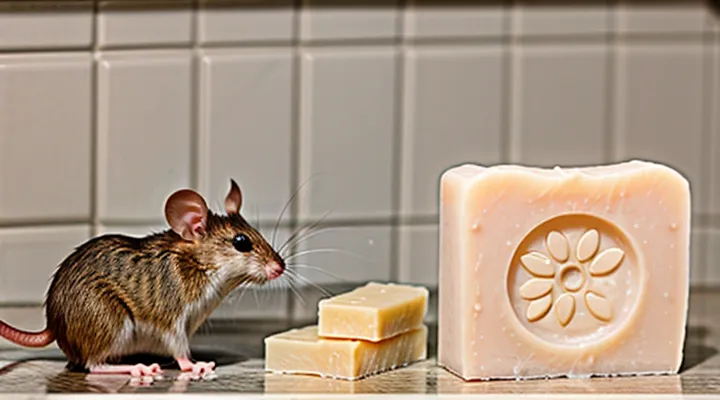
The Alluring Aroma: Why Mice Might Be Drawn to Soap
Ingredients That Attract Rodents
Natural Fats and Oils
Natural fats and oils constitute the primary lipid component of many traditional soaps. These lipids are typically derived from animal tallow, lard, or plant sources such as coconut, palm, and olive oil. When a mouse encounters a soap bar, the lipid fraction can attract the animal because rodents possess a strong preference for high‑energy, fatty substrates.
The digestive system of mice processes triglycerides efficiently. Lipases in the small intestine hydrolyze triglycerides into free fatty acids and monoglycerides, which are then absorbed and incorporated into chylomicrons. This pathway allows mice to extract calories from the fatty portion of soap, provided the soap does not contain toxic additives that inhibit enzyme activity.
Potential risks arise from the non‑lipid ingredients commonly mixed with natural fats in soap formulations. Sodium hydroxide, used for saponification, remains in the final product as sodium salts of fatty acids. Excessive ingestion of these salts can lead to electrolyte imbalance and gastrointestinal irritation. However, the lipid content itself does not introduce acute toxicity at moderate consumption levels.
Key considerations for evaluating the suitability of natural fats and oils in soap as a mouse food source include:
- Energy density: Approximately 9 kcal g⁻¹, comparable to standard rodent chow.
- Digestibility: High, due to efficient pancreatic lipase activity in mice.
- Potential contaminants: Residual alkali, fragrance chemicals, or antimicrobial agents that may cause adverse effects.
- Palatability: Strong odor and texture of fatty soaps can increase voluntary intake.
In experimental settings, researchers often substitute purified vegetable oil for soap‑derived fats to isolate the nutritional impact of lipids without confounding chemical agents. Results consistently show that mice maintain normal weight gain when provided with natural fatty sources, confirming their ability to metabolize these compounds effectively.
Overall, natural fats and oils present in soap supply a readily metabolizable energy source for mice, but the presence of saponification by‑products and additives determines the safety of ingestion. Careful assessment of soap composition is essential before considering it a viable component of a rodent diet.
Sugars and Sweeteners
Mice possess a well‑documented preference for carbohydrate sources, which influences their willingness to explore novel substances such as soap. Laboratory studies show that when sugar or artificial sweetener solutions are present, mice increase licking and ingestion rates, indicating that palatable sweeteners can override aversive textures.
Key points about sugars and sweeteners in mouse diets:
- Sucrose, glucose, and fructose: rapidly absorbed, elevate blood glucose, stimulate dopamine pathways, and enhance exploratory behavior.
- Maltodextrin: provides a less sweet, high‑energy carbohydrate that still encourages consumption of otherwise unappealing items.
- Artificial sweeteners (e.g., sucralose, saccharin): activate taste receptors without caloric load, maintaining the incentive to sample novel textures while limiting caloric intake.
- Sugar alcohols (e.g., xylitol, erythritol): lower caloric value, may cause gastrointestinal distress at high concentrations, but still produce a sweet perception that can increase interaction with unfamiliar substrates.
When soap is introduced alongside a sweetened solution, mice are more likely to contact the soap surface, ingest small amounts, and exhibit reduced avoidance behavior. The sweet stimulus appears to modulate the innate aversion to the soap’s bitter and slippery qualities, allowing researchers to assess tolerance thresholds and metabolic impacts.
In experimental design, pairing soap exposure with a calibrated concentration of sucrose or a non‑caloric sweetener provides a controlled method to investigate how palatability influences risk‑related ingestion. Monitoring blood glucose, body weight, and behavioral markers yields data on whether the sweetener’s reinforcing effect outweighs potential toxicity from soap constituents.
Fragrances and Scents
Mice possess an acute olfactory system that detects volatile compounds at concentrations far below human thresholds. When soap is scented, the added aromatic molecules alter the chemical profile of the product, influencing mouse interaction in two primary ways.
First, pleasant fragrances such as citrus, lavender, or eucalyptus can mask the bitter taste of soap, increasing the likelihood that a mouse will sample the material. Laboratory observations show a rise in exploratory nibbling when scented soap is placed near feeding stations, suggesting that attractive volatiles override innate aversion to detergent compounds.
Second, certain scent categories act as repellents. Phenolic and menthol derivatives trigger avoidance behavior, reducing contact time and ingestion rates. Field reports indicate that mice exposed to soap infused with strong pine or camphor notes display rapid retreat and minimal oral investigation.
Key points for practical application:
- Attractive scents (e.g., citrus, lavender) → higher exploratory activity, potential increase in accidental ingestion.
- Repellent scents (e.g., phenol, menthol, camphor) → decreased approach, lower ingestion risk.
- Intensity matters – low‑level fragrances may be undetectable, while high concentrations can dominate the odor landscape and dictate behavior.
- Combination effects – mixing attractive and repellent notes can produce ambiguous responses, often resulting in reduced overall interaction.
Understanding the specific volatile composition of scented soap enables accurate prediction of mouse response. Selecting repellent fragrances for household cleaning products can mitigate unintended consumption, while awareness of attractive aromas helps explain occasional incidents of mice chewing scented soap remnants.
The Difference Between Attraction and Palatability
Mice may encounter soap during foraging, yet the decision to ingest it depends on two distinct factors: attraction and palatability. Attraction describes the sensory cues that draw a mouse toward a substance—odor, texture, or visual cues that signal potential food. Palatability refers to the internal evaluation after contact, encompassing taste receptors, digestive tolerance, and the animal’s learned experience of the material’s nutritional or toxic properties.
-
Attraction
- Strong scent (e.g., fatty or aromatic compounds) can lure mice despite the item being non‑nutritive.
- Surface texture that mimics natural prey or seeds may trigger exploratory behavior.
- Bright or contrasting colors may increase visual interest, though rodents rely primarily on olfaction.
-
Palatability
- Bitter or harsh chemical profiles typical of cleaning agents activate aversive taste receptors, reducing consumption.
- Gastrointestinal irritation or toxicity leads to rapid rejection after brief contact.
- Prior exposure to similar substances can condition avoidance, lowering acceptance even if the initial attraction is high.
In practice, a mouse might be drawn to a scented soap bar but reject it once the bitter taste and potential gut irritation are detected. Understanding this separation clarifies why curiosity does not automatically translate into ingestion, and why experimental observations often show limited or no soap consumption despite evident attraction.
Is Soap Harmful to Mice? The Toxic Truth
Common Soap Ingredients and Their Effects
Lye (Sodium Hydroxide)
Lye, chemically known as sodium hydroxide, is a strong alkaline compound used in soap manufacture. Its pH typically exceeds 13, indicating extreme basicity that can cause severe tissue damage on contact. When ingested, lye rapidly saponifies fats and proteins, producing heat and corrosive by‑products that irritate the gastrointestinal tract. In laboratory studies, rodents exposed to lye experience immediate oral burns, vomiting, and, at higher doses, lethal systemic alkalosis.
Key characteristics relevant to rodent consumption of soap:
- Corrosivity: Direct contact destroys mucosal lining within seconds.
- Toxicity threshold: Doses as low as 0.5 g kg⁻¹ body weight can be fatal for mice.
- Metabolic effect: Neutralizes stomach acidity, disrupting digestive enzyme activity.
- Environmental persistence: Remains active in solid soap until fully dissolved, maintaining hazardous concentration.
Because soap formulations often contain lye in excess of the neutralization point, any accidental ingestion by mice poses a high risk of acute poisoning. Even diluted or “mild” soaps retain enough residual sodium hydroxide to cause observable distress in small mammals. Consequently, lye represents the primary chemical hazard in evaluating whether mice can safely consume soap products.
Detergents and Surfactants
Detergents are formulated mixtures of surfactants, builders, enzymes, and additives designed to remove soils by reducing surface tension and emulsifying fats. Surfactants consist of amphiphilic molecules with a hydrophilic head and a hydrophobic tail; they arrange at interfaces, forming micelles that solubilize oily residues. Common surfactant classes include anionic (e.g., sodium lauryl sulfate), non‑ionic (e.g., alkyl polyglucosides), cationic (e.g., quaternary ammonium compounds), and amphoteric agents. Each class exhibits distinct toxicity profiles, solubility characteristics, and interaction potentials with biological membranes.
When a mouse ingests soap, the primary risk derives from surfactant‑induced disruption of gastrointestinal epithelial cells. Anionic surfactants can solubilize lipid membranes, leading to cell lysis, altered nutrient absorption, and irritation of the mucosal lining. Cationic surfactants possess antimicrobial properties that may further disturb gut microbiota. Enzymatic components, such as proteases, can degrade protein structures in the digestive tract, aggravating tissue damage. The presence of alkaline builders (e.g., sodium carbonate) raises pH, compounding mucosal irritation.
Key considerations for assessing soap ingestion by rodents:
- Surfactant type: anionic > cationic > non‑ionic in membrane‑disruptive potential.
- Concentration: concentrations above 0.5 % w/v typically cause observable gastrointestinal distress.
- pH level: alkaline formulations (pH > 9) increase risk of chemical burns.
- Additives: enzymes and fragrances may exacerbate irritation or trigger allergic responses.
- Exposure duration: acute ingestion of a single dose can produce vomiting, diarrhea, and lethargy; chronic exposure may lead to malabsorption and weight loss.
Overall, detergents present a combination of chemical agents that compromise cellular integrity and digestive function in mice. The severity of effects correlates with surfactant class, formulation strength, and the amount consumed.
Essential Oils and Perfumes
Mice that encounter scented cleaning agents may ingest trace amounts of essential oils and fragrance compounds when exploring soap residues. These aromatic substances differ chemically from traditional soap bases; many are volatile terpenes, phenols, or aldehydes that can affect rodent physiology.
Toxicity varies among compounds. Research identifies the following essential oils as hazardous to rodents when consumed in measurable quantities:
- Tea tree (Melaleuca alternifolia) – membrane disruption, respiratory irritation.
- Eucalyptus (Eucalyptus globulus) – neurotoxic monoterpenes, hepatic stress.
- Peppermint (Mentha piperita) – menthol-induced hypothermia, gastrointestinal upset.
- Clove (Syzygium aromaticum) – eugenol toxicity, coagulation interference.
- Citrus (Citrus sinensis, C. limon) – limonene overload, liver enzyme induction.
Perfume additives such as synthetic musks or aldehydic stabilizers may also be absorbed through oral or dermal routes. While low‑level exposure rarely produces acute symptoms, chronic ingestion can lead to liver enzyme alteration, reduced weight gain, and altered foraging behavior.
Practical implications for laboratory or pest‑control settings include:
- Selecting soaps formulated without high‑concentration essential oils when studying mouse nutrition.
- Monitoring feed contamination for fragrance residues that could skew metabolic data.
- Using oil‑free, fragrance‑neutral cleaning products to minimize unintended chemical intake.
Understanding the interaction between aromatic compounds and rodent diet ensures accurate assessment of nutritional studies and prevents inadvertent toxicity.
Symptoms of Soap Ingestion in Mice
Gastrointestinal Distress
Mice that consume soap frequently develop gastrointestinal distress. The detergent components act as surfactants that compromise the integrity of the intestinal epithelium, leading to increased permeability and mucosal irritation. This disruption triggers inflammatory pathways and interferes with normal nutrient absorption.
Typical manifestations include:
- Watery or loose stools
- Reduced feed intake
- Abdominal cramping
- Lethargy and decreased activity
- Weight loss over several days
Experimental observations indicate a dose‑dependent relationship: low‑level exposure produces mild irritation, while higher concentrations cause severe diarrhea and rapid dehydration. Histological examinations reveal epithelial cell sloughing, villus atrophy, and infiltration of inflammatory cells.
Management strategies focus on immediate cessation of soap exposure, provision of isotonic fluids, and introduction of easily digestible diets to support recovery. Monitoring of stool consistency and body weight provides early indication of treatment efficacy.
Neurological Effects
Mice that consume soap exhibit measurable changes in neural activity. Acute exposure leads to reduced action‑potential frequency in hippocampal neurons, while chronic ingestion suppresses synaptic plasticity markers such as BDNF and CREB phosphorylation. Electrophysiological recordings show increased latency in sensory evoked potentials, indicating slowed signal transmission.
Behavioral assays reveal deficits consistent with these neurophysiological alterations. Mice display:
- Decreased performance in maze navigation tasks, reflecting impaired spatial memory.
- Longer reaction times in startle‑reflex tests, suggesting diminished sensorimotor integration.
- Reduced exploratory behavior in open‑field tests, indicative of altered anxiety regulation.
Histological analysis identifies demyelination in the corpus callosum and focal gliosis in the cortex. These structural changes correlate with the observed functional impairments and suggest that soap constituents, particularly surfactant molecules, disrupt membrane integrity and ion channel function, leading to the reported neurological outcomes.
Long-Term Health Risks
Mice that regularly consume soap experience chronic irritation of the gastrointestinal lining. Repeated exposure to surfactants compromises mucosal integrity, leading to persistent inflammation and reduced nutrient absorption.
Long‑term ingestion disrupts lipid metabolism. Soap components bind dietary fats, preventing normal digestion and causing accumulation of undigested lipids. This condition forces the liver to process excess fatty material, increasing the risk of hepatic steatosis and, over time, progressive liver dysfunction.
The altered gut environment influences the resident microbiota. Persistent surfactant presence selects for resistant bacterial strains, decreasing microbial diversity. Reduced diversity correlates with weakened immune modulation, making mice more susceptible to opportunistic infections.
Systemic effects documented in prolonged studies include:
- Renal stress from elevated toxin load, resulting in gradual loss of filtration capacity.
- Immunosuppression manifested by lower white‑blood‑cell counts and impaired antibody response.
- Reproductive abnormalities such as reduced litter size and delayed sexual maturity.
- Shortened lifespan due to cumulative organ damage and heightened disease susceptibility.
Eliminating soap from rodent feed eliminates these chronic hazards and supports normal physiological development.
Beyond Eating: Other Dangers of Soap for Mice
Skin Irritation and Chemical Burns
Mice that encounter soap during foraging can experience direct contact between the detergent and their dermal tissue. Surfactants in typical bar or liquid soap possess alkaline pH values that compromise the protective lipid layer of the epidermis, leading to rapid irritation.
The irritation process involves solubilization of skin lipids, disruption of keratinocyte cohesion, and penetration of alkaline compounds into deeper layers. These actions provoke inflammation, erythema, and, when exposure is prolonged, necrosis of cutaneous cells.
Typical manifestations of chemical burns in laboratory or pet rodents include:
- Redness and swelling localized to paws, snout, or tail
- Ulceration or blister formation
- Excessive licking or grooming of the affected area
- Reduced activity and altered feeding behavior
Mitigation requires immediate removal of the soap source, thorough rinsing of the animal with lukewarm water, and application of a neutralizing topical agent if available. Monitoring for secondary infection and providing analgesia are essential components of care. Preventive measures involve securing soap products away from cages and eliminating any residual residue on bedding or feeding equipment.
Blockage of Digestive Tract
Mice that consume soap are at risk of developing an obstruction in the gastrointestinal system. Soap particles are insoluble, resist enzymatic breakdown, and can accumulate in the stomach or intestines, forming a physical barrier that impedes the passage of food and fluids.
The obstruction manifests through several observable signs:
- Reduced or absent fecal output
- Abdominal swelling or distension
- Decreased activity and responsiveness
- Rapid weight loss
Physiological consequences include pressure buildup behind the blockage, compromised blood flow to intestinal walls, and potential perforation if the obstruction persists. The condition can progress within hours after ingestion, especially when large or multiple soap fragments are present.
Diagnostic assessment relies on visual examination of the abdomen, palpation for firmness, and radiographic imaging to locate the opaque mass. Laboratory analysis may reveal elevated lactate levels, indicating tissue hypoxia.
Effective intervention requires prompt removal of the obstructive material. Options include:
- Surgical exploration and extraction of the soap mass
- Endoscopic retrieval when the blockage is confined to the upper gastrointestinal tract
- Administration of osmotic agents to promote fluid movement and soften the obstruction, used only when the blockage is partial
Post‑procedure care involves monitoring for recurrence, providing a diet low in indigestible substances, and ensuring hydration. Preventive measures consist of eliminating soap exposure in laboratory and household environments, as well as securing storage containers to deter accidental ingestion.
Deterrent or Danger: The Paradox of Soap for Pest Control
Soap presents a paradox in rodent management: its strong odor and slippery surface can discourage entry, yet ingestion may cause physiological harm to mice that overcome the aversion.
Surfactants in most household soaps reduce surface tension, allowing the product to dissolve fats and proteins. Alkaline agents, such as sodium hydroxide, raise pH to levels that irritate mucous membranes. Fragrances and essential‑oil additives amplify the sensory repellent effect but add chemical complexity that can be toxic in sufficient quantities.
Mice detect soap primarily through olfactory cues; the pungent smell signals an unnatural substance, prompting avoidance. Tactile assessment often reveals a slick texture that impedes gripping, reinforcing the deterrent response. Nevertheless, opportunistic individuals may gnaw soap remnants, especially when food scarcity forces risk‑taking behavior.
Potential hazards of ingestion include:
- Gastrointestinal irritation leading to vomiting or diarrhea.
- Alkaline burns to oral and esophageal tissue.
- Systemic toxicity from fragrance compounds or antibacterial additives.
- Disruption of gut microbiota, impairing nutrient absorption.
Effective use of soap in pest control relies on positioning it as a physical barrier rather than a consumable lure. Apply a thin film on entry points, windowsills, or along baseboards where mice encounter the surface before reaching food sources. Replace deteriorated layers regularly to maintain repellant potency. Avoid placing soap near stored grain, pet food, or any accessible feed to prevent accidental consumption.
Practical Implications: Protecting Your Home from Mice
Storing Soap Safely
Storing soap securely prevents accidental consumption by rodents and protects product integrity. Place soap in airtight containers made of glass, metal, or heavy‑wall plastic. Ensure lids seal tightly; screw‑top jars and lockable bins are preferable to open trays.
- Keep containers on elevated surfaces, at least 30 cm above floor level, to deter climbing mice.
- Store in rooms with limited rodent activity; avoid kitchens or pantry areas prone to infestations.
- Use sealed cabinets equipped with magnetic or latch closures; avoid hinges that leave gaps.
- Label containers clearly to distinguish edible items from non‑food supplies, reducing handling errors.
Maintain a dry environment; moisture encourages mold and attracts pests. Regularly inspect storage units for signs of gnaw marks, droppings, or compromised seals. Replace damaged containers promptly to preserve barrier effectiveness.
Implement routine cleaning schedules. Remove soap residues from shelves, vacuum cracks, and apply rodent‑proofing material such as steel wool or silicone caulk around potential entry points. Consistent monitoring and proper containment eliminate the risk of mice accessing soap supplies.
Alternative Deterrents and Pest Control Methods
Natural Repellents
Natural repellents provide a non‑chemical strategy to discourage rodents from contacting or ingesting soap and other household substances. By altering the sensory environment, these agents exploit mice’s acute sense of smell and taste, reducing the likelihood of accidental consumption.
Commonly employed natural deterrents include:
- Peppermint oil: strong menthol scent overwhelms olfactory receptors, prompting avoidance.
- Clove oil: high eugenol concentration produces an aversive taste when applied to surfaces.
- Citrus peels or extracts: citral and limonene create an unpleasant aromatic profile for rodents.
- Vinegar solutions: acetic acid vapors irritate nasal passages, discouraging entry into treated areas.
- Dryer sheets infused with lavender or eucalyptus: volatile compounds act as mild repellents when placed near potential entry points.
Application guidelines recommend diluting essential oils (e.g., 10 drops per cup of water) and spraying the mixture on countertops, sink edges, and cabinets where soap is stored. Reapplication every 48 hours maintains efficacy, as volatile compounds dissipate rapidly.
Integrating natural repellents with proper sanitation—removing food residues, sealing cracks, and storing soap in sealed containers—creates a multi‑layered defense. This approach minimizes the risk of mice incorporating soap into their diet, aligning with broader rodent‑control practices that prioritize safety and environmental compatibility.
Trapping and Exclusion Techniques
Mice that explore household environments often encounter unconventional food items, including soap. Controlling their presence requires reliable capture tools and preventative barriers that address both access points and attractive substrates.
Effective capture devices include:
- Snap traps: spring‑loaded mechanisms that deliver immediate mortality; placement near wall lines maximizes contact.
- Electronic traps: voltage‑based enclosures that kill instantly; reusable cartridges reduce waste.
- Live‑catch traps: compartmental designs that confine without injury; suitable when relocation is required.
- Glue boards: adhesive surfaces that immobilize; best used in concealed areas to avoid accidental contact with non‑target species.
- Multi‑catch traps: hinged chambers that retain multiple individuals; useful for high‑density infestations.
Bait selection should reflect the rodents’ opportunistic diet. While soap may act as an occasional attractant due to its fat content, proven lures include peanut butter, sunflower seeds, and dried fruit. Combining a small soap fragment with a traditional bait can increase capture rates where soap residues are present.
Exclusion measures focus on eliminating ingress routes:
- Seal gaps larger than ¼ inch with steel wool, copper mesh, or expanding foam; rodents cannot gnaw through metal.
- Install door sweeps and weather stripping to block floor and threshold openings.
- Repair damaged screens, vents, and utility penetrations; use mesh with apertures no larger than ¼ inch.
- Apply caulk around baseboards, pipe entries, and cabinetry seams; maintain a continuous barrier.
- Reduce clutter and store food in airtight containers; limiting available nourishment discourages exploration.
Integrating trapping with rigorous exclusion creates a comprehensive management plan. Regular inspection of seals and prompt replacement of ineffective devices sustain long‑term control, preventing mice from exploiting both conventional and unconventional food sources.
When to Seek Professional Help
Mice that ingest soap may experience gastrointestinal irritation, electrolyte imbalance, or toxic reactions. Observable symptoms such as persistent vomiting, severe diarrhea, lethargy, or sudden weight loss indicate a medical emergency.
- Repeated vomiting or bloody stools
- Inability to eat or drink for more than 12 hours
- Pronounced dehydration (dry mucous membranes, sunken eyes)
- Unusual behavior (agitation, seizures, collapse)
When any of these signs appear, a veterinarian should be consulted immediately. Additionally, if multiple rodents are exposed to soap, professional pest‑control assistance is required to assess contamination sources and prevent further ingestion.
Contact a licensed animal health professional for diagnosis and treatment. If the exposure involves a large population or occurs in a commercial setting, engage a certified pest‑management service to evaluate environmental risks and implement remediation measures. Prompt professional intervention reduces the likelihood of lasting health effects and ensures appropriate care for affected mice.