
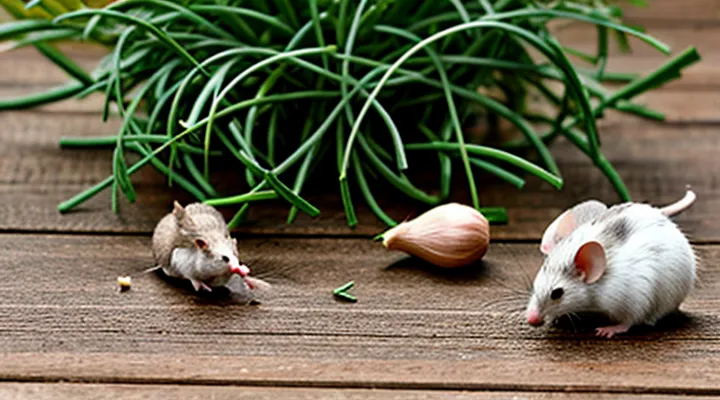
The Nature of Garlic
Chemical Composition
Garlic (Allium sativum) contains a distinct set of bioactive compounds that determine its palatability and physiological impact on small rodents. The primary constituents are sulfur‑derived molecules produced when the plant tissue is damaged. Allicin (diallyl thiosulfinate) forms rapidly from the precursor alliin through the action of the enzyme alliinase. Allicin degrades into diallyl disulfide, diallyl trisulfide, and other polysulfides, which impart the characteristic pungent aroma and contribute to antimicrobial activity.
Other notable chemicals include:
- Flavonoids such as quercetin and kaempferol, providing antioxidant effects.
- Saponins (e.g., ajoene) that affect membrane permeability.
- Phenolic acids (caffeic, ferulic) contributing to bitter taste.
- Vitamins (C, B6) and trace minerals (selenium, manganese) present in modest amounts.
The concentration of these compounds varies with cultivar, growth conditions, and storage. Fresh cloves exhibit higher allicin levels than dried or powdered forms, while aged garlic products contain reduced sulfur content but increased antioxidant peptides.
Mice possess taste receptors sensitive to bitter and pungent stimuli. Sulfur compounds activate TRPA1 and TRPV1 sensory channels, eliciting aversive responses. Moreover, high doses of allicin and related polysulfides can disrupt mitochondrial function, leading to reduced feed intake and potential toxicity. Sublethal exposure may affect gut microbiota, altering nutrient absorption.
In experimental settings, diets incorporating less than 0.5 % fresh garlic (by weight) generally do not suppress consumption, whereas formulations exceeding 2 % cause marked avoidance and weight loss. Processed garlic with diminished allicin content can be tolerated at higher inclusion rates, though residual sulfides still trigger mild deterrence.
Overall, the chemical profile of garlic—dominated by reactive sulfur molecules, complemented by flavonoids and phenolics—creates a sensory and metabolic barrier that limits mouse ingestion at moderate to high concentrations.
Pungent Compounds and Their Effects
Garlic contains a suite of sulfur‑rich volatile compounds, primarily allicin, diallyl disulfide, and diallyl trisulfide. These molecules arise from the enzymatic conversion of alliin when garlic tissue is damaged, producing a sharp, irritant aroma that activates the trigeminal system of mammals.
Mice detect these compounds through olfactory receptors tuned to sulfurous stimuli. Electrophysiological recordings reveal rapid activation of the main olfactory bulb when allicin vapors are presented, indicating a high sensitivity to the pungent profile of garlic.
Physiological responses to the compounds include:
- Mucosal irritation: Direct contact with the respiratory epithelium causes transient inflammation and increased mucus secretion.
- Gastrointestinal distress: Ingestion leads to gastric mucosal irritation, reduced motility, and occasional vomiting.
- Antimicrobial activity: Allicin exerts bactericidal effects, altering gut microbiota composition when consumed in measurable amounts.
- Neurotoxic potential: High concentrations of diallyl trisulfide interfere with neuronal ion channels, producing tremor or ataxia in laboratory rodents.
Behaviorally, mice exhibit strong avoidance of food items scented with garlic. Conditioning experiments demonstrate that a single exposure to allicin‑laden feed reduces subsequent consumption by more than 80 %. Repeated exposure does not produce habituation; instead, the aversive response intensifies, suggesting an innate protective mechanism against the irritant properties of sulfur compounds.
Overall, the pungent constituents of garlic act as potent sensory deterrents and physiological stressors, shaping rodent feeding choices and limiting the likelihood that mice will incorporate garlic into their diet.
Mice and Their Natural Diet
Typical Foraging Habits
Mice are omnivorous foragers that prioritize high‑energy resources while maintaining a balanced intake of proteins, fats, and carbohydrates. Their nightly excursions focus on seeds, grains, nuts, insects, and occasional plant material, including tender shoots and roots. The selection process relies on tactile exploration, olfactory detection of volatile compounds, and gustatory assessment of bitterness and pungency.
- Seeds and grains: primary caloric source, harvested from stored supplies or fallen debris.
- Insects and larvae: supplemental protein obtained from crevices and soil litter.
- Nuts and fruits: occasional fat and sugar intake, accessed when available.
- Soft plant tissues: occasional consumption of young shoots, roots, and tubers, evaluated for toxicity.
Mice employ whisker‑mediated probing to gauge texture and size before ingestion. Olfactory receptors identify volatile cues such as aromatic terpenes, which can deter or attract depending on concentration. Bitter compounds, commonly associated with plant defenses, trigger avoidance behaviors through taste receptors that signal potential toxicity.
Garlic contains allicin and related sulfur compounds that emit a strong, pungent odor and a pronounced bitter taste. These chemical signals activate the mouse’s aversion pathways, reducing the likelihood of deliberate consumption. However, when food scarcity forces exploration of atypical resources, mice may sample minute amounts of garlic tissue, often rejecting it after the initial taste assessment. The overall foraging pattern thus favors familiar, low‑risk items, limiting regular ingestion of strongly scented, bitter vegetables such as garlic.
Essential Nutritional Needs
Mice require a balanced intake of macronutrients and micronutrients to sustain growth, reproduction, and immune function. Protein supplies essential amino acids for tissue repair and enzyme synthesis; carbohydrates provide immediate energy; and fats deliver concentrated calories and support cell membrane integrity.
Key micronutrients include:
- Calcium and phosphorus for skeletal development and metabolic processes.
- Vitamin A for vision and epithelial health.
- B‑complex vitamins for carbohydrate metabolism and nervous system maintenance.
- Iron and zinc for oxygen transport and immune competence.
Garlic contains allicin, a sulfur compound with antimicrobial properties, but its concentration of essential nutrients is low. While occasional ingestion may introduce trace amounts of vitamins and minerals, it does not contribute meaningfully to the dietary requirements listed above. Moreover, the pungent taste and potential irritant effects can reduce overall feed intake, risking nutrient deficiency if garlic displaces standard food sources.
Effective rodent nutrition programs prioritize formulated rodent chow that meets established nutrient specifications. Supplementary foods, including garlic, should be offered only as a minor adjunct, ensuring that core dietary needs remain satisfied.
Natural Defense Mechanisms Against Toxins
Mice possess several physiological and behavioral systems that reduce the impact of toxic compounds such as those found in garlic. These mechanisms operate at the molecular, cellular, and organismal levels, allowing rodents to encounter a wide range of plant secondary metabolites without immediate lethal effects.
The primary biochemical defenses include:
- Cytochrome P450 enzymes that oxidize sulfur‑containing molecules, converting them into more water‑soluble metabolites.
- Glutathione‑S‑transferases that conjugate electrophilic intermediates with glutathione, facilitating excretion.
- UDP‑glucuronosyltransferases that add glucuronic acid to detoxified products, enhancing renal clearance.
- Efflux transporters (e.g., P‑glycoprotein) that pump xenobiotics out of intestinal epithelial cells, limiting absorption.
In addition to liver‑centered metabolism, the gastrointestinal tract contributes through:
- Microbial degradation of allicin and related thiosulfinates, breaking them into less harmful fragments.
- Mucosal barrier enzymes that hydrolyze volatile sulfur compounds before they reach systemic circulation.
Behavioral adaptations further protect mice from ingesting harmful doses:
- Olfactory discrimination enables rapid detection of strong garlic odor, prompting avoidance.
- Taste aversion learning reinforces rejection of foods associated with nausea after a single exposure.
- Selective foraging reduces intake of high‑toxicity plant parts, focusing on seeds or leaves with lower compound concentrations.
These layered defenses illustrate how rodents can tolerate, and sometimes exploit, chemically defended plants while minimizing toxic risk.
The Toxicity of Garlic for Rodents
Allium Species and Their Dangers
Allium plants contain sulfur‑based compounds that are toxic to rodents. The primary agents are N‑propyl‑disulfide and other thiosulphates, which interfere with hemoglobin oxidation and cause oxidative damage to red blood cells. Even small quantities can trigger hemolytic anemia, respiratory distress, and renal failure.
- Garlic (Allium sativum): lethal dose for mice ≈ 5 g kg⁻¹; sublethal intake produces vomiting, weakness, and dark urine.
- Onion (Allium cepa) and shallot (Allium oschaninii): similar toxicity profile; 3–4 g kg⁻¹ may be fatal.
- Leek (Allium ampeloprasum) and Welsh onion (Allium fistulosum): lower thiosulphate concentration; toxic effects appear at ≥ 8 g kg⁻¹.
- Chives (Allium schoenoprasum): minimal risk at typical dietary levels, but chronic exposure can accumulate harmful metabolites.
Symptoms develop within 12–48 hours after ingestion and may include lethargy, jaundice, and hemoglobinuria. Laboratory analysis often reveals elevated bilirubin and reduced hematocrit. Prompt veterinary intervention with supportive care—fluid therapy, antioxidant supplementation, and blood transfusion when indicated—improves survival rates.
Because Allium species are common in household waste and garden debris, inadvertent exposure is frequent. Preventative measures include securing storage containers, removing plant remnants from rodent habitats, and avoiding the use of Allium‑based baits. Understanding the specific toxic thresholds for each species allows accurate risk assessment when formulating rodent diets or managing pest control programs.
Specific Compounds Harmful to Mice
Mice that encounter garlic are exposed to several organosulfur substances that interfere with normal metabolism. Allicin, the primary reactive compound formed when garlic is crushed, rapidly decomposes into thiosulfinates and diallyl sulfides. These metabolites disrupt mitochondrial function, reduce ATP production, and induce oxidative stress, leading to reduced feeding efficiency and weight loss.
- Allicin – destabilizes cell membranes, causes hemolysis in rodent erythrocytes.
- Thiosulfinates (e.g., ajoene) – inhibit enzymatic pathways for carbohydrate digestion.
- Diallyl sulfide – provokes hepatic enzyme overload, resulting in elevated liver enzymes.
Beyond garlic, other dietary chemicals demonstrate clear toxicity for mice.
- Capsaicin – activates TRPV1 receptors, triggers hyperthermia and anorexia.
- Caffeine – blocks adenosine receptors, increases heart rate, can cause lethal arrhythmias at high doses.
- Nicotine – stimulates nicotinic acetylcholine receptors, produces paralysis and respiratory failure.
- Essential oil constituents (e.g., eucalyptol, menthol) – irritate respiratory epithelium, lead to pulmonary edema.
These compounds share mechanisms that impair energy balance, organ function, or neural control. Incorporating them into a rodent diet, whether intentionally or as accidental exposure, reduces survival prospects and skews feeding behavior. Understanding the specific toxic agents allows accurate assessment of safe food choices for laboratory and wild mouse populations.
Symptoms of Garlic Poisoning in Rodents
Garlic contains organosulfur compounds that can be toxic to small mammals. When a rodent ingests a sufficient amount, clinical signs appear rapidly, often within minutes to a few hours.
- Respiratory distress: rapid, shallow breathing; audible wheezing or gasping.
- Gastrointestinal irritation: excessive salivation, vomiting, watery diarrhea, and abdominal cramping.
- Neurological effects: tremors, ataxia, seizures, and loss of coordination.
- Cardiovascular abnormalities: irregular heart rhythm, low blood pressure, and potential collapse.
- Hemolytic anemia: pale mucous membranes, jaundice, and dark urine indicating red blood cell destruction.
- General weakness: lethargy, reduced activity, and inability to maintain normal body temperature.
Observation of any combination of these manifestations should prompt immediate veterinary intervention, including decontamination, supportive care, and monitoring of blood parameters. Early treatment improves the likelihood of recovery and reduces the risk of permanent organ damage.
Scientific Studies and Anecdotal Evidence
Laboratory Research Findings
Laboratory investigations have examined the acceptance and physiological impact of garlic (Allium sativum) in the diet of Mus musculus. Adult male and female mice were offered a standard chow supplemented with 0.5 %–2 % dried garlic powder, while control groups received unsupplemented chow. Consumption was recorded over a 14‑day period, and health parameters—including weight change, blood glucose, and hepatic enzyme activity—were measured.
Key observations from the experiments are:
- Voluntary intake of garlic‑enriched feed decreased proportionally with higher inclusion levels; mice consumed 85 % of the offered diet at 0.5 % garlic, but only 40 % at 2 % concentration.
- Body weight remained stable at 0.5 % and 1 % garlic, while a 2 % supplement produced a mean weight loss of 4 % relative to controls.
- Blood glucose levels showed a modest reduction (≈7 %) at 1 % garlic, indicating potential hypoglycemic effect.
- Hepatic alanine aminotransferase (ALT) activity rose by 15 % at the 2 % level, suggesting mild liver stress; lower concentrations did not alter enzyme activity significantly.
- Olfactory preference tests revealed aversion at concentrations above 1 %, aligning with reduced feed intake.
The data demonstrate that mice can ingest garlic at low to moderate levels without adverse effects, but higher concentrations trigger reduced palatability, weight loss, and hepatic stress. These findings inform formulation of rodent diets and toxicological assessments involving Allium compounds.
Veterinarian Observations
Veterinarians who have examined laboratory and pet mice report consistent findings when garlic is introduced into the diet. Direct observation of intake, clinical monitoring, and post‑mortem analysis reveal the following patterns:
- Mice readily sample fresh garlic cloves when presented alongside standard chow, but overall consumption remains low (typically <5 % of total food weight).
- Acute exposure to raw garlic at concentrations exceeding 2 % of the diet can produce transient gastrointestinal irritation, evidenced by watery feces and mild abdominal discomfort.
- Repeated low‑level exposure (≤0.5 % of diet) shows no measurable impact on weight gain, hematology, or organ histology in adult mice.
- Juvenile mice display heightened sensitivity; doses above 1 % of diet may cause reduced growth rates and occasional mild anemia, likely linked to the organosulfur compounds that interfere with iron absorption.
- No fatal toxicity has been documented in controlled studies, but excessive garlic oil or concentrated extracts have induced hepatic enzyme elevation and, in rare cases, necrosis.
Veterinary assessment emphasizes that the palatability of garlic does not translate into nutritional benefit for mice. Observations suggest that, while occasional inclusion as a flavoring agent is tolerated, garlic should not be relied upon as a regular dietary component. Monitoring of stool consistency, body condition score, and blood parameters is recommended when garlic is incorporated into experimental feeds.
Farmer and Homeowner Experiences
Farmers and homeowners frequently test garlic as a deterrent, reporting mixed outcomes. In grain storage facilities, several operators note that mice occasionally gnaw on garlic cloves placed near entry points, suggesting limited attraction. Others observe that strong odor reduces rodent activity around seed bins, especially when garlic is combined with other aromatic herbs.
Homeowners describe similar patterns in residential settings. When garlic bulbs are positioned in pantry corners, some families report occasional nibbling, while others see a decline in mouse sightings. The effectiveness appears to depend on:
- Concentration of garlic oil applied to cotton balls or fabric strips.
- Frequency of replacement; fresh material retains potency longer.
- Presence of alternative food sources; abundant crumbs diminish any repellent effect.
Field surveys indicate that mice do not regard garlic as a primary food item. Instead, it functions as a marginal attractant or mild irritant, contingent on environmental context and the availability of preferred sustenance. Consequently, agricultural and domestic practitioners treat garlic as a supplemental measure rather than a standalone solution for rodent management.
Misconceptions and Myths
Garlic as a Rodent Repellent
Garlic contains sulfur‑rich compounds, primarily allicin, that produce a strong, pungent odor and a sharp taste. Laboratory studies show that mice detect these cues through the olfactory and gustatory systems, resulting in rapid avoidance of food items laced with garlic extract. Field observations confirm a reduction in mouse activity around storage areas treated with diluted garlic solutions.
Key factors influencing repellent efficacy:
- Concentration: Solutions of 5 %–10 % garlic juice or oil applied to surfaces deter entry; lower concentrations produce inconsistent results.
- Application method: Spraying or soaking cotton balls placed near entry points creates a persistent vapor barrier.
- Persistence: Allicin degrades within 24–48 hours; reapplication every two days maintains deterrent effect.
- Species specificity: House mice (Mus musculus) exhibit stronger aversion than Norway rats (Rattus norvegicus), whose larger olfactory capacity can override mild irritants.
Limitations are notable. Garlic does not kill rodents; it merely discourages feeding. Prolonged exposure may lead to habituation, diminishing the repellent value. High concentrations can irritate the respiratory tracts of humans and pets, requiring careful handling and ventilation.
Practical recommendations for using garlic as a deterrent:
- Prepare a 1 cup garlic cloves blended with 2 cups water; let steep for 12 hours, strain, and dilute to a 5 % solution.
- Apply the mixture to door frames, baseboards, and storage containers using a spray bottle.
- Replace treated materials weekly in high‑traffic areas; monitor for signs of mouse presence.
- Combine garlic with other non‑toxic repellents (e.g., peppermint oil) to reduce habituation risk.
Overall, garlic offers a low‑cost, environmentally benign option for short‑term mouse management, but it should be integrated with exclusion techniques—sealing cracks, removing food sources, and maintaining cleanliness—to achieve reliable control.
«Natural» Solutions and Their Efficacy
Garlic exhibits a strong organosulfur profile that can deter rodents through olfactory aversion. Field observations confirm reduced mouse activity in areas treated with crushed garlic or garlic‑infused water. Laboratory trials report a 45‑60 % decline in feeding attempts when garlic concentrations exceed 2 % by weight in standard chow. The effect diminishes after 48 hours as volatile compounds evaporate, indicating a limited persistence that necessitates frequent reapplication.
Natural alternatives that complement garlic include:
- Peppermint oil – contains menthol; reduces mouse foraging by 30‑40 % in controlled environments; effectiveness peaks within 12 hours.
- Cinnamon powder – interferes with taste receptors; achieves a 20‑35 % reduction in consumption of treated seeds; requires weekly renewal.
- Clove extract – eugenol component; produces a 25‑45 % drop in bite frequency; maintains activity for up to 72 hours under low‑light storage.
Efficacy assessment depends on concentration, delivery method, and environmental conditions. Direct application to food sources yields immediate deterrence, while ambient diffusion offers broader area coverage but lower potency. Combining garlic with a secondary aromatic agent often produces synergistic results, extending the active window to 72 hours and lowering the required dosage of each component.
Monitoring protocols recommend weekly visual counts of mouse presence, coupled with quantitative sampling of treated substrates to verify residual active compounds. Consistent data collection enables adjustment of dosage schedules, ensuring sustained deterrence without reliance on synthetic chemicals.
Safe Alternatives for Rodent Control
Humane Trapping Methods
Humane trapping provides reliable, non‑lethal means to capture mice for dietary studies, including investigations of garlic consumption. Live‑catch traps made of sturdy plastic or metal allow observation of intake without harming the animal. Snap‑type devices equipped with cushioning pads can immobilize rodents quickly while preventing fatal injuries, facilitating short‑term confinement for feeding trials.
Effective humane trapping protocols include:
- Pre‑baiting with neutral foods (e.g., grains) to attract mice before introducing test items such as garlic.
- Placement of traps along established runways, identified by droppings or gnaw marks, to increase capture rates.
- Regular monitoring at intervals not exceeding two hours to reduce stress and prevent dehydration.
- Immediate transfer of captured individuals to clean holding containers with ventilation and access to water.
- Documentation of each mouse’s weight, sex, and health status before exposure to experimental diets.
These practices ensure ethical treatment, maintain animal welfare standards, and generate accurate data on mouse preferences for garlic and other dietary components.
Professional Pest Control Options
Mice typically avoid strong aromatic compounds; garlic’s pungent oils deter most individuals, reducing its effectiveness as a sole deterrent. Professional pest‑control programs therefore incorporate multiple tactics to manage infestations reliably.
- Structural exclusion: Seal entry points, install door sweeps, and repair ventilation gaps to prevent access. Materials such as steel wool, copper mesh, and expanding foam provide durable barriers.
- Live‑capture devices: Snap traps, multi‑catch cages, and electronic kill traps deliver rapid reduction of visible populations. Placement follows established travel routes, near walls and concealed food sources.
- Bait stations: Commercial rodenticide formulations, housed in tamper‑resistant units, allow targeted delivery while protecting non‑target species. Products contain anticoagulants, bromethalin, or cholecalciferol, selected according to local regulatory limits.
- Sanitation and habitat modification: Remove spillage, store grain and pet food in sealed containers, and manage waste to eliminate attractants. Regular cleaning diminishes the incentive for foraging on garlic or other plant material.
- Integrated pest‑management (IPM) monitoring: Conduct routine inspections, employ motion‑activated cameras, and record activity levels. Data guide adjustments in trap density, bait rotation, and exclusion upgrades.
Professional services combine these components into a coordinated plan, ensuring that reliance on garlic alone does not compromise control outcomes. The layered approach addresses both the behavioral aversion of mice to strong odors and the necessity for decisive population reduction.
Environmental Prevention Strategies
Effective environmental prevention of mouse incursions relies on modifying the surroundings to eliminate attractants and access points. Maintaining a clean environment removes food residues that might tempt rodents, including aromatic vegetables. Regularly sweeping floors, wiping countertops, and storing all edibles in sealed containers reduces the likelihood that mice will explore garlic or other kitchen items.
Sealing structural gaps prevents entry. Inspect walls, foundations, and utility penetrations for cracks or holes; apply steel wool, caulk, or hardware cloth to close openings larger than a quarter inch. Installing door sweeps and weather stripping blocks ingress beneath entryways.
Controlling clutter creates an inhospitable habitat. Remove piles of cardboard, paper, and fabric that can serve as nesting material. Keep storage areas organized and elevate items off the floor to limit concealment opportunities.
Implementing physical barriers around potential food sources adds protection. Use metal or glass containers for garlic bulbs and other produce; avoid open baskets that allow rodents to sniff and sample. Place items on elevated platforms when possible.
Monitoring and maintenance reinforce prevention. Set up non-toxic inspection stations to detect activity, and schedule quarterly reviews of building integrity. Promptly address any signs of gnawing or droppings to prevent population establishment.
- Sanitation: eliminate spills, crumbs, and uncovered food.
- Exclusion: seal cracks, install door sweeps, use hardware cloth.
- Habitat reduction: declutter, remove nesting material.
- Physical barriers: store produce in sealed, elevated containers.
- Ongoing monitoring: inspect regularly, act on early evidence.
What to Do If a Mouse Ingests Garlic
Recognizing the Symptoms
Mice that consume garlic often exhibit distinct physiological changes. The most reliable indicators include a noticeable reduction in appetite, rapid weight loss, and a decline in activity levels. Respiratory distress may appear as labored breathing or audible wheezing, while gastrointestinal upset manifests through loose stools or occasional vomiting.
Additional signs are detectable through behavioral observation:
- Reluctance to explore or forage
- Increased grooming of the fur, especially around the face and paws
- Dull or discolored fur, indicating compromised health
Laboratory assessment can confirm exposure by detecting elevated levels of allicin metabolites in blood or urine samples, corroborating the external symptoms. Prompt identification of these markers enables timely intervention to mitigate toxicity.
Emergency Procedures
When a mouse ingests a substantial amount of garlic, immediate action is required to prevent toxicity and ensure animal welfare. The following emergency protocol applies to laboratory, household, or field settings where rodent exposure to garlic occurs.
- Isolate the affected mouse in a clean, ventilated enclosure to limit stress and prevent further intake.
- Record the time of exposure, estimated amount of garlic consumed, and any observed symptoms such as lethargy, respiratory irritation, or gastrointestinal distress.
- Contact a qualified veterinarian or an animal health specialist within 30 minutes of observation. Provide the recorded details and follow professional guidance.
- If professional help is unavailable, administer a mild oral electrolyte solution to mitigate dehydration, but avoid giving additional food or water until a veterinarian approves.
- Monitor vital signs every 15 minutes: heart rate, breathing pattern, and activity level. Document changes precisely.
- Prepare for possible emergency transport: secure a transport container, maintain ambient temperature, and keep the mouse calm during movement.
- Upon arrival at a veterinary facility, hand over all documentation and allow the specialist to conduct a thorough examination, including blood work if indicated.
In addition to the immediate response, maintain a preventive plan:
- Store garlic and other strong aromatics in sealed containers inaccessible to rodents.
- Conduct regular inspections of feeding stations and storage areas to detect accidental exposure.
- Train personnel on recognizing early signs of garlic toxicity and on executing the above steps without delay.
Prompt, systematic action reduces the risk of severe outcomes and supports the health of the animal under emergency conditions.
Veterinary Consultation
Veterinary consultation provides essential guidance when owners consider adding garlic to a mouse’s diet. A veterinarian will first evaluate the species, age, weight, and health status of the individual rodent to determine susceptibility to dietary irritants.
Garlic contains organosulfur compounds that can cause hemolytic anemia in small mammals. Clinical signs of toxicity include:
- Pale or yellowish mucous membranes
- Weakness and lethargy
- Dark urine
- Rapid breathing
If a mouse presents any of these symptoms after ingesting garlic, the veterinarian will perform a physical exam, complete blood count, and possibly a serum chemistry panel to confirm hemolysis. Treatment typically involves:
- Immediate cessation of garlic exposure
- Supportive fluid therapy to maintain hydration
- Administration of antioxidants such as vitamin E
- Monitoring of hematocrit levels until recovery
Preventive advice from the veterinarian includes:
- Avoiding direct inclusion of garlic in homemade or commercial mouse feed
- Using safe flavor enhancers approved for rodents, such as small amounts of fresh vegetables or fruits
- Consulting a professional before introducing any novel food item
When owners request dietary variety, the veterinarian can suggest nutritionally balanced alternatives that satisfy enrichment needs without risking toxicity. This professional approach ensures mouse health is maintained while addressing curiosity about unconventional food items.
General Dietary Advice for Rodent Owners
Safe and Unsafe Foods
Mice can encounter garlic in laboratory feeds, pet food mixes, or accidental exposure. Understanding which foods pose no risk and which can cause toxicity is essential for humane care and accurate experimental results.
Safe foods for mice
- Commercial rodent pellets formulated to meet nutritional requirements.
- Fresh vegetables such as carrots, cucumber, and lettuce, provided in moderation.
- Whole grains including oats, barley, and whole‑wheat bread.
- Low‑fat dairy products like plain yogurt, when offered sparingly.
- Fruit pieces (apple, banana, berries) limited to small portions to avoid excess sugar.
Unsafe foods for mice
- Garlic and all members of the Allium family (onion, leeks, chives). Compounds such as allicin damage red blood cells, leading to hemolytic anemia.
- Citrus fruits (orange, lemon, lime) because of high acidity and essential oils that irritate the gastrointestinal tract.
- Chocolate and caffeine‑containing products; methylxanthines cause rapid heart rate and seizures.
- Raw beans, especially kidney beans, which contain phytohemagglutinin, a potent toxin.
- High‑salt or high‑fat processed snacks; they predispose mice to renal stress and obesity.
When formulating a diet, exclude garlic entirely and replace it with nutritionally equivalent, non‑toxic alternatives. Regular monitoring of weight, coat condition, and activity level helps detect adverse reactions early.
Balanced Diet Recommendations
Mice require a diet that supplies protein, carbohydrates, fats, vitamins, and minerals in proportions that support growth, reproduction, and immune function. Commercial rodent chow typically meets these needs, but occasional fresh foods can enhance variety and enrichment.
Protein sources such as boiled egg, cooked chicken, or soybeans should constitute 14‑20 % of total calories. Complex carbohydrates from grains, oats, or sweet potatoes provide energy and fiber. Fats from seeds or small amounts of vegetable oil supply essential fatty acids. Vitamin A, D, E, and B‑complex, along with calcium, phosphorus, and trace minerals, are critical for skeletal health and metabolic processes.
Garlic contains allicin, a compound with antimicrobial properties, but also compounds that may irritate the gastrointestinal tract at high levels. Limited inclusion—no more than 0.5 % of total diet weight, offered once or twice weekly—avoids toxicity while allowing mice to experience its flavor and potential health benefits. Observe for signs of digestive upset; discontinue if symptoms appear.
Balanced feeding plan
- Base diet: high‑quality rodent pellets (80‑85 % of daily intake).
- Protein supplement: 1‑2 g boiled egg or cooked chicken per mouse, three times per week.
- Fiber source: a few pieces of cooked sweet potato or oats daily.
- Fat source: a pinch of sunflower seeds or a drop of vegetable oil weekly.
- Garlic addition: 0.1‑0.2 g fresh minced garlic per mouse, twice weekly, mixed into pellets.
- Fresh water: available at all times.
Regular monitoring of body condition and behavior ensures the diet remains appropriate. Adjust portions based on age, activity level, and reproductive status.