
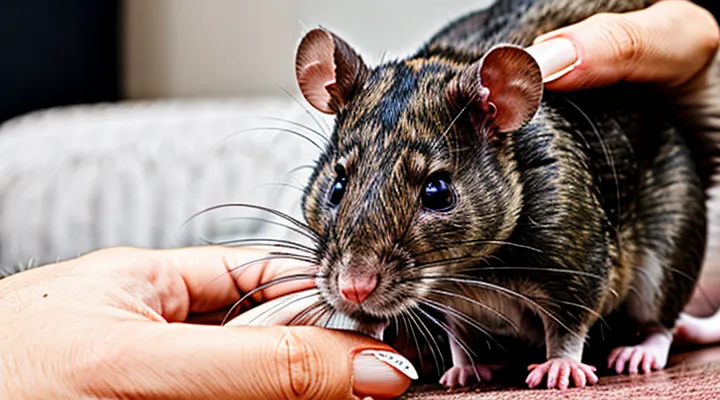
Understanding Rat Nails
The Natural State of Rat Nails
Purpose of Nails in the Wild
In wild environments, rat claws serve several functional objectives that directly affect survival.
- Climbing: Curved, sharp nails enable rats to grip vertical surfaces such as tree trunks, rock faces, and fence posts, facilitating escape from predators and access to food sources.
- Digging: Robust tips allow efficient excavation of burrows, nesting chambers, and foraging tunnels, providing shelter and a stable microclimate.
- Defense: Hardened edges can inflict injury on attackers, serving as a secondary deterrent when escape is impossible.
- Sensory feedback: Contact between the nail pads and substrate transmits tactile information, assisting rats in assessing surface texture and stability during rapid movement.
These roles underscore why nail length and condition are critical in natural settings; overgrown claws can impede locomotion, reduce burrow efficiency, and increase injury risk. Understanding these functions informs responsible care for pet rats, where regular trimming must preserve enough length to retain the essential capabilities described above.
How Nails Wear Down Naturally
Rats constantly file their claws against surfaces while climbing, burrowing, and gripping objects. The abrasive contact with wood, plastic, and cage bars gradually shortens the outer keratin layers. Each step or climb produces micro‑abrasions that, over weeks, reduce nail length without human intervention.
The primary mechanisms of natural wear include:
- Climbing activity – vertical and inclined surfaces create friction that chips the nail tip.
- Gnawing behavior – rats chew cage accessories, generating additional contact between claws and hard materials.
- Ground interaction – running across textured flooring scratches and flattens the nail edge.
- Self‑grooming – the animal’s forepaws manipulate the hind paws, pulling and scraping nails against the skin and fur.
Environmental factors affect the rate of wear. Rough substrates, such as untreated wood or wire mesh, accelerate shortening, whereas smooth plastic or glass provide minimal abrasion, allowing claws to grow longer. Age and health also influence nail integrity; older rats may experience slower growth, while metabolic disorders can alter keratin formation.
Even with regular activity, many pet rats retain claws that exceed safe lengths for indoor housing. When natural wear fails to keep nails within functional limits, manual trimming becomes necessary to prevent overgrowth, tissue injury, and impaired mobility.
Why Nail Trimming Might Be Considered
Potential Problems with Overgrown Nails
Scratching Owners
Domestic rats possess continuously growing claws; when nails exceed a functional length, the animal may unintentionally scratch its caretaker during normal handling. Overgrown claws also increase the likelihood of self‑injury, as the rat can snag bedding or cage accessories.
Regular claw maintenance eliminates most accidental scratches. Shortened nails reduce the pressure applied to human skin, lower the risk of puncture wounds, and improve overall cage hygiene by preventing debris accumulation under the claw tip.
Effective claw trimming follows a simple protocol:
- Choose a pair of small, sharp nail clippers designed for rodents or a human nail clipper with a fine tip.
- Secure the rat gently but firmly; a soft cloth or a helper can restrain the animal without causing stress.
- Identify the transparent portion of the nail; trim only the opaque tip, leaving the pink “quick” untouched to avoid bleeding.
- Apply gentle pressure to the cut end for a few seconds to stop any minor bleeding, using a styptic powder if necessary.
- Repeat for each digit, then reward the rat with a treat to reinforce cooperation.
Perform this procedure every four to six weeks, adjusting the interval according to the rate of nail growth observed in individual rats. Failure to maintain appropriate nail length may result in broken claws, infections, and increased aggression, all of which heighten the probability of owner injury.
Injuring Themselves or Cagemates
Overgrown claws can puncture skin, snag bedding, and trap the animal in its enclosure. When a rat’s nails exceed the length of the foot pad, the tips curl toward the ground and create pressure points that damage soft tissue. Repeated micro‑injuries may lead to infection, inflammation, or chronic pain, reducing the animal’s mobility and overall health.
Clipping the claws carries its own risk of self‑injury or harm to cage mates. Improper technique or dull instruments can cause the nail to split, exposing the quick—a vascular tissue that bleeds profusely when cut. A bleeding rat may panic, bite, or scratch nearby companions, spreading wounds throughout the group. Additionally, a startled rat may lunge at another, resulting in bite wounds or broken teeth.
Effective mitigation requires strict adherence to the following practices:
- Use a dedicated, sharp pair of small animal nail clippers; replace blades regularly.
- Restrain the rat gently but securely, preferably on a padded surface, to prevent sudden movements.
- Examine each nail under a magnifying light to locate the quick; trim only the translucent tip.
- Apply a styptic powder or cornstarch immediately if bleeding occurs, and monitor the animal for at least five minutes.
- Perform trimming in a quiet environment to reduce stress, which lowers the likelihood of aggressive reactions toward cage mates.
- Schedule regular nail checks, ideally every two to four weeks, to keep claw length within a safe range.
By maintaining appropriate claw length and following precise clipping protocols, owners eliminate the primary sources of self‑inflicted injury and protect the entire rat colony from accidental wounds.
Difficulty Walking or Grooming
Overgrown claws impede a rat’s stride. When the nail tip contacts the floor, the animal shifts weight onto the toe pad, causing an uneven gait and occasional stumbling. The altered posture increases pressure on joints, which can lead to soreness and reduced mobility.
Observable indicators of nail‑related locomotion or grooming problems include:
- Reluctance to run or climb
- Frequent pauses while moving
- Scratching at the paws with forepaws
- Excessive licking or chewing of the feet
- Visible curvature or splitting of the claw tip
If the condition persists, the rat may develop calluses, skin abrasions, or infections at the nail base. Chronic discomfort can discourage self‑grooming, resulting in a matted coat and additional health risks.
Regular nail maintenance eliminates these issues. Trim the terminal 1‑2 mm of each claw every 2‑4 weeks, using a pet‑grade nail clipper or scissor designed for small rodents. Perform the procedure while the animal is calm, preferably after a brief handling session, and avoid cutting into the pink vascular tissue (the “quick”). Apply a styptic powder if minor bleeding occurs.
Consistent trimming preserves natural locomotion, supports effective self‑grooming, and prevents secondary complications.
When Trimming Becomes Necessary
Signs of Overgrowth
Overgrown nails in pet rats present clear, observable problems that indicate a need for regular clipping.
- Nails that curve sharply and press against the foot pad, causing the pad to appear swollen or reddened.
- Difficulty climbing or walking; the animal may pause frequently, shift weight, or exhibit a limp.
- Frequent snagging on bedding, cages, or clothing, leading to sudden halts or jerky movements.
- Bleeding from the nail tip, which occurs when the nail grows past the protective sheath and cracks.
- Visible length exceeding the toe joint, with the tip extending beyond the paw’s natural contour.
These indicators appear without delay and should prompt immediate attention to nail maintenance for the animal’s comfort and health.
Special Circumstances «e.g., Older or Less Active Rats»
Trimming the nails of pet rats is a routine part of grooming, but older or less active individuals require specific considerations. Age‑related changes often lead to reduced mobility, making handling more delicate. Thicker, slower‑growing nails may also develop unevenly, increasing the risk of over‑cutting or injury.
Key factors for senior or sedentary rats:
- Reduced stress tolerance: Use a calm environment, minimal restraint, and short sessions to prevent panic.
- Joint stiffness: Support the animal’s limbs with a soft towel or palm cradle, avoiding forced extension of the paws.
- Nail thickness: Older rats may have denser keratin; a fine‑toothed clipper or a rotary nail grinder provides smoother cuts and reduces the chance of splintering.
- Healing capacity: Monitor for bleeding longer than a few seconds; apply a sterile powder or styptic agent promptly.
- Frequency: Extend the interval between trims if growth slows, but check weekly to avoid excessive length that could affect gait.
When a rat shows signs of lethargy or reluctance to move, schedule grooming during a time of day when the animal is naturally more active. Offer a favorite treat before and after the procedure to associate handling with positive reinforcement. If the rat resists or exhibits pain, consider a brief veterinary consultation to assess underlying health issues that may affect nail health.
The Controversy Around Trimming Rat Nails
Arguments Against Routine Trimming
Stress and Trauma for Rats
Rats experience acute stress when restrained without proper habituation, leading to elevated cortisol levels and heightened agitation. Rapid, forceful handling can cause tissue damage, bruising, or fractures, especially if the animal resists. Signs of distress include rapid breathing, vocalization, frantic escape attempts, and aggressive biting.
Effective nail‑trimming protocols reduce trauma. Key components are:
- Gradual desensitization: expose the rat to handling, a soft cloth, and the trimming tool over several sessions.
- Secure yet gentle restraint: use a towel or a specialized restrainer that supports the body without compressing the spine.
- Proper lighting and magnification: ensure clear visibility of the nail’s quick to avoid accidental cuts.
- Immediate hemostasis: have styptic powder or cornstarch ready to control bleeding if the quick is breached.
Post‑procedure observation is essential. Monitor the rat for limping, excessive licking of the paws, or prolonged vocalization. Persistent discomfort may indicate nerve injury or infection, requiring veterinary assessment.
Regular trimming intervals—typically every four to six weeks—prevent overgrowth that can cause self‑inflicted wounds or impaired locomotion. Consistent, low‑stress handling maintains the animal’s welfare and minimizes the risk of trauma associated with nail maintenance.
Risk of Injury During Trimming
Trimming a pet rat’s claws carries a measurable risk of injury if the procedure is performed without proper technique and tools. The most common hazards include:
- Accidental cuts to the quick, the vascular tissue beneath the nail tip, resulting in immediate bleeding.
- Prolonged hemorrhage when the cut severs a larger blood vessel, potentially leading to anemia if untreated.
- Introduction of bacteria through open wounds, increasing the likelihood of localized infection.
- Damage to the surrounding toe pad or soft tissue, which can impair locomotion and cause chronic pain.
- Stress‑induced defensive bites or scratches, which may compound tissue trauma.
Preventive measures require restraint that secures the animal without excessive pressure, a sharp, appropriately sized nail clipper, and a well‑lit work area. After each cut, inspect the nail for signs of bleeding, apply a hemostatic powder or styptic agent if necessary, and monitor the rat for swelling or altered gait over the following 24 hours. Immediate veterinary attention is warranted for uncontrolled bleeding, signs of infection, or persistent limping.
Potential for Infection
Trimming the claws of a pet rat carries a measurable risk of infection if proper technique and hygiene are not observed. The nail matrix contains blood vessels and nerves; accidental injury to this tissue can introduce bacteria from the environment or the animal’s own oral flora. Infections may present as swelling, redness, heat, discharge, or a change in the rat’s behavior such as reduced activity or loss of appetite.
Key factors that increase infection likelihood include:
- Use of dull or contaminated clippers that crush rather than cut the nail.
- Failure to sterilize tools before and after each session.
- Inadequate restraint, leading to sudden movements and deeper cuts.
- Ignoring minor bleeding; continued pressure without hemostasis encourages bacterial growth.
- Exposure of the trimmed area to dirty bedding or unclean surfaces.
Preventive measures:
- Disinfect clippers with an approved antiseptic (e.g., 70 % isopropyl alcohol) before each use.
- Inspect the nail to locate the clear, non‑vascular portion (the “quick”) and cut only this segment.
- Apply gentle pressure with a sterile gauze if bleeding occurs, then monitor for 24 hours.
- Keep the rat’s environment clean; replace soiled bedding promptly after a trimming session.
- Observe the rat for at least two days post‑procedure; any sign of inflammation warrants veterinary assessment.
If infection develops, immediate veterinary intervention is essential. Treatment typically involves cleaning the wound, administering appropriate antibiotics, and possibly analgesics. Delayed care can lead to abscess formation, systemic illness, or permanent damage to the claw. Maintaining strict aseptic technique and vigilant post‑procedure monitoring minimizes these risks and supports the health of domesticated rats undergoing nail maintenance.
Arguments For Occasional Trimming
Preventing Injury and Discomfort
Trimming the claws of pet rats reduces the risk of puncture wounds, torn skin, and painful snagging on cage bars or bedding. Overgrown nails can press into the foot pads, causing inflammation and gait abnormalities; regular shortening prevents these conditions.
Effective nail care requires gentle restraint to keep the animal calm and immobilized without causing stress. A small towel or a specialized rodent holder provides secure yet non‑restrictive handling. The handler should support the rat’s body, allowing the forepaws to be exposed without excessive pressure on the limbs.
A pair of stainless‑steel, human‑grade nail clippers or a rotary dremel set with a fine sanding tip produces clean cuts. The following steps ensure safety:
- Inspect each nail for the pink “quick” that contains blood vessels; avoid cutting into this area.
- Trim only the transparent tip, leaving a small margin above the quick.
- If the quick is exposed, apply a sterile styptic powder or cornstarch to stop bleeding.
- Perform the procedure in a well‑lit area to see the nail structure clearly.
- Limit each session to a few minutes; allow the rat to recover before continuing if signs of agitation appear.
Frequency depends on growth rate, which varies by diet and genetics. Most domestic rats require trimming every 2–4 weeks. Signs that a session is overdue include nails that curl around the toe pad, difficulty climbing, or audible clicking on hard surfaces.
Post‑trimming observation is essential. Look for swelling, bleeding, or changes in behavior such as excessive grooming of the paws. Prompt veterinary evaluation prevents minor injuries from developing into infections.
In addition to regular clipping, providing appropriate substrates—soft wood shavings, paper bedding, and climbing structures—helps naturally wear down nails, further reducing the need for frequent intervention. Combining careful trimming with environmental enrichment maintains paw health and minimizes discomfort for the animal.
Improving Quality of Life for Some Rats
Trimming the claws of pet rats can prevent overgrowth that leads to pain, reduced mobility, and tissue damage. Regular clipping removes the sharp tip that may catch on bedding or cage bars, allowing the animal to move freely and groom without injury. When nails are kept at an appropriate length, rats are less likely to develop footpad sores or develop abnormal gait patterns, both of which diminish overall well‑being.
Effective nail care requires a few essential steps:
- Use a small animal nail clipper or human manicure scissors with a fine tip.
- Restrain the rat gently but securely, supporting the body while exposing the toe.
- Identify the clear, pinkish portion of the nail (the quick) and cut only the dark, translucent tip.
- Apply a small amount of styptic powder or cornstarch if bleeding occurs.
- Perform the procedure every 4–6 weeks, adjusting frequency based on growth rate.
Additional considerations improve safety and comfort:
- Conduct clipping in a quiet environment to reduce stress.
- Offer a treat immediately after the session to reinforce positive association.
- Inspect paws weekly for signs of overgrowth, cracking, or infection.
- Consult a veterinarian if the rat shows reluctance, excessive bleeding, or signs of chronic foot problems.
By maintaining proper claw length, owners support locomotion, reduce the risk of self‑inflicted injuries, and promote healthier grooming behavior. These factors collectively enhance the quality of life for domestic rats that receive regular nail maintenance.
Methods and Alternatives to Trimming
Providing Abrasive Surfaces
Rough Rocks or Bricks in the Cage
Rough stones or bricks placed in a rat’s enclosure serve as natural filing surfaces that can reduce the frequency of claw trimming. When a rat walks on uneven, abrasive material, the outer layers of the nail wear down gradually, preventing overgrowth that could impair movement or cause injury.
The effectiveness of this method depends on several factors:
- Material hardness: dense bricks or coarse river rocks provide sufficient abrasion without damaging paw pads.
- Size and shape: pieces should be large enough to prevent accidental ingestion and smooth enough to avoid sharp edges.
- Placement: items must be positioned in a low‑traffic area to encourage voluntary use while keeping the rest of the cage clear for other activities.
- Hygiene: regular cleaning removes debris and prevents bacterial buildup that could affect paw health.
Veterinary guidelines advise supplementing environmental filing with periodic manual clipping. Even with abrasive substrates, some rats develop uneven nail growth that requires direct trimming. Combining natural wear with careful inspection ensures optimal claw length and overall paw condition.
Sandpaper or Pumice Ledges
Pet rats require regular nail maintenance to prevent overgrowth, discomfort, and injury. Sandpaper and pumice ledges offer viable alternatives to conventional clippers, especially for owners hesitant to handle sharp tools near delicate paws.
Fine-grit sandpaper (400–600 µm) gently files the nail tip when the rat presses its foot against the surface. Repeated brief sessions reduce length by 1–2 mm without causing bleeding. The method works best with a stable, non‑slipping base and a calm animal accustomed to brief handling.
Pumice ledges function similarly; the porous texture abrades keratin while providing a tactile surface that rats naturally explore. Advantages include:
- Low risk of accidental cuts
- Ability to shape the nail edge gradually
- Minimal equipment cost and easy replacement
Considerations for effective use:
- Begin with short, 10‑second contacts; increase duration as the rat becomes comfortable
- Monitor for signs of stress or excessive abrasion; stop if the nail appears thin or the pad shows redness
- Replace sandpaper or pumice once the surface becomes smooth, as effectiveness declines
Both materials can be integrated into a routine nail‑care schedule of two to three sessions per week, maintaining optimal nail length without the need for specialized clippers.
Dig Boxes with Appropriate Substrates
Providing a digging area with suitable substrate is a practical component of claw maintenance for pet rats. A well‑filled box offers a natural surface for rodents to wear down their nails through regular activity, reducing the frequency of manual trimming. The substrate’s abrasiveness should be sufficient to promote gentle filing without causing injury.
- Aspen shavings: fine texture, low dust, safe for respiratory health.
- Paper‑based bedding (e.g., shredded newspaper): soft, readily available, easy to replace.
- Coconut coir: sturdy fibers, promotes natural gnawing behavior, absorbs moisture.
- Untreated hardwood chips (e.g., birch): durable, moderate grit, suitable for larger enclosures.
Placement of the digging box near the cage’s primary activity zone encourages consistent use. Regular inspection of the substrate ensures it remains dry and free of clumps that could trap claws. When the box is refreshed weekly, rats continue to self‑maintain nail length, supporting overall health and minimizing the need for frequent trims.
Professional vs. DIY Trimming
Consulting a Veterinarian
Consulting a veterinarian before attempting claw clipping for a pet rat ensures safe handling, proper technique, and appropriate timing. A professional can assess the animal’s health, identify any underlying conditions that could complicate the procedure, and recommend suitable tools.
Key points to discuss during the appointment:
- Rat’s age and overall health status.
- Frequency of nail growth and signs of overgrowth.
- Recommended type of clippers or scissors.
- Techniques for restraining the rat without causing stress.
- Post‑procedure care, including monitoring for bleeding or infection.
Veterinary guidance also clarifies when a rat may require anesthesia or sedation, especially if it is particularly anxious or has a history of aggressive behavior. Following expert advice reduces the risk of injury and promotes long‑term limb health.
Techniques for Safe Home Trimming «If Absolutely Necessary»
Trimming a pet rat’s claws should be considered only when overgrowth interferes with movement, causes self‑injury, or creates hygiene issues. The procedure demands restraint, proper tools, and an environment that minimizes stress.
- Choose a pair of small, sharp nail trimmers designed for rodents or a human manicure set with a fine tip. Dull instruments increase the risk of crushing the nail.
- Secure the rat by gently wrapping it in a soft towel, leaving one paw exposed. The towel prevents sudden kicks while allowing visual access to the nail.
- Locate the transparent “quick” within the nail, visible as a pink line. Cut only the opaque tip, staying at least 1 mm away from the quick to avoid bleeding.
- Apply a small amount of styptic powder or cornstarch to any accidental bleed, pressing gently until the flow stops.
- Release the animal immediately after each paw is trimmed, offering a treat to reinforce a calm association.
Perform the trimming in a well‑lit area, preferably on a stable surface. Limit the session to a few minutes; multiple short sessions are safer than one prolonged attempt. If the rat shows signs of extreme distress, postpone the task and consult a veterinarian.
Necessary Tools
Proper nail maintenance for pet rats requires equipment designed for small, delicate claws. Using inappropriate tools can cause injury, bleeding, or stress.
- Small‑animal nail clippers – scissor‑type or guillotine models with blades no longer than 1 cm; stainless steel ensures sharpness and hygiene.
- Styptic powder or cornstarch – quickly stops bleeding if a nail is trimmed too close to the quick.
- Soft restraint towel – gently wraps the rat, limiting movement while exposing the paws.
- Bright handheld lamp or LED light – illuminates the nail’s transparent section, making the quick visible.
- Fine‑point tweezers – assists in holding the paw or removing loose nail fragments.
- Disinfectant wipes – cleans the clippers before and after each session to prevent infection.
Having these items on hand allows safe, efficient trimming, reduces the risk of complications, and supports the rat’s overall health.
Proper Handling Techniques
When preparing to trim a pet rat’s nails, begin by ensuring the animal feels secure. Place the rat in a quiet area free of sudden noises or movements. Allow a few minutes for the rat to settle before any handling begins.
Hold the rat gently but firmly. One effective method is to wrap the animal in a soft, breathable towel, leaving the paws exposed. The towel prevents escape while minimizing stress. Support the body with one hand, using the thumb and forefinger to stabilize the torso, and use the other hand to guide the paws.
Inspect each nail before cutting. Look for the pinkish vascular tissue, known as the quick, which should remain untouched. Trim only the transparent tip, cutting no more than 1 mm at a time. Use clippers designed for small rodents; scissors or human nail trimmers are unsuitable.
After trimming, reward the rat immediately with a favorite treat. Positive reinforcement encourages cooperation in future sessions.
Practical steps:
- Choose a calm environment and allow the rat to acclimate.
- Wrap the rat in a towel, exposing only the feet.
- Stabilize the body with one hand; guide the paw with the other.
- Examine each nail for the quick; cut only the tip.
- Use rodent‑specific clippers; avoid excessive force.
- Offer a treat to reinforce calm behavior.
Consistent, gentle handling reduces anxiety and promotes safe nail maintenance for domestic rats.
Avoiding the «Quick»
When trimming a pet rat’s claws, the primary risk is cutting the vascular tissue known as the quick. Damage to the quick causes bleeding, pain, and possible infection, making accurate identification essential.
The quick appears as a pinkish core within the nail. In dark‑colored nails it is less visible; a safe approach is to trim only the translucent tip. Lightly pressing a rat’s toe can push the nail forward, exposing the clear portion for a clean cut.
Tips for avoiding the quick:
- Use a pair of sharp, rat‑size nail clippers; dull tools crush the nail and increase trauma.
- Trim a millimeter or less from the tip; err on the side of conservatism.
- If the nail is dark, trim a tiny sliver and observe for a small black dot; this indicates proximity to the quick.
- Have styptic powder or cornstarch ready to stop bleeding should accidental puncture occur.
- Perform trimming in a calm environment; a relaxed animal reduces sudden movements that could lead to mis‑cuts.
After each session, inspect the paws for swelling or continued bleeding. Apply pressure with a sterile gauze pad if minor bleeding persists, then monitor for signs of infection over the next 24‑48 hours. Regular, careful trimming every four to six weeks maintains nail length within safe limits and eliminates the need for emergency care.
Long-Term Nail Care Strategies
Environmental Enrichment for Nail Health
Promoting Natural Wear
Domestic rats maintain nail length primarily through interaction with their environment. Hard surfaces such as wire cages, wood blocks, and chew toys create friction that naturally shortens claws during daily activity.
Key elements that encourage natural wear:
- Wire mesh flooring or climbing bars that provide consistent abrasion.
- Wooden branches, dowels, or untreated bark for gnawing and climbing.
- Dense bedding (e.g., shredded paper) that allows rats to dig and scratch.
- Regular exercise outside the cage on textured mats or safe indoor arenas.
These components simulate the conditions rats would encounter in the wild, where constant locomotion against varied substrates limits overgrowth. When cages are equipped solely with smooth plastic or fabric, nails may grow excessively, increasing the risk of injury or impaired mobility.
Owners should assess wear by observing nail tips weekly. If the distal edge remains sharp or the nail extends beyond the foot pad, supplemental trimming becomes necessary. Otherwise, a well‑designed habitat reduces the frequency of manual clipping and promotes overall paw health.
Exercise and Activity
Regular nail maintenance is essential for pet rats because overgrown claws can impede locomotion, cause discomfort, and lead to injury. Activity levels directly affect claw wear, making exercise a factor in nail health.
When rats engage in climbing, running, and gnawing, contact with surfaces naturally files the tips of their nails. High‑frequency wheel use or frequent exploration of textured cages can reduce the interval between necessary trims, but it does not eliminate the need for periodic inspection.
Owners should incorporate the following practices to promote adequate claw wear while ensuring safety:
- Provide a multi‑level cage with wooden branches, ropes, and platforms.
- Install a solid‑surface running wheel that allows the rat’s hind limbs to grip.
- Offer chew blocks and tunnels made of rough material to encourage paw contact.
- Schedule weekly visual checks of nail length; trim only when the free edge extends beyond the toe pad or shows signs of curling.
Even active rats may develop uneven nail growth due to genetics or injury. Prompt trimming, performed with rat‑specific clippers and proper restraint, prevents complications and maintains optimal mobility.
Monitoring and Regular Checks
How Often to Inspect Nails
Regular examination of a pet rat’s nails is essential for preventing overgrowth, injury, and infection. Inspection should be integrated into daily care routines, allowing owners to detect problems before they require trimming.
- Daily: Visual check during feeding or handling. Look for nails that touch the floor, curl, or cause the animal to limp.
- Weekly: Physical feel of each nail with a fingertip or blunt instrument. Verify that nails are smooth and not catching on bedding.
- Monthly: Detailed assessment using a magnifying lens. Confirm that the quick (vascular tissue) is not exposed and that nail length matches the rat’s size and activity level.
- After illness or injury: Immediate inspection. Health issues such as arthritis or reduced mobility can accelerate nail overgrowth, necessitating more frequent checks.
Young rats and highly active individuals typically maintain appropriate nail length with weekly inspections, while older or sedentary rats may require bi‑weekly or even more frequent monitoring. Prompt identification of overgrown nails reduces the need for aggressive trimming and supports overall welfare.
What to Look For
Trimming the claws of a pet rat requires careful observation to avoid injury and ensure a smooth procedure.
Key factors to assess before and during the grooming session include:
- Overall health – check for signs of illness, skin infections, or limping that could complicate handling.
- Nail length – visible pink or clear growth indicates that the nail has not yet reached the quick; darker, longer nails may hide the quick.
- Quick location – in light‑colored nails the quick appears as a pink line; in dark nails, trim only a few millimeters at a time to prevent cutting the blood vessel.
- Tool suitability – use a sharp, stainless‑steel nail clipper or small scissor designed for rodents; dull tools cause crushing and pain.
- Grip and restraint – a secure but gentle hold, such as a soft cloth or a specialized rodent restrainer, keeps the animal still without excessive stress.
- Stress indicators – rapid breathing, vocalization, or attempts to escape signal that the rat is uncomfortable; pause and allow recovery before proceeding.
- Bleeding control – keep styptic powder or a cornstarch paste ready to apply immediately if a quick is accidentally cut.
- Post‑trim inspection – verify that the cut edge is smooth; file any sharp points to prevent self‑injury.
Evaluating each of these elements ensures that nail maintenance is safe, effective, and minimally stressful for the animal.
Dietary Considerations
Impact on Nail Growth and Strength
Trimming the nails of pet rats influences the rate at which keratin accumulates at the nail tip. Regular clipping removes the distal portion of the nail, prompting the growth matrix to produce new tissue more frequently. Consequently, nails tend to grow at a slightly faster pace compared to untrimmed claws, because the removal of the hardened tip reduces the mechanical resistance that would otherwise slow elongation.
The structural integrity of the nail also responds to routine trimming. Controlled removal of excess length prevents the formation of overly long, brittle tips that are prone to splitting. Shorter nails maintain a more uniform thickness, which enhances durability during climbing and grooming activities. Over‑trimming, however, can weaken the nail by shortening the protective keratin layer excessively, leading to increased susceptibility to cracks or infection.
Key effects of nail maintenance in domestic rats:
- Accelerated growth due to continual removal of distal keratin.
- Improved uniformity of nail thickness, reducing brittleness.
- Lower risk of accidental injury from overgrown claws.
- Potential for weakened nails if trimming is too aggressive or infrequent.