
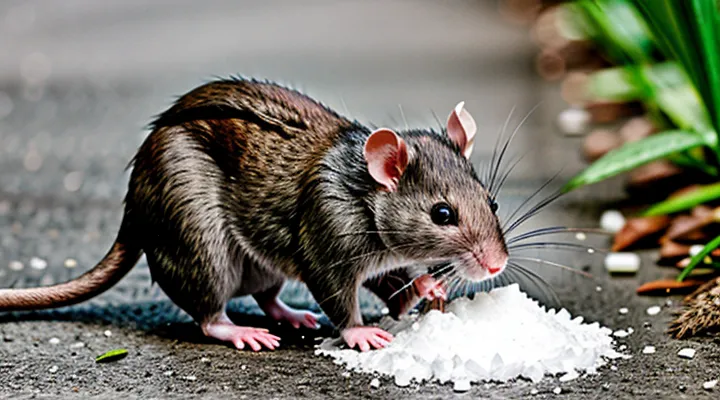
Understanding Boric Acid
Chemical Properties
Form and Appearance
Boric acid employed in rat management appears as a fine, white crystalline powder. The crystals are odorless and chemically inert, ensuring no detectable scent that might alert rodents. Typical purity levels for pest‑control products range from 99 % to 100 % boron, minimizing contaminants that could affect efficacy.
Common commercial formats include:
- Loose powder for direct application on surfaces or in bait stations.
- Granular pellets, often 2–5 mm in diameter, designed for placement in burrows or along travel routes.
- Compressed bait blocks, containing boric acid mixed with attractants and binders, shaped into small cubes or cylinders.
- Dust formulations, blended with inert carriers to improve spreadability in hard‑to‑reach areas.
Packaging is usually sealed, moisture‑resistant containers such as heavy‑duty polyethylene bags or rigid plastic tubs. Labels indicate storage conditions (cool, dry, out of direct sunlight) to preserve the crystalline structure and prevent clumping.
Toxicity Profile
Boric acid exhibits low acute toxicity to mammals while remaining effective against rodents. The median lethal dose (LD₅₀) for rats is approximately 2.5 g kg⁻¹ orally, whereas for adult humans the oral LD₅₀ exceeds 5 g kg⁻¹, reflecting a considerable safety margin when applied according to label directions.
Key toxicological characteristics include:
- Absorption: Limited gastrointestinal absorption; most ingested material is excreted unchanged.
- Metabolism: Minimal metabolic conversion; absorbed fraction is excreted via kidneys.
- Target organs: High concentrations affect the gastrointestinal tract and kidneys; chronic exposure may irritate mucous membranes.
- Carcinogenicity: Classified as non‑carcinogenic by major regulatory agencies.
- Reproductive effects: No evidence of teratogenicity or fertility impairment at exposure levels relevant to pest control.
- Ecotoxicity: Low toxicity to birds and mammals; moderate toxicity to aquatic invertebrates; degradation in soil occurs over several months, reducing long‑term residue.
Regulatory limits prescribe a maximum concentration of 0.5 % in bait formulations for rodent use. Personal protective equipment (gloves, eye protection) is recommended during handling to prevent skin and eye irritation. Proper storage in sealed containers mitigates accidental ingestion or environmental release.
Overall, the toxicity profile supports boric acid as a controlled, low‑risk agent for rodent management when applied in accordance with safety guidelines.
Historical Use in Pest Control
Boric acid has been employed in rodent management for over a century. Early 20th‑century agricultural publications described its incorporation into grain baits, noting rapid mortality among captured rats. By the 1930s, government pest‑control guidelines recommended powdered boric acid mixed with foodstuffs as a low‑cost alternative to toxic metals.
Key historical milestones include:
- 1915: Introduction of boric acid granules in European grain stores, documented in the Journal of Agricultural Chemistry.
- 1942: U.S. Department of Agriculture issued a circular promoting boric acid bait stations for warehouse infestations.
- 1968: International pest‑control symposium highlighted boric acid’s low mammalian toxicity compared with arsenic compounds, leading to broader adoption in residential settings.
Mid‑late 20th‑century research refined delivery methods, shifting from bulk powders to sealed bait blocks that minimized exposure to non‑target species. These developments cemented boric acid’s reputation as a durable, effective component of integrated rodent‑management programs.
Boric Acid as a Rodenticide
Mechanism of Action
Ingestion and Digestion
Rats encounter boric‑acid bait primarily through gnawing on placed blocks or pellets. The material is formulated to appeal to their taste preferences, ensuring rapid consumption. Once ingested, the compound passes through the esophagus into the stomach, where the acidic environment does not neutralize boric acid; instead, it remains largely unchanged due to its weak acid nature.
In the gastrointestinal tract, boric acid is absorbed across the stomach lining and small‑intestine mucosa. Absorption occurs via passive diffusion, facilitated by the compound’s small molecular size and partial ionization at physiological pH. After entering the bloodstream, boric acid distributes to vital organs, with the liver and kidneys playing central roles in metabolism and excretion.
Key physiological impacts during digestion:
- Disruption of enzyme activity – boric acid interferes with glycolytic enzymes, reducing cellular energy production.
- Alteration of membrane integrity – interaction with phospholipid bilayers compromises intestinal epithelial cells, leading to increased permeability.
- Electrolyte imbalance – boric acid chelates calcium and magnesium ions, affecting muscular and neuronal function throughout the body.
The lethal dose for rats (LD₅₀) ranges from 2.5 g to 5 g per kilogram of body weight when delivered orally. Sub‑lethal exposure produces progressive gastrointestinal distress, loss of appetite, and eventual organ failure. Effective bait deployment relies on delivering a dose that exceeds the LD₅₀ within a single feeding event, minimizing the chance of bait avoidance or partial consumption.
Systemic Effects
Boric acid, when ingested by rats, is absorbed through the gastrointestinal tract and enters the bloodstream. Systemic distribution delivers the compound to vital organs, where it interferes with cellular metabolism.
Key physiological disruptions include:
- Enzyme inhibition – boric acid binds to phosphate groups, reducing activity of ATP‑dependent enzymes and impairing energy production.
- Membrane destabilization – interaction with lipid bilayers increases permeability, leading to electrolyte imbalance and cellular swelling.
- Renal toxicity – accumulation in the kidneys impairs tubular reabsorption, causing diuresis and eventual renal failure.
- Neurological impairment – altered calcium signaling in neurons results in loss of coordination and convulsions.
Lethal dose values for rats range from 3 g kg⁻¹ to 5 g kg⁻¹ when administered orally, reflecting a steep dose‑response curve. Sub‑lethal exposure produces reversible symptoms such as reduced appetite, weight loss, and mild gastrointestinal irritation; repeated dosing can progress to chronic organ damage.
Non‑target species exhibit higher tolerance due to differences in metabolism and gastrointestinal pH, but systemic toxicity remains a concern for pets and wildlife that may ingest bait. Proper bait placement and dosage control minimize unintended exposure while preserving the efficacy of boric acid as a rodent control agent.
Application Methods
Bait Formulations
Boric‑acid bait formulations combine the toxicant with carriers and attractants to achieve reliable ingestion by rats. The toxicant is typically incorporated at concentrations ranging from 0.5 % to 2 % by weight; lower levels reduce the risk of non‑target exposure, while higher levels increase lethality speed. Carriers such as wheat flour, cornmeal, or gelatin provide a palatable matrix, and they also aid in moisture control and shelf stability.
Effective attractants include:
- Grain‑derived powders (e.g., milled wheat, barley)
- Protein sources (e.g., dried fish, meat hydrolysate)
- Sweeteners (e.g., sucrose, molasses) for omnivorous rats
- Aromatic enhancers (e.g., anise oil, vanilla extract) to stimulate feeding
Formulation considerations extend to physical form, packaging, and deployment. Pelleted or block baits resist disintegration in humid environments, whereas paste or gel baits allow precise placement in crevices. Sealed, tamper‑proof containers prevent accidental contact by children or pets and comply with regulatory labeling requirements. Stability testing under temperature extremes ensures that active ingredient potency remains within specified limits throughout the product’s shelf life.
Dusting Powders
Boric‑acid dusting powders are formulated to target rats through ingestion and external contact. The fine particles adhere to fur, whiskers, and nesting material, allowing the toxicant to be transferred among individuals in a colony. Once ingested, boric acid disrupts the insect’s (rat’s) metabolic processes by inhibiting enzyme activity, leading to gradual mortality.
Key characteristics of effective dusting powders include:
- Particle size between 10 µm and 50 µm for optimal adherence.
- Boric‑acid concentration typically ranging from 10 % to 30 % by weight.
- Inclusion of inert carriers such as diatomaceous earth or talc to improve flowability and distribution.
- Low odor and minimal visual residue to avoid detection by rats.
Application guidelines:
- Identify high‑traffic zones: runways, burrow entrances, and feeding stations.
- Apply a thin, even layer using a hand‑held duster or bulk spreader; avoid clumping.
- Re‑apply after rain or cleaning events, as moisture reduces efficacy.
- Monitor rodent activity for at least two weeks; adjust placement if activity persists.
Safety considerations:
- Boric acid exhibits low acute toxicity to mammals; however, prolonged exposure may cause irritation.
- Use gloves and protective eyewear during handling.
- Store in sealed containers away from children and pets.
- Dispose of unused product according to local hazardous‑waste regulations.
Efficacy data indicate mortality rates of 70 %–90 % within 5–10 days when rats encounter treated surfaces regularly. Limitations arise in environments with excessive dust, high humidity, or abundant alternative food sources that reduce contact with the powder. Integrating dusting powders with trapping and sanitation measures enhances overall control success.
Safety Considerations for Application
Boric acid, when employed to suppress rodent populations, presents chemical hazards that require strict adherence to safety protocols.
Personnel handling the compound should wear appropriate protective equipment. Recommended items include:
- Nitrile gloves resistant to chemical penetration.
- Safety goggles or face shields to prevent ocular contact.
- Disposable coveralls or lab coats to avoid skin exposure.
- Respiratory protection (e.g., N95 or higher) when applying in poorly ventilated areas.
Application sites must be selected to minimize risk to non‑target species. Place bait stations out of reach of children, pets, and wildlife, preferably on elevated platforms or within sealed containers that allow only rodent entry. Avoid placement near food preparation surfaces, water sources, or drainage systems.
Environmental exposure can be limited by using the smallest effective dose and confining the powder to bait stations. Do not scatter boric acid directly on floors or in open areas where it may be tracked or inhaled.
Storage requirements dictate a cool, dry, and locked environment. Keep the material in its original, clearly labeled container, away from incompatible substances such as strong acids or bases. Dispose of unused product and contaminated materials according to local hazardous waste regulations, never by flushing or discarding in regular trash.
Regular training and documentation of safety measures ensure consistent compliance and reduce the likelihood of accidental poisoning or environmental contamination.
Efficacy and Limitations
Effectiveness Against Rats
Factors Influencing Success
Boric acid effectiveness against rats depends on environmental conditions, formulation quality, and application strategy. Moisture levels must remain within a narrow range; overly dry surfaces reduce ingestion, while excessive humidity can dissolve the compound and diminish its attractiveness.
Product composition influences performance. Purity of the active ingredient, particle size, and presence of attractants determine palatability and lethal dose delivery. Consistency in manufacturing ensures predictable potency across batches.
Application technique shapes outcomes. Proper placement in active foraging zones, secure containment to prevent non-target exposure, and regular replenishment maintain sufficient bait density. Timing of deployment should align with peak rodent activity periods to maximize contact.
Key factors include:
- Ambient humidity (30‑60 % relative)
- Temperature (15‑30 °C optimal)
- Bait formulation (high purity, appropriate attractants)
- Placement density (one station per 20–30 m²)
- Maintenance schedule (weekly inspection and renewal)
Comparative Studies
Comparative research on boric‑acid rodent control evaluates efficacy, safety, and cost against alternative tactics such as anticoagulant baits, snap traps, and electronic devices. Studies typically assign separate test groups to each method, measure mortality rates over a defined period, and record non‑target exposure incidents.
Key parameters examined in peer‑reviewed trials include:
- Percentage of rats eliminated within 14 days
- Time to first lethal effect
- Residual toxicity to wildlife and domestic animals
- Material and labor expenses per hectare
- Resistance development observed after repeated applications
Results consistently show that boric‑acid formulations achieve rapid mortality comparable to first‑generation anticoagulants while producing lower secondary poisoning risk. Cost analyses reveal modest material outlay, offset by reduced need for frequent re‑application. Resistance monitoring indicates minimal adaptation in rodent populations, contrasting with documented tolerance to certain anticoagulant compounds.
These findings support the inclusion of boric‑acid strategies in integrated pest‑management programs, particularly where regulatory limits on anticoagulant use or concerns about ecosystem impact dictate alternative solutions.
Drawbacks and Challenges
Speed of Action
Boric‑acid bait delivers lethal effects to rats within a short interval after ingestion. The compound penetrates the digestive tract, disrupts enzymatic pathways, and induces dehydration, leading to systemic failure.
Laboratory observations record first signs of distress 6–12 hours post‑consumption, with mortality typically occurring between 12 and 24 hours. Field studies confirm a comparable window, provided the bait remains palatable and accessible.
Factors that modify this timeline include:
- Dose: Higher concentrations accelerate toxic buildup.
- Moisture content: Adequate water facilitates absorption; dry conditions slow onset.
- Health of the target: Young or malnourished rodents succumb more quickly.
- Environmental temperature: Warm climates increase metabolic rates, shortening the lethal period.
Optimizing bait formulation and placement can therefore ensure that the rapid action of boric acid aligns with control objectives, reducing the period of active infestation.
Rodent Behavior and Avoidance
Rodents rely on acute olfactory cues to locate food and shelter, making scent avoidance a primary defense against toxic baits. When exposed to boric acid, rats detect its metallic odor and often withdraw from treated zones, limiting ingestion. This aversion is amplified by the compound’s low volatility; the scent remains concentrated near the bait, reinforcing the deterrent effect.
Behavioral patterns dictate that rats prefer established pathways and hideouts. Introducing boric acid into these routes disrupts the familiar scent trail, prompting rats to seek alternative passages. The disruption reduces the likelihood of repeated exposure, as individuals learn to associate specific corridors with an unpleasant odor.
Key avoidance mechanisms include:
- Rapid assessment of novel odors before approaching a potential food source.
- Preference for dry, unscented surfaces when selecting nesting sites.
- Social transmission of aversive cues, whereby exposed individuals communicate danger to conspecifics through grooming and scent marking.
Effective deployment of boric acid exploits these behaviors. Placement of the compound in high‑traffic zones, combined with minimal moisture to preserve scent integrity, maximizes contact while encouraging rats to bypass treated areas. Continuous monitoring of movement patterns allows adjustment of bait locations, ensuring sustained pressure on the population without reliance on repeated dosing.
Environmental Impact
Boric acid, when applied as a rodent control agent, introduces measurable residues into soil and water systems. Its low solubility limits rapid dispersion, yet prolonged exposure can accumulate in the upper soil layers, potentially affecting microbial communities that contribute to nutrient cycling.
- Soil microorganisms: concentrations above 100 mg kg⁻¹ have been shown to suppress the activity of nitrifying bacteria, reducing nitrogen turnover rates.
- Aquatic ecosystems: runoff containing boric acid may elevate boron levels in surface waters; concentrations exceeding 0.5 mg L⁻¹ can impair the growth of sensitive algae and invertebrate species.
- Non‑target fauna: insects and small mammals that ingest contaminated food sources may experience reproductive inhibition at chronic exposure levels.
Degradation of boric acid in the environment proceeds primarily through leaching and dilution. Natural precipitation can transport the compound beyond the treatment zone, but the process is slow, extending the period during which ecological effects persist. Remediation options include adding calcium‑rich amendments to soils, which precipitate boron as insoluble calcium borate, thereby reducing bioavailability.
Overall, the environmental footprint of boric acid–based rodent control is characterized by localized soil accumulation, potential aquatic contamination through runoff, and modest risks to non‑target organisms. Mitigation strategies focus on precise application rates, restricted placement to prevent water ingress, and post‑treatment monitoring of boron concentrations in affected media.
Safety and Environmental Considerations
Risks to Non-Target Organisms
Pets and Wildlife
Boric acid is frequently employed in rodent control programs because of its low cost and high toxicity to rats. Its mode of action relies on ingestion, leading to metabolic disruption and death within several days. While effective against target species, the compound poses significant risks to non‑target animals, including domestic pets and wildlife.
Pets such as dogs and cats may encounter boric acid when it is placed in accessible bait stations or when contaminated food is left unattended. Ingestion can cause vomiting, abdominal pain, kidney damage, and, in severe cases, death. Small mammals, especially feral cats, may also be affected if they consume poisoned rats or directly ingest the bait.
Wildlife exposure occurs through several pathways:
- Ground‑dwelling birds and small mammals may eat bait or scavenged poisoned rats.
- Aquatic organisms can be impacted if runoff carries boric acid into water bodies.
- Predatory birds and mammals may suffer secondary poisoning after consuming contaminated prey.
Mitigation measures include:
- Locating bait stations in areas inaccessible to pets and non‑target wildlife.
- Using tamper‑proof containers that require rat-sized entry gaps.
- Monitoring bait stations regularly and removing any uncovered bait.
- Employing alternative control methods (e.g., snap traps) in environments with high pet or wildlife activity.
Regulatory guidelines often require labeling that warns of hazards to non‑target species and prescribe minimum distances between bait placements and animal habitats. Compliance with these standards reduces accidental poisonings while preserving the efficacy of boric acid as a rodent control agent.
Children and Human Exposure
Boric acid applied for rodent control poses measurable risks to children and other household members when safety protocols are not observed. The compound’s low odor and solid form encourage accidental handling, especially in environments where it is placed on floors, in bait stations, or mixed with food waste.
- Ingestion of contaminated food or direct consumption of bait
- Dermal contact with residues on surfaces or packaging
- Inhalation of dust generated during placement or cleaning
Acute exposure can cause gastrointestinal irritation, vomiting, and abdominal pain. In children, lower body weight amplifies systemic absorption, leading to rapid onset of symptoms such as lethargy, seizures, or respiratory distress. Repeated low‑level exposure may impair renal function and disrupt electrolyte balance, with evidence of developmental toxicity in animal studies suggesting heightened vulnerability during growth phases.
Preventive actions include securing bait in tamper‑resistant containers, labeling all storage areas, restricting access to treated zones, and cleaning surfaces with water‑based solutions after application. Personal protective equipment for applicators reduces dermal transfer, while regular monitoring of indoor air quality limits inhalation hazards. Immediate medical evaluation is required if ingestion or significant contact occurs, with treatment guided by established toxicology protocols.
Proper Handling and Storage
Label Instructions
Product Identification
Boric acid rodent control compound, 5 % w/w formulation, intended for indoor and outdoor use against rats.
Active Ingredient
Boric acid (H₃BO₃), 5 % by weight.
Hazard Statements
Precautionary Measures
- Wear disposable gloves and eye protection during handling.
- Keep away from children, pets, and food preparation areas.
- Do not apply near open water sources or drains.
Application Instructions
- Prepare a bait station: place a shallow, non‑porous container with a lid that has a small entry hole.
- Add 2 g of the powder to a small piece of food attractant (e.g., peanut butter) and mix thoroughly.
- Position bait stations along rat pathways, near walls, and in concealed corners.
- Replace bait every 7 days or when consumption is evident.
- Do not exceed 10 g of product per 100 m² of treated area.
Storage
- Store in original container, tightly sealed.
- Keep at 15‑30 °C, away from direct sunlight and moisture.
- Separate from incompatible chemicals (e.g., strong acids, oxidizers).
Disposal
- Empty containers into a sealed, labeled waste bag.
- Dispose of according to local hazardous waste regulations.
- Do not flush powder down drains or pour into the environment.
First‑Aid Measures
- Skin contact: Rinse with plenty of water for at least 15 minutes; remove contaminated clothing.
- Eye contact: Flush eyes with water for 15 minutes; seek medical attention.
- Ingestion: Do not induce vomiting; give water or milk; obtain immediate medical care.
Emergency Contact
Poison control center: 1‑800‑222‑1222 (US).
Local emergency services for severe exposure.
Disposal Procedures
When boric‑acid bait has served its purpose in rodent management, it must be removed from the site and handled as hazardous material. Improper disposal can contaminate soil, water, and non‑target organisms, and may violate local regulations.
- Gather all unused and expired bait in a sealed, leak‑proof container. Use a container approved for corrosive substances and keep it closed at all times.
- Label the container clearly with “boric acid – rodent control” and include hazard symbols, concentration, and the date of collection.
- Equip personnel with gloves, eye protection, and respiratory protection as required by the safety data sheet.
- Transport the sealed container to a licensed hazardous‑waste facility. Use a vehicle that meets EPA hazardous‑material transport standards, and secure the load to prevent movement.
- Dispose of the material through one of the following approved methods:
- Incineration at a high‑temperature hazardous‑waste plant, ensuring complete destruction of the compound.
- Chemical neutralization in a controlled laboratory setting, following protocols that convert boric acid to a non‑hazardous salt.
- Landfill disposal only after certification that the landfill accepts classified hazardous waste and that the material is appropriately packaged.
Maintain a disposal log that records quantity, date, method, and receiving facility identification number. Retain the log for the period required by local environmental authorities. Regular audits of the disposal process ensure compliance and minimize risk to public health and the environment.
Environmental Persistence
Boric acid remains chemically stable under neutral to mildly alkaline conditions, allowing it to persist in soils where rat bait stations are placed. In acidic environments, hydrolysis accelerates conversion to borate ions, shortening residence time. Moisture content, temperature, and microbial activity are primary determinants of degradation rate.
- Soil adsorption: Boric acid binds to organic matter and clay minerals, reducing leaching but extending local persistence.
- Water solubility: High solubility promotes transport in runoff; dilution lowers concentration, diminishing toxicity to aquatic organisms.
- Microbial breakdown: Specific soil microbes can metabolize borate, but activity is limited in low‑pH or nutrient‑poor soils, resulting in half‑lives ranging from weeks to several months.
- Photodegradation: Direct exposure to sunlight induces minimal breakdown; shade or burial under litter enhances longevity.
Field studies report detectable boron residues in topsoil for up to six months after bait application, with concentrations decreasing to background levels within one to two years, depending on site conditions. Bioaccumulation in plants is low; uptake is proportional to soil boron content and does not exceed regulatory limits when application follows recommended rates. Non‑target wildlife exposure is primarily through ingestion of contaminated food sources; toxicity thresholds are orders of magnitude higher than concentrations observed in treated areas.
Regulatory guidelines mandate monitoring of residual boron levels in soil and water after deployment, ensuring that persistence does not exceed limits established for environmental safety. Proper placement of bait stations, adherence to application rates, and periodic site assessment mitigate long‑term accumulation while maintaining efficacy against rodent populations.
Alternatives and Integrated Pest Management
Non-Chemical Control Methods
Trapping
Trapping provides a direct means of reducing rat populations while boric‑acid bait serves as an additional lethal agent. Effective trap deployment complements chemical control by removing individuals that may avoid or survive ingestion.
- Snap traps deliver rapid mortality; they accommodate a small dose of powdered or granulated boric acid mixed with a food attractant.
- Live‑capture cages allow relocation or humane euthanasia; a thin layer of boric‑acid paste can be applied to the bait platform.
- Glue boards capture rodents without ingestion; a thin coating of boric acid enhances stickiness and adds a secondary toxic effect.
- Electronic devices kill instantly; a boric‑acid‑infused lure improves bait acceptance.
Boric‑acid bait preparation requires precise dilution to avoid toxicity to non‑target species. A typical mixture combines 2 % boric acid with a high‑energy attractant such as peanut butter or dried fruit. The paste should be applied sparingly to the trap trigger mechanism to ensure contact without excessive residue.
Placement follows a pattern of high‑activity zones: along walls, near burrow entrances, behind appliances, and in concealed corners. Traps should be spaced 1–2 m apart in heavily infested areas; a single trap per 10 m² suffices in moderate infestations. Deploy traps in the evening when rats are most active, and check them at dawn.
Monitoring involves inspecting each trap daily, recording captures, and replenishing bait. Captured rats must be handled with gloves; disposal includes sealing in a rigid container and incineration or burial according to local regulations. Traps exposed to moisture or debris require cleaning to maintain efficacy of the boric‑acid coating.
Integrating trapping with sanitation, structural exclusion, and targeted chemical applications maximizes overall control. Reducing food sources and sealing entry points lowers re‑infestation risk, while traps provide immediate population feedback and enhance the impact of boric‑acid bait.
Exclusion
Exclusion prevents rats from entering structures by eliminating pathways that provide shelter, food, or water. Effective exclusion relies on systematic inspection, identification of entry points, and permanent sealing of openings larger than a quarter‑inch.
Key actions include:
- Inspecting foundations, walls, roofs, and utility penetrations for cracks, gaps, or damaged screens.
- Installing metal flashing, concrete caulk, or steel wool in gaps around pipes, vents, and cables.
- Fitting door sweeps and weather‑stripping on all exterior doors.
- Repairing deteriorated roofing, soffits, and eaves to block attic access.
- Maintaining landscaping to keep vegetation away from building walls, reducing concealment for climbing rodents.
Integrating exclusion with boric‑acid baiting enhances overall control. Sealed entry points concentrate rat activity near bait stations, allowing lower concentrations of boric acid to achieve lethal intake. Continuous exclusion also reduces bait consumption by non‑target species, improving safety and cost‑effectiveness. Regular re‑inspection ensures that newly formed gaps are promptly addressed, sustaining the efficacy of the chemical component over time.
Other Chemical Rodenticides
Anticoagulants
Anticoagulant rodenticides interfere with the vitamin K cycle, preventing synthesis of clotting factors II, VII, IX, and X. The resulting internal hemorrhage leads to death within 24–72 hours, depending on the compound’s potency and the amount ingested.
Common first‑generation agents (warfarin, chlorophacinone, diphacinone) require repeated consumption to achieve lethal levels. Second‑generation products (bromadiolone, difenacoum, brodifacoum) are more toxic per dose, often effective after a single feeding. Their high lipid solubility promotes accumulation in the liver, extending the lethal effect and increasing the risk of secondary poisoning for predators and scavengers.
When integrating anticoagulants with boric‑acid‑based rodent management, several considerations emerge:
- Mode of action: Boric acid causes gastrointestinal irritation and metabolic disruption, while anticoagulants cause coagulopathy. The distinct mechanisms can reduce the likelihood of cross‑resistance.
- Resistance patterns: Populations resistant to first‑generation anticoagulants may remain susceptible to boric acid, but resistance to second‑generation agents is increasingly reported. Monitoring resistance markers is essential for selecting the appropriate compound.
- Non‑target impact: Boric acid exhibits low acute toxicity to mammals and birds; anticoagulants pose higher secondary‑poisoning risks, especially with second‑generation formulations. Placement of bait stations and use of tamper‑proof devices mitigate exposure.
- Regulatory status: Many jurisdictions restrict second‑generation anticoagulants to professional applicators, requiring training and record‑keeping. Boric acid often falls under less stringent regulations but may still be subject to local pesticide statutes.
Effective deployment typically follows a phased approach:
- Conduct a site assessment to identify infestation severity and entry points.
- Install boric‑acid bait in concealed locations to achieve immediate reduction of activity.
- Introduce anticoagulant bait in a controlled manner, ensuring placement away from non‑target species.
- Monitor rodent activity and bait consumption for at least two weeks, adjusting placement or switching agents if mortality rates decline.
- Implement sanitation and exclusion measures to prevent re‑infestation.
Understanding the pharmacodynamics of anticoagulants, their resistance trends, and their interaction with alternative agents such as boric acid enables a comprehensive, evidence‑based rodent control program.
Acute Toxins
Boric acid, when deployed as a rodent‑population management agent, functions through the action of an acute toxin that interferes with metabolic processes. The compound exhibits rapid toxicity after ingestion, causing disruption of cellular respiration and enzyme activity, which leads to swift mortality in rats.
The toxic profile of boric acid includes a low oral LD₅₀ for rats (approximately 2.5 g kg⁻¹) and a pronounced effect on the nervous system within minutes of exposure. The mechanism involves reversible inhibition of dehydrogenase enzymes, accumulation of metabolic acids, and subsequent failure of energy production. These biochemical disturbances manifest as lethargy, loss of coordination, and eventual death.
Effective deployment relies on precise concentration and delivery method. Typical bait formulations contain 5–10 % boric acid, providing a lethal dose after a single feeding. Placement of bait in concealed stations reduces competition from non‑target species and limits environmental dispersion. Continuous monitoring of bait consumption ensures that the acute toxin achieves the intended control level without excessive waste.
Safety considerations focus on preventing accidental ingestion by humans, pets, and wildlife. Protective equipment, such as gloves and masks, should be worn during handling. Regulatory guidelines classify boric acid as a restricted pesticide in many jurisdictions; compliance requires labeling, storage in locked containers, and documentation of usage rates.
Key toxicity parameters:
- Oral LD₅₀ (rat): ≈ 2.5 g kg⁻¹
- Onset of symptoms: 5–15 minutes post‑ingestion
- Lethal dose in bait: 0.1–0.2 g per rat
- Non‑target oral LD₅₀ (dog): > 5 g kg⁻¹
Understanding these acute toxin characteristics enables practitioners to apply boric acid efficiently, achieve rapid rat population reduction, and maintain compliance with health and safety standards.
IPM Strategies for Rodent Control
Integrated pest management (IPM) for rodent control relies on a systematic combination of practices that reduce populations to acceptable levels while minimizing risks to humans, non‑target species, and the environment. Core elements include thorough inspection, accurate identification, regular monitoring, sanitation, structural exclusion, mechanical removal, and judicious use of toxicants.
Key components of an IPM program for rats:
- Inspection and monitoring: Identify activity signs, map infestations, and establish baseline data.
- Sanitation: Eliminate food sources, water, and shelter by securing waste containers, cleaning spills, and maintaining orderly storage.
- Exclusion: Seal entry points, reinforce doors, and repair damaged infrastructure to prevent ingress.
- Mechanical control: Deploy traps strategically, record captures, and adjust placement based on monitoring feedback.
- Chemical control: Apply rodenticides only when other measures prove insufficient; select products with low secondary toxicity and apply according to label instructions.
Boric acid serves as a low‑toxicity toxicant within the chemical arm of IPM. It functions as a stomach poison that rodents ingest when feeding on bait, leading to delayed mortality without posing significant hazards to humans or pets when used properly. Effective deployment involves:
- Preparing bait stations that protect non‑target organisms while allowing rodent access.
- Positioning stations along established runways and near nesting sites identified during monitoring.
- Rotating bait formulations to mitigate bait aversion and resistance development.
- Recording consumption rates and correlating them with trap data to evaluate efficacy.
Implementation proceeds through a cycle: assess environmental conditions, execute sanitation and exclusion, introduce mechanical traps, and, if necessary, supplement with boric‑acid‑based bait. Continuous monitoring informs adjustments, ensuring that each tactic contributes to overall population suppression while preserving safety and regulatory compliance.