
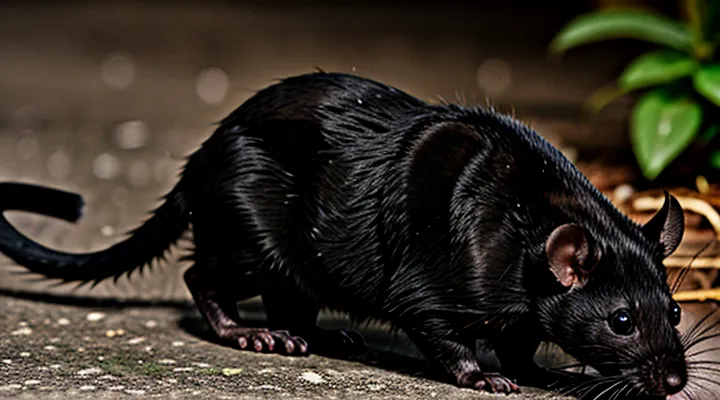
Physical Characteristics of Black Rats
Size and Build
Body Length
The body length of the black rat (Rattus rattus) typically ranges from 150 mm to 200 mm measured from the tip of the nose to the base of the tail. Adult males are on average 5–10 % longer than females, reflecting modest sexual dimorphism. Length variation correlates with environmental factors; individuals from warm, humid regions often exceed 190 mm, whereas those inhabiting arid zones frequently remain below 160 mm.
Key measurements reported in scientific surveys:
- Minimum recorded body length: 135 mm
- Maximum recorded body length: 215 mm
- Mean length for urban populations: 175 mm
- Mean length for rural populations: 180 mm
Geographic distribution influences size. Populations in Southeast Asia, where the species originated, display the greatest average length, while introduced populations in temperate Europe show slightly reduced dimensions. Seasonal fluctuations are minor, with marginally larger individuals observed during the breeding season due to increased nutrient intake.
Standardization of length data relies on caliper measurement of preserved specimens or live capture with flexible measuring tapes. Consistent methodology ensures comparability across studies of the species’ morphology and range.
Tail Length
Tail length in the species commonly referred to as black rats averages 18–22 cm, representing roughly 70–80 % of total body length. This proportion remains consistent across most populations, although individuals from colder, northern regions tend to exhibit slightly shorter tails, a morphological adjustment that reduces heat loss. Conversely, rats inhabiting tropical and subtropical environments often possess tails approaching the upper end of the average range, facilitating balance and thermoregulation in dense vegetation.
Variation in tail length correlates with geographic distribution and habitat type:
- Temperate zones: 16–20 cm, modestly tapered.
- Mediterranean and desert margins: 20–22 cm, more elongated.
- Urban settings worldwide: 18–21 cm, reflecting mixed genetic inputs.
The elongated tail serves as a prehensile aid for climbing, supports rapid directional changes during pursuit, and assists in dissipating excess body heat. Morphological data indicate that tail length adapts to local climatic pressures, contributing to the species’ successful colonization of diverse environments.
Weight
The common black rat (Rattus rattus) typically weighs between 75 g and 200 g, with adult males averaging slightly higher mass than females. Body weight varies with geographic location, climate, and food availability; individuals in temperate regions often reach the upper end of the range, while those in arid zones tend toward the lower limit.
Key factors influencing weight:
- Seasonal fluctuations in diet quality
- Population density and competition
- Genetic variation among subspecies
Juvenile rats attain 20 g–30 g before weaning, then gain weight rapidly during the first two months of life. In laboratory settings, standardized diets produce consistent weight measurements, facilitating comparative research across regions.
Weight data support ecological assessments, indicating habitat suitability and potential for disease transmission. Heavier individuals generally exhibit greater mobility and reproductive output, contributing to the species' successful spread across continents.
Fur and Coloration
Common Coat Colors
Black rats (Rattus rattus) exhibit a limited but distinct range of coat colors that are genetically determined and observable across their global populations. The most frequent coloration is uniformly dark, ranging from deep brown to almost black, reflecting the species’ common name. A second prevalent pattern is agouti, where individual hairs display alternating light and dark bands, producing a speckled brown appearance on the body and a lighter hue on the ventral side. White and albino forms occur less often; the former results from a recessive gene that eliminates pigment, while the latter involves a mutation that blocks melanin synthesis, yielding pink eyes and a stark white coat.
Typical coat color categories include:
- Uniform dark (black/brown) – dominant phenotype, widespread in urban and rural habitats.
- Agouti – intermediate frequency, often associated with populations in temperate zones.
- White (non‑albino) – rare, linked to isolated colonies or captive breeding.
- Albino – very rare, recorded in specific laboratory or pet trade settings.
Geographic trends show higher proportions of uniform dark individuals in tropical and subtropical regions, where the species originally spread from its ancestral range. Agouti rats appear more frequently in temperate areas of Europe and North America, suggesting adaptation to cooler climates. White and albino specimens are typically confined to localized populations, frequently resulting from founder effects or human‑mediated introductions.
These color variations do not influence the species’ ecological role but serve as useful markers for population genetics, disease monitoring, and pest‑control strategies. Accurate identification of coat color assists researchers in tracking movement patterns, assessing genetic diversity, and implementing targeted management programs.
Regional Variations
Black rats (Rattus rattus) exhibit distinct regional patterns in morphology, ecology, and population density. In temperate zones of Europe and North America, individuals tend to be smaller, with average body lengths of 15–20 cm, and display higher seasonal fluctuations in numbers due to cold‑induced mortality. Coastal tropical regions of Southeast Asia and the Pacific islands host larger specimens, often exceeding 25 cm, and maintain relatively stable populations year‑round because of consistently warm temperatures and abundant food sources.
Habitat preference varies across continents. In urban environments of Western Europe, black rats colonize building basements, sewage systems, and grain storage facilities, exploiting human waste. In contrast, in sub‑Saharan Africa and the Caribbean, they are frequently found in agricultural fields, coconut plantations, and forest edges, where they feed on fruits, seeds, and insects. Island populations, such as those on the Galápagos and Madagascar, show reduced genetic diversity and heightened susceptibility to disease, reflecting founder effects and limited dispersal opportunities.
Key regional differences can be summarized as follows:
- Size and weight: smaller in temperate zones; larger in tropical islands.
- Population dynamics: seasonal peaks in cooler climates; constant levels in warm regions.
- Preferred habitats: urban infrastructure in developed countries; agricultural and natural vegetation in developing regions.
- Genetic variation: higher diversity on continents; lower diversity on isolated islands.
Sensory Organs
Eyesight
Black rats possess visual systems adapted to nocturnal and crepuscular activity. Their eyes are positioned on the sides of the head, granting a wide field of view that exceeds 300 degrees and minimizes blind spots while foraging in dimly lit environments.
- Visual acuity is low compared with diurnal mammals; rats resolve details at approximately 1 cycle per degree, sufficient for detecting movement and shapes rather than fine patterns.
- Retina contains a high proportion of rod photoreceptors, enhancing sensitivity to low light levels and enabling effective navigation in urban sewers, subways, and other shadowed habitats.
- Cone density is limited, resulting in dichromatic color perception; rats discriminate between short‑wavelength (blue‑green) and medium‑wavelength (green‑yellow) light, but cannot distinguish reds.
- Pupillary reflex is rapid, allowing swift adjustment to sudden changes in illumination when rats emerge from tunnels to street surfaces.
- Depth perception relies heavily on motion parallax and binocular overlap at the frontal field, supporting precise jumps between obstacles and narrow passages.
These visual traits facilitate the species’ successful colonization of diverse regions, from temperate cities to tropical ports, by supporting efficient nighttime foraging, predator avoidance, and navigation through complex human‑made structures.
Hearing and Smell
Black rats possess highly developed auditory and olfactory systems that influence their behavior and ecological presence. Their hearing is tuned to frequencies between 1 kHz and 70 kHz, with peak sensitivity around 10 kHz. The pinna can rotate to localize sounds, enabling rapid detection of predators and conspecific vocalizations. Auditory cues guide nocturnal foraging and facilitate navigation in cluttered urban environments.
The olfactory apparatus contains an extensive array of receptor cells, allowing detection of volatile compounds at concentrations as low as 10 ppb. Chemical cues support food location, nest selection, and social interactions. Pheromonal communication regulates mating, territorial boundaries, and alarm responses. Enhanced smell contributes to the species’ capacity to exploit diverse habitats, from sewers to residential structures.
Key sensory attributes:
- Frequency range: 1 kHz–70 kHz; optimal sensitivity near 10 kHz.
- Ear mobility: directional orientation for sound source localization.
- Olfactory threshold: detection of odorants ≤10 ppb.
- Receptor density: high concentration of olfactory neurons in the nasal epithelium.
- Behavioral impact: sound and scent cues drive foraging, predator avoidance, and social organization.
These auditory and olfactory capabilities underpin the species’ adaptability, influencing its distribution across temperate and subtropical regions worldwide.
Whiskers (Vibrissae)
Whiskers, or vibrissae, are specialized tactile hairs extending from the snout, cheeks, and above the eyes of black rats. Each vibrissa is anchored in a dense follicle equipped with a rich supply of mechanoreceptors, enabling detection of minute air currents and surface textures. The follicles are innervated by the trigeminal nerve, providing rapid sensory feedback essential for navigation in low‑light environments.
The length of vibrissae varies among individuals, typically ranging from 10 to 30 mm on the rostral region and up to 15 mm on the facial region. Growth cycles are continuous; new hairs replace shed ones without interrupting sensory function. Keratin composition confers stiffness, while the sinusoidal sinus hairs within the follicle act as a cushion, protecting the nerve endings from mechanical damage.
Vibrissae contribute to foraging efficiency. When black rats explore cluttered habitats such as sewers, grain stores, or urban alleys, the hairs detect obstacles and locate food particles hidden in crevices. This tactile system operates independently of visual cues, allowing activity during nocturnal periods.
Distribution patterns of vibrissal characteristics correlate with geographic populations:
- Coastal populations exhibit slightly longer rostral vibrissae, likely an adaptation to humid environments where moisture alters tactile signal transmission.
- Inland groups show a higher density of cheek vibrissae, supporting enhanced detection of lateral obstacles in dense vegetation.
- Urban colonies display reduced overall vibrissa length, possibly reflecting selective pressure for maneuverability in confined structures.
The sensory input from vibrissae integrates with the central nervous system to modulate locomotor patterns. Electrophysiological studies demonstrate that stimulation of a single vibrissa can trigger coordinated whisker‑driven head movements within 15 ms, highlighting the rapid processing capabilities of the rat’s somatosensory cortex.
In summary, vibrissae serve as a highly refined mechanosensory apparatus, with morphological variations aligned to the ecological niches occupied by black rats across diverse environments.
Behavioral Traits
Nocturnal Habits
Black rats (Rattus rattus) are primarily active after dark, aligning their foraging and social activities with reduced light levels. Their circadian rhythm peaks between dusk and dawn, during which they leave nests to search for food, water, and mates. This temporal shift minimizes exposure to diurnal predators and human disturbance.
Key aspects of their night‑time behavior include:
- Enhanced olfactory sensitivity that compensates for low‑light conditions, allowing detection of grain, fruit, and waste odors from considerable distances.
- Whisker‑mediated tactile perception, which guides navigation through narrow passages and cluttered environments.
- Auditory acuity tuned to high‑frequency sounds, facilitating detection of predator movements and conspecific vocalizations.
- Preference for sheltered microhabitats such as attics, sewers, and stored‑food facilities, where darkness persists throughout the night.
- Temporal partitioning of feeding, with short, frequent bouts that reduce the risk of detection and maximize resource intake.
During nocturnal foraging, black rats exhibit opportunistic diet selection, readily exploiting human‑generated waste, stored commodities, and natural vegetation. Their ability to travel up to several kilometers in a single night supports rapid colonization of new habitats and contributes to their widespread presence across temperate and tropical regions.
The nocturnal schedule also influences population dynamics. Breeding cycles often synchronize with night‑time activity, ensuring that mating and pup rearing occur under cover of darkness. Consequently, population growth rates can remain high even in densely populated urban settings where human activity peaks during daylight hours.
Understanding these night‑time adaptations is essential for effective control measures. Strategies that disrupt darkness, such as timed lighting or thermal deterrents, directly interfere with the sensory cues black rats rely on, reducing their capacity to locate resources and reproduce.
Social Structure
Colony Dynamics
Black rat colonies exhibit a fluid social structure that adapts to resource availability and habitat fragmentation. Colonies typically consist of a dominant breeding pair, subordinate adults, and a fluctuating juvenile cohort. Dominance is established through aggressive encounters and scent marking, which regulate access to nesting sites and food caches.
Reproductive output drives colony expansion. Females reach sexual maturity at 10–12 weeks and can produce up to six litters per year, each containing 5–12 offspring. High litter frequency enables rapid population growth when food is abundant, while seasonal declines in temperature and prey reduce breeding rates and trigger dispersal of surplus juveniles.
Colony dynamics are influenced by spatial factors:
- Habitat connectivity: Continuous urban or agricultural corridors facilitate movement of individuals between neighboring groups, promoting genetic exchange.
- Resource distribution: Concentrated waste sites or grain stores support larger, more stable colonies; scarcity forces members to forage over wider areas.
- Predation pressure: Presence of predators or pest control measures increases turnover, leading to frequent re‑establishment of groups in vacant niches.
Dispersal mechanisms ensure colonist spread beyond the current range. Juvenile rats leave natal nests after weaning, seeking new territories or integrating into existing colonies. Long‑distance dispersal often occurs via transport vehicles, contributing to the species’ broad geographic reach. Monitoring colony size, reproductive rates, and movement patterns provides essential data for managing populations across varied environments.
Communication
Black rats (Rattus rattus) rely on a multimodal communication system to coordinate social interactions, establish territories, and locate resources across their widespread habitats. Vocalizations, primarily ultrasonic squeaks and low‑frequency chirps, convey alarm, aggression, and mating intent. These sounds travel efficiently in cluttered urban environments and dense vegetation, allowing individuals to maintain contact even when visual cues are limited.
Scent marking constitutes the primary long‑distance signal. Specialized glands on the cheeks, flank, and anal region secrete pheromones that encode individual identity, reproductive status, and hierarchical rank. Deposited marks on walls, burrow entrances, and food caches persist for days, providing a chemical map that guides conspecifics toward safe pathways and high‑quality foraging sites.
Tactile communication occurs through grooming, nose‑to‑nose contact, and aggressive bites. Grooming exchanges reinforce affiliative bonds, while brief tactile assaults establish dominance without escalating to lethal conflict. These interactions are especially prevalent in dense colonies where space constraints increase encounter frequency.
Visual cues supplement auditory and olfactory signals. Tail flicking, ear posture adjustments, and rapid body jerks serve as immediate warnings of predator presence or rival intrusion. In low‑light conditions, black rats augment visual signals with rapid head movements that enhance the detection of subtle changes in ambient illumination.
Key aspects of the communication repertoire include:
- Ultrasonic calls: 20–50 kHz, emitted during mating and territorial disputes.
- Pheromone composition: blends of fatty acids and volatile compounds, species‑specific and seasonally modulated.
- Marking density: higher in resource‑rich zones, correlating with increased population density.
- Tactile grooming bouts: average duration 3–5 seconds, associated with reduced aggression levels.
- Tail‑flick frequency: rises by 30 % when predators are detected, facilitating rapid group alertness.
Effective communication enables black rats to exploit diverse environments—from seaports and warehouses to rural granaries—by synchronizing movement, minimizing conflict, and optimizing resource use. The integration of sound, scent, touch, and sight ensures adaptive flexibility across the species’ extensive distribution.
Diet and Foraging
Omnivorous Nature
Black rats (Rattus rattus) exhibit a highly adaptable feeding strategy that enables survival across diverse habitats. Their diet includes plant material, animal protein, and anthropogenic waste, allowing exploitation of both natural and urban ecosystems.
Key components of their omnivorous intake are:
- Seeds, grains, and fruits that provide carbohydrates and fats.
- Insects, carrion, and small vertebrates supplying protein and essential amino acids.
- Human-generated refuse such as cooked food remnants, pet food, and discarded packaging, which offers high-calorie resources in densely populated areas.
This dietary flexibility reduces dependence on any single food source, supporting population persistence in environments where resource availability fluctuates seasonally or spatially. Consequently, black rats can colonize coastal ports, inland agricultural fields, and densely built neighborhoods, extending their geographic range beyond that of more specialized rodents.
Nutrient acquisition from varied sources also influences reproductive output. Access to abundant, energy‑dense waste correlates with increased litter size and shorter interbirth intervals, accelerating population growth in favorable locales. Conversely, reliance on natural foraging in less disturbed habitats yields lower reproductive rates, reflecting the direct link between diet quality and demographic dynamics.
Overall, the omnivorous nature of black rats underpins their ability to thrive in heterogeneous landscapes, shaping both local abundance and broader distribution patterns.
Food Preferences
Black rats (Rattus rattus) exhibit a highly adaptable diet that supports their success across diverse habitats. Their omnivorous feeding strategy enables exploitation of both natural and anthropogenic resources, contributing to extensive geographic spread.
Key food categories include:
- Cereals and stored grains
- Fresh fruits and vegetables
- Insects and other small arthropods
- Carrion and animal waste
- Human refuse, particularly processed foods
Seasonal shifts alter the relative importance of these items. In temperate regions, seeds and nuts dominate during autumn, while insects become more prominent in spring and summer. Urban populations rely heavily on waste streams, whereas rural groups supplement their intake with cultivated crops and wild foraging.
High caloric intake from carbohydrate‑rich sources accelerates reproductive cycles, leading to rapid population growth. Preference for contaminated food waste also facilitates transmission of pathogens such as Salmonella and Leptospira. Understanding these dietary patterns informs targeted control measures, including waste management improvements and crop protection strategies.
Reproduction and Lifespan
Breeding Habits
Black rats (Rattus rattus) reach sexual maturity at 60–90 days, enabling rapid population expansion. Males become fertile shortly after weaning, while females can conceive within a few weeks of their first estrus. The species breeds year‑round in temperate zones, with peaks during warm months when food availability rises.
Key reproductive parameters include:
- Gestation period: 21–23 days.
- Litter size: 5–12 pups, average 8.
- Breeding frequency: up to five litters annually under optimal conditions.
- Post‑natal development: pups wean at 21 days and attain independence by 30 days.
Environmental conditions influence breeding output. Abundant shelter and high caloric intake increase litter size and shorten inter‑litter intervals. Conversely, scarcity of resources or extreme temperatures suppress estrus cycles, reducing reproductive rates. These dynamics drive the species’ capacity to colonize diverse habitats and sustain high local densities.
Gestation Period and Litter Size
The brown‑tailed Rattus rattus reproduces rapidly, enabling it to colonize diverse habitats worldwide.
Gestation in this species lasts approximately 21–23 days. Pregnancy begins shortly after mating, and the female gives birth to a single litter without a prolonged delay between conception and parturition.
Typical litter size ranges from 5 to 12 pups, with the following tendencies:
- Average litter size: 7–8 offspring.
- Maximum recorded litter: 14 pups under optimal nutrition.
- Minimum recorded litter: 3 pups when food is scarce.
Litter size varies with environmental conditions, maternal age, and body condition. Younger females tend to produce smaller litters, while well‑fed adults reach the upper range. Seasonal fluctuations influence reproductive output; peak breeding periods correspond with increased food availability.
Understanding these reproductive parameters is essential for assessing population growth potential and implementing effective control measures.
Average Lifespan
The average lifespan of the common urban rat typically ranges from one to two years in natural settings. In temperate regions, most individuals survive only 12–14 months, while those in milder climates may reach up to 24 months. Captive specimens, provided with consistent nutrition and protection from predators, can live as long as three to four years.
Factors influencing longevity include:
- Availability of food and water
- Exposure to pathogens and parasites
- Predation pressure
- Ambient temperature and seasonal fluctuations
- Genetic health and population density
Mortality peaks occur during the first six months of life, when juvenile vulnerability is highest, and again in late autumn, when food scarcity and harsh weather increase stress. Adult rats that evade early threats and maintain stable conditions tend to achieve the upper limits of the species’ lifespan.
Habitat and Distribution
Global Range
Historical Distribution
The black rat (Rattus rattus) originated in the Indian subcontinent, with archaeological evidence placing its presence in ancient settlements of the Indus Valley and Mesopotamia around 3000 BCE. From this cradle, maritime trade routes facilitated its expansion across the Mediterranean during the Classical period, reaching ports such as Alexandria, Carthage and Rome by the first millennium BCE. The species followed the rise of the Roman Empire, establishing populations in Europe’s coastal cities and, later, inland towns through grain shipments and merchant vessels.
During the Age of Exploration (15th–17th centuries), the black rat accompanied European ships to the Americas, Africa and Oceania. Its adaptability to human environments allowed rapid colonization of newly founded ports, where it thrived in warehouses, ships’ holds and urban dwellings. By the early 19th century, the species was documented on most inhabited continents, often outcompeting native rodent fauna.
Key historical milestones in the spread of the species:
- 3rd century BCE: Presence in Egyptian ports, documented in mummified specimens.
- 1st century CE: Established in Roman Britain, evidenced by rat remains in Londinium.
- 1492: Arrival in the Caribbean aboard Columbus’s fleet.
- 1600s: Introduction to North America via British and Dutch colonies.
- 1700s: Expansion into sub‑Saharan Africa through coastal trade outposts.
- 1800s: Spread to Australia and New Zealand with British penal colonies.
The pattern of distribution reflects the species’ reliance on human commerce, with each major wave of global trade corresponding to a distinct geographic expansion. Contemporary records show the black rat remains prevalent in densely populated urban centers, while its range in rural and wilderness areas has contracted due to competition with the brown rat (Rattus norvegicus) and targeted control measures.
Current Distribution
Black rats (Rattus rattus) occupy a global range that reflects centuries of maritime trade and urban expansion. Their presence is concentrated in temperate and tropical zones, where human activity provides shelter and food sources.
- Southeast Asia: native populations persist throughout Indonesia, Malaysia, Thailand, and the Philippines, thriving in both rural villages and city centers.
- South Asia: widespread in India, Pakistan, Bangladesh, and Sri Lanka, often associated with grain storage facilities.
- East Africa: established in coastal cities such as Mombasa, Dar es Salaam, and Nairobi, with inland spread linked to agricultural markets.
- Middle East: common in Turkey, Iran, Saudi Arabia, and the United Arab Emirates, frequently found in port districts and market alleys.
- Southern Europe: entrenched in Mediterranean ports—Barcelona, Marseille, Athens—and urban peripheries of Italy, Greece, and Portugal.
- Americas: present in the Caribbean (Cuba, Dominican Republic, Haiti), Central America (Guatemala, Panama), and the southern United States, especially in coastal states like Florida and Texas.
- Australia and New Zealand: limited to major seaports and adjacent suburbs, where strict biosecurity measures restrict further inland penetration.
In temperate regions such as northern Europe and Canada, black rats appear sporadically, typically confined to heated buildings and transport hubs. Their distribution correlates strongly with shipping routes, waste management practices, and the availability of elevated nesting sites. Continuous monitoring by pest‑control agencies and public‑health authorities updates range maps annually, confirming the species’ adaptability to diverse urban ecosystems.
Preferred Habitats
Urban Environments
Black rats thrive in densely built areas where human activity generates abundant food and shelter. Their presence aligns with the availability of refuse, open gutters, and concealed cavities within walls, roofs, and underground utilities.
Urban infrastructure provides continuous sources of nutrition. Restaurants, markets, and residential waste streams supply high‑calorie residues. Sewer networks and storm‑drain systems offer protected pathways that connect disparate city blocks, facilitating movement and colonisation.
Distribution within cities follows predictable gradients. Populations concentrate near ports and freight terminals, where cargo introduces new individuals. Subsequent expansion proceeds along railway lines, major roadways, and public‑transport corridors, reaching residential districts after initial establishment.
Key traits that support urban success include:
- Rapid breeding cycle (gestation ≈ 22 days, up to 12 offspring per litter).
- Omnivorous diet capable of exploiting human refuse, insects, and stored grains.
- Strong climbing ability, allowing access to elevated structures and attics.
- High tolerance for varied microclimates, from heated interiors to temperate street levels.
These factors, combined with the structural complexity of cities, create an environment where black rats maintain persistent, high‑density populations.
Rural Areas
Black rats (Rattus rattus) thrive in rural landscapes where agricultural practices create abundant food sources and shelter. Their adaptability to barns, grain stores, and field margins enables them to exploit seasonal harvests and livestock feed.
Key characteristics influencing rural presence include:
- Small body size (150–250 g) and agile climbing ability, allowing access to elevated structures such as silo tops and roof rafters.
- High reproductive rate, with up to 10 litters per year and an average of 6–8 offspring per litter, facilitating rapid population growth when resources are plentiful.
- Omnivorous diet, ranging from stored grains and fruits to insects and small vertebrates, which broadens ecological niches across diverse farm types.
Distribution patterns reflect human land use. In temperate zones, black rats concentrate near permanent water sources and irrigation canals, while in subtropical regions they extend into open fields during the dry season, retreating to dense vegetation for protection. Their spread follows transportation corridors—rural roads, railway lines, and livestock movement—linking isolated farms to larger market centers.
Control strategies effective in countryside settings emphasize habitat modification:
- Secure storage facilities with metal lids and sealed doors to deny entry.
- Remove standing water and excess vegetation around buildings to reduce shelter opportunities.
- Implement regular monitoring using snap traps or electronic devices to detect early infestations.
Understanding these traits and spatial tendencies allows agricultural managers to anticipate black rat incursions and apply targeted mitigation measures, thereby protecting crop yields and livestock health.
Natural Ecosystems
Black rats (Rattus rattus) are medium‑sized rodents, typically 20–25 cm in total length, with a slender body, large ears, and a long, hairless tail. Their fur ranges from dark brown to nearly black, providing camouflage in shaded environments. The species exhibits omnivorous feeding habits, consuming seeds, fruits, insects, and carrion, which enables survival across diverse food supplies. Reproductive capacity is high; females can produce up to ten litters annually, each containing 5–10 offspring, fostering rapid population growth under favorable conditions.
Within natural ecosystems, black rats occupy a broad spectrum of habitats. They are frequently found in forest edges, mangrove swamps, and scrubland, where dense vegetation offers shelter and foraging opportunities. In tropical and subtropical regions, the species thrives at elevations from sea level up to 2 500 m, adapting to both humid and semi‑arid climates. Their presence extends across continents, with established populations in Africa, Asia, Oceania, and parts of the Americas, often following human settlement patterns that create secondary habitats.
Ecological interactions involve both predation and competition. Native predators such as owls, snakes, and small carnivores include black rats in their diet, contributing to food‑web dynamics. The rodents also compete with indigenous small mammals for seeds and insects, potentially altering seed dispersal processes and insect population structures. Their scavenging behavior accelerates decomposition of organic matter, influencing nutrient cycling in affected habitats.
Key aspects of their distribution in natural settings can be summarized:
- Preference for vegetated, low‑lying areas with ample cover.
- Tolerance of a wide temperature range, from tropical heat to temperate coolness.
- Ability to colonize islands and isolated ecosystems via natural rafting or accidental transport.
- Seasonal fluctuations in abundance, often linked to rainfall patterns and food availability.
Understanding these characteristics and spatial patterns assists in evaluating the species’ role in ecosystem function, biodiversity assessments, and management strategies aimed at preserving native fauna and flora.
Adaptability and Invasiveness
Survival in Diverse Climates
Black rats (Rattus rattus) exhibit a broad range of physiological and behavioral traits that enable persistence in temperate, tropical, arid, and sub‑arctic environments. Their flexible thermoregulation relies on a high basal metabolic rate combined with the ability to enter torpor during prolonged cold periods, reducing energy expenditure without compromising survival. In hot, humid regions, efficient evaporative cooling through rapid respiration and saliva secretion prevents hyperthermia, while a dense, dark pelage provides protection against solar radiation and retains moisture.
Reproduction adjusts to climatic constraints. In temperate zones, breeding peaks during spring and summer, producing multiple litters with an average of six to eight offspring, ensuring rapid population recovery after winter mortality. In desert habitats, breeding is confined to periods following rainfall, when food availability rises, and litter size often decreases to conserve maternal resources. Sub‑arctic populations display extended gestation and delayed implantation, synchronizing birth with the brief summer window.
Key adaptations supporting survival across diverse climates include:
- Dietary opportunism: omnivorous feeding on grains, fruits, insects, and carrion allows exploitation of fluctuating food sources.
- Nesting versatility: construction of insulated nests in burrows, attics, or vegetation shelters against temperature extremes.
- Dispersal capacity: strong swimming ability and propensity for passive transport via ships and cargo facilitate colonization of new regions despite harsh local conditions.
- Disease resistance: robust immune response reduces mortality from pathogens prevalent in specific climates.
These traits collectively explain the extensive geographic spread of black rats and their capacity to maintain viable populations under markedly different environmental pressures.
Impact on Native Species
The invasive black rat (Rattus rattus) exerts multiple pressures on indigenous fauna across its introduced range. Direct competition for food and shelter reduces the abundance of small mammals, ground‑dwelling birds, and reptiles that occupy similar ecological niches. Predation on eggs and nestlings of cavity‑nesting birds leads to measurable declines in breeding success for species such as terns, swallows, and endemic island passerines. The rat’s role as a reservoir for pathogens—including leptospirosis, hantavirus, and various helminths—introduces novel disease agents to native populations lacking immunity, resulting in heightened mortality rates. Hybridization events are rare but documented in isolated island systems, where genetic introgression threatens the genetic integrity of endemic rodent species. Habitat alteration follows from foraging behavior that disrupts seed dispersal patterns and increases soil erosion, indirectly affecting plant communities and the animals dependent on them.
Key impacts:
- Resource competition that lowers native species density.
- Egg and juvenile predation causing reduced reproductive output.
- Transmission of zoonotic and wildlife diseases to previously unexposed hosts.
- Occasional genetic introgression compromising endemic gene pools.
- Ecosystem engineering through altered seed dynamics and soil disturbance.
Cumulative effects translate into reduced biodiversity, altered food‑web structures, and compromised ecosystem services. Effective management requires early detection, targeted eradication, and continuous monitoring to mitigate the rat’s influence on native species and preserve ecological balance.
Modes of Dispersal
Human-Assisted Spread
Human activities have repeatedly extended the range of black rats beyond natural dispersal limits. Cargo ships, containers, and pallets provide sheltered environments that protect rats during long voyages, allowing them to survive trips across oceans and continents. Urban waste collection systems create abundant food sources and concealment sites, encouraging rats to accompany garbage trucks and other service vehicles.
- Maritime freight: rats board vessels in ports, travel in hold spaces, and disembark at destination harbors.
- Overland transport: trucks, trains, and automobile shipments carry rodents in cargo compartments and undercarriages.
- Agricultural trade: seed, grain, and produce shipments embed rats or their offspring, facilitating entry into rural areas.
- Tourism and recreation: luggage, camping gear, and outdoor equipment transport rats to remote locations.
These pathways have resulted in rapid colonization of coastal cities, inland trade hubs, and isolated islands. Historical records show introductions to North America in the 18th century via Atlantic shipping lanes, to Australia through 19th‑century convict transports, and to numerous Pacific islands via modern tourism. Each event demonstrates how human logistics overcome geographic barriers that would otherwise restrict rat movement.
Effective management requires inspection of cargo, strict sanitation on transport vehicles, and rapid response to sightings at ports of entry. Biosecurity protocols that target identified human‑mediated vectors reduce the likelihood of new infestations and limit the spread of existing populations.
Natural Migration
Black rats (Rattus rattus) exhibit natural migration patterns that shape their global presence. Migration occurs without human assistance, driven by ecological pressures and species‑specific traits.
Key drivers of natural movement include:
- Resource scarcity – depletion of food or water forces individuals to seek new habitats.
- Population density – overcrowding triggers dispersal to reduce competition.
- Seasonal climate shifts – temperature and precipitation changes alter habitat suitability, prompting relocation.
- Predator pressure – heightened predation risk encourages escape to safer areas.
Typical migration distances range from a few hundred meters within urban matrices to several kilometers across rural landscapes. Movements often follow linear features such as riverbanks, hedgerows, and utility corridors, which provide shelter and foraging opportunities.
Genetic studies reveal that natural dispersal contributes to gene flow among geographically separated colonies, maintaining genetic diversity despite fragmented distribution. This connectivity enables colonization of novel environments, extending the species’ range beyond regions where human transport is the primary vector.
Understanding these autonomous migration mechanisms is essential for predicting future distribution trends, especially in regions undergoing rapid environmental change.
Ecological Impact
Disease Transmission
Plague and Other Pathogens
Black rats (Rattus rattus) serve as primary reservoirs for several zoonotic agents, most notably the bacterium that causes plague. The pathogen persists in rodent populations through flea vectors, especially Xenopsylla cheopis, which acquire the bacterium during blood meals and transmit it to humans when host contact occurs. Outbreaks historically trace back to regions where black rat colonies intersected densely populated settlements, illustrating a direct link between rodent distribution and disease emergence.
Beyond plague, black rats harbor a diverse array of microorganisms capable of infecting humans and domestic animals. The most significant include:
- Yersinia pestis – bacterium responsible for bubonic, septicemic, and pneumonic forms of plague.
- Salmonella enterica serovars – cause of gastroenteritis; transmission occurs via contaminated food or water.
- Leptospira interrogans – spirochete producing leptospirosis; infection follows exposure to urine‑contaminated environments.
- Hantavirus species – trigger hemorrhagic fever with renal syndrome; rodents shed virus in saliva, urine, and feces.
- Bartonella spp. – agents of trench fever and cat‑scratch disease; circulate through ectoparasites and direct contact.
The geographic spread of black rats, ranging from tropical ports to temperate urban centers, dictates the spatial risk of these pathogens. Populations thriving in substandard housing, waste accumulation sites, and grain storage facilities create interfaces where human exposure intensifies. Seasonal fluctuations in flea abundance amplify transmission potential during warm, humid periods, while cold seasons may reduce vector activity but increase indoor rodent encounters.
Mitigation strategies focus on reducing rodent density, interrupting flea cycles, and improving sanitation. Effective measures comprise:
- Integrated pest management employing traps, bait stations, and habitat modification.
- Chemical control targeting fleas with insecticide‑treated dusts applied to nesting sites.
- Public health interventions that educate communities about safe food handling and waste disposal.
Continual surveillance of rodent populations and pathogen prevalence remains essential for early detection of emerging threats and for informing targeted response actions.
Vector Role
Black rats (Rattus rattus) serve as carriers of numerous zoonotic agents, facilitating pathogen transmission between wildlife, domestic animals, and humans. Their close association with human settlements, especially in port cities and densely populated neighborhoods, creates direct pathways for disease spread. The species’ nocturnal foraging habits and propensity to inhabit sewers, grain stores, and abandoned structures increase contact with contaminated food sources and waste, amplifying exposure risk.
Key pathogens transmitted by these rodents include:
- Yersinia pestis – the bacterium responsible for plague; transmission occurs via flea bites after rats harbor infected fleas.
- Leptospira spp. – spirochetes causing leptospirosis; shed in urine, contaminating water and soil.
- Salmonella enterica – bacteria causing salmonellosis; spread through fecal contamination of food and surfaces.
- Hantavirus – viruses causing hemorrhagic fever with renal syndrome; aerosolized rodent excreta serve as the infection source.
- Rickettsia typhi – causative agent of murine typhus; fleas feeding on infected rats transmit the organism to humans.
Geographic distribution influences vector dynamics. In tropical and subtropical regions, year‑round breeding and high humidity sustain large rat populations, maintaining continuous pathogen reservoirs. Temperate zones experience seasonal fluctuations, with population peaks in warm months that correspond to increased disease incidence. Shipping routes and cargo transport introduce rats to new locales, extending the reach of associated pathogens to previously unaffected areas.
Control measures target the vector function by reducing rat densities, interrupting flea cycles, and improving sanitation. Integrated pest management—combining habitat modification, baiting, and biological control—reduces contact opportunities and limits pathogen amplification within rat communities.
Agricultural Damage
Crop Destruction
Black rats (Rattus rattus) commonly target cultivated plants, leading to measurable losses in agricultural output. Their nocturnal foraging habits bring them into direct contact with grain stores, fruit orchards, and field crops, where they consume seeds, seedlings, and mature produce.
Key mechanisms of crop damage include:
- Direct consumption of kernels, fruits, and leaves, reducing marketable yield.
- Storage contamination through urine and feces, which promotes mold growth and renders produce unsuitable for sale.
- Physical injury to plants caused by gnawing on stems and roots, impairing nutrient transport and plant vigor.
- Indirect effects such as attracting secondary pests and pathogens that exploit wounds created by rat activity.
Geographic regions with warm, humid climates and abundant food sources experience the highest incidence of rat‑related crop loss. Urban‑adjacent farms and peri‑urban orchards often report elevated infestation levels because of easy access to waste and shelter. Seasonal peaks align with harvest periods when food availability increases, intensifying pressure on crops.
Effective management combines habitat modification, exclusion techniques, and population control. Strategies include sealing storage facilities, removing debris that offers nesting sites, deploying snap traps or electronic devices at entry points, and applying targeted rodenticides under regulatory guidance. Monitoring programs that track trap counts and damage reports enable timely interventions, limiting economic impact.
Stored Food Contamination
Black rats (Rattus rattus) frequently invade grain silos, warehouses, and pantry stores, directly compromising food safety. Their small size, arboreal agility, and high reproductive capacity enable rapid colonization of storage facilities.
Key traits that facilitate contamination:
- Nocturnal activity limits visual detection.
- Strong incisors breach sealed containers.
- Preference for warm, humid environments matches typical storage conditions.
Global presence reflects adaptability to human‑made habitats. Populations thrive in temperate and tropical regions, especially where trade routes and shipping containers provide continuous access to new sites. Urban centers, ports, and rural granaries report the highest infestation rates.
Stored food contamination occurs through several mechanisms:
- Fecal droppings introduce mechanical debris and pathogens such as Salmonella, Listeria, and Yersinia.
- Urine deposits create a substrate for bacterial growth and contribute to off‑flavors.
- Gnawed packaging allows insect ingress and moisture accumulation.
- Carcasses release toxins and accelerate spoilage.
Consequences include reduced shelf life, economic losses, and health risks for consumers. Detection relies on visual inspection, trap monitoring, and laboratory analysis of microbial loads. Effective mitigation combines structural exclusion, sanitation, and targeted rodenticide application, supplemented by regular audits of storage integrity.
Predation on Native Wildlife
Impact on Bird Populations
Black rats (Rattus rattus) are commensal rodents with a broad geographic range, thriving in urban, agricultural, and coastal environments. Their omnivorous diet includes seeds, fruits, insects, and vertebrate tissues, allowing them to exploit a variety of food resources.
The presence of black rats directly reduces avian reproductive success. Predation on eggs and nestlings occurs in ground‑nesting and cavity‑nesting species, leading to lower hatch rates and increased chick mortality. Competition for nesting materials and sites displaces birds from optimal breeding locations, resulting in reduced territory quality.
Additional pressures arise from disease transmission. Black rats carry pathogens such as Salmonella spp. and Trichomonas gallinae, which can spread to birds through shared food sources or contaminated nesting material, causing morbidity and mortality in susceptible populations.
Key impacts on bird populations:
- Egg and nestling predation → immediate loss of offspring.
- Displacement from nesting sites → reduced breeding habitat quality.
- Introduction of zoonotic and avian diseases → health declines.
- Altered food web dynamics → decreased availability of insects and seeds for insectivorous and granivorous birds.
Observed outcomes include declines in island bird species with limited ranges, reduced clutch sizes in coastal seabirds, and lower population growth rates in urban passerines. Conservation measures that limit black rat access to nesting areas, such as predator‑proof barriers and targeted rodent control, have demonstrated measurable improvements in avian breeding success.
Threat to Reptiles and Amphibians
Black rats (Rattus rattus) are small, nocturnal mammals with high reproductive rates and opportunistic feeding habits. Their omnivorous diet includes eggs, hatchlings, and carrion, enabling them to exploit a wide range of food sources within reptile and amphibian communities.
The species inhabits urban centers, agricultural lands, and coastal regions worldwide. These environments often intersect with the habitats of turtles, lizards, salamanders, and frogs, creating frequent contact zones where predation and competition occur.
Key impacts on ectothermic vertebrates include:
- Direct predation on eggs, larvae, and juvenile individuals, reducing recruitment rates.
- Competition for shared food resources such as insects and carrion, limiting available nutrition for native species.
- Transmission of pathogens (e.g., Salmonella spp., leptospirosis) that can cause morbidity or mortality in susceptible amphibians and reptiles.
- Disturbance of nesting sites through burrowing and trampling, leading to habitat degradation.
Population declines linked to black rat activity have been recorded in island ecosystems where endemic reptiles and amphibians lack evolved defenses. Management strategies prioritize habitat protection, exclusion fencing, and targeted eradication programs to mitigate these pressures and support the recovery of vulnerable herpetofauna.