
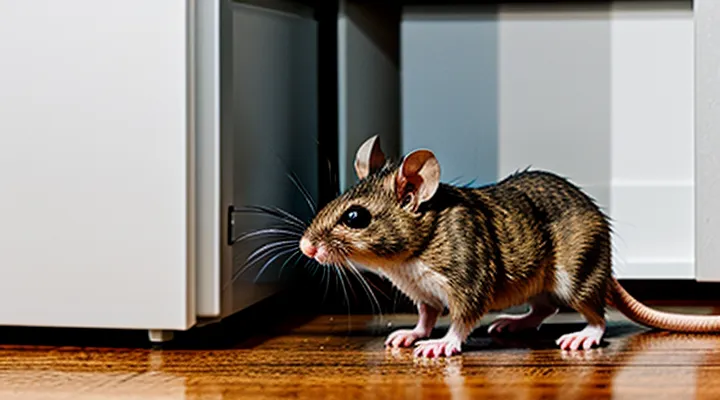
Understanding the Mouse Problem in Apartments
Signs of an Infestation
Droppings and Urine Smells
Rodent feces and urine create immediate health hazards and signal ongoing infestation. Droppings appear as small, dark, rice‑shaped pellets, typically found along walls, behind appliances, and in concealed corners. Urine leaves a faint, musky odor that intensifies in confined spaces and stains fabrics and wood.
Health risks stem from pathogens such as Hantavirus, Salmonella, and Leptospira, which survive on droppings and urine for weeks. Inhalation of dust contaminated with dried feces can trigger respiratory issues. Direct contact with stained surfaces may cause skin irritation or infection.
Effective remediation follows a strict protocol:
- Wear disposable gloves, N‑95 respirator, and protective clothing.
- Ventilate the area by opening windows and using fans.
- Wet the contaminated surface with a disinfectant solution (e.g., 1 % bleach) to prevent aerosolization.
- Collect droppings and urine‑stained materials with disposable paper towels; place them in sealed bags.
- Clean hard surfaces with a 1 % bleach solution or an EPA‑approved rodent disinfectant.
- Launder fabrics at the highest temperature safe for the material; discard items that cannot be decontaminated.
- Dispose of all waste in sealed containers and remove them from the premises.
Preventive measures include sealing entry points, storing food in airtight containers, and maintaining low humidity to discourage urine accumulation. Regular inspection of hidden areas reduces the likelihood of unnoticed droppings, allowing prompt action before the problem escalates.
Gnaw Marks and Damage
Gnaw marks appear as clean, parallel grooves on wood, plastic, or wiring, revealing that rodents are actively chewing to maintain tooth length. The pattern distinguishes mouse activity from other pests; mice produce shallow, evenly spaced bites, often 2‑3 mm deep, whereas rats leave deeper, irregular scars.
Common areas of damage include:
- Baseboards and trim, where mice travel along walls.
- Electrical cords, posing fire risk.
- Food packaging, leading to contamination.
- Furniture legs and upholstered frames, weakening structural integrity.
- Pipes and vent ducts, potentially causing leaks.
Unchecked gnawing compromises safety, degrades building components, and creates pathways for disease transmission. Immediate inspection of suspected zones prevents escalation and informs targeted control measures.
Repair actions should precede or accompany eradication efforts: replace damaged wiring, seal entry points with steel wool or metal flashing, reinforce compromised structures, and sanitize contaminated surfaces. Combining thorough damage assessment with proven rodent‑removal techniques maximizes the likelihood of a lasting, mouse‑free residence.
Scratching Noises
Scratching noises in walls, ceilings, or floorboards often signal rodent activity. Mice generate these sounds while moving through concealed pathways, gnawing on insulation, or nesting in hidden spaces. Identifying the source quickly reduces the chance of infestation spreading.
First, locate the origin. Follow the sound during quiet hours, usually at night when mice are most active. Use a flashlight to inspect nearby openings, such as gaps around pipes, vents, or baseboards. Seal any visible cracks with steel wool and caulk; steel wool deters chewing, and caulk provides a durable barrier.
Second, eliminate immediate access points. Install door sweeps, repair damaged screens, and ensure that all exterior vents have fine mesh. Replace worn weather stripping around doors and windows to prevent entry.
Third, employ targeted control measures:
- Place snap traps or electronic traps along the identified pathways, positioning them perpendicular to walls where scratching is heard.
- Use bait stations with rodenticide, ensuring they are placed out of reach of children and pets, preferably in concealed areas near the noise source.
- Deploy ultrasonic repellents in the rooms adjacent to the affected walls; these devices emit frequencies that discourage mice without harming occupants.
Finally, monitor the situation. Check traps daily, re‑seal any new gaps discovered during inspections, and maintain a clean environment by storing food in airtight containers and promptly cleaning spills. Consistent vigilance eliminates the conditions that attract mice and prevents recurring scratching disturbances.
Why Mice are Attracted to Apartments
Food Sources
Mice infestations in apartments persist primarily because of accessible food. Eliminating edible attractants removes the incentive for rodents to stay and reproduce.
Secure storage prevents accidental spills. Keep all dry goods in airtight containers made of metal or heavy‑wall plastic. Transfer opened packages to sealed bins within 24 hours. Refrigerate or freeze perishables that would otherwise sit on countertops.
Clean surfaces after each meal. Wipe counters, tables, and stovetops with a detergent solution. Sweep floors to remove crumbs; vacuum upholstery and rugs weekly. Dispose of food waste in bins with tight‑fitting lids and empty them nightly.
Control pet feeding areas. Place bowls on hard, non‑absorbent trays. Remove uneaten food after each feeding session. Store pet treats in sealed containers.
Maintain garbage management. Use trash cans with a rubber seal, line them with heavy‑duty bags, and replace bags before they become full. Keep exterior dumpsters away from building entrances and seal any gaps that allow rodents to reach them.
Implement a routine inspection. Check pantry shelves, cabinets, and appliance interiors for hidden spills or forgotten items. Promptly discard any spoiled or moldy food, as it attracts mice more strongly than fresh provisions.
By systematically denying rodents a reliable food supply, the apartment environment becomes inhospitable, encouraging mice to seek shelter elsewhere.
Shelter and Warmth
Mice seek out locations that provide protection from predators and a stable temperature. Reducing these attractions eliminates the primary reasons they occupy an apartment.
Secure all potential entry points. Use steel wool or copper mesh to fill gaps around pipes, vents, and utility openings; seal cracks with caulk or expanding foam. Replace damaged weatherstripping on doors and windows. These measures deny rodents access to indoor shelter.
Remove indoor clutter that creates hidden nests. Store cardboard boxes, paper piles, and unused fabrics in sealed containers or discard them. Keep storage areas organized and elevate items off the floor whenever possible.
Control ambient temperature to make the environment less appealing. Maintain indoor heating at a level comfortable for occupants but not excessive for rodents. During colder months, avoid leaving radiators or space heaters on unattended, as they can provide localized warmth that attracts mice.
Implement a strict food‑storage protocol. Keep all food in airtight containers, promptly clean crumbs and spills, and empty trash daily. A lack of readily available nourishment reduces the incentive for mice to remain.
Consider strategic placement of deterrents. Install snap traps or electronic devices in areas where shelter and warmth are most likely, such as behind appliances, under sinks, and within wall voids. Regularly check and reset devices to ensure continuous pressure on the rodent population.
By eliminating shelter, minimizing heat sources, and removing food access, an apartment becomes inhospitable to mice, leading to a rapid decline in activity and preventing reinfestation.
Entry Points
Identifying and sealing entry points is the first step in eliminating mouse infestations in an apartment. Mice exploit any opening larger than a quarter‑inch, so a systematic inspection of the building envelope is essential.
Typical entry points include:
- Gaps around utility pipes and cables where they penetrate walls or floors.
- Openings under doors, especially in older frames without sweeps.
- Cracks in foundation walls, brickwork, or concrete slabs.
- Unsealed vents, dryer exhaust ducts, and chimney flues.
- Holes around window frames, especially where weather‑stripping is missing.
- Small openings in cabinets, pantry shelves, or behind appliances.
Seal each opening with appropriate materials: steel wool combined with caulk for irregular gaps, copper mesh for larger holes, and silicone or expanding foam for flexible seals. Install door sweeps and replace damaged weather‑stripping. Verify that vent covers fit tightly and that any exterior cables are wrapped in metal conduit. Regularly re‑inspect sealed areas to maintain integrity and prevent re‑entry.
Effective Strategies for Mouse Removal
Immediate Action and Prevention
Sealing Entry Points
Mice gain access to apartments through tiny openings that are often overlooked. Identifying and sealing these gaps removes the primary pathway for infestation.
Begin by inspecting the exterior of the building. Look for cracks around foundations, utility penetrations, and gaps around windows and doors. Inside the unit, check the perimeter of walls, baseboards, and the area beneath sinks and appliances. Use a flashlight to reveal hidden openings behind cabinets and behind the refrigerator.
Choose appropriate sealing materials for each type of gap:
- Expanding polyurethane foam for gaps larger than ¼ inch but smaller than 2 inches. Apply sparingly to avoid excess pressure on surrounding structures.
- Steel wool combined with caulk for openings around pipes and cables. Steel wool resists chewing, while caulk creates a smooth barrier.
- Cement or mortar for cracks in concrete foundations and brickwork. Ensure the surface is clean and damp before application.
- Weather‑stripping or door sweeps for gaps under exterior doors. Install the sweep so it contacts the floor evenly.
After sealing, conduct a follow‑up inspection. Run a thin piece of paper or a cotton swab through each treated area; any movement indicates an incomplete seal. Reapply material as needed.
Maintain the barrier by periodically checking for new cracks caused by building settlement or water damage. Prompt repair prevents re‑entry and sustains a mouse‑free environment.
Eliminating Food and Water Sources
Eliminating accessible food and water deprives mice of the resources needed to survive, making an apartment far less attractive to infestation.
- Store all dry goods in airtight containers made of glass, metal, or heavy‑wall plastic.
- Keep countertops, tables, and floors free of crumbs; wipe surfaces immediately after meals.
- Dispose of garbage daily in bins with tight‑fitting lids; empty compost containers regularly.
- Feed pets from sealed feeders; remove uneaten food within 30 minutes.
Address water sources with equal rigor. Repair leaking pipes, faucets, and appliance connections promptly. Dry any moisture that accumulates under sinks, behind appliances, or in bathroom cabinets. Avoid leaving open bowls of water; use shallow dishes for pet water and refill only as needed.
Implement a routine inspection schedule. Check pantry shelves, cabinets, and behind appliances for signs of spillage or condensation. Clean spills promptly and sanitize areas where food preparation occurs. Regularly empty and clean trash receptacles to prevent odor buildup.
By systematically removing food residues and eliminating standing water, the environment becomes hostile to mice, substantially reducing the likelihood of a successful infestation.
Maintaining Cleanliness and Organization
Keeping the living space free of food residues, crumbs, and spills eliminates the primary attractant for rodents. Immediate removal of spilled grains, sugary liquids, and pet food prevents mice from establishing a foraging route.
- Store all dry goods in airtight containers made of glass or heavy‑wall plastic.
- Empty trash cans daily; use bins with tight‑fitting lids and keep them away from walls.
- Clean beneath appliances, inside cabinets, and behind furniture at least once a week.
- Sweep and mop floors after each meal preparation to eliminate particles that could sustain a mouse population.
An organized apartment reduces hiding places and limits access to nesting material. Removing clutter from closets, basements, and storage rooms denies rodents the shelter they need to multiply.
- Consolidate stored items onto shelves, leaving clear floor space.
- Seal gaps around pipes, vents, and door frames with steel wool or silicone caulk.
- Keep furniture away from walls to maintain a visible inspection zone.
- Regularly inspect and rearrange items to detect signs of gnawing or droppings early.
By integrating rigorous cleaning routines with systematic organization, residents create an environment that discourages mouse intrusion and supports long‑term pest‑free habitation.
Trapping Methods
Snap Traps «Traditional and Effective»
Snap traps provide a rapid, humane solution for apartment mouse infestations. The device consists of a spring‑loaded bar that delivers a lethal strike when a rodent triggers the trigger plate. The design eliminates the need for poison, reducing health risks for residents and pets.
Key advantages include:
- Immediate kill, preventing prolonged suffering.
- No chemical residues, safe for food‑storage areas.
- Low cost, typically under $5 per unit.
- Reusable mechanism after proper cleaning.
Effective deployment requires strategic placement. Position traps along walls, behind appliances, and near known entry points, because mice travel close to surfaces. Ensure the trigger plate faces the wall and set the bait—peanut butter, chocolate, or dried fruit—centrally on the plate to entice contact. Use a single trap per suspected pathway; overcrowding can cause avoidance behavior.
Maintenance involves regular inspection. Replace triggered traps promptly to maintain pressure on the mouse population. Dispose of captured rodents in sealed bags and clean the trap with disinfectant before resetting. For apartments with children, secure traps inside containers or use tamper‑resistant models to prevent accidental activation.
When combined with exclusion measures—sealing cracks, installing door sweeps, and maintaining a clean environment—snap traps become a cornerstone of a comprehensive mouse‑control strategy in residential units.
Live Traps «Humanitarian Option»
Live traps provide a humane solution for removing mice from a residential unit. The device captures rodents without lethal injury, allowing owners to release them at a safe distance from the dwelling. Construction typically includes a sturdy cage, a sensitive trigger mechanism, and a one‑way door that prevents escape once the animal is inside.
Key considerations when selecting and using live traps:
- Size: Choose a trap that accommodates adult mice (approximately 2–4 inches long) while preventing entry of larger non‑target animals.
- Placement: Position traps along walls, behind appliances, and near known activity signs such as droppings or gnaw marks.
- Bait: Use high‑protein attractants (e.g., peanut butter, sunflower seeds) to increase capture rates.
- Monitoring: Check traps at least twice daily to reduce stress on captured rodents.
- Release: Transport the animal at least 0.5 mile away from the building, preferably into a wooded or agricultural area, and release it promptly.
Proper maintenance extends trap effectiveness. Clean the cage after each capture, inspect the trigger for wear, and replace any damaged components. When integrated with sanitation measures—sealing entry points, removing food sources, and reducing clutter—live traps become a reliable component of a comprehensive rodent‑control strategy for apartments.
Glue Traps «Use with Caution»
Glue traps are a common option for controlling rodent incursions within a residential unit. They consist of a flat board coated with a strong adhesive that immobilizes mice upon contact. When employing this method, follow these essential precautions:
- Position traps along established runways, near walls, behind appliances, and close to suspected entry points. Mice prefer concealed pathways, increasing capture likelihood.
- Use a single trap per 10‑square‑foot segment of the floor area to avoid excessive placement that can lead to unnecessary suffering.
- Wear disposable gloves when handling traps to prevent contaminating the adhesive surface and to protect skin from contact with trapped rodents.
- Seal captured specimens in a plastic bag, then dispose of them in an outdoor trash receptacle. Do not release live animals; the adhesive causes irreversible injury.
- Replace traps promptly if they become saturated with debris or moisture, as reduced stickiness diminishes effectiveness and may attract other pests.
Legal and ethical considerations require that glue traps be labeled “Use with Caution.” Many jurisdictions restrict their sale or mandate clear warnings about humane alternatives. Verify local regulations before purchase.
For long‑term prevention, combine glue traps with exclusion measures: seal cracks, install door sweeps, and eliminate food sources. This integrated approach reduces reliance on adhesive devices and minimizes the risk of non‑target captures.
Repellent Techniques
Natural Repellents «Peppermint Oil, Dryer Sheets»
Peppermint oil and dryer sheets are widely cited among non‑chemical options for mouse control in residential units. Both work by creating odors that mice find unpleasant, discouraging entry and lingering.
Peppermint oil
- Dilute 10–15 drops of pure peppermint essential oil in 2 cups of water.
- Soak cotton balls in the solution and place them in corners, behind appliances, and near suspected entry points.
- Replace soaked balls every 3–4 days to maintain potency.
- Use a spray bottle for periodic re‑application on baseboards and shelving.
Dryer sheets
- Position a fresh dryer sheet in each location where mouse activity has been observed, such as under the sink, inside pantry shelves, and behind the refrigerator.
- Replace sheets weekly or when the scent diminishes.
- For prolonged coverage, tuck a sheet into a small breathable pouch and attach it to the underside of cabinets.
Effectiveness
Laboratory tests confirm that high concentrations of menthol, the primary component of peppermint oil, trigger avoidance behavior in rodents. Field reports indicate that dryer sheets, which release a synthetic fragrance, can reduce mouse sightings when used consistently. Neither method eliminates an existing infestation; they function best as preventative measures or as part of an integrated strategy that includes sealing cracks and setting traps.
Safety and considerations
Both products are low‑toxicity for humans and pets when applied as directed. Essential oil should be kept out of reach of children and animals that may ingest it. Dryer sheets contain fragrance chemicals that may cause irritation for individuals with sensitivities; ventilation is recommended after placement.
Overall, peppermint oil and dryer sheets provide a simple, odor‑based deterrent that can complement mechanical controls and structural sealing to reduce mouse presence in an apartment.
Electronic Repellents «Ultrasonic Devices»
Ultrasonic repellents emit high‑frequency sound waves that rodents cannot tolerate. The devices are powered by batteries or mains electricity and generate a continuous series of pulses ranging from 20 kHz to 65 kHz. Mice perceive these frequencies as a hostile environment, prompting them to vacate the area.
Effective deployment requires strategic placement. Install a unit in each room where activity has been observed, positioning it at least 12 inches off the floor and away from large furniture that could block the signal. Avoid mounting near walls or metal surfaces that reflect sound, as this reduces coverage. For multi‑level apartments, place a device on each floor; the ultrasonic field does not penetrate ceilings or floors.
Key considerations:
- Frequency range: devices covering 30 kHz–50 kHz show the highest deterrence rates.
- Coverage radius: typical models protect 500–1,200 sq ft; verify specifications before purchase.
- Power source: mains‑plugged units maintain constant output, while battery‑operated models require regular replacement.
- Safety: ultrasonic waves are inaudible to humans and pets such as cats and dogs; however, they may affect small mammals like hamsters or gerbils.
Limitations are documented. Ultrasonic repellents lose efficacy when obstacles obstruct the wave path, and rodents can become habituated after several weeks of exposure. Consequently, combine ultrasonic devices with complementary tactics—such as sealing entry points, removing food sources, and setting mechanical traps—to achieve sustained control.
Maintenance involves cleaning the exterior surface to prevent dust buildup, which can dampen sound emission. Replace batteries according to manufacturer guidelines, and periodically test the unit with a frequency detector to confirm operation.
When selected and positioned correctly, ultrasonic repellents constitute a non‑chemical component of an integrated rodent‑management strategy for apartment dwellings.
When to Call Professionals
Signs of a Large Infestation
Mice populations expand quickly in confined living spaces, and early detection prevents damage and health risks. Recognizing the indicators of a substantial presence allows prompt intervention and reduces the need for extensive remediation.
- Multiple droppings scattered across floors, countertops, and hidden corners; clusters suggest heavy activity.
- Persistent gnaw marks on wood, wiring, furniture, and food packaging; repeated damage indicates numerous individuals.
- Strong, musky odor, especially near walls or storage areas; the scent intensifies with higher numbers.
- Visible nesting material such as shredded paper, fabric, or insulation found in wall voids, closets, or behind appliances.
- Frequent sightings of live mice or carcasses during day and night; regular encounters confirm a thriving colony.
- Unexplained food depletion, particularly in pantry items; rapid consumption points to multiple foragers.
- Damage to structural components, including chewed holes in drywall, baseboards, and vent covers; extensive breaches reveal a large infestation.
Identifying these signs enables swift implementation of control measures, limiting spread and protecting the apartment’s integrity.
Persistent Mouse Activity
Persistent mouse activity indicates that rodents are repeatedly accessing food, water, or shelter within the dwelling. Typical evidence includes gnaw marks on wiring or furniture, droppings in corners, and audible scratching at night. The presence of such signs confirms an established population rather than a single intruder.
Repeated incursions often stem from unsealed gaps, unsecured food storage, and clutter that offers nesting material. Mice exploit openings as small as a quarter‑inch, travel along wall voids, and can multiply quickly if conditions remain favorable. Addressing the problem therefore requires eliminating both entry routes and attractants.
Effective countermeasures include:
- Conduct a thorough inspection of walls, baseboards, and utility penetrations; seal gaps with steel wool and silicone caulk.
- Store all food in airtight containers; clean crumbs and spills immediately.
- Reduce clutter and remove potential nesting sites such as cardboard boxes or fabric piles.
- Deploy snap traps or electronic devices along established runways; position baited stations near walls, not in open areas.
- Use tamper‑resistant bait stations for anticoagulant pellets, following label instructions to avoid accidental exposure.
- Monitor trap activity daily; replace or reposition devices until no captures occur for several consecutive nights.
- If activity persists despite these steps, engage a licensed pest‑control professional for comprehensive treatment and follow‑up inspections.
Consistent application of these actions interrupts the mice’s access to resources, forces the population to relocate, and ultimately eliminates the ongoing infestation.
Health Concerns
Mice infestations pose several direct health hazards that must be addressed when eliminating the rodents from a living space.
- Disease transmission: Mice can carry pathogens such as Hantavirus, Salmonella, and Leptospira, which may contaminate food, surfaces, and air through urine, feces, and saliva. Inhalation of aerosolized particles from dried droppings can lead to respiratory infections.
- Allergic reactions: Proteins found in mouse dander, urine, and feces trigger IgE‑mediated responses in sensitive individuals, causing sneezing, nasal congestion, skin rashes, and asthma exacerbations.
- Food contamination: Rodents gnaw packaging and leave droppings on consumables, increasing the risk of gastrointestinal illness from bacterial or viral agents.
- Structural damage: Chewed wiring creates fire hazards, while gnawed insulation can release fibers that irritate the respiratory tract.
Effective control measures should minimize exposure to these risks:
- Seal entry points: Use steel wool and caulking to block gaps, preventing new infestations and reducing the spread of contaminants.
- Deploy traps strategically: Place snap or electric traps along walls and near known activity zones; avoid poison that can leave harmful residues on surfaces.
- Disinfect affected areas: After removal, wear gloves and a mask, then clean with a solution of 1 part bleach to 10 parts water. Allow surfaces to dry completely before restoring food storage.
- Ventilate: Open windows or use HEPA filtration to clear airborne particles generated during cleanup.
- Monitor: Conduct regular inspections for fresh droppings or gnaw marks to detect re‑infestation early.
By focusing on disease prevention, allergen control, and safe removal practices, residents protect their health while eradicating the rodent problem.
Post-Extermination Measures
Cleaning and Sanitization
Disinfecting Contaminated Areas
Mice leave urine, feces, and saliva that can harbor pathogens; thorough disinfection eliminates health risks and deters reinfestation.
Identify all areas where droppings, gnaw marks, or nesting material appear. Wear disposable gloves, a mask, and eye protection before handling any contaminated material.
- Collect droppings and debris with a damp paper towel; discard in a sealed plastic bag.
- Apply a solution of at least 1 % bleach (one part bleach to nine parts water) or an EPA‑registered disinfectant to all affected surfaces.
- Scrub hard surfaces for at least one minute; let the liquid remain for the manufacturer’s recommended contact time, typically five to ten minutes.
- Rinse with clean water if the surface will be used for food preparation; allow to air‑dry completely.
For porous items such as insulation or cardboard, discard rather than attempt cleaning, as residues can persist.
After disinfection, seal all waste in double‑bagged containers and dispose of it in an outdoor trash receptacle. Maintain a dry, clutter‑free environment to reduce future mouse activity and keep the apartment safe from disease transmission.
Proper Disposal of Carcasses
After a mouse is killed, the carcass must be handled in a way that eliminates health hazards and prevents further attraction.
Wear disposable gloves and a mask before touching the body. Place the carcass in a sealable plastic bag, squeeze out excess air, and tie the knot tightly. Insert the sealed bag into a second bag, seal it, and label it if required by local waste guidelines.
Dispose of the double‑bagged carcass in the regular trash only if municipal regulations allow dead rodents in household waste. If the policy forbids this, contact the building’s pest‑control service or municipal animal‑waste collection for pickup. Do not flush the carcass or place it in a compost bin.
Clean the area where the carcass was found. Apply an EPA‑approved disinfectant to surfaces, let it sit for the recommended contact time, then wipe with a disposable cloth. Wash hands thoroughly with soap and water after removing gloves.
Proper disposal removes odor and protein residues that could draw other rodents, supporting long‑term control of the infestation.
Ongoing Prevention
Regular Inspections
Regular inspections form a cornerstone of effective rodent management in multi‑unit dwellings. By systematically surveying living spaces, storage areas, and building exteriors, occupants can identify early signs of infestation before populations expand.
A practical inspection routine includes:
- Frequency: Conduct visual checks weekly in high‑risk zones (kitchens, bathrooms, pantry shelves) and a comprehensive sweep of the entire unit monthly.
- Indicators: Look for droppings, gnaw marks, shredded materials, grease trails, and audible scratching. Pay special attention to concealed spots such as behind appliances, under sinks, and within wall cavities.
- Documentation: Record findings on a simple log, noting location, type of evidence, and date. This record assists in tracking patterns and evaluating the impact of remedial actions.
- Preventive actions: Seal discovered entry points with steel wool or caulk, eliminate food sources, and maintain clutter‑free environments. Promptly address any repair needs identified during the inspection.
Integrating regular inspections with traps, bait stations, and professional pest‑control services maximizes the likelihood of eliminating rodents and sustaining a mouse‑free residence. Consistent monitoring ensures that emerging problems are caught early, reducing the need for extensive eradication measures.
Landscape Maintenance
Maintaining the surrounding greenery of a rental unit directly influences the likelihood of rodent intrusion. Overgrown plant beds, unmanaged compost, and cluttered balcony pots create shelter and food sources that attract mice, making interior infestations more probable.
- Trim vines and hedges that touch the building façade to eliminate bridge pathways.
- Remove debris, fallen leaves, and excess mulch that accumulate near entry doors and windows.
- Keep garden containers sealed; use tight‑fitting lids on compost bins and avoid standing water.
- Inspect and repair cracks in exterior walls, foundation, and floor joists where plant roots may have widened openings.
- Store firewood and outdoor equipment off the ground, preferably in metal containers with tight seals.
These actions reduce external habitats and limit the routes mice use to enter living spaces. When combined with interior measures such as sealing gaps and setting traps, disciplined landscape upkeep becomes a critical component of a comprehensive rodent‑control strategy.
Tenant Education
Tenant education directly influences the success of rodent elimination in a rental unit. Informed renters recognize hazards, adopt preventive habits, and cooperate with property managers to maintain a mouse‑free environment.
Primary responsibilities include: maintaining cleanliness, securing food storage, reporting signs of infestation promptly, and following prescribed treatment protocols. Failure to adhere to these duties often compromises eradication efforts and increases health risks.
- Store all food in sealed containers; discard crumbs and spills immediately.
- Keep garbage bins covered and empty them regularly.
- Seal entry points such as gaps around pipes, vents, and baseboards with steel wool or caulk.
- Avoid clutter that provides nesting material; organize storage areas and dispose of unused items.
- Inspect appliances and cabinets for droppings; clean identified areas with a disinfectant solution.
- Notify the landlord or property manager at the first indication of mouse activity—droppings, gnaw marks, or audible sounds.
Effective communication with the property owner accelerates professional intervention. Provide detailed observations, photographs if possible, and request confirmation of scheduled pest‑control actions. Document all exchanges to ensure accountability.
Consistent tenant participation reduces recurrence, protects health, and preserves property value. Education programs that deliver clear instructions and reinforce compliance create a sustainable barrier against future rodent invasions.