
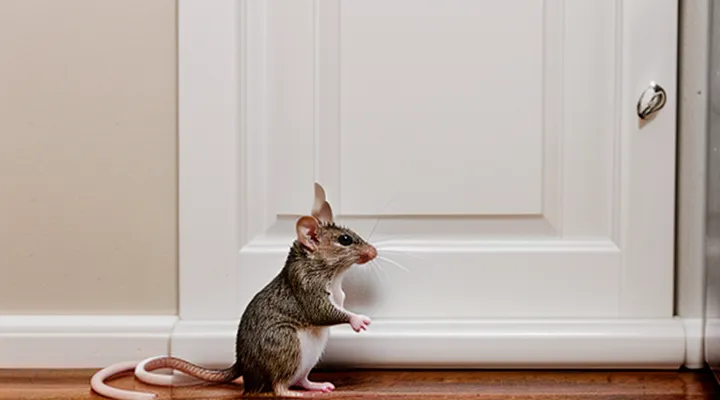
Understanding «Musophobia»
What is «Musophobia»?
Musophobia is the clinical term for an intense, irrational fear of mice and rats. It is classified as a specific phobia within anxiety‑disorder diagnostics and is diagnosed when the fear provokes marked distress or avoidance that interferes with daily functioning.
Typical manifestations include rapid heartbeat, shortness of breath, sweating, trembling, and an overwhelming urge to flee the area where a rodent is perceived. The reaction often intensifies in low‑light environments, such as during nighttime in a residence, because visual cues are limited and the mind amplifies perceived threats.
Research attributes musophobia to a combination of genetic predisposition, prior negative experiences, and cultural conditioning that portrays mice as disease carriers. Neuroimaging studies show heightened activity in the amygdala and insular cortex when individuals with the phobia encounter rodent stimuli, confirming a physiological basis for the fear response.
Understanding musophobia is essential for anyone seeking to manage nocturnal mouse anxiety. Recognizing the disorder’s symptoms and underlying mechanisms enables the selection of evidence‑based interventions, such as systematic desensitization, cognitive restructuring, and, when appropriate, pharmacotherapy.
Common Triggers and Symptoms
Fear of mice that appears after dark often originates from specific environmental cues and personal history. Sudden sounds, shadows cast by moving objects, and the presence of clutter create visual ambiguity that the brain interprets as a threat. Prior negative encounters with rodents, such as a bite or a startling chase, reinforce the association between night and danger. Low lighting reduces the ability to identify harmless details, amplifying anxiety whenever a rustle is heard behind a wall or under a floorboard.
Typical physiological and behavioral responses include:
- Rapid heartbeat and shortness of breath
- Perspiration, especially on the forehead and palms
- Trembling or shaking of limbs
- Urge to flee the room or lock doors
- Difficulty falling or staying asleep
- Heightened alertness to any noise or movement
- Avoidance of areas where mice are likely to travel, such as kitchens, basements, and storage closets
These reactions stem from the body’s fight‑or‑flight system, which activates automatically when perceived danger aligns with the identified triggers. Recognizing the precise stimuli and the accompanying symptoms is essential for developing targeted strategies that reduce nocturnal rodent‑related fear.
Immediate Strategies for Nighttime Encounters
Staying Calm in the Moment
When a mouse appears after dark, the instinctive surge of anxiety can cloud judgment. Maintaining composure at that instant prevents the panic cycle from escalating and creates space for purposeful action.
The body reacts with rapid breathing, tightened muscles, and heightened alertness. Counteracting these signs begins with a deliberate breath: inhale slowly for four counts, hold briefly, exhale for six counts. This pattern lowers heart rate and restores a steadier mental state.
Practical steps for immediate calmness:
- Controlled breathing – repeat the four‑two‑six rhythm until the urge to gasp subsides.
- Grounding – press the soles of your feet against the floor, notice the contact, and remind yourself of the present surface.
- Visual focus – fix your gaze on a fixed point a few meters away; avoid scanning the room, which fuels hyper‑vigilance.
- Brief affirmation – state silently, “I am safe, I can handle this,” to reinforce confidence.
A tranquil mindset enables accurate assessment: locate the mouse’s path, identify entry points, and choose an appropriate removal method without resorting to frantic swatting. Calmness also reduces the release of stress hormones, limiting the chance of accidental injury to yourself or the animal.
By applying these techniques each time a nocturnal visitor is detected, the fear response diminishes, allowing you to manage the situation efficiently and without distress.
Identifying the Source of the Noise
Distinguishing Mice from Other Pests
Mice differ from other common household pests in size, tail shape, and activity patterns. Recognizing these distinctions reduces uncertainty and helps apply targeted control measures.
Typical mouse characteristics:
- Length 2‑4 inches, including a slender, hairless tail equal to body length.
- Rounded ears, large black eyes, and a pointed snout.
- Preference for indoor pathways along walls, especially near food sources.
- Nocturnal movement, producing light scurrying sounds after dark.
Key contrasts with other pests:
- Cockroaches: Flattened bodies, long antennae, and rapid, erratic crawling in warm, damp areas; lack a long, hairless tail.
- Rats: Larger (up to 12 inches), thicker bodies, blunt noses, and coarser fur; produce louder gnawing noises and leave larger droppings.
- Spiders: Eight legs, silk webs, and stationary hunting zones; absence of audible footfalls.
- Ants: Small, segmented bodies, organized trails, and preference for sugary substances; leave visible pheromone lines.
Identifying signs specific to mice:
- Fine, dark droppings about ½ inch long, often found along walls or in pantry corners.
- Gnaw marks on wires, wood, or food packaging, characterized by clean, V‑shaped incisions.
- Grease trails from their oily fur, visible as dark smears along baseboards or behind appliances.
- Soft, high‑pitched squeaks heard during nighttime activity.
By focusing on these observable traits, homeowners can separate mouse evidence from that of other insects or rodents, enabling precise interventions that directly address the source of nocturnal anxiety.
Pinpointing Entry Points
Identify every potential opening that allows rodents to enter the home after dark. Begin with a systematic visual sweep of the building envelope. Examine the foundation for gaps wider than a quarter‑inch, paying special attention to cracks near utility penetrations, vents, and drainage pipes. Inspect exterior walls for damaged siding, loose trim, or missing caulking around windows and doors. Check the roofline for broken tiles, unsealed flashing, and openings around chimney stacks. Verify that all doors close tightly; test the bottom gap with a piece of paper—if it slides easily, install a door sweep.
Next, assess the interior for signs of ingress. Look for droppings, gnaw marks, or shredded material near baseboards, cabinets, and pantry shelves. Follow any visible tracks to locate the nearest exterior breach. Use a flashlight to inspect under appliances, behind refrigerators, and within crawl spaces where darkness conceals entry points.
Document each discovered opening and prioritize repairs based on size and proximity to food sources. Apply appropriate sealing materials: steel wool combined with silicone caulk for small cracks, hardware cloth or metal flashing for larger gaps, and expanding foam for irregular voids. Replace worn weatherstripping on doors and windows, and ensure that vent covers are fitted with fine mesh.
Maintain a regular inspection schedule. Conduct a quick exterior walk‑through weekly and a thorough interior check monthly. Promptly address any new damage caused by settling, weather, or pest activity. By systematically locating and eliminating access routes, the likelihood of nocturnal mouse encounters diminishes, reducing anxiety associated with nighttime rodent presence.
Temporary Deterrents
Sound-Based Repellents
Sound-based repellents offer a practical option for reducing nocturnal mouse anxiety without visual contact. These devices emit ultrasonic or audible frequencies that rodents find uncomfortable, prompting them to vacate treated areas.
Ultrasonic emitters operate above the human hearing range (typically 20–65 kHz). Rodents perceive these tones as a persistent threat, leading to avoidance behavior. Audible deterrents use high-pitched sounds within the human audible spectrum (around 3–10 kHz) that are irritating to mice but tolerable for occupants.
Key considerations when implementing acoustic deterrents:
- Frequency selection – Choose devices calibrated to frequencies known to affect murine hearing; ultrasonic models avoid disturbance to humans.
- Coverage area – Verify the advertised radius matches room dimensions; multiple units may be required for larger spaces.
- Placement – Position emitters at mouse entry points (baseboards, cracks, vents) and centrally within rooms to ensure overlapping sound fields.
- Power source – Opt for models with reliable electricity connections or long-life batteries to maintain continuous operation through night hours.
- Safety certifications – Confirm compliance with local electromagnetic safety standards to prevent interference with other electronics.
Effectiveness varies with rodent habituation. Rotating frequencies or combining acoustic devices with sealing of entry points and sanitation measures sustains deterrent impact. Regularly inspect units for dust accumulation, which can attenuate output, and replace them according to manufacturer guidelines.
Light as a Deterrent
Using illumination can reduce anxiety caused by nocturnal rodent activity. Bright light disrupts the natural preference of mice for darkness, decreasing the likelihood that they will enter living spaces after dusk.
A practical approach includes:
- Installing motion‑activated LED floodlights near entry points, such as doors, windows, and utility openings. The sudden burst of light startles any approaching rodent and signals human presence.
- Employing low‑intensity night‑lights inside bedrooms and hallways. Continuous soft illumination eliminates complete darkness, limiting hiding spots without disturbing sleep cycles.
- Positioning a thin strip of white light under cabinets and pantry shelves. The illuminated surface makes it harder for mice to navigate, encouraging them to avoid those areas.
Consider the following guidelines when implementing lighting solutions:
- Select bulbs with a color temperature above 5,000 K; cooler light is more aversive to rodents than warm tones.
- Ensure fixtures are sealed against dust and rodent damage to maintain long‑term effectiveness.
- Combine lighting with basic exclusion measures—sealed gaps, proper food storage—to prevent attraction despite illumination.
By integrating targeted light sources, residents can create an environment that discourages mouse presence, thereby reducing nighttime fear without resorting to chemical repellents or lethal traps.
Long-Term Solutions and Prevention
Securing Your Home
Sealing Entry Points
Sealing cracks, gaps, and openings eliminates the routes mice use to enter a home after dark, directly reducing the source of nocturnal anxiety. By preventing rodents from infiltrating living spaces, the likelihood of sudden sightings and the accompanying fear diminish.
Identify vulnerable points by inspecting the exterior and interior of the residence. Look for openings around doors, windows, utility lines, vents, and the foundation. Pay special attention to gaps larger than a quarter‑inch, as mice can squeeze through much smaller spaces.
- Apply steel wool or copper mesh to fill gaps around pipes and wires, then cover with caulk or expanding foam for a durable seal.
- Install weatherstripping on doors and windows to block gaps that appear when they close.
- Use concrete or mortar to repair cracks in the foundation and exterior walls.
- Fit metal flashing over vent openings and secure with screws to prevent displacement.
- Replace damaged screens with tightly woven material and ensure they are firmly attached.
After sealing, monitor for signs of activity such as droppings or gnaw marks. Persistent evidence may indicate missed entry points, prompting a repeat of the inspection and sealing process. Maintaining a sealed environment sustains the reduction of nighttime mouse encounters and the associated fear.
Proper Food Storage
Proper food storage directly limits the attraction of rodents, which reduces the likelihood of encountering mice during nighttime hours. Secure containers prevent scent dispersal, removing a primary incentive for nocturnal foraging.
Key practices for effective storage:
- Use airtight, metal or heavy‑plastic containers with sealed lids for all dry goods.
- Transfer bulk items from original packaging into these containers promptly.
- Store pet food in the same manner; keep it on a high shelf or in a locked pantry.
- Clean spills immediately and dispose of waste in sealed bags.
- Rotate inventory regularly to avoid prolonged exposure of stale products.
Maintain a clean kitchen environment by wiping down countertops after each use and sweeping crumbs from floors. Regularly inspect storage areas for signs of gnawing or breach; replace compromised containers without delay.
By eliminating food sources, the perceived threat of mouse activity at night diminishes, allowing occupants to feel safer in their homes.
Professional Pest Control
When to Call an Expert
Fear of nocturnal rodents can disrupt sleep and increase stress. Simple measures—sealing entry points, removing food sources, and using humane traps—often suffice. However, certain conditions demand professional intervention.
Indicators that an expert is required
- Repeated sightings despite thorough sealing and trapping efforts.
- Evidence of infestation, such as droppings, gnaw marks, or nesting material, in multiple rooms.
- Persistent anxiety that interferes with daily functioning or sleep quality.
- Signs of disease transmission risk, including bites or contaminated surfaces.
- Inability to identify the source of entry or to implement effective exclusion methods.
When any of these factors are present, contacting a licensed pest‑control specialist or a certified rodent‑behavior consultant is advisable. Professionals provide:
- Comprehensive inspections using specialized equipment.
- Targeted exclusion solutions tailored to building construction.
- Safe, humane removal techniques that comply with local regulations.
- Advice on long‑term prevention, including structural modifications and maintenance plans.
Select an expert with documented certifications, verified client references, and a clear protocol for humane handling. Request a written assessment outlining the scope of work, expected timeline, and guarantee terms before authorizing treatment. This approach ensures the problem is resolved efficiently while minimizing health risks and ongoing fear.
Understanding Treatment Options
Facing nocturnal encounters with rodents can trigger intense anxiety. Recognizing the range of interventions available helps individuals select a strategy that matches their needs and circumstances.
First‑line approaches focus on mental conditioning. Cognitive‑behavioral techniques teach patients to identify irrational thoughts about mice, replace them with realistic assessments, and gradually reduce emotional reactivity. Structured exposure—starting with imagined scenarios, then progressing to controlled visual contact, and finally to real‑time observation—builds tolerance without overwhelming fear.
Pharmacological support may complement psychological work. Short‑acting anxiolytics taken before bedtime can dampen acute panic, while low‑dose antidepressants address underlying anxiety disorders when symptoms persist over weeks or months. Prescription decisions require consultation with a qualified clinician.
Environmental adjustments reduce the likelihood of surprise encounters. Sealing entry points, installing motion‑activated lights, and maintaining a clutter‑free floor diminish mouse activity and provide visual cues that lessen uncertainty. Regular cleaning removes scent trails that attract rodents, further decreasing the chance of unexpected sightings.
Professional assistance offers tailored guidance. Licensed therapists specialize in phobia treatment and can combine cognitive‑behavioral methods with relaxation training, such as diaphragmatic breathing or progressive muscle relaxation, to lower physiological arousal during nighttime hours.
Self‑help resources expand options for independent practice. Audio recordings that guide exposure exercises, mobile applications that track anxiety levels, and instructional videos demonstrating safe mouse‑deterrent techniques empower individuals to manage fear proactively.
Choosing an appropriate combination of these treatments—psychological, medicinal, environmental, professional, and self‑directed—provides a comprehensive framework for reducing nocturnal mouse‑related anxiety.
Mental and Emotional Coping Mechanisms
Relaxation Techniques
Relaxation techniques can diminish the anxiety triggered by nocturnal rodent encounters. By lowering physiological arousal, the mind becomes less prone to panic when a mouse appears in dim lighting.
- Deep diaphragmatic breathing: inhale slowly through the nose for a count of four, hold two seconds, exhale through the mouth for six seconds. Repeat five cycles before bedtime and after any sighting.
- Progressive muscle relaxation: tense each muscle group for three seconds, then release. Start with feet and advance to the face, ending with a brief scan for residual tension.
- Guided imagery: visualize a calm, safe environment—such as a quiet garden—while lying in bed. Maintain the mental picture for one to two minutes, focusing on sensory details to distract from the presence of pests.
- Mindful body scan: close eyes, direct attention sequentially to body parts, noting sensations without judgment. This practice anchors attention to the present, preventing catastrophic thoughts about mice.
Implementing a short routine each night creates a predictable pattern that the nervous system associates with safety. Consistency reinforces the body’s ability to return to baseline quickly after a sudden disturbance, reducing the likelihood of lingering dread.
Seeking Professional Help for Phobias
Professional assistance provides a structured path for individuals whose nightly encounters with mice trigger overwhelming anxiety. Qualified clinicians assess the severity of the phobia, differentiate it from general discomfort, and design a treatment plan grounded in empirical research.
Therapeutic options commonly include:
- Cognitive‑behavioral therapy, which restructures fear‑related thoughts and introduces gradual exposure to rodent cues.
- Systematic desensitization, pairing relaxation techniques with incremental visual or auditory stimuli.
- Pharmacological support, prescribed when anxiety levels impede daily functioning, often combined with psychotherapy.
To initiate treatment, follow these steps:
- Contact a licensed mental‑health provider or request a referral from a primary physician.
- Verify insurance coverage or discuss fee structures before the first appointment.
- Attend an initial evaluation to establish diagnosis and outline goals.
- Commit to the recommended session schedule and practice assigned exercises between meetings.
Evidence demonstrates that targeted professional intervention reduces avoidance behavior, improves sleep quality, and equips patients with coping mechanisms applicable beyond nocturnal rodent encounters.
Debunking Myths About Mice
Common Misconceptions
Fear of mice that appear after dark is often fueled by inaccurate beliefs. Many people assume that nocturnal rodents carry dangerous diseases, yet scientific studies show that typical house mice transmit only a limited range of pathogens, none of which pose immediate health threats in a clean indoor environment. Another widespread notion claims that mice are aggressive predators that will bite humans unprovoked; in reality, mice are timid and will avoid contact unless cornered or provoked.
A second misconception suggests that eliminating all visual cues—such as sealing cracks and removing clutter—will eradicate the fear entirely. While structural measures reduce mouse activity, they do not address the psychological response triggered by sudden movement or sounds. Successful coping requires both environmental control and cognitive strategies.
A third erroneous belief holds that exposure to a single mouse will desensitize an individual. Desensitization is a gradual process that demands repeated, controlled encounters, not a one‑off event. Without systematic exposure, the fear often intensifies.
Common misconceptions:
- Mice are carriers of severe, common illnesses.
- House mice are naturally aggressive toward humans.
- Visual and structural modifications alone eliminate fear.
- A single encounter provides lasting desensitization.
Real Risks Versus Perceived Threats
Mice that appear after dark often trigger anxiety that exceeds the actual danger they pose. The primary health concern is the potential transmission of pathogens such as hantavirus, salmonella, and leptospirosis. These diseases require direct contact with urine, droppings, or saliva, which is uncommon in brief nighttime encounters. Structural damage is limited to gnawed insulation, wiring, or stored food, rarely resulting in fire or extensive loss.
The perceived threat frequently includes exaggerated beliefs about infestation size, imminent attacks, or supernatural associations. Such fears amplify stress responses, leading to sleeplessness and heightened vigilance that can persist long after the rodent has left the premises.
- Real risks: disease vectors (limited to direct exposure), minor property damage (wiring, insulation), contamination of food supplies.
- Perceived threats: overwhelming numbers, aggressive behavior, supernatural implications, lasting psychological distress.
Mitigation focuses on eliminating the factual hazards—sealing entry points, maintaining cleanliness, and using traps—while simultaneously reducing exaggerated concerns through education, controlled exposure, and, if necessary, professional counseling. This dual approach aligns safety measures with rational assessment, preventing unnecessary panic and fostering confidence during nighttime hours.