
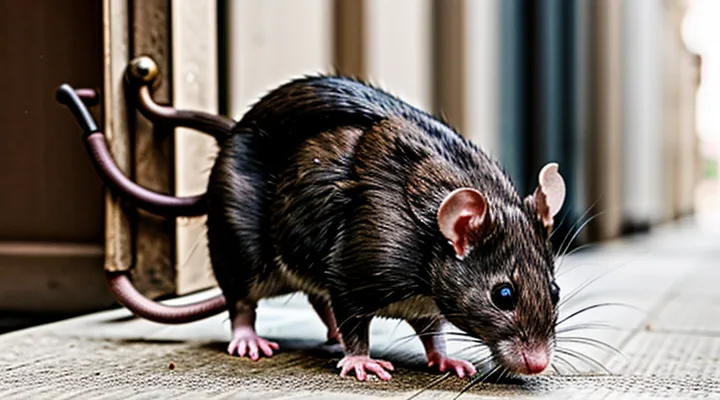
Understanding Rat Biting Behavior
Why Do Rats Bite?
Fear and Stress
Rats react to «fear» and «stress» with heightened vigilance and defensive aggression, which often manifests as finger bites during handling. Elevated cortisol levels trigger rapid heart‑rate increases and muscle tension, reducing the animal’s tolerance for close contact. When a rat perceives a threat, its instinctual response is to protect itself, and the bite becomes a primary defensive tool.
Physiological stress responses impair learning and habituation. A rat experiencing chronic anxiety will not readily associate gentle handling with safety, limiting the effectiveness of conditioning techniques. Consequently, attempts to modify behavior fail unless the underlying emotional state is addressed.
Practical measures to lower fear and stress:
- Provide a quiet, low‑traffic environment; minimize sudden noises and bright lights.
- Allow the rat to explore a familiar enclosure before direct contact; gradual exposure builds confidence.
- Use slow, deliberate movements; avoid rapid hand approaches that can be interpreted as predatory.
- Offer food rewards during brief, gentle touches; positive reinforcement creates a link between handling and pleasant outcomes.
- Maintain consistent handling schedules; routine reduces uncertainty and promotes predictability.
Implementing these steps reduces the animal’s stress hormones, encourages trust, and directly diminishes the likelihood of finger bites. A calm, predictable interaction environment transforms defensive reactions into cooperative behavior, supporting safe and humane handling practices.
Pain or Illness
Rodent bites to the fingers produce sharp, localized pain that can develop within seconds of the injury. The wound typically appears as a puncture or laceration, often accompanied by swelling and bruising.
Infection risk rises sharply after the initial trauma. Common illnesses associated with such bites include:
- «rat‑bite fever» (caused by Streptobacillus moniliformis)
- Leptospirosis (transmitted by bacterial spores in saliva)
- Hantavirus infection (rare, linked to aerosolized rodent excretions)
- Secondary bacterial infection by Staphylococcus aureus or Streptococcus species
Immediate care should focus on wound cleansing and pain mitigation. Recommended steps are:
- Rinse the area with running water for at least one minute.
- Apply a mild antiseptic solution, such as povidone‑iodine.
- Cover the wound with a sterile dressing to reduce exposure.
- Elevate the hand to limit swelling and monitor for increasing redness or pus formation.
Professional medical evaluation is essential if any of the following occur: persistent fever, expanding redness, severe throbbing pain, or signs of systemic illness. Antibiotic therapy, typically a course of doxycycline or amoxicillin‑clavulanate, may be prescribed to prevent bacterial complications. Tetanus immunization status should be verified and updated when necessary.
Long‑term monitoring includes observing for delayed symptoms of rat‑associated diseases, such as joint pain or rash, which may manifest days after the bite. Prompt reporting of such signs to a healthcare provider ensures timely diagnosis and treatment, reducing the likelihood of chronic illness.
Territoriality
Rats establish exclusive zones around nesting sites, food caches, and preferred pathways. The boundaries are marked by scent deposits, urine trails, and tactile cues. Violation of these zones triggers defensive responses, including rapid lunges and bite attempts.
When a human hand enters a rat’s perceived territory—such as during handling or cleaning— the animal interprets the intrusion as a threat to its resources. The resulting aggression often manifests as a bite directed at the fingers, which are most exposed during contact.
Effective reduction of territorial aggression relies on altering the animal’s perception of space and resource security:
- Relocate food and water dishes to neutral areas away from primary nesting sites.
- Introduce scent‑neutral bedding to diminish strong odor markers.
- Limit handling sessions to brief, predictable intervals, allowing the rat to acclimate to repeated, non‑threatening presence.
- Employ barrier methods (e.g., gloves, acrylic shields) that prevent direct skin contact while the rat adjusts to new handling protocols.
- Gradually expand the rat’s accessible area by adding extra tunnels or platforms, thereby decreasing the concentration of valuable space within a single zone.
Research indicates that consistent exposure to these modifications lowers the frequency of bite incidents. «Repeated, low‑stress interactions reduce territorial defensiveness», notes a recent ethology study, supporting the practical steps outlined above.
Over-Stimulation or Play
Rats often bite when they become over‑stimulated during play. Rapid, unpredictable movements trigger a defensive response that can result in nipping at fingers. Recognising the signs—such as heightened vocalisation, darting behaviour, or sudden lunges—allows immediate intervention before a bite occurs.
Providing structured play reduces the likelihood of excessive arousal. Schedule short, controlled sessions lasting no more than five minutes, followed by a calm period. Introduce toys that encourage chewing and exploration without encouraging aggressive snaps. Rotate enrichment items to maintain interest without overwhelming the animal.
Practical steps to manage over‑stimulation:
- Limit handling to calm periods; avoid sudden grabs or lifts.
- Offer chewable objects (wood blocks, safe ropes) before and after interaction.
- Observe body language; pause play when ears flatten or tail flicks rapidly.
- Gradually increase session length as the rat demonstrates tolerance.
- End each session with gentle petting and a quiet environment to reinforce calmness.
Consistent application of these measures diminishes the chance of finger bites and promotes a balanced, enjoyable relationship with the pet.
Lack of Socialization
Lack of socialization in rats creates anxiety and defensive aggression, which often manifests as finger bites during handling. When a rat has limited exposure to human contact, it perceives touch as a threat, triggering a bite response to protect itself.
Key factors linking insufficient socialization to biting:
- Fear of unfamiliar hands; rapid movements heighten perceived danger.
- Inadequate habituation to routine handling; the animal lacks a reference point for safe interaction.
- Absence of positive reinforcement; no association between human touch and reward.
Mitigation strategies focus on gradual exposure and consistent reinforcement:
- Introduce the rat to the handler’s scent by placing a cloth with the handler’s odor in the cage for several days.
- Conduct short, gentle sessions where the handler offers food from the palm, allowing the rat to approach voluntarily.
- Increase handling duration incrementally, extending each session by a few seconds once the rat shows calm behavior.
- Provide a secure, low‑stress environment during interactions, such as a quiet room with dim lighting, to reduce external stressors.
- Pair handling with a preferred treat, establishing a positive connection between human contact and reward.
Consistent application of these steps reduces fear, builds trust, and diminishes the likelihood of finger bites caused by «lack of socialization».
Identifying Warning Signs
Vocalizations
Rats communicate through a range of vocalizations that indicate stress, curiosity, or defensive intent. Recognizing these sounds allows handlers to intervene before a bite occurs.
Common vocalizations and their typical meanings:
- «high‑pitched squeak» – immediate alarm, often precedes rapid movement toward perceived threat;
- «low‑frequency chitter» – exploratory curiosity, not indicative of aggression;
- «sharp chirp» – brief warning, signals discomfort with proximity;
- «continuous chatter» – social interaction, generally safe for handling.
When a high‑pitched squeak or sharp chirp is detected, pause contact and withdraw the hand slowly. Reducing sudden movements and maintaining a calm environment lowers the frequency of alarm calls. Gradual desensitization, paired with positive reinforcement, conditions the rat to associate hand proximity with low‑stress vocalizations such as low‑frequency chitter. Consistent observation of vocal cues thus forms an effective strategy for preventing finger bites.
Body Language
Understanding a rat’s body language is essential for preventing bites. Aggressive or frightened signals appear before an attempt to bite, allowing the handler to intervene early.
Key indicators of potential aggression include:
- Ears flattened against the head
- Tail held rigid or thrust upward
- Whiskers drawn back toward the face
- Back arching with hair raised along the spine
- Sudden lunges or rapid, jerky movements
- High‑pitched squeals or chattering noises
When any of these signs are observed, immediate actions reduce risk:
- Move slowly, avoiding sudden gestures that could be perceived as threats
- Lower eye contact; direct staring often escalates tension
- Extend a hand with the palm facing upward, allowing the rat to approach voluntarily
- Provide an escape route, such as a nearby tunnel or hideaway, to relieve pressure
- Speak in a low, steady tone to convey calmness without startling the animal
Consistent attention to posture, tail position, ear orientation, and vocalizations enables the handler to recognize discomfort before a bite occurs. Adjusting handling techniques in response to these cues creates a safer interaction environment for both rat and caretaker.
Nipping vs. Biting
Rats display two distinct oral behaviors when interacting with human skin: nipping and biting. «Nipping» refers to brief, light contacts that often serve as exploratory or warning signals. The force applied is minimal, the duration short, and the animal typically withdraws immediately after contact. «Biting» involves deeper, sustained pressure, resulting in tissue puncture or tearing. This behavior signals heightened aggression, fear, or frustration and poses a greater injury risk.
Key differences guide prevention strategies. Nipping usually responds to overstimulation or curiosity; reducing sensory overload and providing alternative objects for gnawing can diminish occurrences. Biting reflects a breakdown in trust or an attempt to assert dominance; establishing consistent handling routines and avoiding sudden movements are essential to lower its frequency.
Practical measures:
- Offer chewable toys and safe wooden blocks to satisfy oral urges.
- Conduct brief, calm handling sessions multiple times daily.
- Observe body language: flattened ears, stiff tail, and rapid breathing precede nipping; raised fur, hissing, and lunging precede biting.
- Apply positive reinforcement when the rat accepts gentle touch without contact.
Implementing these steps reduces the likelihood of both behaviors, fostering a safer interaction environment and minimizing the chance of finger injury.
Preventing Rat Bites Through Handling and Training
Proper Handling Techniques
Approaching Your Rat
Approaching a rat requires calm movement, predictable gestures, and respect for the animal’s natural instincts. Sudden actions trigger defensive behavior, increasing the likelihood of a bite.
- Move slowly toward the cage, keeping the hand within the animal’s line of sight.
- Extend a hand with a relaxed palm, allowing the rat to sniff and investigate.
- Offer a small treat to create a positive association with close contact.
- Avoid direct eye contact that may be perceived as threatening.
- Maintain a consistent routine; irregular handling can cause stress and aggression.
Gradual exposure builds trust. Begin with brief sessions lasting a few seconds, then extend the duration as the rat shows comfort. Observe body language: flattened ears, whisker tension, or rapid tail movements indicate unease and require a pause. When the rat displays relaxed posture—open ears, slow breathing, and gentle grooming—continue interaction.
Consistent, gentle handling reduces fear responses and minimizes the risk of nipping. Over time, the rat learns that human proximity predicts safety rather than danger.
Safe Lifting and Holding
Safe handling of a rodent requires steady posture, controlled grip, and awareness of the animal’s reflexes. A secure lift minimizes the chance of a defensive bite and protects both the handler and the animal.
- Position the rat on a stable surface. Align the body so the spine is straight and the tail points away from the handler.
- Place one hand under the chest, fingers spread to support the thorax. The second hand supports the hindquarters, thumb positioned under the pelvis.
- Apply gentle, even pressure. Avoid squeezing; a firm yet relaxed hold restricts sudden movements that trigger a bite response.
- Keep the rat’s head elevated slightly, allowing the eyes to remain visible. Monitoring eye contact helps detect signs of stress.
- Transfer the animal to a containment device or enclosure without releasing grip abruptly. Move in a smooth arc, maintaining support at both ends.
When lifting, the handler should maintain a balanced stance, feet shoulder‑width apart, knees slightly bent. This posture distributes weight and reduces strain on the arms, preventing accidental jerks. If the rat attempts to bite, the handler can redirect the animal’s mouth by gently guiding the head away from the fingers, using the palm to block the bite without applying force.
«A calm, controlled lift prevents defensive aggression». Consistent practice of these techniques builds confidence, reduces bite incidents, and ensures safe interaction with the rodent.
Avoiding Triggers
Avoiding triggers reduces the likelihood of a rat biting fingers. A rat perceives sudden changes as threats; consistent, calm interactions prevent defensive responses.
Common triggers include:
- abrupt motions,
- loud or high‑frequency sounds,
- handling with scented or dirty hands,
- excessive petting or restraint,
- irregular feeding schedules.
Mitigation strategies:
- move slowly, keep hands within the rat’s visual field,
- maintain a quiet environment, avoid sudden noises,
- wash hands thoroughly, use unscented soap before handling,
- limit petting sessions to brief intervals, allow the animal to retreat,
- establish a regular feeding routine, provide familiar food items.
By systematically eliminating each trigger, the rat learns that human contact is safe, decreasing the chance of a bite.
Desensitization and Positive Reinforcement
Gradual Exposure
Gradual exposure reduces the likelihood of a rat delivering a bite by systematically desensitising the animal to human contact. The method relies on repeated, low‑intensity interactions that increase in duration and closeness only when the rat remains calm.
- Begin with brief visual contact from a safe distance; observe the rat’s posture and ear position for signs of tension.
- Introduce a stationary hand within the rat’s peripheral view, avoiding direct reach. Maintain the position for a few seconds, then withdraw.
- Progress to allowing the rat to approach a stationary hand voluntarily, rewarding calm approach with a small food treat.
- Extend the hand’s proximity gradually, moving it closer to the rat’s mouth area only after the animal shows no signs of agitation.
- Incorporate gentle, brief touch on the back or flank; limit each contact to one or two seconds, then retreat.
- Increase touch duration incrementally, monitoring stress indicators such as rapid breathing, vocalisation, or tail flicking.
Successful implementation requires consistent timing, clear boundaries, and immediate cessation of exposure if stress signals emerge. Over several weeks, the rat learns that proximity and gentle handling are non‑threatening, thereby decreasing the propensity to bite.
Reward-Based Training
Reward‑based training provides a practical method for eliminating aggressive nipping in pet rats. The approach relies on reinforcing desired behavior with a valued reward, typically a small food item, while ignoring or gently redirecting attempts to bite.
The process begins with identifying a reliable cue that signals the rat’s readiness to engage. A distinct verbal marker such as «good» or a short hand signal should be introduced consistently. When the rat responds appropriately—approaching without attempting to bite—the handler immediately offers the reward. Repetition creates an association between the cue, calm approach, and positive outcome.
Key components of the method include:
- Clear cue – Use a single word or gesture; avoid variations that could confuse the animal.
- Immediate reinforcement – Deliver the treat within one second of the correct response; delay reduces effectiveness.
- Gradual increase of difficulty – Start with the rat’s hand stationary; progress to slow movements, then to gentle attempts at handling.
- Consistent timing – Conduct short sessions (5‑10 minutes) several times daily; irregular practice weakens the learned pattern.
If the rat attempts to bite, the handler should calmly withdraw the hand and refrain from offering a reward. This omission signals that biting does not produce a positive result. Over multiple sessions, the rat learns that calm interaction yields food, while aggression leads to loss of attention and reward.
Long‑term success depends on maintaining the reward schedule and ensuring that the rat’s environment remains low‑stress. Regular reinforcement during routine care—feeding, cleaning, and play—solidifies the behavior, reducing the likelihood of finger nipping.
Clicker Training Basics
Clicker training provides a reliable method for shaping a rat’s response to hand contact, reducing the likelihood of bite incidents. The technique relies on precise timing, consistent reinforcement, and a clear signal that marks desired behavior.
Key principles include:
- Immediate marking of the exact moment a target action occurs.
- Delivery of a high‑value food reward directly after the marker.
- Repetition of the behavior‑reward cycle until the action becomes automatic.
Implementation steps:
- Obtain a handheld clicker that produces a distinct, audible snap.
- Condition the rat to associate the click with a reward by repeatedly clicking and offering a treat, stopping after the rat shows anticipation of food.
- Teach a “hand‑stay” cue: present a hand, click the moment the rat maintains distance, then reward; repeat until the rat reliably avoids approaching the fingers.
- Integrate the cue into routine handling: when the rat approaches the hand, click at the first sign of retreat, reward, and gradually increase hand proximity.
Consistent application of these steps creates a predictable environment where the rat learns that gentle contact, not biting, yields positive outcomes. The result is a measurable decline in bite attempts and a more cooperative interaction during handling.
Socialization and Enrichment
Importance of Early Socialization
Early interaction with humans shapes a rat’s perception of touch, reducing the probability of defensive bites. Consistent handling from a young age conditions the animal to associate fingers with gentle contact rather than threat.
Socialization influences neural pathways linked to stress response. When exposure occurs before the adolescent period, cortisol spikes diminish, and the animal exhibits calmer behavior during routine care. Consequently, the likelihood of a bite during handling declines sharply.
Practical measures for effective early socialization:
- Initiate gentle handling sessions within the first two weeks of life, lasting no more than five minutes per encounter.
- Use soft, steady strokes across the back and neck, avoiding sudden movements.
- Offer small food rewards immediately after contact to reinforce positive association.
- Rotate handling personnel to prevent habituation to a single caretaker, promoting adaptability to varied human presence.
Monitoring behavior during these sessions provides early indicators of aggression. Signs such as rapid tail flicking, vocalization, or attempts to escape signal the need for increased frequency or duration of interaction. Adjusting the regimen promptly prevents escalation to biting.
Overall, systematic early socialization establishes trust, minimizes stress, and directly contributes to safer handling practices.
Providing Adequate Space and Toys
Providing sufficient enclosure size reduces stress that can trigger aggressive behavior in pet rats. A cage should allow at least 2 sq ft of floor space per animal, with vertical climbing opportunities such as ladders, shelves, and branches. Adequate space encourages natural exploration and diminishes the tendency to bite when humans interact with the animal.
Enriching the environment with appropriate toys further discourages unwanted nibbling. Recommended items include:
- Chew‑safe wooden blocks or untreated branches to satisfy dental needs.
- Puzzle feeders that require manipulation to release food, fostering mental stimulation.
- Hanging tunnels and hammocks that promote climbing and retreat options.
Rotating toys weekly prevents habituation and maintains interest. All accessories must be free of toxic coatings and securely attached to avoid accidental ingestion. By combining ample living area with varied, safe enrichment, the likelihood of a rat resorting to finger biting diminishes markedly.
Group vs. Solitary Living
Rats kept in a communal enclosure experience reduced fear of human contact. Frequent interaction with conspecifics promotes social grooming and habituation, which in turn lowers defensive biting responses.
Rats housed alone often display heightened territoriality and stress. Absence of peer cues deprives the animal of normal social signals, leading to increased vigilance and a propensity to bite when approached.
Environmental enrichment further influences aggression levels. Structures that allow climbing, nesting, and foraging provide outlets for natural behaviors, decreasing frustration that can trigger bites.
Practical measures for minimizing finger injuries:
- Provide a multi‑rat enclosure with sufficient space per individual.
- Include shelters, tunnels, and chewable objects to satisfy exploratory needs.
- Ensure consistent handling routines to build trust across the group.
- If solitary housing is unavoidable, supplement with visual and olfactory contact with neighboring cages and extend handling sessions gradually.
Implementing these strategies aligns the animal’s social needs with safe human interaction, thereby reducing the likelihood of bite incidents.
Environmental and Health Considerations
Optimizing the Rat's Environment
Cage Size and Setup
A rat that feels confined or insecure is more likely to exhibit defensive biting. Providing a cage that allows unrestricted movement and natural behaviors reduces stress and the impulse to bite.
The enclosure should meet the following minimum dimensions:
- Floor area of at least 24 in² (≈155 cm²) per adult rat; larger space further diminishes aggression.
- Height of 12 in (≈30 cm) or more to accommodate climbing and vertical exploration.
- Total volume of 2 gal (≈7.6 L) or greater; additional space is advisable for multiple rats.
Setup elements that support calm behavior include:
- A solid base covered with absorbent, non‑toxic substrate; replace weekly to prevent odor buildup.
- Multiple hiding shelters made of untreated wood or PVC; position one at each end of the cage to encourage retreat rather than confrontation.
- Elevated platforms and chew‑safe toys distributed throughout the interior; these divert gnawing away from hands.
- Separate feeding station and water bottle mounted on the side wall; keeping food away from the main activity zone reduces competition.
Regular maintenance is essential. Clean the cage at least twice weekly, inspecting for sharp edges or loose bars that could cause injury. Replace worn accessories promptly to maintain a safe environment.
By adhering to these size specifications and arrangement principles, the likelihood of a rat resorting to finger biting diminishes markedly.
Hiding Spots and Enrichment Items
Rats naturally seek concealed areas for rest and security. Providing multiple hiding spots reduces stress, which in turn lowers the likelihood of defensive biting. Suitable locations include:
- Small wooden boxes with ventilation holes, placed at floor level.
- Ceramic hideaways with smooth interiors, positioned in quiet corners.
- Fabric tunnels stitched from breathable material, anchored to cage walls.
Enrichment items maintain mental stimulation and encourage appropriate chewing behavior. Effective options are:
- Wooden chew sticks of varying diameters, refreshed weekly.
- Puzzle feeders that require manipulation to release food, promoting problem‑solving.
- Rope ladders and climbing platforms, offering vertical movement and muscle exercise.
Combining concealed shelters with diverse enrichment creates an environment where the animal feels safe and occupied, diminishing the instinct to bite when handled. Regular rotation of items prevents habituation and sustains engagement. Monitoring the rat’s interaction with each element allows quick adjustment of the setup to maintain optimal welfare.
Maintaining Cleanliness
Maintaining a clean environment reduces the likelihood that rats will become aggressive toward human hands. Food particles, spilled liquids, and clutter create attractive foraging and nesting sites, increasing the chance of contact and bite incidents.
Key cleaning actions include:
- Immediate removal of food scraps and crumbs from floors, countertops, and work surfaces.
- Secure storage of pet food, grains, and other attractants in sealed containers.
- Daily disposal of garbage in tightly closed bins; empty bins regularly to prevent odor buildup.
- Regular washing of dishes, utensils, and feeding dishes with hot, soapy water.
- Disinfection of surfaces using rodent‑safe cleaners to eliminate scent trails.
Additional environmental measures:
- Eliminate hidden shelters by clearing piles of paper, cardboard, and unused materials.
- Keep storage areas orderly; place items on shelves rather than on the floor.
- Repair cracks, gaps, and openings in walls, floors, and doors to prevent entry.
A consistently tidy space removes incentives for rats to explore and bite, thereby supporting safer interaction with domestic environments. «Clean surroundings discourage rodent curiosity and aggression».
Addressing Health Issues
Recognizing Symptoms of Illness
Recognizing signs of disease in a rodent is essential for reducing the risk of aggressive bites. An animal in pain or discomfort is more likely to defend itself, and early detection of health problems enables timely intervention and safer handling.
Typical indicators of illness include:
- Dull or unkempt fur, suggesting poor grooming or metabolic distress.
- Noticeable weight loss or a thin appearance, reflecting inadequate nutrition or internal infection.
- Lethargic behavior, reduced activity, or prolonged periods of inactivity.
- Labored breathing, wheezing, or audible snorts.
- Discharge from eyes, nose, or mouth, indicating respiratory or ocular infection.
- Unusual aggression, sudden attacks on fingers, or persistent biting attempts.
When any of these symptoms appear, the caretaker should isolate the rat, seek veterinary assessment, and address the underlying condition. Treating the illness not only improves the animal’s welfare but also diminishes the likelihood of biting incidents. Regular health checks and prompt response to abnormal signs form a proactive strategy for preventing harmful encounters.
Veterinary Care
Effective veterinary care is essential for reducing the risk of a rat biting a handler’s fingers. Regular health examinations identify pain, dental problems, or illness that can trigger aggressive behavior. Prompt treatment of infections, injuries, or oral disorders eliminates sources of discomfort that often lead to defensive bites.
Vaccination and parasite control protect the animal from systemic conditions that may cause irritability. Spaying or neutering stabilizes hormonal fluctuations, decreasing territorial aggression and improving overall temperament.
Proper handling techniques complement medical interventions. Training sessions conducted by a qualified professional teach the rat to accept gentle restraint, reducing fear‑based responses. Environmental enrichment—providing chew toys, tunnels, and climbing structures—satisfies natural instincts and lowers stress levels that can provoke biting.
Key veterinary measures include:
- Comprehensive physical exam every six months
- Dental assessment and routine trimming if needed
- Vaccination schedule according to regional guidelines
- Parasite prevention (internal and external)
- Sterilization procedure for adult rats
- Behavioral evaluation and guidance from a certified animal behaviorist
Implementing these veterinary strategies creates a healthier, calmer rat, substantially lowering the likelihood of finger bites during interaction.
Pain Management
When a rodent bite produces acute discomfort, rapid pain control reduces tissue damage risk and discourages further aggression. Immediate response includes gentle pressure to halt bleeding, thorough irrigation with clean water or saline, and removal of visible debris. Applying a cold compress for 10–15 minutes limits swelling and numbs the area without pharmacological intervention.
Analgesic strategies fall into two categories: topical agents and systemic medication.
- Topical lidocaine gel (2–4 %) provides localized numbness within minutes; apply a thin layer and cover with a sterile dressing.
- Over‑the‑counter acetaminophen (500 mg) or ibuprofen (200 mg) taken orally addresses moderate pain and inflammation; dosage must follow adult guidelines.
- Prescription opioids are reserved for severe pain unresponsive to milder options; selection and duration adhere to medical supervision to avoid dependence.
After initial relief, monitor the wound for signs of infection—redness, warmth, pus, or increasing pain. If any symptoms emerge, seek professional evaluation promptly. Completing a prescribed antibiotic course, if indicated, and maintaining clean dressing changes support healing while minimizing discomfort.
Diet and Nutrition
Balanced Diet Essentials
A balanced diet supplies the nutrients a rat needs to maintain health, reduce stress, and lower the likelihood of aggressive behavior such as biting. Proper nutrition strengthens teeth and gums, supports a stable mood, and promotes overall well‑being, which together diminish the risk of defensive bites.
Key components of an optimal rat diet include:
- Protein sources: high‑quality animal or plant proteins (e.g., cooked egg, lean meat, soy) provide essential amino acids for tissue repair and growth.
- Complex carbohydrates: whole grains, oats, and barley deliver steady energy without causing rapid blood‑sugar spikes that can trigger irritability.
- Fiber: fresh vegetables, leafy greens, and limited amounts of bran aid digestive health and prevent gastrointestinal discomfort that may lead to agitation.
- Healthy fats: omega‑3 rich oils (flaxseed, fish oil) contribute to neural function and calmness.
- Vitamins and minerals: adequate levels of vitamin C, B‑complex, calcium, and phosphorus support immune function and skeletal strength, reducing pain‑induced aggression.
Supplementary guidelines reinforce dietary balance:
- Offer fresh water daily; dehydration can increase irritability.
- Rotate food items to prevent monotony and ensure a broad nutrient spectrum.
- Avoid sugary treats and excessive fat, which can cause weight gain and behavioral instability.
- Monitor body condition regularly; adjust portions to maintain a lean, active physique.
Implementing these dietary standards creates a physiological environment that discourages defensive biting, supporting humane interaction with pet rats.
Treats and Their Role
Treats serve as a primary tool for modifying a rat’s bite response. Positive reinforcement establishes a clear association between gentle handling and a reward, encouraging the animal to repeat non‑aggressive behavior.
Effective use of treats includes:
- Selecting small, high‑value items such as seed mixes, fruit pieces, or commercial rodent treats; the reward must be quickly consumable to maintain focus on the interaction.
- Delivering the treat immediately after a calm approach or after the rat refrains from snapping; timing reinforces the desired action.
- Gradually increasing the difficulty of the handling task while maintaining the reward schedule, which strengthens tolerance to fingertip contact.
Consistency in the reward process reduces the likelihood of defensive bites. By pairing tactile exposure with a predictable, pleasant outcome, the rat learns that finger contact does not precede loss of food, thereby lowering the instinct to bite.
Avoiding Harmful Foods
Rats that habitually bite fingers often associate the behavior with the presence of certain foods that trigger aggressive or defensive responses. Removing these dietary triggers reduces the likelihood of nipping and promotes calmer interaction.
Common harmful foods include:
- Citrus fruits and juices – strong acidity can irritate the oral cavity and provoke defensive biting.
- Spicy or heavily seasoned snacks – capsaicin and similar compounds cause discomfort, leading rats to respond with a bite.
- Processed meats with high sodium content – excess salt can increase thirst and agitation, encouraging aggressive chewing.
- Sugary treats and candy – rapid blood‑sugar spikes produce hyperactivity, which may be expressed through biting.
- Fermented or spoiled items – unpleasant odors and toxins provoke defensive behavior.
Replacing the above items with a balanced diet of fresh vegetables, low‑fat protein sources, and clean water creates a stable nutritional environment. Consistent feeding schedules further diminish stress, decreasing the incentive for a rat to bite when its hand is near food. Monitoring food storage and discarding any expired or contaminated products eliminates accidental exposure to harmful substances.
What to Do if a Bite Occurs
Immediate Actions
First Aid for Bites
Rat bites can introduce bacteria and cause tissue damage. Prompt, sterile care reduces infection risk and promotes healing.
Immediate actions:
- Apply direct pressure with a clean gauze pad to stop bleeding.
- Rinse the wound thoroughly under running water for at least one minute.
- Disinfect with an antiseptic solution such as povidone‑iodine or chlorhexidine.
- Cover the area with a sterile dressing and secure it without tightening.
Follow‑up measures:
- Seek professional medical evaluation within 24 hours, especially if the bite is deep, the rat is unknown, or signs of infection appear.
- Complete any prescribed antibiotic course; tetanus immunization may be required.
- Monitor the wound daily for redness, swelling, or pus. Replace the dressing if it becomes wet or contaminated.
Proper documentation of the incident—including date, time, and circumstances—assists healthcare providers in delivering targeted treatment.
Assessing the Severity
Assessing the seriousness of a rat bite is the first step in preventing complications. Immediate evaluation determines whether basic wound care suffices or professional medical intervention is required.
Key indicators of severity include:
- Depth of puncture: superficial skin breach versus deep tissue penetration.
- Bleeding intensity: minor oozing versus profuse hemorrhage.
- Signs of infection: redness, swelling, heat, pus formation, or foul odor.
- Rat behavior: aggressive attack suggests higher trauma risk than defensive nip.
- Presence of foreign material: rat teeth fragments or fur embedded in the wound.
When the wound is shallow, bleeding is minimal, and no infection signs appear, thorough cleaning with antiseptic solution, application of a sterile dressing, and monitoring for changes are adequate. If any indicator points to deep tissue damage, uncontrolled bleeding, or early infection, urgent veterinary or medical assistance is mandatory. Prompt administration of appropriate antibiotics and tetanus prophylaxis follows professional assessment. Continuous observation for worsening symptoms ensures timely escalation of care.
When to Seek Medical Attention
Signs of Infection
After a rat bite, early detection of infection prevents complications and supports effective treatment. Recognize the following clinical indicators:
- Redness that expands beyond the immediate wound margin
- Swelling accompanied by warmth to the touch
- Persistent throbbing or increasing pain
- Purulent discharge or foul odor from the site
- Fever, chills, or malaise indicating systemic involvement
- Enlarged lymph nodes near the bite area
If any of these signs appear, seek medical evaluation promptly. Timely antimicrobial therapy and proper wound care reduce the risk of severe tissue damage and systemic infection. Regular monitoring of the injury, combined with hygienic handling of rodents, forms a critical component of strategies aimed at preventing rat‑related bites and their associated health threats.
Tetanus and Rabies Concerns
Rats can deliver wounds that carry a risk of bacterial infection and, in rare cases, viral transmission. Immediate wound care reduces the likelihood of tetanus development and limits any potential exposure to rabies.
- Clean the bite thoroughly with mild soap and running water for at least two minutes.
- Apply an antiseptic solution such as povidone‑iodine or chlorhexidine.
- Cover the area with a sterile dressing and monitor for signs of infection, including redness, swelling, or pus formation.
Tetanus prophylaxis depends on the victim’s immunization history. If the last tetanus booster was administered more than ten years ago, or if the vaccination status is unknown, a tetanus‑containing vaccine should be given promptly. Some health authorities recommend a booster within 48 hours of injury.
Rabies concern from rat bites is low, as rats are not typical reservoirs for the virus. Nevertheless, if the animal exhibits abnormal behavior, is found dead, or originates from a region with documented rabies cases, post‑exposure prophylaxis must be considered. Consultation with a medical professional determines the necessity of rabies immunoglobulin and vaccine series.
Professional medical evaluation is essential when:
- The wound is deep, puncture‑type, or involves joints.
- Signs of infection appear despite initial care.
- The rat’s health status is uncertain or the bite occurred in a high‑risk environment.
Timely intervention, appropriate vaccination, and diligent wound management together minimize the health hazards associated with rat bites.
Post-Bite Behavioral Adjustments
Rebuilding Trust
Rebuilding trust after a rat has bitten a finger requires consistent, calm interaction and clear boundaries. The animal must perceive the handler as a reliable source of safety rather than a threat.
- Provide regular, gentle feeding at the same location and time; predictability reinforces confidence.
- Use a calm voice and slow movements when approaching the cage; abrupt actions trigger defensive responses.
- Offer non‑threatening enrichment, such as tunnels and chew toys, to encourage exploration without fear.
- Gradually increase handling duration, starting with brief, light touches on the back or head before attempting to hold the animal.
- Observe body language closely; retreat when signs of tension appear, then resume interaction after a short pause.
Consistent application of these practices transforms the rat’s perception of the handler from danger to caretaker, allowing the relationship to recover and preventing future aggressive bites.
Identifying and Eliminating Triggers
Identifying the causes of a rat’s tendency to bite fingers is essential for effective prevention. Common triggers include sudden movements, bright lighting, unfamiliar scents, and perceived competition for food.
- Rapid hand motions near the cage
- Direct eye contact or staring
- Loud noises or vibrations
- Presence of other aggressive rodents
- Inconsistent feeding schedule
- Strong chemical odors (e.g., cleaning agents, perfumes)
Eliminating these triggers requires systematic adjustments to the environment and handling technique. Reduce rapid motions by moving hands slowly and keeping them within the animal’s peripheral vision. Avoid direct staring; instead, approach the cage with a calm, neutral gaze. Maintain a quiet area free from sudden sounds and vibrations. Separate aggressive individuals to prevent territorial disputes. Establish a fixed feeding routine, offering the same type and amount of food at identical times each day. Replace strong-smelling products with unscented alternatives, and ventilate the enclosure regularly to disperse residual odors.
Consistent application of these measures diminishes the rat’s defensive response, leading to a noticeable decline in finger‑biting incidents.