
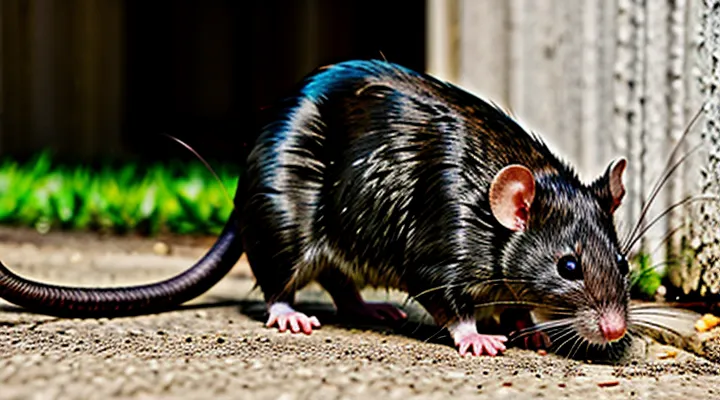
Understanding Rat Nutritional Needs
Essential Dietary Components
Proteins
Proteins constitute the primary building blocks for growth, tissue repair, and metabolic functions in pet rodents. Adult rats require approximately 16‑20 % protein on a dry‑matter basis, while juveniles and breeding females benefit from 20‑24 % to support rapid development and litter production. Diets falling below these thresholds lead to reduced weight gain, compromised immune response, and diminished reproductive performance.
Common protein sources meeting these requirements include:
- Soybean meal, high in essential amino acids, readily digestible when heat‑treated.
- Whey protein concentrate, rich in branched‑chain amino acids, supports muscle synthesis.
- Fish meal, provides omega‑3 fatty acids and high biological value protein.
- Egg white powder, low in fat, supplies complete amino acid profile.
- Pea protein isolate, plant‑based alternative with minimal antinutritional factors.
Selection criteria prioritize amino acid balance, digestibility scores above 85 %, and absence of excess contaminants such as mycotoxins. Incorporating a blend of animal and plant proteins enhances nutritional completeness and reduces reliance on a single ingredient. Regular analysis of feed composition ensures alignment with the stated protein percentages, thereby sustaining optimal health outcomes for the animals.
Fats
Fats supply energy, support cellular membranes, and assist absorption of fat‑soluble vitamins in rats.
Three categories dominate rodent nutrition: saturated fats, monounsaturated fats, and polyunsaturated fats. Polyunsaturated fats include the «essential fatty acids» linoleic acid (omega‑6) and α‑linolenic acid (omega‑3), which rats cannot synthesize and must obtain from the diet.
Common, safe sources of appropriate fats for pet rats:
- Small amounts of plain sunflower or safflower oil
- Finely chopped walnuts or almonds (unsalted, without shells)
- Flaxseed meal, lightly toasted to reduce antinutrients
- Low‑fat cottage cheese, providing a modest blend of protein and fat
Guidelines recommend that total dietary fat represent 5–10 % of the caloric content for adult laboratory or pet rats. Within this range, polyunsaturated fats should constitute at least half of the total fat intake to ensure adequate supply of essential fatty acids.
Excessive fat can lead to obesity, hepatic lipidosis, and reduced fertility. Oxidized oils should be avoided; store liquid fats in dark, airtight containers and discard after a few weeks. Regular monitoring of body condition and weight helps maintain optimal health.
Carbohydrates
Carbohydrates supply the primary energy needed for active rodents, supporting muscular function and thermoregulation. Rapid‑digesting sugars cause spikes in blood glucose, while complex starches release energy steadily, promoting stable activity levels.
Ideal carbohydrate sources for pet rats include:
- Oats, dry or cooked, offering soluble fiber and sustained glucose release.
- Whole‑grain brown rice, low in antinutrients, providing balanced starch.
- Barley, rich in beta‑glucans, contributing to gut health.
- Sweet potatoes, cooked, delivering complex carbs and vitamins.
- Quinoa, gluten‑free, furnishing protein‑rich starch.
Portion control prevents obesity; a daily carbohydrate contribution of 15–20 % of total caloric intake aligns with metabolic requirements. Excessive simple sugars, such as honey or fruit juice, should be limited to occasional treats to avoid dysglycemia. Monitoring body condition and adjusting portions ensures optimal health while delivering the energy needed for growth, reproduction, and daily activity.
Vitamins and Minerals
Rats require a balanced supply of vitamins and minerals to maintain health, support growth, and ensure reproductive success.
Essential vitamins include A, D, E, K, the B‑complex group, and C. Vitamin A supports vision and epithelial integrity; sources are fortified pellets and carrots. Vitamin D enables calcium absorption; safe levels are achieved through controlled exposure to natural light and fortified diets. Vitamin E functions as an antioxidant; sunflower seeds and wheat germ provide adequate amounts. Vitamin K is necessary for blood clotting; leafy greens such as kale contribute the nutrient. B‑vitamins (B1, B2, B6, B12, niacin, folic acid) facilitate energy metabolism; whole‑grain cereals and legumes are reliable providers. Vitamin C, though not essential for rodents, can aid immune function when included in small quantities of fresh fruit.
Key minerals comprise calcium, phosphorus, potassium, magnesium, iron, zinc, and selenium. Calcium and phosphorus must be present in an approximate 1:1 ratio to promote skeletal development; calcium blocks and low‑phosphorus pellets help maintain balance. Potassium and magnesium support neuromuscular activity; bananas and pumpkin seeds are practical sources. Iron is vital for oxygen transport; beetroot and lentils supply bioavailable iron. Zinc contributes to skin health and enzyme function; meat and fortified grains provide sufficient zinc. Selenium, required in trace amounts, can be obtained from Brazil nuts and commercial rat supplements.
A concise nutrient checklist for optimal rat feeding:
- Fortified pellets meeting established vitamin‑mineral specifications
- Fresh leafy greens (kale, spinach) for vitamins A, K, and minerals
- Small portions of carrots, bell peppers, and berries for vitamin C and additional micronutrients
- Seeds and nuts (sunflower, pumpkin) for vitamin E, magnesium, and zinc
- Calcium blocks or mineralized chew sticks to regulate calcium‑phosphorus ratio
Monitoring indicators such as coat condition, activity level, and dental health assists in detecting deficiencies early. Adjustments to diet should be made promptly, guided by veterinary recommendations and nutrient analysis.
Recommended Food Categories
Commercial Rat Blocks and Pellets
Benefits of a Pelleted Diet
Pelleted food provides a complete, balanced nutrient profile that meets the dietary requirements of laboratory and pet rats. The formulation combines protein, fiber, vitamins and minerals in precise ratios, eliminating the need for supplemental ingredients.
- Consistent nutrient composition reduces the risk of deficiencies and excesses.
- Uniform pellet size encourages regular chewing, supporting healthy incisor wear.
- Low moisture content limits bacterial growth, extending shelf life and minimizing spoilage.
- Minimal dust and bedding contamination simplify cage cleaning and improve overall hygiene.
- Precise weight measurements enable accurate portion control, aiding weight management and research reproducibility.
Adopting a pelleted regimen aligns with current expert guidance for optimal rat health and simplifies daily husbandry tasks.
Choosing High-Quality Brands
Choosing high‑quality rat food brands requires evaluating several objective factors.
Ingredient transparency is essential; reputable manufacturers list each component in descending order of weight. Look for named protein sources such as chicken, turkey, or fish rather than generic “meat meal.” Whole‑grain cereals, vegetables, and fruits should appear before artificial additives.
Nutrient balance must meet established rodent dietary standards. Protein content typically ranges from 18 % to 22 % for adult rats, with adequate fiber (4 %–6 %) to support digestion. Excessive fat or sugar levels indicate low‑quality formulations.
Manufacturing practices influence product safety. Brands that adhere to GMP (Good Manufacturing Practices) or hold ISO certifications demonstrate consistent quality control. Batch testing results, when provided, confirm absence of contaminants such as mycotoxins or heavy metals.
Reputation can be gauged through independent reviews and veterinary recommendations. Long‑standing companies with positive feedback from professional communities are less likely to compromise on standards.
When selecting a product, consider the following checklist:
- Complete ingredient list with specific protein sources
- Protein 18 %–22 % and fiber 4 %–6 % for adult rats
- No added sugars, artificial colors, or preservatives
- GMP or ISO certification, documented batch testing
- Positive evaluations from veterinarians and experienced rat owners
Applying these criteria ensures that the chosen brand supplies nutritionally adequate, safe, and palatable food for pet rats.
Fresh Fruits and Vegetables
Safe Fruit Options
Rats benefit from occasional fruit treats that supply vitamins, antioxidants, and moisture. Fruit should complement a balanced diet of grains, proteins, and vegetables, not replace them.
- Apple – flesh only, core and seeds removed; slice thin to prevent choking.
- Blueberries – fresh or frozen, offered whole; size suitable for small rats.
- Pear – flesh only, skin removed if thick; avoid seeds.
- Strawberries – cut into bite‑size pieces; remove stem.
- Kiwi – flesh only, skin peeled; limited due to acidity.
- Melon (cantaloupe, honeydew) – seedless, soft flesh diced; high water content aids hydration.
- Banana – thin slice, limited quantity because of high sugar.
Portion sizes should not exceed a quarter of a rat’s daily caloric intake. Offer fruit two to three times per week, monitoring for digestive upset. Remove uneaten pieces after a few hours to prevent spoilage. Introduce new varieties gradually, observing tolerance before adding additional options.
Safe Vegetable Options
Pet rats thrive when their diet includes a variety of fresh vegetables that are low in oxalates, sugars, and toxins. Selecting safe options reduces the risk of digestive upset and supports overall health.
- « Carrots » – high in beta‑carotene, provide vitamin A without excessive sugar when offered in small pieces.
- « Broccoli florets » – source of vitamin C and fiber; serve raw, trimmed of thick stems.
- « Spinach » – rich in iron and calcium; limit to occasional servings due to oxalate content.
- « Bell peppers » – especially red and yellow varieties, supply vitamin C and antioxidants.
- « Zucchini » – mild flavor, high water content; suitable for daily inclusion.
- « Cucumber » – low calorie, hydrating; remove seeds if large.
- « Green beans » – provide protein and fiber; offer cooked or raw, cut into bite‑size pieces.
- « Peas » – contain protein and vitamins; serve fresh, not canned.
Avoid vegetables known to cause toxicity, such as onions, garlic, and raw potatoes. Introduce new items gradually, monitoring for changes in stool or appetite. Consistent rotation of the listed vegetables ensures nutritional balance while maintaining palate variety.
Fruits and Vegetables to Avoid
Rats are prone to digestive upset and toxic reactions when certain fruits and vegetables are included in their diet.
Citrus fruits such as oranges, lemons, limes and grapefruits contain high levels of citric acid, which can irritate the gastrointestinal tract and lead to diarrhea.
Grapes and raisins are linked to acute kidney failure in many small mammals; even small quantities pose a risk.
Avocado flesh and pit contain persin, a toxin that can cause respiratory distress and cardiac damage.
Raw potatoes, especially green or sprouted portions, hold solanine, a neurotoxin that may cause vomiting and lethargy.
Allium family members – onions, garlic, shallots and leeks – contain thiosulfates that interfere with hemoglobin, potentially resulting in hemolytic anemia.
Tomatoes, particularly unripe green fruit and leaves, contain tomatine, which can be harmful in large amounts.
Stone fruits (peaches, plums, cherries) and their pits harbor cyanogenic glycosides; ingestion of pits can release cyanide.
High‑sugar fruits such as bananas and mangoes should be limited because excess sugar predisposes rats to obesity and metabolic disturbances.
«Rats should not be given citrus because of acidity», notes a veterinary nutritionist, emphasizing the direct impact on gut health.
Providing a balanced diet requires exclusion of the items listed above to maintain optimal health and prevent avoidable medical issues.
Healthy Grains and Seeds
Whole Grains
Whole grains consist of the entire seed—bran, germ, and endosperm—offering a balanced source of carbohydrates, fiber, protein, vitamins, and minerals. «Whole grains are cereal seeds that retain the bran, germ, and endosperm», a definition commonly employed by nutrition specialists.
The fiber content supports gastrointestinal motility, while B‑vitamins and trace minerals contribute to metabolic efficiency and skeletal health. Protein supplied by grains complements the amino‑acid profile of animal‑based foods, enhancing overall nutrient completeness.
Suitable grains for laboratory and pet rats include:
- Oats (rolled or whole)
- Brown rice
- Barley (hulled)
- Quinoa
- Whole wheat berries
Feeding recommendations advise daily grain portions not to exceed 10 % of total caloric intake. A typical adult rat, consuming roughly 20 g of food per day, should receive 2 g of prepared whole grains, divided into two small servings to encourage consistent intake.
Precautions involve avoiding processed variants containing added sugars, salt, or artificial flavorings. Moisture‑rich grains must be stored in airtight containers to prevent mold growth, which poses a toxicity risk. Monitor individual rats for signs of digestive upset when introducing new grain types, adjusting quantities accordingly.
Seeds in Moderation
Seeds provide rats with essential fats, proteins, and micronutrients, yet their high caloric density demands careful limiting. Over‑reliance on seeds can lead to obesity, nutrient imbalances, and dental wear.
Recommended seed varieties include:
- Sunflower (unshelled, limited to a few kernels per day) – rich in vitamin E and linoleic acid.
- Pumpkin (raw, de‑seeded) – source of zinc and antioxidants.
- Hemp (whole) – supplies omega‑3 and omega‑6 fatty acids in a balanced ratio.
- Flax (ground) – delivers lignans and fiber, useful for digestive health.
Portion guidelines suggest no more than 5 % of a rat’s total daily caloric intake should derive from seeds. Practically, this translates to 1–2 grams of mixed seeds for an adult rat, offered two to three times per week. Monitoring body condition and adjusting quantities accordingly ensures nutritional adequacy without excess.
Potential concerns involve excessive fat leading to weight gain, calcium‑phosphorus imbalance that may affect bone health, and the risk of choking on large kernels. Selecting small, unshelled seeds and pre‑soaking harder varieties mitigates these hazards.
Implementation tips:
- Combine seeds with a balanced base diet of high‑quality pellets, fresh vegetables, and occasional fruit.
- Store seeds in airtight containers to preserve freshness and prevent mold growth.
- Observe eating behavior; discontinue seeds if a rat shows signs of lethargy or rapid weight increase.
«Seeds should be given sparingly to prevent obesity», notes a leading rodent nutrition specialist, underscoring the necessity of moderation within an overall balanced feeding program.
Occasional Protein Sources
Cooked Meats
«Cooked meats» constitute a reliable source of high‑quality protein for pet rats. The proteins supply essential amino acids that support growth, tissue repair, and immune function. B‑vitamins and trace minerals such as iron and zinc are also present in appreciable amounts.
Safety considerations are paramount. Meat must be thoroughly cooked to eliminate pathogens; raw or undercooked portions increase infection risk. All seasonings, sauces, and added salts must be omitted, as sodium and spices can cause electrolyte imbalance and gastrointestinal irritation. Bones, especially small or splinter‑prone fragments, should never be offered because they pose choking hazards and may cause internal injury.
Recommended varieties and portion sizes:
- Chicken breast, skinless, diced: ½ teaspoon per adult rat, three times weekly.
- Turkey, ground, without skin: ½ teaspoon per adult rat, two to three times weekly.
- Lean beef, minced, well‑cooked: ¼ teaspoon per adult rat, once weekly.
- Pork, trimmed of excess fat, thoroughly cooked: ¼ teaspoon per adult rat, occasional supplement.
Portions should be measured with a small spoon and presented at room temperature. Excessive fat content can lead to obesity and hepatic strain; therefore, visible fat should be trimmed before cooking.
Frequency guidelines advise limiting meat to no more than 10 % of the total daily diet. Regular monitoring of body condition and stool consistency helps detect adverse reactions early. If weight gain, diarrhea, or lethargy appear, reduce or discontinue meat offerings and adjust the overall diet accordingly.
Eggs
Eggs provide a concentrated source of high‑quality protein, supplying all essential amino acids required for rat growth and tissue repair. They also contain vitamins A, D, E, B‑complex and minerals such as selenium and iron, which support immune function, vision and metabolic processes.
Preparation should eliminate added salt, oil or seasoning. Hard‑boiled eggs retain nutrients while reducing bacterial risk; lightly scrambled eggs cooked without fat offer a comparable alternative. Raw eggs are unsuitable because of salmonella exposure and avidin interference with biotin absorption.
Typical serving amounts range from one‑quarter to one‑half of a small egg per adult rat, offered two to three times weekly. This schedule delivers nutritional benefits without exceeding caloric or cholesterol thresholds.
Precautions include monitoring for allergic reactions, limiting intake for rats with pre‑existing heart or liver conditions, and ensuring freshness to prevent spoilage. Discard any egg that shows discoloration, odor or texture changes.
Nutrient highlights:
- Protein ≈ 13 g per 100 g
- Vitamin D ≈ 37 IU per egg
- Selenium ≈ 15 µg per egg
- Iron ≈ 0.8 mg per egg
Feeding guidelines:
- Cook egg thoroughly, avoid additives.
- Portion to quarter‑to‑half egg per rat.
- Offer no more than three servings per week.
- Observe for adverse reactions; adjust or discontinue if observed.
Dairy Products
Dairy products can supplement a rodent’s diet by providing calcium, protein, and essential vitamins. Proper selection and moderation prevent nutritional imbalances.
- Low‑fat plain yogurt — high in probiotics, moderate protein, minimal lactose.
- Small cubes of hard cheese (e.g., cheddar) — concentrated calcium, stable shelf life.
- Fresh, unsalted cottage cheese — soft texture, readily digestible protein.
Excessive lactose, high fat content, and added salts pose health risks. Rats lacking lactase may develop diarrhea; saturated fats can contribute to obesity and hepatic strain. Processed varieties containing flavorings, sweeteners, or preservatives must be excluded.
Recommended intake limits: no more than 5 % of total daily calories, equivalent to a teaspoon of yogurt or a 2‑gram cheese fragment per adult rat. Offer dairy items no more than two times per week, alternating with fresh vegetables and whole‑grain staples to maintain dietary diversity.
Foods to Avoid and Harmful Substances
Processed and Sugary Foods
Processed and sugary foods are frequently presented as convenient treats for pet rodents, yet they provide little nutritional value and introduce significant health hazards. These items lack essential protein, fiber, and vitamins required for normal growth and organ function.
Nutritional deficiencies associated with such diets include:
- Insufficient amino acids for tissue repair;
- Minimal dietary fiber, leading to impaired gastrointestinal motility;
- Absence of essential fatty acids, affecting skin and coat condition.
Health consequences observed in rats consuming high‑sugar or heavily processed products encompass:
- Rapid weight gain and obesity;
- Elevated blood glucose, predisposing to diabetes mellitus;
- Dental decay caused by fermentable carbohydrates;
- Increased incidence of liver steatosis and cardiovascular strain.
Expert guidance advises complete exclusion of candy, soda, packaged snacks, and any food containing added sugars or artificial preservatives. Suitable alternatives that meet the species’ dietary requirements comprise:
- Fresh vegetables such as kale, broccoli, and carrots;
- High‑quality rodent pellets formulated with balanced macronutrients;
- Small portions of lean protein, including cooked egg or unseasoned chicken.
Adherence to these recommendations supports optimal health, longevity, and behavioral stability in captive rats.
Toxic Plants and Produce
Rats require a diet that excludes plants and produce containing substances harmful to their physiology. Ingestion of toxic foliage can lead to liver damage, renal failure, or acute gastrointestinal distress, compromising overall health and longevity.
Commonly encountered toxic items include: - Avocado (persin) - Rhododendron and azalea leaves - Tomato leaves and stems (solanine) - Potato sprouts (solanine) - Eggplant leaves (solanine) - Nightshade family fruits and greens (alkaloids) - Rhubarb leaves (oxalic acid) - Apple seeds (cyanogenic glycosides) - Cherry pits (cyanogenic glycosides) - Peach pits (cyanogenic glycosides) - Poinsettia leaves (dihydroindolizine) - Oleander (cardiac glycosides)
Avoiding these plants and their associated produce is essential for maintaining a safe and balanced diet for pet rodents.
Foods High in Fat and Salt
High‑fat, high‑salt items are unsuitable for routine rat feeding. Excessive lipids strain the liver and promote obesity, while elevated sodium interferes with renal function and may cause hypertension.
Common products that combine significant fat and salt levels include:
- Commercial snack chips (potato, corn, or tortilla varieties)
- Processed cheese spreads and dip mixes
- Fried meats such as bacon, sausage, or pepperoni slices
- Bakery treats containing butter or oil and added salt, for example croissants or salty pastries
- Certain pet foods formulated for carnivorous species, especially those listed as “high‑calorie” or “dietary supplement”
When these foods appear, they should be offered only on rare occasions, with portion sizes limited to a few grams. Continuous access to balanced rodent chow, fresh vegetables, and occasional low‑fat protein sources ensures nutritional adequacy without the risks associated with excessive fat and sodium.
Dietary Considerations for Specific Rat Life Stages
Young Rats (Pups)
Young rats require diets that support rapid growth, immune development, and dental health. Protein levels must exceed those of adult diets, while calories are adjusted to prevent obesity. Essential fatty acids, calcium, and vitamin D are critical for bone formation and neural maturation.
Nutrients of highest priority include:
- High‑quality animal protein (e.g., cooked egg white, lean poultry, low‑fat fish)
- Complex carbohydrates (e.g., whole‑grain oats, barley) for sustained energy
- Calcium‑rich sources (e.g., finely ground limestone, bone meal) combined with phosphorus to maintain the optimal Ca:P ratio
- Vitamin D‑enhanced foods or fortified pellets to facilitate calcium absorption
- Omega‑3 fatty acids from fish oil or flaxseed for brain development
Feeding schedule should involve small, frequent meals throughout the day. A typical regimen provides 3–4 g of protein‑rich food per 10 g of body weight, divided into three to four portions. Fresh water must be available at all times; water bottles should be checked daily for contamination.
Safety measures include avoiding sugary treats, raw nuts, and high‑fat snacks that can induce gastrointestinal distress. All foods must be free of pesticides and mold. Introducing new items gradually reduces the risk of digestive upset.
«Optimal nutrition for rat pups hinges on balanced protein, minerals, and essential fatty acids, delivered in multiple small meals.»
Adult Rats
Adult rats require a diet that supplies sufficient protein, essential fatty acids, fiber, vitamins and minerals to support growth, reproduction and immune function. Veterinary nutritionists advise a base of high‑quality commercial pellets formulated for mature rodents, as these provide balanced macro‑ and micronutrients and are calibrated for the metabolic demands of adult specimens.
Supplementary foods should complement the pellet foundation without displacing it. Recommended additions include:
- Fresh leafy greens such as kale, romaine lettuce and spinach, providing vitamin K and dietary fiber.
- Non‑starchy vegetables like carrots, bell peppers and broccoli, delivering beta‑carotene, vitamin C and antioxidants.
- Small portions of fruit (e.g., apple slices, berries) limited to 10 % of total intake to avoid excess sugar.
- Cooked lean proteins such as boiled chicken breast or hard‑boiled egg, supplying high‑quality amino acids.
- Calcium‑rich treats like plain yogurt or small amounts of mineral blocks, ensuring skeletal health.
Foods to avoid comprise chocolate, caffeine, citrus peel, raw beans, onion, garlic and any processed snacks containing added salt or sugar. These items can induce toxicity, gastrointestinal distress or renal complications in adult rodents.
Hydration is critical; fresh water must be available at all times. Automated dispensers reduce contamination risk and encourage consistent intake.
Monitoring body condition score weekly enables early detection of nutritional deficiencies or excesses. Adjustments to the diet should be made based on weight trends, coat quality and activity level, with consultation from a qualified veterinarian when necessary.
Senior Rats
Senior rats experience reduced metabolism, dental wear, and weakened immunity, which demands a diet that supplies high‑quality protein, ample fiber, and essential micronutrients.
Key nutritional components for aging rodents include:
- Protein ≥ 20 % of caloric intake to maintain muscle mass.
- Insoluble fiber ≥ 5 % to promote gastrointestinal motility.
- Calcium‑phosphorus ratio close to 1 : 1 for bone health.
- Vitamin B12 and folate for hematologic function.
- Omega‑3 fatty acids to support cognitive function and reduce inflammation.
Recommended food items for mature rodents:
- Fresh, cooked lean meats such as chicken breast or turkey, finely chopped.
- Softened whole‑grain cereals (e.g., oatmeal) mixed with water to ease chewing.
- Cooked vegetables rich in fiber: carrots, zucchini, and pumpkin.
- Low‑fat cottage cheese or plain yogurt for calcium and probiotic benefits.
- Commercial senior‑rat pellets formulated with the above nutrient profile.
Feeding practices should reflect the animal’s decreased energy needs. Offer two small meals per day, adjusting portions to maintain a stable body weight; monitor weight weekly. Provide constant access to fresh water, optionally enriched with electrolytes for dehydrated individuals.
Avoid high‑fat treats, sugary fruits, and hard seeds that can damage worn incisors. Replace crunchy foods with softened alternatives to prevent oral injury.
Adhering to these guidelines supports longevity, reduces the incidence of age‑related disease, and promotes overall vitality in «senior rats».
Pregnant and Lactating Rats
Pregnant and lactating rats require increased energy, protein, calcium, and essential vitamins to support fetal development and milk production. Diets must supply these nutrients in bioavailable forms and maintain consistent intake throughout gestation and nursing periods.
Key nutrient targets:
- Energy: 15‑20 % higher caloric density than standard adult rat chow.
- Protein: 20‑25 % of diet composition, sourced from soy, whey, or egg‑white powders.
- Calcium: 1.2‑1.5 % of diet, supplemented with phosphorus at a 1.2 : 1 ratio.
- Vitamin A, D, and E: levels adjusted to meet reproductive demands.
- Omega‑3 fatty acids: 0.5 % of diet, provided by flaxseed or fish‑oil inclusion.
Recommended food items:
- High‑quality laboratory rodent pellets formulated for breeding colonies.
- Fresh leafy greens (e.g., kale, spinach) for additional vitamins and calcium.
- Small portions of cooked lean meat or boiled egg for supplemental protein.
- Small quantities of fortified fruit (e.g., blueberries) for antioxidants.
Feeding schedule: Offer ad libitum access to the enriched diet, monitor body condition daily, and adjust portions if weight gain exceeds 2 % per week. Provide fresh water at all times. Replace uneaten fresh foods within 24 hours to prevent spoilage.
Hydration: The Importance of Water
Water Bottle vs. Bowl
When providing hydration to pet rats, two common options exist: a sealed water bottle with a sipper tube and an open water bowl. Each method influences safety, cleanliness, and drinking behavior.
The sealed bottle offers a controlled environment. The sipper tube prevents spills, reducing the risk of soggy bedding and mold growth. Plastic construction resists corrosion and can be mounted on the cage side, freeing floor space. Frequent cleaning of the bottle tip and periodic replacement of the tube maintain hygiene. However, the tube may clog if debris enters, and some rats, particularly older or dental‑compromised individuals, may struggle to activate the sipper.
An open bowl supplies water at a readily accessible level. Rats can drink without manipulating a tube, which benefits those with limited dexterity. The bowl allows observation of water volume, simplifying monitoring of consumption. Nevertheless, the exposed surface accelerates evaporation, especially in warm rooms, and encourages bedding contamination. Frequent refilling and thorough cleaning are required to prevent bacterial buildup.
Key considerations for selection:
- Leak prevention: bottle reduces accidental spills; bowl relies on careful placement.
- Hygiene: bottle isolates water from contaminants; bowl demands regular sanitation.
- Accessibility: bowl accommodates all ages and health conditions; bottle may challenge some rats.
- Space efficiency: bottle attaches to cage walls; bowl occupies floor area.
- Maintenance frequency: bottle requires periodic tube inspection; bowl needs daily water change.
Choosing the optimal hydration system depends on cage design, the health status of the rats, and the caretaker’s ability to perform regular cleaning. Combining both methods—using a bottle for the primary supply and a shallow bowl for supplemental drinking—can address the strengths and weaknesses of each approach.
Ensuring Fresh Water Availability
Fresh water is essential for rat health; dehydration can develop within hours. Proper water provision supports digestion, kidney function, and thermoregulation.
Key practices for maintaining a reliable supply of clean water:
- Use a sturdy, chew‑resistant bottle with a metal spout; plastic bottles may crack and harbor bacteria.
- Position the bottle at the cage’s lower level to allow easy access without climbing.
- Replace water daily; if the bottle is not emptied each day, clean it with mild detergent and rinse thoroughly.
- Inspect the spout for blockage before each refill; clean with a small brush if residue is present.
- Keep the water temperature between 18 °C and 24 °C; extreme temperatures reduce intake.
- Store spare bottles in a refrigerated container to prevent microbial growth, then rotate them regularly.
Monitoring guidelines:
- Observe water level at least twice daily; a drop of more than 50 % within 12 hours signals possible leakage or excessive consumption.
- Check for cloudiness, odor, or debris; any sign of contamination requires immediate bottle replacement.
- Record daily water usage to identify trends that may indicate health issues.
«Provide water at room temperature and change it every 24 hours to ensure optimal hydration».
Common Feeding Mistakes to Avoid
Overfeeding
Overfeeding rats leads to rapid weight gain, increased fat deposits, and heightened risk of hepatic lipidosis. Excess calories strain the cardiovascular system and shorten life expectancy. Digestive disturbances, such as soft stools or diarrhea, frequently accompany chronic caloric surplus.
Detecting overfeeding relies on observable metrics. A steady increase of more than 2 g per week, diminished exploratory behavior, and noticeably larger abdominal girth indicate excessive intake. Changes in fecal consistency—from firm pellets to moist fragments—provide additional evidence of nutritional imbalance.
Preventive measures focus on controlled portions and scheduled feeding. Recommended practices include:
- Offer a daily ration of 1 g of fresh vegetables per gram of body weight, supplemented with 0.5 g of high‑quality protein sources.
- Provide a measured amount of commercial rat mix, typically 2–3 g per 100 g of body weight, divided into two feedings.
- Limit treats to no more than 5 % of total caloric intake, using small pieces of fruit or nuts as occasional rewards.
- Record body weight weekly; adjust portions when gain exceeds 1 % of baseline weight.
Adhering to these guidelines minimizes the likelihood of «overfeeding», supports optimal growth, and maintains metabolic health throughout the animal’s lifespan.
Lack of Dietary Variety
Rats thrive on a diet that mirrors the diversity of their natural foraging environment. When meals consist of a single staple or repetitive formula, essential nutrients become scarce, leading to chronic deficiencies.
Insufficient variety compromises immune function, impairs fur quality, and predisposes rodents to metabolic disorders such as obesity or liver disease. Dental health suffers because a monotonous diet lacks the abrasive textures required for continuous tooth wear, increasing the risk of overgrowth and associated pain. Behavioral signs—excessive chewing, repetitive pacing, or heightened aggression—often emerge as rats seek stimulation absent from their meals.
To prevent these outcomes, feeding plans should incorporate multiple food groups and rotate fresh items regularly.
- Grains and seeds: small portions of whole‑grain cereal, rolled oats, or unsalted sunflower seeds.
- Fresh vegetables: leafy greens (kale, romaine), carrots, bell peppers, offered in bite‑size pieces.
- Protein sources: cooked eggs, low‑fat plain yogurt, or modest amounts of cooked chicken.
- Fruits (limited): apple slices, blueberries, or melon, introduced no more than twice weekly.
- Fiber and chew objects: untreated wooden blocks or natural twine to promote dental wear.
Implementing a balanced rotation ensures that rats receive vitamins, minerals, and fiber in proportions that support optimal health, while also satisfying their innate exploratory behavior.
Unsanitary Feeding Practices
Unsanitary feeding practices jeopardize rat health by introducing pathogens, toxins, and nutritional imbalances. Contaminated food sources, such as spoiled produce, mold‑infested grains, or food stored in unclean containers, provide breeding grounds for bacteria and fungi that can cause gastrointestinal distress, respiratory infections, and systemic illness in rodents.
Common unsanitary behaviors include:
- Using damp or unwashed feeding bowls, which retain residues and promote microbial growth.
- Offering food that has been left exposed to dust, droppings, or pest contamination.
- Mixing fresh feed with stale, rancid, or chemically treated remnants.
- Storing pellets or treats in plastic bags without sealing, allowing moisture ingress and mold development.
These practices undermine the objectives of expert rat‑nutrition guidance, which emphasize fresh, balanced, and pathogen‑free diets. To mitigate risks, adopt the following protocols:
- Clean feeding equipment with hot, soapy water after each use; rinse thoroughly and dry before refilling.
- Inspect all food items for signs of spoilage, discoloration, or off‑odors; discard any compromised portions.
- Store dry feed in airtight containers made of glass or high‑density polyethylene; keep in a cool, dry environment.
- Prepare fresh portions of vegetables or fruits daily, washing them under running water and removing any bruised sections.
Adhering to these standards eliminates the primary sources of contamination, supports optimal digestive function, and aligns with professional recommendations for rat dietary health.
Expert Tips for a Healthy Rat Diet
Consulting a Veterinarian
Consulting a veterinarian provides a professional assessment of a rat’s nutritional needs. A qualified practitioner can identify deficiencies, recommend appropriate food types, and adjust feeding plans based on individual health status.
Key discussion points include:
- Current «diet» composition and feeding schedule
- Recent weight fluctuations and growth trends
- Observable signs of malnutrition or digestive upset
- Known food sensitivities or «allergies»
- Underlying medical conditions that affect nutrient absorption
Selecting the right veterinarian involves choosing a small‑animal specialist with documented experience in rodent care. Verification of relevant certifications and a history of successful rat consultations strengthens confidence in the advice received.
Regular follow‑up appointments enable monitoring of weight trends, assessment of dietary compliance, and timely modification of the feeding regimen. Consistent professional oversight ensures that the rat’s «nutrition» remains balanced throughout its lifespan.
Monitoring Weight and Health
Regular weighing of pet rats provides the most reliable indicator of how a diet meets nutritional needs. A scale with gram precision should be used at least once a week for adult animals and more frequently for juveniles. Record each measurement, noting the date and any observed changes in behavior or coat condition.
Key health‑monitoring practices include:
- Observe appetite daily; a sudden decrease may signal dietary intolerance or illness.
- Examine fur for dullness or loss; healthy skin reflects adequate essential fatty acids.
- Check the eyes and nose for discharge; clear membranes suggest no respiratory infection.
- Monitor stool consistency; firm, dark pellets indicate proper digestion, while loose or watery feces often precede gastrointestinal upset.
Weight trends should remain within a 5 % range of the expected growth curve for the specific age and strain. Deviations beyond this margin warrant a review of the feeding regimen and a veterinary consultation. Adjust portions, introduce variety, or replace problematic ingredients only after confirming that the change aligns with the rat’s caloric requirements.
In addition to physical metrics, regular handling allows detection of subtle signs such as reduced activity, tremors, or abnormal grooming. Early identification of these symptoms, combined with consistent weight records, enables timely dietary modifications and supports long‑term wellness.
Introducing New Foods Gradually
Introducing new foods gradually protects rat health and encourages acceptance. Sudden changes can trigger gastrointestinal distress, reduce appetite, and cause food‑aversion behaviors.
- Begin with a familiar staple, such as a high‑quality grain mix.
- Add a small portion (approximately 5 % of the daily ration) of the novel item.
- Observe the rat for 24‑48 hours, noting stool consistency, activity level, and willingness to eat.
- If no adverse signs appear, increase the new component by another 5 % each interval, maintaining the total feed volume.
- Continue the stepwise increase until the target proportion is reached, typically not exceeding 20 % of the overall diet.
Monitoring includes checking for loose feces, reduced water intake, and changes in weight. Any negative response warrants reverting to the previous diet composition and extending the adaptation period before further increments. Consistent, measured introductions sustain nutritional balance and foster dietary variety.