
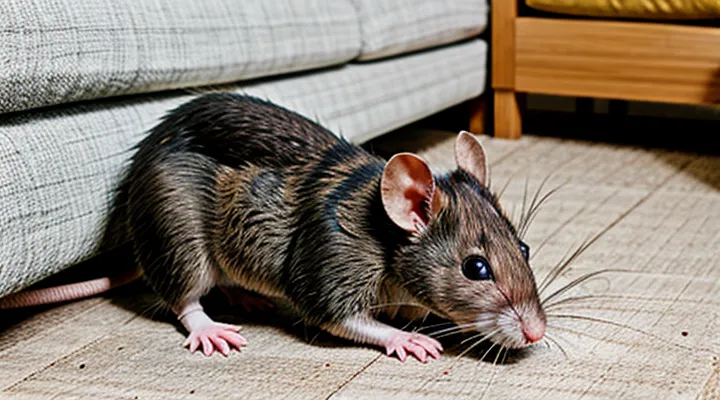
Understanding the Rat Problem in Apartments
Identifying Signs of a Rat Infestation
Droppings and Urine Stains
Droppings and urine stains represent the most visible indicators of a rodent presence in a residential unit. These residues carry pathogens, attract insects, and degrade indoor air quality, requiring prompt and thorough remediation as part of any comprehensive rat control strategy for apartments.
Effective handling involves a sequence of actions:
- Wear disposable gloves, a mask rated for particulate protection, and impermeable clothing before contact.
- Collect solid droppings with a damp paper towel or disposable scoop; place material in a sealed bag and discard according to local hazardous‑waste guidelines.
- Saturate urine‑stained areas with an enzymatic cleaner or a solution of one part white vinegar to three parts water; let it dwell for at least ten minutes to break down organic matter.
- Scrub the surface with a stiff brush, then rinse with clean water and dry completely to prevent moisture‑driven mold growth.
- Apply a disinfectant approved for indoor use, ensuring a contact time of the manufacturer’s recommended minimum before wiping or allowing the surface to air‑dry.
After cleaning, inspect adjacent zones for additional contamination, seal cracks and openings that permit rodent entry, and schedule regular monitoring to verify that the infestation has been eliminated.
Gnaw Marks and Damage
Rats leave distinctive gnaw marks that reveal both entry points and the extent of structural compromise. The bite pattern typically appears as clean, parallel grooves on wood, plastic, and insulation, ranging from a few millimeters to several centimeters. Identifying these marks early prevents escalation of damage and guides the selection of effective control measures.
Key indicators of gnaw damage include:
- Shallow, crescent-shaped cuts on baseboards and framing members.
- Severed electrical wiring exposing copper cores, creating fire hazards.
- Compromised plumbing where plastic tubes show bite marks, leading to leaks.
- Chewed drywall corners that expose interior cavities and facilitate further infestation.
Damage assessment should follow a systematic approach:
- Inspect all concealed spaces—behind appliances, under sinks, and within wall voids—for fresh gnaw marks.
- Document the size, location, and material affected to prioritize repairs.
- Seal identified entry points with steel wool, metal flashing, or concrete caulk, as rats cannot gnaw through hard metal.
- Replace or reinforce damaged structural components, ensuring that replacement materials are rodent-resistant, such as metal mesh or hard‑plastic sheathing.
- Conduct a comprehensive sanitation sweep to remove gnawed debris that may attract additional pests.
Addressing gnaw marks promptly eliminates pathways for further intrusion and reduces the risk of secondary problems such as electrical shorts, water damage, and disease transmission. Integrating thorough inspection, immediate repair, and robust sealing into any urban rodent control plan maximizes long‑term effectiveness.
Unusual Noises
Unusual noises in a rental unit often signal rodent activity before visual evidence appears. Persistent scratching behind walls, high‑pitched squeaks in ceilings, or intermittent thuds in floor joists indicate the presence of rats moving through concealed pathways.
Typical sounds include:
- Sharp, repetitive gnawing on insulation or wiring, most common at night.
- Rapid foot‑falling or scurrying on hollow surfaces, heard from kitchens to bedrooms.
- Low, resonant thumping when larger individuals navigate vertical shafts or vent ducts.
Noise patterns reveal behavioral clues. Rats are nocturnal; a surge of activity after sunset suggests foraging. Concentrated sounds near plumbing or trash areas point to food sources. Repeated thumping in a single wall often marks a nesting site.
To address these auditory indicators, follow a systematic approach:
- Conduct a timed listening survey, noting location, frequency, and duration of each sound.
- Inspect the identified areas for entry points such as gaps around pipes, vent covers, or baseboards; seal openings with steel wool and caulk.
- Deploy snap traps or electronic devices directly adjacent to the noise source, using appropriate bait (e.g., peanut butter or dried fruit).
- Install motion‑activated monitoring devices to confirm capture events and to differentiate rat sounds from other pests.
- Maintain a clean environment: store food in sealed containers, remove standing water, and eliminate clutter that provides shelter.
Consistent documentation of noise incidents, combined with targeted sealing and trapping, reduces the likelihood of infestation escalation and minimizes structural damage caused by rodent activity.
Sightings of Live or Dead Rats
Documenting sightings of live or dead rats is a critical first step in any apartment rodent‑control program. Accurate records enable pest‑management professionals to assess infestation severity, identify hotspots, and select the most effective intervention.
When a live rat is observed, note the exact location (room, wall cavity, vent, etc.), time of day, and any observable behavior (e.g., nesting, foraging). Capture a clear photograph if safe to do so; visual evidence assists in species verification and helps technicians determine entry points. Record environmental conditions that may have attracted the animal, such as food spillage, water sources, or clutter that provides shelter.
Dead rat discoveries require similar documentation. Include the spot where the carcass was found, the condition of the body (intact, decomposed, partially eaten), and any signs of predation or secondary infestation. Dispose of the remains according to local health regulations, typically by sealing in a plastic bag and contacting a licensed waste‑removal service.
Collecting this information systematically supports the following actions:
- Mapping of sighting locations to reveal patterns of movement and preferred pathways.
- Prioritization of treatment zones, focusing on areas with repeated activity.
- Selection of appropriate control methods, such as bait placement, traps, or exclusion techniques.
- Evaluation of treatment effectiveness after implementation, using follow‑up inspections and comparison with initial records.
Timely, detailed reporting reduces the risk of population growth, limits disease transmission, and shortens the duration of the eradication effort.
Why Rats are Attracted to Apartments
Food Sources
Rats thrive where food is readily available, making the control of edible attractants a central component of any apartment‑focused rodent management plan.
Typical food sources in multi‑unit dwellings include:
- Unsealed garbage bags or overflowing trash cans.
- Open pet food dishes left out overnight.
- Loose items in pantry shelves, especially cereals, grains, and dried fruits.
- Crumbs and spills on countertops, floors, and under appliances.
- Fruit or vegetable waste in kitchen bins without lids.
- Compost containers placed on balconies without secure covers.
Eliminating these attractants requires consistent, practical actions:
- Store all dry goods in airtight containers made of metal or heavy‑wall plastic.
- Dispose of household waste daily in bins equipped with tight‑fitting lids; keep exterior trash areas clean and free of loose debris.
- Feed pets in sealed dishes and remove leftovers immediately after meals.
- Clean surfaces after each use; sweep floors and vacuum corners where debris accumulates.
- Use trash cans with inner liners that can be sealed before removal.
- Position compost bins away from entry points and ensure they have a secure, rat‑proof lid.
Regular inspection of storage areas, waste disposal points, and feeding stations helps identify new food sources before they become entrenched. Prompt correction of any lapse sustains an environment where rats find little incentive to remain.
Water Sources
Rats survive by accessing water, making the identification and elimination of indoor water sources a critical component of any apartment rat control strategy.
Common sources include:
- Leaking faucets, showerheads, or pipe joints.
- Condensation accumulation on windows, walls, or air‑conditioning units.
- Pet water bowls left unattended for extended periods.
- Dripping appliances such as dishwashers, washing machines, or refrigerators.
- Standing water in plant saucers, buckets, or trash containers.
Mitigation steps:
- Repair all leaks promptly; use plumber‑approved sealants and replace faulty fixtures.
- Install drip trays beneath appliances and regularly empty them.
- Keep pet dishes on a timed schedule, cleaning and refilling only as needed.
- Elevate plant saucers or use absorbent mats that can be emptied daily.
- Ensure trash bins have tight‑fitting lids and are emptied regularly to prevent moisture buildup.
By systematically removing these water supplies, the habitat becomes unsuitable for rats, reducing population growth and supporting long‑term pest‑free living conditions.
Shelter and Warmth
Rats thrive in apartments when they can locate protected, insulated spaces that mimic natural burrows. They exploit wall voids, ceiling cavities, and stacked items because these areas maintain stable temperatures and shield them from predators and human activity. Eliminating such refuges removes a primary incentive for colonization.
Effective reduction of shelter and warmth involves three practical steps:
- Seal gaps larger than ¼ inch in walls, floors, and around pipes; use steel wool combined with caulk to prevent re‑entry.
- Declutter storage zones; keep boxes off the floor, store items in sealed containers, and avoid stacking materials against walls.
- Install insulation covers on exposed ductwork and vent openings; replace damaged insulation to eliminate residual heat pockets.
Implementing these measures deprives rats of the conditions they require for nesting and thermoregulation, thereby supporting broader rodent‑control strategies in multi‑unit dwellings.
Prevention Strategies
Sealing Entry Points
Inspecting Walls and Floors
Inspecting walls and floors is a critical component of any rat control strategy for apartments. Detecting early signs prevents population growth and reduces the risk of damage and disease.
Key indicators to examine include:
- Gnaw marks on timber, plaster, or insulation.
- Dark, pellet‑shaped droppings near baseboards, behind appliances, or in concealed cavities.
- Fresh urine stains that appear as yellowish rings on walls or flooring.
- Grease or oil trails left by rats moving along walls and under doors.
- Small burrows or shredded material in wall voids, ceilings, or floor joists.
- Visible entry points such as gaps around pipes, vents, or utility conduits.
Effective inspection requires systematic coverage. Begin at the lowest point of each room, using a bright flashlight to illuminate shadows. Employ a handheld mirror to view behind cabinets and under appliances without disassembly. A moisture meter can reveal hidden water sources that attract rodents. Examine exterior walls for cracks or holes that connect interior spaces to the building’s structural voids.
Document findings with photographs and precise locations. Record the type of evidence, its condition (fresh or old), and any potential pathways identified. This data guides targeted bait placement, sealing measures, and follow‑up monitoring, ensuring that remediation efforts address the actual sources of infestation rather than symptoms alone.
Securing Vaps and Utility Openings
Rats enter apartments through gaps around ventilation ducts, air‑conditioning units, dryer exhausts, and other utility penetrations. These openings provide direct paths from exterior walls, roofs, and crawl spaces to interior living areas. Sealing them eliminates the most common routes used by rodents to infiltrate housing units.
- Inspect all vent covers, ensuring they are intact and securely fastened. Replace cracked or rusted metal with reinforced, rodent‑proof models.
- Apply stainless‑steel mesh (minimum ¼‑inch opening) over all exterior vents, including bathroom, kitchen, and attic openings. Secure the mesh with corrosion‑resistant screws and sealant.
- Use expanding polyurethane foam around vent pipe sleeves, avoiding excessive application that could trap moisture.
- Install metal flashing around vent pipe penetrations, overlapping seams and sealing with silicone caulk rated for outdoor use.
- Verify that dryer exhaust ducts are fully enclosed in metal conduit; replace any flexible plastic sections with rigid steel.
Utility openings such as electrical conduit, plumbing stacks, and cable entry points must also be fortified. Close gaps around pipe sleeves with rodent‑grade sealant, and wrap conduit with steel wool before applying mesh. For larger openings, fit custom‑cut steel plates or use heavy‑duty metal caps secured with bolts. Inspect all seals periodically, especially after extreme weather, to maintain barrier integrity.
By systematically sealing vents and utility penetrations, the structural vulnerabilities that enable rat intrusion are removed, supporting an effective apartment rat control program.
Repairing Damaged Screens and Doors
Repairing compromised screens and doors is a critical component of any effective rat control program in multifamily dwellings. Loose or torn mesh allows rodents to enter through ventilation openings, while gaps in door frames provide direct access to interior spaces. Sealing these entry points reduces the likelihood of infestation and supports the overall efficacy of baiting and trapping measures.
Inspection should begin with a systematic survey of all exterior openings. Identify torn screen panels, cracked glass, warped door sweeps, and damaged weatherstripping. Document each defect, prioritize based on size and proximity to known rat pathways, and schedule repairs promptly to prevent re‑entry.
Typical repair procedures include:
- Replacing torn screen sections with fiberglass or stainless‑steel mesh, securing edges with spline and a rubber roller.
- Installing new door sweeps that overlap the threshold by at least ¼ inch, using screws resistant to corrosion.
- Applying silicone or polyurethane caulk to seal cracks around frames, ensuring a continuous barrier.
- Reinforcing door frames with metal brackets where wood has warped or split.
After repairs, conduct a verification walk‑through to confirm that all openings are sealed. Maintain a log of completed work and schedule quarterly inspections to detect new damage early. Consistent upkeep of screens and doors sustains the integrity of the building’s physical defenses, thereby enhancing the long‑term success of rat management efforts.
Eliminating Food and Water Sources
Proper Food Storage
Proper food storage is a critical component of effective rat control in residential units. Secure containers eliminate easy access to nutrition, reducing the attractiveness of the dwelling to rodents.
Use airtight, metal or heavy‑plastic containers with snap‑lock lids for all dry goods, pet food, and bulk items. Store these containers on shelves rather than on the floor to prevent rats from dragging food into hidden spaces. Label containers with purchase dates and rotate stock to avoid spoilage that could lure pests.
Maintain a clean pantry by wiping down shelves after each use. Remove crumbs, spills, and packaging debris promptly. Install a sealed trash bin with a tight‑fitting lid; empty it daily and keep it away from walls and cabinets.
When cooking, cover dishes and cool leftovers in sealed containers before refrigerating. Avoid leaving food unattended on countertops; clean surfaces immediately after meals. If a dishwasher is unavailable, wash dishes promptly and store them in a closed cabinet.
Regularly inspect storage areas for signs of gnawing or contamination. Replace any compromised containers and repair gaps in cabinetry that could serve as entry points.
By implementing these storage protocols, occupants minimize food sources that sustain rat populations, thereby supporting broader pest‑management efforts in apartment settings.
Regular Cleaning and Waste Disposal
Regular cleaning and proper waste disposal form the foundation of effective rat mitigation in apartments. Eliminating food residues, water sources, and clutter deprives rodents of the resources needed to establish colonies.
Consistent housekeeping removes attractants and reduces shelter options. Food must be stored in sealed containers; crumbs and spills should be cleared immediately after meals. Surfaces that collect grease or dust require daily wiping. Garbage should be placed in containers with tight‑fitting lids, emptied before it becomes overloaded, and taken to exterior collection points promptly.
- Sweep and mop kitchen floors each evening.
- Wipe countertops and appliance exteriors after use.
- Store pantry items in airtight bins.
- Dispose of food waste in sealed bags before placing it in the trash bin.
- Keep trash cans clean and replace liners regularly.
- Position outdoor bins away from building entrances and ensure lids close securely.
A maintenance schedule that assigns specific tasks to residents and property managers guarantees continuity. Periodic inspections of storage areas, behind appliances, and in utility closets identify emerging debris or waste accumulation. Prompt correction of identified issues sustains an environment hostile to rat activity.
Fixing Leaky Pipes
Leaking pipes create moisture sources that attract rodents and compromise structural integrity. Addressing pipe leaks is a critical component of effective rat control in multi‑unit dwellings.
Identify the source. Inspect visible plumbing, ceilings, and walls for drips, corrosion, or condensation. Use a flashlight and moisture meter where necessary to locate hidden leaks.
Isolate the affected section. Shut off the main water supply or the relevant valve to prevent further water flow. Drain residual water from the line by opening downstream fixtures.
Repair or replace. For minor cracks, apply a pipe‑repair clamp or epoxy sealant according to manufacturer instructions. For deteriorated sections, cut out the damaged segment with a pipe cutter and install a new piece using appropriate fittings and solvent cement or compression connections.
Test the repair. Restore water flow gradually, monitor the repaired area for at least 15 minutes, and check for any signs of seepage. Adjust fittings if leaks persist.
Document the work. Record the location, materials used, and date of repair in the building’s maintenance log. Share the entry with property management to ensure follow‑up inspections.
Prevent recurrence. Install pipe insulation to reduce condensation, seal gaps around pipes with caulk, and schedule regular visual inspections to detect early signs of wear.
By eliminating water sources, the environment becomes less conducive to rat habitation, supporting broader pest‑management objectives in apartment complexes.
Maintaining Outdoor Areas
Trimming Vegetation
Trimming vegetation around apartment buildings reduces shelter and travel routes for rats, directly supporting effective rodent mitigation strategies. Overgrown shrubs, vines, and tree branches create continuous cover that rats use to move between garbage areas, utility lines, and entry points. Regular pruning eliminates these pathways, forcing rodents to expose themselves on open surfaces where traps and baits are more effective.
Key actions for vegetation management include:
- Cut back shrubs to a minimum height of 12 inches from the ground.
- Remove vines that climb walls or wrap around utility poles.
- Trim tree branches so they do not overhang balconies, windows, or roof edges.
- Dispose of trimmed material in sealed containers to prevent rats from scavenging.
- Schedule pruning at least quarterly, with additional cuts after heavy rain or storm events.
Consistent vegetation control complements other rodent control measures, such as sealing entry gaps and maintaining clean waste areas, creating an environment where rats find few hiding places and limited access to food sources.
Storing Trash Bins Securely
Secure trash storage reduces food sources that attract rodents in multi‑unit dwellings. By keeping waste containers sealed and inaccessible, residents limit the scent trails that guide rats to apartments. Proper placement of bins also prevents burrowing and nesting near building foundations.
Effective practices include:
- Use bins with tight‑fitting lids that lock or latch.
- Position containers away from walls, vents, and entry points.
- Elevate bins on platforms or shelves to deter climbing.
- Empty trash daily or at least every 24 hours to avoid accumulation.
- Inspect lids regularly for cracks or gaps and replace damaged units promptly.
Implementing these measures complements other pest‑control strategies, creating an environment where rats find little sustenance and fewer opportunities to establish colonies.
Treatment Methods
Non-Lethal Approaches
Live Traps and Release
Live traps provide a humane alternative to lethal methods when dealing with rats in multi‑unit dwellings. The devices consist of a cage or box that closes automatically when a rodent activates a trigger, allowing capture without injury.
Effective use begins with selecting a trap sized for Norway or roof rats. Common models include:
- Wire‑mesh cages with a spring‑loaded door
- Plastic enclosures with a pressure plate
- Dual‑catch traps that hold multiple individuals
Placement determines success. Install traps along walls, behind appliances, and near known runways. Rats prefer concealed routes; positioning traps perpendicular to the wall, with the opening facing the expected path, maximizes contact. Secure traps to prevent displacement by pets or children.
Bait selection influences capture rates. High‑protein foods such as peanut butter, cooked egg, or small pieces of meat attract rats more reliably than grain‑based options. Apply a pea‑sized amount to the trigger mechanism, ensuring the scent remains fresh; replace bait every 24–48 hours.
Check traps at least twice daily. Remove captured rats promptly to reduce stress and prevent escape. Transfer each animal to a sturdy container, cover it, and transport it to a location at least five miles from the residence, preferably a wooded or agricultural area where the species is not considered a pest. Release should occur during daylight, near natural cover, and the animal should be set free away from human structures.
Legal considerations vary by jurisdiction. Many municipalities prohibit the release of captured rats within city limits or require permits for relocation. Verify local ordinances before implementing a release program to avoid violations.
Pros of live trapping include:
- Preservation of animal life
- Reduced risk of poison exposure to non‑target species
- Ability to monitor population size through captured counts
Cons include:
- Labor‑intensive monitoring and release process
- Potential for trap shyness after initial exposure
- Requirement for compliance with relocation regulations
Integrating live traps into a broader rodent management plan—combined with sanitation, exclusion, and structural repairs—enhances overall effectiveness while maintaining humane standards.
Repellents (e.g., Peppermint Oil, Ultrasonic Devices)
Effective rodent deterrence in apartment settings relies on repellents that create an inhospitable environment without harming occupants. Two widely available options include essential‑oil sprays and electronic emitters.
Peppermint oil functions as a volatile irritant. Application involves diluting the oil in water (approximately 10 ml oil per litre) and misting corners, behind appliances, and entry points. Refresh the solution every 48 hours to maintain potency. The scent deters rats while remaining safe for humans and pets when used as directed.
Ultrasonic devices generate high‑frequency sound waves beyond the range of human hearing. Placement should target concealed pathways such as wall voids, crawl spaces, and under cabinets. Models with adjustable timers allow periods of inactivity to prevent habituation. Continuous operation consumes minimal electricity and eliminates chemical residues.
Key considerations for selecting repellents:
- Coverage area: Essential‑oil sprays require direct contact; ultrasonic units protect larger zones.
- Maintenance: Oils need regular reapplication; electronic devices demand occasional battery or power‑source checks.
- Safety: Both methods pose low toxicity; verify that ultrasonic frequencies do not affect sensitive wildlife.
- Effectiveness: Studies show moderate success when repellents are combined with exclusion measures, such as sealing gaps and removing food sources.
Integrating these repellents with structural sealing and sanitation practices yields the most reliable reduction in rat activity within multi‑unit dwellings.
Lethal Approaches
Snap Traps
Snap traps provide a rapid, humane solution for eliminating rats in residential units. The mechanism consists of a spring‑loaded bar that delivers an instantaneous lethal force when triggered by the animal’s movement. This design eliminates the need for chemical agents and reduces the risk of secondary poisoning.
Effective deployment requires strategic placement. Position traps along walls, behind appliances, and near known gnawing sites, because rats travel close to surfaces for protection. Secure each trap at a height of 2–4 inches above the floor to align with the rodent’s typical path. Use a minimal amount of attractive bait—peanut butter, dried fruit, or a small piece of meat—placed directly on the trigger plate to encourage engagement without allowing the rat to remove the bait without activating the device.
Safety considerations are essential in shared living spaces. Select traps equipped with protective shields that prevent accidental activation by children or pets. Inspect traps daily; remove captured rodents promptly, wearing disposable gloves, and dispose of them in sealed bags. Reset or replace traps after each catch to maintain continuous coverage.
Advantages and limitations can be summarized:
- Advantages
- Immediate result
- No toxic residues
- Low cost per unit
- Simple operation and maintenance
- Limitations
- Requires regular monitoring
- Potential for non‑target capture if not shielded
- Limited effectiveness against large infestations without supplemental methods
Integrating snap traps with sanitation measures—sealing entry points, removing food sources, and maintaining clutter‑free environments—enhances overall efficacy. When used correctly, snap traps become a cornerstone of rat control strategies in multi‑unit dwellings.
Electronic Traps
Electronic traps provide a rapid, chemical‑free option for controlling rats in residential units. The device consists of a sensor that detects rodent movement and delivers a high‑voltage shock, causing immediate incapacitation. Models vary in power source: mains‑connected units offer continuous operation, while battery‑powered traps allow placement in locations without nearby outlets.
Key characteristics:
- Detection method – infrared, ultrasonic, or vibration sensors trigger the discharge only when a sizable animal contacts the platform, minimizing false activations.
- Voltage output – typical ranges from 3,000 to 5,000 volts, sufficient to kill rats instantly while posing negligible risk to humans and pets when safety interlocks are engaged.
- Containment design – sealed chambers prevent escape after discharge, facilitating safe removal and disposal of the carcass.
- Power options – plug‑in units eliminate the need for battery replacement; portable units include low‑power standby modes to conserve energy.
- Maintenance – cleaning the sensor surface and emptying the carcass compartment weekly maintains effectiveness; most manufacturers recommend a simple wipe with a damp cloth.
Advantages include:
- No rodenticides, eliminating secondary poisoning concerns.
- Immediate results, allowing rapid assessment of trap placement.
- Quiet operation, suitable for shared living spaces where noise complaints are common.
- Reusability, reducing long‑term expense compared to disposable snap traps.
Limitations to consider:
- Initial purchase price exceeds that of traditional traps.
- Effectiveness declines if sensors become obstructed by dust or debris.
- Requires access to an electrical outlet or periodic battery replacement for portable units.
- May not attract rats that avoid illuminated platforms; supplemental bait can improve capture rates.
Installation guidelines:
- Position traps along known runways, near walls, or behind appliances where rats travel.
- Ensure the sensor surface is level and free of clutter.
- Connect to a grounded outlet or insert fresh batteries, following the manufacturer’s polarity specifications.
- Activate safety lock until the area is clear of non‑target occupants.
Integration with broader control strategies enhances overall success. Electronic traps can be combined with exclusion measures—sealing entry points and removing food sources—to prevent reinfestation. Monitoring trap catches provides data on population trends, informing the timing of additional interventions such as professional removal or environmental sanitation.
In summary, electronic traps deliver precise, humane, and reusable rat control suitable for apartment environments, provided they are installed correctly, maintained regularly, and coordinated with complementary preventive actions.
Bait Stations (Use with Caution)
Bait stations provide a concealed container for rodenticide, allowing rats to feed without exposing humans or pets to the poison. They are especially useful in multi‑unit residences where direct placement of loose bait would be hazardous.
Effective use requires careful selection of station type, strategic placement, and regular inspection. The following points summarize best practices:
- Choose tamper‑resistant models that lock the bait inside and open only under the weight of a rodent.
- Position stations along walls, behind appliances, and near known runways; rats avoid open spaces and prefer concealed routes.
- Install stations at least 12 inches off the floor and 6 inches from the ceiling to match rat travel height.
- Keep stations out of reach of children and domestic animals; mount them on brackets or place them in locked cabinets when necessary.
- Use anticoagulant or non‑anticoagulant formulations according to local regulations; verify that the product is approved for indoor residential use.
- Record the location of each station, the date of placement, and the type of bait used; maintain a log for accountability and future monitoring.
- Inspect stations weekly for signs of activity, depleted bait, or damage; replace or refill as needed, and dispose of used stations according to hazardous‑waste guidelines.
Safety considerations dominate the decision to employ bait stations. Improper handling can lead to accidental ingestion, secondary poisoning, or resistance development in rat populations. Personnel applying the stations should wear disposable gloves, wash hands thoroughly after each visit, and avoid cross‑contamination with food preparation areas.
When integrated with exclusion measures—sealing entry points, reducing clutter, and maintaining sanitation—bait stations become a controlled, effective component of rat management in apartment settings. Regular assessment of trap success rates and population trends helps determine whether bait stations remain necessary or should be phased out in favor of alternative methods.
Professional Pest Control
When to Call an Exterminator
Rats in a rental unit present health risks, structural damage, and potential violation of lease agreements. Recognizing the point at which professional intervention becomes necessary prevents escalation and reduces overall costs.
Typical indicators that self‑help measures are insufficient include:
- Repeated sightings despite traps or bait stations.
- Droppings, gnaw marks, or urine stains in multiple rooms.
- Audible activity at night, especially within walls, ceilings, or attic spaces.
- Evidence of breeding, such as nests or juvenile rodents.
- Complaints from neighbors or management about pest presence.
When any of these signs appear, contact a licensed pest‑control provider promptly. Delay increases the likelihood of infestation spread, contaminates food storage areas, and may expose occupants to diseases such as leptospirosis or hantavirus. A qualified exterminator can assess the extent of the problem, implement a comprehensive baiting program, and advise on structural repairs to block entry points.
If the infestation is confined to a single location and early detection occurs, temporary traps may be effective, but professional assistance remains advisable after the first week of unsuccessful DIY attempts. Consistent monitoring after treatment ensures that the rodent population remains eliminated and that re‑infestation risks are minimized.
What to Expect from a Professional Service
A professional rodent‑control service begins with a thorough on‑site inspection. Technicians identify entry points, assess the extent of infestation, and document conditions that may affect treatment choices. Inspection results form the basis of a written action plan that outlines the methods, materials, and timeline specific to the dwelling.
The execution phase follows the approved plan. Licensed personnel apply baits, traps, or exclusion techniques that comply with local health regulations. All chemicals are applied according to safety data sheets, and equipment is calibrated to minimize non‑target exposure. Technicians wear protective gear and adhere to infection‑control protocols throughout the operation.
Clients receive clear communication on progress and expectations. The service includes:
- Detailed report of findings and recommended measures
- Schedule of treatment visits and estimated completion date
- Instructions for resident cooperation, such as waste management and food storage
- Post‑treatment verification visit to confirm rodent activity has ceased
- Warranty terms covering re‑infestation within a defined period
Final documentation includes a summary of actions taken, product labels, and compliance certificates. Transparent billing presents itemized costs for inspection, materials, labor, and any follow‑up visits. By adhering to licensing requirements, industry standards, and documented procedures, a professional service delivers reliable, measurable results for urban rodent problems.
Post-Treatment and Follow-up
Cleaning and Sanitation
Disinfecting Infested Areas
Disinfecting areas where rats have been active is a mandatory step in any apartment rodent‑control program. Effective sanitation eliminates pathogens, reduces odors that attract new pests, and protects residents’ health.
The process begins with removal of visible waste. Collect droppings, urine‑soaked materials, and food remnants in sealed bags. Dispose of waste according to local hazardous‑waste regulations. Next, clean all surfaces with a detergent solution to loosen organic residues, then rinse thoroughly.
Apply a registered disinfectant approved for indoor use. Follow the product label for concentration, contact time, and ventilation requirements. Ensure the disinfectant reaches crevices, cabinets, and utility rooms where rats may have nested.
Final steps:
- Seal all entry points after cleaning to prevent re‑infestation.
- Schedule regular inspections to verify that sanitation standards are maintained.
- Document cleaning dates, products used, and any observations of residual contamination.
Consistent application of these measures removes disease‑carrying agents and creates an environment unsuitable for further rodent activity.
Removing Carcasses and Droppings
Effective removal of dead rodents and their waste is essential for any residential pest‑control program. Live rats attract predators; carcasses and droppings attract insects, spread disease, and create a strong odor that can drive tenants to vacate. Prompt, thorough cleanup eliminates health hazards and reduces the likelihood of surviving rats returning to the same site.
The process begins with protective equipment. Wear disposable gloves, a N95 respirator, and a disposable coverall. Seal any cracks or openings that could allow fresh infestations before starting the removal.
Steps for safe disposal:
- Locate all visible carcasses and droppings. Use a flashlight to inspect hidden areas such as behind appliances, under cabinets, and inside wall voids.
- Place each carcass in a sealed, double‑layered plastic bag. Add a small amount of disinfectant to the bag before sealing to reduce pathogen survival.
- Collect droppings with a disposable scoop or damp paper towel. Avoid sweeping or dry vacuuming, which can aerosolize bacteria.
- Transfer droppings to a separate sealed bag. Add a disinfectant spray, then seal.
- Dispose of both bags according to local hazardous‑waste regulations. Do not place them in regular trash unless the jurisdiction permits it.
- Clean the affected surfaces with a rat‑approved sanitizer. Follow the product’s contact time to ensure microbial kill.
- After sanitation, allow the area to dry completely before resealing any entry points or reinstalling furniture.
Final verification includes a visual inspection for residual waste and a smell test. If odor persists, repeat the sanitation step. Maintaining a schedule for periodic checks prevents accumulation and supports long‑term rat‑management success.
Ongoing Monitoring
Regular Inspections
Regular inspections form the backbone of any effective rat control program in multi‑unit housing. Inspectors examine each unit, common areas, and building infrastructure for indicators such as gnaw marks, droppings, burrows, and entry points. Early detection limits population growth and reduces the need for extensive extermination measures.
A systematic inspection routine includes:
- Visual sweep of kitchens, bathrooms, storage closets, and utility rooms for fresh droppings or urine stains.
- Examination of exterior walls, foundations, and roof eaves for gaps larger than ¼ inch, which rats can exploit.
- Assessment of waste management facilities, ensuring lids seal tightly and refuse is removed regularly.
- Verification that traps and bait stations are positioned correctly, inspected for activity, and serviced as needed.
Frequency depends on building size, occupancy turnover, and previous infestation history. A minimum schedule comprises:
- Quarterly comprehensive checks covering all units and shared spaces.
- Monthly spot inspections of high‑risk zones such as garbage rooms, basement corridors, and ventilation shafts.
- Immediate follow‑up after any reported sighting or damage.
Documentation is essential. Inspectors record location, type of evidence, and severity on standardized forms, then forward reports to property managers for prompt corrective action. Digital logbooks enable trend analysis, highlighting hotspots that may require structural repairs or intensified baiting.
Integrating regular inspections with exclusion work, sanitation improvements, and targeted baiting creates a layered defense. When inspections reveal new entry points, sealing them with steel‑wool, cement, or metal flashing prevents re‑infestation. Consistent monitoring ensures that each control measure remains effective and that rat populations do not rebound.
Maintaining Prevention Measures
Effective rat prevention in multi‑unit dwellings relies on continuous maintenance of barriers and habits that deter infestation. The foundation is a systematic approach that integrates structural, sanitary, and behavioral controls.
- Seal all potential entry points: inspect walls, floors, and ceilings for gaps larger than ¼ in.; install steel wool or copper mesh in cracks; use expanding foam rated for rodent exclusion on larger openings.
- Manage waste rigorously: place trash in sealed containers with tight‑fitting lids; remove garbage from building premises at least daily; avoid accumulation of food scraps in common areas.
- Maintain cleanliness: eliminate standing water; keep food storage areas free of spills; ensure that pet food is not left unattended overnight.
- Implement monitoring devices: position snap traps or electronic sensors in concealed locations along walls, behind appliances, and in utility rooms; record capture data weekly to identify activity patterns.
- Conduct regular inspections: schedule quarterly walkthroughs of each unit and shared spaces; document any new damage or signs of rodent activity; remediate issues within 48 hours of detection.
- Foster resident cooperation: distribute clear guidelines on personal hygiene, waste disposal, and reporting procedures; provide a direct communication channel for tenants to alert management of suspected problems.
Sustaining these measures requires documented procedures, assigned responsibility for each task, and periodic review of outcomes. Consistent application reduces the likelihood of rat presence, limits population growth, and protects health and property across the entire building.
Addressing Reinfestation
Identifying New Entry Points
Rats locate apartments through gaps, openings, and structural weaknesses that allow passage from exterior spaces, utility shafts, or adjacent units. Identifying these entry points is the first step in any effective control program.
Inspect the building envelope for cracks larger than ¼ in. Examine window frames, door thresholds, and sliding‑door tracks; even minor misalignments create viable pathways. Verify that all exterior vents, dryer exhausts, and plumbing penetrations are equipped with metal or concrete sleeves; replace deteriorated materials promptly.
Survey interior junctions where walls meet floors, cabinets, and appliances. Remove baseboard sections to reveal concealed gaps behind molding. Use a flashlight to trace the line of sight from suspected entry zones to adjacent rooms; rats often travel along concealed routes such as electrical conduits and HVAC ducts.
Create a systematic checklist to document findings:
- Exterior cracks and gaps (walls, foundations, windows)
- Unsealed utility penetrations (vent pipes, cable entries)
- Damaged or missing weatherstripping on doors
- Gaps around plumbing fixtures and appliance hookups
- Openings in crawl spaces, attics, and basement walls
- Loose or damaged insulation exposing voids
- Cracks in concrete slabs or balcony railings
Prioritize repairs based on size, proximity to food sources, and frequency of rat activity. Seal openings with steel wool, copper mesh, or cement‑based sealants; avoid flexible materials that rodents can gnaw through. Install self‑closing door devices on garbage chutes and service doors to limit access.
Regular re‑inspection confirms the integrity of sealed points. Document changes, schedule quarterly reviews, and integrate findings into the broader pest‑management plan to maintain a rat‑free environment.
Adapting Treatment Strategies
Effective rat control in multi‑unit dwellings requires flexible tactics that respond to building layout, occupancy patterns, and seasonal activity. Begin with a thorough site assessment to identify entry points, food sources, and harborages. Document structural features such as utility shafts, basement access, and waste‑disposal areas; these observations guide the selection of appropriate interventions.
Select control measures that match the identified conditions. Mechanical traps work well in confined corridors, while bait stations are suitable for concealed spaces behind walls or in storage rooms. When applying rodenticides, choose formulations with low secondary‑poisoning risk and place them out of reach of children and pets. Integrated approaches combine exclusion, sanitation, and population reduction to achieve lasting results.
Implement a monitoring schedule that adjusts to observed rat activity. Increase inspection frequency during peak breeding periods and after building renovations that may create new access points. Record trap captures and bait consumption to evaluate efficacy and modify tactics promptly.
Key actions for adapting strategies:
- Conduct initial and periodic inspections of all common areas and individual units.
- Seal identified entry points using steel wool, cement, or metal flashing.
- Deploy a mix of traps and bait stations based on location-specific risk assessments.
- Educate residents on waste management, food storage, and reporting signs of infestation.
- Review capture data weekly; shift resources toward zones with persistent activity.
Continuous adaptation, informed by real‑time data and building-specific factors, ensures that rat management remains effective and minimizes disruption to occupants.