
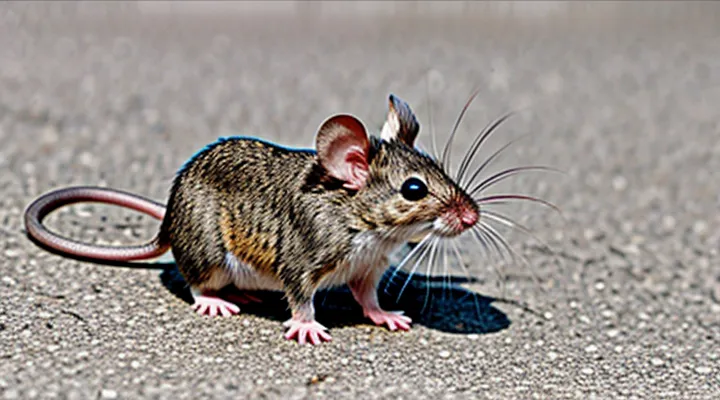
Understanding Mice
What Defines a Mouse?
Physical Traits
Mice exhibit a compact body plan optimized for agility and burrowing. Adult size ranges from 5 cm to 15 cm in head‑body length, with tail length often equal to or exceeding the body. Weight typically falls between 10 g and 50 g, varying by species and habitat.
Coat coloration reflects ecological niche. Common patterns include:
- Uniform brown or gray dorsal pelage for concealment in ground litter.
- Striped or spotted dorsal markings in forest‑dwelling species, providing disruptive camouflage.
- Light ventral fur contrasting with darker backs, a common mammalian counter‑shading.
Ear morphology differs markedly. Species inhabiting arid regions possess enlarged, thin pinnae for enhanced thermoregulation, whereas forest dwellers have smaller, densely furred ears to protect against moisture and debris.
Tail structure serves multiple functions. Muscular vertebrae allow precise balance during climbing; a high density of sweat glands aids in heat dissipation. In some alpine species, the tail is shorter and covered with dense hair, reducing heat loss.
Limbs display adaptations to locomotor demands. Hind limbs are typically longer than forelimbs, providing powerful leaping ability. Foot pads range from smooth in sand‑adapted species to heavily keratinized in rocky environments, improving traction. Digit count remains constant at five per paw, but claw curvature varies: acute and hooked in arboreal mice, blunt and broad in terrestrial forms.
Sensory organs exhibit species‑specific enhancements. Large, forward‑facing eyes support nocturnal vision; retinal rod density can exceed 200,000 rods per mm² in cave‑adapted mice. Vibrissae length correlates with tactile reliance, with subterranean species displaying whiskers up to 30 mm long to navigate tight tunnels.
Dental architecture is uniform across the group: a single pair of continuously growing incisors with enamel confined to the anterior surface, creating a self‑sharpening edge. Molar rows differ in cusp pattern, reflecting dietary specialization—from simple bunodont molars in granivores to complex selenodont structures in omnivores.
These physical characteristics collectively define each mouse species’ ecological role and evolutionary trajectory.
Behavioral Traits
Mouse species exhibit a wide spectrum of behavioral patterns that correlate closely with their taxonomic groups and ecological niches. Ground-dwelling representatives, such as members of the genus Apodemus, display territorial aggression, scent-marking, and nocturnal foraging routines. Tree-adapted species, including Peromyscus and Mus forest forms, rely on arboreal locomotion, vertical escape responses, and vocal communication for predator avoidance.
Key behavioral traits across the clade can be summarized as follows:
-
Social organization:
- Solitary individuals dominate many desert‑adapted species, minimizing competition for scarce resources.
- Communal nesting and cooperative breeding occur in several temperate forest mice, enhancing offspring survival.
-
Reproductive strategies:
- Seasonal breeding cycles align with photoperiod changes in temperate zones.
- Continuous estrus and rapid litter turnover characterize tropical species, supporting high population turnover.
-
Foraging and diet:
- Opportunistic omnivory prevails in most genera, with a preference for seeds, insects, and plant material.
- Specialized granivory appears in rodents inhabiting arid regions, reflected in meticulous cache‑building behavior.
-
Predator evasion:
- Ultrasonic vocalizations serve as alarm calls in several Mus species.
- Burrow complexity and rapid sprinting are prominent in ground‑dwelling taxa, while agile climbing and silent descent aid arboreal species.
Behavioral phenotypes often serve as diagnostic criteria in phylogenetic assessments, complementing morphological and genetic data. Comparative studies reveal that closely related species share core traits, whereas divergent ecological pressures drive the emergence of unique adaptations. Understanding these patterns enhances predictive models of species distribution and informs conservation strategies for vulnerable mouse populations.
Diversity of Mouse Species
True Mice (Murinae Subfamily)
House Mouse («Mus musculus»)
The house mouse, Mus musculus, belongs to the family Muridae, subfamily Murinae, and is classified within the genus Mus. It is a member of the Mus clade that also includes the Algerian mouse (M. spretus) and the Asian field mouse (M. famulus). Genetic analyses place M. musculus in the “musculus” subspecies complex, which comprises several well‑defined lineages such as M. m. domesticus, M. m. musculus, and M. m. castaneus.
Morphologically, the species exhibits a head‑body length of 7–10 cm, a tail of comparable length, and a weight range of 15–30 g. Fur coloration varies from light brown to gray, with a pale ventral surface. Dental formula is 1.0.0.3/1.0.0.3, and the molar pattern shows three cusps arranged in a triangular configuration, a diagnostic trait for the genus.
Distribution is cosmopolitan, encompassing all continents except Antarctica. Originating in South‑west Asia, the mouse spread globally through human commerce and settlement. In temperate regions it occupies synanthropic habitats—grain stores, buildings, and agricultural fields—while in tropical zones it also frequents natural grasslands and forest edges.
Key biological traits include:
- Rapid reproductive cycle: gestation of 19–21 days, litter size of 4–8 pups, and the ability to breed year‑round in favorable climates.
- Omnivorous diet: seeds, insects, and anthropogenic waste, enabling adaptation to diverse food sources.
- High metabolic rate: average basal metabolic rate of 1.2 W/kg, supporting active foraging behavior.
- Social structure: hierarchical groups with dominant males controlling access to females and territories.
From a genetic perspective, M. musculus serves as a primary model organism. Its genome, sequenced in 2002, comprises approximately 2.7 Gb and contains 20,000 protein‑coding genes. Extensive inbred strains facilitate controlled experiments in physiology, immunology, and neurobiology. Comparative genomics reveal conserved synteny with the human genome, allowing translational research on disease mechanisms.
Ecologically, the species exerts significant influence on grain storage, pest management, and disease transmission. It is a reservoir for pathogens such as Hantavirus and Salmonella spp., and its presence can affect native rodent communities through competition and hybridization. Control measures rely on integrated approaches combining habitat modification, baiting, and biological agents.
Overall, the house mouse exemplifies a highly adaptable mammal whose taxonomy, morphology, and biology are well documented, providing a comprehensive case study within the broader classification of murine species.
Deer Mouse («Peromyscus maniculatus»)
The deer mouse (Peromyscus maniculatus) occupies a central position in the taxonomic framework of North American rodents. Classified within the family Cricetidae, subfamily Neotominae, it belongs to the genus Peromyscus, which comprises over 50 species distinguished by morphological and genetic traits. Molecular analyses consistently place P. maniculatus among the most basal members of the genus, providing a reference point for comparative studies across murine lineages.
Geographically, the species exhibits a broad range extending from the boreal forests of Canada through the United States to northern Mexico. It thrives in diverse habitats, including alpine meadows, grasslands, and forest edges, demonstrating adaptability to varying climatic conditions. Population density fluctuates seasonally, with peak numbers observed during the summer breeding period.
Key morphological and physiological characteristics include:
- Body length: 9–12 cm; tail length roughly equal to body length.
- Fur coloration: dorsal gray‑brown pelage, ventral white or pale gray.
- Large, dark eyes and prominent whiskers suited for nocturnal activity.
- Dental formula: 1/1, 0/0, 0/0, 3/3, reflecting an omnivorous diet.
- Reproductive capacity: up to five litters per year, each containing 3–7 offspring.
Behavioral observations reveal primarily nocturnal foraging, omnivorous feeding habits, and a high degree of territoriality among males during the breeding season. The species acts as a reservoir for several zoonotic pathogens, notably hantavirus, making it a focal point in public‑health monitoring programs.
Research applications capitalize on its genetic tractability and ecological relevance. P. maniculatus serves as a model organism for studies of:
- Evolutionary genetics and speciation mechanisms within Peromyscus.
- Host‑pathogen dynamics, especially virus transmission cycles.
- Physiological adaptations to extreme environments, such as high‑altitude hypoxia.
Overall, the deer mouse provides essential data for understanding murine biodiversity, ecological interactions, and the evolutionary processes shaping rodent populations across the continent.
Field Mouse («Apodemus sylvaticus»)
The field mouse, Apodemus sylvaticus, belongs to the family Muridae, subfamily Murinae, and genus Apodemus. Its taxonomic placement is: Kingdom Animalia, Phylum Chordata, Class Mammalia, Order Rodentia, Family Muridae, Genus Apodemus, Species A. sylvaticus.
Morphologically, the species exhibits a head‑body length of 80–110 mm, a tail equal to or slightly longer than the body, and a weight ranging from 15 to 30 g. The dorsal pelage is brown to reddish‑brown, while the ventral side is pale gray. Large, black eyes and relatively long whiskers aid nocturnal navigation.
Habitat preferences include deciduous and mixed woodlands, hedgerows, and agricultural margins across Europe and parts of North Africa. The mouse constructs shallow burrows or utilizes existing crevices, showing flexibility in shelter selection.
Diet consists primarily of seeds, nuts, fruits, and occasional insects. Seasonal shifts occur: plant material dominates in summer, while stored seeds become more important in autumn. Food storage behavior involves caching in concealed locations.
Reproductive biology features a breeding season from March to October, with up to five litters per year. Each litter contains 3–7 altricial young, born after a gestation period of roughly 21 days. Weaning occurs at 21–28 days, and sexual maturity is reached by 6–8 weeks.
Population trends indicate stability across most of the range, classified as Least Concern by the IUCN. Local declines may result from intensive agriculture, habitat fragmentation, and predator pressure, but overall adaptability sustains the species.
Key characteristics for identification within the broader study of mouse taxonomy and traits include:
- Distinctive bi‑color pelage (dark dorsal, light ventral).
- Tail length comparable to body length.
- Preference for woodland edges and hedgerows.
- Seasonal dietary variation with seed caching.
Understanding Apodemus sylvaticus contributes to comprehensive knowledge of murine diversity, ecological roles, and conservation status.
Other Mouse-like Rodents
Vole Species
Voles belong to the subfamily Arvicolinae within the family Cricetidae, a lineage that runs parallel to the Murinae rodents commonly referred to as mice. Their taxonomic placement distinguishes them from true mice (genus Mus) while preserving a close phylogenetic relationship among muroid rodents.
The primary genera that comprise vole species include:
- Microtus – the most widespread and diverse group, encompassing meadow, prairie, and tundra voles.
- Alexandromys – formerly a subgenus of Microtus, now recognized for steppe and mountain species.
- Mictomys – represented by a limited number of North American species.
- Neodon – high‑altitude Asian voles with specialized pelage.
- Lasiopodomys – desert-adapted voles of Central Asia.
Morphologically, voles display a compact body, short tail, and densely packed fur. The dental formula 1.0.0.3/1.0.0.3 features continuously growing molar crowns with characteristic enamel loops, enabling efficient processing of fibrous vegetation. Their skulls possess a broad rostrum and a reduced auditory bulla compared with murine mice.
Ecologically, vole species occupy a range of habitats from alpine meadows to arid steppe. They feed primarily on grasses, herbs, and underground storage organs, supplementing their diet with seeds and occasional insects. Reproductive cycles are rapid; most species produce multiple litters per year, each containing three to eight offspring. Population densities can fluctuate dramatically in response to food availability and predation pressure, influencing soil turnover and seed dispersal.
Key distinctions from typical mice include:
- Shorter, hairier tail lacking the scaly, hairless appearance of murine tails.
- Broader hind feet with larger, clawed digits adapted for burrowing.
- Pronounced cheek pouches used for temporary food storage.
These anatomical and ecological traits define voles as a coherent group within the broader classification of mouse-like rodents, providing a clear framework for comparative studies of morphology, behavior, and evolutionary relationships.
Shrew Species
Shrews belong to the order Eulipotyphla and the family Soricidae, a lineage distinct from true rodents. Their classification includes several subfamilies—Soricinae, Crocidurinae, and Myosoricinae—each containing numerous genera such as Sorex, Crocidura, and Myosorex. Collectively, the family comprises more than 400 recognized species, distributed across temperate, tropical, and alpine environments.
Morphological traits define shrew species:
- Body length typically 3–12 cm, weight 2–30 g.
- Red‑toothed species possess iron‑pigmented enamel, giving incisors a reddish hue; white‑toothed species lack this pigment.
- High metabolic rate necessitates continuous foraging; heart and respiration rates exceed 1,000 beats per minute in active individuals.
- Sensory adaptations include elongated whiskers, vibrissae tuned to detect ground vibrations, and, in some taxa, echolocation clicks for navigation in subterranean habitats.
Ecologically, shrews function as insectivorous predators. Their diet consists primarily of arthropods, annelids, and occasionally small vertebrates. Habitat preferences range from leaf litter in deciduous forests to moist tundra soils, with several species adapted to semi‑aquatic settings. Reproductive cycles are rapid; most species produce multiple litters per year, each containing 3–10 altricial young.
Comparative analysis highlights divergence from murine mammals. Shrews lack continuously growing incisors, possess a higher cranial musculature ratio, and exhibit a markedly faster basal metabolic rate. These differences reinforce their placement outside the rodent clade and underscore the distinct evolutionary pathways within small mammalian fauna.
Rat Species (Differentiating from Mice)
Rats belong to the genus Rattus within the Muridae family, while true mice are classified primarily under the genus Mus. Both groups share the order Rodentia, but they diverge at the generic level, reflecting distinct evolutionary lineages.
Key morphological and biological differences include:
- Size: Rats typically exceed 150 mm in body length; mice average 70–100 mm.
- Tail: Rat tails are thick, scaly, and proportionally shorter than the body; mouse tails are slender, hair‑covered, and often longer relative to body size.
- Ears: Rat ears are small and close to the skull; mouse ears are large and conspicuously rounded.
- Skull and dentition: Rat skulls display a robust rostrum and larger infraorbital foramen; mouse skulls are more delicate. Molar crown patterns differ, with rats having more complex occlusal surfaces.
- Reproductive capacity: Rats produce 5–10 litters per year with 6–12 pups each; mice generate up to 12 litters with 5–8 pups.
- Habitat preference: Rats favor sewers, basements, and agricultural storage; mice occupy field margins, indoor corners, and forest understory.
Prominent rat species:
- Rattus norvegicus (brown or Norway rat) – widespread, prefers damp environments, exhibits strong burrowing behavior.
- Rattus rattus (black rat) – arboreal tendencies, thrives in warm climates, frequently associated with human dwellings.
- Rattus exulans (Polynesian rat) – small size, island distribution, limited ecological impact compared with the first two.
Chromosomal counts further separate the groups: Rattus species possess 42 chromosomes (2n = 42), whereas Mus species have 40 (2n = 40). Genetic divergence underlies differences in disease susceptibility, metabolic rates, and behavioral ecology, reinforcing the taxonomic distinction between rats and mice.
Classification Systems
Taxonomic Hierarchy
Order: Rodentia
The order Rodentia comprises the largest group of mammals, encompassing more than 2,300 species that share a single, highly specialized dental adaptation: a pair of continuously growing incisors in each jaw, closed by a sharp, self‑sharpening edge. These incisors, combined with a diastema separating them from the cheek teeth, enable efficient gnawing of a wide range of materials, from seeds to wood. Rodents display a simple yet versatile skeletal structure, a robust mandible, and a high reproductive rate, factors that contribute to their extensive diversification.
Key morphological traits of Rodentia include:
- Continuously erupting incisor pair with enamel restricted to the labial surface.
- Absence of canine teeth, creating a gap before the premolars and molars.
- Presence of a well‑developed masseter muscle complex, allowing powerful chewing.
- Typically a single pair of cheek teeth per quadrant, though some families exhibit reduced dentition.
- Compact, often cursorial or fossorial limb morphology adapted to specific ecological niches.
Within this order, mouse species are primarily assigned to two families. The Muridae family contains the true mice (genus Mus) and related rats, characterized by a relatively long tail and a well‑developed auditory bulla. The Cricetidae family includes voles, lemmings, and many New World mice (genus Peromyscus), distinguished by a slightly different skull morphology and often a shorter tail. Both families share the rodent dental formula but diverge in cranial and post‑cranial features that aid taxonomists in distinguishing lineages.
Understanding the order’s defining characteristics provides a framework for classifying mouse species, clarifying their evolutionary relationships, and supporting comparative studies of morphology, genetics, and ecology across the vast rodent lineage.
Family: Muridae
The family Muridae represents the most extensive rodent lineage, encompassing true mice, rats, gerbils, and related taxa. Positioned within the order Rodentia, Muridae occupies the superfamily Muroidea and is distinguished by a dental formula of 1/1 incisors, 0/0 canines, 0/0 premolars, 3/3 molars, and a characteristic gnawing‑adapted skull.
Key subfamilies within Muridae include:
- Murinae (true mice and rats)
- Gerbillinae (gerbils and jirds)
- Deomyinae (spiny mice and brush‑tailed mice)
- Dendromurinae (African climbing mice)
Prominent genera illustrate the family’s diversity:
- Mus – house mouse and relatives
- Rattus – brown and black rats
- Gerbillus – desert gerbils
- Acomys – spiny mice
Morphologically, murids possess elongated bodies, relatively short limbs, and tails ranging from hairless to furred, often matching body length. Their skulls feature a high, narrow braincase and a robust zygomatic arch. Fur coloration varies widely, reflecting adaptation to distinct habitats.
Geographically, murids occupy every continent except Antarctica. Habitats span tropical rainforests, arid deserts, grasslands, and urban environments. Species demonstrate remarkable ecological plasticity, enabling colonization of anthropogenic landscapes.
Ecologically, murids serve as primary seed dispersers, soil engineers through burrowing activity, and a vital prey base for predators such as raptors, snakes, and carnivorous mammals. Several species act as reservoirs for zoonotic pathogens, influencing disease dynamics in wildlife and human populations.
The fossil record traces murid origins to the early Oligocene, with rapid diversification linked to climatic fluctuations and the expansion of grassland biomes. Molecular phylogenetics confirms multiple radiations that produced the present subfamily structure, underscoring the family’s evolutionary resilience.
Subfamilies and Genera
Mice belong to the order Rodentia, family Muridae, which is divided into several subfamilies that group genera sharing morphological and genetic traits.
- Murinae – the largest subfamily, characterized by a well‑developed molar pattern and a flexible tail. Includes genera such as Mus (house mice), Apodemus (field mice), Rattus (true rats), Peromyscus (deer mice), and Micromys (harvest mice).
- Deomyinae – distinguished by a reduced third molar and a tendency toward nocturnal habits. Contains genera Deomys (African forest mouse) and Lophuromys (brush-furred mice).
- Dendromurinae – identified by elongated hind limbs and arboreal adaptations. Encompasses Dendromus (tree mice) and Steatomys (fat mice).
- Nesomyinae – endemic to Madagascar, marked by diverse dental formulas and specialized ecological niches. Genera include Nesomys, Brachyuromys, and Macrotarsomys.
Each subfamily aggregates genera that exhibit coherent evolutionary patterns. For instance, Murinae genera share a common chromosome number (2n = 40) and display broad geographic distribution across Eurasia, Africa, and the Americas. Deomyinae and Dendromurinae are primarily African, with adaptations to forest floor or savanna environments. Nesomyinae represents a radiation unique to Madagascar, reflecting long‑term isolation and niche diversification.
Understanding these subfamilial divisions clarifies the taxonomic relationships among mouse species and supports comparative studies of morphology, behavior, and genetics across the murid lineage.
Evolutionary Relationships
Genetic Markers
Genetic markers constitute the primary evidence for delineating mouse taxa and linking phenotypic variation to evolutionary lineage. Molecular signatures extracted from DNA enable precise discrimination among species that exhibit overlapping morphological traits, thereby refining classification schemes and supporting phylogenetic reconstruction.
Commonly employed markers include:
- Mitochondrial cytochrome b sequences, providing high‑resolution maternal lineage data.
- Nuclear intron regions such as IRBP and RAG1, offering biparental inheritance patterns.
- Single‑nucleotide polymorphisms (SNPs) distributed across the genome, facilitating population‑level differentiation.
- Microsatellite loci, delivering high variability for assessing genetic diversity within and between species.
- Whole‑genome sequencing data, revealing comprehensive genomic architecture and adaptive gene clusters.
Integration of these markers with morphological observations produces a robust framework for cataloguing mouse diversity and interpreting species‑specific ecological adaptations.
Fossil Evidence
Fossil records constitute the primary source for reconstructing the evolutionary history of murid rodents. The earliest confirmed murid remains date to the early Miocene, approximately 23–20 million years ago, and are represented by isolated teeth and jaw fragments recovered from the Siwalik Hills of the Indian subcontinent. These specimens exhibit the characteristic cusp pattern of the subfamily Murinae, confirming the emergence of true mice and rats during this interval.
Subsequent deposits from the late Miocene to the Pliocene reveal a diversification of genera that parallel modern taxonomic groups. Notable examples include:
- Progonomys from the late Miocene of Europe, displaying dental morphology that bridges primitive cricetids and later murines.
- Parapodemus specimens from the Pliocene of Spain, possessing elongated molar rows indicative of dietary specialization.
- Apodemus fossils from the early Pleistocene of East Asia, closely matching extant wood mouse morphology and supporting the early establishment of the Apodemus lineage.
These fossil taxa provide morphological benchmarks for calibrating molecular clocks, allowing precise estimation of divergence times among mouse clades. Comparative analysis of enamel thickness, cusp arrangement, and mandibular shape across the record demonstrates gradual shifts toward the gnawing efficiency observed in contemporary species.
Geographic distribution of murid fossils expands from Eurasia to North America during the Pleistocene, reflecting dispersal events facilitated by land bridges such as Beringia. The appearance of Peromyscus ancestors in North American strata around 2 million years ago aligns with the colonization of new habitats and the subsequent radiation of diverse ecological forms.
Overall, the fossil evidence supplies concrete anatomical data that underpins the systematic arrangement of mouse species and clarifies the sequence of adaptive transformations that have shaped their present-day diversity.
Geographic Distribution and Habitats
Global Presence
Temperate Zones
Temperate regions host a diverse assemblage of murine taxa, each adapted to seasonal temperature fluctuations and moderate precipitation. Species occurring in these zones display morphological and behavioral traits that differentiate them from their tropical and arctic counterparts.
Body size in temperate mice tends toward intermediate dimensions, balancing heat retention during colder months with agility for foraging in dense undergrowth. Fur density increases in northern latitudes, providing insulation against winter lows, while coloration often shifts to cryptic hues that match leaf litter and bark.
Reproductive cycles align with seasonal resource availability. Breeding peaks in spring and early summer, when insect abundance and vegetation growth support offspring survival. Litter sizes commonly range from four to eight young, reflecting a strategy that maximizes reproductive output while mitigating predation risk during vulnerable periods.
Dietary flexibility characterizes most temperate murids. Primary foods include seeds, nuts, and underground plant parts; opportunistic consumption of insects and carrion supplements nutrition during leaner intervals. Digestive enzyme profiles exhibit broader substrate specificity than those of species confined to stable climates.
Habitat preferences exhibit both generalist and specialist patterns:
- Generalist species (e.g., Peromyscus maniculatus) occupy forest edges, grasslands, and agricultural fields, thriving on varied cover and food sources.
- Specialist species (e.g., Apodemus sylvaticus) favor mature deciduous woodlands with abundant leaf litter and fallen logs, relying on specific microhabitats for nesting and foraging.
Genetic studies reveal clinal variation across latitude, with gene flow moderated by geographic barriers such as mountain ranges and large rivers. Subspecies delineation frequently corresponds to distinct ecological niches within the temperate belt, supporting a taxonomic framework that integrates morphological data with molecular markers.
Overall, temperate zones shape mouse species through a combination of climatic pressures, resource seasonality, and habitat heterogeneity, resulting in a spectrum of adaptations that inform systematic classification and ecological understanding.
Tropical Regions
Tropical ecosystems host a diverse assemblage of murine rodents that span several taxonomic levels. Within the family Muridae, the subfamily Murinae dominates, comprising genera such as Rattus, Mus, Otomys and Thamnomys. These genera further divide into species adapted to warm, humid habitats, where high precipitation and year‑round vegetation support continuous breeding cycles.
Morphologically, tropical mice exhibit reduced pelage density compared with temperate relatives, facilitating heat dissipation. Body mass ranges from 10 g in diminutive forest floor dwellers to 150 g in larger, semi‑arboreal species. Tail length often exceeds body length, enhancing balance during arboreal foraging. Dental formulae remain consistent (I 1/1, C 0/0, P 0/0, M 3/3), but enamel thickness varies to accommodate diets rich in soft fruit, insects and seeds.
Ecologically, these rodents serve as primary seed dispersers and prey for a suite of predators, influencing forest regeneration dynamics. Their reproductive strategy emphasizes rapid gestation (approximately 21 days) and large litters, traits that sustain populations despite predation pressure and disease prevalence typical of tropical zones.
Key tropical mouse species include:
- Rattus norvegicus (Norway rat) – widespread in lowland rainforests, highly adaptable to disturbed habitats.
- Rattus rattus (Black rat) – frequent in canopy layers, exhibits strong climbing ability.
- Mus minutoides (African pygmy mouse) – occupies leaf litter, notable for its minute size and high reproductive rate.
- Otomys tropicalis (Tropical vlei rat) – prefers moist grasslands adjacent to forest edges, specialized in herbivorous feeding.
- Thamnomys schoutedeni (Schoutedenen’s thicket mouse) – inhabits dense understory, characterized by elongated snout for probing soil insects.
Arid Environments
Arid habitats host a distinct assemblage of rodent taxa that differ markedly from those in mesic regions. These environments impose constraints on water balance, temperature regulation, and food availability, driving divergent evolutionary pathways within the murid lineage.
Species inhabiting deserts and semi‑deserts belong primarily to the genera Peromyscus, Gerbilliscus, Mus (subgenus Mus), and Chaetodipus. Within these genera, taxonomic subdivisions reflect adaptations to low‑precipitation ecosystems, such as desert‑specialist clades and transitional forms that occupy scrub‑steppe margins.
- Highly efficient renal concentrating mechanisms reduce water loss.
- Nasal turbinates enlarged to reclaim moisture from exhaled air.
- Fur coloration ranging from sandy to gray provides camouflage and reflects solar radiation.
- Burrowing behavior minimizes exposure to extreme surface temperatures.
- Diet flexibility, including seed caching and opportunistic insect consumption, compensates for seasonal scarcity.
These traits influence species distribution, population dynamics, and interspecific interactions. Understanding the classification of arid‑adapted mice clarifies how physiological and behavioral specializations shape biodiversity patterns across dry landscapes.
Habitat Adaptations
Urban Environments
Urban habitats create a distinct ecological context that shapes the taxonomy and phenotypic profiles of murine taxa. Population clusters that persist in densely built environments exhibit measurable divergence from conspecifics in natural settings, prompting taxonomists to recognize urban‑associated lineages within broader species complexes.
Adaptations observed in city‑dwelling mice include expanded dietary breadth, tolerance of anthropogenic waste, altered circadian activity, and accelerated reproductive cycles. Morphological shifts such as reduced body mass, increased cranial robustness, and modified fur coloration correlate with the pressures of limited shelter and heightened predation by domestic predators.
These phenotypic trends influence classification schemes. Molecular analyses frequently reveal genetic structuring that aligns with urban versus rural distributions, leading to the designation of subspecies or distinct clades for populations that have adapted to metropolitan ecosystems. Such revisions refine phylogenetic trees and improve predictive models of species resilience.
Key urban mouse taxa and their characteristic features:
- House mouse (Mus musculus) – urban clade: high allelic diversity, enhanced detoxification enzymes, preference for grain and processed foods.
- Norway rat (Rattus norvegicus) – city ecotype: enlarged auditory cortex, increased tolerance to pollutants, prolific breeding in sewer systems.
- Deer mouse (Peromyscus maniculatus) – metropolitan variant: reduced fur density, heightened boldness, opportunistic foraging on ornamental plants.
- White‑footed mouse (Peromyscus leucopus) – urban subpopulation: altered gut microbiome, increased resistance to rodenticides, preference for human‑derived shelter.
Understanding how metropolitan environments drive morphological, behavioral, and genetic differentiation clarifies the ongoing refinement of murine classification and informs management strategies for pest control and biodiversity conservation in cities.
Forests and Woodlands
Forests and woodlands host a substantial proportion of global mouse diversity, providing structural complexity and resource heterogeneity essential for species differentiation. Dense canopy layers generate microclimates that influence fur coloration, body size, and foraging behavior, while leaf litter and understory vegetation supply nesting materials and food sources. These environmental gradients drive adaptive divergence among closely related taxa, reinforcing taxonomic boundaries within the murine clade.
Key forest habitats and their representative mouse groups include:
- Temperate deciduous forests: Peromyscus spp. exhibit seasonal coat changes and omnivorous diets adapted to mast availability.
- Coniferous boreal woods: Myodes (voles) display compact bodies and high reproductive rates suited to cold, low‑productivity floors.
- Tropical rainforests: Apomys species possess elongated snouts and arboreal locomotion adaptations for exploiting canopy insects.
- Montane cloud forests: Rattus spp. in these zones show increased tail length and enhanced grip for navigating mist‑laden branches.
Morphological traits such as whisker length, ear size, and tail morphology correlate with habitat structure. Species inhabiting dense understory typically have shorter tails and robust limbs for maneuvering through debris, whereas canopy dwellers possess longer tails for balance and elongated limbs for leaping between branches. Dental morphology reflects dietary specialization: granivorous forms retain high‑crowned molars, while insectivorous species develop sharper cusps.
Population dynamics within forest ecosystems are tightly linked to successional stages. Early‑successional gaps favor opportunistic, fast‑reproducing mice, whereas mature stands support stable, competitively superior species. Disturbance regimes—fire, logging, or natural dieback—alter resource distribution, prompting shifts in species composition and prompting taxonomic reassessment based on emerging phenotypic patterns.
Grasslands and Fields
Grassland and field habitats host a distinct assemblage of murine rodents whose taxonomic placement and adaptive traits are well documented. Within the order Rodentia, these mammals belong primarily to the family Muridae, subfamily Murinae, and are divided into several genera that have evolved morphological and behavioral specializations for open, herbaceous environments.
Key genera and representative species include:
- Genus Apodemus – Apodemus sylvaticus (wood mouse) and Apodemus agrarius (striped field mouse); characterized by elongated hind limbs, agile sprinting ability, and a diet emphasizing seeds and insects.
- Genus Microtus – Microtus pennsylvanicus (meadow vole); distinguished by a compact body, dense fur for temperature regulation, and rapid reproductive cycles that sustain populations in fluctuating grassland productivity.
- Genus Peromyscus – Peromyscus maniculatus (deer mouse); exhibits nocturnal foraging, flexible jaw mechanics for processing both plant material and arthropods, and a broad tolerance for moisture variation in meadow microhabitats.
- Genus Mus – Mus musculus (house mouse) populations that have colonized cultivated fields; noted for high fecundity, opportunistic feeding, and a propensity for commensal relationships with human activity.
Adaptations common to these species reflect the demands of open terrain:
- Locomotion: Strong forelimb‑hindlimb coordination facilitates quick bursts across sparse cover.
- Sensory systems: Enlarged auditory bullae and keen olfaction aid predator detection and resource location in low‑visibility environments.
- Reproductive strategy: Short gestation periods and multiple litters per year offset high predation rates typical of exposed habitats.
Ecological impact is measurable through seed dispersal, soil aeration via burrowing, and as prey for raptors and carnivorous mammals. Conservation assessments prioritize habitat integrity, recognizing that agricultural conversion and overgrazing can disrupt the delicate balance sustaining these murine communities.
Ecological Roles
Food Chain Dynamics
Prey for Predators
Mice constitute a primary food source for a wide range of carnivorous and omnivorous animals. Small mammals such as foxes, owls, hawks, snakes, and mustelids regularly target mouse populations because of their abundance, reproductive speed, and relatively low defensive capabilities.
Predator preferences vary among mouse taxa. Ground-dwelling species with larger body mass are frequently captured by terrestrial hunters like foxes and feral cats, while arboreal or semi‑arboreal mice are more often preyed upon by raptors and climbing snakes. Aquatic or semi‑aquatic mouse species encounter predation from otters and water snakes. The diversity of mouse habitats thus shapes the composition of their predator assemblages.
Adaptations that influence predation risk include:
- Camouflage: Fur coloration matching leaf litter, bark, or sand reduces detection by visual predators.
- Nocturnal activity: Activity during low‑light periods lowers exposure to diurnal raptors.
- Escape behavior: Rapid sprinting, erratic zig‑zag runs, and vertical leaps aid in evading ground predators.
- Burrowing: Construction of complex tunnel systems provides refuge from both aerial and terrestrial hunters.
- Scent masking: Reduced odor emissions limit detection by olfactory hunters such as snakes.
Differences in reproductive output affect predator–prey dynamics. Species that produce multiple litters per year sustain higher predation rates without causing population collapse, whereas species with fewer, larger offspring experience more pronounced fluctuations when predator pressure intensifies.
Overall, mouse species serve as a critical trophic link, supporting predator populations across ecosystems. Their morphological and behavioral traits directly influence vulnerability, while predator diversity drives selective pressures that shape mouse evolution.
Seed Dispersal
Mice across the globe participate in seed movement, influencing plant regeneration and ecosystem dynamics. Species differ in habitat preference, foraging behavior, and body size, which together determine the extent and pattern of seed transport.
Classification of mouse taxa reveals groups with distinct dispersal capacities:
- Forest‑dwelling murids, often larger, transport seeds over longer distances by carrying them in cheek pouches.
- Open‑grassland species, typically smaller, scatter seeds incidentally while feeding on ground cover.
- Arid‑adapted rodents, possessing specialized molar morphology, cache seeds in underground burrows, promoting delayed germination.
Key anatomical and behavioral traits shape these processes. Strong forelimb musculature enables handling of bulky seeds; dentition adapted for seed cracking limits the size of viable items. Social structures affect cache density, while nocturnal activity aligns seed movement with cooler microclimates, reducing predation risk. Collectively, the taxonomic diversity and physiological specializations of mouse species create a mosaic of seed dispersal pathways that sustain plant communities.
Impact on Ecosystems
Agricultural Pests
Mice constitute a diverse taxonomic group whose members frequently impact crop production. Species that thrive in cultivated fields exhibit adaptations such as high reproductive rates, omnivorous diets, and flexible nesting habits, which enable rapid population expansions under favorable conditions.
Key agricultural pest mice include:
- House mouse (Mus musculus) – thrives in grain stores, tolerates low temperatures, produces up to ten litters per year.
- Field mouse (Apodemus sylvaticus) – occupies open fields, consumes seedlings and tubers, capable of multiple breeding cycles annually.
- Deer mouse (Peromyscus maniculatus) – prefers grassland margins, feeds on seeds and insects, capable of dispersal over several kilometers.
- Southern grass mouse (Akodon azarae) – inhabits South American farmlands, feeds on young crops, exhibits high tolerance to drought.
Classification of these pests follows the hierarchical structure of Rodentia, with families Muridae and Cricetidae encompassing the majority of crop‑affecting species. Morphological traits—such as cranial measurements, dentition patterns, and tail length—assist taxonomists in distinguishing pest species from non‑pest congeners.
Ecological characteristics influencing damage levels include:
- Reproductive capacity – short gestation and large litter sizes accelerate population growth.
- Dietary breadth – omnivory allows exploitation of both plant material and stored grains.
- Habitat flexibility – ability to nest in soil, vegetation, or man‑made structures enhances survival across varied agricultural landscapes.
Effective management relies on accurate species identification, informed by the taxonomic framework described above, and on targeting the biological traits that facilitate crop loss.
Disease Vectors
Mice serve as natural reservoirs for numerous pathogens, transmitting infections to humans and other animals through direct contact, bites, or contamination of food and surfaces. Their capacity to act as disease carriers varies among taxonomic groups, reflecting evolutionary adaptations and ecological niches.
- Genus Mus – includes the common house mouse (Mus musculus) and related species; frequently linked to hantavirus, LCMV, and Salmonella outbreaks.
- Genus Peromyscus – encompasses deer mice and related species; primary hosts for hantavirus pulmonary syndrome and several hantavirus strains.
- Genus Rattus – while technically rats, several Rattus species share close phylogenetic ties with mouse clades; implicated in plague, leptospirosis, and murine typhus.
- Genus Apodemus – European field mice; documented carriers of hantavirus, tick-borne encephalitis virus, and various bacterial agents.
Key biological traits that enhance vector potential include high reproductive rates, broad geographic distribution, tolerance of human-modified habitats, and omnivorous diets that increase exposure to contaminated sources. Physiological features such as robust immune systems allow asymptomatic carriage of pathogens, while grooming and social behavior facilitate intra‑species transmission.
Understanding the taxonomic placement of vector‑competent mice aids in predicting disease emergence, targeting surveillance, and designing control measures. Accurate species identification, combined with knowledge of ecological preferences, improves risk assessment for zoonotic outbreaks and informs public‑health interventions.