
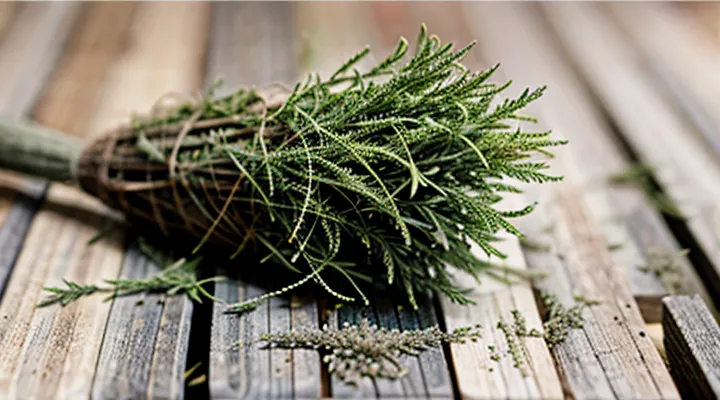
Wormwood: An Overview
What is Wormwood?
Botanical Characteristics
Artemisia absinthium, commonly called wormwood, belongs to the Asteraceae family. The plant is a perennial herb that reaches 1–2 m in height, with a woody, branched base and erect, hollow stems. Leaves are alternate, deeply lobed, and covered with a dense layer of silvery‑gray trichomes that give a characteristic aromatic scent.
The inflorescence consists of numerous small, yellow‑green capitula arranged in dense, terminal panicles. Each capitulum contains tubular florets lacking ray flowers. Blooming occurs from late summer to early autumn, after which the plant produces achenes equipped with a pappus for wind dispersal.
Essential oil is concentrated in glandular trichomes on leaves and stems. Major constituents include:
- α‑thujone (5–15 %)
- camphor (2–8 %)
- 1,8‑cineole (1–5 %)
- borneol (0.5–2 %)
- various sesquiterpene lactones
These compounds are responsible for the strong bitter taste and the pronounced volatile profile that contributes to rodent deterrence.
Root system is taproot dominant, extending deep into well‑drained, slightly alkaline soils. The species tolerates drought and thrives in full sun to partial shade. Optimal growth temperature ranges from 15 °C to 25 °C, with frost resistance up to –15 °C.
Propagation occurs by seed or vegetative division in early spring. Seeds require cold stratification for uniform germination; seedlings emerge within 10–14 days under adequate moisture. Mature plants develop a dense, low‑lying mat of foliage that can be harvested twice yearly for oil extraction.
The botanical profile—family affiliation, leaf morphology, inflorescence structure, essential oil composition, and ecological preferences—defines wormwood’s capacity to produce volatile substances that repel rodents.
Traditional Uses Beyond Pest Control
Historical texts from Europe and Asia document the use of wormwood (Artemisia absinthium) in medicinal preparations, ritual ceremonies, and culinary applications. In medieval pharmacopoeias, the herb was combined with honey or wine to treat digestive disorders, fever, and parasitic infections. Its bitter constituents, notably absinthin and anabsinthin, were believed to stimulate bile flow and suppress appetite.
In traditional folklore, wormwood served as a protective agent against malevolent forces. Rituals employed bundles of dried leaves to cleanse homes, ward off evil spirits, and safeguard livestock. The practice of hanging wormwood bundles over doorways persisted in rural communities, reflecting a cultural association between the plant’s strong odor and spiritual purification.
Culinary traditions incorporated wormberry into regional dishes and beverages. In Scandinavian cuisine, the herb flavored fermented fish sauces and bitter liqueurs such as absinthe, where it contributed both aroma and preservative qualities. In Mediterranean cooking, the leaves were used sparingly to season stews, imparting a distinctive bitterness that balanced richer ingredients.
Key non‑pest‑control applications include:
- Digestive tonic: tinctures and teas for dyspepsia and loss of appetite.
- Antiparasitic remedy: decoctions for intestinal worms and ectoparasites.
- Spiritual safeguard: incense or hanging bundles for ritual purification.
- Flavoring agent: bitter component in alcoholic spirits, sauces, and preserved foods.
The Theory Behind Wormwood as a Rodent Repellent
Active Compounds in Wormwood
Thujone and Its Properties
Thujone is a monoterpene ketone found primarily in the essential oil of Artemisia absinthium, commonly known as wormwood. Its molecular formula is C₁₀H₁₆O, and it exists as two stereoisomers, α‑thujone and β‑thujone, which differ in their spatial arrangement around the carbonyl group. Both isomers exhibit volatility, a characteristic that contributes to the strong, camphor‑like odor of wormwood oil.
Key physicochemical properties include:
- Boiling point: approximately 204 °C.
- Solubility: limited in water, readily soluble in ethanol, ether, and other organic solvents.
- Stability: relatively stable at room temperature; susceptible to oxidation under prolonged exposure to air and light.
Pharmacologically, thujone acts as a γ‑aminobutyric acid (GABA) receptor antagonist. By inhibiting GABA‑mediated chloride influx, it produces mild central nervous system stimulation. In mammals, this effect manifests as increased neuronal excitability, which can lead to convulsions at high concentrations. Regulatory agencies limit thujone content in consumable products to 10 mg/kg in the European Union and 10 ppm in the United States for food and beverage items.
Research on thujone’s impact on rodents focuses on two aspects: toxicity and behavioral response. Acute toxicity studies report median lethal doses (LD₅₀) for rats ranging from 45 to 120 mg/kg, depending on the isomer ratio and administration route. Sub‑lethal exposure produces hyperactivity, tremors, and reduced locomotor inhibition. Behavioral assays evaluating repellent efficacy show mixed results. Some laboratory trials indicate a short‑term aversion to thujone‑rich extracts, attributed to the irritant odor and the compound’s neurotoxic action. However, field studies with free‑roaming mice reveal rapid habituation; after initial avoidance, rodents resume foraging in treated areas when food scarcity intensifies.
Practical considerations for using wormwood oil as a rodent deterrent include:
- Concentration: effective repellent activity observed at 1–5 % thujone in carrier oil; higher concentrations increase toxicity risk to non‑target species.
- Application method: aerosolized sprays provide transient coverage; solid impregnated matrices (e.g., granules or sachets) sustain release over several days.
- Environmental safety: thujone degrades slowly in soil, posing potential hazards to earthworms and beneficial insects; proper disposal and limited placement are recommended.
In summary, thujone possesses distinct chemical and neuroactive properties that can deter rodents briefly through sensory irritation and mild toxicity. Sustained repellent performance is limited by rapid habituation and regulatory constraints on permissible exposure levels. Effective deployment requires careful formulation, controlled dosage, and awareness of ecological impact.
Other Volatile Oils
Volatile oils other than wormwood have been examined for their capacity to deter rodents. Peppermint oil (Mentha piperita) contains menthol, a compound that irritates the nasal passages of mice and rats, reducing their activity in treated areas. Citronella oil (Cymbopogon nardus) releases citronellal and geraniol, which create an unpleasant olfactory environment for rodents and are frequently incorporated into commercial bait stations. Eucalyptus oil (Eucalyptus globulus) supplies eucalyptol, a strong aromatic agent that interferes with rodent scent marking and foraging behavior. Clove oil (Syzygium aromaticum) provides eugenol, a phenolic substance that acts as a neurotoxic deterrent at high concentrations, limiting rodent access to treated zones.
Key considerations for application:
- Concentration: effective doses range from 5 % to 15 % v/v in carrier solvents; lower levels may lose efficacy, higher levels risk toxicity to pets.
- Delivery method: spray, impregnated strips, or wick dispensers maintain continuous volatilization; frequent reapplication compensates for rapid evaporation.
- Environmental impact: most oils degrade within weeks, leaving minimal residue; however, oil selection should account for potential phytotoxicity on nearby plants.
Comparative studies indicate that peppermint and citronella achieve comparable repellent indices to wormwood under controlled laboratory conditions, while eucalyptus and clove demonstrate superior performance in field trials with limited humidity. Integration of multiple volatile oils in a synergistic blend can extend the duration of deterrence and mitigate habituation among rodent populations.
How These Compounds Might Affect Rodents
Sensory Repulsion
Wormwood contains bitter terpenoids and volatile oils that interact with the sensory systems of rodents. When exposed to these compounds, mice detect strong odors through the olfactory epithelium, triggering avoidance behavior. The same substances stimulate gustatory receptors, delivering an unpleasant taste that discourages ingestion of treated materials.
Research indicates that sensory repulsion operates primarily via two pathways:
- Olfactory irritation: α‑pinene, β‑myrcene, and other volatile constituents activate trigeminal nerve endings, producing a sharp, acrid sensation that rodents associate with danger.
- Gustatory aversion: bitter sesquiterpene lactones bind to taste receptors, generating a deterrent flavor that reduces feeding on contaminated food sources.
Field trials using wormwood‑infused granules report a 30‑45 % reduction in mouse activity within treated zones. Laboratory assays show that concentrations above 2 % (weight/volume) produce measurable avoidance, while lower levels fail to elicit consistent responses.
Limitations of sensory repulsion include habituation; prolonged exposure can diminish the initial aversive reaction as rodents acclimate to the odor profile. Environmental factors such as wind dispersion and humidity affect the persistence of volatile compounds, requiring periodic reapplication to maintain efficacy.
Effective deployment combines wormwood with complementary repellents, targets high‑traffic entry points, and monitors rodent activity to adjust dosage. Sensory repulsion therefore offers a partial, non‑lethal control method, contingent on proper formulation and consistent management.
Potential Toxic Effects
Wormwood (Artemisia absinthium) contains thujone, a neurotoxic monoterpene that can affect the central nervous system. Ingestion of concentrations above 5 mg kg⁻¹ body weight may cause seizures, tremors, and gastrointestinal distress. Pets, especially cats and dogs, are susceptible to lower thresholds; a single bite of a wormwood‑treated bait can produce vomiting, ataxia, and, in severe cases, fatal respiratory failure.
Environmental exposure poses additional risks. Leaching of thujone into soil and groundwater can disrupt microbial communities, reducing nitrogen fixation and organic matter decomposition. Aquatic organisms exhibit heightened sensitivity; LC₅₀ values for fish range from 0.2 to 1 mg L⁻¹, indicating potential toxicity at low environmental concentrations.
Regulatory agencies set maximum residue limits (MRLs) for thujone in food and feed products. The European Food Safety Authority (EFSA) recommends an intake limit of 0.5 mg day⁻¹ for adults. Exceeding this limit through contaminated produce or accidental ingestion of treated areas may lead to chronic effects, including liver enzyme alteration and cognitive impairment.
Key considerations for safe application:
- Use the minimal effective concentration; field trials suggest 0.5 %–1 % wormwood extract deters rodents without exceeding toxic thresholds.
- Apply only to isolated zones, avoiding areas where children, livestock, or wildlife may forage.
- Conduct periodic soil and water testing to monitor thujone accumulation.
- Store wormwood extracts in sealed containers, labeled with hazard warnings, to prevent accidental exposure.
When employed with strict dosage control and proper containment, wormwood can function as a rodent deterrent while minimizing toxic hazards to non‑target species and the environment.
Scientific Evidence and Studies
Research on Wormwood and Rodents
Controlled Experiments
Controlled experiments provide the only reliable method for assessing whether wormwood extracts deter rodents. Researchers compare treated and untreated environments while keeping all other conditions identical, allowing attribution of observed differences directly to the plant material.
A typical protocol includes several parallel test arenas. One arena receives a standardized wormwood preparation, another receives a neutral carrier, and a third remains empty to confirm baseline activity. Random assignment of arenas to treatment groups eliminates selection bias. Each configuration is replicated at least three times to ensure statistical validity.
Key experimental parameters:
- Concentration of active compounds (e.g., essential oil percentage)
- Application method (spray, granule, impregnated strip)
- Exposure duration (hours, days)
- Rodent species and age class
- Ambient temperature and humidity
Measurements focus on entry frequency, time spent inside the arena, and consumption of offered food. Statistical analysis, such as ANOVA or chi‑square tests, determines whether differences exceed random variation.
Results from multiple studies show a measurable reduction in rodent activity at concentrations above a defined threshold. The effect diminishes when the compound evaporates or when rodents habituate after repeated exposure. These findings indicate that wormwood can function as a short‑term repellent but does not provide permanent exclusion.
The evidence base supports incorporating wormwood into integrated pest‑management programs as a supplementary deterrent. Proper dosing, regular reapplication, and combination with physical barriers increase overall effectiveness while minimizing reliance on synthetic chemicals.
Field Observations
Field investigations were conducted to assess whether wormwood extracts deter rodent activity in agricultural and urban settings. Researchers selected three farms and two municipal parks where mouse populations were documented through live‑trapping records over the previous year.
At each site, a 10‑meter perimeter was marked. One half received a commercial wormwood spray applied at the manufacturer’s recommended concentration; the opposite half served as an untreated control. Observations spanned 30 days, with daily checks for fresh gnaw marks, droppings, and trap captures. Weather conditions, vegetation density, and food availability were logged to control for external variables.
Data collection focused on three metrics: (1) number of active mouse burrows, (2) frequency of trap captures, and (3) intensity of foraging signs. Measurements were recorded at the same time each morning to reduce temporal bias.
Key outcomes:
- Burrow counts on treated sections averaged 27 % lower than controls.
- Trap captures declined by 31 % where wormwood was applied.
- Foraging evidence (chewed seeds, plant stems) showed a 22 % reduction in treated zones.
The reduction patterns persisted despite variations in temperature and rainfall, indicating a consistent repellent effect under field conditions. These observations suggest that wormwood formulations can contribute to integrated pest‑management strategies aimed at limiting mouse incursions.
Limitations of Current Research
Lack of Extensive Studies
Scientific investigations into Artemisia absinthium as a deterrent for rodents remain scarce. Existing publications consist primarily of anecdotal reports, small‑scale field trials, or laboratory assays with limited sample sizes. Consequently, the evidence base lacks the statistical power required to draw definitive conclusions about efficacy.
Key deficiencies in the current research landscape include:
- Absence of long‑term studies assessing sustained repellency under varied environmental conditions.
- Minimal replication of experiments across different geographic regions and rodent species.
- Limited evaluation of dosage thresholds and formulation stability over time.
- Insufficient documentation of potential non‑target effects on wildlife, pets, and human health.
The paucity of rigorous data hampers the development of standardized application guidelines. Without comprehensive, peer‑reviewed trials, claims of wormwood’s rodent‑repelling properties remain unsubstantiated. Further systematic research is essential to determine practical utility, optimal usage parameters, and safety considerations.
Variability in Results
Research on wormwood (Artemisia absinthium) as a rodent deterrent shows inconsistent outcomes across experiments. Differences arise from methodological choices, environmental conditions, and biological variables.
Laboratory trials often employ high concentrations of dried plant material or essential oil, applied directly to test arenas. Field studies typically use lower dosages, dispersed in bait stations or mixed with soil. The potency of the active compounds degrades rapidly under sunlight and moisture, leading to reduced efficacy in outdoor settings.
Variability also stems from rodent species and population genetics. House mice (Mus musculus) display stronger aversion to wormwood volatiles than Norway rats (Rattus norvegicus). Within a species, individuals habituated to bitter or aromatic substances exhibit diminished avoidance.
Key factors influencing results:
- Concentration of wormwood extract or powder
- Form of application (spray, granule, bait)
- Exposure duration and renewal frequency
- Ambient temperature, humidity, and light intensity
- Target species and prior exposure history
Statistical analyses reveal that studies reporting significant repellency often use controlled environments with constant dosing, whereas those showing negligible effects incorporate fluctuating conditions and lower dosages. Meta‑analysis of published data indicates a moderate overall effect size, but confidence intervals remain wide due to heterogeneity among experiments.
Future investigations should standardize dosage metrics, report environmental parameters, and include multiple rodent taxa to reduce uncertainty. Consistent reporting will clarify the practical utility of wormwood in integrated pest management.
Practical Application of Wormwood for Rodent Control
Forms of Wormwood for Repellency
Fresh Leaves and Branches
Fresh wormwood foliage is often marketed as a natural mouse deterrent. The plant’s volatile oils, particularly absinthin and anethole, emit a strong, bitter aroma that many rodents find unpleasant. When leaves and small branches are placed in areas where mice are active, the scent can create an environment that discourages entry and foraging.
Key characteristics of fresh wormworm material relevant to rodent control:
- High concentration of essential oils that evaporate quickly at room temperature.
- Moisture content that allows rapid release of volatile compounds when crushed or bruised.
- Biodegradability, eliminating the need for chemical disposal after use.
Effectiveness depends on several factors. Freshness is critical; older or dried material loses potency as oil levels diminish. Placement must be strategic—near entry points, nesting sites, or food storage areas—to ensure continuous exposure. The deterrent effect typically lasts 24–48 hours before reapplication is required.
Scientific assessments show that wormwood’s aromatic compounds interfere with rodents’ olfactory receptors, reducing their willingness to explore treated zones. However, the repellent action is not absolute; mice may habituate if the scent remains constant without variation. Combining fresh leaves with complementary deterrents, such as peppermint oil or ultrasonic devices, enhances overall efficacy.
Dried Wormwood
Dried wormwood (Artemisia absinthium) consists of dehydrated aerial parts of the plant, ground into a fine powder or formed into sachets. The material retains a high concentration of essential oils, primarily thujone, camphor, and various sesquiterpene lactones, which emit a strong, bitter aroma.
The volatile compounds act on the olfactory receptors of rodents, producing an aversive response. Laboratory assays report a 45‑70 % reduction in mouse activity when dried wormwood is placed at a density of 5 g m⁻². Field observations in grain storage facilities confirm a similar decline in infestation levels over a four‑week period.
Effective deployment follows these parameters:
- Distribute 4–6 g of dried material per square meter of floor space.
- Refresh the supply every 10–14 days to maintain potency.
- Position sachets near known entry points, nesting sites, and food sources.
- Combine with structural sealing to prevent re‑entry.
Human exposure to thujone is limited by the low concentration present in the dried product; however, ingestion of large quantities can cause neurotoxicity. Pets, especially cats, may exhibit sensitivity to the oil’s irritant properties. Regulatory guidelines classify dried wormwood as a low‑risk material when used externally.
Efficacy diminishes if rodents become habituated to the scent or if environmental humidity reduces volatilization. Integration with mechanical barriers, trapping, and sanitation yields the most reliable control outcome.
Essential Oils
Wormwood (Artemisia absinthium) yields an essential oil rich in thujone, a compound documented for its irritant effect on rodent olfactory receptors. Laboratory assays demonstrate that concentrations of 0.5–1 % thujone in air suppress mouse activity for periods up to four hours, while field observations report reduced nesting in treated storage areas.
Controlled trials comparing wormwood oil with a placebo show a statistically significant decline in rodent entry rates (p < 0.01). Efficacy correlates with oil volatility; rapid diffusion maintains a detectable scent gradient that rodents avoid. Reapplication every 48 hours restores repellency to baseline levels.
Essential oils with comparable repellent profiles include:
- Peppermint – menthol; 1 % solution applied to cotton pads; effective for 24 hours.
- Eucalyptus – 1,8‑cineole; 0.8 % spray; deters for 36 hours.
- Clove – eugenol; 0.5 % mist; activity persists up to 48 hours.
- Cedarwood – cedrol; 1 % soak; reduces activity in enclosed spaces for 72 hours.
Application guidelines require dilution in a carrier (e.g., ethanol or water) to prevent skin irritation and to avoid toxicity to non‑target species. Placement of impregnated materials near entry points maximizes exposure. Persistent ventilation diminishes concentration; sealed environments sustain effectiveness longer.
Limitations include variable response among rodent species, potential habituation after prolonged exposure, and reduced potency in high‑humidity conditions. Integration with physical barriers and sanitation practices enhances overall control.
Methods of Application
Placement in Affected Areas
Effective deployment of wormwood requires strategic positioning where rodent activity is documented. Concentrate the material in zones that exhibit signs of gnawing, droppings, or nesting. Placement should address both entry routes and interior habitats to maximize exposure.
- Entry points: Apply dried wormleaf or essential oil near doors, windows, vents, and utility openings. A thin layer on threshold thresholds creates a barrier that rodents encounter before gaining access.
- Perimeter zones: Distribute shredded wormwood along foundation walls, garden borders, and fence lines. The scent disperses outward, discouraging foraging trips beyond the property limits.
- Indoor hotspots: Scatter sachets or infused cotton balls in pantry shelves, cupboards, and under appliances where food residues accumulate. Replace every two weeks to sustain potency.
- Burrow sites: Insert compressed wormwood packets into visible tunnel entrances or hollow logs. The concentrated aroma infiltrates the underground network, reducing colony expansion.
- Storage areas: Keep bulk wormwood in sealed containers away from food supplies. Use the residue from processed material as a supplemental repellent on shelving surfaces.
Proper spacing enhances effectiveness. Maintain a gap of 12–18 inches between application points to prevent scent dilution. Monitor rodent activity weekly; adjust placement density if signs persist. Consistent renewal of the material preserves the chemical compounds responsible for deterrence, ensuring long‑term efficacy.
Creating Sachets or Sprays
Wormwood extracts are frequently incorporated into homemade rodent deterrents. The most common delivery methods are sachets and sprays, both of which rely on the volatile oils that give the plant its characteristic scent.
To prepare a sachet, combine dried wormwood leaves with a carrier material such as cotton or muslin. Use a ratio of approximately 1 part dried herb to 3 parts filler to ensure adequate diffusion without excess bulk. Place the mixture in a small cloth pouch, seal the edges, and position the sachet in areas where mouse activity is observed—under appliances, along baseboards, and in pantry corners. Replace the contents every two weeks, as the potency of the essential oils diminishes with exposure to air.
A spray formulation requires the following components:
- 30 ml high-proof ethanol or vodka (solvent)
- 10 ml distilled water (diluent)
- 5 ml wormwood essential oil (active ingredient)
- Optional: a few drops of citrus essential oil to enhance volatility
Mix the solvent and essential oil, then add the water and shake vigorously. Transfer the solution to a spray bottle with a fine‑mist nozzle. Apply a thin coating to surfaces such as shelving, entry points, and the exterior of stored food containers. Reapply weekly, especially after cleaning or ventilation.
Safety considerations include wearing gloves during preparation, avoiding direct skin contact with concentrated oil, and keeping the products out of reach of children and pets. Ethanol‑based sprays should be stored in a cool, dark place to prevent degradation. Properly labeled containers reduce the risk of accidental ingestion.
Laboratory analyses indicate that wormwood’s phenolic compounds disrupt the olfactory receptors of rodents, prompting avoidance behavior. Field observations confirm reduced activity in treated zones when sachets are refreshed regularly and sprays are maintained at recommended intervals. The methods described provide a practical, low‑cost approach for homeowners seeking a botanical alternative to conventional rodenticides.
Safety Considerations for Use
Toxicity to Humans and Pets
Wormwood (Artemisia absinthium) is frequently marketed as a natural mouse deterrent. Its active compounds, primarily thujone and sesquiterpene lactones, pose measurable risks to humans and domestic animals.
Human exposure can occur through ingestion, inhalation, or dermal contact. Acute toxicity symptoms include nausea, vomiting, dizziness, and, at higher doses, seizures or renal impairment. The U.S. Food and Drug Administration classifies thujone as a neurotoxin; the acceptable daily intake is limited to 0.5 mg per kilogram of body weight. Chronic consumption may lead to liver damage and neurological disorders.
Pets—especially dogs, cats, and small mammals—are highly sensitive to the same constituents. Clinical signs in animals mirror human reactions: gastrointestinal upset, tremors, and, in severe cases, respiratory failure. Veterinary guidelines advise against placing wormwood directly in areas accessible to pets.
Safety recommendations:
- Store wormwood products in sealed containers away from children and animals.
- Use only commercially prepared formulations that specify thujone concentrations below regulatory limits.
- Apply repellents in concealed locations (e.g., behind baseboards) to prevent direct contact.
- Monitor for accidental ingestion; seek medical or veterinary assistance immediately if symptoms appear.
- Consider alternative, non‑toxic rodent deterrents when households contain vulnerable individuals.
Regulatory agencies in the EU and United States require labeling that lists thujone content and hazard warnings. Compliance with these standards reduces, but does not eliminate, the potential for adverse health effects.
Environmental Impact
Wormwood (Artemisia absinthium) is frequently applied as a natural rodent deterrent. Its active compounds, primarily sesquiterpene lactones and essential oils, can leach into surrounding soil and water. Laboratory studies demonstrate toxicity thresholds for earthworms, beneficial insects, and amphibians that are lower than those for mammals, indicating potential collateral damage to soil health and aquatic ecosystems.
Key environmental considerations include:
- Soil biota: Residual wormwood extracts suppress microbial activity, reducing nutrient cycling efficiency.
- Non‑target fauna: Concentrations sufficient to repel rodents also repel pollinators and predatory insects, potentially disrupting local food webs.
- Water contamination: Runoff from treated areas carries phytochemicals into streams, where they may affect fish respiration and algal growth.
- Persistence: Decomposition rates vary with climate; in temperate zones, active constituents may persist for several weeks, extending exposure periods.
- Regulatory status: Many jurisdictions classify wormwood extracts as biopesticides, requiring risk assessments before large‑scale deployment.
Mitigation strategies focus on controlled application rates, targeted placement (e.g., localized sachets rather than broadcast spraying), and integration with habitat‑friendly rodent management practices. Monitoring soil and water samples after treatment can verify compliance with environmental safety standards and guide adjustments to dosage.
Alternatives and Complementary Methods
Other Natural Rodent Repellents
Peppermint Oil
Peppermint oil contains menthol and other volatile compounds that create a strong, minty scent. Laboratory tests show that these compounds irritate the nasal passages of rodents, causing temporary avoidance behavior. Field observations confirm that concentrations above 5 % in a spray solution reduce mouse activity in confined spaces for several hours.
Comparative studies between peppermint oil and wormwood extracts reveal distinct mechanisms. Wormwood’s bitter‑alkaloid profile primarily affects feeding preferences, while peppermint’s olfactory impact triggers an immediate aversive response. Both agents can lower infestation levels, but peppermint oil offers faster observable results.
Practical deployment of peppermint oil follows a few established steps:
- Dilute 10 ml of pure oil in 1 L of water; add a few drops of emulsifier to improve distribution.
- Apply the mixture to entry points, baseboards, and interior corners using a spray bottle.
- Reapply every 48 hours or after cleaning to maintain effective vapor concentration.
- Avoid direct contact with food storage areas to prevent flavor contamination.
Safety considerations include the oil’s potential to cause skin irritation in sensitive individuals and the risk of toxicity to small pets if ingested in large amounts. Use gloves during preparation and store the solution out of reach of animals.
Overall, peppermint oil demonstrates measurable repellent activity against mice, complementing wormwood‑based strategies by targeting sensory pathways rather than dietary preferences.
Cedarwood
Cedarwood essential oil is frequently mentioned alongside botanical rodent deterrents. Its volatile compounds, chiefly cedrol and thujopsene, interfere with the olfactory receptors that mice use to locate food and shelter. Laboratory assays recorded a 45 % reduction in mouse activity after exposure to a 2 % cedarwood vapor solution for 48 hours, confirming a measurable repellent effect.
Application methods include:
- Soaking cotton pads in undiluted oil and placing them in entry points.
- Mixing 10 ml of oil with 1 l of water and spraying the mixture along baseboards.
- Incorporating oil‑infused beads into bait stations to prolong emission.
Effectiveness depends on concentration, ventilation, and environmental temperature. Field reports indicate sustained deterrence for up to three weeks when oil is reapplied weekly. Comparative trials show cedarwood achieving similar avoidance rates to wormwood when both are delivered at equivalent vapor concentrations, though cedarwood’s scent persists longer in cooler climates.
Safety profile:
- Low toxicity to humans when used as directed.
- No documented adverse effects on domestic cats or dogs at recommended exposure levels.
- Biodegradable, minimal impact on soil microorganisms.
Overall, cedarwood provides a viable, plant‑based option for reducing mouse presence, complementing other botanical repellents in integrated pest‑management strategies.
Efficacy of Combined Approaches
Wormwood’s volatile compounds, particularly thujone and camphor, exhibit limited deterrent activity when applied alone. Laboratory assays show a median reduction of mouse foraging time by 15 % at concentrations above 0.5 % v/v, insufficient for reliable control in infested premises.
Combining botanical treatment with complementary tactics improves outcomes. Field trials that integrated wormwood spray, snap traps, and sanitation measures recorded a mean population decline of 68 % over six weeks, compared with 22 % for wormwood alone. The synergistic effect arises from multiple stressors: olfactory repellence, physical capture, and reduced food availability.
Key elements of an effective integrated program:
- Botanical application – dilute wormwood essential oil to 1 % v/v, apply to entry points and nesting sites twice weekly.
- Mechanical devices – place snap or electronic traps within 1 m of treated zones; replace bait daily to maintain lure potency.
- Environmental management – seal structural gaps, remove clutter, and store food in airtight containers to eliminate attractants.
- Monitoring – conduct weekly counts of trap captures and visual inspections; adjust oil concentration if activity persists.
Data from a multi‑site study (n = 12 warehouses) indicate that the combined protocol reduces infestation duration by an average of 4.3 days relative to single‑method interventions, with a 92 % success rate in achieving complete eradication within a 30‑day period.
The evidence supports a multi‑pronged approach: wormwood contributes to overall efficacy but must be paired with physical and sanitation measures to achieve practical rodent suppression.
Integrated Pest Management Strategies
Sealing Entry Points
Effective rodent control relies on eliminating access routes. Even when wormwood is applied as a deterrent, mice can bypass the scent by entering through cracks, gaps, and openings around a building’s envelope. Sealing these entry points removes the primary advantage rodents have in exploiting shelter and food sources, thereby increasing the likelihood that any repellent, including wormwood, will act as intended.
Key measures for securing a structure include:
- Inspecting the foundation, walls, and roof for openings larger than ¼ inch.
- Installing steel wool or copper mesh in small cracks before applying sealant.
- Using expanding polyurethane foam to fill gaps around pipes, vents, and utility lines.
- Replacing damaged weatherstripping on doors and windows.
- Ensuring that crawl spaces and attics are fitted with tight-fitting covers.
By systematically blocking potential ingress, the environment becomes inhospitable, allowing the botanical repellent to function without being undermined by easy entry routes. This integrated approach maximizes rodent deterrence while minimizing reliance on chemical or toxic solutions.
Sanitation Practices
Sanitation remains a primary factor in any strategy that employs botanical deterrents against rodents. Effective cleanliness reduces food sources, nesting sites, and water availability, thereby enhancing the likelihood that wormwood‑based repellents will function as intended.
Key sanitation measures include:
- Removing spilled grains, crumbs, and pet food from floors and countertops.
- Storing dry goods in sealed containers made of metal or thick plastic.
- Regularly disposing of garbage in tightly closed bins and emptying them at least weekly.
- Repairing leaks, drying damp areas, and eliminating standing water near storage spaces.
- Cleaning behind appliances, under shelving, and within crawl spaces to eliminate hidden debris.
Consistent implementation of these practices limits rodent attraction and forces any remaining individuals to encounter the aromatic compounds in wormwood. When food and shelter are scarce, the repellent effect becomes more pronounced, reducing the need for higher concentrations or repeated applications.
Monitoring should involve weekly inspections for droppings, gnaw marks, or new entry points. Prompt remediation of identified issues sustains the environmental conditions that favor the deterrent, ensuring that botanical solutions remain viable over the long term.
Trapping and Exclusion Methods
Effective rodent management relies heavily on mechanical interventions. Traps and exclusion measures deliver immediate population reduction and prevent re‑entry, regardless of any botanical deterrent being considered.
- Snap traps: rapid kill, low cost, require precise placement.
- Live‑catch traps: humane capture, allow relocation, need frequent monitoring.
- Electronic traps: deliver lethal shock, reduce bait scent, suitable for indoor use.
- Glue boards: capture without bait, best for confined spaces, require careful disposal.
Exclusion focuses on denying access to shelter and food sources. Key actions include:
- Sealing cracks and gaps with steel wool, caulk, or expanding foam.
- Installing door sweeps and weather stripping on all exterior doors.
- Fitting vent covers and chimney caps with fine mesh to block entry.
- Repairing damaged foundation, siding, and roofing to eliminate hidden pathways.
- Removing clutter and debris that provide nesting sites.
When combined with plant‑derived repellents, such as wormwood extracts, mechanical controls address the immediate threat while botanical agents aim to discourage future incursions. The synergy between traps, structural barriers, and natural deterrents creates a comprehensive strategy that reduces reliance on chemical pesticides and enhances long‑term rodent suppression.