
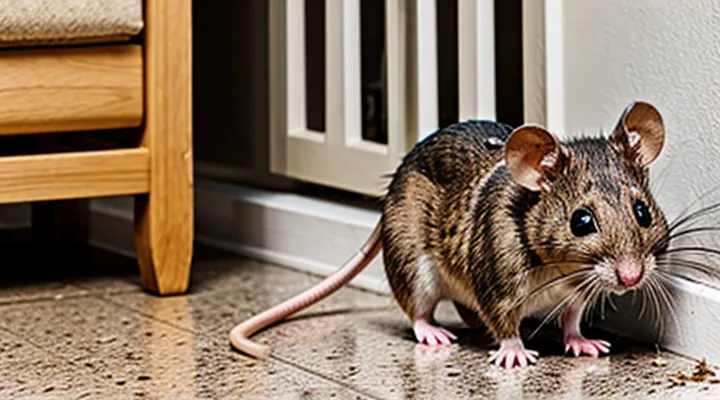
Understanding the Mouse Problem
Why Mice Are Attracted to Your Home
Food Sources
Food availability drives mouse activity in residential units. Mice locate apartments by detecting odors from accessible nourishment, then establish foraging routes that can expand into infestations.
Typical food sources include:
- Unsealed pantry items such as cereals, rice, and flour
- Pet food left out overnight or stored in open containers
- Kitchen waste in uncovered trash cans or compost bins
- Crumbs and spills on countertops, floors, and behind appliances
- Fresh produce, fruit, and dried nuts left on counters or in open bowls
- Birdseed or squirrel feed stored in balconies or windowsills
Preventive actions focus on eliminating these attractants. Store dry goods in airtight, rodent‑proof containers; keep pet food in sealed bins and remove leftovers promptly. Use trash cans with tight‑fitting lids and empty them regularly. Clean surfaces after meals, sweep floors, and vacuum crevices to remove residual particles. Dispose of fruit and vegetables in sealed bags or refrigerate them. Secure outdoor feeding stations and remove any spilled seed or feed. Consistent implementation of these measures reduces food‑related incentives and deters mice from entering apartments.
Water Sources
Mice require water to survive; any readily available moisture in a dwelling can become a focal point for infestation.
Typical sources of water in apartments include:
- Leaking or dripping pipes and fixtures
- Condensation accumulating on windows, walls, or cold surfaces
- Pet water bowls left unattended
- Dishwashers, washing machines, or refrigerators with faulty seals
- Uncovered containers of liquids, such as soda bottles or cleaning solutions
- Soggy trash bags or food waste with high liquid content
These sources create a micro‑environment that satisfies mice’s hydration needs, supports nesting material, and encourages frequent visits. Continuous moisture also softens building materials, facilitating burrowing and movement through walls and floors.
Preventive actions focus on eliminating or controlling moisture:
- Repair all leaks promptly; inspect under sinks, behind appliances, and around bathroom fixtures.
- Wipe away condensation daily; use vent fans or dehumidifiers in humid areas.
- Replace pet water bowls with sealed dispensers; refresh water each day.
- Keep liquid containers tightly closed; store cleaning agents in locked cabinets.
- Empty trash regularly; line bins with waterproof liners and compress wet waste before disposal.
- Inspect appliances for seal integrity; service dishwashers and refrigerators at least annually.
By removing accessible water, the primary incentive for mice to enter and remain in an apartment is substantially reduced.
Shelter and Warmth
Mice are attracted to apartments that provide reliable shelter and consistent warmth. Small openings in walls, floors, or foundations allow entry, while insulated spaces behind appliances, in wall cavities, and under furniture create protected environments. Heat generated by heating systems, kitchen appliances, and sunlight‑warmed rooms offers a stable temperature that supports mouse activity throughout the year.
Clutter and stored items increase the number of hiding places, making it easier for mice to establish nests. Cardboard boxes, piles of laundry, and unsealed storage containers supply both material for nest construction and a barrier against predators. Inadequate sealing of utility penetrations, such as pipe sleeves and cable entries, further expands the network of potential shelters.
Preventive actions focus on eliminating access points, reducing nesting material, and managing indoor temperature fluctuations:
- Inspect exterior walls, windows, and doors; seal cracks with steel wool and caulk.
- Install door sweeps and weather stripping to block gaps beneath entry doors.
- Cover vent openings and utility penetrations with metal mesh or foam sealant.
- Remove excess clutter; store items in sealed plastic containers rather than cardboard.
- Keep indoor humidity and temperature stable; avoid leaving heat‑producing appliances unattended.
- Maintain a clean kitchen; store food in airtight containers and promptly clean spills.
- Use snap traps or electronic devices in identified activity zones; monitor and replace as needed.
By systematically removing shelter opportunities and controlling heat sources, the likelihood of mouse infestation in residential units decreases significantly.
Easy Access Points
Mice enter apartments through openings that are often unnoticed but large enough for a rodent to squeeze through. These gaps provide direct routes from exterior walls, utility lines, and building infrastructure into living spaces.
- Gaps around plumbing, such as pipe sleeves and vent stacks
- Spaces surrounding electrical conduits and cable entries
- Cracks in foundation walls, especially near basement doors or windows
- Unsealed openings around HVAC ducts and exhaust fans
- Gaps beneath sliding doors, baseboards, and floorboards
- Holes left by previous repairs or renovations
Each access point can be sealed using appropriate materials: steel wool or copper mesh for irregular gaps, silicone or expanding foam for small cracks, metal flashing for pipe sleeves, and weatherstripping for door thresholds. Replace deteriorated caulk around windows and install door sweeps to block entry from the floor level. For larger openings, use sheet metal or rigid hardware cloth secured with screws.
Effective prevention combines regular inspection with prompt repair. Schedule quarterly checks of the building envelope, focusing on the listed points. Document findings, prioritize repairs based on size and location, and maintain a log of completed actions. Consistent maintenance eliminates easy entry routes and reduces the likelihood of mouse infestations.
Identifying Entry Points
Common Access Routes
Cracks in Foundations and Walls
Cracks in foundations and walls create direct pathways for mice to infiltrate residential units. Structural gaps often develop from settling, moisture intrusion, or poor construction practices. Once a fissure reaches the interior surface, it provides a protected route for rodents seeking shelter and food.
Detection relies on visual inspection of exterior and interior masonry. Look for:
- Linear openings wider than ¼ inch
- Displaced or crumbling mortar
- Water stains indicating ongoing seepage
When a crack is identified, immediate remediation reduces the likelihood of mouse colonization. Effective measures include:
- Cleaning the opening to remove debris and nesting material.
- Applying a high‑quality masonry sealant or epoxy filler that adheres to both concrete and brick.
- Installing metal mesh or hardware cloth over larger gaps before sealing, preventing future rodent re‑entry.
Regular maintenance prevents new fissures. Schedule periodic assessments after heavy rains or ground movement, and address moisture problems by improving drainage and ventilation. Consistent repair of structural cracks eliminates one of the primary access points that attract mice to apartment environments.
Gaps Around Pipes and Utilities
Gaps surrounding plumbing, electrical conduits, and ventilation shafts create direct pathways for rodents to move from exterior walls into living spaces. These openings often result from aging construction, improper installation, or damage caused by weather and building settlement. Mice exploit even minimal spaces; a gap as small as a quarter-inch permits entry, allowing them to navigate behind appliances, under flooring, and into cabinets.
Entry points typically appear around:
- Pipe sleeves where water lines penetrate exterior walls
- Cable bundles that pass through fire-rated barriers
- Utility chases for HVAC ducts and exhaust fans
- Unsealed openings around gas lines and sprinkler systems
Detection relies on visual inspection and tactile assessment. Look for torn insulation, chewed wiring, or displaced sealant around pipe collars. Use a flashlight to examine shadowed areas; fresh gnaw marks indicate recent activity. Infrared cameras can reveal heat signatures of rodents moving through concealed voids.
Prevention focuses on eliminating access and reinforcing barriers:
- Install steel or copper mesh sleeves around all pipe penetrations.
- Apply high-quality, rodent-resistant caulk or expanding foam to seal gaps.
- Replace damaged pipe collars with stainless‑steel flanges fitted with tight‑locking bolts.
- Conduct regular maintenance checks, especially after construction work or severe weather.
By systematically sealing these vulnerabilities, the likelihood of mouse intrusion diminishes, protecting structural integrity and resident health.
Unsealed Vents and Chimneys
Unsealed vents and chimneys create direct pathways for mice to infiltrate residential units. Gaps as small as a quarter‑inch allow rodents to squeeze through, while ventilation fans generate negative pressure that draws them inward. Open flues and roof vents without proper screens expose the interior to outdoor nesting sites, making these structures attractive access points.
To eliminate this risk, follow a systematic sealing protocol:
- Inspect all exterior vents, dryer exhausts, and chimney openings for visible cracks or missing covers.
- Install stainless‑steel mesh or hardware cloth of ¼‑inch or smaller aperture over each opening; secure with rust‑resistant screws.
- Pack remaining gaps with steel wool, then apply a polyurethane or silicone sealant to create a weather‑tight barrier.
- Fit a chimney cap equipped with a mouse‑proof screen; verify that the cap is firmly anchored and free of damage.
- Conduct quarterly checks, especially after severe weather, to confirm that seals remain intact and no new openings have formed.
By rigorously sealing these conduits, the primary route for rodent entry is removed, reducing the likelihood of mouse infestations in apartment environments.
Open Doors and Windows
Open doors and windows create direct pathways for mice to move from exterior spaces into apartments. When a door remains ajar or a window is left unlatched, rodents can exploit the gap without needing to gnaw through walls or floors.
Mice are attracted by easy access, especially during cooler seasons when they seek shelter. An unlocked door or a window without a tight seal allows entry within seconds, and the animals can follow human traffic patterns, using the same route to explore interior rooms.
Preventing intrusion through these openings requires systematic actions:
- Keep exterior doors closed whenever not in use; install self‑closing hinges if necessary.
- Fit door sweeps or weather‑stripping to eliminate gaps at the bottom of doors.
- Ensure windows close tightly; replace broken seals or cracked panes promptly.
- Install fine‑mesh screens on all operable windows; inspect screens regularly for tears.
- Use secondary barriers such as door‑stop alarms or magnetic catches on high‑traffic entrances.
Regular inspection of door and window hardware, combined with immediate repair of any defects, reduces the likelihood that mice will find a usable entry point.
Lesser-Known Entry Points
Damaged Screens
Damaged window or door screens create direct pathways for mice to enter living spaces. Small tears, holes, or loose fittings compromise the barrier that normally keeps rodents out.
Common forms of screen damage include:
- Tears caused by pets or sharp objects
- Holes formed by wear or accidental puncture
- Loose or detached frames that no longer hold the mesh tight
- Corrosion that weakens fasteners and allows the screen to sag
Mice exploit these openings because they provide unobstructed access to interior food sources and shelter. The ability to slip through gaps as small as a quarter‑inch enables rapid colonization of apartments with minimal effort.
Preventive actions:
- Conduct routine visual inspections of all screens, focusing on corners and edges
- Repair tears with appropriate mesh patches or replace severely damaged screens
- Secure frames with rust‑resistant screws and ensure tight tension across the mesh
- Install metal or fine‑mesh screens in high‑risk areas such as basements and utility rooms
Maintaining intact screens eliminates a primary entry route, reducing the likelihood of mouse infestations.
Gaps Under Doors
Mice commonly exploit the space between the floor and the bottom of interior doors. This opening provides a direct route from exterior walls, utility shafts, or adjacent rooms into living areas. The gap is often large enough for a mouse to squeeze through, especially when the door is not sealed against the floor or when weatherstripping has deteriorated.
The presence of such gaps creates a continuous pathway that bypasses other barriers, allowing rodents to reach food sources, nesting material, and shelter. Even a narrow opening of ¼ inch (6 mm) can accommodate a mouse, making the defect a critical entry point in otherwise well‑maintained apartments.
Preventive actions focus on eliminating the passage and reducing attractants:
- Install tight‑fitting door sweeps or brush seals that contact the floor when the door closes.
- Replace worn weatherstripping with durable silicone or rubber profiles.
- Use metal or heavy‑duty threshold strips to block larger gaps, especially in older buildings.
- Regularly inspect doors for damage, warping, or gaps caused by settlement and repair promptly.
- Maintain a clean environment near doorways; remove food crumbs and debris that might lure rodents toward the opening.
By sealing gaps under doors, residents remove a primary conduit for mouse intrusion, thereby decreasing the likelihood of infestations and supporting overall pest‑management efforts.
Prevention Strategies
Eliminating Attractants
Food Storage Best Practices
Mice enter apartments primarily because they locate accessible food. Unsealed containers, crumbs on surfaces, and improperly stored pantry items create a reliable supply that encourages infestation.
- Store dry goods in airtight, hard‑shelled containers; metal or thick plastic prevents gnawing.
- Keep the refrigerator organized; discard expired items promptly and wipe spills daily.
- Place pet food in sealed bins; feed pets only the amount needed for each meal.
- Clean countertops and floors after each meal; sweep or vacuum debris before it accumulates.
- Use trash cans with tight‑fitting lids; empty them regularly and keep them away from walls.
Each measure removes a potential food source, reducing the incentive for rodents to explore the living space. Airtight containers block scent diffusion, limiting the ability of mice to detect nourishment. Regular cleaning eliminates trace crumbs that serve as navigation cues. Secure waste disposal prevents the buildup of organic matter that attracts foraging behavior.
Implementing these storage protocols creates an environment where food is unavailable, thereby decreasing the likelihood of mouse activity and supporting broader pest‑prevention efforts.
Waste Management
Improper handling of household waste creates a reliable food source that draws mice into residential units. When trash accumulates in open bins, crumbs and organic matter seep onto floors and behind appliances, providing the nutrients mice need to survive and reproduce.
Key waste‑related factors that encourage infestation include:
- Overflowing garbage cans left unattended for more than 24 hours.
- Food containers without tight lids, allowing odors to escape.
- Improperly sealed compost or biodegradable waste stored in the kitchen.
- Recycling bins that mix paper, cardboard and food residues without separation.
Effective waste management reduces the attraction by eliminating these resources. Practical measures are:
- Use bins with snap‑tight lids and keep them inside cabinets when not in use.
- Empty trash daily, especially in multi‑unit buildings where collection frequency may be low.
- Store food waste in sealed, odor‑proof containers; transfer to outdoor bins immediately.
- Keep recycling materials dry and free of food particles; rinse cans and bottles before disposal.
- Position outdoor trash containers away from building entrances and ensure they are sealed at night.
Consistent application of these practices lowers the availability of food and shelter, making apartments less appealing to mice and supporting broader pest‑prevention strategies.
Moisture Control
Moisture creates an environment that encourages mouse activity in residential units. Damp insulation, leaking pipes, and standing water supply food sources and shelter, making apartments attractive to rodents.
Excess humidity also weakens building materials, opening gaps that mice can exploit. When wood swells or drywall deteriorates, small openings appear, providing easy entry points.
Effective moisture management reduces these conditions and contributes to rodent deterrence:
- Inspect plumbing regularly; repair drips, faucet leaks, and hidden pipe failures promptly.
- Seal cracks around windows, doors, and utility penetrations with silicone or expanding foam.
- Use dehumidifiers in basements, bathrooms, and kitchens to keep relative humidity below 50 %.
- Ensure proper ventilation in laundry areas and bathrooms; install exhaust fans with automatic shut‑off timers.
- Clean up spills immediately and keep countertops dry; store food in airtight containers.
- Replace damaged or water‑logged insulation and drywall; install moisture‑resistant barrier sheets where appropriate.
By eliminating persistent dampness, landlords and tenants remove a primary attractant for mice and limit the formation of entry routes, thereby supporting broader rodent‑prevention strategies.
Sealing Entry Points
Inspecting Your Home
A thorough inspection of an apartment is essential for identifying the conditions that attract rodents and for implementing effective preventive measures. Begin by examining the building envelope: check for gaps around windows, doors, utility penetrations, and the foundation. Seal any openings larger than a quarter‑inch with steel wool, caulk, or metal mesh to block entry points.
Inspect interior spaces for signs of infestation and conducive environments. Look for droppings, gnaw marks, and grease trails along walls, cabinets, and pantry shelves. Verify that food storage containers are airtight and that crumbs or spills are promptly cleaned. Confirm that trash receptacles have tight‑fitting lids and are emptied regularly.
Evaluate structural and maintenance aspects that may create shelter. Examine attic insulation, wall cavities, and under‑floor spaces for nesting material such as shredded paper, fabric, or insulation. Repair damaged drywall, cracked plaster, and loose floorboards that could provide concealment.
Create a systematic checklist to ensure consistency during each inspection:
- Exterior: seal gaps, trim vegetation away from walls, maintain proper drainage.
- Interior: secure food, remove clutter, clean regularly, verify trash containment.
- Structural: repair cracks, reinforce openings, remove nesting debris.
- Monitoring: install snap traps or electronic detectors in high‑risk zones, record activity.
Document findings, prioritize repairs, and schedule follow‑up inspections to confirm that remedial actions remain effective. Consistent, detailed scrutiny reduces the likelihood of mouse presence and supports long‑term pest management.
DIY Sealing Solutions
Mice infiltrate apartments through tiny openings that provide shelter, food, and water. Typical entry points include gaps around pipes, cracks in foundation walls, vent louvers, and spaces beneath doors. Identifying and sealing these vulnerabilities is the most effective preventive measure.
- Inspect and prioritize: Walk the perimeter of each room, looking for openings larger than ¼ inch. Focus on areas where utilities enter the building and where flooring meets walls.
- Materials: Use steel wool, copper mesh, silicone or acrylic caulk, expanding polyurethane foam, and weather‑stripping. These products resist gnawing and maintain flexibility.
- Seal gaps around pipes and cables: Pack steel wool tightly into the opening, then apply a generous layer of caulk to lock it in place. The combination creates a barrier that mice cannot chew through.
- Repair foundation cracks: Clean the crack, fill with expanding foam, and smooth the surface with caulk. For larger fissures, embed copper mesh before applying foam to reinforce the seal.
- Vent and dryer lint trap openings: Install fine‑mesh screens made of stainless steel. Secure the screen with silicone sealant to prevent displacement.
- Door thresholds: Attach a door sweep to the bottom of exterior doors, ensuring it contacts the floor evenly. Replace worn sweeps promptly.
- Window frames: Apply a continuous bead of silicone caulk around the interior perimeter of each window. For older frames, add a thin strip of copper mesh beneath the caulk for added durability.
Regularly revisit sealed areas, especially after seasonal temperature changes, to confirm that the barriers remain intact. Consistent DIY maintenance eliminates the most common pathways, reducing the likelihood of mouse infestations without professional intervention.
Professional Pest Proofing
Professional pest proofing addresses the structural and environmental factors that allow rodents to enter residential units. Effective proofing begins with a thorough inspection of the building envelope. Inspectors identify gaps, cracks, and openings that provide access to mice, focusing on areas such as utility penetrations, door sweeps, window frames, and vent covers. Sealing these entry points eliminates the most common pathways that attract rodents to indoor environments.
Key components of a professional proofing program include:
- Exterior sealing – Apply stainless‑steel mesh or cement‑based sealants to gaps around pipes, cables, and foundation cracks.
- Door and window protection – Install brush seals or weather stripping on doors; fit tight-fitting screens on windows and vents.
- Roof and attic reinforcement – Close eaves, soffits, and attic ventilation openings with metal flashing or rodent‑proof mesh.
- Drainage management – Ensure gutters and downspouts direct water away from the building foundation, reducing moisture that draws mice.
- Sanitation guidelines – Advise residents on food storage, waste disposal, and clutter reduction to remove attractants that complement structural defenses.
Professional contractors also implement a monitoring system. Sensors or bait stations placed near potential entry zones provide early detection, allowing rapid response before an infestation establishes. Regular follow‑up inspections verify the integrity of seals and identify new vulnerabilities caused by building settlement or renovation work.
By integrating comprehensive sealing, environmental control, and ongoing monitoring, professional pest proofing reduces the likelihood of mouse presence in apartments and supports long‑term prevention strategies.
Maintaining a Clean Environment
Regular Cleaning Routines
Regular cleaning directly reduces the attractiveness of an apartment to rodents. Food particles, spilled liquids, and debris provide a reliable food source; removing them eliminates a primary incentive for mice to enter.
Key components of an effective cleaning schedule include:
- Daily removal of food waste: empty trash bins, wipe down countertops, and clean dishes immediately after use.
- Weekly deep cleaning of storage areas: vacuum pantry shelves, inspect containers for cracks, and discard expired items.
- Routine inspection of hidden spots: under appliances, behind furniture, and inside cabinets; sweep or vacuum these areas to eliminate hidden crumbs.
- Prompt disposal of pet food: store in sealed containers and clean feeding stations after each meal.
- Maintenance of floor cleanliness: mop hard surfaces and vacuum carpets at least twice a week to capture droppings and nesting material.
Consistent execution of these actions creates an environment lacking the sustenance mice require, thereby decreasing the likelihood of infestation.
Decluttering
Mice are attracted to apartments that provide easy access to food, shelter, and nesting material. Clutter creates hidden pathways, concealed food sources, and warm pockets that facilitate entry and establishment of rodents. Reducing unnecessary items eliminates these micro‑habitats and limits the resources mice need to survive.
Effective decluttering focuses on three areas:
- Storage zones: Remove boxes, bags, and piles that reach the floor. Keep items on shelves, away from walls, and store them in sealed containers.
- Kitchen and pantry: Discard expired products, store dry goods in airtight containers, and wipe down countertops after each use.
- Living spaces: Eliminate stacks of newspapers, magazines, or fabric that can serve as nesting material. Regularly vacuum upholstery and behind furniture.
Implementing a systematic removal routine prevents mice from finding refuge. Begin with a thorough inventory, discard or donate items no longer needed, and organize remaining belongings to maintain clear sightlines. Seal gaps around doors, windows, and utility penetrations after decluttering to block entry points.
Consistent maintenance of an orderly environment reduces the likelihood of rodent infestations. By eliminating clutter, residents remove the conditions that encourage mice to settle, thereby supporting long‑term prevention strategies.
Early Detection and Action
Signs of a Mouse Infestation
Droppings and Urine Smells
Mice droppings appear as small, dark, rice‑shaped pellets, typically found along walls, behind appliances, and in pantry corners. Their presence confirms active foraging and indicates that the rodents have established a route through the dwelling. Droppings may contain pathogens such as Hantavirus, Salmonella, and E. coli; contact with them can cause respiratory and gastrointestinal illnesses.
Urine produces a strong, musky odor that intensifies in confined spaces. The scent serves as a chemical marker, signaling to other mice that a suitable habitat exists. Accumulated urine stains surfaces, corrodes metals, and creates an environment conducive to mold growth. The odor also alerts residents to infestation before visible damage occurs.
Effective control focuses on eliminating sources and preventing reentry:
- Remove food residues: store dry goods in airtight containers, clean crumbs immediately, and wipe down countertops after each use.
- Sanitize contaminated areas: wear gloves, use a disinfectant solution (e.g., 1 % bleach), and discard droppings without sweeping to avoid aerosolizing particles.
- Seal entry points: inspect foundation cracks, utility openings, and gaps around pipes; apply steel wool and caulk or install metal mesh.
- Install traps or bait stations in identified pathways; monitor and replace them regularly.
- Maintain low humidity: use dehumidifiers in basements and bathrooms to discourage urine condensation.
Consistent sanitation, structural repairs, and targeted trapping reduce droppings and urine odors, breaking the cycle that draws additional mice into the apartment.
Gnaw Marks
Gnaw marks are the most visible evidence that rodents have entered a living space. Mice use their incisors to test, enlarge, and maintain passages through wood, plastic, wiring, and insulation. The resulting shallow, crescent‑shaped grooves appear on the edges of furniture, baseboards, and structural components.
Identifying gnaw marks helps differentiate mouse activity from other pest damage. Typical characteristics include:
- Parallel scratches about 2–3 mm wide, often found near corners or behind appliances.
- Clean, smooth edges with no splintered wood fibers.
- Repeated patterns on the same material, indicating persistent chewing.
The presence of gnaw marks signals two risks. First, they confirm that mice have access to interior spaces, increasing the likelihood of droppings, urine, and disease transmission. Second, ongoing chewing can compromise electrical wiring, creating fire hazards, and can weaken structural elements, leading to costly repairs.
Preventing gnaw damage requires eliminating the conditions that attract mice and blocking their ability to chew through barriers. Effective measures include:
- Sealing gaps larger than ¼ inch with steel wool and caulk, focusing on entry points around pipes, vents, and doors.
- Replacing vulnerable materials—such as soft plastic or untreated wood—with metal or hard‑core alternatives in areas prone to infestation.
- Installing chew‑resistant covers on exposed wiring and conduit.
- Conducting regular inspections for fresh gnaw marks and addressing them immediately, rather than waiting for extensive damage.
By recognizing gnaw marks promptly and applying these preventative steps, residents can reduce the likelihood of mouse incursions and protect both health and property.
Scratching Noises
Scratching noises heard through walls, ceilings, or flooring often signal rodent activity. Mice generate these sounds while moving through insulation, nesting material, or tight passages, especially during nighttime when they forage for food. The noise pattern—rapid, intermittent scrapes followed by periods of silence—differs from the steady thud of larger pests and can help distinguish mice from other sources.
Identifying the source of scratching is essential for effective control. Look for additional signs such as droppings, gnaw marks, or the presence of shredded material near the noise origin. Use a flashlight to inspect concealed areas, including behind appliances, inside cabinets, and within wall voids. If the sound persists after eliminating other possibilities, assume a mouse infestation.
Preventive measures focus on eliminating entry points, reducing attractants, and disrupting nesting sites:
- Seal gaps larger than ¼ inch with steel wool, caulk, or metal mesh; prioritize openings around pipes, vents, and utility penetrations.
- Store food in airtight containers; promptly clean crumbs and spills from countertops, floors, and pet feeding areas.
- Maintain a tidy environment by removing clutter, especially cardboard boxes and fabric piles that provide shelter.
- Install snap traps or electronic traps in high‑traffic zones; position them perpendicular to walls where mice travel.
- Conduct regular inspections of exterior foundations and interior structural joints to detect new breaches early.
By correlating scratching sounds with these diagnostic steps and implementing rigorous exclusion and sanitation practices, occupants can confirm mouse presence and reduce the risk of infestation in apartment settings.
Sightings
Mice sightings in residential units provide the most immediate evidence of an infestation. Recognizing and recording these encounters enables timely intervention before populations expand.
Typical indicators include:
- Fresh droppings, 3‑5 mm long, dark‑brown and found along walls, behind appliances, or in cabinets.
- Gnaw marks on food packaging, wiring, or wooden structures.
- Scratching noises, especially at night, emanating from walls, ceilings, or concealed spaces.
- Grease or urine trails that appear as dark, glossy lines along baseboards or near entry points.
- Live captures or dead specimens discovered in traps, cupboards, or hidden corners.
The frequency and location of sightings reveal infestation severity. Isolated observations near a single entry suggest a solitary intruder; multiple reports across rooms indicate an established colony. Nighttime activity points to foraging behavior, while daytime sightings often result from disturbed nests.
Documenting each sighting—date, time, exact location, and type of evidence—creates a data set that guides targeted control measures. Photographs of droppings or damage, along with trap counts, improve the accuracy of assessment and facilitate communication with pest‑management professionals.
Prompt response to confirmed sightings, such as sealing entry points, eliminating food sources, and deploying appropriate traps, prevents population growth and reduces the risk of structural damage and health hazards.
Initial Steps to Take
Setting Traps
Choosing an effective trap is the first step in controlling rodent activity inside a dwelling. Snap traps provide rapid kill and are inexpensive; they work best when baited with high‑fat foods such as peanut butter or small pieces of cheese. Glue boards capture mice alive but require careful placement to avoid accidental contact with pets or children. Electronic traps deliver a quick, humane shock and allow for easy disposal of the carcass.
Placement determines success. Position traps along walls, behind appliances, and near suspected entry points, because mice travel close to surfaces. Set each device perpendicular to the wall, with the trigger side facing the expected travel direction. Avoid clutter that could block a trap’s mechanism. Replace baits every two to three days to maintain attractiveness.
Monitoring and maintenance are essential. Check traps daily; remove captured rodents promptly to prevent odor buildup and secondary infestations. Reset or replace traps that have been triggered without a catch, as a false alarm indicates a possible alternative food source. Dispose of dead mice in sealed bags and wash hands thoroughly after handling.
A concise checklist for trap deployment:
- Select appropriate trap type for the situation.
- Bait with a strong, aromatic attractant.
- Locate traps along walls and near entry points.
- Orient traps correctly; trigger side faces mouse travel path.
- Inspect traps at least once per day.
- Remove and dispose of captures safely.
- Reset or replace traps after each check.
Consistent application of these practices reduces mouse presence and supports broader efforts to eliminate the conditions that draw rodents into residential spaces.
Consulting Professionals
When mouse activity threatens an apartment, professional consultation provides targeted solutions that homeowner efforts alone often cannot achieve. Experts assess structural vulnerabilities, identify entry points, and recommend interventions based on species behavior and local regulations.
Types of specialists to consider
- Pest‑control operators licensed for rodent management.
- Building‑maintenance engineers familiar with sealing gaps and installing barriers.
- Sanitation consultants who evaluate waste handling and food storage practices.
- Veterinary professionals offering advice on health risks and humane removal methods.
A qualified pest‑control operator begins with a thorough inspection, documenting evidence such as droppings, gnaw marks, and nesting material. The report guides a customized action plan, which may include:
- Sealing cracks and openings using appropriate materials (e.g., steel wool, caulking, metal flashing).
- Installing bait stations or traps positioned to maximize capture while minimizing exposure to non‑target species.
- Implementing preventive measures, such as routine cleaning schedules and proper food storage, to reduce attractants.
Building‑maintenance engineers complement these efforts by reinforcing structural integrity, ensuring that ventilation shafts, utility penetrations, and conduit openings are protected against rodent intrusion. Sanitation consultants address environmental factors that facilitate infestation, recommending waste‑disposal protocols and moisture control strategies.
Choosing a consultant involves verifying credentials, reviewing client references, and confirming compliance with local health and safety ordinances. Transparent pricing structures and written guarantees of service outcomes further protect the resident’s investment.
Engaging professionals delivers a systematic, evidence‑based approach that reduces the likelihood of recurrence and safeguards both property and occupant health.