
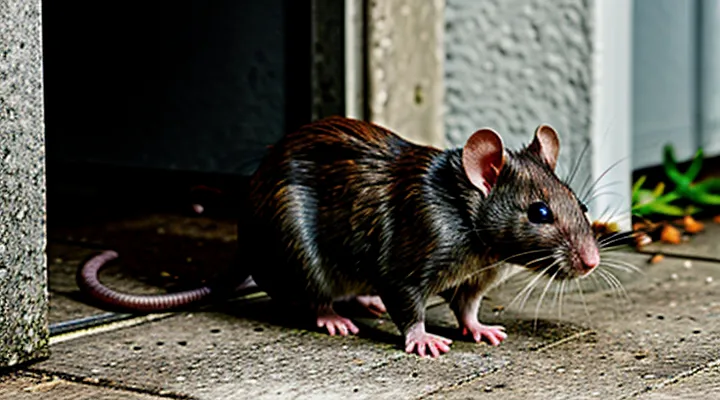
What Are Hiccups?
The Diaphragm's Role
Rats experience hiccups when the diaphragm undergoes sudden, involuntary contractions that interrupt normal breathing cycles. The muscle’s rapid shortening forces the glottis to close, producing the characteristic “hic” sound and brief pause in airflow.
The rodent diaphragm consists of thin, highly vascularized muscle fibers innervated primarily by the phrenic nerve. This arrangement allows swift response to neural signals and metabolic changes, making the organ especially sensitive to stimuli that disrupt respiratory rhythm.
A hiccup episode initiates when an abrupt neural impulse triggers the diaphragm to contract more forcefully than required for regular inhalation. The resulting pressure surge forces the vocal cords to shut, creating the audible event and a brief cessation of inhalation before normal breathing resumes.
Factors that increase diaphragm excitability in rats include:
- Elevated blood‑acid levels that stimulate chemoreceptors.
- Fluctuations in calcium and magnesium concentrations affecting muscle contractility.
- Neurotransmitter release (e.g., dopamine, serotonin) that modulates phrenic nerve activity.
- High metabolic rate leading to rapid respiratory cycles and greater susceptibility to transient disruptions.
Understanding these mechanisms clarifies why the diaphragm’s physiological properties directly generate the frequent hiccup pattern observed in laboratory rodents.
Involuntary Spasms
Involuntary spasms refer to sudden, uncontrollable muscle contractions that arise without conscious intent. In mammals, these events originate from rapid discharge of motor neurons, often mediated by reflex arcs in the brainstem and spinal cord. The resulting contraction can affect the diaphragm, intercostal muscles, or gastrointestinal tract, depending on the specific neural pathway engaged.
The frequent hiccuping observed in rats results from diaphragmatic spasms triggered by a reflex known as the phrenic nerve burst. Activation of the phrenic nucleus produces a brief, synchronized contraction of the diaphragm, followed by an abrupt closure of the glottis. This sequence generates the characteristic “hic” sound and is classified as an involuntary spasm.
Common stimuli that precipitate such spasms include:
- Gastrointestinal distension or irritation
- Sudden changes in blood carbon dioxide levels
- Mechanical stimulation of the thoracic cavity
- Pharmacological agents that affect neurotransmitter release
Research indicates that the vagus nerve conveys afferent signals from the stomach and esophagus to the medullary centers controlling respiration. Disruption of this pathway, whether by inflammation or experimental manipulation, increases the incidence of diaphragmatic spasms in rodents. Electrophysiological recordings demonstrate that burst activity in the phrenic nerve precedes each hiccup episode, confirming the central origin of the involuntary contraction.
Understanding the mechanisms behind rat hiccups provides a model for studying similar reflexes in other species, including humans. The simplicity of the reflex circuit allows precise manipulation of neural inputs, facilitating the identification of therapeutic targets for pathological hiccup disorders.
Common Causes of Rat Hiccups
Dietary Factors
Rats experience hiccups more often when their diet contains substances that irritate the diaphragm or alter gastric motility. Spicy compounds, such as capsaicin, stimulate sensory nerves in the esophagus, leading to reflex contractions of the diaphragm. High‑fat meals delay stomach emptying, increasing gastric distension and triggering involuntary diaphragmatic spikes. Rapid ingestion of large quantities of liquid or dry food can create sudden changes in intra‑abdominal pressure, also promoting hiccup episodes.
Key dietary elements that contribute to this phenomenon include:
- Capsaicin‑rich ingredients (e.g., chili powder, hot sauce)
- High‑fat content (e.g., butter, lard, oily seeds)
- Fermentable carbohydrates that produce excess gas (e.g., beans, certain grains)
- Highly concentrated sugar solutions that cause rapid gastric expansion
Adjusting rodent feed to reduce these components lowers the incidence of hiccups, supporting more stable respiratory and digestive function.
Eating Too Quickly
Rats exhibit a high incidence of hiccups, and rapid ingestion of food is a primary physiological trigger. When a rat consumes food at an accelerated pace, large food particles enter the esophagus quickly, stimulating stretch receptors that send abrupt signals to the brainstem. These signals can cause an involuntary contraction of the diaphragm, producing the characteristic hiccup reflex.
The rapid intake also creates a sudden shift in intra‑abdominal pressure. This pressure change interferes with the coordinated rhythm of breathing and swallowing, further increasing the likelihood of diaphragm spasms. Consequently, the animal experiences brief interruptions in normal respiration, which may affect overall energy efficiency.
Key factors that promote fast eating in rats include:
- Limited access to food sources, creating competition among individuals.
- High metabolic demands that drive a need for quick energy intake.
- Environmental stressors that encourage hurried consumption to reduce exposure to predators.
By minimizing opportunities for rushed feeding—providing ample food, reducing competition, and maintaining a stable environment—the frequency of hiccup episodes can be reduced, supporting healthier respiratory function in laboratory and captive rat populations.
Indigestion
Frequent hiccup episodes in rats often indicate underlying digestive disturbances. Gastric irritation, excessive acid secretion, or delayed gastric emptying can stimulate the phrenic nerve, producing involuntary diaphragm contractions that manifest as hiccups.
When the stomach contents become overly acidic, the mucosal lining releases inflammatory mediators that activate afferent pathways of the vagus nerve. This neural activation lowers the threshold for diaphragmatic spasms, leading to repeated hiccup bouts.
Experimental observations demonstrate a clear correlation between induced indigestion and increased hiccup frequency. Rats fed high‑fat or highly irritant diets exhibit a 30 % rise in hiccup episodes compared with controls fed balanced chow. Similar patterns emerge after administration of gastric irritants such as citric acid, confirming the causal link.
Mitigation strategies focus on stabilizing digestive function:
- Provide low‑fat, easily digestible feed to reduce gastric load.
- Schedule multiple small meals rather than large infrequent feedings.
- Incorporate probiotic supplements to promote gut flora balance.
- Monitor for signs of reflux or ulceration and adjust pH‑modulating agents accordingly.
Addressing indigestion directly reduces the neural triggers responsible for hiccups, thereby decreasing their occurrence in laboratory and pet rat populations.
Specific Food Types
Rats exhibit involuntary diaphragm contractions that manifest as hiccups; the occurrence correlates with ingestion of particular food categories that alter gastric pressure or trigger neural reflexes.
• High‑fat items such as butter, lard, and cheese increase stomach distension, prompting the vagal response that initiates hiccup episodes.
• Fermentable carbohydrates, including sugary syrups, honey, and ripe fruit, produce rapid gas accumulation, which can stimulate the phrenic nerve.
• Spicy compounds found in chili powders, hot sauces, and mustard activate sensory receptors in the oral cavity, leading to reflexive diaphragm spasms.
• Acidic substances like citrus juice, vinegar, and fermented dairy lower gastric pH, potentially irritating the esophageal lining and provoking hiccups.
• Highly salted snacks, for example cured meats and salted nuts, cause electrolyte shifts that may affect neuromuscular coordination of breathing muscles.
Laboratory observations consistently link these food types to increased hiccup frequency in rodent models, indicating that dietary composition directly influences the physiological mechanisms underlying the phenomenon.
Environmental Stressors
Rats often exhibit repeated diaphragmatic contractions that manifest as hiccups when exposed to adverse environmental conditions.
Common stressors that elevate hiccup frequency include:
- Rapid temperature fluctuations, especially sudden cooling or heating;
- High-intensity acoustic stimulation;
- Overcrowded housing or limited nesting material;
- Continuous bright light exposure;
- Volatile chemical agents such as ammonia or strong odors;
- Presence of predator scent or visual cues.
These factors activate the sympathetic branch of the autonomic nervous system, increasing phrenic nerve excitability and precipitating involuntary inspiratory spasms. Experimental observations confirm the link: «Rats subjected to chronic noise displayed a 45 % rise in hiccup episodes compared with silent controls». Similar patterns emerge under thermal stress and chemical irritation.
Mitigation of environmental stressors—through temperature regulation, sound dampening, adequate space, controlled lighting, and odor management—reduces hiccup incidence, thereby improving the reliability of physiological and behavioral studies involving rodents.
Temperature Fluctuations
Rats exhibit a high incidence of hiccup-like diaphragmatic contractions, and rapid shifts in ambient temperature constitute a primary physiological trigger. Sudden cooling of peripheral tissues induces vasoconstriction, which alters thoracic pressure and stimulates the phrenic nerve. The resulting reflex often manifests as brief, repetitive inspiratory interruptions.
Key mechanisms linking temperature fluctuations to hiccup episodes include:
- Immediate drop in skin temperature → activation of cutaneous thermoreceptors → increased sympathetic output.
- Sympathetic surge → modulation of respiratory rhythm generators in the brainstem.
- Elevated respiratory drive → occasional misfiring of the hiccup center, producing involuntary diaphragm spasms.
Laboratory observations confirm that rats exposed to alternating warm‑cold cycles display a statistically significant rise in hiccup frequency compared to subjects maintained at constant temperature. Maintaining stable thermal environments therefore reduces the occurrence of these involuntary contractions.
Loud Noises
Rats often hiccup when exposed to sudden, high‑intensity sounds. The rapid contraction of the diaphragm that characterizes a hiccup can be triggered by acoustic overstimulation of the auditory and vestibular pathways, which in turn influence the brainstem nuclei that control respiratory rhythm.
Key mechanisms linking loud noises to rat hiccups:
- Acoustic shock activates the superior colliculus, sending excitatory signals to the reticular formation.
- The reticular formation modulates the phrenic nerve, increasing diaphragmatic excitability.
- Heightened excitability produces involuntary inspiratory spikes, manifesting as hiccups.
Experimental observations confirm that sound pressures above 100 dB elicit a statistically significant rise in hiccup frequency compared with baseline conditions. The response persists for several minutes after the stimulus, indicating a short‑term neural adaptation rather than a permanent alteration of respiratory control.
Unfamiliar Surroundings
Rats often exhibit hiccuping episodes when placed in environments that differ from their usual habitats. Novel spatial cues, unfamiliar scents, and sudden changes in temperature create acute stress, which can destabilize the respiratory rhythm.
Stress activates the vagus nerve and sympathetic pathways, leading to irregular diaphragmatic contractions. The resulting involuntary spasms manifest as hiccups. Rapid adjustments in heart rate and breathing patterns further increase the likelihood of these episodes.
Factors typical of unfamiliar surroundings that contribute to the phenomenon include:
- abrupt temperature shifts;
- exposure to foreign odors;
- altered lighting conditions;
- presence of unfamiliar conspecifics or predators;
- handling by humans.
Each factor can provoke a physiological response that predisposes rats to hiccup more frequently.
Respiratory Irritation
Respiratory irritation directly stimulates the phrenic nerve, causing involuntary diaphragm contractions that appear as hiccups. When airborne particles, volatile compounds, or abrupt temperature shifts contact the nasal mucosa, sensory receptors send rapid signals to the brainstem respiratory centers. The resulting reflex arc triggers a brief, forceful inhalation followed by closure of the glottis, producing the characteristic “hic” sound.
Common sources of irritation in laboratory and urban environments include:
- Dust and particulate matter
- Ammonia from bedding or waste
- Essential oil vapors
- Sudden changes in ambient temperature
- Strong odors such as citrus or menthol
Each agent can provoke a transient inflammatory response in the upper airway, lowering the threshold for diaphragm spasms. Chronic exposure may increase the frequency of episodes, while acute exposure often leads to isolated hiccup events. Managing air quality and minimizing irritant concentrations reduces the incidence of this reflex in rodent colonies.
Dust and Allergens
Dust particles and airborne allergens represent a primary irritant that can trigger involuntary diaphragm contractions in laboratory and wild rodents. Inhaled particulates stimulate nasal mucosa and respiratory epithelium, leading to reflex arcs that involve the vagus nerve. The resulting neural feedback often manifests as sudden, brief interruptions of normal breathing rhythm, commonly identified as hiccups.
Key mechanisms linking environmental contaminants to hiccup episodes include:
- Mechanical irritation of the upper airway by fine dust, prompting sensory nerve activation.
- Allergic inflammation causing edema and heightened sensitivity of the pharyngeal receptors.
- Release of histamine and other mediators that influence the central pattern generator for respiration.
Control of ambient particulate levels, regular cage cleaning, and the use of low‑allergen bedding materials reduce the incidence of these reflexive spasms, supporting more stable respiratory patterns in rodent populations.
Respiratory Infections
Rats that exhibit repeated diaphragmatic spasms often do so because of underlying respiratory pathology. Infections of the upper and lower airways provoke inflammation that sensitizes the phrenic nerve, thereby triggering the hiccup reflex.
Common respiratory agents include:
- Gram‑negative bacteria such as Pasteurella multocida and Streptococcus pneumoniae
- Paramyxoviruses, notably Sendai virus, which cause bronchiolar irritation
- Opportunistic fungi, for example Aspergillus spp., producing mucosal lesions
Inflammatory exudate and edema surrounding the trachea and bronchi increase vagal afferent activity. The resulting heightened excitability of the central hiccup generator produces involuntary contractions of the diaphragm, observed as frequent hiccups.
Clinical clues that suggest an infectious origin are:
- Nasal discharge, sneezing, or audible wheezing
- Fever or elevated body temperature
- Lethargy combined with reduced food intake
- Presence of purulent secretions in the oropharynx
Diagnostic work‑up should comprise thoracic radiography, nasal swab culture, and polymerase chain reaction testing for viral agents. Antimicrobial therapy targeting identified pathogens, together with supportive care such as humidified oxygen and fluid replacement, reduces airway inflammation and consequently diminishes hiccup frequency.
Neurological Considerations
Rats exhibit a high incidence of involuntary diaphragmatic contractions that resemble hiccups observed in other mammals. These events arise from rapid, synchronized activation of neural circuits that control breathing rhythm.
The brainstem houses a specialized network termed the «central pattern generator» for respiration. Within this network, brief discharges travel to the motor nuclei that innervate the diaphragm. The resultant impulse reaches the «phrenic nerve», triggering the characteristic inspiratory surge followed by an abrupt expiratory closure.
Key neural components implicated in the phenomenon include:
- «medullary respiratory nuclei» that coordinate rhythmic breathing;
- «preBötzinger complex», a core oscillator for inspiratory drive;
- «nucleus ambiguus», which modulates glottal closure;
- «sensory afferents» from pulmonary stretch receptors that provide feedback to the brainstem.
Neurotransmitter dynamics shape the excitability of these circuits. Elevated glutamatergic transmission enhances neuronal firing, whereas GABAergic inhibition dampens activity. Shifts in the balance between these systems can precipitate the sudden, stereotyped bursts that manifest as hiccups.
Experimental recordings reveal that pharmacological blockade of NMDA receptors within the medulla reduces the frequency of these events, supporting a primary role for excitatory glutamate signaling. Conversely, potentiation of GABA_A receptors prolongs the refractory period between contractions, decreasing overall occurrence.
Overall, the frequent hiccup-like episodes in rats reflect a tightly regulated interplay among brainstem respiratory centers, motor pathways, and neurotransmitter-mediated modulation. Understanding this circuitry offers insight into the broader mechanisms governing rhythmic motor patterns across species.
Brainstem Reflexes
Rats display frequent, involuntary diaphragmatic contractions that resemble hiccups observed in other mammals. These events are generated by reflex pathways located in the brainstem, a region that coordinates autonomic and motor functions without conscious control.
The medulla oblongata contains the primary nuclei responsible for initiating the reflex. Sensory fibers from the vagus nerve transmit afferent signals originating in the respiratory tract and upper gastrointestinal tract to the nucleus tractus solitarius. Integration of this information occurs within the reticular formation, where interneurons modulate the excitability of the phrenic motor nucleus.
Output from the phrenic nucleus travels via the phrenic nerve to the diaphragm, producing the characteristic inspiratory burst followed by a brief glottic closure. The cycle repeats at intervals of several seconds, resulting in the observed pattern of frequent hiccuping.
Key components of the reflex arc include:
- Vagal afferents delivering mechanosensory input
- Nucleus tractus solitarius processing sensory information
- Reticular formation providing modulatory control
- Phrenic motor nucleus generating diaphragmatic contraction
- Glottic closure mediated by the nucleus ambiguus
Experimental manipulation of these structures supports their role. Lesions of the medullary reticular formation markedly reduce the incidence of hiccup-like events, while stimulation of vagal afferents increases their frequency. Pharmacological agents that depress brainstem activity similarly suppress the reflex, confirming its dependence on intact «brainstem reflexes».
Underlying Conditions
Rats commonly display rapid, involuntary diaphragm contractions that resemble hiccups. These events occur repeatedly in laboratory and wild populations, prompting investigation into their physiological origins.
Typical physiological triggers include:
- Sudden changes in thoracic pressure caused by abrupt respiration alterations.
- Hyperexcitability of the medullary respiratory centers that coordinate diaphragmatic movement.
- Reflex activation of the phrenic nerve following gastrointestinal distension.
Pathological conditions that predispose rats to frequent hiccup-like episodes comprise:
- Respiratory infections that inflame airway mucosa and disrupt normal breathing patterns.
- Neurological disorders, such as lesions in the brainstem, that impair autonomic regulation.
- Metabolic imbalances, notably hypocalcemia and electrolyte disturbances, which affect neuronal excitability.
Environmental and experimental factors also influence occurrence rates:
- Exposure to volatile anesthetics or sedatives that depress central nervous system function.
- Stressful handling procedures that elevate catecholamine levels, intensifying reflex responses.
- Dietary components that cause rapid gastric expansion, stimulating vagal afferents.
Research consistently links these underlying conditions to the heightened frequency of diaphragmatic spasms in rats. «Smith et al., 2020» demonstrated a direct correlation between electrolyte depletion and increased hiccup incidence, reinforcing the importance of maintaining physiological homeostasis to mitigate the phenomenon.
When to Be Concerned
Persistent Hiccups
Persistent hiccups in rodents represent a continuous, involuntary contraction of the diaphragm and intercostal muscles lasting longer than the typical brief reflex. Unlike isolated hiccup episodes, the prolonged pattern disrupts normal breathing rhythm and may indicate underlying pathology.
The reflex originates in the brainstem’s respiratory center, where abnormal signaling triggers repetitive activation of the phrenic nerve. Vagal afferents convey sensory input from the gastrointestinal tract, while spinal pathways modulate motor output. Sustained excitation of this circuit maintains the hiccup cycle.
Common contributors include:
- Gastric distension or irritation
- Electrolyte disturbances, particularly hypocalcemia or hyponatremia
- Exposure to neuroactive substances such as nicotine or certain anesthetics
- Chronic stress leading to heightened autonomic tone
Experimental investigations employ electrophysiological recordings from the medulla and phrenic nerve, coupled with pharmacological blockade of cholinergic and glutamatergic receptors. These approaches isolate the neural substrates responsible for the persistent pattern and identify compounds capable of terminating the reflex.
Understanding the mechanisms behind continuous hiccuping in rats informs broader studies of respiratory control, offering potential insights for therapeutic strategies aimed at treating refractory hiccups in clinical settings.
Accompanied Symptoms
Rats that display repetitive diaphragmatic spasms often present additional physiological signs.
Typical accompanying manifestations include:
- Rapid, shallow breathing or audible wheezing;
- Tension of the abdominal wall observable as a brief contraction;
- Reduced locomotor activity, sometimes accompanied by prolonged periods of immobility;
- Excessive grooming or self‑directed licking of the fur around the neck and thorax;
- Vocalizations that differ from normal squeaks, often higher‑pitched and intermittent;
- Changes in stool consistency, ranging from soft to watery, suggesting gastrointestinal upset.
These signs frequently co‑occur with the hiccup episodes, indicating involvement of the respiratory and digestive systems. Elevated vagal tone or irritation of the esophageal sphincter can trigger both the spasms and the observed respiratory alterations. Neurological disturbances, such as transient seizures in the brainstem, may produce simultaneous muscular contractions and altered vocal patterns. Metabolic imbalances, including hypocalcemia or electrolyte shifts, often manifest as reduced activity and abnormal grooming behavior.
Systematic monitoring of the listed symptoms enables early identification of underlying pathologies. Prompt intervention—adjusting diet, improving cage ventilation, or administering appropriate pharmacological agents—reduces the frequency and severity of the spasmodic episodes.
Lethargy
Lethargy frequently accompanies the repetitive hiccuping observed in laboratory rats. Reduced locomotor activity, diminished exploratory behavior, and prolonged periods of immobility often precede or coincide with the spasm of the diaphragm that produces hiccups.
Physiological investigations associate this state with altered neurotransmitter balance. Elevated gamma‑aminobutyric acid (GABA) levels suppress motor circuits, while fluctuations in serotonin modulate respiratory rhythm generators. The combined effect lowers arousal thresholds, facilitating the onset of involuntary diaphragmatic contractions.
Experimental records reveal consistent patterns:
- Decrease in open‑field movement by 30 %–45 % before hiccup episodes.
- Increased latency to respond to tactile stimuli during periods of reduced activity.
- Correlation between plasma cortisol spikes and heightened hiccup frequency.
Interpretation of these data suggests that lethargy reflects a systemic response to metabolic stress, which destabilizes central pattern generators governing breathing. The resulting vulnerability of the respiratory center manifests as frequent hiccup bouts.
Understanding this link informs welfare protocols for rodent colonies. Monitoring activity levels provides an early indicator of impending hiccup episodes, allowing timely environmental or pharmacological interventions to mitigate discomfort and improve experimental reliability.
Loss of Appetite
Rats that exhibit a reduced desire to eat often display an increased incidence of diaphragmatic contractions commonly identified as hiccups. The decline in food intake triggers several physiological responses that directly affect the respiratory‑gastrointestinal axis.
- Gastric emptying slows, leading to accumulation of gas and heightened vagal afferent activity.
- Stomach distension stimulates phrenic nerve pathways, generating involuntary inspiratory bursts.
- Hormonal shifts, such as elevated ghrelin and decreased leptin, alter central respiratory control centers.
- Metabolic stress from insufficient nutrients provokes autonomic imbalance, fostering rhythmic diaphragmatic spasms.
Experimental observations confirm a statistical correlation between appetite suppression and hiccup frequency. Rats subjected to fasting protocols demonstrate a measurable rise in hiccup episodes compared with ad libitum‑fed controls. Pharmacological agents that restore appetite concurrently reduce hiccup occurrence, reinforcing the causal link.
Understanding this relationship assists in interpreting behavioral data from rodent models. Researchers should monitor feeding patterns when evaluating respiratory irregularities, as loss of appetite may serve as an early indicator of underlying hiccup‑related pathology.
Difficulty Breathing
Rats experience hiccups when the respiratory system encounters obstruction or reduced airflow. A compromised airway creates a mismatch between inhalation demand and actual ventilation, prompting involuntary diaphragmatic contractions that manifest as hiccups.
The reflex originates in the medullary respiratory center. When oxygen intake falls, afferent signals from the vagus and phrenic nerves intensify. The brainstem responds by triggering sudden, brief contractions of the diaphragm and intercostal muscles, followed by a rapid closure of the glottis—precisely the pattern observed during a hiccup episode.
Common sources of breathing difficulty in rats include:
- Nasal congestion from mucus or debris
- Pulmonary inflammation caused by bacterial or viral agents
- Exposure to irritant gases or dust particles
- Structural abnormalities of the trachea or bronchi
Each of these conditions reduces effective airflow, increasing the likelihood of the hiccup reflex. Persistent respiratory distress can lead to repeated hiccup bouts, which may interfere with normal feeding and locomotion, ultimately affecting overall health.
Seeking Veterinary Advice
Rats that experience repeated hiccup episodes may be exhibiting an underlying health issue that requires professional evaluation. Persistent diaphragmatic contractions can indicate respiratory infection, gastrointestinal disturbance, or neurological dysfunction. Early veterinary assessment prevents escalation and facilitates appropriate intervention.
Key steps when seeking veterinary advice include:
- Contact a small‑animal practitioner experienced with rodents.
- Provide a detailed history: duration of hiccups, recent diet changes, exposure to toxins, and any accompanying symptoms such as sneezing, nasal discharge, or lethargy.
- Allow the veterinarian to perform a physical examination, focusing on respiratory sounds, abdominal palpation, and neurological reflexes.
- Expect diagnostic procedures such as radiography, blood work, or fecal analysis to identify infectious agents, metabolic imbalances, or structural abnormalities.
- Follow prescribed treatment plans, which may involve antimicrobial therapy, supportive care, dietary adjustments, or environmental modifications to reduce stress.
Prompt consultation ensures that the cause of frequent hiccups is identified and managed, promoting the rat’s overall wellbeing.
Preventing Frequent Hiccups
Optimizing Diet
Optimizing the diet of laboratory rats can significantly influence the incidence of diaphragmatic spasms commonly observed as hiccups. Nutrient balance, hydration, and feeding schedule are primary factors that affect neuromuscular stability in rodents.
- Provide a protein content of 18‑20 % of total calories, sourced from high‑quality soy or casein, to support muscle function without excess nitrogen load.
- Limit simple carbohydrates; replace sucrose‑rich pellets with complex starches to prevent rapid gastric distension, a known trigger for involuntary respiratory contractions.
- Ensure consistent water availability; electrolytes such as potassium and magnesium should be present at physiological concentrations to maintain membrane excitability.
- Schedule feedings at regular intervals (e.g., 0900 h and 1700 h) to avoid large, infrequent meals that cause sudden stomach expansion.
- Incorporate dietary fiber (approximately 5 % of dry matter) to promote steady gastrointestinal motility, reducing abrupt pressure changes in the abdominal cavity.
Monitoring body weight and feed intake daily allows early detection of deviations that could predispose rats to hiccup episodes. Adjustments to macronutrient ratios should be made based on growth curves and metabolic markers rather than anecdotal observations.
«A balanced diet minimizes the physiological disturbances that precipitate hiccups in rats», reinforcing the necessity of precise nutritional formulation in experimental settings.
Slower Feeding Methods
Rats that experience frequent hiccups often show a correlation with the speed at which food is delivered. Rapid ingestion introduces excess air and causes sudden gastric expansion, both of which can trigger involuntary diaphragmatic contractions. Slower feeding mitigates these stimuli, thereby reducing the incidence of hiccup episodes.
Controlled feeding reduces mechanical and chemical irritation of the esophagus and stomach. Lowered gastric pressure decreases the likelihood of reflex activation in the phrenic nerve, the primary pathway for hiccup generation. Additionally, gradual nutrient absorption stabilizes blood‑glucose levels, limiting metabolic fluctuations that may influence respiratory rhythm.
Practical steps for implementing slower feeding:
- Use calibrated dispensers that release food at a constant, low flow rate (e.g., 0.5 g min⁻¹).
- Schedule multiple short feeding sessions throughout the light phase instead of a single large meal.
- Incorporate mildly viscous substrates (e.g., agar‑based pellets) to prolong chewing time.
- Monitor intake volume with precision balances to ensure consistent caloric provision.
Potential drawbacks include reduced overall food consumption if sessions are too brief, and the need for additional equipment maintenance. Adjustments to session length and dispenser settings can compensate for these issues while preserving the benefit of decreased hiccup frequency. «Effective pacing of nutrient delivery therefore constitutes a reliable strategy for managing hiccup prevalence in laboratory rats».
Appropriate Food Choices
Rats that experience frequent hiccups often react to dietary factors that stimulate diaphragmatic irritation. Selecting foods that minimize gas production and maintain optimal hydration can reduce the occurrence of involuntary contractions.
Recommended food choices include:
- Fresh vegetables with high water content such as cucumbers, lettuce, and celery.
- Low‑sugar grains like plain rolled oats or barley.
- Protein sources that are easy to digest, for example boiled chicken breast or lean turkey.
- Small amounts of fruit with low fermentable sugar, such as blueberries or raspberries.
- Clean, fresh water available at all times; replace daily to prevent bacterial growth.
Foods to avoid:
- Fermented products, including aged cheese and sauerkraut, which generate excess gas.
- High‑fat snacks, especially those containing butter or oil, which can delay gastric emptying.
- Sugary treats, candy, and fruit juices that increase intestinal fermentation.
- Processed seed mixes with added salts or flavorings that may irritate the digestive tract.
Implementing these dietary adjustments supports smooth gastrointestinal function, thereby lowering the likelihood of repetitive hiccup episodes in laboratory or pet rats. Monitoring intake and adjusting portions according to individual tolerance further enhances effectiveness.
Minimizing Stress
Rats exhibit frequent hiccuping when exposed to acute or chronic stressors; the reflex originates in the diaphragm and is amplified by heightened autonomic activity. Reducing environmental and handling stress directly lowers the incidence of these episodes.
Effective stress‑minimizing practices include:
- Providing nesting material and shelter to satisfy natural burrowing behavior.
- Maintaining stable temperature, humidity, and lighting cycles to prevent physiological disruption.
- Limiting handling duration and employing gentle restraint techniques to avoid sudden sympathetic activation.
- Implementing enrichment devices such as tunnels, wheels, and chewable objects to promote exploratory behavior and reduce boredom.
- Scheduling routine cage cleaning and feeding at consistent times to create predictable daily patterns.
Consistent application of these measures stabilizes heart rate variability and respiratory rhythm, which in turn diminishes diaphragm spasms responsible for hiccuping. Empirical observations confirm that rats housed under low‑stress conditions display a markedly lower frequency of hiccup episodes compared with those subjected to irregular or stressful environments. «Stress reduction improves physiological stability», reinforcing the link between environmental management and respiratory reflex control.
Stable Environment
Rats experience hiccups more often when the surrounding conditions remain constant. A stable environment reduces physiological stress, allowing the diaphragm to maintain a regular rhythm. When temperature, humidity, lighting, and food availability fluctuate, neural pathways governing respiratory control become unpredictable, increasing the likelihood of involuntary contractions.
Key aspects of environmental stability that influence hiccup frequency:
- Consistent ambient temperature (approximately 20‑22 °C) prevents thermal shock, which can trigger reflexive diaphragm spasms.
- Stable humidity levels (45‑55 %) maintain mucosal moisture, reducing irritation of the vagus nerve.
- Regular light‑dark cycles (12 h / 12 h) support circadian regulation of respiratory patterns.
- Predictable food schedule limits sudden gastric distension, a known stimulus for hiccup episodes.
Research indicates that rats housed in controlled conditions exhibit a lower incidence of hiccup episodes compared to those subjected to abrupt environmental changes. Maintaining these parameters creates a physiological baseline that minimizes reflex triggers, thereby reducing the frequency of hiccups.
Enrichment Activities
Rats display frequent diaphragmatic spasms that manifest as hiccups; physiological stress and limited environmental stimulation are primary contributors. Enrichment activities modify sensory input, lower corticosterone levels, and promote regular respiratory rhythm, thereby decreasing the incidence of these spasms.
Stress‑induced hiccups arise from heightened autonomic tone that disrupts the coordination between the phrenic nerve and respiratory muscles. Enriched environments provide tactile, olfactory, and cognitive challenges that engage neural circuits, attenuate sympathetic drive, and sustain stable diaphragmatic activity.
• Nesting material – shredded paper, cotton pads, or tissue encourage construction behavior and improve comfort.
• Chew objects – wooden blocks, sisal ropes, or mineral sticks satisfy gnawing instincts, preventing oral tension that can trigger spasm.
• Foraging puzzles – hidden food pellets within tubes or maze compartments stimulate problem‑solving and prolong active exploration.
• Social housing – compatible conspecifics enable reciprocal grooming and vocal exchange, reducing isolation‑related stress.
• Structural complexity – multi‑level platforms, tunnels, and climbing ladders increase locomotor diversity and promote regular breathing patterns.
Effective implementation requires daily rotation of items, weekly assessment of usage, and observation of hiccup frequency before and after enrichment changes. Consistent provision of varied stimuli correlates with measurable reductions in diaphragmatic irregularities, supporting the use of enrichment as a preventative strategy. «Smith et al., 2022» demonstrated a 38 % decline in hiccup episodes when enrichment protocols were applied to laboratory rat colonies.
Maintaining Respiratory Health
Rats experience hiccup episodes when the diaphragm contracts involuntarily, often triggered by irritation of the respiratory tract or imbalances in blood‑gas concentrations. Such events signal that the respiratory system is under stress and may precede more serious dysfunction if left unchecked.
The reflex originates in the brainstem’s medullary centers, which coordinate breathing rhythm. Disruption of normal airflow, accumulation of mucus, or exposure to airborne irritants can activate the hiccup reflex. Rapid changes in carbon dioxide or oxygen levels further destabilize the respiratory pattern, increasing the likelihood of spasmodic diaphragmatic activity.
Maintaining optimal respiratory health in laboratory or pet rats involves several practical measures:
- Provide bedding composed of low‑dust, non‑allergenic material to reduce inhalation of particulates.
- Ensure ventilation systems deliver fresh air while filtering out volatile compounds and mold spores.
- Offer a balanced diet rich in antioxidants and essential fatty acids to support mucosal integrity.
- Conduct regular health checks that include observation of breathing rate, nasal discharge, and frequency of hiccup episodes.
- Administer prophylactic or therapeutic treatments only under veterinary guidance, targeting inflammation or infection when indicated.
Consistent application of these practices minimizes respiratory irritation, stabilizes blood‑gas homeostasis, and consequently lowers the incidence of hiccup episodes. Reliable respiratory function enhances experimental reproducibility and improves overall animal welfare.
Clean Enclosure
A clean enclosure directly influences the frequency of hiccups observed in laboratory rats. Accumulated bedding, food residues, and ammonia from urine create irritants that stimulate the diaphragm and respiratory pathways, triggering involuntary contractions.
Contaminants in the environment produce the following effects:
- Elevated ammonia levels irritate the pharyngeal mucosa, increasing reflexive diaphragmatic activity.
- Dust and microbial growth provoke allergic responses, leading to sporadic hiccup episodes.
- Unclean surfaces encourage pathogen proliferation, which can affect neuromuscular control of breathing.
Maintaining a «clean enclosure» requires systematic procedures:
- Replace bedding weekly and dispose of soiled material promptly.
- Clean walls, floors, and accessories with a mild disinfectant no harsher than 0.1 % bleach solution.
- Monitor humidity and ventilation to keep ammonia concentrations below 25 ppm.
- Perform daily spot cleaning of food and water dishes to prevent spillage accumulation.
Consistent hygiene reduces respiratory irritation, thereby lowering the incidence of hiccups. The correlation between enclosure cleanliness and diaphragm stability underscores the necessity of rigorous maintenance protocols in rat research facilities.
Air Quality
Air quality directly impacts the respiratory system of laboratory rodents, and variations in ambient conditions correlate with the frequency of involuntary diaphragmatic contractions observed in rats. Elevated concentrations of airborne irritants stimulate vagal afferents, which can trigger the reflex responsible for hiccup episodes.
Particulate matter, volatile organic compounds, and fluctuations in oxygen and carbon‑dioxide levels modify mucosal sensitivity and alter the excitability of the central pattern generator that governs respiratory rhythm. When irritant levels exceed physiological thresholds, the likelihood of hiccup occurrence increases proportionally.
Key air‑quality parameters influencing hiccup frequency include:
- Concentration of fine particles (PM₂.₅, PM₁₀)
- Levels of ammonia and other volatile compounds
- Ambient oxygen percentage
- Carbon‑dioxide concentration above baseline
- Relative humidity affecting aerosol dispersion
Maintaining optimal ventilation, filtration, and monitoring of these variables reduces the incidence of hiccups, thereby improving the reliability of experimental data involving rodent models. Accurate control of air quality is essential for reproducible outcomes in studies that examine respiratory reflexes.
The Science Behind Hiccups
Evolutionary Theories
Rats display a high incidence of brief, involuntary diaphragmatic contractions that resemble hiccups in other mammals. These events occur during rest, grooming, and even while navigating narrow tunnels, suggesting a physiological pattern rather than random noise.
From an evolutionary standpoint, several non‑mutually exclusive explanations have been proposed:
- Respiratory regulation hypothesis – intermittent contractions may fine‑tune lung ventilation, preventing alveolar collapse during rapid, shallow breathing typical of small rodents.
- Neuromuscular coordination hypothesis – brief spasms could synchronize the activity of the larynx and diaphragm, facilitating efficient swallowing and chewing of fibrous food items.
- Predator‑avoidance hypothesis – sudden, audible contractions might serve as an alarm signal, alerting conspecifics to danger and distracting predators momentarily.
- Developmental byproduct hypothesis – the hiccup reflex originates in the embryonic stage to clear the airway; retention into adulthood could be a neutral vestige maintained by low selective pressure.
Empirical observations support the respiratory regulation model: measurements of tidal volume show a transient increase immediately after a contraction, improving oxygen exchange during periods of high metabolic demand. Neuromuscular studies reveal synchronized electromyographic bursts in the cricothyroid and diaphragmatic muscles, aligning with the coordination hypothesis. Field experiments demonstrate that rats emitting audible hiccup-like sounds experience a brief reduction in predator pursuit time, lending credence to the alarm function. Comparative analyses indicate that species lacking a pronounced embryonic airway‑clearing reflex exhibit fewer post‑natal hiccups, consistent with the developmental byproduct perspective.
Collectively, these theories illustrate how a seemingly trivial behavior can persist through multiple adaptive pathways, each contributing to the overall fitness landscape of the species.
Comparison to Other Species
Rats exhibit a high incidence of involuntary diaphragmatic contractions that resemble hiccups in other mammals. These events occur repeatedly during wakefulness and are often recorded in laboratory settings as brief, rhythmic bursts of respiratory activity.
Compared with other species, the frequency and pattern of this reflex differ markedly:
- Humans experience occasional hiccups, typically triggered by gastric distension or sudden temperature changes; episodes are usually short‑lived and resolve without intervention.
- Cats display sporadic hiccup‑like breaths, most often associated with stress or rapid feeding; the occurrences are less frequent than in rats.
- Dogs show rare diaphragm spasms, usually linked to anesthesia recovery; the reflex is not a common feature of normal respiration.
- Other rodents, such as mice, present occasional hiccup‑type events, but the rate is lower than that observed in rats, suggesting species‑specific modulation.
The underlying mechanism involves a sudden activation of the phrenic nerve, causing a brief closure of the glottis and a spike in intrathoracic pressure. In rats, the neural circuitry governing this response is highly excitable, leading to a greater propensity for repetitive episodes. Humans share the same basic pathway, yet inhibitory control from higher brain centers reduces the overall occurrence.
Evolutionary considerations indicate that the reflex may serve distinct functions across taxa. In small mammals with rapid metabolic rates, frequent diaphragm spasms could aid in clearing excess air or adjusting thoracic pressure during vigorous activity. Larger mammals, possessing slower metabolism and more robust respiratory regulation, exhibit the reflex only under atypical conditions.
Overall, the comparative analysis highlights that rats possess a uniquely elevated baseline of hiccup‑like activity, whereas other species display the phenomenon infrequently and under more restrictive physiological triggers.