
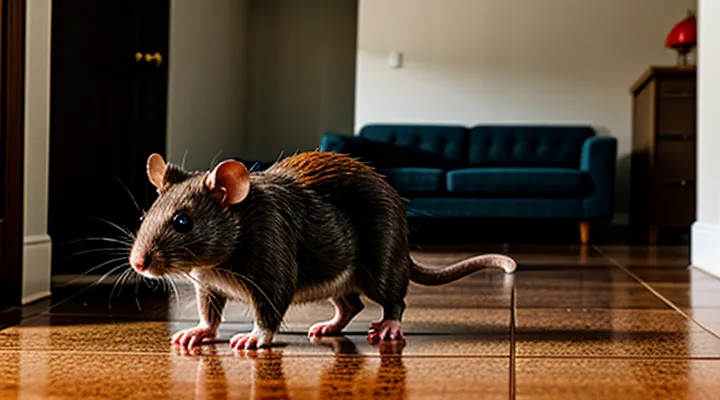
Understanding the Rat Problem
Common Entry Points for Rats
Gaps and Cracks in Foundations
Rats enter homes primarily through openings that connect the interior to the soil or surrounding structures. Gaps and cracks in foundations constitute the most reliable pathways because they are often unnoticed, remain open year‑round, and provide direct access to the crawl space or basement.
Cracks develop from settlement, moisture movement, or aging concrete. Even hairline fissures permit a rat’s whisker‑wide body to pass. Gaps around utility penetrations, pipe sleeves, and floor joist anchors create additional entry points. Once inside, rats exploit the protected environment for nesting, food storage, and shelter from predators.
Identifying vulnerable areas requires systematic inspection:
- Visual examination of foundation walls for fractures, spalling, or displaced bricks.
- Tactile testing of mortar joints and concrete surfaces for softness or crumbling.
- Inspection of perimeter drainage systems; clogged or misaligned gutters often force water against foundation, widening cracks.
- Review of utility entry points; ensure pipe sleeves are sealed and bolts are tight.
- Use of flashlights and mirrors to inspect low‑light zones such as basement corners and crawl‑space walls.
Remediation focuses on eliminating access and deterring re‑entry:
- Seal cracks with hydraulic cement or epoxy‑based filler, applying pressure to fill voids completely.
- Install metal flashing or steel mesh around utility penetrations, securing with corrosion‑resistant fasteners.
- Apply a continuous perimeter sealant, such as polyurethane, to the exterior foundation wall before backfilling.
- Maintain proper grading and drainage to keep soil away from the foundation, reducing pressure that expands existing fissures.
- Conduct regular maintenance checks, especially after heavy rainfall or ground movement, to verify that repairs remain intact.
By addressing foundation gaps and cracks promptly, homeowners remove the most common conduit for rat intrusion, thereby reducing the likelihood of infestation and associated health risks.
Unsealed Pipes and Utility Openings
Rats gain access to residences primarily through gaps in the building envelope. Unsealed pipes and utility openings create continuous pathways from the exterior to interior spaces, allowing rodents to move undetected.
Exposed pipe penetrations often lack protective caps or gaskets. When a pipe enters a wall, floor, or foundation without a seal, it provides a direct tunnel that rats can navigate. The size of most household pipes matches the minimum clearance rats need to squeeze through, making these openings especially attractive.
Utility openings—including vent stacks, electrical conduit entries, and cable sleeves—frequently remain uncovered after installation or maintenance. These apertures are rarely inspected for integrity, leaving them vulnerable to rodent intrusion.
- Seal all pipe penetrations with metal or heavy‑duty silicone collars.
- Install stainless‑steel mesh or wire guards over vent openings.
- Use expanding foam or cement around conduit sleeves to eliminate gaps.
- Fit removable access panels with tight‑fitting latches and weatherstripping.
- Conduct periodic visual inspections of all exterior utility connections.
Failure to address these vulnerabilities results in increased rodent activity, property damage, and health risks. Prompt sealing of pipe and utility gaps reduces the likelihood of rats establishing a foothold within the home.
Damaged Roofs and Gutters
Rats infiltrate residential buildings when structural defects provide easy access and shelter. Compromised roofs and malfunctioning gutters create the conditions that attract these rodents.
- Cracks, missing shingles, or torn flashing expose interior spaces to the outdoors, allowing rats to climb directly into attic cavities.
- Clogged or broken gutters accumulate debris, forming nests and retaining moisture that supports insect populations, which serve as an additional food source for rats.
- Leaking roof sections create damp insulation, offering a warm, protected environment conducive to breeding.
- Gutter overflow can erode the roof’s edge, weakening the barrier and generating gaps large enough for rat passage.
Addressing these vulnerabilities eliminates the primary pathways rats use to enter homes. Prompt repair of roof membranes, replacement of damaged shingles, and regular gutter cleaning restore a sealed envelope, reducing the likelihood of rodent colonization.
Open Doors and Windows
Open doors and windows create direct pathways for rodents seeking shelter, food, or water. When an entry point remains unsecured, rats can move from the exterior into interior spaces with minimal resistance.
- Unlatched doors allow free movement from garden, alley, or adjacent building.
- Windows left open without screens expose interior air to surrounding vegetation where rats forage.
- Gaps around frames or hinges serve as hidden routes, especially in older constructions.
- Seasonal variations increase the likelihood of openings; warm weather prompts rats to explore cooler indoor environments.
Rats detect gaps through scent and sound; a brief opening is sufficient for a small animal to slip inside. Once inside, they can exploit additional vulnerabilities such as cracked walls, utility conduits, or vent openings, expanding their reach throughout the dwelling.
Preventive measures focus on eliminating these access points. Secure all doors with self‑closing mechanisms, fit tight-fitting screens on windows, and inspect frames for wear. Regular maintenance of seals and weatherstripping reduces the risk of inadvertent entry, limiting the opportunity for rodents to establish a presence within a private residence.
Sewer Systems and Drains
Rats exploit sewer networks and household drainage to move from public spaces into residences. Pipes that connect street sewers to building foundations create continuous pathways. Cracks, loose joints, and unsealed access points allow rodents to travel upward, bypassing exterior barriers.
- Vertical stacks: Waste‑water risers extend from basement floors to roof vents, offering a direct route to upper levels.
- Floor drains: Traps that are dry or poorly maintained lose their water barrier, permitting entry.
- Sump pits: Open covers or inadequate grates provide easy access to underground chambers.
- Utility chases: Gaps around electrical or plumbing conduits serve as secondary passages.
Inspection of pipe integrity, regular replenishment of trap water, and secure sealing of all openings reduce the likelihood of rodent intrusion. Maintenance programs that include camera surveys of drain lines and prompt repair of identified defects strengthen the defensive envelope of a dwelling.
Attracting Factors for Rats
Food Sources
Rats infiltrate residential spaces primarily because of accessible nourishment. Food that is left uncovered, stored improperly, or discarded without proper containment creates a reliable supply that supports rapid population growth.
Typical attractants include:
- Open pantry items such as cereals, grains, and pet food.
- Fresh produce left on countertops or in fruit bowls.
- Crumbs and spills on floors, countertops, and under appliances.
- Garbage cans without tight lids or overflowing bags.
- Birdseed, fish flakes, and other animal feed stored in garages or sheds.
Eliminating these sources requires sealing containers, cleaning surfaces immediately after meals, using trash cans with secure lids, and regularly inspecting storage areas for leaks or exposed food. Consistent denial of nourishment reduces the likelihood that rats will establish a foothold inside a dwelling.
Improperly Stored Food
Improperly stored food creates a reliable food source that draws rats into residential spaces. Food left uncovered, placed near walls, or stored in containers that do not seal tightly releases odors and crumbs, which rats detect even at low concentrations. The attraction intensifies when the food is high in protein, sugar, or fat, such as pet kibble, cereal, nuts, and processed snacks.
Common storage mistakes that encourage rat activity include:
- Keeping pantry doors ajar or using damaged shelving that allows access to stored items.
- Using paper or thin plastic bags that tear easily, exposing contents.
- Storing food on the floor or in open bins without lids.
- Failing to clean spills promptly, leaving residue on countertops and cabinets.
Rats exploit these weaknesses by gnawing through flimsy packaging, climbing cabinets, and squeezing through gaps as small as a quarter inch. Once inside, they establish foraging routes that connect food sources with nesting sites, often near water supplies such as leaky pipes or pet water bowls.
Preventing infestation requires eliminating food accessibility. Secure containers with airtight lids, place items on elevated shelving, and inspect packaging for damage before storage. Regularly sweep and vacuum to remove crumbs, and discard expired or unused food promptly. Maintaining these practices reduces the nutritional incentive for rats to enter a private dwelling.
Pet Food Left Out
Leaving pet food out creates an immediate, reliable food source that draws rats into a residence. Unsecured kibble, wet food, or treats emit odors detectable at great distances, prompting nocturnal foragers to investigate.
Rats possess an acute olfactory system capable of locating food particles through walls and floorboards. Even small crumbs or spills generate scent trails that guide rodents from exterior entry points to the interior. Moist pet food releases volatile compounds that intensify the attraction, while dry kibble retains scent for extended periods.
A consistent supply of high‑calorie nutrition supports rapid reproductive cycles. Each successful foraging event can increase the local rat population, leading to repeated incursions and potential nesting near food deposits. The presence of pet food also encourages rats to explore adjacent storage areas, widening the infestation zone.
Preventive actions:
- Store all pet food in sealed, rodent‑proof containers.
- Remove leftovers and clean feeding areas after each meal.
- Feed pets on a schedule and collect uneaten portions promptly.
- Use metal or heavy‑duty plastic bowls that cannot be tipped over.
- Inspect and seal gaps around doors, windows, and utility lines to limit entry.
Implementing these measures eliminates the primary attractant, reducing the likelihood of rat activity within the home.
Bird Seed and Fruit Trees
Rats are attracted to any readily available food, and both bird seed and fruit trees create conditions that encourage their presence inside residential properties.
Bird seed consists of energy‑dense grains such as millet, sunflower, and corn. Feeders placed on balconies, porches, or in garden beds provide rats with unrestricted access, especially when seed spills onto the ground or is stored in open containers. The scent of seed draws rats from surrounding areas, and the constant supply supports breeding populations.
Fruit trees produce ripe fruit that falls to the lawn or accumulates in gutters. Dropped apples, cherries, or berries offer a seasonal bounty that rats exploit. Trees located close to the house allow rodents to climb trunks and reach roof eaves, where they can enter through gaps or damaged screens. The combination of shelter and food accelerates infestation.
Effective measures focus on eliminating the attractants and sealing entry points:
- Store bird seed in airtight, rodent‑proof containers; clean spillages promptly.
- Position feeders away from the building, using squirrel‑proof designs that limit rodent access.
- Regularly harvest fallen fruit; dispose of it in sealed bags.
- Prune low‑hanging branches that touch the house; maintain a clear gap between foliage and the roof.
- Inspect and repair cracks, vents, and gaps in the exterior envelope.
Removing the food sources that bird seed and fruit trees provide reduces the likelihood that rats will seek shelter within a private home.
Garbage and Composts
Improperly managed waste and compost provide food, shelter, and water, creating conditions that draw rats into residential spaces. Food residues in trash bins emit odors detectable by rodents, while organic matter in compost piles offers a steady nutrient source. Moisture from leaky containers or damp compost enhances survival prospects, encouraging rats to establish foraging routes that lead directly to the home interior.
- Unsealed garbage bags release scent trails that rats follow.
- Overflowing trash cans allow easy access to discarded food.
- Compost heaps lacking aeration become warm, humid habitats.
- Food scraps left on countertops or floors act as immediate attractants.
- Standing water in waste containers supplies necessary hydration.
Effective waste control reduces rodent incursions. Use tightly fitting lids on all trash receptacles and store bins away from exterior walls. Maintain compost in sealed, ventilated containers and turn it regularly to prevent heat buildup. Remove food waste promptly, clean spills, and keep drainage systems free of blockages. Consistent sanitation eliminates the resources rats depend on, limiting their motivation to enter private dwellings.
Water Sources
Rats require regular access to water; insufficient outdoor supplies drive them to seek moisture inside dwellings. When a residence presents reliable liquid sources, it becomes a viable habitat, increasing the likelihood of infestation.
- Leaking pipes and faucets
- Dripping appliances such as dishwashers or washing machines
- Pet water bowls left unattended
- Stagnant water in flowerpot saucers or plant trays
- Condensation accumulation on windowsills and walls
Each of these points offers a steady, low‑effort supply that satisfies rats’ physiological need for hydration. Leaks create localized humidity, attracting rats to walls and ceilings where they can gnaw and establish pathways. Open pet bowls provide an obvious, easily reachable reservoir, especially if refilled nightly. Plant containers retain moisture after watering, forming hidden pools that rodents can exploit without detection.
Preventive actions focus on eliminating the water advantage. Repair all leaks promptly, install drip‑catching devices, and use sealed containers for pet water. Remove excess saucers, empty plant trays after watering, and maintain low indoor humidity through ventilation or dehumidifiers. By denying rats a dependable water source, the incentive to enter and remain in a private home diminishes markedly.
Leaky Pipes and Faucets
Rats enter residential spaces primarily to secure water, shelter, and food. Persistent moisture from faulty plumbing supplies a reliable source of drinking water, eliminating the need for rats to travel far from their nests.
Leaking pipes and faucets generate several conditions that favor rodent activity:
- Continuous water flow creates puddles and damp surfaces ideal for nesting material.
- Moist environments encourage growth of mold, algae, and insects, expanding the food base available to rats.
- Dripping fixtures produce audible cues that alert rats to the presence of water, prompting repeated visits.
The combination of accessible water and auxiliary food sources establishes a micro‑habitat that supports breeding and population growth.
Eliminating these attractions requires immediate repair of leaks, installation of water‑tight seals, and regular inspection of plumbing for hidden drips. Maintaining dry, clean surfaces removes the primary incentive for rats to occupy a private dwelling.
Standing Water Outdoors
Standing water outdoors creates a reliable source of hydration for rodents, especially during dry periods. Rats detect moisture through scent and sound, traveling from puddles, leaky gutters, or clogged drains to nearby buildings in search of water.
When exterior water accumulates near foundations, it seeps into cracks and crawl spaces, providing interior access points. The presence of damp soil or mulch adjacent to a house encourages rats to burrow, increasing the likelihood of entry through gaps around doors, windows, and utility penetrations.
Key ways standing water contributes to indoor rat activity:
- Maintains a continuous water supply that reduces the need for rats to travel far, focusing their activity around the property.
- Elevates humidity levels in basements and crawl spaces, softening building materials and enlarging existing openings.
- Attracts insects and other food sources, creating a combined attractant that draws rats closer to the home’s perimeter.
Eliminating outdoor standing water—repairing leaks, grading soil away from the foundation, and ensuring proper drainage—removes a primary incentive for rats to approach and infiltrate residential structures.
Shelter and Nesting Materials
Rats enter residential spaces primarily to find protected sites where they can rest and rear offspring. The interior of a house offers numerous concealed cavities that shield them from predators, temperature extremes, and human activity.
Common locations that serve as shelter include:
- Wall voids and attic insulation
- Behind appliances such as refrigerators and stoves
- Under floorboards and in crawl spaces
- Inside closets, especially those storing bulky items
- Within stored boxes, laundry baskets, and pet cages
To construct nests, rats gather soft, fibrous substances. Materials favored for nesting are:
- Paper products (newspapers, tissue, shredded cardboard)
- Fabric scraps and clothing fibers
- Cotton, yarn, and other textile remnants
- Natural debris brought in from outdoors (leaves, grass, twigs)
The presence of these resources reduces the effort required for rats to establish a breeding site, encouraging repeated visits and colony growth. Eliminating hidden voids, sealing entry points, and removing accessible soft materials directly limit the attractiveness of a home as a rat habitat.
Clutter and Debris
Clutter and debris create environments that satisfy rats’ basic needs for shelter, food, and protection from predators. Stacked boxes, piles of newspapers, and unused appliances leave gaps and hidden spaces where rodents can nest undisturbed.
- Loose items conceal crumbs, pet food, and organic waste, providing a steady food source.
- Stacked materials form insulated cavities that retain warmth, ideal for breeding.
- Disorganized storage blocks visibility, allowing rats to move through a home without detection.
Eliminating these hazards requires systematic removal of unnecessary objects, sealing storage containers, and maintaining clear pathways. Regular inspection of basements, attics, and closets prevents accumulation of debris that could serve as a rat refuge.
Untrimmed Vegetation
Untrimmed vegetation around a residence creates conditions that facilitate rodent entry. Dense foliage offers concealment for nesting sites, while abundant plant material supplies a continuous food source. These factors increase the likelihood that rats will locate and exploit access points to the interior of a dwelling.
Overgrown shrubs and vines often grow up against walls, windows, and eaves, forming natural bridges that allow rats to bypass exterior barriers. Roots and root crowns can undermine foundations, creating gaps through which rodents can gain entry. Leaf litter and compost piles provide cover for foraging activity, reducing exposure to predators and encouraging population growth near the home.
- Thick hedges conceal burrows and increase hiding places.
- Vines and climbing plants create continuous pathways to rooflines and chimneys.
- Accumulated garden waste offers food and shelter, attracting foraging rodents.
- Root systems that press against foundations generate cracks and openings.
Effective mitigation requires regular maintenance of the perimeter. Trim shrubs to a distance of at least one meter from the building envelope, prune vines that contact the structure, and remove leaf litter and compost debris weekly. Seal cracks and gaps created by root pressure, and install physical barriers such as metal flashing where vegetation abuts the exterior. Consistent vegetation control reduces habitat suitability and limits rat access to private homes.
Woodpiles and Storage Areas
Woodpiles and storage areas create ideal conditions for rodent habitation. Dense, dry wood supplies a constant food source, while stacks generate concealed pathways that protect rats from predators and human activity. The gaps between boards and the heat retained in large piles provide shelter during colder months, encouraging rats to establish permanent nests.
Cluttered storage rooms amplify the problem. Cardboard boxes, fabric, and paper products absorb moisture and emit odors that attract foraging rodents. When items are stacked directly on the floor, rats can move beneath them, avoiding detection and creating extensive tunnel networks that connect to wall voids and utility lines.
Key factors that draw rats to these zones include:
- Abundant, easily accessible food material (wood, paper, fabric).
- Protection from light and disturbance.
- Stable microclimate with moderate temperature and humidity.
- Direct routes to other parts of the house through cracks, vents, or gaps in the foundation.
Effective control requires eliminating the attractants. Store fire‑rated, sealed containers instead of cardboard; keep woodpiles elevated off the ground and away from exterior walls; seal all entry points larger than a quarter‑inch; and maintain regular inspections to detect early signs of activity. By reducing food availability and limiting shelter, the likelihood of rat intrusion into living spaces diminishes significantly.
Preventing and Addressing Rat Infestations
Identification of Rat Presence
Droppings and Urine Smells
Rats infiltrate private residences primarily in search of food, shelter, and water. Their presence becomes evident through characteristic droppings and a distinct urine odor, both of which provide reliable evidence of infestation.
Droppings are small, dark, cylindrical pellets, typically ¼‑½ inch long. They appear in clusters along walls, behind appliances, in cabinets, and on stored food packages. Fresh droppings retain a moist sheen; older specimens become dry and crumbly. Spotting droppings near entry points or nesting sites confirms active movement.
Urine produces a sharp, ammonia‑like smell that intensifies in confined spaces. The odor is strongest where rats urinate frequently, such as beneath insulation, within wall voids, or on bedding material. Persistent pungency, especially after cleaning, indicates ongoing contamination.
Health implications stem from pathogens carried in feces and urine, including hantavirus, leptospirosis, and salmonella. Inhalation of aerosolized particles from dried droppings or direct contact with contaminated surfaces can transmit disease. Moreover, urine stains damage fabrics and wood, while droppings attract insects and foster mold growth.
Effective response requires:
- Immediate removal of visible droppings using disposable gloves and a sealed bag.
- Disinfection of affected areas with a bleach solution (1 part bleach to 10 parts water) or an EPA‑approved rodent sanitizer.
- Ventilation to disperse urine odor; activated charcoal or enzymatic cleaners accelerate odor neutralization.
- Sealing entry points to prevent re‑entry, coupled with traps or professional pest control.
Monitoring for new droppings or recurring odor provides early detection, allowing swift intervention before the infestation escalates.
Gnaw Marks on Structures and Wires
Rats frequently infiltrate residential spaces; gnaw marks on building components and electrical cables provide direct evidence of their activity.
The marks appear as shallow to deep cuts, typically V‑shaped, with rough edges. Common locations include baseboards, wooden joists, plastic pipe sleeves, and the insulation surrounding copper or aluminum conductors. Fresh bites exhibit bright, clean surfaces, while older ones darken and may show splintered material.
Rats create these incisions for several reasons:
- Maintaining continuously growing incisors by wearing them down.
- Bypassing barriers to reach concealed food sources or water lines.
- Enlarging entry points to move between rooms or floors.
- Investigating the interior of cables to obtain nesting material or to gnaw through insulation.
The resulting damage poses multiple hazards. Structural integrity weakens when load‑bearing wood is compromised. Electrical systems become vulnerable; stripped insulation can expose live conductors, increasing the risk of short circuits, power outages, or fires. Additionally, gnawed wires may produce intermittent operation of appliances, leading to costly repairs.
Detection relies on systematic inspection. Homeowners should:
- Examine exposed framing and wall cavities for fresh bite marks.
- Trace wiring routes for exposed or chewed insulation.
- Look for accompanying signs such as droppings, urine stains, or gnaw debris.
Upon identification, seal entry points, replace damaged components, and implement a rodent‑control program that includes traps or professional extermination. Prompt action prevents escalation of damage and safeguards the safety of the household.
Scratching and Scurrying Noises
Scratching and scurrying noises are common auditory signs of rodent activity inside a residence. These sounds typically originate from gnawing on insulation, wiring, or structural components as rats seek nesting material and food. The noise pattern often follows a rhythmic, high‑pitched squeak when a rat runs across hard surfaces, and a repetitive, hollow tapping when it chews on wood or plastic.
Key characteristics of these noises include:
- Frequency: sounds occur intermittently during night hours when rats are most active.
- Location: louder near walls, attics, basements, or behind appliances where hidden pathways exist.
- Duration: brief bursts lasting a few seconds, repeating at irregular intervals.
Identifying these auditory clues enables early detection of a rodent problem, allowing prompt inspection and targeted control measures before damage escalates.
Sightings of Live or Dead Rats
Rats enter homes in search of food, shelter, and water. When residents encounter a living rodent or discover a carcass, the observation itself provides critical clues about the infestation’s severity and the conditions that support it.
A live rat seen scurrying across a floor, gnawing on wiring, or nesting in concealed spaces indicates active access points such as gaps around pipes, broken vents, or unscreened doors. The animal’s behavior often reflects abundant food sources, including unsecured garbage, pet food left out, or pantry items stored without airtight containers. Presence of a dead rat, especially near walls, attics, or ducts, suggests that an individual has been trapped, succumbed to disease, or died from exposure to poisons. Decomposition releases odors that can attract additional rodents, while also creating health hazards for occupants.
Typical signs accompanying sightings include:
- Droppings: dark, pellet‑shaped, found along walls, behind appliances, or in hidden corners.
- Gnaw marks: fresh cuts on wood, plastic, or insulation, especially near entry points.
- Chewed wiring: exposed wires that may cause electrical faults or fire risk.
- Nest material: shredded paper, fabric, or insulation bundled in concealed areas.
- Unusual sounds: scratching or scurrying noises in ceilings, walls, or crawl spaces, especially at night.
Each indicator helps determine the infestation stage. A single live rat may represent a nascent problem, whereas multiple carcasses and extensive waste signal a well‑established population. Prompt identification and remediation—sealing entry routes, eliminating food and water sources, and employing professional control measures—reduce the likelihood of recurrence and mitigate health risks such as hantavirus, leptospirosis, and salmonella exposure.
Effective Rat Deterrence Strategies
Sealing Entry Points
Rats gain access through openings as small as a quarter‑inch. Identifying and sealing these gaps removes the primary pathway for infestation.
Begin with a systematic inspection. Check the exterior foundation, utility penetrations, vents, and roof eaves. Inside, examine gaps around pipes, cables, and door frames. Use a flashlight to reveal hidden cracks in walls and floors.
Select sealing materials based on the size and location of each opening. For gaps larger than ¼ in., apply steel wool tightly, then cover with expanding polyurethane foam or a metal mesh patch. Small cracks can be filled with caulk formulated for masonry or wood. Install hardware cloth (½‑inch mesh) over ventilation openings, securing it with stainless‑steel screws to prevent chewing.
Secure doors and windows with weatherstripping that compresses fully when closed. Install door sweeps that extend to the floor, ensuring no clearance for rodent paws. Repair damaged screens and seal the underside of crawl‑space vents with rigid metal flashing.
After sealing, monitor for signs of new activity. Re‑inspect after heavy rain or seasonal changes, as movement of soil and temperature can create fresh gaps. Continuous maintenance of the sealed envelope sustains protection against future incursions.
Eliminating Food and Water Sources
Rats enter homes primarily to obtain food and water; removing these resources breaks the attraction cycle.
- Store all dry goods in airtight containers made of metal or heavy‑wall plastic.
- Place pet food in sealed bins and remove leftovers after each meal.
- Keep countertops, floors, and appliances free of crumbs; wipe spills immediately.
- Use trash cans with tight‑fitting lids and empty them regularly.
- Repair leaky pipes, faucets, and fixtures; eliminate standing water in sinks, basins, and pet dishes.
- Clear clutter where water may accumulate, such as cardboard boxes and paper piles.
Consistent enforcement of these practices reduces the likelihood of rats establishing a foothold, limits population growth, and supports long‑term prevention. Monitoring for signs of activity—droppings, gnaw marks, or fresh tracks—allows prompt corrective action before an infestation develops.
Maintaining a Clean Environment
A spotless household deprives rodents of the food, shelter, and nesting material they need to establish a foothold. Regular removal of spilled grains, crumbs, and pet food eliminates primary attractants. Storing dry goods in sealed containers prevents access to hidden reserves.
- Sweep floors daily, focusing on corners and under appliances where debris accumulates.
- Vacuum upholstery and curtains weekly to extract trapped particles.
- Clean countertops and tables after each meal; discard waste in containers with tight‑fitting lids.
- Empty trash bins at least once a day, keeping lids closed and bins away from walls.
- Wash dishes promptly; avoid leaving dirty dishes on sinks overnight.
Moisture control further reduces suitability for rats. Repair leaking pipes, faucets, and roof penetrations promptly. Use dehumidifiers in basements and crawl spaces to keep humidity below levels that support rodent habitation.
Clutter offers concealment and breeding sites. Eliminate piles of cardboard, newspapers, and unused items from storage areas. Organize closets and garages, storing belongings on shelves rather than on the floor.
Implementing these practices creates an environment where rats find no viable resources, markedly lowering the probability of their intrusion into a private residence.
Using Traps and Baits «When Necessary»
Rats enter residential spaces in search of food, water, and shelter. When preventive actions—such as sealing entry points and eliminating food sources—fail to stop activity, mechanical or chemical control becomes necessary.
Deploy traps and baits only after confirming signs of infestation: droppings, gnaw marks, or audible activity. Evaluate the severity; low‑level presence may be managed with targeted devices, while extensive damage warrants a comprehensive program.
Trap options and placement
- Snap traps: instant kill, suitable for concealed routes. Position perpendicular to walls, with trigger end facing the expected travel direction.
- Electronic traps: rapid electrocution, reusable, ideal for indoor use. Place on flat surfaces near nesting sites.
- Live‑catch traps: humane capture, require frequent monitoring. Set in high‑traffic zones, release captured rodents far from the property.
Bait selection and safety
- Rodenticides: anticoagulant or neurotoxic formulations, effective for severe infestations. Use tamper‑resistant stations, keep away from children and pets.
- Food‑based attractants: peanut butter, dried fruit, or commercial lures. Apply sparingly to trap trigger plates to maximize responsiveness.
- Rotate bait types to prevent habituation.
Follow local regulations concerning pesticide application. Wear gloves and protective eyewear when handling baits, and dispose of dead rodents in sealed containers. After successful removal, re‑inspect the premises, repair structural gaps, and maintain strict sanitation to prevent recurrence.
Professional Pest Control Intervention
When to Call Experts
Rats in a residence create health hazards, property damage, and rapid population growth. Recognizing the point at which professional assistance is required prevents escalation.
Visible evidence of a problem—droppings, gnawed materials, nests, or audible activity—indicates an established presence. When these signs appear in multiple rooms or persist after basic sanitation, the infestation has likely surpassed DIY control capacity.
Health considerations demand immediate expert intervention. Presence of urine or feces in food preparation areas, allergic reactions, or confirmed disease exposure (e.g., leptospirosis, hantavirus) warrants professional removal and decontamination.
Structural threats also trigger specialist involvement. Chewed wiring, compromised insulation, or damage to load‑bearing components suggests that rats are jeopardizing safety and may cause fire risk or building failure.
A concise checklist for calling a pest‑control professional:
- Droppings or urine detected in kitchens, pantries, or storage spaces.
- Persistent gnaw marks on electrical cords, furniture, or structural beams.
- Nocturnal noises heard through walls, ceilings, or attics.
- Evidence of nests in concealed areas (e.g., behind appliances, in wall voids).
- Confirmed health incidents linked to rodent exposure.
- Unsuccessful attempts at traps or repellents after several days.
When any of these conditions are met, engage a licensed exterminator promptly. Professionals can conduct thorough inspections, identify entry points, implement targeted baiting, and provide long‑term exclusion measures to safeguard occupants and property.
Methods Used by Professionals
Professional pest managers employ a systematic approach to eliminate rodent activity inside residences. The process begins with a thorough inspection that identifies species, population size, and pathways used for entry. Inspectors examine structural gaps, utility penetrations, and interior clutter, documenting evidence such as droppings, gnaw marks, and nesting material.
After mapping intrusion routes, exclusion measures are implemented. Sealants, steel wool, metal flashing, and expandable foam close openings larger than ¼ inch. Vent covers, chimney caps, and door sweeps receive reinforcement to prevent re‑entry.
Population reduction relies on targeted trapping and baiting. Snap traps and live‑capture devices are positioned along walls, behind appliances, and near known activity zones. Bait stations contain anticoagulant or non‑anticoagulant rodenticides, placed in tamper‑resistant containers to limit exposure to non‑target species. Placement follows a grid pattern, ensuring coverage of all identified hotspots.
Sanitation practices complement physical controls. Professionals advise removal of food sources by storing perishables in sealed containers, cleaning spills promptly, and maintaining waste receptacles with tight lids. Decluttering eliminates shelter, reducing the likelihood of nesting.
Integrated Pest Management (IPM) combines these tactics with ongoing monitoring. Electronic sensors and passive tracking boards record rodent movement, allowing adjustments to trap density and bait placement. Regular follow‑up visits verify the effectiveness of exclusion work and address any new breaches.
In complex cases, specialized methods such as rodent detection dogs or infrared cameras locate hidden activity. These tools provide precise data, enabling focused intervention without unnecessary chemical use.
Collectively, the professional methodology integrates inspection, exclusion, population control, sanitation, and monitoring to address the underlying causes of rodent presence in private dwellings.