
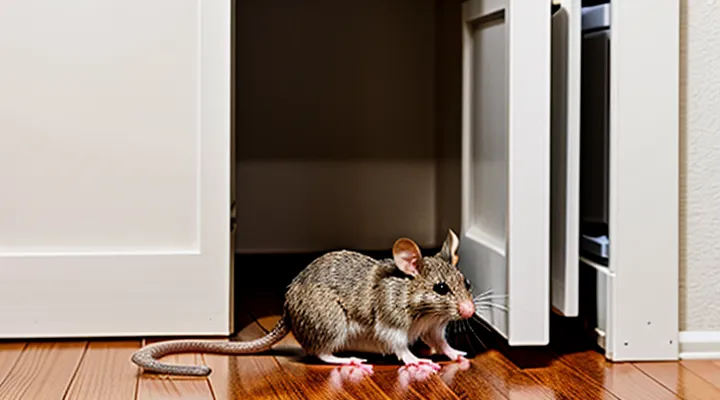
Introduction to Rodent Intrusions
Common Misconceptions About Mice
Mice infiltrate apartments primarily because they seek shelter, food, and water. Misunderstandings about their behavior often hinder effective control.
- Mice avoid darkness. In reality, they are nocturnal but can navigate well in low‑light environments and will enter illuminated spaces if food is present.
- All mouse droppings look identical. Species differ in size and shape; identifying the specific rodent helps target removal methods.
- Snap traps kill instantly. The impact varies; some traps cause injury without immediate death, leading to prolonged suffering and possible disease spread.
- Poison eliminates the entire infestation. Rodents may consume sublethal doses, survive, and continue breeding, while secondary poisoning can affect pets.
- Mice disappear once the building is cleaned. Even after thorough cleaning, hidden nests and access points can sustain a population.
Effective prevention requires sealing entry gaps, storing food in airtight containers, and maintaining low humidity. Regular inspection of concealed areas—behind appliances, within wall voids, and under flooring—detects early signs before populations expand.
Primary Reasons for Mouse Invasions
Search for Food Sources
Accessible Food Waste
Mice are drawn to apartments when food remnants are readily available. When organic waste is left uncovered, moisture‑rich, or stored in containers that cannot be sealed, it creates a reliable energy source. The scent of decomposing matter diffuses through walls and ventilation shafts, signaling a safe feeding ground for rodents.
Key characteristics of accessible food waste that encourage mouse activity include:
- Unsealed garbage bags or bins that permit odor escape.
- Crumbs and spills on countertops, floors, or under appliances.
- Pet food left out overnight or stored in open dishes.
- Compostable items (fruit peels, vegetable scraps) placed in kitchen trash without refrigeration.
- Stale pantry items in packaging that is torn or poorly resealed.
Mitigating these attractants reduces the likelihood of infestations. Store all food in airtight containers, dispose of waste in sealed bags, clean surfaces promptly, and schedule regular trash removal. Consistent hygiene eliminates the primary nutritional incentive that drives mice to inhabit residential units.
Unsealed Food Containers
Unsealed food containers provide a reliable source of nutrition for rodents that enter residential units. When packaging is open or damaged, crumbs and odors disperse throughout the kitchen, creating a scent trail that mice can detect from a distance. The accessibility of the contents eliminates the need for the animal to search for alternative food, encouraging repeated visits and eventual colonization.
Key factors that make exposed food supplies attractive to mice:
- Loose granules or crumbs left on countertops, floors, or inside cabinets.
- Open bags, cans, or boxes that release volatile compounds.
- Containers lacking airtight seals, allowing air currents to carry scent.
- Frequent replenishment of food, maintaining a constant resource.
Mitigation requires sealing all consumables in containers with lock‑tight lids, storing dry goods in metal or heavy‑wall plastic bins, and promptly cleaning surfaces after meals. Regular inspection of packaging integrity prevents accidental openings that could lure rodents into the living space.
Pet Food Left Out
Pet food that is not secured creates a reliable food source for rodents living in residential units. Mice are attracted to the scent of protein, fat, and carbohydrates, which remain detectable even after the food has been left uncovered for a short time. The constant availability of nutrients supports breeding, increases population density, and encourages mice to explore adjacent rooms and walls.
Unprotected pet meals also facilitate entry points. Mice follow food trails to discover gaps in cabinetry, baseboards, or vent openings. Once a pathway is established, the insects can travel between apartments through shared plumbing or utility shafts, spreading the infestation throughout a building.
Effective control focuses on eliminating the food attractant:
- Store dry kibble in airtight containers made of metal or thick plastic.
- Serve only the portion needed for a single feeding; return leftovers to the sealed container promptly.
- Clean feeding areas immediately after meals, removing crumbs and spills.
- Place feeding stations on elevated surfaces that are difficult for rodents to climb.
- Inspect storage containers regularly for damage or wear that could allow entry.
By removing accessible pet food, residents reduce the primary incentive for mice to colonize apartment spaces, thereby lowering the risk of damage, disease transmission, and costly extermination efforts.
Quest for Shelter and Warmth
Cold Weather Conditions
Cold weather pushes wild rodents toward human dwellings in search of warmth. As outdoor temperatures drop, mice experience increased metabolic demand, prompting them to seek insulated environments that conserve heat. Buildings provide stable interior temperatures, reducing the energy mice must expend to maintain body heat.
Several conditions associated with cold seasons amplify the likelihood of mouse intrusion:
- Snow and ice block conventional entry points such as gaps beneath foundations, forcing rodents to explore alternative routes.
- Frozen ground limits access to underground burrows, driving mice upward into basements and crawl spaces.
- Reduced food availability outdoors compels mice to forage inside apartments where stored grains, pantry items, and crumbs are abundant.
- Strong winds increase pressure differentials across building envelopes, drawing mice through even minor cracks.
Structural features that exacerbate the problem include poorly sealed utility penetrations, gaps around doors and windows, and uninsulated crawl spaces. Addressing these vulnerabilities—by sealing openings, installing door sweeps, and maintaining adequate insulation—reduces the appeal of apartments as winter refuges for mice.
Gaps and Cracks in Structures
Mice infiltrate apartments primarily through structural openings that escape routine inspection. Small fissures in foundation walls, gaps around utility penetrations, and deteriorated sealant around windows create continuous pathways from exterior habitats to interior spaces.
Typical entry points include:
- Cracks wider than ¼ inch in brick or concrete.
- Unsealed gaps around pipes, cables, and HVAC ducts.
- Openings around door frames where weatherstripping is missing or damaged.
- Holes in plaster or drywall left from previous repairs.
These breaches compromise the building envelope, allowing rodents to exploit temperature differentials and food sources. Once inside, mice can gnaw through softer materials, enlarge existing cracks, and create additional routes that spread infestation throughout the unit.
Effective mitigation requires systematic sealing. Apply high‑quality caulk or expanding foam to all identified fissures, install metal flashing around pipe sleeves, and replace worn weatherstripping. Conduct a thorough inspection after each repair to confirm that no residual openings remain.
Clutter and Hiding Spots
Clutter transforms an apartment into a network of concealed pathways that mice readily exploit. Piles of newspapers, cardboard boxes, and unused furniture create dark cavities where rodents can rest, breed, and evade predators.
- Stacked items leave gaps that serve as entry points for small mammals.
- Loose fabrics and paper provide insulation, reducing exposure to temperature fluctuations.
- Accumulated debris often contains food residues, sustaining mice without requiring them to venture far from shelter.
- Irregular surfaces hinder visual detection, allowing infestations to expand unnoticed.
Minimizing disorganized material eliminates preferred hiding spots. Store belongings in sealed containers, keep surfaces clear, and regularly dispose of waste. A tidy environment reduces the likelihood of mouse colonization and simplifies monitoring for any signs of activity.
Availability of Water
Leaky Pipes and Faucets
Leaking water sources create ideal foraging sites for rodents in residential units. Continuous moisture attracts insects, which become a supplementary food supply for mice. The presence of standing water also masks the scent of human activity, allowing mice to move more freely without detection.
A persistent drip from a faucet or a faulty pipe joint can:
- Provide a reliable water supply that reduces the need for mice to seek external sources.
- Generate damp conditions that soften insulation and wood, making it easier for rodents to gnaw and create nests.
- Produce mineral deposits that mice use to line burrows, enhancing structural stability.
Repairing leaks eliminates the primary attractant, disrupts the moisture-dependent food chain, and removes a critical shelter component. Prompt maintenance of plumbing fixtures therefore serves as a preventative measure against rodent intrusion in apartments.
Pet Water Bowls
Mice entering residential units frequently seek water, and unattended pet water bowls provide a reliable source. Open containers expose standing liquid, allowing rodents to detect moisture from a distance and access it through gaps in cabinetry or flooring.
Design features that increase risk include shallow basins, removable lids, and placement near walls or under appliances where mice travel. Continuous water supply without regular cleaning creates residue that further encourages infestation.
- Choose bowls with sealed tops or flip‑lid mechanisms.
- Position containers on elevated surfaces, at least 30 cm above floor level.
- Empty and refill water daily; rinse bowls with hot water to eliminate scent trails.
- Inspect surrounding areas for spills; wipe excess moisture immediately.
- Employ sturdy, non‑porous materials such as stainless steel to prevent seepage.
Selecting a heavy, tip‑resistant bowl reduces the chance of rodents overturning it. Bowls with narrow openings limit entry while still allowing pets to drink.
Implementing these measures reduces the attractiveness of pet water stations, thereby lowering the likelihood that rodents will establish a presence in an apartment.
Condensation Issues
Condensation creates persistent moisture on walls, windows, and pipes. The excess water lowers indoor humidity levels in localized spots, forming damp surfaces that attract insects and promote mold growth. Mice are drawn to these conditions because they provide a reliable water source without the need to seek it elsewhere.
Moist environments support fungal colonies and grain‑bearing insects, both of which serve as food for rodents. When mold spores or insect larvae accumulate, mice find an abundant, easy‑to‑digest diet within the apartment walls and ceilings.
Repeated condensation can damage building materials. Water infiltration weakens plaster, separates drywall seams, and corrodes metal fixtures. These defects generate gaps and holes that mice exploit as entry points and nesting sites. Once a breach appears, the rodents can move freely between rooms and the exterior.
Key effects of condensation on mouse presence:
- Continuous water supply on interior surfaces
- Growth of mold and insect populations that serve as food
- Structural degradation that creates entry routes and shelter
Addressing condensation through proper ventilation, insulation, and leak repair reduces moisture, eliminates food sources, and restores the integrity of building envelopes, thereby limiting the conditions that encourage mouse activity.
Breeding and Population Growth
Rapid Reproductive Cycle
Mice multiply faster than most household pests, allowing populations to expand from a single intruder to a visible infestation within weeks. A female mouse reaches sexual maturity at five to six weeks of age, after which she can conceive almost immediately. Gestation lasts approximately 19‑21 days, producing litters of three to twelve offspring. Each newborn becomes fertile within the same five‑to‑six‑week window, creating a geometric growth pattern: a pair can generate dozens of descendants in a single season.
Key reproductive parameters:
- Sexual maturity: 5‑6 weeks
- Gestation period: ~20 days
- Litter size: 3‑12 pups
- Breeding frequency: up to five litters per year
- Juvenile fertility: 5‑6 weeks after birth
The compact living spaces, abundant food scraps, and shelter opportunities in apartments provide ideal conditions for this rapid cycle. Food sources such as crumbs, garbage, and pet feed sustain the growing numbers, while hidden cavities behind walls, under flooring, and within insulation offer protected nesting sites. The combination of high reproductive output and favorable environment explains why mouse sightings can surge quickly in residential buildings.
Lack of Natural Predators Indoors
Mice thrive in apartments because the indoor environment eliminates the natural predators that would normally control their populations. Typical outdoor predators—cats, owls, snakes, and birds of prey—cannot access sealed walls, ceilings, and floors, leaving rodents unchecked.
Key factors that result from this predator absence include:
- Unrestricted access to food: crumbs, pantry items, and pet food remain uneaten, providing a reliable energy source.
- Safe nesting sites: insulated walls, attics, and crawl spaces offer protection without the threat of hunting.
- Reduced stress: without predator cues, mice experience lower cortisol levels, which promotes breeding and longevity.
Consequently, the lack of predatory pressure creates an environment where mice can reproduce rapidly, leading to noticeable infestations in residential units. Effective control strategies must therefore replicate the missing regulatory effect, typically through traps, baits, or professional pest‑management interventions.
Entry Points for Mice
Structural Vulnerabilities
Gaps Around Pipes and Wires
Mice routinely exploit any opening that provides access to food, shelter, or warmth. Gaps surrounding plumbing, electrical conduits, and cable bundles are among the most common entry routes in multi‑unit dwellings.
The spaces appear for several reasons. Installations often require clearance for movement, insulation, or future maintenance. Over time, building settle, shrink‑wrap, or corrosion can enlarge these openings. Even a crack as narrow as ¼ inch (6 mm) permits a mouse to squeeze through.
Typical vulnerabilities include:
- Unsealed gaps where pipes penetrate walls, floors, or ceilings.
- Openings around conduit sleeves for electrical wiring, especially where multiple cables bundle together.
- Gaps left after renovation work, such as removed fixtures or temporary protective barriers.
- Spaces around vent pipes, dryer exhausts, and water heater flues that are not wrapped with metal or cement.
To mitigate intrusion, follow a systematic sealing protocol:
- Inspect all visible pipe and wire penetrations in kitchens, bathrooms, utility rooms, and basements.
- Measure each opening; any gap larger than 3 mm warrants treatment.
- Apply a durable, non‑toxic sealant—preferably silicone or polyurethane caulk—around the perimeter of each pipe.
- For larger voids, insert steel wool or copper mesh before caulking to reinforce the barrier.
- Install metal flashing or pipe sleeves where movement is expected, securing them with screws or clamps.
- After sealing, monitor for fresh gnaw marks or droppings to confirm effectiveness.
Regular maintenance checks, especially after building work or seasonal temperature shifts, ensure that new gaps are identified promptly. By eliminating these concealed pathways, the likelihood of mouse presence in apartments diminishes significantly.
Unsealed Vents and Chimneys
Unsealed vents and chimneys provide direct pathways from the exterior to interior spaces, allowing rodents to bypass typical building barriers. Gaps around vent covers, flues, and chimney crowns often exceed the 1‑inch clearance that mice need to squeeze through. Once inside, rodents exploit the vertical shafts to travel between floors, reach hidden cavities, and access food sources.
Typical entry points include:
- Damaged or missing vent louvers
- Cracked chimney flashing or crown
- Uncapped vent stacks
- Loose or deteriorated pipe sleeves surrounding vent ducts
These openings are especially attractive because they remain warm, dry, and connected to the building’s structural voids. Mice follow the path of least resistance, moving through the smallest available aperture without needing to gnaw through solid material.
Mitigation measures focus on sealing and reinforcing vulnerable areas:
- Inspect all vent and chimney components annually for cracks, corrosion, or displacement.
- Install stainless‑steel mesh or hardware cloth with openings no larger than ¼ inch over vent openings.
- Apply high‑temperature sealant to chimney crowns and flashing to eliminate gaps.
- Fit vent covers with tight‑fitting frames and secure them with corrosion‑resistant fasteners.
- Replace damaged chimney caps with rodent‑proof models that incorporate a solid base and a sloped roof.
By eliminating these access routes, property managers reduce the likelihood that mice will infiltrate apartments through ventilation and chimney systems.
Damaged Foundation and Walls
Mice infiltrate residential units primarily when the building envelope fails to provide a continuous barrier. Cracks, gaps, and deteriorated sections in the foundation create direct pathways from soil or crawl spaces to interior rooms. These openings are often unnoticed during routine inspections, yet they permit rodents to move upward with minimal resistance.
Wall damage compounds the problem. Openings around utility penetrations, damaged drywall, and loose plaster expose interior cavities to external environments. Once a mouse discovers a breach, it can navigate through insulation and framing, establishing nests behind walls where food and shelter are abundant.
Effective mitigation requires a systematic approach:
- Conduct a visual survey of the perimeter, focusing on concrete joints, basement walls, and any signs of settlement.
- Seal all identified cracks with hydraulic cement or epoxy, ensuring the material adheres to both masonry and wood substrates.
- Repair compromised drywall, replace deteriorated plaster, and install metal flashing around pipes, vents, and electrical conduits.
- Install a continuous perimeter barrier, such as a stainless‑steel mesh, to prevent future intrusion.
Addressing foundation and wall deficiencies eliminates the primary entry points that attract mice, thereby reducing the likelihood of persistent infestations.
Human-Related Entry Methods
Open Doors and Windows
Open doors and windows serve as the most immediate pathways for mice to enter residential units. When a door is left ajar, even briefly, rodents can slip through gaps as narrow as a quarter of an inch. Unscreened windows create additional openings that mice exploit, especially during cooler weather when they seek shelter.
Key factors that increase the risk of entry through these openings include:
- Lack of weather stripping or door sweeps that seal the bottom edge of doors.
- Damaged or missing screens on windows, allowing direct access.
- Doorways that open directly onto shared hallways or exterior spaces without a vestibule or airlock.
- Frequent use of pet doors without proper locking mechanisms.
Mice are attracted to the warmth and food sources inside apartments, but they cannot reach these resources without a viable entry point. Once inside, they can navigate through wall voids, crawl spaces, and utility shafts, establishing nests near food storage areas.
Preventive measures focus on eliminating the physical routes that doors and windows provide:
- Install tight-fitting door sweeps and replace worn weather stripping.
- Fit all windows with sturdy, intact screens; repair tears promptly.
- Use self-closing hinges on exterior doors to ensure they shut automatically after use.
- Consider adding a secondary barrier, such as a screened porch or vestibule, especially for ground‑level units.
By securing doors and windows, residents remove the primary conduit that allows mice to infiltrate apartments, thereby reducing the likelihood of infestation.
Infested Belongings
Mice often enter apartments through items that have become habitats for food sources, nesting material, or shelter. Cardboard boxes, stored clothing, and piled paper can retain crumbs, grease, or moisture, creating ideal conditions for rodents. When these belongings are placed in corners, basements, or closets, they provide concealed pathways that allow mice to move unnoticed.
Commonly infested items include:
- Packaging materials: cardboard boxes and paper bags absorb odors and retain food residues.
- Clothing and linens: damp or soiled fabrics hold protein-rich stains that attract foraging mice.
- Pet supplies: food containers, bedding, and toys may contain leftover kibble or waste.
- Kitchenware: unsealed containers, cutlery drawers, and pantry shelves accumulate crumbs and spills.
Identification relies on visual signs such as gnaw marks, urine stains, shredded fabric, or droppings concentrated around the affected objects. A faint, musky odor often accompanies heavy infestation.
Preventive measures focus on eliminating the items’ suitability as food or shelter:
- Store all boxes and paper products in sealed plastic bins.
- Keep clothing and linens clean and stored in airtight containers.
- Dispose of empty pet food packages promptly; wash bowls after each use.
- Regularly clean kitchen surfaces, vacuum drawers, and wipe down pantry shelves.
If infestation is detected, isolate the compromised belongings, clean them with hot water and detergent, and apply a rodent‑proof sealant to any openings. In severe cases, professional extermination may be required to eradicate mice that have already established nests within personal items.
Gaps Under Doors
Mice routinely infiltrate residential units through openings that are barely perceptible. The space between a door and the floor, often measured in millimeters, provides a direct pathway from shared hallways or utility shafts into private living areas. Even a ¼‑inch clearance can accommodate an adult mouse, which can compress its body to pass through gaps as small as ½ inch.
Typical causes of under‑door gaps include:
- Uneven flooring or warped thresholds that prevent a tight seal.
- Standard interior doors without sweeps or weatherstripping.
- Settling of building structures, which widens existing clearances over time.
Effective countermeasures focus on eliminating the passage:
- Install door sweeps with a flexible rubber or silicone flange that contacts the floor when the door closes.
- Apply self‑adhesive foam or rubber weatherstripping to the bottom edge of the door.
- Use threshold seals that bridge the gap between the door jamb and the floor surface.
- Inspect and repair uneven floor sections, leveling them to reduce the vertical space.
Regular inspection of door thresholds, especially after seasonal temperature changes, ensures that any newly formed gaps are promptly addressed. By sealing these low‑lying openings, residents significantly reduce the likelihood of mouse intrusion into their apartments.
Impact of Mouse Infestations
Health Risks to Residents
Disease Transmission
Mice enter apartments primarily in search of food, shelter, and access points such as gaps around pipes, vents, and doors. Their presence creates a direct pathway for pathogens to move from outdoor environments into human living spaces.
Rodents carry a range of infectious agents that can be transmitted through direct contact, contaminated surfaces, and aerosolized particles. Key disease agents include:
- Hantavirus – spreads via inhalation of dried urine, feces, or saliva; can cause severe respiratory illness.
- Salmonella – transmitted through consumption of food contaminated by mouse droppings; leads to gastrointestinal infection.
- Leptospira – enters the body through cuts or mucous membranes after contact with urine‑contaminated water; produces fever, kidney, and liver damage.
- Streptobacillus moniliformis – causes rat‑bite fever; infection occurs after bites or exposure to contaminated secretions.
- Bartonella – associated with fever and lymphadenopathy; transmitted by ectoparasites that feed on rodents.
Transmission mechanisms are straightforward: mice shed pathogens in urine, feces, saliva, and skin. These materials contaminate countertops, pantry items, and storage containers. When residents handle contaminated objects or ingest food touched by droppings, infection occurs. Additionally, aerosolization of dried droppings can introduce airborne pathogens into breathing zones.
Mitigation requires eliminating entry routes, maintaining rigorous sanitation, and implementing pest‑control protocols. Sealing cracks, installing door sweeps, and storing food in sealed containers reduce attraction. Regular inspection for droppings, prompt removal using protective equipment, and professional extermination lower the risk of disease spread.
Allergenic Reactions
Mice that inhabit residential units generate allergens that can trigger immune responses in occupants. The primary sources of these allergens are urine, feces, dander, and saliva deposited on surfaces, in insulation, and within hidden cavities.
When a sensitized individual inhales or contacts mouse proteins, the immune system produces immunoglobulin E (IgE) antibodies. This interaction activates mast cells, causing the release of histamine and other mediators that produce the clinical manifestations of an allergic reaction.
Common manifestations include:
- Sneezing and nasal congestion
- Itchy, watery eyes
- Coughing and wheezing
- Skin rash or hives
- Exacerbation of asthma symptoms
Risk intensifies for people with pre‑existing atopy, young children, and those who spend extended periods in infested areas. Repeated exposure can increase sensitization levels, leading to more severe reactions over time.
Effective control measures consist of:
- Sealing cracks, gaps, and utility entry points to prevent ingress
- Maintaining cleanliness by removing food residues and regularly vacuuming with HEPA‑rated equipment
- Discarding contaminated textiles, insulation, and stored goods in sealed containers
- Engaging licensed pest‑management professionals for extermination and thorough decontamination
Implementing these steps reduces allergen load, thereby lowering the likelihood of allergic episodes among residents.
Property Damage
Chewing Wires and Structures
Mice enter residential units seeking food, water, and shelter. Their natural instinct to gnaw stems from continuously growing incisors; without regular wear, teeth become overgrown and impair feeding. In an apartment environment, accessible materials such as electrical wiring, PVC pipes, wooden framing, and insulation provide ideal surfaces for this behavior.
- Electrical wiring: Insulated copper attracts rodents for its softness. Chewed wires expose live conductors, creating fire hazards and costly repairs.
- Plastic and rubber components: Flexible tubing and cable sheathing are easy to bite, leading to leaks in plumbing and loss of structural integrity.
- Wooden framing and drywall: Soft wood and gypsum board offer minimal resistance, allowing mice to enlarge entry points and create nests behind walls.
The damage extends beyond property loss. Exposed wires increase the risk of short circuits, potentially triggering electrical fires. Compromised plumbing can cause water intrusion, fostering mold growth and compromising indoor air quality. Moreover, gnawed materials often carry rodent saliva, introducing pathogens that can affect human health.
Preventive measures focus on eliminating chewing opportunities and restricting access:
- Seal gaps larger than ¼ inch with steel wool or caulk to block entry.
- Replace vulnerable wiring with conduit protected by metal sheathing.
- Install rodent‑proof caps on plumbing penetrations.
- Maintain a clean environment free of food crumbs and standing water.
- Conduct regular inspections of exposed wiring and structural elements, repairing any damage promptly.
Understanding the gnawing habit clarifies why mouse presence in apartments correlates with increased structural deterioration. Addressing both entry points and chewable materials reduces infestation risk and safeguards the building’s safety and longevity.
Contamination of Food and Surfaces
Mice are attracted to apartments where food supplies are compromised and surfaces harbor residues. When grains, crumbs, or improperly stored perishables become accessible, rodents detect the scent of nutrients and establish foraging routes. Open containers, uncovered trash, and spills create continuous sources of sustenance, encouraging mice to enter living spaces and remain.
Contaminated surfaces amplify the problem by providing pathways for odor diffusion and direct ingestion. Residual grease on countertops, smudged cabinet interiors, and uncleaned appliance exteriors retain attractive aromas. These areas also serve as travel corridors, linking food sources to nesting sites.
Typical contamination points include:
- Unsealed pantry packages and cereal boxes
- Pet food left out overnight
- Garbage bins without tight-fitting lids
- Kitchen floor debris and droppings
- Countertops with accumulated grease or food particles
Eliminating these attractants requires airtight storage, immediate waste disposal, regular surface sanitation, and routine inspection of food‑handling zones. Reducing contamination removes the primary incentive for mice to occupy apartments.
Prevention and Control Strategies
Sealing Entry Points
Inspecting and Repairing Gaps
Mice gain access to residential units through openings that are too small to notice during routine cleaning. Even a gap of a few millimeters can serve as a portal, allowing rodents to travel from walls, utility shafts, or exterior cracks into living spaces.
Inspection begins with a systematic visual survey of potential entry points:
- Baseboards and trim where flooring meets walls
- Gaps around doors, especially under the threshold
- Openings around plumbing, electrical, and HVAC penetrations
- Spaces behind appliances that sit flush against cabinets
- Cracks in foundation or exterior siding near the ground level
For each suspect area, use a flash light and a thin probe (e.g., a wire or a flexible inspection camera) to determine the exact size of the opening. Record measurements and prioritize gaps that exceed ¼ inch, as these are most attractive to mice.
Repair methods depend on material and location:
- Steel wool or copper mesh packed into gaps, then sealed with expanding polyurethane foam for irregular openings
- Self‑adhesive weather‑stripping applied to door thresholds and window frames to eliminate narrow gaps
- Metal flashing or cement mortar used to close cracks in foundation or brickwork
- Silicone or acrylic caulk for small seams around pipes and vents
- Plywood or sheet metal patches secured with screws and sealed with construction adhesive for larger holes
After sealing, re‑inspect the treated sites to confirm that no residual openings remain. Maintain a schedule of quarterly checks, especially after seasonal temperature changes, to ensure that newly formed gaps are addressed before they become entry routes for rodents.
Installing Door Sweeps
Rodents commonly exploit the space between the floor and an apartment door to gain indoor access. This opening provides a direct route from basements, hallways, or exterior entry points to living areas, allowing mice to travel unnoticed.
A door sweep is a flexible barrier that attaches to the bottom edge of a door, sealing the gap and preventing rodents from entering. The sweep typically consists of a rubber or silicone strip mounted on a metal or plastic holder, which compresses against the floor while maintaining a tight seal.
Installation steps:
- Measure the door width and select a sweep that matches the measurement and material requirements for durability.
- Remove the existing sweep, if present, by pulling it off or unscrewing the mounting brackets.
- Clean the door bottom to eliminate dust and debris that could hinder adhesion.
- Align the new sweep with the door edge, ensuring the rubber strip contacts the floor when the door is closed.
- Secure the sweep using the provided screws or adhesive, tightening each fastener evenly to avoid warping.
- Close the door and verify that the sweep contacts the floor across its entire length without excessive resistance.
Regular maintenance includes inspecting the rubber strip for wear, cleaning accumulated dirt, and tightening loose fasteners. Replacing a deteriorated sweep promptly restores the barrier and continues to block mouse ingress.
Maintaining Cleanliness
Proper Food Storage
Improper handling of edible items creates a reliable food source that draws rodents into residential units. When food is left exposed, crumbs accumulate, and scents travel through walls and ventilation, guiding mice toward the apartment.
Effective food storage eliminates these attractants:
- Use airtight containers made of glass, metal, or heavy‑duty plastic for all dry goods.
- Store perishables in the refrigerator or freezer promptly; discard expired items.
- Keep pet food sealed and remove leftovers after each feeding.
- Clean countertops, floors, and cabinets daily; sweep up crumbs and spills immediately.
- Dispose of trash in sealed bags and remove it from the dwelling at least once a week.
Neglecting these measures results in persistent odors, easy access to nutrients, and increased nesting opportunities, which together sustain mouse populations. The presence of rodents escalates health risks, damages property, and raises maintenance costs.
Adopting disciplined storage habits removes the primary incentive for mice, reducing the likelihood of infestation and supporting a healthier living environment.
Regular Waste Disposal
Mice are drawn to apartment units that provide easy access to food and shelter. One of the most effective barriers is consistent waste handling that eliminates attractants before rodents can locate them.
Proper waste disposal reduces mouse activity by removing sources of nourishment and nesting material. When trash accumulates, it releases odors and spills that guide mice into kitchens and hallways. Regular removal of garbage, combined with secure containment, interrupts this pathway.
Key practices for maintaining a rodent‑free environment:
- Store waste in containers with tight‑fitting lids; avoid perforated or cracked bins.
- Empty trash daily or at least every 24‑48 hours, especially in buildings without centralized collection.
- Rinse food containers before discarding to eliminate residue.
- Keep collection areas clean; sweep spills and disinfect surfaces weekly.
- Position bins away from entry doors and windows to limit rodent routes.
Implementing these steps creates a hostile setting for mice, lowering the likelihood that they will invade apartments. Consistent adherence to the outlined routine sustains a sanitary living space and diminishes rodent presence.
Eliminating Attractants
Addressing Water Leaks
Water leaks create a reliable moisture source that attracts rodents to residential units. Persistent dampness softens building materials, enlarges entry points, and supplies the hydration mice need to survive, making leak repair a critical component of pest control.
Effective leak management involves three steps:
- Identify and locate the leak through visual inspection, moisture meters, or infrared imaging.
- Stop water flow by tightening fittings, replacing damaged pipes, or sealing cracks in walls and ceilings.
- Dry the affected area with dehumidifiers and ventilation until moisture levels return to normal.
After repairs, inspect surrounding insulation, cabinetry, and flooring for damage caused by prolonged exposure to water. Replace compromised sections to eliminate hidden pathways that rodents could exploit.
Routine maintenance—checking under sinks, behind appliances, and around bathroom fixtures—prevents new leaks from forming. A proactive approach reduces moisture availability, depriving mice of a key resource and decreasing the likelihood of infestation.
Reducing Clutter
Mice are attracted to apartments that provide easy access to food, shelter, and nesting material. Excess personal items create hidden pathways and storage spaces where rodents can hide, travel unnoticed, and establish colonies. By minimizing clutter, residents eliminate the concealed environments that encourage mouse activity and make detection and control more effective.
Practical steps for decluttering to deter rodent infestation:
- Remove piles of newspapers, cardboard boxes, and fabric scraps from corners and under furniture.
- Store seasonal clothing and linens in sealed containers rather than open wardrobes or closets.
- Keep countertops, tables, and kitchen surfaces clear of dishes, food wrappers, and pet food leftovers.
- Organize pantry items in airtight bins; discard expired or improperly packaged goods.
- Regularly inspect and discard items that have been unused for extended periods, especially those stored in dark, undisturbed areas.
A streamlined living space reduces the number of potential nesting sites, limits food sources, and facilitates routine cleaning. Consequently, the likelihood of mouse presence diminishes, supporting a healthier and more secure apartment environment.
Professional Pest Control
When to Seek Expert Help
Mice infestations become a professional concern when visual evidence, structural damage, or health risks exceed the limits of safe DIY management. Direct signs include droppings larger than a grain of rice, gnaw marks on wiring or insulation, and audible activity after dark. When these indicators appear in multiple rooms, the population has likely reached a level that requires systematic eradication.
Damage to electrical systems, plumbing, or structural components demands immediate intervention to prevent fire hazards or costly repairs. Evidence of disease transmission—such as contamination of food storage areas or presence of urine stains—poses a public‑health threat that exceeds household mitigation capacity.
Attempts to control the problem with over‑the‑counter traps or repellents should be reassessed after two weeks of no reduction in activity. Persistent presence after repeated self‑treatment signals that the infestation is entrenched and that professional assessment of entry points and nesting sites is essential.
Legal obligations may also trigger expert involvement. Rental agreements, building codes, or insurance policies often require certified pest‑control actions when rodents are documented. Failure to comply can result in liability for property damage or tenant health claims.
Key thresholds for seeking professional help
- Droppings or gnaw marks in three or more locations
- Electrical or structural damage observed
- Signs of contamination in food preparation areas
- No decline in activity after two weeks of DIY measures
- Requirement by lease terms, codes, or insurance
Prompt engagement of licensed pest‑control services at these points prevents escalation, safeguards occupants, and restores the integrity of the dwelling.
Long-Term Prevention Plans
Mice infestations in residential units stem from easy access to food, water, and shelter. Effective long‑term prevention requires a systematic approach that eliminates attractants, blocks entry points, and maintains vigilant monitoring.
- Seal gaps larger than ¼ inch around foundations, utility penetrations, and pipe sleeves with steel wool, copper mesh, or appropriate caulking.
- Install door sweeps and weatherstripping on exterior doors to prevent rodents from slipping underneath.
- Store dry goods in airtight containers; discard expired items promptly to remove food sources.
- Keep garbage in sealed bins and remove waste from the premises at least daily.
- Eliminate standing water by fixing leaks, draining clogged sinks, and using dehumidifiers in damp areas.
Regular inspections reinforce these measures. Schedule quarterly walkthroughs to check for fresh gnaw marks, droppings, or nesting material. Document findings and repair any new openings immediately. Integrate pest‑management contracts with licensed professionals for periodic bait placement and trap monitoring, ensuring compliance with local health regulations.
Education of occupants supports sustainability. Provide clear guidelines on waste disposal, food storage, and reporting signs of activity. Encourage prompt communication with building management when anomalies appear, allowing rapid response before populations establish.
By combining structural fortification, diligent housekeeping, scheduled oversight, and resident cooperation, mouse presence can be minimized over extended periods, reducing health risks and property damage.