
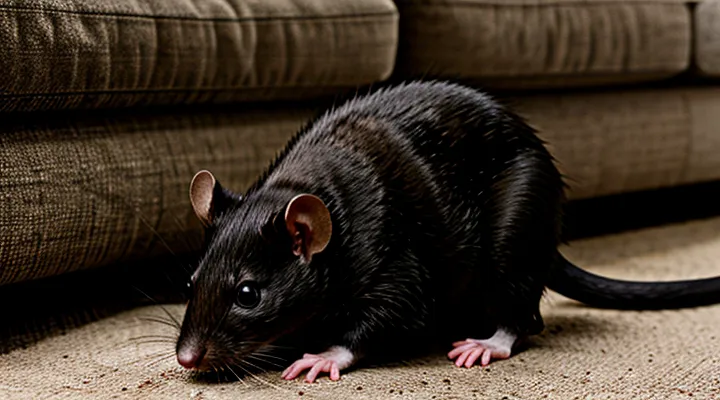
Understanding Rat Behavior and Olfactory Sensitivity
Why Rats Rely on Smell
Rats possess an exceptionally developed olfactory system; the nasal epithelium contains up to 1 500 000 sensory receptors, far exceeding the count in most mammals. This high receptor density enables detection of volatile compounds at concentrations as low as parts per billion. Olfactory cues guide foraging, predator avoidance, and social communication, allowing rats to locate food sources, identify nesting sites, and recognize conspecifics through pheromonal signatures.
Because scent dominates rat perception, chemical deterrents operate by overwhelming or masking attractive odors. Effective repellents share common characteristics:
- Strong, unpleasant volatility (e.g., phenolic, sulfurous, or mentholated compounds) that triggers aversive neural pathways.
- Persistence in the indoor environment, maintaining concentrations above the detection threshold for extended periods.
- Low toxicity to humans and pets, ensuring safe application in residential settings.
Research indicates that rats rapidly habituate to mild odors but retain heightened sensitivity to harsh, irritant scents. Consequently, rotating or combining multiple repellent agents reduces the likelihood of acclimation. Practical implementation involves applying concentrated extracts to entry points, storage areas, and potential nesting locations, followed by regular reapplication to sustain effective vapor levels.
How Strong Scents Affect Rodents
Strong odors interact with a rodent’s olfactory system, triggering avoidance behaviors that limit entry into living spaces. Chemical compounds with high volatility stimulate sensory receptors, producing discomfort or perceived threat. When the concentration exceeds the rodent’s tolerance threshold, the animal seeks alternative routes or abandons the area altogether.
Typical repellent scents include:
- Peppermint oil (menthol, menthone) – high vapor pressure, irritates nasal passages.
- Eucalyptus oil (eucalyptol) – strong, sharp aroma interferes with scent‑tracking.
- Citronella (citral) – pungent, masks food odors and creates hostile environment.
- Ammonia (ammonium hydroxide) – volatile ammonia fumes cause respiratory irritation.
- Clove oil (eugenol) – potent, affects taste receptors and deters gnawing.
Effectiveness depends on several parameters:
- Concentration – must remain above the sensory detection limit for a sustained period.
- Distribution – uniform diffusion prevents safe pockets where rodents can acclimate.
- Persistence – frequent re‑application counters volatilization and absorption by surfaces.
- Compatibility – avoid mixing scents that neutralize each other’s volatility.
Rodents possess a highly developed sense of smell; any disruption to their chemical map can alter foraging patterns. Persistent exposure to strong fragrances leads to habituation only when the stimulus diminishes below the avoidance threshold. Maintaining a consistently high scent level ensures long‑term repellence without reliance on toxic substances.
Natural Scents That Repel Rats
Plant-Based Repellents
Peppermint Oil
Peppermint oil is a volatile essential oil derived from Mentha piperita. Its primary aromatic constituents, menthol and menthone, emit a strong, sharp scent that rodents find unpleasant.
Rats depend on olfactory cues for navigation and locating food. High concentrations of peppermint disrupt these cues, prompting avoidance of treated zones.
Application methods:
- Soak cotton balls in undiluted peppermint oil and place them in attics, wall voids, and crawl spaces.
- Mix 10–15 drops of oil per cup of water, spray onto surfaces where activity is observed.
- Operate a commercial diffuser to release a continuous mist in problem areas.
Effectiveness studies report a noticeable decline in rat sightings within 48–72 hours of consistent exposure. Success varies with infestation severity and environmental conditions; reapplication every 3–5 days is recommended.
Safety considerations: Peppermint oil is non‑toxic to humans at recommended concentrations but may cause skin or eye irritation; protective gloves are advisable. Keep oil away from pets, especially cats, as concentrated exposure can lead to respiratory distress.
Integration with other control measures enhances results. Sealing entry points and eliminating food sources complement peppermint oil’s deterrent effect, increasing the likelihood of long‑term rodent reduction.
Eucalyptus Oil
Eucalyptus oil emits a strong, menthol‑like aroma that rodents find unpleasant. The primary active component, eucalyptol (1,8‑cineole), interferes with the olfactory receptors rats use to locate food and shelter, prompting avoidance behavior.
Application methods:
- Soak cotton balls in undiluted oil and place them in gaps, behind appliances, and under sinks. Replace every 3–4 days to maintain potency.
- Mix 10 ml of oil with 250 ml of water, add a few drops of mild surfactant, and spray the solution along baseboards, door frames, and entry points. Reapply weekly.
- Incorporate a few drops into a diffuser operating for 2 hours each evening, ensuring continuous emission in high‑risk rooms.
Studies indicate that sustained exposure to eucalyptus oil reduces rodent activity by up to 60 % in controlled environments. The effect diminishes as the scent dissipates; consistent reapplication is essential for lasting protection.
Safety considerations include potential skin irritation for humans and pets; use gloves when handling concentrated oil and avoid direct contact with feline or canine fur. The oil does not harm building materials but may discolor certain fabrics if applied excessively.
Eucalyptus oil provides a natural, low‑toxicity option for deterring rats in residential settings, especially when integrated with proper sanitation and physical exclusion measures. Regular monitoring of rodent signs is necessary to assess effectiveness and adjust treatment frequency.
Citronella Oil
Citronella oil, extracted from the leaves and stems of Cymbopogon species, possesses a potent citrus aroma that interferes with the olfactory system of rodents. The volatile compounds, primarily citronellal and citronellol, create an environment perceived as hostile by rats, prompting avoidance of treated areas.
The scent acts as a sensory irritant, overwhelming the highly developed nasal receptors of rats. Continuous exposure reduces foraging activity near the source, limiting entry into living spaces. Field observations and laboratory tests report a measurable decline in rat presence when citronella oil is applied consistently.
Practical application methods include:
- Diluting oil to a 5 % solution with water and spraying along baseboards, entry points, and behind appliances.
- Soaking cotton balls in undiluted oil and placing them in concealed corners, closets, and crawl spaces.
- Using ultrasonic diffusers calibrated for oil dispersion to maintain a steady aroma throughout the interior.
Safety considerations require adequate ventilation to prevent respiratory irritation in humans and pets. Direct skin contact may cause mild dermatitis; protective gloves are advisable during preparation. Citronella oil is non‑toxic when used as directed, making it suitable for residential environments.
For optimal results, apply the solution every 48 hours during the initial two‑week period, then reduce frequency to weekly maintenance. Position sources near known rodent pathways to establish a continuous deterrent barrier without compromising indoor air quality.
Garlic
Garlic emits a strong sulfur‑based odor that rodents find unpleasant. The compound allicin, released when cloves are crushed, interferes with the olfactory receptors of rats, prompting them to avoid areas where the scent is present.
Application methods include:
- Crushed cloves placed in corners, near entry points, and behind appliances.
- Garlic oil diluted with water, sprayed on surfaces where rat activity is suspected.
- Dried garlic powder scattered in seams, cracks, and along baseboards.
Effectiveness depends on regular renewal of the scent, as the odor diminishes within 24–48 hours. Reapplication every two days maintains a deterrent environment.
Safety considerations:
- Garlic is non‑toxic to humans and pets when used externally.
- Avoid direct contact with food preparation surfaces to prevent flavor transfer.
- Ensure ventilation in enclosed rooms to reduce lingering smell for occupants.
Garlic complements other aromatic repellents, such as peppermint oil or ammonia, creating a multi‑scent barrier that discourages rodent intrusion without chemical pesticides.
Chili Peppers and Capsaicin
Capsaicin, the active component of chili peppers, acts as a powerful sensory irritant for rodents. When inhaled, it triggers a burning sensation in the nasal passages and mucous membranes, prompting avoidance behavior. This effect makes capsaicin‑based odors valuable for discouraging rats from entering living spaces.
Application methods focus on sustained release of the pungent compound while maintaining safety for humans and pets. Ground dried chilies, fresh hot peppers, or commercial capsaicin sprays can be positioned near entry points, nesting sites, and food storage areas. The substance should be confined to sealed containers or cloth sachets to prevent direct contact with surfaces that may cause staining.
Practical measures include:
- Placing airtight sachets of crushed dried chilies in corners, under sinks, and behind appliances.
- Spraying a diluted capsaicin solution on the exterior of doors, windowsills, and utility openings, allowing the scent to linger without saturating indoor air.
- Mixing finely ground chili powder with inert carriers such as talc, then spreading the blend along baseboards and crawl‑space vents.
Regular replacement every two to three weeks preserves potency, as capsaicin degrades under prolonged exposure to light and humidity. Monitoring rat activity after implementation confirms efficacy; a noticeable reduction in sightings indicates successful repellent action.
Animal-Derived Repellents
Predator Urine (e.g., Fox Urine)
Predator urine, such as that of a fox, contains volatile compounds that trigger innate avoidance responses in rodents. The scent mimics the presence of a natural enemy, prompting rats to vacate areas where the odor is detected.
Key characteristics:
- High concentration of sulfur‑rich metabolites (e.g., 2‑mercaptoethanol) that are perceptible at low thresholds.
- Rapid dissipation in open environments; effectiveness increases in confined spaces where airflow is limited.
- Non‑toxic to humans and pets when applied according to manufacturer instructions.
Application guidelines:
- Select a product formulated for indoor use, ensuring the label specifies suitability for residential settings.
- Place small sachets or cotton pads soaked in the urine near typical rat pathways: behind appliances, under sinks, and in attic corners.
- Replace the scent source every 7–10 days, or sooner if the odor diminishes noticeably.
- Combine with physical barriers (sealed entry points, traps) to reinforce deterrence.
Safety considerations:
- Store the concentrate in a sealed container to prevent accidental spillage.
- Avoid direct contact with skin; use gloves when handling the product.
- Keep away from food preparation surfaces to prevent contamination.
Effectiveness reports indicate a marked reduction in rat activity within two weeks of consistent use, provided that the odor source remains potent and entry points are secured.
Other Natural Odors
Ammonia
Ammonia, a volatile nitrogen compound, emits a sharp, pungent odor that rats find highly aversive. When released into confined spaces, the scent penetrates rodent sensory pathways, triggering avoidance behavior and prompting relocation away from treated areas.
Effective deployment of ammonia in a residence requires careful preparation:
- Dilute concentrated liquid with water at a ratio of 1 part ammonia to 3 parts water to reduce corrosiveness while maintaining olfactory potency.
- Apply the solution to cotton balls, rags, or small containers with perforated lids.
- Position the saturated items in suspected entry points, nesting sites, and along travel corridors.
- Replace or refresh the material every 48 hours to sustain repellent intensity.
Safety considerations are paramount. Direct skin contact may cause irritation; protective gloves and eyewear are recommended during mixing and handling. Ensure adequate ventilation to prevent inhalation hazards for occupants and pets. Avoid application near food preparation surfaces or open flames, as ammonia vapors are flammable under certain conditions.
Empirical observations indicate that ammonia’s efficacy declines within a week as the odor dissipates. For prolonged control, integrate ammonia treatment with structural sealing, sanitation, and, where appropriate, mechanical traps to achieve comprehensive rodent management.
Mothballs (Naphthalene)
Mothballs, composed primarily of naphthalene, emit a strong, volatile odor that rodents find intolerable. The chemical sublimates at room temperature, releasing aromatic hydrocarbons that interfere with the olfactory receptors of rats, prompting them to avoid treated areas.
Effective deployment requires strategic placement. Position small, sealed packets in concealed locations where rats are likely to travel, such as behind appliances, within wall voids, and in attic corners. Avoid direct contact with food storage or living spaces, as prolonged exposure to naphthalene vapors can irritate human respiratory passages and cause skin sensitization.
Safety considerations include:
- Sealing each packet in a breathable fabric pouch to prevent accidental ingestion by pets or children.
- Limiting the number of packets per room to maintain vapor concentrations below occupational exposure limits.
- Replacing packets every two to three weeks, as the scent diminishes with sublimation.
Alternative repellents, such as peppermint oil or ammonia, lack the sustained volatility of naphthalene and often require more frequent reapplication. In comparison, mothballs provide a long‑lasting olfactory barrier with minimal maintenance, making them a practical choice for private residences seeking to deter rat activity.
Commercial and DIY Scent Repellent Strategies
Essential Oil Diffusers and Cotton Balls
Rats avoid volatile compounds that interfere with their sensory receptors; essential oils provide a convenient source of such compounds for indoor use.
- «peppermint» – high menthol concentration disrupts rodent olfactory pathways.
- «eucalyptus» – cineole content produces a strong, unpleasant aroma for rats.
- «lavender» – linalool and linalyl acetate act as mild repellents.
- «citronella» – citronellal creates a sharp scent that deters rodents.
- «clove» – eugenol exerts a strong, irritating odor.
Diffusers release a continuous, controlled plume of oil vapor. Placement near entry points, along walls, and in areas of known activity maximizes exposure. Operating intervals of 30 minutes on, 30 minutes off maintain potency while preventing saturation of the indoor environment.
Cotton balls serve as passive dispensers. Saturate each ball with 5–10 drops of a chosen oil, then position in concealed locations such as behind appliances, under furniture, or within wall cavities. Replace balls every 3–5 days to sustain effective concentration.
Combining active diffusion with passive cotton ball placement creates layered coverage, extending the repellent effect throughout the residence.
Homemade Sprays and Sachets
Rats avoid strong aromatic compounds that interfere with their scent‑tracking abilities. Laboratory tests confirm that volatile oils such as peppermint, eucalyptus, clove, and citronella produce sensory overload, prompting rodents to vacate treated areas.
- «peppermint oil» – 10 ml per litre of water
- «eucalyptus oil» – 8 ml per litre of water
- «clove oil» – 5 ml per litre of water
- «citronella oil» – 12 ml per litre of water
A spray prepared with any of these oils, diluted in distilled water, delivers an immediate repellent effect. Mix the selected oil with the prescribed volume of water, transfer to a spray bottle, and apply to entry points, baseboards, and hidden corners. Reapply every 48 hours or after cleaning.
Sachets provide a passive, long‑lasting barrier. Combine equal parts of dried lavender, dried rosemary, and powdered cinnamon, then add 10 drops of the chosen oil per 100 g of dry mixture. Enclose the blend in breathable fabric pouches, seal, and place near cupboards, under sinks, and in attic spaces. Replace sachets monthly to maintain potency.
All preparations should be kept out of reach of children and pets. Test a small surface before widespread use to avoid staining. Avoid direct contact with eyes; wear gloves during handling.
Commercial Repellent Products
Commercial rat deterrents rely on volatile compounds that rats find unpleasant. Products marketed for residential use combine these compounds with delivery systems designed for indoor environments.
- «Peppermint oil spray» – concentrated menthol extract dispersed as a fine mist; recommended for entry points, cupboards, and behind appliances.
- «Ammonia granules» – solid ammonia crystals placed in sealed containers; generate a strong alkaline odor that discourages nesting.
- «Cinnamon oil diffuser» – ultrasonic diffuser releasing cinnamon volatiles; suitable for open living spaces and basements.
- «Predator urine sachet» – synthetic ferret or fox urine encased in permeable packets; mimics natural threat cues.
- «Cayenne pepper powder» – fine spice mixed with carrier powder; applied to cracks and crevices where rats travel.
Application guidelines emphasize placement near known activity zones, regular re‑application to maintain potency, and ventilation to avoid human discomfort. Safety data sheets advise keeping products out of reach of children and pets, and using protective gloves when handling concentrated sprays or powders.
Effectiveness varies with infestation level, environmental conditions, and product formulation. Studies report short‑term reduction in rodent sightings when scent concentrations exceed threshold levels, but persistent problems often require integrated pest management, including sanitation and physical barriers. Commercial odor repellents serve as a supplementary measure rather than a standalone solution.
Implementing Scent-Based Rat Control in Your Home
Identifying Entry Points
Rats enter homes through gaps that provide unobstructed passage. Detecting these openings is essential before deploying odor‑based deterrents, because repellents lose effectiveness when rodents bypass treated zones.
Typical entry points include:
- Cracks around foundation walls, especially near soil contact.
- Gaps beneath doors and windows, often hidden by weatherstripping wear.
- Openings around utility penetrations such as pipe sleeves, vent ducts, and electrical conduits.
- Unsealed gaps in attic access hatches, crawl‑space doors, and roof eaves.
- Holes in exterior siding, siding seams, or damaged flashing.
Inspection procedure:
- Conduct a visual sweep of the building envelope during daylight, using a flashlight to highlight shadows that reveal fissures.
- Apply a thin stream of powdered talc or flour along suspected seams; movement of dust indicates rodent traffic.
- Employ a smoke test by releasing a brief puff of non‑toxic smoke near potential gaps; any drift through openings confirms airflow paths.
- Seal identified breaches with appropriate materials—concrete mortar for foundation cracks, steel wool plus caulk for pipe holes, and weather‑resistant strips for door gaps.
After sealing, position strong‐smelling repellents—such as peppermint oil, ammonia, or predator urine—directly adjacent to previously open zones. This placement ensures that any residual scent barrier confronts the rat at the exact point of attempted entry, maximizing deterrent impact.
Strategic Placement of Repellents
Odor‑based repellents achieve maximum effectiveness when deployed at points where rodents are most likely to travel or congregate. Positioning determines the concentration gradient that discourages entry and sustains avoidance behavior.
Placement follows three principles: proximity to ingress, alignment with typical travel routes, and exposure to food or shelter zones. Concentrated scent near openings creates a barrier, while dispersed application along walls reinforces the deterrent field.
- Entry doors and windows, especially gaps around frames
- Utility penetrations such as pipe sleeves and cable conduits
- Interior walls adjacent to the kitchen and pantry
- Underneath appliances where crumbs accumulate
- Attic rafters and eaves where nesting material gathers
- Crawl‑space vents and foundation cracks
Regular maintenance preserves potency. Replace volatile compounds according to manufacturer specifications, typically every 30‑45 days. Rotate placement annually to prevent habituation; alternate between peppermint oil, eucalyptus extract, and ammonia‑based formulations. Monitor activity with trap counts or visual inspection to confirm reduced presence.
«Effective rodent management relies on strategic scent deployment, not random distribution.»
Combining Scent Repellents with Other Methods
Trapping
Trapping remains a primary technique for eliminating rodent infestations inside residential premises. Incorporating odor-based deterrents enhances trap placement by discouraging rats from approaching bait stations and encourages movement toward capture devices.
Effective repellents include:
- Peppermint oil, applied to cotton balls near trap edges, creates a strong aromatic barrier that rats avoid.
- Ammonia, diluted with water and sprayed on surrounding surfaces, emits a pungent vapor that interferes with rodents’ scent trails.
- Cayenne pepper or powdered chili, sprinkled around trap perimeters, produces irritation that deters entry.
- Garlic cloves or garlic oil, positioned adjacent to traps, generate a sharp odor that masks food scents.
- White vinegar, wetting cloth strips placed near traps, produces an acidic smell that repels rodents.
- Mothballs, placed at a safe distance from traps, release naphthalene vapors that act as a persistent deterrent.
Implementation steps:
- Select snap or live‑capture traps appropriate for the target area.
- Position traps along known rat pathways, preferably against walls where rodents travel.
- Apply a thin layer of the chosen repellent to the trap’s exterior, avoiding contact with the bait.
- Place a secondary repellent source (e.g., cotton ball with peppermint oil) a few centimeters from the trap to create a scent gradient.
- Monitor traps daily, replace bait and repellent as needed to maintain potency.
Combining mechanical capture with strategically placed olfactory repellents maximizes removal efficiency while minimizing the likelihood of trap avoidance.
Exclusion Techniques
Odor‑based exclusion methods target the sensory aversion of rats, preventing entry and encouraging departure from residential interiors. Effective scents exploit the species’ heightened sensitivity to strong, unfamiliar aromas, creating an environment that rats instinctively avoid.
- Peppermint oil – concentrated application on baseboards, entry points, and concealed cavities.
- Eucalyptus oil – diffusion near vents, closets, and attic hatches.
- Citronella oil – spray on exterior doors, windowsills, and garden fences adjacent to the house.
- Ammonia solution – placement in sealed containers with perforated lids inside crawl spaces and utility rooms.
- Clove oil – dab on wooden frames and wall joints where gnawing signs appear.
Implementation requires regular renewal of volatile compounds, typically every 2–3 days for essential oils and weekly for ammonia. Direct contact with surfaces ensures sustained release; diffusion devices may extend coverage but demand consistent power supply.
Integration with physical barriers—steel mesh, door sweeps, and sealed utility penetrations—enhances overall exclusion efficacy. Combined, aromatic deterrents and structural safeguards reduce rat activity without reliance on toxic chemicals.
Limitations and Considerations of Scent Repellents
Scent Dilution and Effectiveness
Scent dilution determines the concentration of volatile compounds that reach a rat’s olfactory receptors. High concentrations may overwhelm the sensory system, causing avoidance, while overly dilute solutions fail to register as a deterrent. Effective formulations balance potency with persistence, allowing the odor to linger without rapid dissipation.
When a repellent is mixed with water, carrier oil, or alcohol, the ratio influences both vapor pressure and surface adherence. A 1 %–2 % solution of peppermint oil in water typically produces a detectable scent for several hours, whereas a 0.1 % mixture loses efficacy within minutes. Dilution also affects safety; lower concentrations reduce irritation to occupants and pets while maintaining repellent action.
Practical guidelines for homeowners:
- Prepare a 1 % solution of essential oil (peppermint, eucalyptus, or citronella) in a neutral carrier; apply to entry points, cupboards, and wall crevices.
- Reapply the mixture every 48 hours in humid climates; increase frequency to every 24 hours in dry environments.
- Combine oil with a small amount of alcohol (5 %–10 %) to enhance evaporation and extend the active period.
- Monitor rodent activity; adjust concentration upward by 0.5 % increments if sightings persist, avoiding concentrations above 5 % to prevent odor fatigue.
«Studies indicate that a stable vapor concentration above the detection threshold, maintained for at least six hours, significantly reduces rat foraging behavior». Maintaining this threshold through appropriate dilution ensures consistent deterrence while minimizing nuisance odors.
Acclimation of Rats to Scents
Rats quickly learn to ignore constant odors. Repeated exposure reduces the neural response that initially triggers avoidance, allowing the animals to forage despite the presence of a repellent scent. This process, known as olfactory habituation, limits the long‑term efficacy of any single aromatic deterrent.
To maintain deterrent effect, the following practices are recommended:
- Rotate at least two different strong odors every 7‑10 days; common choices include peppermint oil, clove oil, and citronella.
- Apply scents at concentrations that remain perceptible to rodents but do not evaporate within a few hours; a 5 % solution of essential oil in water is typical.
- Re‑apply after cleaning or ventilation events that dilute the odor gradient.
- Combine volatile scents with non‑volatile repellents such as ammonia‑based sprays to create a layered barrier.
Acclimation can be slowed by introducing novel compounds periodically, preventing the rat’s olfactory system from forming a stable memory of the odor profile. Consistent monitoring of rodent activity, followed by timely scent adjustments, ensures that the deterrent strategy remains effective in a domestic setting.
Safety Concerns for Pets and Humans
Rat‑deterring odors are common in residential pest‑control strategies. Their effectiveness does not eliminate the need to evaluate health implications for occupants and companion animals.
Human safety considerations include:
- Toxic compounds that can cause nausea, dizziness, or respiratory irritation when inhaled in confined spaces.
- Allergic responses ranging from mild skin redness to severe asthma attacks.
- Potential contamination of food preparation areas if sprays or powders are applied nearby.
- Increased risk for vulnerable groups such as children, pregnant individuals, and the elderly, who may be more sensitive to volatile chemicals.
Pet safety considerations encompass:
- Species‑specific toxicity; essential oils such as peppermint, eucalyptus, and citronella can be harmful to cats and dogs even at low concentrations.
- Accidental ingestion of concentrated products, leading to gastrointestinal upset or neurologic signs.
- Behavioral stress caused by strong scents, which may result in avoidance of treated rooms and reduced access to shelter or resources.
- Risk to small mammals (e.g., hamsters, guinea pigs) that share the indoor environment, as they are more susceptible to inhalation hazards.
Mitigation measures:
- Select products labeled as non‑toxic to humans and animals, preferably those approved by regulatory agencies.
- Apply scents in well‑ventilated areas, avoiding direct contact with food surfaces and pet bedding.
- Dilute concentrated formulations according to manufacturer instructions; excessive concentration amplifies health risks.
- Monitor household members for any adverse reactions during the first 24 hours of use; discontinue immediately if symptoms appear.
- Store all rodent‑repellent substances out of reach of children and pets to prevent accidental exposure.
Adhering to these precautions ensures that the use of rat‑deterring odors does not compromise the well‑being of residents or their animal companions.
The Importance of Sanitation
Sanitation directly reduces the attraction of rodents by eliminating food residues, water sources, and nesting materials. Regular removal of garbage, prompt cleaning of spills, and proper storage of food in sealed containers deprive rats of the sustenance they seek in domestic environments.
Effective waste management includes:
- Daily disposal of household refuse in tightly closed bins.
- Weekly cleaning of garbage containers with disinfectant.
- Separation of organic waste to prevent fermentation odors.
Moisture control further discourages rat activity. Repairing leaks, ventilating damp areas, and using dehumidifiers remove the humidity that supports rodent habitation.
Clutter removal also limits hiding places. Organizing basements, attics, and storage rooms, and discarding unnecessary items, creates an environment where rodents cannot establish secure nests.
Overall, rigorous sanitation creates conditions that complement the use of repellent odors, ensuring that the house remains unattractive to rats without reliance on chemical deterrents alone. «A clean, dry, and orderly home leaves little incentive for rodent intrusion».