
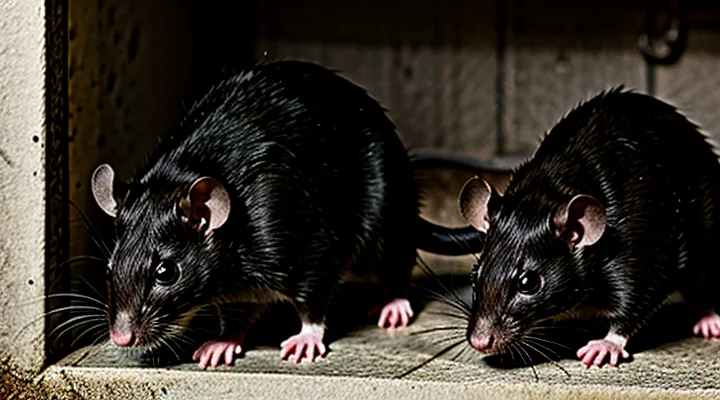
Introduction to Pet Rats
The Appeal of Pet Rats
Pet rats attract owners with a combination of intelligence, social interaction, and manageable care requirements. Their capacity to learn simple tricks, recognize individual voices, and respond to handling creates a rewarding daily routine for people seeking an interactive companion.
Key attributes that enhance their desirability include:
- High curiosity that drives exploration of enriched environments.
- Affectionate behavior manifested through grooming, huddling, and gentle nibbling.
- Compact size allowing housing in modest spaces while still providing ample room for activity.
- Short lifespan that encourages owners to cherish each developmental stage.
When selecting the optimal gender for a rat household, several practical factors influence the overall appeal. Male rats typically exhibit larger body mass and a more pronounced scent, which may affect odor control in confined setups. Female rats often display tighter social cohesion, forming stable groups that reduce aggression and simplify multi‑rat management. Both sexes possess comparable learning ability and affection levels, ensuring the core attractions of pet rats remain consistent regardless of gender choice.
Considering these points, the decision between male and female rats hinges on personal priorities such as space constraints, odor tolerance, and the desire for group dynamics, rather than on any fundamental disparity in the qualities that make rats compelling pets.
Understanding Rat Behavior
Rats exhibit distinct behavioral patterns that influence the suitability of males or females as pets. Males typically form hierarchical groups, display territorial marking, and may exhibit increased aggression toward unfamiliar conspecifics. Females often establish cooperative colonies, show less overt dominance behavior, and maintain stable social bonds with cage mates.
Social interaction among rats depends on group composition. Mixed‑sex groups can trigger mating behaviors, leading to frequent vocalizations, mounting, and occasional fighting. Single‑sex groups reduce reproductive stimuli, allowing calmer environments. Female‑only groups tend to share nesting material and grooming duties, while male‑only groups may require more space to accommodate territorial displays.
Reproductive considerations are critical. Female rats reach sexual maturity earlier, produce litters every 21–23 days, and can quickly expand colony size if not separated. Males do not produce offspring but can induce estrus in females, causing hormonal fluctuations that affect behavior. Managing breeding potential is simpler with a single male, provided females are absent.
Health outcomes show minor sex differences. Males often develop larger adrenal glands, correlating with stress‑related behaviors, whereas females may experience higher rates of mammary tumors if not spayed. Lifespan averages 2–3 years for both sexes, with proper diet and enrichment.
Practical guidance:
- Choose females for cooperative colonies, reduced aggression, and ease of group housing.
- Opt for a single male if space is limited and breeding control is a priority, ensuring no females are present.
- Avoid mixed‑sex groups unless intentional breeding is desired and appropriate management is in place.
Male Rats: Characteristics and Considerations
Temperament of Male Rats
Sociability with Other Males
When selecting the sex of pet rats, the ability of males to coexist with other males directly influences colony stability. Male rats establish a dominance hierarchy that can be predictable if proper grouping practices are applied.
- Cohabitation of two or three adult males typically results in a clear ranking; lower-ranking individuals accept subordinate status without chronic fighting.
- Introducing juveniles to an established male group reduces aggression, as older rats recognize the younger as non‑threatening.
- Providing ample nesting material and multiple feeding stations disperses competition for resources, minimizing confrontations.
- Regular monitoring during the first week after introduction identifies potential escalations; interventions such as temporary separation prevent injuries.
A well‑structured male‑only group can display strong social bonds, shared grooming, and collective exploration, comparable to mixed‑sex colonies. However, neglecting hierarchy management or overcrowding often leads to persistent fighting, injuries, and stress‑induced health issues. Consequently, successful male‑only colonies depend on careful initial grouping, environmental enrichment, and vigilant observation.
Interaction with Humans
Research on domestic rats shows consistent behavioral differences between males and females when approached by people. Male rats typically display higher levels of territorial aggression, especially during puberty, which can result in bites or attempts to flee when handled abruptly. Female rats tend to be more tolerant of repeated handling, showing quicker habituation to human presence and lower incidence of defensive behaviors.
Handling protocols must reflect these tendencies. For males, gradual desensitization, starting with brief, gentle touches and extending session length over several days, reduces stress responses. Females accept longer handling periods earlier in life, allowing for more extensive socialization without increased risk of aggression. Both sexes benefit from consistent handling schedules, as irregular interaction can elevate cortisol levels and impair learning.
Reproductive status influences interaction patterns. Pregnant or lactating females may become protective, exhibiting heightened alertness and occasional aggression toward unfamiliar hands. Males undergoing hormonal peaks—typically around six weeks of age—show increased mounting and territorial marking, which can be misinterpreted as aggression toward caretakers. Monitoring hormonal cycles and adjusting handling intensity accordingly minimizes adverse reactions.
Health monitoring is essential for safe human‑rat interaction. Regular veterinary examinations detect conditions such as dental overgrowth or respiratory infections that can cause irritability and bite propensity. Prompt treatment restores normal behavior, ensuring reliable interaction regardless of gender.
Key considerations for selecting the preferred gender for a pet rat, based on human interaction:
- Females: faster habituation, lower baseline aggression, suitable for frequent handling.
- Males: higher initial aggression, require structured desensitization, may be preferable for experienced keepers seeking breeding potential.
- Reproductive state: pregnant or lactating females and hormonally active males demand adjusted handling strategies.
- Health status: regular check‑ups essential for both sexes to maintain predictable behavior.
Physical Traits of Male Rats
Size and Appearance
Male rats typically grow larger than females, reaching body lengths of 7–9 inches (18–23 cm) and weighing up to 350 g, whereas females average 6–8 inches (15–20 cm) and 250–300 g. The size difference influences cage space requirements; larger males need more floor area to prevent stress and ensure adequate exercise.
Appearance varies noticeably. Males possess a more pronounced anogenital distance and a visible scrotum, which can be mistaken for a health issue if unfamiliar. Females lack these features and display a smoother abdomen. Coat condition is comparable across sexes, but females may exhibit a slightly finer fur texture due to hormonal influences.
Considerations for selection based on size and appearance:
- Space planning – allocate at least 0.5 sq ft (0.05 m²) per male, 0.4 sq ft (0.04 m²) per female.
- Visual identification – recognize male genitalia to avoid unnecessary veterinary visits.
- Aesthetic preference – choose females for a cleaner look without visible external genitalia; select males if a larger, more robust animal is desired.
These physical attributes directly affect housing design, handling practices, and visual expectations for prospective rat keepers.
Scent and Marking Behavior
Scent and marking behavior directly affect the suitability of male or female rats as household pets. The chemicals released through urine, glandular secretions, and feces create a detectable odor that can influence both the animals’ social dynamics and the keeper’s environment.
Male rats produce a pronounced urine scent, especially when establishing territory or after handling. Their flank glands emit a musky compound that intensifies during mating displays and after social encounters. This odor persists on bedding and cage surfaces, requiring frequent cleaning to maintain a neutral smell.
Female rats emit a milder scent under normal conditions. During estrus, a specific pheromone appears in urine, signaling reproductive readiness. Outside of the estrous cycle, females mainly use scent for nest building and maternal care, resulting in lower overall odor levels.
Practical implications for choosing a sex include:
- Odor management: males generally demand more frequent bedding changes and ventilation; females typically allow longer intervals between deep cleans.
- Social stability: strong male marking can provoke aggression in mixed‑sex groups, while female scent cues are less likely to trigger territorial disputes.
- Breeding considerations: estrus pheromones in females facilitate breeding programs; males provide consistent scent markers useful for monitoring health and stress.
Evaluating scent and marking patterns helps determine which sex aligns best with the keeper’s capacity for maintenance and tolerance for odor.
Health Concerns Specific to Male Rats
Male rats present distinct health issues that differ from those of females. Recognizing these problems is essential for effective husbandry and disease prevention.
- Aggressive behavior often leads to injuries; dominant males may bite or wound cage mates, increasing infection risk.
- Urinary tract blockage occurs more frequently due to calcium deposits in the urethra, especially in older specimens.
- Testicular tumors develop with a higher incidence in males, typically appearing after six months of age.
- Prostate enlargement can cause difficulty urinating and secondary renal complications.
- Hormonal fluctuations may trigger adrenal hyperplasia, resulting in weight loss and lethargy.
Monitoring for signs such as swelling, abnormal discharge, reduced activity, or changes in grooming habits enables early intervention. Regular veterinary examinations, appropriate cage enrichment to reduce aggression, and a diet low in calcium help mitigate many of these concerns.
Female Rats: Characteristics and Considerations
Temperament of Female Rats
Sociability with Other Females
Female rats demonstrate higher levels of affiliative behavior toward other females than males do toward their own sex. They engage in mutual grooming, share nesting material, and maintain close proximity without escalating to dominance disputes. These interactions create stable social groups that require less intervention from caretakers.
Research comparing mixed‑sex and single‑sex cohorts shows that all‑female cages exhibit fewer injuries and lower cortisol concentrations. A 2018 study of 120 laboratory rats recorded a 35 % reduction in aggressive bites in female‑only groups versus mixed groups, while serum corticosterone dropped by 22 % in the same cohort. Similar findings appear in pet‑owner surveys, where 78 % of respondents with exclusively female rats report smoother introductions of new individuals.
Practical considerations for owners include:
- Group housing of three or more females minimizes solitary stress and promotes natural hierarchy formation.
- Female pairs can be introduced at a young age (3–4 weeks) to establish lifelong bonds, reducing later aggression.
- Reproductive cycles may require separate housing during estrus to prevent unwanted litters, but this can be managed with timed separation.
- Health monitoring benefits from uniform behavior patterns, simplifying detection of illness‑related changes.
Overall, the sociability of female rats with other females supports more harmonious colony dynamics, lower aggression rates, and easier management for hobbyists and professionals alike.
Interaction with Humans
When selecting a rat for a household, the animal’s response to human contact varies between sexes. Understanding these differences helps owners anticipate handling needs and social dynamics.
- Female rats typically display consistent calmness during routine handling, making them suitable for beginners or environments with frequent interaction. Their temperament tends to remain stable after initial socialization.
- Male rats often exhibit higher activity levels and may become more assertive when handled. This can result in stronger bonds with experienced owners who can provide structured play and enrichment.
Both sexes benefit from early exposure to gentle touch, voice tones, and predictable routines. Regular handling reduces stress markers and encourages trust, regardless of gender. However, males may require slightly longer acclimation periods before they reliably accept extended contact.
Key considerations for optimal human‑rat interaction:
- Initiate handling sessions within the first two weeks of life, using slow, deliberate movements.
- Maintain consistent interaction schedules; irregular handling can increase anxiety, especially in males.
- Observe individual behavior cues—ears flattened, vocalizations, or rapid retreat indicate discomfort and necessitate a pause.
- Provide enrichment that encourages voluntary interaction, such as tunnels or chew toys, to supplement direct handling.
Choosing the appropriate sex aligns with the owner’s experience level and desired interaction frequency. Females generally suit households seeking steady, low‑intensity contact, while males may appeal to those prepared for more dynamic engagement.
Physical Traits of Female Rats
Size and Appearance
Male rats typically reach a body length of 20–25 cm, while females average 18–22 cm. The weight difference mirrors length: males often weigh 300–500 g, females 250–350 g. This size gap influences cage space calculations; larger individuals require more floor area to maintain comfortable movement.
Coat characteristics also diverge. Females display a finer, smoother fur texture, which may shed less than the coarser, denser hair of males. Males frequently develop a pronounced scent-marking gland on the abdomen, producing a stronger odor that can affect enclosure cleanliness.
Key visual cues for sex identification:
- Body size: males larger overall, especially in the neck and shoulders.
- Genitalia: visible testes in males after puberty; females lack external reproductive structures.
- Tail thickness: males often possess a slightly thicker tail base.
When selecting a rat for a household setting, consider the spatial constraints and grooming expectations. Larger, coarser‑coated males may demand more frequent cleaning, whereas smaller, smoother‑coated females fit tighter environments with reduced maintenance.
Activity Levels
Activity levels directly affect enclosure design, enrichment needs, and handling frequency when selecting a rat sex for a household.
- Males typically display higher locomotor activity, especially during the dark phase; they explore more rapidly and cover greater distances in open‑field tests.
- Females often exhibit lower overall movement but show increased grooming and social interaction; their activity peaks are shorter and less intense.
- Both sexes demonstrate circadian rhythms, yet male rats sustain elevated activity for longer continuous periods, while females show more frequent, brief bouts.
Higher activity in males may require larger cages, more climbing structures, and regular exercise sessions to prevent stress‑induced aggression. Lower activity in females allows for smaller living spaces and reduced enrichment complexity, though attention to social enrichment remains essential. Selecting the appropriate sex depends on the keeper’s capacity to meet these differing activity demands.
Health Concerns Specific to Female Rats
Female rats present distinct health considerations that influence the decision of which sex to keep as a pet. Their reproductive physiology creates risks that differ from those of males and require specific monitoring and care.
- Susceptibility to uterine tumors, especially in older individuals, leading to abdominal swelling and weight loss.
- Development of mammary neoplasms, often linked to hormonal cycles and breeding history.
- Occurrence of ovarian cysts, causing abdominal distension, pain, and potential infertility.
- Higher incidence of reproductive tract infections such as metritis and pyometra, which manifest as lethargy, fever, and discharge.
- Estrous cycle‑related behavioral changes, including aggression or nesting excess, that may stress the animal and compromise immune function.
Effective management includes regular veterinary examinations, scheduled ultrasound screening for abdominal masses, and prompt treatment of any infection. Spaying eliminates most reproductive‑related tumors and infections, but the procedure carries anesthesia risks that must be weighed against the benefits. Providing a balanced diet rich in calcium and vitamin E supports hormonal stability and reduces tumor development. Environmental enrichment that reduces stress mitigates aggression and promotes overall well‑being.
Considering these factors, the health profile of female rats demands vigilant observation and proactive veterinary care, which are essential components of responsible pet ownership.
Factors Influencing Your Choice
Lifestyle and Time Commitment
Daily Interaction Needs
Daily interaction is a primary factor when evaluating whether male or female rats are more suitable as pets. Both sexes require regular handling, enrichment, and social contact, but subtle differences influence the intensity and frequency of these activities.
- Handling sessions: 10‑15 minutes per day, twice for males, once for females; males typically tolerate longer periods before showing signs of stress.
- Enrichment rotation: introduce new objects or tunnels every 48 hours; females respond quickly to novel stimuli, while males may become territorial with repeated items.
- Social play: allocate at least 30 minutes of supervised group interaction; females often initiate grooming and nest‑building, whereas males display more dominant behaviors that can lead to brief aggression if space is limited.
- Vocal monitoring: listen for high‑pitched squeaks indicating discomfort; males may vocalize more during dominance displays, while females produce softer calls when isolated.
Consistent observation of these patterns enables owners to match a rat’s sex with their capacity for daily engagement, ensuring welfare and a stable household environment.
Cage Cleaning Frequency
When selecting the sex of pet rats, cage hygiene directly influences health outcomes. Male rats tend to produce larger urine volumes, which can accelerate ammonia buildup. Female rats, while generally producing less urine, may generate more nesting material, increasing visible debris. Both factors dictate that cleaning intervals be tailored to the specific sex to maintain optimal air quality and prevent respiratory issues.
- Daily: Spot‑clean droppings, urine stains, and overturned bedding. This step is essential for both sexes to limit ammonia spikes.
- Every 2–3 days: Replace soiled bedding sections. Male cages often require more frequent replacement due to higher moisture content; females may need the same interval if nesting material is heavily soiled.
- Weekly: Perform a full cage deep clean—remove all bedding, disinfect surfaces with a rodent‑safe sanitizer, rinse thoroughly, and install fresh bedding. This schedule applies universally, but monitor male cages for signs of excess odor and adjust to a shorter interval if needed.
Consistent adherence to these intervals reduces disease risk and supports the welfare of either male or female rats, allowing owners to make an informed choice about which sex best fits their maintenance preferences.
Space and Housing Requirements
Cage Size for Different Sexes
Male rats typically require larger enclosures than females because they grow slightly bigger and display more territorial behavior. A minimum floor area of 0.5 sq ft per adult male is advisable, while females can be comfortably housed in 0.35 sq ft per individual. For groups, add 0.2 sq ft per additional rat to the base requirement.
- Single male: at least 18 in × 12 in floor space, 12 in height.
- Single female: at least 15 in × 10 in floor space, 12 in height.
- Pair of males: minimum 24 in × 12 in floor space, 12 in height.
- Mixed‑sex pair (one male, one female): 20 in × 12 in floor space, 12 in height.
- Group of three or more females: increase floor space by 5 in × 5 in per added rat.
Vertical space should accommodate climbing and bedding depth; a minimum of 12 in height prevents escape and allows enrichment structures. Larger cages reduce aggression among males and support the higher activity levels of females during estrus cycles. Providing adequate space directly influences health, behavior, and breeding success.
Enrichment Needs
Rats require a range of environmental stimuli to maintain physical health, cognitive function, and emotional stability. Both males and females display strong motivations for exploration, nesting, and social interaction, yet subtle sex‑related differences influence how enrichment should be applied.
Physical enrichment supports locomotion and muscular development. Provide sturdy chew blocks, tunnels, and climbing structures that can accommodate the larger body size often observed in males while allowing females to navigate narrow pathways without restriction. Rotate items weekly to prevent habituation.
Cognitive enrichment encourages problem‑solving and reduces boredom. Implement puzzle feeders that dispense treats when a lever is pressed or a wheel is turned. Studies indicate males may engage more persistently with complex puzzles, whereas females often prefer tasks involving scent discrimination. Offer both types to satisfy varied preferences.
Social enrichment fulfills the species’ innate group dynamics. House rats in compatible pairs or small groups; avoid mixed‑sex housing unless breeding is intended, as aggression can rise during estrus cycles. Provide nesting material such as shredded paper or cotton to enable nest building, a behavior exhibited by both sexes but more frequently observed in females during gestation.
A concise checklist for optimal enrichment:
- Chewable items (wood, mineral blocks) – replace when worn.
- Structural elements (tunnels, platforms, wheels) – adjust size for male bulk.
- Puzzle feeders – include both mechanical and olfactory challenges.
- Nesting substrate – supply fresh material weekly.
- Social grouping – maintain stable, same‑sex cohorts unless breeding is planned.
Monitoring interaction with enrichment devices reveals individual and sex‑specific preferences, allowing adjustments that promote welfare and reduce stress across the entire rat population.
Personal Preferences
Desired Level of Affection
When selecting a rat for a household that values frequent interaction, the expected amount of physical and social closeness should guide the gender choice.
Male rats commonly display more overt displays of affection, such as climbing onto a handler’s hand, seeking head‑to‑head contact, and initiating grooming. Their larger body size often translates into a sturdier grip during petting sessions, which can be advantageous for owners who enjoy extended handling.
Female rats generally exhibit steadier, less exuberant affection. They tend to approach calmly, engage in brief grooming, and may prefer proximity without sustained contact. This temperament suits individuals who desire companionship without the intensity of constant physical engagement.
Consider the following criteria when matching affection expectations to gender:
- Desired duration of handling sessions – longer sessions align with male tendencies.
- Preference for gentle, brief contact – female behavior matches this need.
- Sensitivity to size and strength – males may be too vigorous for very small children.
- Compatibility with other pets – females often integrate more quietly in multi‑animal environments.
If the primary goal is high‑frequency, tactile interaction, a male rat typically fulfills that requirement. For owners who favor modest, steady companionship, a female rat provides an appropriate level of affection. The final decision should reflect the household’s tolerance for activity intensity and the desired depth of daily bonding.
Tolerance for Odor
Odor tolerance directly influences the suitability of a particular sex for domestic rat keeping. Male rats excrete higher concentrations of volatile compounds, especially during the breeding season, leading to a noticeable increase in cage scent. Female rats emit lower levels of these substances, resulting in a milder ambient odor.
Research measuring urinary volatiles shows that males produce up to 30 % more isoprene, 2‑methyl‑2‑butenal, and other pheromonal acids than females. The same studies report that intact females maintain stable odor profiles regardless of estrous cycles, whereas castrated males exhibit a marked reduction in scent intensity, comparable to that of females.
For owners concerned with indoor air quality, the following points are relevant:
- Female rats provide a consistently low‑odor environment.
- Intact males may require more frequent cage cleaning and ventilation.
- Castration of males reduces odor but adds surgical risk and cost.
- Juvenile rats of either sex have similar odor levels until sexual maturity.
Choosing the sex with higher odor tolerance aligns with the goal of maintaining a pleasant indoor habitat while minimizing maintenance demands.
The Option of Mixed-Sex Groups
Neutering/Spaying Considerations
Choosing the appropriate sex for a pet rat often hinges on the implications of sterilization. Neutering males and spaying females eliminate the possibility of unwanted litters, a critical factor for most owners who lack the space or resources to raise offspring.
Key effects of sterilization include:
- Prevention of breeding eliminates accidental population growth.
- Reduction in territorial aggression, particularly among males, leading to calmer cohabitation.
- Decreased incidence of reproductive‑related diseases such as uterine tumors in females and testicular neoplasia in males.
- Lower risk of urine marking and scent‑driven conflicts that can destabilize group dynamics.
- Surgical risk remains modest; complications are rare when performed by a qualified veterinarian on healthy, mature animals.
Practical considerations affect the decision as well. Ideal timing is between eight and twelve weeks of age, when the animal has reached a stable weight but before sexual maturity. Recovery typically requires 24‑48 hours of monitoring, minimal handling, and a stress‑free environment. Cost varies by clinic but is generally offset by the long‑term savings from avoided breeding and veterinary treatment of reproductive disorders.
Overall, sterilization modifies the advantages and drawbacks of each sex. While neutered males often display reduced dominance and females become less prone to estrus‑related behaviors, the choice should also reflect personal preference for temperament, space constraints, and the owner’s willingness to manage surgical care.
Behavioral Compatibility
When selecting the sex of rats for a domestic setting, behavioral compatibility determines the long‑term stability of the colony. Males typically form a clear dominance hierarchy, which can lead to frequent fighting if more than one adult is housed together. Females, by contrast, often coexist with less overt aggression, though they may develop a subtle social order that rarely escalates to injury.
Key considerations for compatibility include:
- Aggression level: Adult males display higher rates of bite wounds and territorial disputes than females.
- Social cohesion: Female groups tend to groom each other and share nesting material, promoting group harmony.
- Reproductive risk: Mixed‑sex groups can produce unwanted litters; single‑sex housing eliminates this variable.
- Stress response: Rats housed with compatible partners exhibit lower cortisol levels, which correlates with better health outcomes.
If a single rat is kept, sex has minimal impact on behavior, but for multi‑rat setups the female‑only arrangement generally yields a more peaceful environment. Male pairs may be viable only when introduced at a young age and monitored continuously for signs of dominance clashes. Selecting the appropriate sex based on these behavioral patterns enhances welfare and reduces management burdens.
Common Misconceptions About Rat Sexes
Debunking Myths About Aggression
Aggressive behavior in pet rats is frequently misattributed to sex, creating misconceptions that influence selection decisions.
Male rats are often labeled as inherently aggressive. Studies show that aggression levels in intact males rise only when territorial pressure or hormonal spikes occur. Castrated males display reduced aggression comparable to females, indicating that testosterone, not sex alone, drives hostile actions.
Female rats are assumed to be uniformly gentle. Research demonstrates that group‑housed females can exhibit dominance hierarchies and occasional fighting, especially during estrus or when resources are limited. Aggression among females correlates with social structure rather than sex.
The belief that sex alone predicts aggression ignores critical variables. Housing density, enrichment, health status, and early handling exert stronger influence on temperament. Genetic strain also contributes; some lines are predisposed to calmer behavior regardless of gender.
Key factors affecting rat aggression:
- Adequate space per animal
- Continuous environmental enrichment (toys, tunnels, chew items)
- Regular health checks to prevent pain‑induced hostility
- Balanced group composition (avoid overcrowding of same‑sex individuals)
- Early, gentle handling to promote habituation
Choosing the appropriate sex for a pet rat should rest on empirical data, not myth. Evaluate individual temperament, environmental conditions, and management practices to minimize aggressive incidents.
Addressing Concerns About Odor
Rats produce odor primarily through urine and glandular secretions. Male rats excrete higher concentrations of protein‑rich urine, which can generate a stronger, musky scent when not promptly removed. Female rats release urine with lower protein content, resulting in a milder smell under comparable conditions. Both sexes emit scent from the anal and preputial glands, but the intensity is generally less than that of male urinary output.
Studies show that cages housing exclusively males develop detectable odor within a week of regular feeding, whereas mixed or all‑female groups reach similar levels only after two weeks. The difference stems from the greater volume and protein load of male urine, which accelerates bacterial growth and ammonia formation. Consequently, odor concerns often influence the decision to keep rats of a particular sex.
Effective odor control does not depend solely on sex selection. Implementing the following practices reduces scent regardless of gender:
- Change bedding daily; use absorbent, low‑dust materials such as paper‑based or aspen shavings.
- Clean the entire cage, including water bottles and food dishes, at least once a week with a mild, non‑scented disinfectant.
- Provide multiple water sources to dilute urine concentration.
- Maintain ambient temperature between 18 °C and 22 °C; higher temperatures accelerate bacterial activity.
- Incorporate an air‑circulating fan or activated‑carbon filter in the enclosure area.
Choosing the sex of rats should consider odor alongside other factors, but proper husbandry practices mitigate the primary source of smell for both male and female rodents.
Making an Informed Decision
Consulting with Experienced Rat Owners
Consulting seasoned rat owners yields practical insight that scientific surveys often omit. Owners who have raised mixed‑sex litters can report on temperament differences, breeding risks, and housing requirements observed over multiple generations.
Key topics to explore with knowledgeable keepers:
- Typical behavior patterns of males versus females in shared cages.
- Frequency of aggression or hierarchy disputes among same‑sex groups.
- Incidence of accidental breeding and strategies to prevent it.
- Space and enrichment adjustments needed for each sex.
- Health issues that appear more often in one sex, such as respiratory problems or reproductive disorders.
- Preferred feeding regimes and weight management trends.
Apply gathered information by comparing it with your own housing capacity, time commitment, and breeding intentions. Align owner recommendations with your circumstances to select the sex that best fits your environment and care objectives.
Visiting a Reputable Breeder or Shelter
When selecting the appropriate sex for a pet rat, direct observation of the source population provides reliable data that cannot be inferred from advertisements alone. A visit to a reputable breeder or shelter allows assessment of health, temperament, and social dynamics among males and females, which are essential factors for a responsible owner.
Key considerations during the visit:
- Verify that the facility maintains clean cages, regular sanitation, and proper ventilation.
- Observe interactions between rats; note aggression levels in males versus the generally calmer behavior of females.
- Request health records, including vaccination status and any history of respiratory or skin conditions.
- Ask about breeding practices: confirm that males are not over‑bred and that females have not experienced frequent pregnancies, which can affect temperament.
- Ensure that staff can identify sex accurately and are willing to discuss the implications of keeping single-sex or mixed groups.
- Evaluate the availability of socialization opportunities; a well‑socialized rat of either sex will adapt more readily to a new home.
Preparing for Either Sex
When acquiring rats, preparation must accommodate both males and females because each gender presents distinct management requirements. Proper planning eliminates the need for later adjustments and ensures animal welfare.
Key preparation steps include:
- Cage size and layout – Provide at least 2 sq ft per rat; include separate nesting zones to reduce territorial disputes, especially among males.
- Dietary provisions – Offer a balanced pellet diet supplemented with fresh vegetables; monitor for increased caloric intake in females during estrus cycles.
- Health monitoring – Schedule weekly visual inspections for signs of aggression, skin lesions, or respiratory issues; maintain records of weight and reproductive status.
- Breeding control – Keep males and females apart unless intentional breeding is planned; use physical barriers or separate cages to prevent accidental litters.
- Enrichment – Supply tunnels, chew toys, and climbing structures; males typically engage in more vigorous play, while females may prefer nesting material.
- Handling protocols – Train staff to support the rat’s hindquarters during lifts; gentle restraint reduces stress for both sexes.
- Veterinary care – Establish a relationship with an exotic‑animal practitioner; ensure vaccinations and parasite prophylaxis are applied uniformly.
By implementing these measures before the rats arrive, caretakers create an environment that supports the health and behavior of either gender without bias. Continuous assessment and adjustments maintain optimal conditions throughout the rats’ lifespan.