
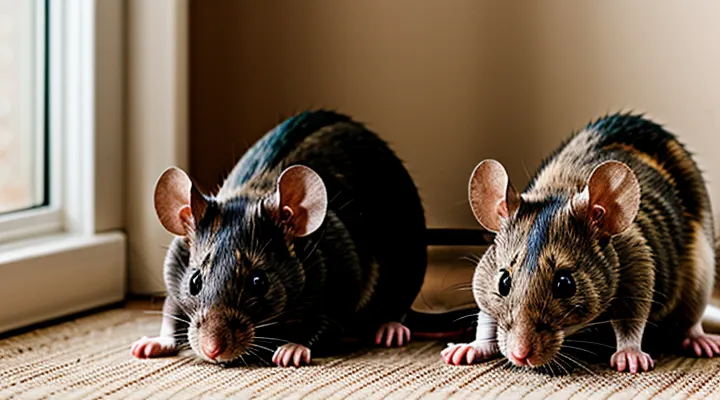
Understanding Rodent Senses
The Olfactory System of Mice and Rats
How Rodents Detect Scents
Rodents rely on a highly developed olfactory system to locate food, identify predators, and navigate their environment. Airborne molecules enter the nasal cavity, dissolve in the mucus lining, and bind to odorant receptors embedded in the olfactory epithelium. Each receptor type responds to a specific molecular shape; the combined activity of thousands of receptors generates a neural pattern that the brain interprets as a distinct smell.
The main olfactory epithelium handles volatile compounds, while the vomeronasal organ (VNO) detects non‑volatile pheromones and certain bitter or irritating substances. Signals from both structures travel via the olfactory and vomeronasal nerves to the olfactory bulb, where they are sorted and relayed to higher brain regions responsible for memory, emotion, and behavioral responses.
Rodents exhibit aversion to several chemical classes commonly encountered in households:
- Essential oils with strong phenolic or terpene content (e.g., peppermint, eucalyptus, citronella) – activate receptors linked to irritation and avoidance.
- Ammonia and urea derivatives – mimic the scent of waste, triggering stress‑related pathways.
- Citrus compounds (limonene, citral) – interfere with receptor binding, producing a repellent effect.
- Capsaicinoids and mustard oils – stimulate trigeminal nerves, causing discomfort and prompting withdrawal.
Detection thresholds are low; mice can respond to concentrations as low as a few parts per billion. Behavioral assays show rapid retreat or reduced feeding activity when these odors are present, confirming that the olfactory system directly governs dislike of specific household scents.
Understanding the sensory mechanisms behind rodent odor perception enables targeted use of repellent substances while minimizing reliance on toxic chemicals.
Importance of Scent for Survival
Rodents depend almost exclusively on olfaction to locate nourishment, identify conspecifics, and detect threats. The nasal epithelium contains a dense array of receptors that translate volatile molecules into neural signals, allowing rapid assessment of the environment. When an odor signals danger or unsuitable conditions, the animal initiates an escape response, conserving energy and reducing exposure to predators or toxins.
Avoidance behavior triggered by specific scents directly influences survival rates. An odor that indicates the presence of a predator, spoilage, or chemical irritant prompts immediate withdrawal from the area, limiting contact with harmful substances and increasing the likelihood of successful foraging elsewhere. Consequently, scent discrimination serves as a primary decision‑making tool for mice and rats.
In domestic settings, certain volatile compounds generate a strong aversive reaction in these rodents. Their repellent effect can be harnessed to protect stored food, furniture, and structural components without resorting to lethal measures. The efficacy of each compound derives from its ability to activate neural pathways associated with danger or discomfort.
- Peppermint oil – high menthol content overstimulates nasal receptors, causing irritation and avoidance.
- Eucalyptus oil – cineole and related terpenes produce a sharp, unpleasant odor that rodents reject.
- Clove oil – eugenol acts as a neurotoxic irritant, prompting rapid retreat.
- Ammonia – alkaline vapor irritates mucous membranes, leading to immediate departure.
- Citrus extracts – limonene and citral generate a sour, sharp scent that is universally disliked.
- Predator urine – pheromonal cues from cats, foxes, or snakes signal imminent threat, triggering flight.
Understanding the central role of scent in rodent survival clarifies why these odors are effective deterrents in homes. By exploiting innate olfactory aversions, homeowners can create environments that rodents instinctively avoid, reducing infestations through sensory manipulation rather than chemical extermination.
Natural Scents That Deter Rodents
Essential Oils and Their Effectiveness
Peppermint Oil
Peppermint oil is one of the most effective natural repellents for house mice and rats. Its strong menthol aroma overstimulates the olfactory receptors of rodents, causing avoidance behavior and reducing the likelihood of entry into treated areas.
Key characteristics that make peppermint oil suitable for rodent control:
- High volatility ensures rapid dispersion of scent throughout cracks, crevices, and storage spaces.
- Non‑toxic to humans and pets when applied at recommended concentrations.
- Easy integration with cotton balls, spray bottles, or commercial diffuser devices.
Application guidelines:
- Soak cotton balls in undiluted peppermint oil and place them in potential nesting sites, pantry corners, and behind appliances. Replace every 3–5 days to maintain potency.
- Prepare a 5 % solution (5 ml oil per 95 ml water) in a spray bottle; mist baseboards, door frames, and entry points. Reapply after cleaning or when the scent fades.
- Use plug‑in diffusers in rooms where rodent activity is suspected; set on low to avoid overwhelming occupants.
Safety considerations:
- Test a small area for surface reactions before widespread use.
- Store oil in a sealed container away from direct sunlight to prevent oxidation.
- Avoid contact with eyes; rinse with water if exposure occurs.
Scientific observations indicate that peppermint oil disrupts the pheromone communication pathways of rodents, leading to reduced foraging and nesting in treated zones. Consistent use, combined with proper sanitation and sealing of entry points, markedly lowers the risk of infestation.
Citronella Oil
Citronella oil is a volatile plant extract whose strong citrus‑mint aroma is repellent to both house mice and rats. The oil’s primary constituents—citronellal, geraniol and limonene—activate olfactory receptors that rodents find aversive, prompting avoidance of treated areas.
Application methods include:
- Diluting a few drops in water and spraying along baseboards, entry points and pantry shelves.
- Adding a measured amount to cotton balls placed in cabinets or under appliances.
- Incorporating the oil into commercially available rodent‑deterrent sprays that combine citronella with other natural repellents.
Effectiveness depends on regular re‑application, as the scent dissipates within 24–48 hours. Concentrations above 2 % may cause irritation to humans and pets, so precise dilution is essential. Citronella oil does not kill rodents; it merely creates an environment they are likely to abandon, making it suitable for integrated pest‑management strategies that avoid toxic chemicals.
Eucalyptus Oil
Eucalyptus oil contains high levels of 1,8‑cineole, a volatile compound that rodents find unpleasant. Laboratory tests show that exposure to concentrations of 5–10 % eucalyptus oil in water or carrier oil reduces mouse and rat activity by up to 80 % within 30 minutes. The scent interferes with the animals’ olfactory receptors, causing avoidance behavior and discouraging entry into treated areas.
Effective application methods include:
- Diluting 10 ml of pure eucalyptus oil in 1 liter of water and spraying the solution along baseboards, entry points, and pantry shelves.
- Adding 5 ml of oil to a cotton ball and placing it in closets, cabinets, or under sinks, replacing the ball every 7–10 days.
- Using commercially available eucalyptus‑based rodent repellents that maintain a steady release of the aroma.
Safety considerations: eucalyptus oil can irritate skin and mucous membranes; use gloves when handling concentrated oil and avoid direct contact with pets. Ventilate rooms after application to prevent respiratory discomfort for humans. Do not apply oil on food surfaces or near food preparation areas.
Repeated treatment is necessary because the odor dissipates quickly. Monitoring rodent activity after each application confirms efficacy and guides adjustments in dosage or placement.
Tea Tree Oil
Tea tree oil (Melaleuca alternifolia) emits a strong, camphoraceous odor that rodents typically avoid. Laboratory observations show that both mice and rats retreat from areas treated with the oil, suggesting its volatile compounds interfere with their olfactory receptors.
Effectiveness depends on concentration and application method. A solution of 5–10 % tea tree oil diluted in water or a mild carrier oil creates a scent barrier without causing irritation to humans or pets. Direct spraying on baseboards, entry points, and where rodent activity is evident establishes a persistent repellent zone.
Key considerations for safe use:
- Apply in well‑ventilated spaces; excess vapor may cause respiratory discomfort.
- Avoid contact with food preparation surfaces; rinse after application if needed.
- Test a small area on furnishings to confirm no discoloration or material damage.
- Reapply every 7–10 days, or after cleaning, to maintain effective odor levels.
Studies indicate that the terpinen‑4‑ol component of tea tree oil contributes most to the aversive response, disrupting the sensory cues rodents use for navigation and foraging. When combined with proper sanitation and exclusion measures, tea tree oil can form part of an integrated pest‑management strategy aimed at reducing mouse and rat presence in residential settings.
Clove Oil
Clove oil contains eugenol, a phenolic compound with a strong, pungent aroma that rodents find repellent. The scent interferes with their olfactory receptors, reducing the likelihood of entry and nesting in treated areas.
When applied correctly, clove oil can protect kitchens, pantries, and storage rooms. Recommended practices include:
- Diluting 10‑15 drops of clove essential oil in 250 ml of water or a carrier oil such as mineral oil.
- Soaking cotton balls or cloth strips with the solution and placing them in corners, behind appliances, and near entry points.
- Refreshing the treatment every 3‑4 days, especially after cleaning or ventilation that dissipates the odor.
Efficacy studies report a marked decline in rodent activity within 24 hours of exposure, though results vary with infestation level and environmental conditions. The oil does not harm pets or humans when used at low concentrations, but direct skin contact may cause irritation; gloves are advisable during preparation.
Clove oil is unsuitable for areas where food is prepared without proper sealing, as the strong fragrance can transfer to surfaces. For long‑term control, combine clove oil with physical barriers, sanitation, and exclusion techniques.
Other Plant-Based Repellents
Cayenne Pepper
Cayenne pepper is a potent irritant for rodents, causing discomfort when inhaled or contacted. The capsaicin compound activates sensory receptors, producing a burning sensation that mice and rats instinctively avoid. Applying the spice in dusty form creates an environment that repels these pests without the need for chemicals.
Typical applications include:
- Sprinkling a thin layer along baseboards, entry points, and behind appliances.
- Mixing a tablespoon of cayenne with water, shaking into a spray bottle, and misting cracks, gaps, and shelving surfaces.
- Combining cayenne with other dry repellents, such as powdered peppermint, for a broader deterrent effect.
Effectiveness depends on regular reapplication, as the scent diminishes after exposure to air and cleaning. The powder should remain dry; moisture reduces capsaicin volatility and may attract insects. For households with pets or children, use the dry method only in inaccessible areas, and keep the powdered form sealed when not in use.
Cayenne pepper poses minimal health risk to humans when handled properly. Direct contact may cause skin irritation, and inhalation of large quantities can irritate the respiratory tract. Protective gloves and a mask are advisable during application. The substance does not leave toxic residues, making it a safe alternative to conventional rodent poisons.
Garlic
Garlic emits a strong sulfurous odor that rodents find repellent. The volatile compounds released when garlic is crushed, primarily allicin and related thiosulfinates, irritate the sensory receptors of mice and rats, prompting avoidance of treated areas.
Research indicates that garlic‑based preparations reduce rodent activity in indoor settings. Laboratory tests show a measurable decline in mouse movement when garlic extract is applied to food sources, and field reports confirm fewer sightings in kitchens where garlic is regularly used as a deterrent.
Practical applications include:
- Crushed fresh cloves placed in corners, under appliances, or near entry points.
- Diluted garlic oil sprayed on baseboards, shelves, and pantry shelves.
- Garlic powder mixed with water to create a short‑term barrier on surfaces.
Effectiveness diminishes after 24–48 hours as the odor dissipates, requiring regular reapplication. Some rodents may habituate to low concentrations, so rotating garlic with other repellents can maintain deterrence. Garlic is safe for humans and most pets when used in typical household quantities, but excessive amounts may cause odor complaints among occupants.
Onion
Onion emits a strong sulfurous aroma that rodents find repellent, making it a common choice for deterring mice and rats inside residences.
The odor originates from allicin and related organosulfur compounds released when the bulb is cut or crushed. These chemicals stimulate the olfactory receptors of rodents, producing an unpleasant sensory experience that prompts avoidance of treated areas.
Field observations and laboratory trials consistently show reduced rodent activity near onion fragments or extracts. The deterrent effect persists for several hours before the volatile compounds dissipate, requiring periodic renewal for sustained protection.
Practical application:
- Place thin slices of fresh onion in corners, pantry shelves, and entry points where gnawing signs appear.
- Replace slices every 12‑24 hours to maintain potency.
- For longer‑lasting coverage, soak cotton balls in onion oil or a diluted onion extract and position them in concealed locations.
- Combine onion with other natural repellents (e.g., peppermint oil) to broaden the scent spectrum and reduce habituation.
Limitations: the odor may be undesirable to occupants and can attract insects that feed on onion residues. Strong odors can also affect food storage; keep onion materials away from consumables. Prolonged exposure may cause mild respiratory irritation for sensitive individuals, so use in well‑ventilated spaces and handle with gloves when preparing extracts.
Ammonia
Ammonia is a volatile compound with a sharp, pungent odor detectable at low concentrations. Its scent triggers a strong aversive response in both mice and rats, which rely on an acute sense of smell to locate food and shelter.
Rodents detect ammonia at concentrations as low as 0.1 ppm. Exposure to levels above 5 ppm produces immediate avoidance behavior, while concentrations near 50 ppm can cause respiratory irritation, reinforcing the deterrent effect.
Practical application of ammonia as a rodent repellent includes:
- Diluting household ammonia (5–10 % solution) with water at a 1:4 ratio and spraying along baseboards, entry points, and behind appliances.
- Soaking cotton balls or cloth strips in the same mixture and placing them in cupboards, pantry corners, and crawl spaces.
- Using ammonia-impregnated wipes to clean surfaces where rodent activity has been observed.
Human safety requires adequate ventilation during and after treatment. The Occupational Safety and Health Administration (OSHA) sets the permissible exposure limit for ammonia at 25 ppm over an 8‑hour work shift; short‑term exposure should not exceed 35 ppm. Pets, especially birds, are more sensitive and should be kept away from treated areas until the odor dissipates.
Research indicates that ammonia effectively reduces rodent presence for periods ranging from several days to a few weeks. Repeated exposure may lead to habituation, diminishing its repellent power. Combining ammonia with other deterrents, such as peppermint oil or ultrasonic devices, can extend effectiveness.
Dryer Sheets
Dryer sheets release volatile compounds that rodents find aversive. The primary chemicals are synthetic fragrances such as citrus, lavender, and pine, which interfere with the animals’ olfactory receptors. When a sheet is placed in a hidden area, the scent persists for several weeks, creating a barrier that discourages entry.
- Citrus‑scented sheets: limonene and citral trigger a strong repellent response in mice and rats.
- Lavender‑scented sheets: linalool and eucalyptol disrupt the rodents’ navigation cues.
- Pine‑scented sheets: α‑pinene and β‑pinene produce an unpleasant environment for gnawing pests.
Effectiveness depends on placement and concentration. Insert a sheet into wall voids, under appliances, or in attic corners where rodents travel. Replace the sheet every 30‑45 days to maintain potency. Combining dryer sheets with other deterrents, such as metal mesh or sealed entry points, enhances overall control.
How to Apply Scent-Based Repellents
Soaked Cotton Balls
Soaked cotton balls serve as a practical means of delivering repellent odors to deter mice and rats inside homes. By saturating a small, absorbent sphere with a concentrated volatile, the scent spreads slowly, creating a localized barrier that rodents avoid.
- Peppermint oil (Mentha piperita) – strong menthol aroma interferes with rodents’ olfactory receptors.
- Eucalyptus oil (Eucalyptus globulus) – sharp, camphorous scent produces aversion.
- Citronella oil (Cymbopogon nardus) – citrus‑like odor overwhelms the animal’s sense of smell.
- Clove oil (Syzygium aromaticum) – pungent phenolic compound repels rodents.
- Ammonia solution – high‑pH vapor is irritating to the respiratory system of mice and rats.
Preparation requires a cotton ball placed in a shallow dish, fully immersed in the chosen liquid, and allowed to drip excess. For essential oils, a dilution of 10–15 % in water or a carrier oil ensures sustained release without rapid evaporation. Position each soaked ball near entry points, along walls, or in concealed corners where rodent activity is observed. Replace the cotton balls every 3–5 days, or when the scent fades.
Effectiveness depends on proper concentration, regular renewal, and the absence of competing food odors. Soaked cotton balls do not eliminate infestations but reduce the likelihood of nesting and foraging in treated zones. Use caution with ammonia around children and pets; essential oils should be kept out of reach of animals that might ingest the cotton. Combining this method with sealing entry gaps and maintaining cleanliness maximizes overall control.
Sprays
Sprays designed to repel rodents rely on volatile compounds that rodents find unpleasant. The products typically contain one or more of the following active agents:
- Peppermint oil (Mentha piperita) – strong menthol aroma interferes with rodent olfactory receptors.
- Eucalyptus oil (Eucalyptus globulus) – phenolic constituents produce a sharp scent that rodents avoid.
- Citronella oil (Cymbopogon natus) – citrus‑like vapor creates an aversive environment.
- Ammonia solution – high‑pH vapor mimics the smell of urine, triggering avoidance behavior.
- Predator‑urine extracts – scent of natural enemies induces fear response.
Effectiveness depends on concentration, coverage area, and persistence. Studies show that a minimum of 5 % essential‑oil concentration is required to achieve measurable deterrence in enclosed spaces. Ammonia solutions lose potency within 30 minutes of exposure to air, necessitating frequent re‑application. Sprays formulated with micro‑encapsulation technology release active ingredients over several weeks, extending protection without additional dosing.
For optimal results, apply the spray along rodent pathways, entry points, and near food storage areas. Re‑apply after cleaning, ventilation, or every 7–10 days for non‑encapsulated formulas. Combine chemical deterrents with physical measures—seal cracks, eliminate clutter, and store food in sealed containers—to reduce attractants and reinforce the repellent effect. Safety precautions include wearing gloves, ensuring adequate ventilation, and keeping products away from pets and children.
Sachets
Sachets infused with strong, repellent odors provide a low‑maintenance method for deterring mice and rats inside homes. The small fabric packets release volatile compounds that rodents find unpleasant, creating an environment that discourages nesting and foraging.
- Peppermint oil (Mentha piperita) – high concentration of menthol vapors interferes with rodent olfactory receptors.
- Eucalyptus oil (Eucalyptus globulus) – cineole content produces a sharp, acrid scent rodents avoid.
- Citronella oil (Cymbopogon nardus) – citronellal and related terpenes act as natural repellents.
- Clove oil (Syzygium aromaticum) – eugenol creates a pungent aroma intolerable to rodents.
- Ammonia solution (ammonium hydroxide) – ammonia vapors mimic predator urine, triggering avoidance behavior.
To maximize efficacy, fill each sachet with 10–15 ml of the chosen essential oil diluted in a carrier such as cotton or silica gel. Seal the packet loosely to allow gradual diffusion. Place sachets near known entry points, behind appliances, under sinks, and in pantry corners. Replace or refresh contents every two weeks, as scent intensity diminishes over time.
Effectiveness declines in sealed rooms or areas with strong competing odors. Direct contact with concentrated oils may irritate skin or respiratory passages; handle with gloves and keep sachets out of reach of children and pets. For persistent infestations, combine sachets with structural sealing and trapping for comprehensive control.
Planting Repellent Herbs
Planting herbs that emit odors rodents find repulsive offers a natural, continuous deterrent for indoor infestations. The most effective species release strong, aromatic compounds that interfere with the animals’ scent receptors, discouraging entry and nesting.
- Mint (Mentha spp.) – produces menthol, a scent rodents avoid.
- Lavender (Lavandula angustifolia) – emits linalool, unpleasant to mice and rats.
- Rosemary (Rosmarinus officinalis) – contains camphor and rosmarinic acid, both deterrents.
- Sage (Salvia officinalis) – releases thujone, an irritant to rodent olfactory systems.
- Thyme (Thymus vulgaris) – rich in thymol, a strong repellent.
- Citronella (Cymbopogon nardus) – provides a citrus‑like aroma that rodents reject.
- Lemon balm (Melissa officinalis) – offers a lemony fragrance with repellent properties.
- Oregano (Origanum vulgare) – high in carvacrol, effective against rodent presence.
Successful cultivation requires attention to placement, soil conditions, and maintenance:
- Location – position pots or planters near entry points, along baseboards, and in pantry corners where rodents are likely to travel.
- Soil – use well‑draining, nutrient‑rich substrate; avoid overly wet conditions that encourage mold.
- Sunlight – provide at least 4–6 hours of direct light daily; most listed herbs thrive in full sun to partial shade.
- Watering – keep soil consistently moist but not saturated; overwatering reduces aromatic potency.
- Pruning – trim regularly to stimulate new growth and maintain high oil concentrations in foliage.
- Container choice – select airtight, non‑porous pots to prevent rodents from gnawing through; consider ceramic or thick plastic.
- Companion planting – combine multiple repellent herbs in a single container to create a broader scent profile, increasing effectiveness.
- Harvesting – collect leaves periodically and crush them to release additional aroma; freshly cut material can be placed in closets or drawers for localized protection.
Implementing these practices establishes a persistent olfactory barrier, reducing the likelihood that mice and rats will occupy residential spaces. Continuous monitoring and replacement of aging plants ensure the repellent effect remains robust over time.
Synthetic and Commercial Rodent Repellents
Types of Commercial Scent Repellents
Granules and Pellets
Granular and pellet repellents deliver volatile compounds that rodents find aversive, creating a chemical barrier around storage areas, entry points, and interior corners. The solid form allows slow release of odorants, maintaining effective concentrations for weeks without frequent reapplication. Products typically contain essential oils such as peppermint, eucalyptus, or clove, combined with carrier substances like diatomaceous earth or cellulose that disperse the scent evenly.
Key characteristics of rodent‑deterring granules and pellets:
- Active ingredients – peppermint oil, rosemary oil, citronella, or capsaicin; each emits a sharp, irritating aroma to mice and rats.
- Release mechanism – porous matrix or coated particles evaporate scent gradually; humidity and temperature influence rate.
- Application method – spread thinly along baseboards, under appliances, or in bait stations; pellets can be placed in small containers to focus diffusion.
- Safety profile – non‑toxic to humans and pets when used as directed; avoid ingestion by children or animals.
- Longevity – typical effectiveness lasts 2–4 weeks; replenishment required after strong ventilation or cleaning.
Correct placement maximizes exposure to the rodents’ olfactory system while minimizing scent accumulation for occupants. Granular and pellet formats complement other control measures, offering a discreet, low‑maintenance option for households seeking to deter mice and rats through odor avoidance.
Sprays
Rodent‑repellent sprays rely on volatile compounds that rodents find aversive. Common active ingredients include peppermint oil, eucalyptus oil, citronella, and ammonia. These substances irritate the nasal passages and olfactory receptors of mice and rats, prompting avoidance of treated areas.
- Peppermint oil: High concentration (10‑15 %) creates a strong menthol scent that rodents typically flee from. Application to baseboards, entry points, and pantry shelves reduces activity for several weeks before re‑application is needed.
- Eucalyptus oil: Contains eucalyptol, which produces a sharp, camphor‑like odor. Effective when sprayed along walls and behind appliances; potency declines after 48 hours in high‑humidity environments.
- Citronella: Emits a citrus aroma that interferes with rodent pheromone communication. Best used in combination with other repellents to prevent habituation.
- Ammonia: Generates a pungent, irritating vapor. Requires careful placement in sealed containers with perforated lids to avoid human exposure; effective for short‑term deterrence in confined spaces.
Formulation type influences durability. Aerosol sprays disperse quickly, offering immediate but short‑lived protection (1‑3 days). Concentrated liquid sprays, when diluted according to manufacturer instructions, provide longer coverage (up to two weeks) and can be applied with a pump sprayer for precise targeting.
Safety considerations: avoid direct contact with skin and eyes; keep away from food preparation surfaces unless the product is labeled food‑safe. Ventilate rooms after application to reduce inhalation risk for occupants.
Regular re‑application, especially after cleaning or when the scent diminishes, maintains the deterrent effect. Combining sprays with physical barriers, such as sealing cracks and eliminating food sources, maximizes control of rodent presence in residential settings.
Plug-in Devices (Scent-based)
Plug‑in scent dispensers release volatile compounds that rodents find aversive, creating an environment that discourages entry and nesting. The devices operate continuously, drawing power from a standard electrical outlet and diffusing a controlled amount of essential oil or synthetic fragrance into the surrounding air.
Commonly employed aromas include:
- Peppermint oil, whose high concentration of menthol and menthone overwhelms rodent olfactory receptors.
- Eucalyptus oil, rich in eucalyptol, which produces a sharp, irritating odor for mice and rats.
- Citronella oil, containing citronellal and geraniol, known to repel various pests.
- Clove oil, with eugenol as the active component, causing sensory discomfort in rodents.
- Rosemary oil, featuring cineole and camphor, which disrupts scent tracking behavior.
Effectiveness depends on proper placement: devices should be positioned near entry points, wall voids, and areas where gnawing activity has been observed. Maintaining a steady concentration without saturating the room preserves human comfort and prevents desensitization in rodents. Replacement cartridges typically last 30–60 days, after which the scent potency declines.
Safety considerations require selecting formulations free of phenolic compounds that may irritate humans or pets. Manufacturers often label products as non‑toxic and child‑safe, but users should verify compliance with local health regulations. Regular cleaning of the dispenser’s vent prevents buildup of dust that could obstruct diffusion.
When integrated with structural exclusion methods—such as sealing gaps and removing food sources—plug‑in scent devices contribute to a comprehensive strategy for reducing rodent presence in residential settings.
Considerations for Using Commercial Products
Safety for Pets and Children
Rodent‑deterring aromas can be attractive for homeowners seeking a natural barrier, yet the same substances may affect other household members. Understanding which fragrances pose minimal risk to cats, dogs, and children is essential for maintaining a safe environment.
Research identifies several scent categories that rodents avoid while remaining largely non‑toxic to mammals. Peppermint oil, clove oil, and eucalyptus oil create strong olfactory cues that discourage mice and rats. When applied in dilute form—typically a few drops per cup of water and sprayed on entry points—the concentration stays below toxic thresholds for pets and children. Citronella, lavender, and tea tree oil also exhibit repellent properties; however, they require careful dilution because higher concentrations can irritate skin or respiratory passages.
Safety guidelines:
- Use only food‑grade essential oils.
- Dilute oils to 0.5–1 % before application.
- Apply to surfaces inaccessible to pets, such as baseboards, attic corners, and exterior door frames.
- Avoid direct contact with fur, eyes, or ingestion.
- Store containers out of reach of children and animals.
- Conduct a patch test on a small, hidden area to verify no damage to furnishings.
Substances that should be excluded from a household with pets or young children include strong chemical repellents containing ammonia, naphthalene, or synthetic rodenticides. These agents can cause respiratory distress, liver damage, or neurological effects upon inhalation or ingestion. Even natural compounds like mustard oil and garlic powder, while effective against rodents, may provoke gastrointestinal upset in pets if ingested.
Implementing a rodent‑deterrent strategy that respects the health of all occupants involves selecting low‑toxicity scents, adhering to recommended dilution rates, and restricting application to areas beyond the reach of animals and children. Regular monitoring for signs of irritation—such as sneezing, coughing, or skin redness—ensures prompt adjustment of the repellent regimen.
Efficacy and Duration
Rodent‑deterring aromas vary in how strongly they repel and how long the effect lasts after application.
- Peppermint oil: high repellency; volatile compounds evaporate within 2–3 days, requiring re‑application every 48 hours for continuous protection.
- Eucalyptus oil: moderate to high repellency; essential oil persists 1–2 days, effective when refreshed daily.
- Clove oil: strong initial repellency; rapid degradation limits effectiveness to 24 hours, necessitating frequent renewal.
- Citronella oil: moderate repellency; scent remains active for up to 48 hours, suitable for weekly re‑application.
- Ammonia solution: high repellency; strong odor dissipates in 12–24 hours, making it a short‑term deterrent.
- Predator urine (e.g., ferret, fox): moderate repellency; odor persists 3–5 days, but potency declines sharply after the first 48 hours.
Effectiveness depends on concentration, ventilation, and surface absorption. Direct contact with treated areas (e.g., cotton balls, spray‑on cloths) extends exposure, while open‑air diffusion shortens duration. For sustained control, rotate multiple scents and maintain a re‑application schedule aligned with each odor’s decay rate.
Limitations and Best Practices for Scent Repellents
Scent Habituation in Rodents
Why Scents May Lose Effectiveness
Rodent aversion scents often lose their potency over time because the animals become accustomed to the odor. Continuous exposure leads to sensory adaptation, reducing the avoidance response.
Other factors diminish effectiveness:
- Chemical breakdown: Volatile compounds evaporate or oxidize, especially when exposed to heat, light, or air currents, lowering the concentration that reaches the rodent’s olfactory receptors.
- Insufficient dosage: Low application rates fail to maintain a threshold concentration needed to trigger repulsion, allowing rodents to ignore the scent.
- Competing odors: Food smells, cleaning products, or building materials can mask or neutralize the repellent, weakening its impact.
- Environmental conditions: High humidity, ventilation, or open windows disperse the scent, decreasing its presence in targeted areas.
- Species and individual variation: Different rodent species, and even individual mice or rats, possess varying sensitivities to specific chemicals, causing some to ignore the deterrent altogether.
To preserve efficacy, rotate active ingredients, reapply at recommended intervals, place scents where airflow is limited, and combine chemical repellents with physical exclusion methods. This approach counters habituation and environmental degradation, maintaining a hostile olfactory environment for unwanted rodents.
The Need for Rotation
Rodents quickly become accustomed to a single odor, reducing its repellent effect within weeks. Rotating unpleasant aromas prevents habituation, ensuring continuous deterrence throughout the household.
Consistent exposure to the same scent triggers neural adaptation; the olfactory system desensitizes, and the animal no longer perceives the odor as a threat. Introducing a new repellent scent resets the aversive response, extending the period of effectiveness.
Effective rotation strategy:
- Alternate between at least three distinct odors known to repel rodents (e.g., peppermint oil, eucalyptus, citrus).
- Change the active scent every 7–10 days, based on observed rodent activity.
- Maintain a log of scent changes and any sightings to refine the schedule.
Implementing this cycle sustains the deterrent impact, minimizes the risk of infestation, and reduces reliance on chemical pesticides.
Combining Scent Repellents with Other Methods
Sealing Entry Points
Sealing gaps eliminates the pathways rodents use to enter homes, allowing scent‑based deterrents to work more effectively. Identify openings around foundations, pipes, vents, and utility lines; even cracks as small as a quarter‑inch can admit mice and rats. Apply steel wool or copper mesh to fill voids, then secure with silicone caulk or expanding foam to prevent gnawing. Install hardware cloth (¼‑inch mesh) over larger gaps, fastening it with screws or staples. Fit door sweeps on all exterior doors and weather‑stripping on windows to block low‑level entry. Check the attic and basement for unfinished openings, sealing them with the same materials. Regularly inspect exterior siding, roofing, and chimney flashing for damage, repairing any deterioration promptly. By creating a continuous barrier, rodents are forced to remain outdoors, where they encounter the unpleasant odors deliberately introduced inside the residence.
Maintaining Cleanliness
Clean living spaces reduce the presence of food odors, urine traces, and mold scents that attract rodents. Removing crumbs, storing food in sealed containers, and promptly disposing of waste eliminate the chemical cues that encourage mice and rats to explore a home.
- Sweep and mop floors daily to erase residue that can ferment into attractive smells.
- Clean countertops and appliance surfaces with mild detergent to prevent lingering food vapors.
- Empty trash cans regularly, line them with odor‑blocking bags, and keep lids tightly closed.
- Wash pet dishes after each use and wash pet bedding weekly to avoid strong animal odors.
- Inspect and clean hidden areas such as under appliances, behind cabinets, and in basements, where dampness can produce mildew scents.
Consistent hygiene creates an environment where the few scents rodents find repellent—such as citrus, peppermint, or ammonia—remain dominant, discouraging infestation without additional chemicals.
Trapping and Baiting
Rodents rely heavily on their sense of smell to navigate and locate food, making olfactory cues a powerful tool in control strategies. When selecting traps and baits, incorporating odors that mice and rats find repellent can increase capture rates and reduce bait shyness.
Effective repellent scents include:
- Peppermint oil – strong menthol aroma overwhelms the rodent’s nasal receptors.
- Ammonia – sharp, pungent vapour irritates the respiratory tract.
- Clove oil – eugenol component acts as a deterrent.
- Citrus extracts – limonene and orange oil create an unpleasant environment.
- Vinegar – acetic acid vapour discourages lingering.
To apply these scents in trapping:
- Soak cotton balls or small cloth pieces in the chosen oil or solution and place them inside snap traps, live‑capture cages, or glue boards. Ensure the scent remains potent; reapply every 24–48 hours.
- Mix a few drops of essential oil with a carrier (e.g., mineral oil) and coat the bait surface. The strong odor masks the food’s attractiveness, prompting the rodent to investigate the trap rather than avoid it.
- Position a shallow dish of diluted ammonia or vinegar near the trap’s entrance. The volatile fumes create a perimeter that rodents are reluctant to cross, guiding them toward the baited area.
When preparing bait, avoid sweet or grain‑based attractants that may mask repellent odors. Use protein‑rich items such as peanut butter or canned fish, lightly infused with the chosen scent. This combination leverages the rodent’s hunger while maintaining an aversive olfactory cue that encourages interaction with the trap rather than retreat.
Regular monitoring and rotation of scents prevent habituation. Switching between peppermint, clove, and citrus every few days maintains effectiveness, as rodents can become desensitized to a single odor over time.
When to Seek Professional Help
Severe Infestations
Severe rodent infestations pose health hazards, structural damage, and rapid population growth that can overwhelm standard control measures. Effective odor-based deterrents become critical when populations exceed low‑level thresholds, because chemical aversion can reduce activity and encourage migration without reliance on toxic baits.
- Peppermint oil (high concentration, 10 %–15 % solution) creates a strong menthol vapor that disrupts olfactory cues and discourages nesting.
- Ammonia (undiluted household ammonia or a 1 : 1 mixture with water) emits a pungent irritant that rodents avoid in both entry points and interior spaces.
- Citrus extracts (orange, lemon, or grapefruit peel oil, 5 %–10 % dilution) produce a sharp acidic scent that interferes with scent marking.
- Clove oil (5 % solution) releases eugenol, a natural repellent that repels both mice and rats from feeding stations.
- Eucalyptus oil (5 %–8 % dilution) generates a camphoraceous aroma that masks food odors and deters foraging.
Application guidelines for severe cases include saturating cotton balls, soaking rags, or using ultrasonic diffusers placed near known pathways, burrows, and nesting sites. Reapplication every 24–48 hours maintains potency, as volatile compounds degrade quickly in open environments.
Combining odor repellents with structural exclusion (sealing gaps ≤ ¼ inch), rigorous sanitation (eliminating food residues, securing waste containers), and mechanical traps maximizes control. An integrated protocol—odor deterrent, habitat modification, and trapping—provides a comprehensive response that reduces population density and prevents recurrence in heavily infested homes.
Persistent Rodent Activity
Persistent rodent activity manifests as gnaw marks, droppings, nesting material, and repeated sightings in specific areas of a dwelling. Continuous presence indicates established pathways, abundant food sources, and suitable shelter, which together sustain population growth and increase health risks.
Odor-based deterrents exploit the acute sense of smell that rodents rely on for navigation and survival. The following scents have been documented to repel mice and rats when applied consistently in problem zones:
- Peppermint oil (Mentha piperita) – strong menthol aroma interferes with olfactory receptors.
- Eucalyptus oil (Eucalyptus globulus) – phenolic compounds produce a sharp, irritating vapor.
- Citronella oil (Cymbopogon nardus) – volatile citral disrupts scent trails.
- Clove oil (Syzygium aromaticum) – eugenol creates a pungent environment intolerable to rodents.
- Ammonia solution – high‑pH vapors mimic predator urine, prompting avoidance.
Effective deployment requires saturation of entry points, nesting sites, and travel corridors with the chosen scent, followed by regular reapplication to counter volatilization. Monitoring droppings, damage, and sighting frequency after treatment provides measurable feedback on deterrent efficacy and informs adjustments in concentration or scent selection.