
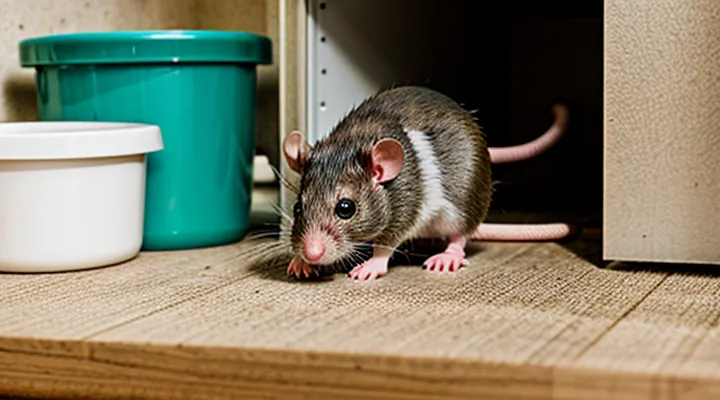
Understanding Pet Rats
Why Choose a Rat as a Pet?
Intelligence and Trainability
Rats possess a level of cognition comparable to small dogs, enabling them to solve problems, navigate mazes, and remember patterns. Their capacity for rapid learning stems from a well‑developed hippocampus and a social structure that rewards observation and imitation.
Training leverages this intelligence through consistent, short sessions that focus on positive reinforcement. Rewards such as favorite treats or gentle petting strengthen desired actions, while repetition solidifies neural pathways. Rats quickly associate cues with outcomes, allowing owners to shape behaviors without coercion.
Typical trainable skills include:
- Responding to a clicker or verbal cue to come when called.
- Navigating a simple obstacle course, demonstrating balance and coordination.
- Performing tricks like standing on hind legs, spinning, or retrieving small objects.
- Using a litter box, which reduces cleaning effort and promotes hygiene.
Effective training requires:
- A calm environment free of sudden noises.
- Clear, distinct signals for each command.
- Immediate reward delivery within a few seconds of the correct response.
- Gradual increase in difficulty, ensuring the rat masters each step before progressing.
Because rats are highly social, regular interaction reinforces learning and prevents boredom. Short daily sessions, lasting no more than five minutes, maintain motivation and avoid fatigue. Consistency across multiple days produces reliable performance and strengthens the human‑rat bond.
Social Nature
Rats thrive on interaction with their own kind; solitary housing often leads to stress, reduced appetite, and abnormal behaviors. A pair or small group establishes a stable hierarchy, which minimizes aggression and provides opportunities for grooming, play, and vocal communication. When introducing new individuals, monitor body language—such as puffed fur, tail rattling, or gentle nose-to-nose contact—to ensure a smooth transition.
Key practices for supporting their social needs:
- Maintain at least two rats of the same sex, unless a single male is neutered and monitored for dominance.
- Provide a spacious cage with multiple levels, tunnels, and hideouts to accommodate hierarchy and allow retreat.
- Offer daily enrichment—chew toys, nesting material, and puzzle feeders—to encourage cooperative play and mental stimulation.
- Schedule regular handling sessions for each rat to strengthen human‑rat bonds without disrupting group dynamics.
Understanding and respecting the inherent sociability of rats reduces health risks and promotes a lively, contented household environment.
Common Misconceptions About Rats
Health Concerns
Rats kept as pets are prone to a specific set of health issues that require vigilant observation and proactive care. Recognizing symptoms early and maintaining a clean environment reduce the likelihood of severe complications.
- Respiratory infections (e.g., Mycoplasma pulmonis, Sendai virus) present with sneezing, nasal discharge, or labored breathing.
- Dental problems, including overgrown incisors, cause weight loss, difficulty chewing, and facial swelling.
- Gastrointestinal disturbances such as bloat, diarrhea, or constipation may indicate dietary imbalance or infection.
- Skin conditions, including mites, fungal infections, and ulcerative dermatitis, appear as hair loss, crusting, or redness.
- Tumors, particularly mammary adenomas and sarcomas, manifest as palpable masses or abnormal swelling.
Preventive actions focus on hygiene, diet, and habitat management. Clean cages weekly, replace bedding regularly, and disinfect food and water containers. Provide a high‑fiber, low‑fat diet supplemented with fresh vegetables and limit sugary treats. Ensure adequate chewing material to promote dental wear. Maintain ambient temperature between 65‑75 °F and avoid drafts that stress the respiratory system.
Daily observation is essential. Record changes in appetite, activity level, coat condition, and waste consistency. Schedule veterinary examinations at least twice yearly, or sooner if any abnormal signs appear. Rats tolerate handling well, allowing for routine health checks without sedation.
Zoonotic risk remains low but not negligible. Salmonella, Leptospira, and rat‑bite fever can transmit to humans through direct contact with contaminated surfaces or bites. Practice hand washing after handling, wear gloves when cleaning cages, and seek medical advice promptly after any bite or scratch.
Behavior and Cleanliness
Rats are highly social and inquisitive; they explore cages constantly, gnaw on materials, and produce droppings throughout the day. Their natural curiosity means they will test the limits of any enclosure, so a secure, chew‑proof habitat prevents escape and reduces damage to bedding and accessories.
Maintaining a clean environment supports health and minimizes odor. Follow a routine that addresses both daily activity and periodic deep cleaning:
- Remove uneaten food and wet bedding each evening.
- Spot‑clean soiled areas with a mild, pet‑safe disinfectant.
- Replace all bedding weekly; use absorbent, dust‑free substrate to control droppings.
- Wash water bottles and food dishes with hot, soapy water at least twice a week; rinse thoroughly.
- Disinfect the entire cage, including bars and toys, every two weeks using a diluted bleach solution (1 part bleach to 32 parts water) followed by a thorough rinse.
Understanding typical rat behavior helps anticipate messes. Rats mark territory with urine, especially after handling or during breeding cycles; provide a separate, easily sanitized area for this activity. They also nest in corners; rotate nesting material regularly to prevent buildup of waste and parasites.
Consistent observation of behavior patterns—such as increased grooming, lethargy, or changes in droppings—can signal health issues that require immediate cleaning of the affected area and veterinary attention. By aligning cage management with the animals’ natural habits, owners preserve hygiene and promote a thriving, stress‑free environment.
Preparing for Your Rat
Choosing the Right Rat
Where to Adopt or Purchase
When deciding where to acquire a pet rat, evaluate sources for health standards, legal compliance, and support after adoption.
Rescue organizations and animal shelters often house rats rescued from laboratories or abandoned homes. These facilities typically require a health screening before release and provide basic care instructions. Contact local humane societies, rodent‑specific rescues, or regional wildlife rehabilitators to inquire about available rats and adoption procedures.
Commercial breeders specialize in specific strains and can offer detailed lineage information. Reputable breeders maintain clean cages, perform regular veterinary checks, and provide quarantine periods for new litters. Verify breeder credentials through rodent‑owner forums, the American Fancy Rat and Mouse Association, or state‑issued licenses.
Pet stores may sell rats sourced from large distributors. If choosing this route, request documentation of the supplier’s health certifications and observe the animals for signs of illness, such as nasal discharge or lethargy. Prefer stores that keep rats in spacious, enriched enclosures and allow interaction before purchase.
Online marketplaces list both breeders and private sellers. Use platforms that enable buyer reviews and require sellers to disclose veterinary records. Arrange a video call or in‑person meeting to assess the rat’s condition and environment before finalizing the transaction.
Key considerations for any source:
- Verify that the provider complies with local animal‑welfare regulations.
- Ensure the rat has been examined by a veterinarian and is free of parasites.
- Ask about a return or support policy should health issues arise after acquisition.
- Confirm that the rat’s age and temperament match the intended caretaker’s experience level.
Gender and Group Size
When selecting a pet rat, consider sex because it influences behavior and health management. Female rats tend to be more sociable, often forming stronger bonds with owners and other females; they also have a higher likelihood of developing mammary tumors, which requires regular health checks. Male rats can be more territorial, especially if housed with other males, and may display increased aggression during adolescence; neutering is not common, so monitoring for mounting and scent-marking is advisable. Both sexes benefit from enrichment, but understanding these tendencies helps prevent conflicts and supports appropriate veterinary care.
Group size determines social stability and stress levels. Rats are naturally gregarious; solitary housing can lead to depression, while overcrowding may trigger dominance fights. A practical approach includes:
- A pair of same‑sex rats: provides companionship while limiting aggression.
- A trio or quartet with mixed sexes: offers dynamic interaction; monitor for breeding if females are present.
- Larger groups (five or more): suitable for experienced owners who can provide ample space, multiple hiding spots, and separate feeding stations to reduce competition. Maintaining at least 2 sq ft (0.19 m²) of cage floor per rat, plus vertical climbing structures, supports healthy group dynamics regardless of size. Regular observation allows early detection of bullying or health issues, ensuring a stable, thriving colony.
Essential Supplies
Cage Requirements
Rats require a spacious, secure enclosure that encourages natural behaviors while preventing injury. A minimum floor area of 2 sq ft per animal is recommended; larger cages reduce stress and support activity. Bar spacing should not exceed ½ inch to stop escape, and the cage must be constructed from sturdy, non‑toxic material such as stainless steel or powder‑coated metal. Acrylic or glass panels are acceptable only when reinforced with metal framing.
Ventilation is critical. At least one side of the cage should feature a mesh or perforated panel that allows continuous airflow without creating drafts. Avoid sealed enclosures that trap ammonia; regular air exchange keeps the environment healthy.
The base should accommodate absorbent bedding. Use kiln‑dried pine, aspen shavings, or paper‑based products; avoid cedar and aromatic softwoods, which release harmful oils. Provide a minimum 2‑inch depth to enable burrowing and nesting.
Essential accessories include:
- A solid platform or climbing structure at least 6 inches high, supporting exercise and vertical exploration.
- A solid-bottom water bottle with a stainless‑steel nozzle to prevent leakage.
- A chew‑proof food dish, preferably stainless steel or heavy‑weight ceramic.
- A hideout made of untreated wood or thick fabric, offering a refuge for rest and stress reduction.
Cleaning procedures must be systematic. Remove soiled bedding weekly, replace with fresh material, and disinfect the cage interior with a diluted, rodent‑safe solution (e.g., a 1:10 bleach‑water mixture) monthly. Rinse thoroughly to eliminate residue before re‑adding bedding.
Finally, inspect the enclosure daily for signs of wear, loose wires, or sharp edges. Prompt repairs maintain safety and prolong the cage’s usability.
Size and Bar Spacing
A suitable cage for a rat must provide enough floor space for movement, exploration, and enrichment. The minimum recommended area is 2 sq ft (approximately 0.19 m²) per adult rat; larger groups benefit from 4 sq ft (0.37 m²) or more. Height should allow vertical climbing, with at least 12 in (30 cm) of clear space above the floor. Multi‑level cages increase usable area without expanding the footprint.
Bar spacing directly affects safety. Gaps larger than ½ in (12 mm) allow a rat’s head to slip through, posing a severe injury risk. The industry standard is ¼ in (6 mm) spacing for all sides of the cage, including doors and ramps. Stainless steel or powder‑coated metal bars of ½ in (13 mm) diameter provide strength while maintaining the required gap.
Key dimensions to verify when selecting a cage:
- Floor area: ≥ 2 sq ft per rat
- Height: ≥ 12 in of clear space
- Bar spacing: ≤ ¼ in (6 mm) on all panels
- Bar diameter: ≥ ½ in (13 mm) for durability
Ensuring these measurements prevents escapes, entrapment, and injuries, creating a secure environment that supports natural rat behaviors.
Ventilation and Location
Proper airflow is vital for a healthy rat habitat. A cage should sit in a room where fresh air circulates without drafts that could chill the animal. Keep the enclosure away from direct sunlight, which can raise temperature rapidly. Ensure the room maintains a stable ambient temperature between 65‑75 °F (18‑24 °C) and a humidity level of 40‑60 %. Use a small fan on a low setting if the space feels stagnant, but position it so the breeze does not blow directly onto the rats.
Choosing the right location reduces stress and prevents accidents. Place the cage on a stable, level surface that cannot be knocked over. Avoid areas near loud appliances, heavy foot traffic, or strong odors such as kitchen fumes. The spot should be easy to clean, with a nearby sink or water source for quick sanitation. When possible, locate the enclosure in a room where you spend regular time, allowing the rats to become accustomed to human presence without feeling trapped.
Bedding and Substrate
Bedding provides insulation, absorbs waste, and helps control odor in a rat’s enclosure. Choose material that is dust‑free, non‑toxic, and easy to replace.
- Aspen shavings – low dust, good absorbency, safe if untreated.
- Paper‑based bedding (e.g., Carefresh, shredded paper) – virtually dust‑free, biodegradable, suitable for young or respiratory‑sensitive rats.
- Coconut fiber (coir) – high absorbency, moderate dust, may retain moisture if not changed regularly.
- Hemp or linen pellets – low dust, long‑lasting, requires thorough drying before use.
Avoid cedar, pine, and scented products; aromatic oils can cause respiratory irritation and liver stress.
Maintain cleanliness by removing soiled sections daily and performing a full substrate change weekly. Steps for full change:
- Empty the cage, placing rats in a temporary, secure carrier.
- Dispose of used bedding in a sealed bag.
- Clean the cage with mild, unscented soap and rinse thoroughly.
- Dry surfaces completely to prevent mold growth.
- Add a fresh layer of chosen substrate, depth of 1–2 inches for nesting and digging.
- Return rats, monitor for any signs of irritation.
Regular inspection for clumping, mold, or excess moisture prevents health issues and prolongs the lifespan of the bedding. Selecting the right substrate and adhering to a consistent cleaning schedule creates a stable, comfortable environment for pet rats.
Food and Water Dishes
Choosing the right containers for feeding and hydrating a pet rat directly affects health and hygiene.
- Material: stainless steel or glazed ceramic prevent rust and bacterial growth; avoid plastic, which can be chewed and develop scratches that harbor microbes.
- Size: dishes must hold at least 30 ml of water and 50 ml of food; larger bowls reduce spillage for active foragers.
- Shape: shallow, wide rims allow easy access for small paws while minimizing droppings falling into the contents.
Placement influences consumption patterns. Position water dishes away from food to discourage contamination, and keep both items on a stable, non‑slipping surface. Elevate bowls slightly above the cage floor to reduce bedding absorption.
Cleaning schedule is critical. Rinse dishes with hot water after each refill, scrub with a mild detergent weekly, and sterilize by boiling or dishwasher on a high‑heat cycle monthly. Replace any container showing cracks, chips, or persistent odors.
Monitoring water levels twice daily ensures continuous availability. Use a transparent bottle with a drip‑free tip for water; refill before the level drops below the ¼‑mark. For dry food, provide a small quantity each day to prevent spoilage, discarding leftovers after 24 hours.
Consistent use of appropriate dishes, strategic placement, and rigorous sanitation maintain optimal nutrition and prevent disease in a home‑kept rat.
Toys and Enrichment
Rats thrive when their environment includes a variety of stimulating objects that encourage natural behaviors such as foraging, climbing, and chewing. Providing a selection of safe, chew‑resistant items reduces dental problems and prevents boredom‑related stress.
- Natural wood branches or untreated pine dowels for climbing and gnawing
- Cardboard tunnels, tubes, or rolled paper for exploration and hiding
- Food‑puzzle devices that require manipulation to release treats
- Small plastic balls or beads that can be rolled across the cage floor
- Hanging hammocks or fabric nests for resting and nesting
Rotate toys regularly to maintain novelty; replace damaged items promptly to avoid injury. Incorporate enrichment sessions outside the cage, using supervised floor time with a secure playpen and interactive activities such as scent trails or hide‑and‑seek with treats. Consistent mental and physical challenges support healthy development and a well‑adjusted pet rat.
Initial Setup and Acclimation
Cage Arrangement
A well‑organized cage promotes rat health, prevents stress, and encourages natural behavior.
Rats require a minimum floor area of 2 sq ft per animal; larger enclosures improve exercise and reduce territorial disputes. For two rats, aim for at least 4 sq ft, and increase dimensions proportionally for additional companions.
Vertical space expands usable area without enlarging the footprint. Install at least one solid platform and a sturdy ramp; ensure the ramp angle does not exceed 30°. Platforms should be anchored securely to prevent wobbling.
Choose an absorbent, dust‑free substrate such as paper bedding or aspen shavings. Provide a depth of 1–2 inches to allow digging while facilitating spot cleaning. Avoid cedar or pine, which release volatile oils harmful to rodents.
Essential accessories:
- Hideout or tunnel for privacy
- Chew‑safe toys (wood blocks, untreated cardboard)
- Climbing ropes or ladders
- Sipper bottle with stainless‑steel tip
- Food dish with low edges
- Wheel (minimum 8‑inch diameter, solid surface)
Place the cage in a quiet room, away from direct sunlight, drafts, and loud appliances. Maintain ambient temperature between 65 °F and 75 °F; avoid sudden temperature fluctuations.
Perform daily spot cleaning of soiled bedding and leftover food. Conduct a full clean weekly: remove all contents, wash the cage with mild detergent, rinse thoroughly, and apply a pet‑safe disinfectant. Refill with fresh bedding before returning the rats.
Consistent application of these guidelines creates a stable environment that supports longevity and well‑being.
Introducing Your Rat to Its New Home
When a rat arrives, the first enclosure should be quiet, secure, and familiar in size. Place bedding, a hideaway, water bottle, and food dish before the animal steps inside. Allow the rat to explore without direct handling for several minutes, observing its behavior for signs of stress such as excessive grooming or frantic movement.
Key actions for a smooth transition:
- Secure the cage – lock all doors and ensure no gaps where the rat could escape.
- Provide shelter – add a small cardboard tube or wooden house; rats seek enclosed spaces when unsettled.
- Maintain temperature – keep the room between 68–77 °F (20–25 °C) and avoid drafts.
- Offer fresh water and a balanced diet – use a sipper bottle and a mix of lab blocks and fresh vegetables.
- Limit disturbances – keep the enclosure away from loud appliances, frequent foot traffic, and other pets for at least 24 hours.
After the initial exploration, begin gentle handling. Approach slowly, extend a hand palm‑up, and let the rat climb voluntarily. Short sessions of one to two minutes, repeated several times daily, build trust without overwhelming the animal.
Monitor health indicators: clear eyes, clean fur, normal stool, and active movement. Any signs of respiratory issues, loss of appetite, or lethargy require immediate veterinary attention. Consistent routine, a stable environment, and patient interaction lay the foundation for a confident, well‑adjusted pet rat.
Daily Care and Maintenance
Diet and Nutrition
Commercial Rat Food
Commercial rat food provides a balanced blend of protein, fat, fiber, vitamins, and minerals designed specifically for the dietary needs of pet rats. Formulations typically contain 18–22 % protein from sources such as soy, fish, or animal meal, and 5–7 % fat to support energy requirements without promoting obesity. Fiber levels range from 3–5 % to aid digestive health, while added vitamin‑mineral premixes prevent deficiencies common in grain‑only diets.
When choosing a product, consider the following factors:
- Species‑specific labeling (rat or small‑rodent formulation).
- Absence of artificial colors, flavors, or excessive sugar.
- Inclusion of digestible fiber sources (e.g., beet pulp, wheat bran).
- Guaranteed analysis confirming protein, fat, and fiber percentages.
- Positive reviews from reputable rodent‑care communities.
Store unopened packages in a cool, dry place away from direct sunlight. After opening, transfer food to an airtight container to preserve freshness and prevent contamination by insects or mold. Discard any product that develops an off‑odor or visible spoilage.
Feed measured portions twice daily, adjusting amounts based on the rat’s age, activity level, and body condition. Adult rats generally require 1–1.5 cubes (approximately 10–15 g) per feeding, while juveniles need slightly less but more frequent access. Supplement the diet with fresh water, occasional fresh vegetables, and small protein treats; avoid using commercial rat food as the sole source of hydration or enrichment.
Regularly monitor weight and coat condition. Sudden changes may indicate an unsuitable diet, prompting a review of brand selection, portion size, or the addition of fresh foods to achieve optimal health.
Safe Fresh Foods
Fresh produce should be a regular component of a pet rat’s diet because it supplies vitamins, minerals, and fiber that complement a high‑quality pellet base. Offer a variety each day to prevent nutritional gaps.
- Apples (core removed, no seeds)
- Bananas (thin slices)
- Blueberries
- Strawberries (hull removed)
- Carrots (shredded)
- Bell peppers (any color, seeded)
- Cucumber (peeled if waxed)
- Zucchini (raw or lightly steamed)
- Leafy greens: romaine lettuce, kale, spinach, Swiss chard (wash thoroughly)
- Broccoli florets (small pieces)
- Peas (fresh or frozen, thawed)
- Sweet potato (cooked, unseasoned, no skin)
Prepare foods by washing under running water, removing pits, seeds, stems, and any toxic skins. Cut into bite‑size pieces to match a rat’s small jaws. Introduce new items gradually, observing for digestive upset. Limit portions to a total of 1–2 teaspoons per rat per day; excess can cause diarrhea.
Avoid citrus fruits, onions, garlic, avocado, raw potatoes, and rhubarb, as they contain compounds harmful to rodents. Remove any moldy or spoiled pieces before feeding. Consistent inclusion of the listed safe items supports healthy weight, bright coat, and active behavior.
Foods to Avoid
Rats require a diet that mirrors their natural intake of grains, vegetables, and protein; certain foods can cause digestive upset, organ damage, or lethal toxicity.
- Citrus fruits (lemons, oranges, grapefruits) – high acidity damages stomach lining and can lead to diarrhea.
- Chocolate and caffeine‑containing products – contain theobromine and caffeine, both toxic to rodents, causing seizures and cardiac failure.
- Raw or undercooked beans (especially kidney beans) – contain phytohemagglutinin, a potent toxin that can cause vomiting and severe abdominal pain.
- Avocado (especially the skin and pit) – contains persin, which can cause respiratory distress and heart damage in rats.
- Onions, garlic, and chives – rich in thiosulfates that damage red blood cells, leading to anemia.
- Salty snacks, processed meats, and high‑fat foods – promote obesity, kidney strain, and cardiovascular issues.
- Sugary treats and artificial sweeteners (e.g., xylitol) – cause rapid blood‑sugar spikes and can be fatal in the case of xylitol.
Foods high in sugar, salt, or artificial additives should be excluded from a rat’s menu; they provide little nutritional value and increase the risk of metabolic disorders.
Avoid feeding rats any food that is spoiled, moldy, or contaminated with pesticides; such exposure can result in acute poisoning or chronic health problems.
Providing a consistent, balanced diet while eliminating these hazardous items supports optimal growth, immune function, and lifespan.
Housing and Hygiene
Regular Cage Cleaning
Regular cage cleaning prevents odor buildup, controls parasites, and protects a rat’s respiratory health. Neglecting this routine leads to bacterial colonies, ammonia spikes, and increased risk of illness.
Cleaning should occur at least twice weekly for a standard 2‑gal cage, and daily for larger enclosures or multi‑rat setups. The process includes:
- Removing all bedding, toys, and accessories.
- Discarding soiled material in a sealed bag.
- Washing the cage with hot water and a mild, unscented detergent.
- Rinsing thoroughly to eliminate soap residue.
- Sanitizing with a diluted white‑vinegar solution (1 part vinegar to 4 parts water) or a commercially approved rodent disinfectant.
- Drying completely before adding fresh bedding and returning items.
Use absorbent, dust‑free bedding such as paper‑based or aspen shavings; avoid pine or cedar, which release harmful oils. Store cleaning supplies in a separate, rodent‑free area to prevent contamination. Rotate toys and hideouts after each cleaning to maintain enrichment while reducing pathogen transfer.
Consistent maintenance reduces stress on the animal, supports immune function, and extends the lifespan of both the cage and its inhabitants.
Handling and Interaction
Rats thrive on regular, gentle contact. Begin each session by allowing the animal to sniff your hand; this reduces anxiety and signals safety. Approach from the side rather than from above to avoid triggering a defensive response. When the rat climbs onto your palm, support its hindquarters with the other hand to prevent slips.
Key practices for safe interaction:
- Calm movements: Sudden gestures startle the animal and increase the risk of bites.
- Consistent timing: Short, daily sessions build trust faster than occasional lengthy handling.
- Proper grip: Hold the rat loosely around the torso, never around the tail, which can cause injury.
- Observation of signals: Flattened ears, a tucked tail, or rapid breathing indicate stress; pause and give the rat space.
Socialization extends beyond handling. Provide enrichment items such as tunnels, chew toys, and climbing structures within the cage. Rotate objects weekly to maintain curiosity. Hand‑feeding treats reinforces positive association with human presence; use small pieces of fruit or commercial rat treats, offering them directly from your fingertips.
When introducing a new rat to an existing group, conduct a neutral‑area meet‑up. Allow scent exchange on a clean surface for several minutes before any direct contact. Monitor for aggressive postures—raised fur, lunging, or vocalizations—and separate the animals if conflict arises.
Regular grooming, including gentle brushing and nail checks, further deepens the bond. Conduct these tasks while the rat is relaxed, preferably after a feeding session. Clean hands with mild soap before each interaction to prevent the transfer of odors that may alarm the animal.
Consistent, respectful handling coupled with enriched environments cultivates confidence, reduces fear, and encourages cooperative behavior, ensuring a harmonious relationship between owner and pet rat.
Health and Wellness
Common Health Issues
Rats are prone to several health conditions that can develop quickly if unnoticed. Recognizing symptoms early and providing appropriate care reduces suffering and prevents complications.
- Respiratory infections: Nasal discharge, wheezing, and labored breathing indicate upper‑respiratory disease. Prompt veterinary treatment with antibiotics and supportive care improves outcomes.
- Skin disorders: Alopecia, crusty patches, or excessive scratching suggest mites, fungal infections, or allergies. Clean housing, regular grooming, and targeted medication resolve most cases.
- Dental problems: Overgrown incisors cause difficulty eating, drooling, and weight loss. Provide chew toys, schedule dental checks, and trim teeth when necessary.
- Gastrointestinal issues: Diarrhea, reduced appetite, or bloating may signal dysbiosis, parasites, or dietary imbalance. Adjust food quality, administer dewormers if indicated, and monitor hydration.
- Tumors: Subcutaneous masses, especially in the mammary region, can be benign or malignant. Biopsy and surgical removal are common interventions; regular health examinations aid early detection.
Maintain a clean cage, balanced diet, and routine veterinary visits to minimize these risks. Immediate response to abnormal behavior or physical changes is essential for maintaining a rat’s wellbeing.
Signs of Illness
Rats display specific behavioral and physical changes when they are unwell. Recognizing these signs early prevents complications and supports prompt veterinary care.
Common indicators of disease include:
- Reduced activity: prolonged lethargy, reluctance to explore or play.
- Loss of appetite: refusal to eat or drink for more than 24 hours.
- Weight loss: visible decrease in body size or a noticeable drop on a scale.
- Respiratory distress: rapid, shallow breathing, wheezing, or audible snoring.
- Nasal or ocular discharge: clear, cloudy, or pus‑like fluid from the nose or eyes.
- Abnormal stool: diarrhea, blood, or a sudden change in consistency and odor.
- Hair loss or skin lesions: bald patches, scabs, or ulcerated areas.
- Changes in grooming: excessive licking of a single area or neglect of fur maintenance.
- Aggression or fearfulness: sudden hostility toward handlers or heightened skittishness.
Additional red flags demand immediate attention:
- Seizures: convulsive movements, loss of consciousness, or uncontrolled shaking.
- Bleeding: from the mouth, nose, or any wound that does not stop quickly.
- Swelling: noticeable edema in the abdomen, limbs, or face.
- Unusual odor: strong, foul smell indicating infection or decay.
Monitoring a rat’s daily routine—activity level, food intake, coat condition, and vocalizations—provides a baseline for detecting deviations. When any of the listed signs appear, consult a veterinarian experienced with small rodents without delay. Prompt intervention improves recovery chances and reduces the risk of chronic health issues.
Veterinary Care
Veterinary care is essential for maintaining a healthy rat in a domestic environment. Regular health assessments, prompt treatment of illnesses, and preventive measures reduce suffering and extend lifespan.
- Schedule a comprehensive exam with an exotic‑animal veterinarian at least once a year. The veterinarian will evaluate weight, coat condition, respiratory sounds, and organ function.
- Monitor dental health. Rats’ incisors grow continuously; over‑growth can cause malocclusion, difficulty eating, and facial trauma. Provide chew toys and request periodic tooth checks.
- Implement parasite control. External parasites such as mites and lice require topical or environmental treatments; internal parasites may be addressed with appropriate dewormers prescribed by the veterinarian.
- Observe for common clinical signs: nasal discharge, wheezing, lethargy, loss of appetite, abnormal stool, or sudden weight loss. Early detection enables timely intervention.
- Maintain vaccination records only if recommended by the veterinarian; most rat pathogens lack approved vaccines, making hygiene and monitoring the primary defenses.
- Establish an emergency plan. Identify the nearest clinic experienced with small rodents, keep contact information accessible, and have a carrier ready for rapid transport.
- Keep detailed health logs. Record dates of examinations, treatments, medication dosages, and any observed changes in behavior or appearance.
Adhering to these veterinary practices ensures that a pet rat receives professional medical attention, minimizing disease risk and promoting overall well‑being.
Advanced Rat Keeping
Training and Socialization
Basic Commands
Training a rat to respond to simple cues improves handling, safety, and mental stimulation.
- Come – the rat approaches when called or when a hand signal is given.
- Sit – the rat pauses with its hindquarters lifted, useful for inspection.
- Stay – the rat remains in place for a short interval after a cue.
- Target – the rat touches a designated object, facilitating navigation of cages or obstacles.
- Hand‑feed – the rat accepts food directly from the handler, reinforcing trust.
Effective instruction relies on positive reinforcement. Use a small, high‑value treat (e.g., a piece of fruit or a grain pellet) immediately after the desired response. Pair the treat with a consistent verbal cue or hand signal; a clicker can mark the exact moment of success. Keep sessions brief—five minutes maximum—and repeat several times daily. Gradually increase the distance or duration required for each command.
Avoid punishment, irregular timing, and overly long training periods, as these diminish motivation and may cause stress. Ensure the environment is quiet and free of distractions when introducing new cues.
Mastering these fundamental commands equips owners with reliable control, reduces the risk of escapes, and enriches the rat’s daily experience.
Handling Techniques
Handling a rat safely and comfortably is essential for its well‑being and for building trust. Begin each interaction on a stable surface, such as a tabletop or a low‑height cage opening, to prevent falls. Approach the animal calmly, keeping movements slow to avoid startling it.
- Gentle scooping: Place one hand under the chest, thumb supporting the upper back, while the other hand rests on the hindquarters. Lift smoothly, allowing the rat to feel the support of both hands.
- Secure grip: Maintain light pressure on the torso; excessive force can cause injury. The rat’s tail should remain free to move, as restraining it may induce stress.
- Body positioning: Hold the rat close to your body, with its head facing outward. This posture reduces the animal’s sense of vulnerability and makes handling sessions shorter.
- Positive reinforcement: Offer a small treat immediately after a successful hold. Consistent rewards reinforce calm behavior without relying on verbal praise.
- Duration control: Limit each handling episode to 2–3 minutes for young or nervous rats. Gradually extend the time as the animal becomes accustomed to human contact.
- Safety checks: Inspect hands for sharp objects or jewelry that could snag fur. Wash hands before and after handling to maintain hygiene and minimize odor transfer.
After each session, place the rat back into its cage promptly, ensuring the enclosure is secure. Regular, brief handling sessions develop confidence and reduce the likelihood of defensive bites, making routine care tasks—such as health checks and grooming—more manageable.
Playtime Ideas
Providing a rat with regular, varied stimulation prevents boredom, encourages natural behaviors, and supports physical health. Enrichment should be safe, interactive, and changeable to keep the animal engaged.
- Install a network of plastic or wooden tunnels and tubes; arrange them in different configurations weekly.
- Offer chewable items such as untreated wood blocks, cardboard rolls, and natural twine to satisfy dental needs.
- Create a foraging arena by scattering small pieces of fruit, vegetables, or grain in a shallow tray; hide treats beneath shredded paper for the rat to uncover.
- Place a climbing ladder or rope within the cage, allowing vertical movement and balance practice.
- Introduce puzzle boxes that require the rat to manipulate levers or push doors to access a hidden reward.
- Schedule supervised floor time in a secure, escape‑proof enclosure; provide rolled-up towels and safe objects for exploration.
- Teach simple tricks like targeting a fingertip or navigating a mini obstacle course; reward success with a favorite treat.
- Rotate toys and accessories every few days; remove worn items to maintain novelty and reduce wear.
Safety considerations include inspecting all objects for sharp edges, ensuring materials are non‑toxic, and supervising any off‑cage sessions to prevent injury or escape. Consistent, diverse play sessions promote a healthy, content rat.
Enrichment and Stimulation
DIY Toys
Providing rats with homemade enrichment enhances physical health, mental stimulation, and natural foraging behavior. Simple, safe toys can be crafted from household items, reducing cost and allowing customization to an individual’s preferences.
- Cardboard tunnels: Cut a sturdy cardboard box into strips, roll them into cylinders, and secure ends with non‑toxic glue. Rats navigate, chew, and hide within the tunnels, encouraging exploration.
- Paper roll mazes: Use empty toilet‑paper or paper‑towel rolls. Connect them with small openings, creating a labyrinth that promotes problem‑solving. Reinforce junctions with tape that does not contain adhesives harmful to rodents.
- Wooden chew blocks: Shape untreated pine or apple‑wood into blocks, sand smooth edges, and drill shallow holes for nesting material. Wood satisfies natural gnawing urges and prevents overgrowth of incisors.
- Hanging foraging balls: Fill a small, smooth plastic ball with dried legumes or seed mixes, poke a few holes, and suspend it from the cage using stainless‑steel wire. The rat must manipulate the ball to retrieve food, mimicking wild foraging.
- Fabric rope ladders: Braid natural cotton rope, knot at regular intervals, and attach to the cage’s sidebars. The ladder offers climbing opportunities and a texture for chewing.
Safety considerations remain paramount. Only use untreated, chemical‑free materials; avoid plastics that may splinter, and inspect toys daily for wear. Replace damaged items promptly to prevent ingestion of fragments. Cleaning can be performed with mild soap and warm water; rinse thoroughly before returning toys to the enclosure.
Regular rotation of toys sustains novelty. Introduce a new DIY object weekly, retire the previous one for a few days, then reintroduce it to preserve interest. Consistent enrichment through these homemade solutions supports a rat’s well‑being while keeping maintenance straightforward.
Out-of-Cage Exploration
Providing a rat with supervised out‑of‑cage time enhances physical health, mental stimulation, and social confidence. Success depends on preparation, environment control, and consistent routines.
- Rat‑proof the area: seal gaps behind doors, cover wires, and remove small objects that could be chewed or swallowed.
- Use a safe, non‑slip surface such as a rubber mat or sealed floor tile to prevent injuries.
- Keep the exploration zone free of toxic plants, chemicals, and open containers of food.
- Limit the session to 15‑30 minutes initially; extend duration as the rat demonstrates confidence and calm behavior.
- Supervise constantly, maintaining visual contact and ready to intervene if the rat attempts to escape or chew hazardous items.
Training a lightweight harness can increase freedom while preserving control. Introduce the harness gradually, allowing the rat to explore while wearing it for short periods before extending use. Ensure the harness fits snugly without restricting breathing or movement.
After each session, inspect the rat for injuries, lost fur, or signs of stress. Clean the explored area promptly to remove urine or droppings, reducing odor and health risks. Record observations—time spent, behaviors exhibited, and any issues—to refine future outings.
Regular out‑of‑cage exploration, combined with a secure primary enclosure, supports a thriving pet rat and promotes a stronger bond between owner and animal.
Breeding and Genetics (Optional)
Considerations Before Breeding
Before introducing breeding into a household rat program, evaluate the commitment required to sustain a healthy, manageable population. Breeding adds complexity to everyday care and can quickly outpace expectations if not deliberately controlled.
- Verify local regulations; many jurisdictions restrict or require permits for rodent breeding.
- Ensure sufficient cage space: each pair and their offspring need at least 2 sq ft of floor area, plus enrichment zones to prevent stress‑induced aggression.
- Assess health status of prospective parents; screen for respiratory infections, mites, and genetic defects that could be transmitted to litters.
- Plan for veterinary access; a veterinarian experienced with small mammals should be available for prenatal checks, birth assistance, and post‑natal care.
- Budget for increased expenses: food, bedding, supplements, and emergency medical costs rise sharply with each additional pup.
- Establish a clear disposition strategy for newborns; shelters rarely accept rats, so responsible owners must arrange foster homes or rehome them promptly.
- Consider the social dynamics of the colony; compatible pairings and stable group structures reduce fighting and improve maternal behavior.
- Allocate time for daily monitoring of pregnancy signs, nest building, and the birthing process; neglect can lead to complications or loss of litters.
Only after all these factors are satisfied should breeding be initiated. The decision must align with the owner’s capacity to provide a safe, humane environment for both the parent rats and their progeny.
Ethical Breeding Practices
Ethical breeding of pet rats begins with selecting parents that are free of hereditary health problems. Breeders must verify that each animal has undergone veterinary screening for common issues such as respiratory infections, tumors, and dental abnormalities. Documentation of health records, genetic history, and lineage should accompany every sale.
Breeding pairs should be chosen to minimize inbreeding coefficients. Maintaining genetic diversity reduces the likelihood of recessive disorders and promotes robust offspring. Rotating breeding stock across different colonies achieves this goal without compromising breed characteristics.
Housing conditions for breeding cages must meet standards for space, ventilation, and enrichment. Adequate room prevents stress‑induced aggression and supports natural behaviors. Regular cleaning schedules and sanitation protocols protect both parents and pups from disease transmission.
Responsible breeders provide prospective owners with comprehensive care information. This includes diet recommendations, socialization guidelines, and emergency contact details for veterinary support. Transparency about the source of each rat and the breeder’s commitment to animal welfare builds trust and discourages illegal or unregulated trade.
Key practices for ethical rat breeding:
- Conduct pre‑breeding health examinations for all animals.
- Record pedigrees and avoid mating closely related individuals.
- Maintain cages that satisfy space, hygiene, and enrichment requirements.
- Offer buyers detailed care instructions and ongoing support.
- Adhere to local regulations regarding animal breeding and sales.
Implementing these measures ensures that rats raised for home companionship are healthy, well‑adjusted, and sourced responsibly.