
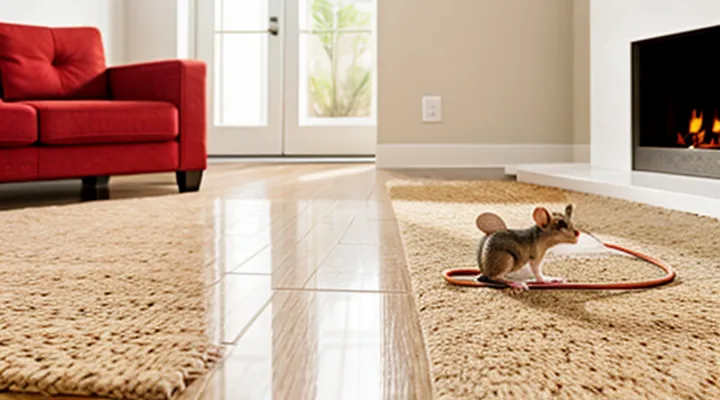
Understanding Mouse Behavior and Attraction
Why Mice Enter Apartments
Food Sources
Food availability determines whether mice will occupy an apartment. Without accessible nutrients, rodents cannot sustain a population, making food control the most reliable deterrent.
Typical attractants include:
- Grain‑based products: cereals, rice, pasta, flour.
- Sugary items: candy, jam, soda, dried fruit.
- Protein sources: pet food, meat scraps, cheese.
- High‑fat foods: nuts, butter, oils.
- Spilled liquids: coffee, broth, fruit juice.
Eliminate these attractants by:
- Storing dry goods in airtight containers made of metal or heavy‑wall plastic.
- Cleaning countertops, floors, and appliances after each use; wipe up crumbs immediately.
- Securing pet feeding areas; remove uneaten food after meals and keep bowls on elevated platforms.
- Disposing of garbage daily in sealed bins; keep bin lids closed.
- Inspecting pantry shelves for hidden spills; wipe down shelves before restocking.
Removing food sources reduces the need for chemical or mechanical repellents, because rodents lose the incentive to explore and remain in the living space. Consistent sanitation therefore forms the cornerstone of any successful mouse‑prevention strategy in an apartment.
Shelter and Warmth
Mice seek enclosed, insulated spaces where they can maintain body temperature without expending energy. Removing such environments forces rodents to expose themselves to colder, less protected areas, increasing the likelihood of detection and discouraging colonization.
Key actions to eliminate shelter and warmth:
- Seal gaps around pipes, vents, and utility lines with steel wool or silicone caulk.
- Install tight-fitting doors on closets, cabinets, and pantry shelves; use magnetic catches to prevent accidental openings.
- Insulate exterior walls and attics with materials that do not create voids accessible to small mammals.
- Store firewood, fabric piles, and cardboard boxes off the floor, preferably in sealed containers.
- Maintain indoor temperature at a level that does not provide a comfortable heat source for rodents; avoid localized heating pads or radiators left unattended.
By denying mice the ability to create hidden nests and retain heat, an apartment becomes inhospitable, reducing the probability of infestation.
Entry Points
Mice gain access to apartments through gaps and openings that connect the interior with the outside environment. Identifying these entry points is the first step in preventing infestation.
Typical openings include:
- Gaps around utility pipes, vent ducts, and electrical conduits (often ¼‑inch or larger).
- Cracks in foundation walls, floor joists, and basement slabs.
- Spaces beneath doors, especially front and back entry doors (clearances greater than ½‑inch).
- Openings around windows, including broken screens and unsealed frames.
- Holes in wall sheathing, drywall, or plaster near cabinets and appliances.
- Openings around HVAC ducts, dryer vents, and chimney flues.
Seal each aperture with appropriate materials: steel wool combined with caulk for small gaps, expanding foam for irregular spaces, metal flashing for larger openings, and weatherstripping for door thresholds. Regular inspection of the building envelope ensures new gaps are detected and addressed before mice can exploit them.
Effective Repellent Strategies
Preventing Entry
Sealing Cracks and Holes
Sealing cracks and holes eliminates the pathways mice use to enter an apartment. Small openings around pipes, vents, baseboards, and window frames often go unnoticed; even gaps as narrow as a pencil tip allow rodents to slip inside. Identifying these breaches requires a systematic inspection: run a flashlight along walls, check for gnaw marks, and feel for drafts.
Effective sealing involves durable materials that resist chewing. Use steel wool or copper mesh to fill irregular gaps, then overlay with caulk, expanding foam, or cement to create a solid barrier. For larger openings, install metal flashing or hardware cloth secured with screws. Apply the sealant in layers, allowing each to cure before adding the next, to ensure a tight, long‑lasting seal.
Practical steps:
- List all potential entry points observed during inspection.
- Choose appropriate filler (steel wool, mesh) for each size category.
- Apply filler, then cover with a rodent‑proof sealant.
- Verify the seal by checking for any remaining drafts or visible gaps.
- Re‑inspect periodically, especially after renovations or seasonal temperature changes.
Consistent maintenance of these barriers prevents re‑infestation and reduces the need for chemical controls.
Installing Door Sweeps and Vents Screens
Installing door sweeps and vent screens directly blocks the most common pathways mice use to enter an apartment. By creating a physical barrier at the threshold and at ventilation openings, these measures eliminate access points without reliance on chemicals or traps.
Door sweeps attach to the bottom edge of interior doors, extending a flexible strip that contacts the floor or threshold. The strip, typically made of rubber, silicone, or brush material, compresses to fill gaps as small as a millimeter. Proper installation requires removing the existing door bottom, measuring the door width, cutting the sweep to length, and securing it with screws or adhesive. Once fitted, the sweep prevents rodents from slipping through the space beneath the door while allowing the door to open and close smoothly.
Vent screens cover openings for air circulation, such as dryer vents, bathroom exhaust fans, and HVAC registers. Screens made of stainless steel mesh with openings no larger than ¼ inch stop mice from crawling through while still permitting airflow. Installation steps include shutting off power or disconnecting the vent, removing any existing cover, cutting the screen to fit, securing it with foil tape or spring clamps, and sealing the edges with caulk to prevent edge gaps.
Key actions for effective barrier installation:
- Measure all door and vent gaps before purchasing hardware.
- Choose sweep material that matches floor type (hard rubber for carpet, brush for uneven surfaces).
- Use stainless‑steel mesh with ≤¼‑inch openings for vent screens.
- Secure fittings with corrosion‑resistant fasteners.
- Inspect and replace worn strips or torn mesh regularly.
When door sweeps and vent screens are correctly fitted and maintained, they form a continuous seal that denies mice entry, reducing the likelihood of infestation without additional pest‑control methods.
Environmental Deterrents
Maintaining Cleanliness and Hygiene
Maintaining a clean and hygienic living space removes the food sources and shelter that attract rodents, making an apartment far less inviting to mice.
- Store all dry goods in sealed containers; plastic or glass jars with airtight lids prevent accidental spills and odor leakage.
- Clean countertops, tables, and floors immediately after meals; crumbs and residue provide the only nourishment mice need.
- Dispose of kitchen waste daily in a bin with a tight‑fitting lid; replace liners regularly to avoid odor buildup.
- Keep pet food in sealed containers and feed pets only at scheduled times; remove leftovers promptly.
- Repair leaks and eliminate standing water; moisture supports mouse activity and breeding.
- Declutter storage areas; boxes, piles of paper, and unused items create hiding places and nesting material.
- Vacuum carpets and rugs weekly; vacuum bags or canisters should be emptied outside the building to avoid re‑contamination.
- Use a mild disinfectant on surfaces that come into contact with food; residual scent can deter foraging behavior.
A disciplined routine that eliminates food residues, moisture, and nesting opportunities creates an environment where mice cannot survive, thereby providing the most reliable deterrent for rodent intrusion.
Proper Food Storage
Proper food storage eliminates attractants that draw rodents into living spaces. Sealed containers prevent scent leakage, deny access, and remove the primary incentive for mice to explore kitchens and pantries.
Airtight, rodent‑proof containers made of heavy plastic, glass, or metal should house all dry goods, including grains, cereals, nuts, and pet food. Lids must lock securely; any opening larger than a quarter inch invites intrusion. Store bulk items in smaller, secondary containers to reduce exposure.
- Transfer food from original packaging to sealed containers immediately after purchase.
- Label containers with purchase dates and rotate stock to use older items first.
- Keep containers on shelves away from walls and flooring, reducing easy climbing paths.
- Clean spills promptly; residual crumbs create detectable trails.
- Dispose of empty packaging in sealed trash bags and remove garbage regularly.
Consistent adherence to these practices removes the nutritional lure that sustains mouse populations, making the apartment environment inhospitable to infestation.
Eliminating Water Sources
Eliminating water sources removes a primary attraction for mice, forcing them to seek habitats elsewhere.
Dry environments discourage mouse activity because rodents require regular hydration for metabolism and reproduction. Reducing moisture also limits fungal growth and insects that serve as secondary food sources, further decreasing the appeal of an apartment.
Practical steps:
- Repair leaky faucets, pipes, and appliance connections promptly.
- Wipe down countertops, sinks, and floors after cooking or cleaning to remove residual droplets.
- Store pet water dishes on elevated platforms and refill only when empty.
- Use a dehumidifier in damp areas such as basements, bathrooms, and laundry rooms to maintain relative humidity below 50 %.
- Empty and clean dishwasher and washing‑machine trays after each cycle.
- Seal cracks around windows, doors, and utility penetrations that allow rainwater infiltration.
By eliminating accessible water, the apartment becomes inhospitable to mice, reducing the likelihood of infestation.
Natural and Commercial Repellents
Essential Oils («Peppermint», «Eucalyptus»)
Essential oils are frequently cited as non‑chemical options for discouraging mice in residential units. Peppermint oil contains menthol, a volatile compound that irritates the olfactory receptors of rodents, causing them to avoid treated areas. Eucalyptus oil supplies eucalyptol, another strong aromatic that interferes with mouse scent trails and feeding behavior.
Application methods include:
- Soaking cotton balls in undiluted peppermint or eucalyptus oil and placing them in corners, behind appliances, and near entry points.
- Preparing a spray solution of 10–15 ml oil per liter of water, adding a few drops of dish‑soap as an emulsifier, then misting baseboards, shelving, and cracks weekly.
- Incorporating a few drops into a diffuser to maintain a continuous low‑level vapor throughout the apartment.
Effectiveness depends on concentration and exposure time. Studies show that rodents abandon habitats where oil vapors exceed 0.5 µg m⁻³, yet the scent dissipates within 24–48 hours, necessitating regular replenishment. Over‑application may damage finished surfaces or cause respiratory irritation for occupants; a thin layer of oil on cotton or a light spray is sufficient.
Safety considerations:
- Verify that pets, especially cats, are not exposed to high concentrations, as essential oils can be toxic.
- Store oils in sealed containers away from heat and direct sunlight.
- Conduct a patch test on painted or lacquered surfaces to prevent discoloration.
Limitations include lack of long‑term eradication; oils repel but do not kill, so infestations may persist if food sources and entry points remain unsecured. Combining essential‑oil treatment with sealing gaps, removing food debris, and setting traps yields the most reliable reduction in mouse activity.
Ultrasonic Devices: Do They Work?
Ultrasonic repellents emit high‑frequency sound waves beyond human hearing, intended to create an uncomfortable environment for rodents. Manufacturers claim that continuous emission forces mice to vacate the area, preventing infestation without chemicals or traps.
Scientific evaluations reveal mixed results. Controlled laboratory tests often show temporary avoidance behavior, but field studies in occupied apartments report negligible long‑term impact. Key factors include:
- Frequency range: most devices operate between 20–65 kHz; mice detect sounds up to 90 kHz, allowing them to acclimate.
- Sound propagation: walls, furniture, and ceiling tiles absorb ultrasonic waves, creating shadow zones where mice remain unaffected.
- Habituation: repeated exposure leads to desensitization, diminishing efficacy after a few days.
Practical considerations:
- Placement matters; devices must be positioned in open spaces, away from obstacles, and powered continuously.
- Multiple units are required to cover larger apartments, increasing cost and energy consumption.
- Safety for pets is limited; cats and dogs may experience discomfort, while certain wildlife can be harmed.
Overall, ultrasonic devices provide a short‑term deterrent under ideal conditions but lack reliable evidence for sustained mouse control in residential settings. Integrated pest management—combining sealing entry points, sanitation, and, when necessary, traps—remains the most dependable strategy for preventing rodent presence.
Traps: A Last Resort
When non‑chemical barriers, sanitation, and exclusion methods fail, traps become the final intervention to eliminate a rodent presence in a residential unit. Their purpose shifts from prevention to direct removal, requiring precise selection and deployment.
- Snap traps: steel mechanisms that deliver an instantaneous kill; suitable for rapid reduction of populations.
- Electronic traps: battery‑powered devices that electrocute rodents; offer humane, mess‑free results.
- Glue boards: adhesive surfaces that immobilize; useful for monitoring but generate handling concerns.
- Live‑catch cages: enclosures that restrain without injury; allow relocation, though legal restrictions may apply.
Effective placement follows a pattern of targeting activity zones: behind appliances, within wall voids, along baseboard edges, and near known droppings. Position traps perpendicular to the wall, with the trigger side facing the expected travel path. Maintain a spacing of 12–18 inches between units in high‑traffic corridors to increase capture probability.
Safety measures include securing traps out of reach of children and pets, wearing gloves during handling, and checking devices at least twice daily to prevent prolonged suffering. For snap and electronic models, ensure the trigger is fully engaged before exposure. Glue boards require immediate removal of captured animals to avoid distress.
After capture, dispose of rodents in sealed plastic bags placed in an outdoor trash container. Clean and disinfect trap surfaces with a diluted bleach solution to prevent disease transmission. Replace or relocate traps only after confirming that the infestation has been fully addressed.
Long-Term Mouse Management
Regular Inspections
Regular inspections form the backbone of a proactive mouse‑prevention strategy in an apartment. By systematically examining potential entry points, food sources, and nesting sites, residents can identify and eliminate conditions that attract rodents before an infestation develops.
A practical inspection routine includes the following steps:
- Check exterior walls, windows, and doors for gaps larger than ¼ inch; seal openings with steel wool or caulk.
- Inspect utility penetrations (pipes, cables) and vent covers; install mesh or foam sleeves where needed.
- Examine kitchen cabinets, pantry shelves, and countertop edges for crumbs or spilled food; clean immediately.
- Look behind appliances, under sinks, and inside closets for droppings, gnaw marks, or shredded material.
- Verify that trash containers have tight‑fitting lids and are emptied regularly.
Conduct the checklist monthly, and increase frequency to weekly during peak rodent activity (late summer to early winter). Document findings, repair actions, and any signs of mouse presence. Consistent documentation creates a reference that highlights recurring vulnerabilities and guides long‑term improvements, ensuring the apartment remains inhospitable to mice.
Professional Pest Control
Professional pest‑control services address mouse infestations with a systematic approach that exceeds typical homeowner attempts. Technicians begin with a thorough inspection, identifying structural gaps, utility penetrations, and clutter that facilitate rodent access. They document entry points and prioritize sealing them using steel‑wool, caulk, or metal flashing, eliminating the primary route for intrusion.
Sanitation measures follow the inspection. Professionals advise removal of food residues, proper storage of dry goods in airtight containers, and regular disposal of waste. Reducing available nutrition forces mice to seek alternative habitats, increasing the effectiveness of control devices.
Control devices are deployed based on location and activity level:
- Snap traps placed along walls, behind appliances, and near identified pathways.
- Electronic traps delivering rapid, humane termination.
- Bait stations containing anticoagulant or non‑anticoagulant formulations, positioned out of reach of children and pets.
- Monitoring stations equipped with non‑lethal capture mechanisms to track population changes.
Integrated pest‑management (IPM) principles guide the service. Technicians rotate device types, adjust bait placement, and conduct follow‑up visits to assess reduction metrics. Data from each visit inform modifications, ensuring sustained suppression rather than temporary relief.
Professional contracts often include a warranty period during which additional inspections and re‑treatments occur at no extra cost. This guarantees that newly discovered entry points or re‑infestations receive prompt attention, preserving the integrity of the apartment’s defenses.
Choosing a licensed pest‑control provider delivers expertise, regulatory compliance, and access to products unavailable to the general public, resulting in a reliable, long‑term solution for mouse deterrence in residential units.
Community-Wide Approaches
Effective rodent deterrence in multi‑unit dwellings requires coordinated action across the entire building. Individual apartments can limit food sources, but mice travel through walls, shafts, and shared spaces, rendering isolated measures inadequate.
A unified program reduces entry points, eliminates attractants, and accelerates response when infestations appear. Collaboration among property managers, maintenance staff, and residents creates a consistent environment that discourages rodent activity.
- Establish building‑wide sanitation standards: regular trash collection, sealed waste containers, and routine cleaning of common areas.
- Implement a scheduled maintenance plan: seal cracks, repair plumbing leaks, and install metal mesh on vent openings.
- Contract a licensed pest‑control service with a building‑level treatment schedule, ensuring regular inspections and prompt intervention.
- Provide residents with concise guidance on food storage, waste disposal, and early‑sign reporting.
- Create a centralized reporting system (online portal or dedicated phone line) for swift documentation of sightings and damage.
- Conduct quarterly audits to verify compliance with sanitation and structural protocols.
Implementation begins with a formal agreement among the owners’ association, management company, and pest‑control provider. The agreement outlines responsibilities, frequency of inspections, and penalties for non‑compliance. Training sessions for residents reinforce best practices, while maintenance crews receive detailed checklists for structural repairs.
Consistent community effort lowers infestation rates, reduces treatment costs, and improves overall living conditions. By addressing the problem at the building level, the likelihood of mouse presence diminishes markedly.