
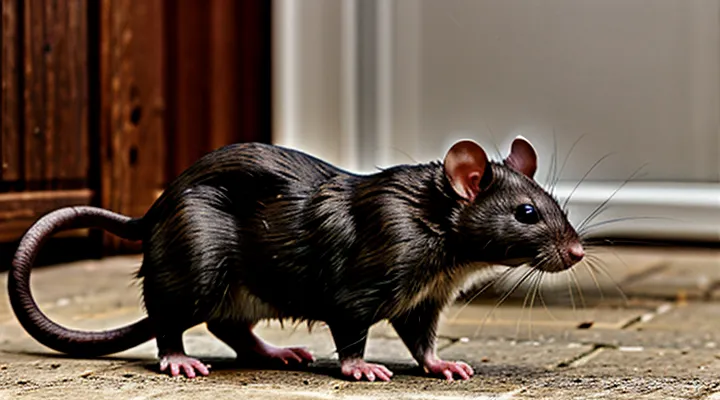
Understanding Rat Dietary Needs
Essential Nutritional Components for Rats
Rats require a balanced intake of macronutrients and micronutrients to maintain health and support growth. Protein supplies amino acids for tissue repair and enzyme production; sources include soy, fish, and lean meat. Fats provide essential fatty acids and energy; appropriate options are sunflower oil, flaxseed, and small amounts of animal fat. Carbohydrates deliver quick energy; grains such as oats, barley, and whole‑wheat are suitable. Dietary fiber aids digestion and prevents gastrointestinal blockage; it is found in plain cooked vegetables, bran, and psyllium husk.
Micronutrients must be present in adequate quantities. Vitamin A supports vision and immune function; carrots and fortified rodent pellets contain sufficient levels. Vitamin D regulates calcium absorption; exposure to natural light and fortified foods meet the requirement. Vitamin E functions as an antioxidant; seeds and nuts provide the nutrient, though quantities should be limited to prevent excess fat. B‑complex vitamins, especially B12 and riboflavin, are essential for metabolism; they are abundant in liver and fortified feeds.
Minerals are critical for bone health, nerve transmission, and metabolic processes. Calcium and phosphorus must be balanced; dairy products and bone meal powders supply calcium, while fish and legumes contribute phosphorus. Magnesium supports muscle function; nuts and leafy greens are reliable sources. Potassium aids fluid balance; bananas and potatoes are appropriate. Trace elements such as zinc, iron, and selenium are required in small amounts; commercial rodent mixes are formulated to include them.
Water is indispensable; fresh, clean supply should be available at all times. Treats offered as supplemental snacks must not exceed 10 % of total daily caloric intake and should align with the nutritional profile outlined above. Selecting treats that contain protein, low‑fat content, and natural vitamins ensures they complement, rather than disrupt, the rat’s dietary balance.
The Importance of Variety in Treats
Offering rats a diverse selection of treats supports balanced nutrition, encourages natural foraging behavior, and reduces the risk of dietary monotony. Different food types provide distinct nutrients: fresh vegetables supply vitamins and fiber, fruits deliver antioxidants, and protein‑rich snacks such as boiled egg or mealworms contribute essential amino acids. Rotating these options prevents habituation, which can lead to reduced appetite and picky eating.
- Vitamin and mineral coverage expands when treats vary in color and composition.
- Sensory stimulation increases as rats encounter new textures, smells, and flavors.
- Digestive health improves because fiber sources alternate, promoting regular gut motility.
- Behavioral enrichment arises from the challenge of identifying and handling unfamiliar items.
Consistent inclusion of varied treats aligns with rats’ instinctual need to explore and sample multiple food sources, fostering overall wellbeing and sustained interest in supplemental feeding.
Safe and Healthy Treat Options
Fruits «For Moderation»
Berries «Small Portions Only»
Berries can be a tasty addition to a rat’s diet, but they must be offered in very limited amounts.
- Choose fresh, organic strawberries, blueberries, raspberries, or blackberries.
- Wash thoroughly to remove any residues; discard stems, leaves, and any bruised parts.
- Serve no more than a half‑teaspoon per day for an adult rat; younger or smaller rats require even less.
Berries provide antioxidants, vitamins C and K, and a modest amount of fiber, yet they are high in natural sugars. Excess sugar can lead to obesity, dental disease, and digestive upset, which is why strict portion control is essential.
Introduce berries gradually, monitoring the rat for signs of intolerance such as loose stool or reduced appetite. If adverse reactions appear, discontinue the treat immediately.
In a balanced feeding program, berries should complement a staple diet of high‑quality pellets, fresh vegetables, and occasional protein sources, never replace them.
Other Safe Fruits «Pitted and Peeled»
Rats can enjoy a variety of fruits when the edible portion is free of pits, cores, and skins that may contain harmful substances. Removing these parts eliminates the risk of choking and exposure to toxins such as cyanogenic compounds found in many seeds.
- Apple (core and seeds removed, skin optional)
- Pear (core and seeds removed)
- Peach (pit removed, skin peeled if thin)
- Plum (pit removed, skin peeled)
- Cherry (pit removed, skin optional)
- Apricot (pit removed, skin peeled)
- Mango (large seed removed, skin peeled)
- Kiwi (skin peeled)
- Papaya (seed cavity removed, skin peeled)
Serve fruit in small cubes or thin slices, limiting each portion to no more than one teaspoon per 100 g of body weight. Introduce new varieties gradually, monitoring for digestive upset. Offer fruit no more than two to three times per week to prevent excessive sugar intake. Store fresh fruit in the refrigerator and discard any pieces that become soft or moldy.
Vegetables «Excellent Sources of Vitamins»
Leafy Greens «Wash Thoroughly»
Leafy greens are a safe, nutrient‑rich option for pet rats when prepared correctly.
Rats require greens that are free of pesticides, dirt, and residual chemicals. Proper cleaning eliminates contaminants that could cause digestive upset or illness.
Steps to wash leafy greens thoroughly
- Separate leaves from stems; discard wilted or damaged portions.
- Submerge leaves in a bowl of cold water; gently agitate for 30 seconds.
- Replace water and repeat the soak two more times, ensuring all surface debris is removed.
- Rinse under running water, turning leaves to expose both sides.
- Pat dry with a clean kitchen towel or use a salad spinner to remove excess moisture.
Greens suitable for regular feeding
- Romaine lettuce (core removed)
- Kale, chopped into bite‑size pieces
- Spinach, limited to a few leaves per week due to oxalate content
- Swiss chard, stalks trimmed
- Collard greens, thinly sliced
Feeding guidelines
- Offer 1–2 teaspoons of mixed greens per day for an adult rat; adjust portion for juveniles.
- Introduce new varieties gradually, monitoring for adverse reactions.
- Remove uneaten greens after two hours to prevent spoilage.
Storage recommendations
- Store washed, dried greens in a sealed container in the refrigerator for up to three days.
- Keep the container in the crisper drawer to maintain humidity balance.
Consistent application of these practices ensures that leafy greens remain a healthy, enjoyable treat for rats.
Root Vegetables «Cooked or Raw»
Root vegetables can be offered to pet rats as occasional treats, provided they are prepared correctly and served in moderation. Both raw and cooked forms are acceptable, but each preparation method influences digestibility and safety.
Raw carrots, beets, and turnips supply fiber and vitamins. Rats should receive small, bite‑size pieces to prevent choking. Wash thoroughly to remove soil and pesticide residues. Limit portions to no more than one teaspoon per rat per day.
Cooked root vegetables become softer, easing chewing for older or dental‑compromised rats. Boiling or steaming preserves most nutrients while eliminating potential pathogens. Avoid adding salt, butter, oil, or seasonings; these additives can cause gastrointestinal upset. After cooking, cool completely and cut into appropriate sizes.
Potential concerns:
- High sugar content in carrots may contribute to obesity if overfed.
- Beets contain oxalates that can affect calcium metabolism; offer sparingly.
- Raw potatoes contain solanine, a toxic compound; never feed raw potatoes to rats.
- Sweet potatoes are safe when cooked; raw forms may cause digestive irritation.
Guidelines for safe inclusion:
- Introduce a single type of root vegetable at a time; observe the rat for 24 hours for any adverse reaction.
- Rotate varieties weekly to provide nutritional diversity.
- Store fresh pieces in the refrigerator for up to two days; discard any that become soft or moldy.
- Ensure that root vegetables complement, not replace, a balanced diet of commercial pellets, fresh greens, and protein sources.
By adhering to these practices, owners can enrich their rats’ diet with flavorful, nutrient‑dense root vegetables without compromising health.
Grains and Breads «Plain and Unsweetened»
Whole Grain Cereals «No Added Sugar»
Whole‑grain cereals that contain no added sugar provide a balanced source of carbohydrates, fiber, and essential nutrients for pet rats. The grain matrix delivers slow‑release energy, while the fiber supports digestive health and helps prevent constipation.
Nutritional advantages include:
- Complex carbohydrates that sustain activity levels without causing rapid blood‑sugar spikes.
- Dietary fiber that promotes gut motility and microbiome diversity.
- Vitamins B1, B3, and trace minerals such as iron and magnesium that contribute to metabolic function.
When offering these cereals, follow these guidelines:
- Choose products labeled “100 % whole grain” and “no added sugar.”
- Verify that the ingredient list contains only grain kernels, possibly fortified with vitamins, and excludes honey, molasses, or artificial sweeteners.
- Serve a portion size of ½ to 1 teaspoon per rat per day, divided into two feedings to avoid overconsumption.
- Present the cereal dry, or lightly moisten with water to soften texture for older or dental‑compromised individuals.
Precautions:
- Monitor for signs of intolerance, such as loose stools or reduced appetite, and discontinue if symptoms appear.
- Store the cereal in an airtight container at room temperature to prevent mold growth and preserve freshness.
- Avoid cereals that contain added flavors, nuts, or seeds, which may introduce allergens or choking hazards.
Incorporating unsweetened whole‑grain cereals as an occasional treat aligns with a varied diet that includes pellets, fresh vegetables, and occasional protein sources, contributing to overall health and longevity of laboratory or companion rats.
Cooked Pasta or Rice «Plain»
Cooked plain pasta and rice are acceptable occasional treats for pet rats when prepared correctly. Both foods are low in fat, contain digestible carbohydrates, and lack added seasonings that could harm rodents.
Veterinary guidelines suggest the following preparation steps:
- Use only water and the grain; omit salt, oil, butter, sauces, or cheese.
- Boil until fully softened; over‑cooking may increase glycemic load, under‑cooking can cause digestive upset.
- Cool to room temperature before offering.
Safety considerations include:
- Limit portions to 1–2 teaspoons per rat per week to avoid excess calories and potential weight gain.
- Observe each animal for signs of diarrhea or bloating after first exposure; discontinue if adverse reactions occur.
- Store leftovers in a sealed container in the refrigerator for no more than 24 hours; discard any that develop odor or mold.
Nutritional impact is modest: plain pasta supplies starch without essential vitamins, while rice provides a similar carbohydrate profile with minimal fiber. Neither replaces the need for a balanced pellet diet rich in protein, fiber, and micronutrients.
In summary, plain boiled pasta or rice can serve as a safe, low‑risk supplement when offered sparingly, prepared without additives, and monitored for individual tolerance.
Protein Sources «Tiny Amounts»
Cooked Lean Meats «Unseasoned»
Cooked lean meats, served without seasoning, are a safe and protein‑rich option for pet rats. The meat should be boneless, low in fat, and cooked thoroughly to eliminate pathogens. Common choices include chicken breast, turkey, and lean beef cuts such as round or sirloin.
- Use only plain water or broth for cooking; avoid oil, butter, salt, and spices.
- Cool the meat to room temperature before offering it to the rat.
- Cut into bite‑size pieces, roughly 1–2 cm cubes, to prevent choking.
- Offer no more than 5–10 g per 100 g of body weight per day; treat portions should not exceed 10 % of the animal’s total caloric intake.
Frequent over‑feeding of meat can lead to obesity, kidney strain, or nutrient imbalances, because rats also require fiber, vitamins, and minerals from grains, vegetables, and fortified pellets. Rotate meat types to maintain variety and reduce the risk of dietary deficiencies.
Store leftovers in airtight containers, refrigerated for up to three days, or freeze for longer periods. Discard any meat that shows signs of spoilage, discoloration, or off‑odor before feeding.
Incorporating unseasoned cooked lean meats into a rat’s diet provides high‑quality protein, supports muscle development, and can be used as a rewarding treat during training or enrichment sessions.
Hard-Boiled Eggs «Small Pieces»
Hard‑boiled eggs, cut into bite‑size pieces, are a protein‑rich option for pet rats. The egg white supplies essential amino acids, while the yolk offers vitamins A, D, E, and B‑complex, as well as healthy fats. Because rats naturally consume small quantities of animal protein, a few pieces can complement a balanced grain‑based diet.
Nutritional considerations
- Protein: 6 g per large egg; a ½‑inch cube contains roughly 0.5 g, sufficient for occasional supplementation.
- Fat: 5 g per egg; a small piece adds about 0.4 g, supporting coat health without excess calories.
- Calcium and phosphorus: present in the yolk; moderate intake helps maintain bone density.
Feeding guidelines
- Offer no more than one small piece (approximately 0.5 cm³) per rat, twice a week.
- Ensure the egg is fully cooked; raw egg poses a salmonella risk.
- Cool the egg to room temperature before serving to prevent burns.
Potential concerns
- Overfeeding may lead to obesity or digestive upset.
- Some rats develop sensitivities to egg proteins; monitor for changes in stool or appetite.
- High cholesterol content warrants limiting frequency for older or overweight individuals.
Preparation and storage
- Boil the egg for 9‑10 minutes, cool, peel, and cut into uniform cubes.
- Store leftovers in a sealed container in the refrigerator for up to 48 hours; discard any pieces showing discoloration or odor.
Incorporating small, properly prepared hard‑boiled egg pieces provides a nutritious, occasional treat that aligns with the dietary needs of healthy rats.
Dairy Products «Limited Quantities»
Plain Yogurt «Probiotics»
Plain probiotic yogurt can be incorporated into a rat’s diet as an occasional treat. The product supplies live cultures that support intestinal health, delivering a modest amount of protein and calcium without added sugars or flavorings that could disrupt the animal’s digestive balance.
- Offer a teaspoon‑size portion (approximately 5 ml) once or twice a week.
- Serve at room temperature; cold yogurt may cause temporary discomfort.
- Ensure the yogurt contains live cultures and no artificial sweeteners, fruit pieces, or preservatives.
- Introduce gradually, observing the rat for signs of diarrhea, bloating, or reduced appetite.
- Store opened containers in the refrigerator and discard any product that has separated or developed an off odor.
Rats tolerate plain yogurt well when the amount remains small and the frequency is limited. Excessive dairy can lead to lactose intolerance, manifesting as gastrointestinal upset. Therefore, probiotic yogurt should complement, not replace, the primary diet of high‑quality rodent pellets, fresh vegetables, and occasional protein sources.
Small Cheese Pieces «Low Fat»
Small low‑fat cheese pieces can serve as an occasional treat for pet rats. The product provides protein, calcium, and a modest amount of fat, aligning with the nutritional requirements of rodents when offered sparingly.
The cheese’s reduced fat content limits caloric excess, but the presence of lactose means some rats may experience digestive upset. Observe individual tolerance; discontinue if signs of diarrhea or bloating appear.
Feeding guidelines:
- Offer pieces no larger than 0.5 cm³ to prevent choking.
- Limit to one or two pieces per week, depending on the rat’s overall diet.
- Store in a sealed container at refrigeration temperature to maintain freshness and inhibit bacterial growth.
Regular monitoring of body condition and health markers ensures the treat remains a safe supplement rather than a dietary imbalance.
Treats to Avoid
Sugary and Processed Foods «Harmful to Health»
Candy and Chocolate «Toxic»
When choosing snacks for pet rats, sweet products often appear tempting, but most are unsuitable.
Candy typically contains high concentrations of sugar, artificial flavors, and preservatives. These ingredients can overwhelm a rat’s digestive system, leading to diarrhea, dehydration, and weight gain. Additionally, some candies include xylitol, a sugar substitute that triggers rapid insulin release and can cause hypoglycemia in rodents.
Chocolate is unequivocally hazardous. It contains theobromine and caffeine, compounds that rats metabolize slowly. Toxic doses start at approximately 20 mg of theobromine per kilogram of body weight; even small squares of milk chocolate can exceed this threshold for a 100‑gram rat. Clinical signs appear within hours and include rapid breathing, tremors, seizures, and potentially fatal cardiac arrhythmias.
Safe alternatives provide enrichment without health risks. Recommended options are:
- Small pieces of fresh apple (seedless) or pear
- A few berries such as blueberries or raspberries
- Plain, unsalted popcorn kernels
- Tiny portions of cooked, unseasoned pasta or rice
- Commercially formulated rat treats that list natural ingredients and contain no added sugars or chocolate
Offering these items in moderation satisfies a rat’s craving for novelty while preserving its well‑being.
Sugary Drinks «Obesity Risk»
Sugary beverages are occasionally offered to pet rodents as a novelty treat, yet they pose a measurable threat to body weight regulation. Rats metabolize simple carbohydrates rapidly; excess intake elevates blood glucose, stimulates insulin release, and encourages fat storage. Persistent consumption of high‑sugar liquids can shift energy balance toward positive caloric surplus, leading to increased adipose tissue and a higher probability of obesity‑related complications such as hepatic steatosis and reduced mobility.
Key physiological impacts include:
- Spike in glucose and insulin levels within minutes of ingestion.
- Enhanced lipogenesis driven by insulin‑mediated activation of fatty‑acid synthase.
- Suppressed leptin signaling, impairing satiety cues and encouraging over‑eating.
- Accelerated weight gain measured as a rise in body‑mass index over a three‑week observation period.
Avoiding sugary drinks eliminates the primary source of unnecessary calories and reduces the risk of metabolic dysregulation. Safer alternatives for rewarding rats consist of:
- Small portions of fresh fruit (e.g., apple, berries) with low natural sugar content.
- Unsweetened vegetable sticks (e.g., carrot, cucumber).
- Commercially formulated rodent treats that specify low‑sugar composition.
When a sugary liquid is used, limit exposure to a single teaspoon no more than once per week, monitor body weight weekly, and adjust the overall diet to maintain caloric equilibrium. Continuous assessment ensures that occasional indulgence does not evolve into a chronic obesity driver.
High-Fat and Salty Foods «Digestive Issues»
Fried Foods «Unhealthy Fats»
Treat options for pet rats often include fresh produce, grains, and protein sources. Fried items, characterized by high concentrations of saturated and trans fats, fall outside the nutritional profile that supports rodent health.
Fried foods contain oil that has been heated to temperatures that promote oxidation. Oxidized lipids introduce free radicals and unstable compounds that overload a rat’s digestive system. The resulting metabolic load can impair liver function, elevate blood lipid levels, and trigger chronic inflammation.
Health consequences observed in laboratory studies and veterinary reports include:
- Rapid weight gain and adipose tissue accumulation
- Hepatic steatosis and impaired detoxification
- Gastrointestinal irritation leading to diarrhea or constipation
- Increased risk of cardiovascular strain and reduced lifespan
Given these risks, fried products should not be offered as regular treats. If a rat accidentally consumes a small fragment, monitor for signs of distress and provide fresh water. Safer alternatives that satisfy a rat’s craving for crunchy texture include unsalted roasted seeds, small pieces of raw vegetables, or commercially formulated rodent treats with balanced nutrient content.
Heavily Salted Snacks «Dehydration»
Heavily salted snacks pose a serious dehydration risk for pet rats. Rats obtain most of their water intake from fresh food and drinking water; excessive sodium forces the kidneys to excrete more water, quickly depleting body fluids. The resulting osmotic imbalance can lead to reduced urine output, dry mucous membranes, lethargy, and, in severe cases, kidney failure.
- Sodium content above 0.5 % of total weight can trigger dehydration in rats.
- Acute intake of salty treats may cause rapid weight loss and electrolyte disturbance.
- Chronic exposure reduces appetite for regular, nutritionally balanced feed.
Avoid offering any snack with added salt, soy sauce, seasoned chips, or cured meats. Provide water sources that are clean and accessible at all times, and limit treats to low‑sodium options such as fresh vegetables, plain fruits, or specially formulated rodent treats that list sodium below 0.2 % of the ingredient list.
Certain Fruits and Vegetables «Potentially Toxic»
Citrus Peels «D-Limonene»
Citrus peels contain D‑limonene, a volatile oil that gives the fruit its characteristic aroma. When offered in small, controlled amounts, the peels provide fiber, vitamin C, and a mild stimulant for a rat’s sense of smell.
The oil can irritate the respiratory tract and digestive lining if the dose exceeds the animal’s tolerance. Studies indicate that D‑limonene concentrations above 0.5 % of the diet may provoke nasal discharge or reduced appetite. Therefore, only a thin strip of peel (approximately 2–3 mm wide) should be introduced at a time.
Preparation requires thorough washing to remove pesticide residues, followed by removal of seeds and excess rind. The peeled segment may be softened by brief soaking in cool water, then placed on a clean surface for the rat to explore.
Guidelines for safe use:
- Offer a single strip once per week.
- Limit the strip length to no more than 1 cm.
- Observe the rat for signs of sneezing, gagging, or altered feces for 24 hours.
- Discontinue if any adverse reaction occurs; replace with an alternative treat.
When administered correctly, citrus peels add variety to a rat’s diet without compromising health.
Raw Sweet Potato «Enzyme Inhibitors»
Raw sweet potato, when offered uncooked, contains naturally occurring enzyme inhibitors such as protease inhibitors and amylase inhibitors. These compounds reduce the activity of digestive enzymes, slowing protein and carbohydrate breakdown. For rats, the inhibitory effect can moderate rapid glucose spikes and temper excessive protein digestion, which may be beneficial for individuals prone to metabolic fluctuations.
When incorporating raw sweet potato into a rat’s diet, consider the following guidelines:
- Wash thoroughly, remove any soil, and cut into bite‑size cubes (approximately 3‑5 mm).
- Limit portions to 5–10 % of the total daily food intake; excessive ingestion can lead to gastrointestinal upset due to the inhibitors.
- Observe the animal for signs of reduced appetite, loose stools, or lethargy; adjust quantity or discontinue if symptoms appear.
- Store cut pieces in a sealed container at 4 °C and use within 24 hours to prevent spoilage and microbial growth.
The nutritional profile of raw sweet potato includes beta‑carotene, dietary fiber, vitamin C, and potassium. The presence of enzyme inhibitors does not render the vegetable unsafe, but it necessitates controlled serving sizes to avoid interference with normal nutrient absorption. Proper preparation and monitoring ensure that raw sweet potato serves as a safe, occasional treat for pet rats.
Other Harmful Items «Always Check»
Alcohol and Caffeine «Extremely Dangerous»
Alcohol and caffeine pose severe health threats to rats and should never be offered as snacks. Both substances interfere with normal physiology, leading to rapid onset of toxic symptoms.
- Alcohol depresses the central nervous system, causing loss of coordination, respiratory depression, and potentially fatal hypoglycemia. Even small volumes can produce intoxication because rats metabolize ethanol more slowly than humans.
- Caffeine stimulates the cardiovascular and nervous systems, resulting in tachycardia, hypertension, seizures, and hyperthermia. Rats lack the enzymatic capacity to clear caffeine efficiently, so accumulation occurs after a single dose.
Acute exposure to either compound may produce vomiting, diarrhea, tremors, and collapse. Chronic ingestion increases the risk of liver damage, kidney failure, and altered behavior, compromising breeding and research outcomes. Substituting safe, rodent‑appropriate treats—such as fresh vegetables, fruits in moderation, or commercially formulated pellets—eliminates these hazards and supports optimal health.
Human Medications «Never Administer»
Human medications must never be used as treats for rats. Many compounds safe for people are toxic to rodents, causing organ failure, neurological damage, or death.
- Acetaminophen (paracetamol) – causes liver necrosis.
- Ibuprofen and other NSAIDs – induce gastric ulceration and renal failure.
- Aspirin – leads to bleeding disorders and gastric erosion.
- Antihistamines (diphenhydramine, cetirizine) – produce severe sedation and respiratory depression.
- Cough suppressants containing dextromethorphan – result in neurotoxicity.
- Antidepressants (SSRIs, tricyclics) – cause serotonin syndrome and cardiac arrhythmia.
- Opioids (codeine, tramadol) – induce respiratory arrest.
- Benzodiazepines (diazepam, alprazolam) – cause profound sedation and muscle weakness.
- Antibiotics not prescribed for rodents (amoxicillin‑clavulanate, ciprofloxacin) – may disrupt gut flora and produce toxic metabolites.
- Diabetes medications (metformin, insulin) – produce hypoglycemia and metabolic crisis.
Administration of any of these substances can produce rapid clinical signs: lethargy, tremors, respiratory distress, uncontrolled bleeding, or seizures. Immediate veterinary intervention is required; induce vomiting only under professional guidance, and provide supportive care such as fluid therapy and antidotes when available.
Safe alternatives for rodent enrichment include commercially formulated chew sticks, fruits, vegetables, and specially designed rodent treats free of pharmaceutical agents.
Best Practices for Treating Your Rat
Portion Control «Key to Health»
Treats enrich a rat’s diet but must be limited to prevent obesity, digestive upset, and nutrient imbalance. Portion control ensures that supplemental foods complement, rather than replace, the balanced pellet or lab‑block base.
- Weight‑based serving: 1 g of treat per 100 g of body weight per day.
- Calorie cap: No more than 10 % of total daily caloric intake should come from treats.
- Typical amounts:
• Fresh fruit: ¼ – ½ teaspoon of diced pieces.
• Vegetables: up to 1 teaspoon of finely chopped leaves or stems.
• Commercial rat treats: 1–2 small pellets (≈0.5 g).
Treats should be offered no more than three times weekly. Observe the animal after each feeding; any signs of weight gain, loose stool, or reduced activity indicate the portion is excessive. Adjust quantities immediately and record daily intake to maintain a consistent nutritional profile.
Consistent measurement, regular monitoring, and adherence to the 10 % calorie guideline keep treat consumption beneficial while preserving overall health.
Frequency of Treats «Not a Substitute for Diet»
Treats should complement, not replace, a rat’s balanced nutrition. Offer them sparingly to prevent excess calories and nutrient imbalances.
A typical feeding schedule includes:
- Small fruit or vegetable pieces – 1–2 times per week, no more than a teaspoon total per rat.
- Commercial rat treats (pelleted or biscuit‑type) – 1–2 servings per week, each serving limited to ½ gram.
- Protein‑rich snacks (hard‑boiled egg, cooked chicken) – once every 7–10 days, a pea‑size portion.
- High‑fat items (nuts, seeds, cheese) – once every 10–14 days, a single almond or a pinch of shredded cheese.
Adjust frequency based on the individual’s weight, activity level, and overall diet composition. Monitor body condition regularly; any sign of weight gain or loss warrants a reduction or cessation of treats.
Introducing New Treats «Gradual Approach»
Introducing unfamiliar foods to pet rats requires a controlled, step‑by‑step method to avoid digestive upset and ensure acceptance. A gradual introduction minimizes the risk of gastrointestinal disturbance while allowing the animal to develop a preference for the new item.
The process relies on three principles: small portion size, limited frequency, and careful observation. Begin with a quantity no larger than a pea‑sized piece, offered no more than once every two days. Increase the amount only after the rat consumes the treat without adverse signs such as loose stool or reduced appetite.
Implementation steps
- Select a treat that meets nutritional standards for rodents (e.g., unsweetened fruit puree, low‑fat cheese, or commercially formulated rat snacks).
- Offer the treat on a clean surface separate from the regular diet.
- Record the rat’s reaction: acceptance, hesitation, or refusal.
- If accepted, wait 48 hours before the next offering, then increase the portion by 10‑15 %.
- Continue the cycle for a minimum of two weeks, monitoring weight, fecal consistency, and overall activity.
After the trial period, evaluate whether the treat can become a regular supplement. If any negative health indicators appear, discontinue the item and revert to the established diet. This systematic approach ensures that new snacks are safely integrated into a rat’s feeding regimen.
Monitoring Your Rat's Reaction «Allergies and Sensitivities»
When introducing a new treat, begin with a minimal portion—approximately the size of a grain of rice—and observe the rat for at least 24 hours before offering additional pieces. Document the time, amount, and any physical response in a dedicated record; this log becomes the primary reference for future dietary decisions.
Typical allergic or sensitivity reactions include:
- Sneezing or nasal discharge
- Watery eyes or excessive tearing
- Skin redness, swelling, or hair loss at the point of contact
- Itching, scratching, or biting of fur
- Diarrhea, loose stools, or vomiting
- Lethargy, reduced activity, or difficulty breathing
If any of these signs appear, discontinue the treat immediately and consult a veterinarian with the recorded observations. A repeat challenge with a different, low‑allergen alternative—such as plain cooked carrot or unsalted sunflower seed—can help identify the specific trigger.
Common allergens found in commercial treats are:
- Dairy products (cheese, yogurt)
- Nuts (peanuts, almonds)
- Certain grains (wheat, corn)
- Artificial flavorings or preservatives
Select treats that list simple, natural ingredients and lack added sugars or synthetic additives. When testing a new item, maintain a consistent environment—same cage temperature, lighting, and feeding schedule—to isolate the treat as the variable under scrutiny.
Regular monitoring, combined with precise documentation, ensures that the rat’s diet remains both enjoyable and safe, preventing adverse reactions while expanding the range of acceptable treats.
Homemade Rat Treat Recipes
Simple Fruit and Veggie Mixes
Fruit and vegetable mixes provide a natural source of vitamins, minerals, and fiber for pet rats. They complement a balanced diet and encourage foraging behavior.
- Apples (seed‑free, core removed)
- Blueberries
- Strawberries (quartered)
- Pears (skin removed, seeds discarded)
- Carrots (shredded)
- Bell peppers (any color, diced)
- Cucumber (sliced)
- Zucchini (chopped)
- Leafy greens such as kale, romaine lettuce, and spinach (washed, torn)
Preparation should involve washing all produce thoroughly, removing pits, seeds, and stems that could cause choking, and cutting items into bite‑size pieces. Mixing equal parts of fruit and vegetable reduces sugar spikes and ensures a varied nutrient profile.
Limit treats to no more than 10 % of daily intake. Offer small portions (approximately one teaspoon per rat) and monitor for signs of digestive upset. Exclude toxic foods such as citrus peels, grapes, onions, and avocado. Rotate selections to prevent boredom and maintain nutritional balance.
Grain-Based Baked Treats «Rat-Friendly Ingredients»
Grain‑based baked treats provide a convenient way to supply rats with balanced nutrition while satisfying their natural chewing instinct. The foundation of a rat‑friendly recipe is a blend of whole grains, such as oats, barley, and whole‑wheat flour, which deliver complex carbohydrates, fiber, and essential B‑vitamins. Adding a modest amount of protein from sources like cooked egg white, low‑fat cottage cheese, or finely ground soy flour strengthens muscle maintenance without overloading the diet with excess fat.
Key ingredients that meet rat dietary requirements:
- Whole‑grain flours (oat, whole‑wheat, spelt) – source of fiber and steady energy release.
- Cooked legumes (lentils, split peas) – provide plant‑based protein and iron.
- Egg white – high‑quality protein, low in cholesterol.
- Low‑fat dairy (cottage cheese, plain yogurt) – calcium and probiotic benefits.
- Vegetable purées (sweet potato, carrot, pumpkin) – add vitamins A and C, moisture, and natural sweetness.
- Seeds in limited quantities (sunflower, pumpkin) – supply healthy fats and trace minerals.
Optional flavor enhancers, such as a pinch of dried herbs (parsley, dill) or a small amount of pureed fruit (apple, banana), should remain below 5 % of the total batter to avoid sugar spikes. Avoid ingredients that are toxic to rodents, including chocolate, caffeine, citrus peels, raw onions, and artificial sweeteners.
Preparation guidelines ensure safety and palatability:
- Preheat the oven to 180 °C (350 °F).
- Combine dry ingredients, then incorporate wet components gradually to achieve a dough that holds together without excess moisture.
- Roll the dough to a thickness of 0.5 cm (0.2 in) to accommodate the small oral cavity of rats.
- Cut into bite‑size pieces or use a cookie cutter for uniform shapes.
- Bake for 12–15 minutes, monitoring for a light golden crust; over‑baking creates hardness that may damage teeth.
- Cool completely on a wire rack before offering to rats.
Storage in an airtight container at refrigerator temperature preserves freshness for up to one week. Freezing individual portions extends shelf life to three months; thaw before serving.
When introducing a new baked treat, present a single piece and observe the rat for 24 hours. Acceptable responses include normal eating behavior and absence of digestive upset. Adjust ingredient ratios if any signs of diarrhea or reduced appetite appear. Regular inclusion of grain‑based baked treats, limited to 5 % of total daily caloric intake, complements a balanced diet of commercial pellets, fresh vegetables, and occasional protein sources.