
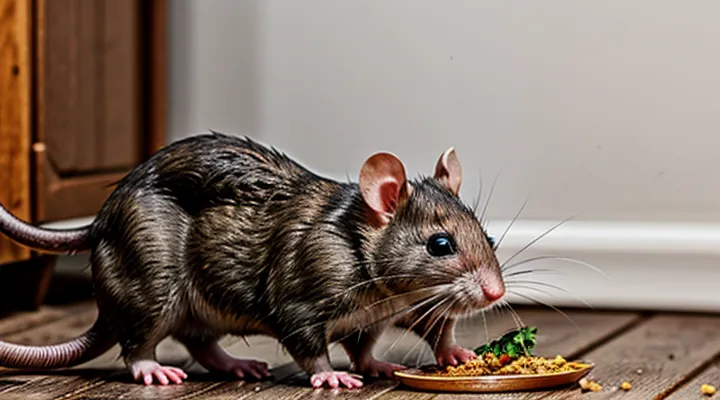
Understanding the Urgency of Rat Nutrition
The Importance of a Balanced Rat Diet
A rat’s health depends on a diet that supplies protein, fat, carbohydrates, vitamins, and minerals in appropriate proportions. Insufficient protein impairs growth and tissue repair; inadequate fat reduces energy availability and hampers absorption of fat‑soluble vitamins; a lack of essential vitamins leads to vision problems, skin lesions, and immune deficiency; mineral deficits cause bone weakness and metabolic disturbances.
When conventional pet food is not accessible, substitute options must still meet these nutritional requirements. Viable alternatives include:
- Cooked lean chicken or turkey, finely chopped, for protein and essential amino acids.
- Small portions of hard‑boiled egg, providing both protein and fat.
- Plain, unsalted cooked rice or oatmeal, delivering digestible carbohydrates.
- Fresh vegetables such as carrots, broccoli, and leafy greens, supplying vitamins A, C, K, and minerals like calcium and potassium.
- A calcium source, for example a crushed eggshell or a commercial calcium supplement, to prevent skeletal issues.
Balancing these components prevents the rapid onset of malnutrition that can occur during food shortages. Overreliance on a single food type creates excesses or gaps in nutrient intake, leading to obesity, liver strain, or deficiencies. Regular monitoring of body condition, coat quality, and activity level helps identify early signs of imbalance.
Implementing a structured feeding plan, even with limited resources, safeguards the rat’s physiological functions and prolongs its lifespan. Consistency in nutrient composition reduces stress on the digestive system and supports normal reproductive performance, behavior, and overall vitality.
Risks of Malnutrition in Rats
Rats deprived of their regular diet face rapid physiological decline. Insufficient protein leads to muscle wasting, reduced immune competence, and impaired wound healing. Lack of essential fatty acids destabilizes cell membranes, causing neurological dysfunction and increased susceptibility to infections.
Deficiencies in vitamins and minerals produce specific pathologies:
- Vitamin A shortage: compromised vision, skin lesions, and poor growth.
- Vitamin D deficit: weakened bone mineralization, resulting in fractures and skeletal deformities.
- Calcium and phosphorus imbalance: abnormal tooth development, hindlimb weakness, and seizures.
- B‑complex vitamin scarcity: reduced energy metabolism, anemia, and nervous system disturbances.
Energy shortfalls trigger metabolic adaptations that further jeopardize health. Rats shift to catabolism of body stores, accelerating weight loss and leading to hypoglycemia, which can cause seizures or death if uncorrected.
Long‑term malnutrition diminishes reproductive capacity. Females exhibit irregular estrous cycles, lower litter sizes, and increased neonatal mortality. Males show reduced sperm quality and testosterone levels, impairing breeding success.
Safe and Temporary Food Alternatives
Common Household Items
Cooked Grains and Pasta
Cooked grains and pasta can sustain a pet rat during short periods without its regular diet. They supply carbohydrates, modest protein, and some fiber, which help maintain energy levels and digestive function.
When preparing these foods, use plain, unsalted varieties. Boil rice, quinoa, barley, or whole‑grain pasta until fully cooked, then let cool to room temperature. Avoid adding butter, oil, sauces, or seasonings that may contain harmful additives.
Key considerations:
- Protein content – grains provide limited protein; supplement with a small portion of boiled egg or a commercial rat supplement if available.
- Portion size – offer 1–2 teaspoons of cooked grain or pasta per 100 g body weight, divided into two feedings to prevent over‑filling.
- Moisture – ensure the food is moist but not soggy; excess liquid can promote bacterial growth.
- Storage – keep leftovers in a sealed container in the refrigerator for no more than 24 hours. Discard any food that develops odor or mold.
Potential risks include low calcium and vitamin A levels, which can lead to deficiencies if grains dominate the diet for more than a few days. Monitor the rat’s coat, activity, and stool; signs of deficiency require immediate dietary correction.
In emergencies, cooked grains and pasta serve as a reliable stop‑gap, provided they are plain, properly cooked, and supplemented with essential nutrients as soon as regular food becomes available.
Scraps of Cooked Meat
When regular rat chow is unavailable, cooked meat remnants become a viable supplement. The protein and essential amino acids in cooked meat support muscle maintenance and immune function, while the modest fat content supplies additional calories.
Safety requirements are non‑negotiable. Only plain, fully cooked meat should be offered; seasoning, sauces, and marinades introduce salt, spices, and additives that can harm rodents. Bones, cartilage, and gristle must be removed to prevent choking or gastrointestinal injury. Processed meats such as sausages, deli slices, and cured products are unsuitable because of preservatives and high sodium levels.
- Verify complete cooking; raw or undercooked portions carry bacterial risk.
- Trim all visible fat; excess fat can cause obesity and hepatic stress.
- Keep portions small—no more than a teaspoon per 100 g of body weight per feeding.
- Offer meat no more than once daily; the remainder of the diet should consist of fiber‑rich vegetables, grains, or commercial pellets when they become accessible.
Portion control prevents nutrient imbalance. A rat weighing 150 g can safely consume about 1.5 g of cooked meat per serving. Overreliance on meat may lead to calcium deficiency, so supplement with calcium‑rich foods such as leafy greens or a calcium block.
Store leftovers in a sealed container within two hours of cooking. Refrigerate for up to 24 hours; discard any meat that shows discoloration, off‑odor, or signs of spoilage. Freezing extends usability for several days but requires thorough thawing before feeding.
Integrating cooked meat scraps as an occasional component maintains protein intake during shortages, provided that hygiene, portion limits, and dietary balance are rigorously observed.
Cooked Vegetables and Fruits
When commercial rat chow is unavailable, cooked vegetables and fruits provide a viable nutritional substitute. These foods supply essential vitamins, minerals, and fiber while being easily digestible for rodents.
-
Carrots (steamed or boiled) – high in beta‑carotene, supports vision and immune function.
-
Sweet potatoes (soft‑cooked, skin removed) – source of complex carbohydrates and vitamin C.
-
Green beans (lightly boiled) – delivers calcium and folate without excess sugar.
-
Peas (cooked, unsalted) – offers protein and B‑vitamins, suitable for occasional feeding.
-
Zucchini (steamed) – low‑calorie, rich in potassium and magnesium.
-
Apples (cooked, skin removed, no seeds) – provides soluble fiber and antioxidants.
-
Pears (soft‑cooked, core removed) – supplies vitamin K and dietary fiber.
-
Bananas (lightly warmed) – delivers potassium and natural sugars for energy bursts.
-
Blueberries (briefly heated) – rich in anthocyanins, aid cognitive health.
-
Melon (cooked, rind removed) – offers hydration and vitamin A.
Preparation must eliminate raw textures that can cause choking or digestive upset. Cook vegetables until tender but not mushy; avoid added salt, butter, or spices. Fruit should be pureed or finely chopped after cooking to ensure smooth consistency. Portion sizes should not exceed 10 % of the rat’s daily caloric intake to prevent obesity and nutritional imbalance. Regularly monitor weight and stool quality; adjust quantities if signs of diarrhea or weight loss appear.
Natural Foraging Options
Edible Plants in a Controlled Environment
When standard provisions run out, a rat can survive on a selection of cultivated greens grown under controlled conditions. A small indoor grow box or a simple hydroponic system supplies fresh, pesticide‑free foliage that meets the animal’s dietary requirements.
Suitable species include:
- Lettuce (leaf varieties only, avoid romaine stems)
- Dandelion leaves
- Chicory
- Basil
- Parsley
- Spinach (limited amounts due to oxalate content)
- Kale (young leaves preferred)
Each plant delivers a balance of fiber, vitamins A and C, and essential minerals. Provide daily portions that total no more than 10 % of the rat’s body weight; excess greens may cause digestive upset.
Maintain the environment by regulating temperature between 18 °C and 24 °C, ensuring a light cycle of 12 hours, and using a nutrient solution with a balanced N‑P‑K ratio. Monitor moisture to prevent mold, and replace harvested foliage promptly to sustain continuous growth.
Before offering any new green, confirm it is free from chemicals and devoid of wilted or discolored sections. Introduce each type gradually, observing the rat for signs of intolerance or allergic reaction. This method supplies a reliable, low‑cost fallback diet when conventional food sources become unavailable.
Insects as a Last Resort
When standard rodent chow is unavailable, insects can supply the essential nutrients a rat requires for short‑term survival. Their high protein content, balanced fat levels, and presence of vitamins such as B12 and minerals like iron make them a viable emergency food source.
Key insect options include:
- Crickets (Acheta domesticus)
- Mealworms (Tenebrio molitor larvae)
- Black soldier fly larvae (Hermetia illucens)
- Grasshoppers (various species)
Preparation should eliminate potential hazards. Rinse insects thoroughly, then cook by boiling or baking for at least five minutes to destroy pathogens. Offer no more than 10 % of the rat’s body weight per day; excess calories can cause digestive upset.
Safety measures are critical. Use insects raised on pesticide‑free substrates, avoid wild‑caught specimens that may carry parasites, and monitor the animal for signs of allergic reaction or intolerance. In emergencies, insects provide a nutritionally complete stopgap until conventional feed can be restored.
What to Avoid at All Costs
Toxic Foods for Rats
Human Foods to Never Offer
When standard rodent chow is out of reach, owners may consider offering human foods. Certain items pose immediate health risks and must be excluded from a rat’s diet.
- Chocolate and cocoa products – contain theobromine, which can cause cardiac arrhythmia and seizures.
- Caffeine‑containing beverages or foods – stimulate the nervous system, leading to hyperactivity, tremors, and potentially fatal overdose.
- Alcohol – depresses central nervous function, resulting in respiratory failure and death even at low doses.
- Citrus fruits and juices – high acidity irritates the gastrointestinal tract and can cause ulceration.
- Raw or undercooked beans (especially red kidney beans) – contain lectins that damage intestinal lining and may be lethal.
- Processed meats with preservatives (e.g., bacon, ham) – high sodium and nitrates strain kidneys and increase blood pressure.
- Salty snacks (chips, pretzels) – cause electrolyte imbalance, dehydration, and renal injury.
- Sugary candies and sodas – promote dental decay, obesity, and metabolic disorders.
- Avocado flesh – contains persin, which can lead to respiratory distress and heart damage.
- Onion, garlic, and related Allium species – cause hemolytic anemia by damaging red blood cells.
Providing only safe, nutritionally balanced alternatives prevents acute toxicity and long‑term health complications. If emergency feeding is necessary, stick to plain, cooked vegetables, unseasoned lean protein, and water until appropriate rodent nutrition becomes available.
Wild Plants to Strictly Avoid
When conventional rat chow is scarce, foragers may consider wild vegetation, but many species contain toxins that can cause rapid deterioration or death in rodents. Identify and exclude these plants before offering any foraged material.
- Nightshade family (Solanaceae) – Includes belladonna, black nightshade, and deadly nightshade. Alkaloids such as solanine and atropine disrupt cardiac and nervous function.
- Oleander (Nerium oleander) – Glycosides produce severe gastrointestinal irritation, arrhythmias, and fatal cardiac arrest.
- Hemlock (Conium maculatum) – Alkaloid coniine blocks neuromuscular transmission, leading to paralysis and respiratory failure.
- Foxglove (Digitalis purpurea) – Cardiac glycosides cause arrhythmias and can be lethal at low doses.
- Lily of the Valley (Convallaria majalis) – Contains convallatoxin, a potent cardiac toxin.
- Rhubarb leaves (Rheum spp.) – Oxalic acid crystals precipitate kidney failure and metabolic disturbances.
- Castor bean (Ricinus communis) – Ricin protein is highly toxic, causing multi‑organ failure.
- Pokeweed (Phytolacca americana) – Saponins and lectins induce severe vomiting, diarrhea, and can be fatal.
- Mistletoe (Viscum album) – Viscotoxin interferes with cardiac rhythm and may cause sudden death.
- Water hemlock (Cicuta spp.) – Cicutoxin triggers seizures and respiratory collapse.
Avoid offering any part of these species, even in small quantities. When uncertainty remains about plant identification, err on the side of exclusion and seek alternative emergency feeds such as dried grains, nuts, or commercially prepared rodent treats.
Dangerous Non-Food Items
When conventional food sources are unavailable, owners may be tempted to offer objects that are not intended for consumption. Such items can cause immediate toxicity, mechanical injury, or long‑term health problems for rats.
- Heavy metals (e.g., copper wire, zinc pennies): ingestion leads to organ failure, neurological damage.
- Plastic bags and films: can be torn and cause intestinal blockage; chemicals may leach into the digestive tract.
- Rubber bands, elastic cords: pose choking hazards and can constrict the esophagus.
- Household cleaners, detergents, disinfectants: contain corrosive agents that burn mucous membranes and can be fatal if swallowed.
- Paint chips, varnish, and solvent‑soaked rags: contain volatile organic compounds that damage liver and kidneys.
- Small electronics (batteries, switches): contain alkaline or lithium compounds, producing severe chemical burns and electrolyte imbalance.
- Pesticides and rodent poisons: even minute amounts cause hemorrhaging, seizures, and death.
- Plants with known toxicity (e.g., philodendron, oleander): ingestion results in cardiac arrhythmias or gastrointestinal ulceration.
Rats are adept at gnawing, so any small object that can be broken into fragments should be considered a risk. Immediate removal of hazardous items from the environment prevents accidental ingestion. If a rat consumes a non‑food object, seek veterinary assistance without delay; prompt intervention reduces the likelihood of irreversible damage.
Emergency Feeding Protocols
Preparing Temporary Food
When a pet rat’s regular diet is temporarily unavailable, a safe substitute can be assembled from common household items. The goal is to supply adequate protein, fat, fiber, and moisture until normal supplies are restored.
- Cooked plain chicken or turkey, shredded into bite‑size pieces
- Hard‑boiled egg, mashed
- Plain cooked rice or oatmeal, cooled
- Small amount of unsalted, unflavored peanut butter or sunflower seed butter
- Fresh vegetables such as carrots, broccoli, or cucumber, finely chopped
- Water, provided in a clean bottle or dish
Combine the protein source (chicken, turkey, or egg) with the carbohydrate (rice or oatmeal). Add a teaspoon of butter for essential fats, then stir in the vegetables to increase fiber and hydration. Mix thoroughly until the mixture holds together without excess liquid.
Form the blend into small, bite‑size portions that fit the rat’s mouth. Serve immediately or store in a sealed container in the refrigerator for up to 24 hours. Discard any leftovers after this period to prevent bacterial growth.
Monitor the rat’s intake and behavior. If the temporary diet is required for more than a day, reintroduce the regular feed as soon as it becomes available to maintain nutritional balance.
Ensuring Hydration
When regular food supplies run low, a rat’s immediate survival depends on maintaining adequate fluid intake. Dehydration can develop within 24 hours, impairing organ function and reducing the animal’s ability to locate alternative nourishment. Provide an uninterrupted source of clean, fresh water at all times; replace it at least twice daily to prevent bacterial growth.
If standard water bottles are unavailable, consider these alternatives:
- Small dishes of filtered tap water placed on a stable surface to prevent spillage.
- Bottled spring water, ensuring it is at room temperature before offering.
- Diluted, low‑sodium electrolyte solution (1 teaspoon of unflavored sports drink per liter of water) to replenish electrolytes lost through stress.
- Commercially prepared rodent hydration gels, applied in a shallow tray; these gels supply water and a modest amount of carbohydrates.
Monitor the rat’s drinking behavior. Reduced consumption, dry mucous membranes, or sunken eyes indicate a need for immediate veterinary attention. Maintaining fluid balance buys critical time while other food sources are secured.
Monitoring Rat Health During Crisis
During a period of limited food supplies, systematic observation of a rat’s condition becomes essential for survival. Daily checks should focus on measurable signs rather than subjective impressions.
- Body weight: record to the nearest gram each morning; a loss exceeding 5 % within three days signals acute stress.
- Fur condition: note patches of dullness or loss; rapid deterioration indicates nutritional deficiency.
- Activity level: quantify by counting traversals of a defined area in a five‑minute interval; a decline of more than 30 % suggests weakness.
- Respiratory pattern: listen for wheezing or irregular breaths; abnormal sounds often precede systemic illness.
- Gastrointestinal output: monitor stool consistency and frequency; watery or absent stools reflect dehydration or severe malnutrition.
Temperature, if measurable, should remain within the normal range of 36.5–38 °C; deviations require immediate intervention. Hydration status can be inferred from skin elasticity and eye appearance; reduced turgor necessitates supplemental fluids.
When these parameters shift beyond established thresholds, adjust the improvised diet to include high‑energy components such as boiled egg yolk, cooked lean meat, or nutrient‑dense vegetables. Supplement with a multivitamin solution to mitigate micronutrient gaps. Continuous documentation of observations and dietary adjustments enables rapid response, preserving health until regular feed becomes available again.
Proactive Measures and Prevention
Building an Emergency Food Stash
When regular supplies become scarce, a pre‑assembled reserve of appropriate foods safeguards a rat’s health and prevents nutritional deficits.
A balanced emergency stash must contain sources of protein, fat, fiber, vitamins, and minerals. Protein supports tissue repair; fat supplies energy; fiber aids digestion; vitamins and minerals prevent deficiencies.
- Dried mealworms or crickets (high‑protein, low‑moisture)
- Unsalted, unflavored nuts such as almonds or peanuts (fat and protein)
- Whole‑grain rolled oats or barley (complex carbohydrates and fiber)
- Freeze‑dried vegetables, e.g., peas, carrots, and spinach (vitamins A, C, K)
- Calcium tablets or powdered egg shells (bone health)
- Small quantities of powdered milk or soy protein isolate (additional protein and calcium)
- Dehydrated fruit pieces, e.g., apple or banana chips (natural sugars, vitamins)
Store all items in airtight, opaque containers placed in a cool, dry area. Label each container with the date of acquisition and rotate stock every six months to maintain freshness. Avoid exposure to light, humidity, and temperature fluctuations, which accelerate nutrient loss and spoilage.
When needed, rehydrate dried insects or vegetables with distilled water for 10–15 minutes. Mix a measured portion—approximately 10 % of the rat’s body weight per day—with a small amount of fresh water to create a palatable mash. Adjust portion size according to the animal’s activity level and health status.
Inspect the stash regularly for signs of mold, insect infestation, or off‑odors. Discard any compromised items immediately and replenish the reserve with fresh supplies, preserving the same nutrient balance. Consistent monitoring ensures the emergency cache remains effective throughout prolonged periods without standard feed.
Understanding Long-Term Nutritional Needs
Rats require a balanced intake of protein, fat, carbohydrates, fiber, vitamins, and minerals to maintain growth, immune function, and reproductive health. When conventional laboratory chow is scarce, long‑term health depends on replicating these nutrient ratios with alternative foods and supplements.
Protein sources such as cooked eggs, plain yogurt, or boiled chicken provide essential amino acids. Fat can be supplied through small amounts of unsalted nuts, seeds, or a few drops of vegetable oil, ensuring the diet does not become overly greasy. Complex carbohydrates and fiber are available from cooked rice, oatmeal, or plain whole‑grain pasta; these also aid gastrointestinal motility. Micronutrient gaps are filled with a multivitamin/mineral powder formulated for rodents, added to the daily water or mixed into soft foods. Calcium and phosphorus balance is critical; a measured supplement of powdered calcium carbonate and a phosphorous source (e.g., ground bone meal) prevents skeletal deficiencies.
A practical regimen includes:
- Daily rotation of protein items to avoid excess of any single source.
- Limited fat portions (no more than 5 % of total caloric intake).
- Consistent inclusion of fiber‑rich vegetables such as carrots or broccoli, finely chopped to prevent choking.
- Precise measurement of supplement powders according to the rat’s weight (approximately 0.5 g per 100 g body mass).
- Fresh water at all times; electrolytes may be added during prolonged shortages.
Monitoring weight, coat condition, and activity levels reveals early signs of nutritional imbalance. If weight loss exceeds 5 % of baseline or fur becomes dull, adjust protein and calorie content immediately and consider a short‑term supply of commercial chow to re‑establish baseline nutrition.
Consulting a Veterinarian for Dietary Guidance
When a rat’s regular diet cannot be supplied, professional input becomes essential. A veterinarian possesses the knowledge to assess the animal’s health status, identify nutritional deficiencies, and recommend safe alternatives that match the pet’s metabolic needs. Direct consultation eliminates guesswork and reduces the risk of introducing toxic or improperly balanced foods.
Key actions during a veterinary appointment:
- Provide a detailed account of the current food shortage, including any temporary substitutes already offered.
- Share the rat’s age, weight, sex, reproductive status, and recent health observations (e.g., weight loss, lethargy, coat condition).
- Request a list of approved emergency foods, specifying portion sizes and feeding frequency.
- Ask for guidance on supplement use, such as calcium or vitamin C, and the correct dosage for a small rodent.
- Obtain instructions for monitoring the rat’s condition after the diet change, including signs that warrant immediate veterinary attention.
Following the veterinarian’s plan ensures that the rat receives adequate nutrition while minimizing stress and potential health complications.