
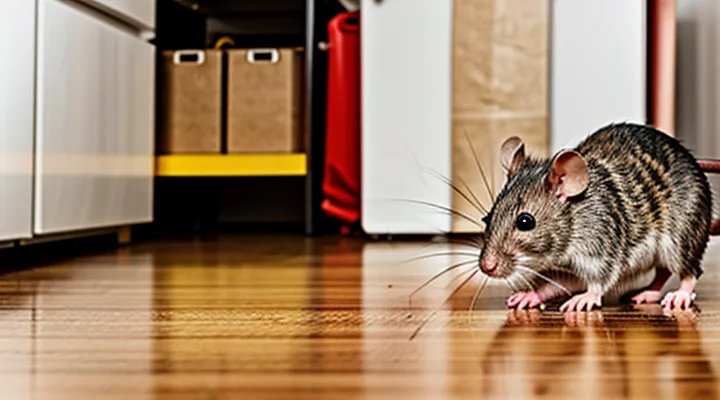
Identifying the Intruder
Signs of Rodent Activity
Droppings and Urine Trails
Droppings and urine trails are the most visible signs that rodents have entered a living space, and they pose direct health hazards. Fresh droppings appear as small, dark, rice‑shaped pellets; older ones may be lighter and crumble easily. Urine leaves a faint, oily sheen that can be detected by a lingering ammonia odor. Both can contaminate food, surfaces, and ventilation systems, increasing the risk of diseases such as hantavirus, leptospirosis, and salmonellosis.
To manage contaminated areas safely:
- Wear disposable gloves and a mask; keep a sealed bag for used protective gear.
- Use a disinfectant containing at least 0.5 % bleach solution (1 part bleach to 9 parts water) or a commercial rodent‑specific cleaner.
- Dampen droppings and urine stains before wiping to prevent aerosolization.
- Scrub the affected surface thoroughly; rinse with clean water.
- Dispose of cleaning materials in a sealed container; wash hands and any reusable tools with hot, soapy water.
After removal, seal cracks, gaps, and entry points that facilitated droppings and urine trails. Replace any compromised insulation or stored food items. Regularly inspect hidden corners, behind appliances, and in storage areas to detect new deposits early. Maintaining a clean, sealed environment reduces the likelihood of re‑infestation and protects occupants from rodent‑borne pathogens.
Gnaw Marks
Gnaw marks are the most reliable sign that a rodent has entered a living space. They appear as clean, precise cuts through wood, plastic, or wiring, typically ¼‑inch wide and ½‑inch deep. The presence of fresh gnawing indicates an active infestation, while older, weathered marks suggest a long‑term problem.
Identify gnaw marks by examining common travel routes: baseboards, cabinet backs, behind appliances, and near utility lines. Fresh cuts have sharp edges and no discoloration; older ones show frayed wood fibers and slight darkening. Record the locations to map entry points and prioritize sealing efforts.
Take immediate action:
- Inspect each marked area for gaps larger than a quarter inch; seal with steel wool, copper mesh, or silicone caulk.
- Remove any food sources that may attract rodents; store perishables in airtight containers.
- Install snap traps or electronic traps near the identified marks, positioning bait perpendicular to the cut.
- Turn off electricity to any damaged wiring and replace compromised sections to prevent fire hazards.
Prevent future gnawing by:
- Maintaining a clutter‑free environment that eliminates hiding spots.
- Regularly checking for new marks during monthly inspections.
- Using rodent‑proof materials for renovations, such as metal conduit for wires and hard‑capped pipe openings.
- Engaging a professional pest‑control service for comprehensive sealing and monitoring if marks persist.
Scratching and Squeaking Noises
Rodent activity often announces itself with persistent scratching and high‑pitched squeaking. These sounds typically originate from walls, ceilings, or behind appliances where mice and rats gnaw and communicate. Identifying the exact location reduces unnecessary disturbance and targets remediation efforts.
Listen for patterns: continuous scratching suggests nesting or feeding, while intermittent squeaking indicates movement between hiding spots. Use a flashlight and a portable recorder to pinpoint the source without opening walls. Mark the spot on a floor plan for reference.
Take immediate action to prevent escalation:
- Seal visible entry points with steel wool, caulk, or metal mesh.
- Remove food sources; store pantry items in airtight containers and clean crumbs promptly.
- Set snap traps or electronic traps near the identified area, positioning bait at least 2–3 inches away from walls to encourage entry.
- Deploy ceramic‑based rodent repellents or ultrasonic devices as supplementary deterrents, recognizing they work best when combined with physical barriers.
Inspect for damage after a 24‑hour period. Persistent noises after trapping indicate possible secondary occupants or concealed burrows. In such cases, enlist a licensed pest‑control professional to conduct a thorough examination and apply targeted baits or exclusion methods.
Maintain a clean environment and regularly check for new scratches or squeaks. Early detection limits structural harm and health risks associated with rodent infestations.
Unpleasant Odors
Rodents leave urine, droppings, and secretions that produce strong, lingering smells. These odors indicate contamination and can affect indoor air quality, trigger allergies, and attract additional pests.
Identify the source quickly. Follow the trail of scent to areas where droppings accumulate—kitchens, pantry shelves, behind appliances, and in wall cavities. Use a flashlight to spot dark stains on surfaces and in corners.
Neutralize the smell with these steps:
- Wear disposable gloves and a mask. Remove all visible droppings and nesting material with a disposable paper towel. Place waste in a sealed plastic bag.
- Clean the affected area with a solution of one part bleach to ten parts water. Apply, let stand for five minutes, then wipe dry. Bleach breaks down odor‑causing compounds and disinfects.
- For porous surfaces (carpet, upholstery, drywall), discard or treat with an enzymatic cleaner designed for rodent waste. Enzymes break down the organic matter that generates odor.
- After cleaning, ventilate the room. Open windows and run exhaust fans for at least 30 minutes. Use a high‑efficiency particulate air (HEPA) filter purifier to capture lingering particles.
- Replace any absorbent materials that cannot be fully decontaminated, such as contaminated insulation or padding.
Prevent recurrence. Seal entry points with steel wool and caulk, store food in airtight containers, and keep garbage tightly covered. Regularly inspect for fresh droppings; early detection stops odor buildup before it spreads throughout the apartment.
Immediate Actions and Prevention
Sealing Entry Points
Inspecting Your Apartment
Begin a thorough inspection as soon as rodent activity is suspected. Locate entry points, nesting sites, and food sources to prevent further intrusion.
Check walls, baseboards, and ceilings for gnaw marks, droppings, or grease stains. Small, dark pellets indicate feeding areas; fresh droppings are moist and dark, older ones turn gray and crumble. Examine corners and hidden spaces behind appliances, furniture, and storage boxes, as rodents favor secluded locations.
Survey utility openings such as pipe gaps, vent covers, and electrical conduits. Measure each opening; any gap larger than ¼ inch can admit a mouse, while a rat may squeeze through an opening up to 2 inches. Seal cracks with steel wool and caulk, or install metal mesh where necessary.
Inspect food storage zones. Ensure pantry shelves, cabinets, and countertops are free of spilled crumbs. Store dry goods in airtight containers; discard any items showing signs of contamination.
Review waste management practices. Verify that trash cans have tight-fitting lids and are emptied regularly. Keep recycling bins clean and sealed.
Document findings with photographs or notes. A clear record helps prioritize repairs and provides evidence for pest‑control professionals if external assistance becomes required.
Using Appropriate Materials
When a rodent takes up residence in a living space, the choice of materials determines the effectiveness and safety of any control effort. Durable, non‑porous sealants such as silicone caulk or polyurethane foam close entry points that rodents exploit. Apply sealant after cleaning the surrounding area to ensure adhesion; focus on gaps around pipes, vents, and baseboards.
Traps constructed from stainless steel or heavy‑gauge plastic resist gnawing and retain captured animals without breaking. Snap traps should feature a spring‑loaded bar calibrated to deliver a swift kill. Live‑capture cages must incorporate a secure latch and smooth interior surfaces to prevent injury.
Bait stations made of rigid, tamper‑resistant plastic protect children and pets while containing poison. Use formulations approved by local health authorities and follow label instructions regarding placement and quantity.
Protective gear—including disposable gloves, face masks, and eye protection—prevents exposure to droppings, urine, and rodent‑borne pathogens. Replace gloves after each handling task and disinfect surfaces with an EPA‑registered disinfectant.
Recommended material list:
- Silicone or polyurethane sealant
- Stainless‑steel snap traps or heavy‑plastic live‑capture cages
- Tamper‑resistant bait stations with approved rodenticides
- Disposable nitrile gloves, N95 mask, safety goggles
- EPA‑registered disinfectant for post‑removal cleaning
Selecting robust, purpose‑built items and applying them correctly eliminates the infestation while minimizing health risks.
Eliminating Food Sources
Storing Food Securely
Secure food storage is a critical barrier against rodent intrusion in a residence. Food left exposed provides scent cues and easy nourishment, encouraging mice and rats to remain. Proper containment eliminates these incentives and reduces the likelihood of infestation.
All pantry items should be placed in containers made of metal, glass, or heavy‑wall plastic with airtight seals. Verify that lids close tightly; any gaps allow rodents to chew through. Transfer bulk purchases from original packaging into such containers promptly, even for short‑term storage.
Label containers with purchase dates and rotate stock regularly. Discard expired or spoiled products, as decay emits strong odors that attract pests. Keep surfaces clean; wipe down shelves after each use to remove crumbs and residue.
Maintain a strict routine for waste management. Store garbage in bins with sealed lids and empty them daily. Use a separate, rodent‑proof bag for food scraps, and keep the bin away from walls and entry points.
Consider the layout of food‑related areas. Position containers away from walls, cabinets, and openings where rodents can gnaw. Seal any cracks, gaps, or holes in cabinetry, countertops, and flooring with steel wool and caulk, as rodents can squeeze through openings as small as a quarter inch.
Implement these measures consistently to deprive rodents of accessible food, thereby supporting broader efforts to control and prevent their presence in the apartment.
Cleaning Up Crumb and Spills
Maintain a spotless environment to discourage rodents from entering your living space. Food residues and liquid spills provide easy access to nutrition and hydration, making your apartment attractive to mice and rats.
- Remove visible crumbs from countertops, tables, and floors after each meal. Use a dry cloth or a small brush to sweep away particles that may cling to surfaces.
- Wipe down surfaces with a mild detergent solution. Ensure the solution reaches edges and corners where food particles can accumulate.
- Clean kitchen appliances, including microwave interiors, toaster trays, and refrigerator shelves. Discard any food debris before it dries.
- Eliminate liquid spills immediately. Absorb excess moisture with paper towels, then sanitize the area with a disinfectant spray.
- Store dry goods in airtight containers. Verify that lids seal securely before placing items back on shelves.
- Dispose of garbage daily. Seal trash bags tightly and keep the bin lid closed to prevent odors from attracting pests.
Implement a routine that includes daily inspection of eating areas and weekly deep cleaning of storage spaces. Consistent removal of food sources reduces the likelihood of rodent activity and supports long‑term pest prevention.
Managing Pet Food
When rodents enter a living space, unsecured pet food becomes a primary attractant. Store dry kibble, canned meals, and treats in airtight containers made of metal or heavy‑wall plastic. Seal containers each time they are opened, and keep them on a shelf away from floor level to discourage foraging.
- Place food in containers with a rubber gasket that prevents odors from escaping.
- Transfer leftovers to a separate sealed jar and discard any uneaten portions after 24 hours.
- Use feeding stations that lock when not in use, especially for small animals such as hamsters or birds.
- Clean feeding areas daily with a mild detergent; rinse thoroughly to remove crumbs.
Pet feeding schedules should align with the apartment’s cleaning routine. Offer meals at consistent times, remove bowls promptly after consumption, and avoid leaving water dishes unattended for extended periods. If a pet is fed outdoors on a balcony, ensure the feeding area is enclosed or covered to block rodent access.
Monitor the storage area for signs of gnawing or droppings. Replace any damaged containers immediately, and consider using natural deterrents such as peppermint oil on the exterior of storage units. Maintaining strict control of pet food reduces the likelihood that a mouse or rat will establish a foothold in the apartment.
Methods for Rodent Removal
Trapping Strategies
Snap Traps
Snap traps provide a rapid, humane solution for eliminating rodents that have entered a living space. They consist of a spring‑loaded bar that delivers an instantaneous, lethal strike when the animal triggers the trigger mechanism. The design eliminates prolonged suffering and prevents the need for chemical poisons, which can pose secondary risks to pets and children.
When selecting a snap trap, consider the following criteria:
- Sturdy construction of metal or heavy‑duty plastic to withstand repeated use.
- Sensitive trigger that activates with minimal pressure, ensuring capture of both mice and larger rats.
- Covered bait compartment that protects the lure from dust and accidental contact.
Proper placement maximizes effectiveness. Position traps along established runways: near walls, behind appliances, beneath cabinets, and close to entry points such as gaps around pipes. Align the trigger side toward the wall; rodents tend to move with their heads facing the barrier. Set traps perpendicular to the wall, with the bait positioned 1–2 inches from the edge to entice the animal onto the trigger.
Bait selection influences capture rates. Common options include:
- Small pieces of peanut butter, which adhere to the bait cup and emit a strong odor.
- Bits of dried fruit or chocolate for rats that prefer sweeter tastes.
- A sliver of cheese or cooked meat for mice accustomed to protein sources.
Safety precautions are essential. Wear disposable gloves when handling traps to avoid transferring scent, which can deter rodents. Place traps out of reach of children and non‑target pets; consider using a protective barrier or mounting the trap on a narrow platform. After a capture, use a sturdy bag or container to transport the dead rodent, then seal and dispose of it according to local regulations.
Maintenance includes regular inspection of each trap. Replace bait daily to maintain freshness, and reset the mechanism after each capture. If a trap fails to trigger, examine the trigger sensitivity and adjust the spring tension if possible. Over time, replace worn springs or corroded components to preserve reliability.
Snap traps, when deployed correctly, offer a cost‑effective, immediate method for addressing rodent intrusion in an apartment. Their simplicity, quick action, and low environmental impact make them a preferred choice for residents seeking direct control without resorting to toxic substances.
Live Traps
Live traps provide a humane method for removing rodents from a residential unit. These devices consist of a cage with a trigger mechanism that closes the door when an animal enters, allowing capture without killing the creature.
When selecting a trap, consider the following criteria:
- Size appropriate for the target species (mouse traps are smaller than rat traps).
- Sensitive trigger that activates with minimal pressure to prevent escape.
- Durable construction to withstand repeated use.
- Easy-to-open door for quick release.
Effective placement maximizes capture rates. Position traps along walls, behind appliances, and near visible droppings or gnaw marks. Place bait—such as peanut butter, dried fruit, or a small piece of cheese—on the trigger plate. Ensure the trap is stable and not obstructed by furniture or clutter.
Check traps at least once daily. A captured rodent should be removed promptly to reduce stress and prevent odor buildup. Release the animal at least two miles from the building, preferably in a wooded or agricultural area, following local wildlife regulations.
After removal, clean the trap with hot, soapy water and a disinfectant. Inspect the apartment for entry points; seal gaps around pipes, vents, and baseboards to prevent re‑infestation. Maintain a tidy environment by storing food in sealed containers and eliminating clutter that offers shelter.
Live traps, when used correctly, offer a practical solution for managing unwanted rodents while adhering to humane standards.
Baits and Lures
When a rodent is detected in a residence, baits and lures become the first line of defense. Selecting the appropriate product determines the speed and safety of eradication.
- Poison baits: Anticoagulant or bromethalin formulations; designed for one‑time ingestion, causing death within 24‑48 hours.
- Non‑toxic attractants: Peanut butter, cheese, or grain placed in snap or live traps; useful when poisoning is prohibited.
- Gel baits: High‑viscosity paste applied in cracks and behind appliances; effective for concealed pathways.
- Pre‑baited snap traps: Combine a mechanical killing device with a scented lure; reduce handling of poison.
Placement follows a strict pattern: position baits near walls, behind appliances, and in dark corners where rodents travel. Space devices 2–3 feet apart along known runways. Avoid locations where children or pets can access the product; use tamper‑resistant containers when necessary.
Safety measures include wearing disposable gloves during setup, washing hands afterward, and storing unused bait in a locked container. Dispose of dead rodents promptly, sealing them in a plastic bag before discarding in a sealed trash bin. Record the date and location of each bait to track activity and adjust placement as needed.
Regular inspection of bait stations ensures continued effectiveness. Replace depleted or contaminated baits within 24 hours. If no reduction in sightings occurs after a week, reassess trap density, lure freshness, and consider integrating additional methods such as exclusion sealing or professional pest‑control services.
Professional Pest Control
When to Call an Exterminator
If rodents are present in your dwelling and basic measures fail to eliminate them, professional intervention becomes necessary. Persistent activity despite traps, evidence of breeding, or damage to wiring, insulation, or food storage indicates that a licensed exterminator should be engaged immediately.
Typical scenarios that warrant calling an exterminator include:
- Multiple sightings in different rooms over several days.
- Droppings, gnaw marks, or urine stains in concealed areas.
- Chewed electrical cords or plumbing, posing fire or flood risks.
- Evidence of nests, such as shredded material or shredded insulation.
- Inability to locate and remove the source despite thorough cleaning and DIY traps.
What to Expect from Professionals
When a rodent appears in your living space, a licensed pest‑control professional follows a defined process. The first interaction typically involves a phone call or online request, during which you receive an estimated price, available service windows, and any preparation instructions (such as clearing clutter or securing food). A technician arrives at the agreed time, wearing protective gear and carrying the tools required for a thorough assessment.
During the inspection the specialist:
- Identifies the species (mouse, rat, or both) based on droppings, gnaw marks, and sightings.
- Traces pathways used for entry, noting gaps around pipes, vents, doors, and windows.
- Evaluates the extent of activity by locating nests, food sources, and droppings concentrations.
Based on these findings, the professional presents a treatment plan that includes:
- Choice of control methods (bait stations, snap traps, electronic devices, or low‑toxicity rodenticides) selected for effectiveness and safety in occupied housing.
- Recommendations for sealing entry points, often using steel wool, caulk, or metal flashing.
- Instructions for resident cooperation, such as temporary relocation of pets, securing garbage, and limiting access to treated areas.
After implementation, the service provider schedules follow‑up visits. These appointments verify that activity has ceased, replace consumables, and document the outcome. Many companies offer a guarantee period during which additional treatments are performed at no extra charge if rodents reappear. All actions are recorded in a written report, which includes inspection notes, chemicals used, and recommendations for long‑term prevention.
Post-Removal Cleanup and Sanitization
Disinfecting Affected Areas
Wearing Protective Gear
When rodents enter a living space, direct contact can expose occupants to pathogens, allergens, and contaminants. Protective gear minimizes these risks and allows safe handling of traps, droppings, and carcasses.
Essential items include:
- Heavy‑duty disposable gloves (nitrile or latex) to prevent skin contact with urine, feces, and saliva.
- A properly fitted N95 or higher respirator to filter airborne particles and droplet nuclei.
- Safety goggles or a face shield to shield eyes from splashes and dust.
- A disposable coverall or long‑sleeve work shirt with pants to protect clothing and skin.
- Slip‑resistant shoes or boots to reduce the chance of falls on wet or contaminated surfaces.
Before beginning any removal or cleaning operation, inspect gear for tears, cracks, or compromised seals. Replace damaged items immediately. After completion, remove equipment in the reverse order of dressing, disposing of single‑use items in sealed bags and washing reusable components according to manufacturer instructions. Hand hygiene follows each session, using soap and water or an alcohol‑based sanitizer. This systematic approach ensures that handling rodents does not jeopardize personal health or spread contaminants throughout the apartment.
Using Approved Cleaners
When a rodent enters a living space, residues from droppings, urine, and gnaw marks create health hazards that demand proper sanitation. Approved cleaning agents eliminate pathogens, prevent re‑infestation, and comply with housing regulations.
- Verify that the product is registered with relevant health agencies.
- Choose formulations labeled for rodent‑related contamination.
- Prefer non‑toxic, low‑odor options if pets or children share the area.
- Confirm that the cleaner’s active ingredients are effective against bacteria, viruses, and parasites common to rodents.
Apply the selected cleaner according to manufacturer instructions. Wear gloves and, if recommended, a mask. Cover all surfaces that show evidence of rodent activity, including countertops, floors, and cabinets. Allow the contact time specified on the label before wiping or rinsing. Dispose of used wipes, cloths, and contaminated waste in sealed bags placed in an outdoor trash container.
After treatment, inspect the treated zones for remaining stains or odor. Repeat application if residues persist. Record the product name, batch number, and date of use for future reference and for any required reporting to property management or health authorities.
Preventing Reinfestation
Ongoing Vigilance
Maintain continuous awareness after discovering a mouse or rat in a living space. Immediate removal does not guarantee that the problem ends; rodents can return if conditions remain favorable. Regular observation of potential entry points, activity signs, and sanitation levels prevents re‑infestation.
Key vigilance actions include:
- Inspect walls, floors, and ceilings weekly for fresh gnaw marks, droppings, or nesting material.
- Seal cracks, gaps around pipes, and openings around doors with steel wool, caulk, or metal mesh.
- Keep food stored in airtight containers; clean crumbs and spills promptly.
- Monitor trash cans, ensuring lids fit tightly and are emptied regularly.
- Use motion‑activated traps or electronic detectors in concealed areas; check them each night.
- Record any sightings with date, time, and location to identify patterns and adjust preventive measures.
Documenting observations and responding to new evidence within 24 hours sustains an environment that discourages rodents. Consistent diligence reduces the likelihood of repeated incursions and supports long‑term pest‑free habitation.
Maintaining a Clean Environment
A spotless living space reduces food sources and nesting materials that attract rodents. Store all pantry items in sealed containers; glass or heavy‑plastic jars with airtight lids prevent access. Dispose of expired or opened packages promptly.
Remove clutter from closets, cabinets, and under furniture. Boxes, piles of laundry, and unused items create hiding spots. Keep surfaces clear, and regularly vacuum to eliminate crumbs and droppings that provide nourishment.
Maintain strict waste management. Place trash in bins with tight‑fitting lids, and empty them daily. Compost bins should be sealed, and pet food should not be left out overnight.
Key practices
- Sweep and mop floors after each meal.
- Wipe countertops and tables before and after use.
- Clean dishware immediately; avoid leaving dishes in the sink.
- Inspect and seal cracks around pipes, vents, and windows to block entry points.