
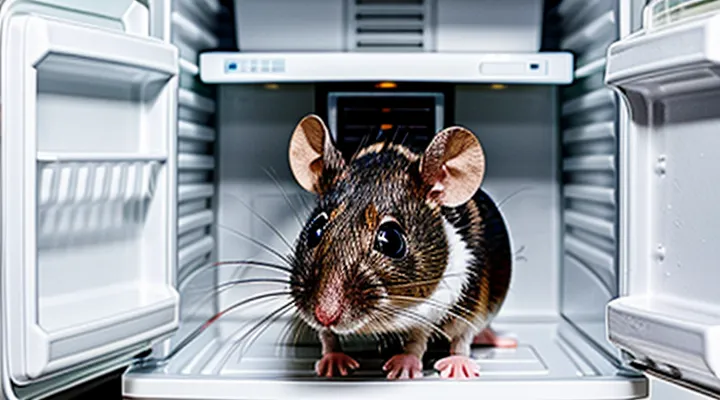
Immediate Actions
Safety First
Handling the Mouse
Discovering a rodent inside the refrigerator requires swift, controlled action. First, isolate the appliance to prevent the animal from escaping into the kitchen. Close the door, turn off the power if the unit is electric, and keep children and pets away.
Immediate steps
- Remove all food items and place them in sealed containers.
- Wear disposable gloves to avoid direct contact with the mouse and any contaminants.
- Open a window or turn on an exhaust fan to improve ventilation.
Removal techniques
- Use a humane trap: bait the trap with peanut butter or cheese, position it near the mouse’s last known location, and check it regularly.
- If the mouse is visible and within reach, gently coax it onto a piece of cardboard using a stiff brush, then slide the board into a sealed bag.
- Avoid using lethal methods inside the fridge, as carcasses can contaminate food and surfaces.
Sanitation after extraction
- Discard any food that may have been exposed to droppings or urine.
- Clean interior surfaces with a solution of hot water and a mild detergent; follow with a disinfectant approved for food-contact areas.
- Rinse thoroughly and allow the compartment to dry completely before restocking.
Preventive measures
- Seal gaps around the refrigerator, especially at the back and floor level, with caulk or steel wool.
- Keep the kitchen tidy: store food in airtight containers, clean crumbs promptly, and empty trash regularly.
- Set up external traps or bait stations around the kitchen perimeter to reduce the likelihood of future incursions.
By following these procedures, the mouse is removed safely, the refrigerator is restored to a sanitary condition, and the risk of recurrence is minimized.
Prioritizing Food Safety
Finding a rodent inside a refrigerator demands immediate attention to food safety. The first priority is to prevent consumption of contaminated items and to stop the spread of bacteria.
Remove all food from the appliance. Discard any product that shows signs of gnaw marks, droppings, urine stains, or that has been exposed to the animal for more than a few minutes. Place discarded items in sealed bags before disposal to avoid further contamination.
Sanitize the interior thoroughly.
- Unplug the refrigerator and allow it to warm slightly.
- Wash shelves, drawers, and walls with hot, soapy water.
- Rinse and apply a food‑grade disinfectant, following the manufacturer’s contact time.
- Dry all surfaces completely before restoring power.
Inspect the door seals, ventilation openings, and any gaps where a mouse could enter. Seal cracks with steel wool or caulk, and install a tight‑fitting door gasket if necessary. Set up traps or bait stations outside the appliance to eliminate the source of the infestation.
After cleaning, restock only with food that has been inspected and properly packaged. Conduct a brief visual check each time the refrigerator is opened to ensure no new contamination occurs. Continuous vigilance maintains the integrity of stored food and protects health.
Assessing the Situation
Inspecting for Damage
When a rodent is discovered inside a refrigerator, the first priority is to assess any harm it may have caused. Damage can compromise food safety, appliance performance, and overall hygiene, so a systematic examination is essential before restocking or resuming normal use.
- Examine interior surfaces for gnaw marks, droppings, or urine stains. Pay special attention to shelves, drawers, and door seals where a mouse can easily reach.
- Inspect food packaging for tears, punctures, or contamination. Discard any product that shows evidence of contact with the animal or its waste.
- Check the gasket around the door for cuts or deformation that could affect the seal and temperature regulation.
- Look at wiring, light sockets, and the thermostat for chewed insulation or exposed conductors. Any sign of electrical damage requires immediate professional repair.
- Verify that the cooling system—evaporator coils, fan blades, and drainage tube—remains clean and undisturbed. Accumulated debris can reduce efficiency and lead to overheating.
After the inspection, clean all affected areas with a food‑safe disinfectant, replace damaged components, and run the refrigerator empty for a short cycle to ensure proper temperature before returning food items. If any electrical or structural damage is identified, contact a qualified technician before using the appliance again.
Identifying Entry Points
Mice gain access to a refrigerator through gaps and openings that connect the kitchen to the surrounding environment. Detecting these pathways prevents recurring contamination and protects stored food.
Typical entry routes include:
- Gaps under the appliance, often left by uneven flooring or missing trim.
- Openings around utility lines, such as water, gas, or electrical conduits.
- Holes in adjacent walls, cabinets, or pantry shelving.
- Unsealed vents or ductwork that lead to the cooling system.
- Cracks in the floor, especially near the refrigerator’s base.
To locate each point, inspect the perimeter with a flashlight, feeling for drafts or visible spaces no larger than a quarter‑inch. Use a mirror to view hidden corners, and run a thin piece of tissue paper along suspected gaps; movement indicates airflow.
After identification, seal entries with appropriate materials: steel wool or copper mesh for small holes, followed by silicone caulk; expanding foam for larger voids; weather‑strip tape for gaps at the floor. Ensure the refrigerator’s rear and side panels are tightly attached, and verify that vent covers are intact.
Regularly repeat the inspection, particularly after renovations or seasonal changes, to maintain a barrier against future intrusions.
Cleaning and Disinfection
Removing Contaminated Items
Disposing of Compromised Food
When a rodent has been found inside the refrigerator, any food that has been exposed to its presence must be removed immediately. The contamination risk includes droppings, urine, and potential bacterial transfer, which can render the items unsafe for consumption.
First, isolate the refrigerator by turning off the power or unplugging it to prevent accidental cross‑contamination while cleaning. Remove all items, placing them on a clean surface away from the appliance. Separate products that show visible signs of contamination—such as stains, fur, or odor—from those that appear untouched.
Dispose of compromised items according to the following protocol:
- Place each suspect product in a sealed plastic bag.
- Seal the bag tightly to contain any pathogens.
- Transfer the bag to an outdoor garbage bin with a secure lid.
- If local regulations require, label the bag as “rodent‑contaminated waste” for municipal collection.
For items that are still sealed, unopened, and show no external damage, inspect the packaging for any breach. If the seal is intact, consider discarding as a precaution, especially for high‑risk foods like dairy, meat, and ready‑to‑eat meals.
After removal, clean the refrigerator interior with a solution of hot water and a mild detergent, followed by a disinfectant approved for food‑contact surfaces. Allow the interior to dry completely before restocking. This process eliminates residual pathogens and restores a safe storage environment.
Temporary Storage of Safe Items
When a rodent is discovered inside a refrigerator, immediate protection of consumable goods becomes a priority. Safe items—canned goods, dry staples, sealed containers—must be moved to a clean, secure location before any cleaning or pest‑control actions begin.
First, clear a workspace on a sanitized countertop or table. Use disposable gloves and a clean cloth to avoid cross‑contamination. Transfer each safe product into airtight containers or sealed plastic bags. Label the packages if the original packaging remains intact, so inventory can be restored later.
Key considerations for temporary storage:
- Temperature stability: place items in another refrigerator or a cooler with ice packs to maintain safe temperatures (below 40 °F/4 °C) for perishable goods.
- Separation from contamination: keep the temporary storage area away from the original fridge and any areas where the mouse may have traveled.
- Duration: limit the storage period to the time required for thorough cleaning and inspection; return items only after all surfaces are verified as rodent‑free.
After relocation, inspect each item for signs of damage, droppings, or gnaw marks. Discard any product that shows compromise, regardless of packaging. Once the refrigerator is sanitized and the rodent issue resolved, re‑stock the safe items from the temporary location, ensuring they remain sealed until placed back in the appliance.
Deep Cleaning the Refrigerator
Disconnecting Power
When a rodent is discovered inside a refrigerator, the first safety measure is to cut electrical supply. This prevents the motor from running while you remove the animal and clean the interior, reducing the risk of injury or damage.
- Locate the appliance’s plug and detach it from the wall outlet.
- If the plug is inaccessible, switch off the dedicated circuit breaker in the home’s electrical panel.
- Verify that the refrigerator is completely without power by checking that the interior light and display are off.
- Keep the cord or breaker handle away from children and pets until the task is finished.
After the power is disconnected, you can safely open doors, inspect for damage, and proceed with removal and sanitation. Once cleaning is complete, restore electricity by plugging the appliance back in or resetting the breaker, then allow the unit to reach its normal operating temperature before restocking food.
Washing All Surfaces
Discovering a rodent inside the refrigerator requires immediate decontamination of every contact surface. Bacteria, urine, and droppings can contaminate food, shelves, and door gaskets, creating a health hazard that persists until all surfaces are thoroughly cleaned and sanitized.
- Remove all food items; discard any that show signs of contamination.
- Empty the refrigerator, placing shelves, drawers, and trays on a clean surface.
- Wash each component with hot water and a mild detergent. Scrub to eliminate visible residue.
- Prepare a sanitizing solution (1 tablespoon unscented bleach per quart of water). Apply to all interior surfaces, allowing a contact time of at least one minute.
- Rinse with clean water to remove chemical traces. Dry with a clean cloth or let air‑dry.
- Clean the door seal and outer door surface using the same detergent‑then‑bleach protocol.
- Wipe nearby countertops, floor sections, and any utensils that may have contacted the refrigerator interior.
- Wash hands thoroughly with soap and water after completing the process.
Completing these actions restores a safe storage environment and reduces the risk of foodborne illness. Regular maintenance, including periodic deep cleaning, further prevents future infestations.
Deodorizing Techniques
When a rodent is discovered inside a refrigerator, lingering odors can signal contamination and undermine food safety. Prompt deodorization restores a neutral environment and prevents future bacterial growth.
First, remove all contents. Discard any items that show signs of gnawing, droppings, or unusual odor. Place untouched food in a separate, clean refrigerator or insulated container to avoid cross‑contamination.
Next, clean the interior thoroughly. Use a solution of hot water and a mild detergent; scrub shelves, drawers, walls, and door seals. Rinse with clean water and dry with a lint‑free cloth. After cleaning, apply one or more of the following deodorizing agents:
- Baking soda: Sprinkle a thin layer on shelves and drawers, let sit for 30 minutes, then wipe away. Its alkaline nature neutralizes acidic odor molecules.
- Activated charcoal: Place a small open container on the top shelf for 24 hours. Charcoal adsorbs volatile compounds without releasing scent.
- White vinegar: Fill a spray bottle with equal parts distilled white vinegar and water; mist interior surfaces and allow to air‑dry. Vinegar’s acetic acid breaks down odor‑causing bacteria.
- Lemon zest or juice: Wipe surfaces with a cloth dampened with lemon juice, then leave a few zest strips on a shelf for several hours. Citric acid eliminates odors while leaving a fresh scent.
- Coffee grounds: Spread a shallow layer of dry grounds on a tray, position on a shelf, and leave for 12 hours. Coffee absorbs moisture and odor particles.
After the chosen method has acted, ventilate the compartment. Open the refrigerator door for 10–15 minutes, preferably in a well‑air‑circulated area, to expel residual vapors. Finally, replace the baking soda box with a fresh one to maintain ongoing odor control.
Consistent monitoring—checking for dampness, ensuring door seals are intact, and keeping the interior dry—prevents re‑accumulation of unpleasant smells after the incident.
Disinfecting Thoroughly
Choosing Appropriate Disinfectants
When a rodent is discovered inside a refrigerator, the interior must be sanitized to eliminate bacterial contamination and prevent cross‑contact with food. Selecting a disinfectant that meets food‑contact regulations, provides proven antimicrobial activity, and is compatible with the interior materials is essential.
First, verify that the product is labeled “food‑safe” or “food‑grade.” Such formulations are approved for use on surfaces that directly touch consumables and are designed to leave no harmful residues after the recommended dwell time. Common categories include:
- Quaternary ammonium compounds (QACs) specifically cleared for refrigeration units; they are effective against gram‑negative and gram‑positive bacteria, as well as most viruses, and do not corrode stainless steel.
- Hydrogen peroxide‑based cleaners at concentrations of 3 % to 6 %; these break down into water and oxygen, leaving no toxic by‑products, and are suitable for sealed compartments.
- Peracetic acid solutions (typically 0.2 % to 0.5 %); strong oxidizers that destroy spores and biofilm, safe for stainless steel and plastic components when rinsed properly.
- Ethanol or isopropanol mixtures (70 %–80 %); rapid‑acting against many pathogens, but require thorough drying to avoid moisture buildup that could affect the appliance’s electronics.
Avoid bleach (sodium hypochlorite) unless the manufacturer explicitly permits its use, because it can corrode metal parts and leave a lingering odor that may transfer to food. Similarly, acidic cleaners such as vinegar lack sufficient efficacy against rodent‑borne pathogens and should not replace a certified disinfectant.
Application guidelines are uniform across approved products: remove all food items, discard any that show signs of contamination, and wash removable shelves and drawers with warm, soapy water. Rinse and dry thoroughly before reassembly. Apply the chosen disinfectant according to the label’s concentration and contact‑time specifications; typically, a minimum of five minutes ensures microbial kill. After the dwell period, wipe the surface with a clean, damp cloth to remove excess solution, then allow the interior to air dry completely before restocking.
Document the disinfectant used, the date of treatment, and the person responsible for the procedure. Maintaining records supports compliance with health‑inspection standards and facilitates traceability should a future incident arise.
Ensuring Proper Ventilation
When a rodent is discovered inside a refrigerator, the immediate concern is to restore a safe internal environment. One critical factor is the refrigerator’s ventilation system, which must function correctly to prevent odor buildup, moisture accumulation, and temperature fluctuations that could jeopardize food safety.
First, disconnect power and remove all contents. Inspect the door gasket for tears or gaps that may have allowed the intruder to enter. Replace damaged seals promptly, as compromised sealing can also impede proper airflow. Clean the interior with a food‑grade sanitizer, paying special attention to the evaporator coils and the vent channels that distribute cold air. Residual debris or droppings can block these passages, reducing circulation and causing uneven cooling.
After cleaning, verify that the ventilation openings at the back and the bottom of the unit are unobstructed. Use a soft brush or compressed air to clear dust, hair, or other contaminants. Reconnect the appliance, allow it to reach its set temperature, and monitor for any unusual sounds that might indicate restricted airflow.
Key steps to ensure adequate ventilation:
- Examine and repair door seals.
- Clean interior surfaces, focusing on coils and vents.
- Remove blockages from rear and bottom vent openings.
- Re‑establish power, let the compressor run until stable temperature is achieved.
- Conduct a brief temperature check in multiple zones to confirm even cooling.
Proper ventilation restores the refrigerator’s performance, eliminates lingering contaminants, and prevents future infestations from exploiting airflow weaknesses.
Preventing Future Incidents
Sealing Entry Points
Inspecting the Refrigerator Seals
When a rodent is discovered inside the fridge, the first step is to verify that the appliance’s seals are intact. Faulty gaskets create gaps through which mice can enter, compromising food safety and encouraging further infestations.
Check the seal for visible damage. Look for tears, cracks, or areas where the rubber has become hard and brittle. Run a fingertip along the edge; any noticeable gaps or unevenness indicate a loss of compression.
Test the seal’s effectiveness by closing the door on a piece of paper. If the paper slides out easily, the gasket is not maintaining a proper seal. Repeat the test at several points around the perimeter to locate weak spots.
If defects are found, replace the seal promptly. Follow the manufacturer’s instructions: detach the old gasket, clean the mounting surface, and install the new one, ensuring even contact around the entire door frame. After installation, re‑test with the paper method to confirm a tight closure.
Regular maintenance prevents future intrusions. Clean the seal weekly with mild soap and water, dry thoroughly, and inspect for wear during routine kitchen checks. Maintaining a secure seal eliminates a primary entry route for rodents and protects the refrigerator’s interior environment.
Checking Walls and Floors
When a rodent is discovered inside the refrigerator, the surrounding structure often provides the entry route. Examining walls and floors reveals the pathways that allow the animal to reach the appliance.
First, assess the interior and exterior surfaces of nearby walls. Look for:
- Small holes or cracks larger than a quarter‑inch
- Gnaw marks on paint, plaster, or baseboard
- Fresh droppings or urine stains near the floor‑wall junction
- Signs of nesting material pushed into gaps
Second, inspect the floor area surrounding the refrigerator. Pay attention to:
- Gaps between the appliance and the floor, especially where the seal is uneven
- Cracks in tile, linoleum, or concrete that extend to the wall
- Openings around utility lines, vent pipes, or electrical conduits
- Accumulated debris that may conceal entry points
If any openings are identified, seal them promptly. Use steel wool combined with expanding foam for larger gaps, and apply caulk or cement to cracks in masonry. Verify that the refrigerator’s seal remains intact after repairs; replace a damaged gasket to prevent future intrusion.
Finally, monitor the area for a few weeks. Set traps or motion‑activated cameras near previously identified points to confirm that the rodent no longer has access. Continuous vigilance of walls and floors helps maintain a pest‑free kitchen environment.
Using Mouse-Proofing Materials
When a rodent infiltrates the refrigerator, immediate isolation of the appliance prevents contamination. Seal the door, unplug the unit, and remove all food items before applying any barrier.
Select materials designed to block small mammals. Effective options include:
- Stainless‑steel mesh with openings no larger than ¼ inch.
- Rigid polyurethane foam strips that adhere to door frames.
- Self‑adhesive silicone rubber gaskets.
- Heavy‑duty weather‑strip tubing.
Install the chosen barrier on all potential entry points: the door seal, hinges, and any service openings. Ensure the mesh overlaps the existing gasket by at least 1 inch and fasten it with stainless‑steel screws to avoid rust. Apply foam or rubber strips around the perimeter of the door, pressing firmly to create a continuous seal. Verify that the seal compresses evenly when the door closes; any gaps larger than 1 mm must be filled with additional material.
After installation, conduct a visual inspection and a tactile test. Close the door and pull it gently to confirm the barrier remains intact and does not warp. Monitor the refrigerator for several days; absence of new droppings or gnaw marks confirms successful mouse-proofing. If signs of intrusion reappear, reinforce the barrier with an extra layer of mesh or replace worn gasket material promptly.
Implementing Deterrents
Natural Repellents
A rodent discovered inside the refrigerator requires immediate removal and steps to deter future entry. Natural repellents provide an effective, chemical‑free option for both elimination and prevention.
- Peppermint oil: saturate cotton balls with a few drops, place them on shelves and in door seals. The strong scent disrupts a mouse’s olfactory receptors, discouraging nesting.
- Clove oil: apply similarly to peppermint; its pungent aroma acts as a deterrent.
- Bay leaves: tuck whole leaves into gaps and corners; the volatile compounds repel rodents.
- Citronella spray: mix diluted citronella essential oil with water, spray around the interior perimeter. The volatile compounds create an inhospitable environment.
- Dryer sheets: position unscented or lightly scented sheets near the door gasket; the texture and mild fragrance discourage chewing.
Apply each repellent after the refrigerator is emptied, cleaned, and fully dried. Replace cotton balls or refreshed sprays weekly, and rotate bay leaves every two weeks to maintain potency. Ensure seals are intact; damaged gaskets provide entry points that render repellents ineffective.
In addition to repellents, seal cracks in the kitchen floor, store food in airtight containers, and keep countertops free of crumbs. Regular inspection of the refrigerator’s door seal and prompt removal of any signs of gnawing reinforce the natural repellent strategy and reduce the likelihood of recurrence.
Commercial Deterrents
When a rodent is discovered inside a refrigerator, immediate action should focus on eliminating the source of attraction and preventing future incursions. Commercial deterrents provide reliable, ready‑to‑use solutions that complement sanitation and structural repairs.
Ultrasonic devices emit high‑frequency sound waves that rodents find uncomfortable. Place the unit near the appliance, ensuring the sensor faces the interior cavity. Models with adjustable timers allow continuous operation during peak activity periods.
Rodent‑resistant bait stations contain anticoagulant or non‑anticoagulant poison in sealed compartments. The design prevents accidental contact by humans and pets while allowing mice to feed. Position stations in corners of the kitchen, away from food preparation surfaces, and replace them according to manufacturer guidelines.
Electronic snap traps deliver a swift, humane kill through a high‑voltage shock. These traps feature enclosed chambers that conceal the mouse until activation, reducing visual exposure. Install traps on the refrigerator’s exterior or on adjacent countertops, checking and resetting them daily.
Glue boards with strong adhesive surfaces capture rodents without chemicals. Use boards with smooth, non‑sticky edges to avoid tearing during removal. Place boards along the base of the refrigerator and behind adjacent cabinets, disposing of captured animals promptly.
Professional pest‑control sprays containing pyrethroids create a residual barrier on surfaces near the fridge. Apply the spray to cracks, seams, and gaps where entry may occur. Follow safety instructions, allowing adequate ventilation before resuming food storage.
Implementing at least two of these commercial options, combined with proper cleaning and sealing of entry points, maximizes protection against repeat sightings inside the refrigerator. Regular inspection of deterrent devices ensures continued effectiveness.
Maintaining Cleanliness
Regular Fridge Cleaning Schedule
A consistent cleaning routine reduces food residues that attract rodents, making it less likely for a mouse to enter the refrigerator.
Schedule cleaning at least once a month. Remove all items, discard expired products, and wipe interior surfaces with a mild disinfectant. Dry the interior thoroughly before restocking.
Weekly quick maintenance prevents buildup between deep cleans.
- Check door seals for gaps; repair or replace damaged gaskets.
- Sweep the floor and surrounding area to eliminate crumbs.
- Inspect and clean the drip pan and condenser coils to avoid moisture that can draw pests.
Monthly deep cleaning includes:
- Unplug the appliance.
- Remove shelves and drawers; wash them in warm, soapy water.
- Scrub walls, corners, and door frames with a solution of water and vinegar or a food‑safe sanitizer.
- Dry all components completely.
- Reassemble and plug the unit back in.
Document each cleaning session in a log to track compliance and identify any lapses. Consistent adherence to this schedule maintains hygiene, deters rodent activity, and ensures optimal refrigerator performance.
Proper Food Storage Practices
When a rodent is discovered inside a refrigerator, immediate action must focus on securing food and preventing contamination. First, remove all items, inspect each package for damage, and discard anything with torn seals, chew marks, or exposed contents. Place untouched, intact products in a clean, sealed container before returning them to a sanitized storage area.
Next, clean the interior thoroughly. Use a solution of hot water and a food‑grade sanitizer, scrub shelves, drawers, and walls, then rinse and dry completely. Allow the appliance to air out before reinstalling food.
Implementing reliable food storage practices reduces the risk of future incursions:
- Store perishables in airtight, rodent‑proof containers made of glass, metal, or heavy‑wall plastic.
- Keep raw meats on the lowest shelf, sealed in leak‑proof bags, to prevent drips that attract pests.
- Label containers with purchase dates and practice a first‑in‑first‑out rotation to avoid prolonged storage.
- Position the refrigerator away from walls and maintain a gap for proper ventilation, which discourages nesting.
- Conduct regular inspections for signs of gnawing, droppings, or odor; address issues promptly.
Finally, reinforce the refrigerator’s exterior. Check door gaskets for gaps, replace damaged seals, and ensure the door closes securely. Seal any openings in the kitchen floor or walls with steel wool and caulk. Maintaining these standards safeguards food quality and deters rodents from reentering the appliance.
Eliminating Food Crumbs
Food particles left in a refrigerator create a reliable food source that attracts rodents. Removing those remnants reduces the incentive for a mouse to explore the interior and prevents future incursions.
To eradicate crumbs effectively:
- Empty all compartments and discard expired or uncovered items.
- Wipe each shelf, drawer, and door seal with a hot, soapy solution; follow with a disinfectant approved for food surfaces.
- Vacuum the interior using a brush attachment to collect loose debris from corners and seams.
- Place a clean, damp cloth on the floor of the fridge for a few minutes, then lift it to capture any settled particles.
- Inspect and clean the gasket regularly, as it can harbor trapped crumbs.
Maintain a schedule of weekly cleaning to keep the environment unattractive to mice and preserve food safety.
When to Call a Professional
Signs of a Larger Infestation
Persistent Droppings
Finding rodent feces in a refrigerator signals a sanitation breach that can compromise food safety. Mouse droppings carry pathogens such as Salmonella and Hantavirus, which survive on surfaces for days and may contaminate stored items.
Address the problem promptly:
- Remove all food, discarding any that shows signs of contamination.
- Wear disposable gloves and a mask to avoid direct contact.
- Place contaminated items in sealed bags before disposal.
Clean the interior thoroughly:
- Wash shelves, drawers, and walls with hot, soapy water.
- Apply a disinfectant approved for food-contact surfaces; let it sit for the manufacturer‑recommended contact time.
- Rinse with clean water and dry completely before restocking.
After sanitation, eliminate the source of recurring droppings:
- Seal gaps around the refrigerator, especially near the floor, wall, and vent openings.
- Set up snap traps or electronic bait stations around the appliance, checking them daily.
- Inspect adjacent cabinets and pantry areas for signs of activity and treat them simultaneously.
Consistent monitoring and prompt removal of droppings prevent re‑infestation and maintain a hygienic storage environment.
Chewing Marks Elsewhere
When a rodent is found inside the refrigerator, evidence of chewing in other locations confirms that the animal moves freely through the kitchen and can access food storage. Detecting these marks helps determine the extent of the infestation and guides the removal process.
Chewing marks appear as shallow, parallel grooves on plastic, wire, or wooden surfaces. They often occur near cable bundles, vent openings, and the back of appliances. The size and depth of the cuts correspond to the size of the animal; a mouse typically leaves 1‑2 mm wide scratches. Identifying such damage indicates pathways that must be blocked to prevent re‑entry.
- Examine all nearby cabinets, drawers, and appliance exteriors for fresh gnawing.
- Trace each damaged area back to its source; follow wires or seams that lead toward the refrigerator.
- Seal openings with steel wool or silicone caulk; replace compromised insulation.
- Remove any food debris or crumbs that may attract the mouse.
- Set appropriate traps or bait stations along the identified routes, ensuring they are positioned away from children and pets.
Eliminating the mouse from the refrigerator requires simultaneous removal of the animal and eradication of the routes it uses elsewhere. After sealing all chewing points, monitor the area for new marks; continued absence of fresh damage confirms successful containment.
Multiple Sightings
Multiple sightings of a rodent inside a refrigerator indicate a persistent entry problem that requires systematic action. Each occurrence proves that the animal can navigate the kitchen environment, locate food sources, and exploit gaps in the appliance’s seal.
First, verify that the refrigerator door seals are intact. Inspect the gasket for tears, compression loss, or debris that could create a passage. Replace damaged seals promptly to restore a continuous barrier.
Second, eliminate attractants. Remove all uncovered food items, store perishables in airtight containers, and clean spills immediately. A clean interior removes the scent cues that draw the mouse back repeatedly.
Third, locate potential entry routes. Examine the floor, walls, and cabinets for holes, cracks, or gaps larger than a quarter inch. Seal identified openings with steel wool, caulk, or hardware cloth to prevent re‑entry.
Fourth, deploy control measures. Set snap traps or electronic traps inside the refrigerator compartment, ensuring they are positioned away from food containers to avoid contamination. Use bait that mimics the mouse’s preferred food, such as peanut butter or cheese, and check traps daily.
Fifth, monitor the situation. Keep a log of each sighting, noting date, time, and trap activity. Patterns in the data can reveal hidden pathways or times when the rodent is most active, allowing targeted adjustments to the prevention strategy.
Finally, consider professional assistance if sightings continue despite these steps. Pest‑control experts can conduct a thorough inspection, apply rodent‑proofing techniques, and provide ongoing maintenance recommendations to safeguard the refrigerator from future incursions.
Health Concerns
Allergic Reactions
When a rodent is discovered inside a refrigerator, contact with its fur, saliva, or urine can trigger allergic responses in sensitive individuals. Immediate recognition of symptoms—such as sneezing, nasal congestion, itchy eyes, skin rash, or wheezing—allows prompt management and prevents escalation.
First‑aid actions:
- Remove the mouse using gloves to avoid direct skin contact.
- Dispose of the animal in a sealed bag to contain allergens.
- Clean the interior with a disinfectant solution that eliminates protein residues.
- Ventilate the compartment for at least 15 minutes to disperse airborne particles.
- If the affected person experiences mild symptoms, administer an over‑the‑counter antihistamine according to package directions.
- For severe reactions—difficulty breathing, swelling of the throat, or rapid pulse—call emergency services and administer an epinephrine auto‑injector if available.
Preventive measures:
- Inspect food packaging for tears before storage; replace compromised items.
- Keep the refrigerator sealed; check door gaskets for damage that could allow entry.
- Store cleaning supplies and chemicals away from food to reduce attractants.
- Maintain a regular pest‑control schedule to eliminate mouse activity in the kitchen area.
Monitoring after exposure includes observing symptom progression for at least 24 hours. Persistent or worsening signs warrant a medical evaluation to rule out secondary infections or chronic allergic sensitization.
Suspected Disease Transmission
A rodent discovered inside a refrigerator introduces a realistic risk of pathogen transfer to stored foods. Contact with urine, feces, or saliva can contaminate surfaces and perishable items, creating a pathway for bacteria such as Salmonella, Listeria, and E. coli, as well as viruses like Hantavirus.
Rodent‑borne diseases often survive at low temperatures long enough to affect food safety. Even frozen products can become vectors if contaminated during handling or storage. The presence of a mouse indicates a breach in the appliance’s seal, allowing external microbes to enter the interior environment.
Immediate response
- Remove the appliance from the kitchen and disconnect power.
- Discard all food items that show any sign of contact with the animal or its waste.
- Empty the freezer and refrigerator compartments, placing contents in a separate, uncontaminated area.
- Clean interior surfaces with hot, soapy water, then apply a food‑grade sanitizer (e.g., a 200 ppm chlorine solution) and allow it to air‑dry.
- Inspect door seals for damage; replace if necessary before restoring power.
Preventive actions
- Seal gaps around the refrigerator, especially near the floor and wall junctions.
- Install baited traps or electronic deterrents in the surrounding area.
- Conduct monthly inspections for droppings, gnaw marks, or nesting material.
- Maintain a clean kitchen environment to reduce attractants such as crumbs and open containers.
Following these steps eliminates immediate contamination and reduces the probability of future disease transmission through the appliance.
Recurring Issues
Ineffective DIY Methods
Finding a mouse inside a refrigerator triggers an immediate need for control. Many homeowners turn to do‑it‑yourself solutions that lack efficacy and can worsen the problem.
- Peanut‑butter bait on a simple snap trap – rodents quickly learn to avoid traps that are not concealed. The scent of the bait alone rarely overcomes their wariness, resulting in repeated failures.
- Water or vinegar traps – placing a shallow dish of liquid expects the mouse to drown. Mice avoid standing water; the trap rarely captures anything and creates a mess inside the appliance.
- Ultrasonic repellers – devices that emit high‑frequency sound claim to deter pests. Studies show limited range and rapid habituation; the mouse continues to forage in the cold compartment.
- Tape or glue strips on the door seal – adhesives intended to catch the animal impede the seal’s function, leading to temperature loss and potential food spoilage without actually trapping the rodent.
- DIY cardboard “maze” – arranging boxes or paper to funnel the mouse toward an exit assumes the animal will follow a predictable path. Mice navigate unpredictably, often escaping the contraption.
Each method suffers from a common flaw: reliance on passive attraction or intimidation rather than secure capture. The refrigerator’s insulated environment limits scent dispersion, reduces trap visibility, and diminishes the effectiveness of acoustic deterrents. Consequently, these approaches rarely remove the mouse and may introduce hygiene or appliance‑performance issues. Professional pest‑control techniques, such as baited snap traps placed inside the unit and thorough sealing of entry points, provide reliable results where DIY attempts fall short.
Structural Challenges
Discovering a rodent inside a refrigerator raises immediate concerns about the appliance’s structural integrity and food safety. The presence of a mouse indicates potential failures in the enclosure, sealing, and internal components that must be evaluated before any cleaning or repair actions.
- Door gasket wear or gaps permit entry, compromising the airtight seal that maintains temperature stability.
- Ventilation openings, such as condenser coils or drainage holes, may be improperly screened, allowing rodents to navigate the interior.
- Interior shelving and drawers can become dislodged or damaged, creating shelter spaces that attract pests and hinder thorough sanitation.
- Insulation material exposed to gnawing can lose effectiveness, leading to temperature fluctuations and increased energy consumption.
- Electrical wiring or sensor cables running through the cavity are vulnerable to bite damage, risking malfunction or fire hazards.
Addressing these structural issues requires a systematic inspection. Verify gasket continuity, reinforce or replace compromised seals, and install fine mesh covers on all ventilation ports. Examine shelving supports and secure any loose components. Replace damaged insulation and inspect wiring for signs of chewing before reassembly. Only after confirming the refrigerator’s structural soundness should cleaning and food safety procedures commence.