
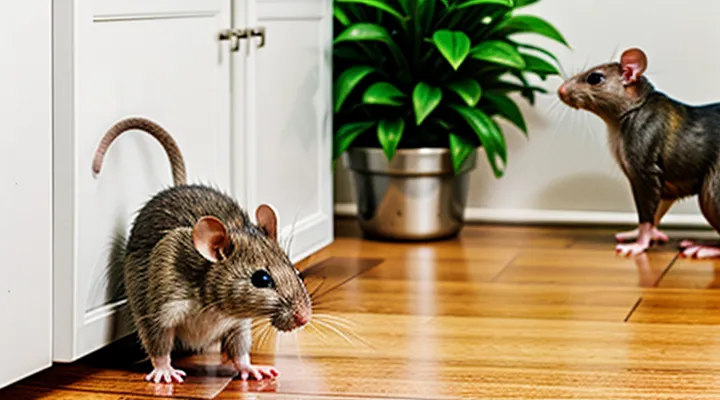
Understanding Rodent Behavior
Why Rodents Enter Homes
Search for Food
Rats and mice locate sustenance by detecting odors, visual cues, and tactile signals. Their acute sense of smell can identify food residues from several meters away, while their whiskers sense vibrations on surfaces that may conceal crumbs. Nighttime activity increases as ambient light diminishes, prompting rodents to explore hidden compartments such as under appliances, inside cabinets, and within wall cavities.
Eliminating attractants interrupts the foraging cycle and reduces the likelihood of infestation. Effective measures include:
- Storing dry goods in airtight, pest‑proof containers made of metal or heavy‑wall plastic.
- Cleaning countertops, floors, and sink areas immediately after meals; wiping spills prevents lingering scent trails.
- Securing garbage in bins with tight‑fitting lids; emptying them daily eliminates a primary food source.
- Removing pet food after each feeding and placing it in sealed containers.
- Inspecting and repairing cracks, gaps, and openings in walls, floors, and around pipes to block entry points.
By depriving rodents of accessible nourishment, the environment becomes unfavorable for their search behavior, thereby discouraging their presence without reliance on chemical repellents.
Search for Shelter
Rats and mice constantly seek protected spaces where they can hide, rest, and raise offspring. Their instinct drives them toward concealed, warm, and dry locations that shield them from predators and environmental fluctuations.
Typical shelter sites inside a residence include wall voids, attic insulation, crawl‑space gaps, behind appliances, and cluttered storage areas. These spaces provide darkness, stable temperature, and easy access to food residues.
To eliminate such habitats, apply the following measures:
- Seal all exterior cracks, gaps around windows, doors, and utility penetrations with steel wool, caulk, or metal flashing.
- Install tight-fitting door sweeps and weather stripping to block entry points.
- Insulate attic and crawl‑space openings with rigid foam or metal mesh.
- Remove debris, cardboard boxes, and unused items from basements and garages; store belongings on pallets to prevent contact with the floor.
- Keep pantry shelves organized, place food in sealed containers, and clean crumbs promptly.
Regular inspection and maintenance of the building envelope prevent new shelter opportunities from emerging, thereby reducing the likelihood that rats and mice will establish a presence.
Search for Water
Rats and mice constantly seek water sources, especially in dry indoor environments. When water is scarce, they expand their foraging radius, increasing the likelihood of entering cabinets, basements, and crawl spaces. Eliminating accessible moisture therefore reduces the incentive for these pests to explore a residence.
Typical water‑attracting sites include leaky pipes, dripping faucets, condensation on pipes, pet water bowls, and standing water in plant saucers. Regular inspection and repair of plumbing fixtures prevent the formation of such micro‑habitats. Sealing gaps around sinks and washing machines stops moisture from accumulating behind appliances.
Practical steps to deny rodents hydration:
- Fix all leaks promptly; use plumber’s tape or sealant on joints.
- Dry wet areas after cleaning or cooking; wipe countertops and floors.
- Store pet water containers on elevated trays; refill only as needed.
- Replace open‑top containers with sealed dispensers for cleaning solutions.
- Elevate plant saucers or use absorbent trays that can be emptied daily.
By removing the primary driver of their search behavior, homeowners create an environment that naturally discourages rodent intrusion without relying on chemical deterrents.
Natural Repellents
Scents That Deter Rodents
Peppermint Oil
Peppermint oil contains menthol, a volatile compound that creates a strong scent rodents find unpleasant. The odor interferes with their sensory receptors, prompting them to avoid treated areas.
Effective use requires consistent application. A typical protocol includes:
- Dilute 10‑15 drops of peppermint oil in 200 ml of water or a carrier such as mineral oil.
- Soak cotton balls or small cloth pieces in the solution.
- Place the saturated material in entry points, along baseboards, and near food storage.
- Refresh the treatment every 3‑4 days to maintain potency, as the fragrance dissipates quickly.
Safety considerations are straightforward. The oil is non‑toxic to humans and pets when used as directed, but direct skin contact may cause irritation; gloves are advisable during preparation. Avoid applying near open flames, as the oil is flammable.
Limitations include variable results across infestations. Peppermint oil deters solitary or low‑level rodent activity but may not eliminate established colonies. For severe problems, combine the oil with mechanical traps, sealing of entry points, or professional pest control to achieve reliable eradication.
Clove Oil
Clove oil contains eugenol, a compound with a strong aromatic profile that rodents find aversive. The scent interferes with their sensory perception, causing avoidance of treated areas.
When applied correctly, clove oil creates a barrier that discourages entry into kitchens, pantries, and storage spaces. Its volatility ensures a persistent odor without the need for frequent reapplication.
Common application methods
- Soak cotton balls in undiluted clove oil and place them in corners, behind appliances, and near entry points.
- Mix 10‑15 drops of clove oil with ½ cup of water in a spray bottle; mist surfaces such as baseboards, cabinets, and countertops.
- Combine clove oil with a carrier oil (e.g., mineral oil) in a 1:4 ratio; brush the mixture onto wooden beams or cracks where rodents may nest.
Effectiveness depends on concentration and placement. Higher concentrations produce a stronger deterrent effect but may irritate human occupants; moderate dilution balances potency with safety.
Clove oil is generally safe for pets and children when used as directed, but direct skin contact or ingestion should be avoided. Ventilation reduces the risk of respiratory irritation.
Regular monitoring of treated zones is advisable. Replace cotton balls or re‑spray solutions every 3‑5 days, or sooner if the odor diminishes.
Overall, clove oil offers a natural, non‑chemical option for reducing rodent activity in residential environments.
Eucalyptus Oil
Eucalyptus oil contains high concentrations of eucalyptol, a volatile compound that rodents find unpleasant. The strong, menthol‑like aroma interferes with the olfactory receptors rats and mice use to locate food and shelter, prompting them to avoid treated areas.
Effective application requires consistent coverage. Recommended practices include:
- Soak cotton balls in undiluted eucalyptus oil and place them in corners, behind appliances, and near entry points.
- Mix 10–15 ml of oil with 1 liter of water, add a few drops of dish‑soap, and spray the solution on baseboards, shelves, and pantry shelves.
- Add a few drops to a diffuser for continuous emission in rooms where rodent activity is suspected.
Efficacy varies with environmental factors. High ventilation reduces scent concentration, diminishing deterrent effect; sealed spaces retain the odor longer and improve results. Reapplication every 3–5 days maintains a sufficient level of volatiles to sustain repellent action.
Safety considerations: undiluted oil may irritate skin and mucous membranes; use gloves when handling and keep products out of reach of children and pets. Eucalyptus oil does not kill rodents, so it should complement other control measures such as sealing entry gaps and maintaining cleanliness.
Citronella Oil
Citronella oil is a plant‑derived essential oil that many homeowners employ to discourage rats and mice from entering living spaces. Its volatile compounds emit a potent citrus‑herbaceous odor that rodents find unpleasant and that interferes with their scent‑tracking abilities.
The oil works by overstimulating the rodents’ olfactory receptors, causing disorientation and avoidance behavior. Unlike chemical rodenticides, citronella does not affect the nervous system; it merely creates an inhospitable aromatic environment.
Practical deployment in a residence includes:
- Soaking cotton balls or cloth strips with undiluted citronella oil and placing them in corners, behind appliances, and near entry points.
- Adding a few drops to a water‑based spray and misting along baseboards, crawl spaces, and shelving.
- Using an electric diffuser to disperse the scent continuously in rooms where activity is observed.
- Combining oil‑soaked sachets with other deterrents, such as steel wool or sealed food containers, to reinforce protection.
Effectiveness varies with concentration, ventilation, and rodent pressure. Laboratory tests indicate that high‑intensity citronella exposure reduces rodent activity by up to 70 % within 24 hours, though persistent infestations may require integrated pest‑management strategies, including sealing gaps and eliminating food sources. Proper handling—avoiding direct skin contact and keeping oil away from pets—ensures safety while maintaining repellent performance.
Cayenne Pepper
Cayenne pepper, a powdered form of Capsicum annuum, contains capsaicin, a compound that irritates the nasal passages and respiratory systems of rodents. When dispersed in areas where rats and mice travel, the strong odor and pungent taste create an environment they avoid.
Application methods:
- Sprinkle a thin layer along baseboards, behind appliances, and in entry points such as cracks and gaps.
- Mix equal parts cayenne pepper and powdered garlic, then dust the blend onto surfaces where droppings have been observed.
- Prepare a spray by dissolving one tablespoon of cayenne powder in a cup of water, adding a few drops of liquid soap, and misting the solution on surfaces after the powder has settled.
Effectiveness:
- Capsaicin triggers a sensory response that discourages rodents from crossing treated zones.
- Reapplication is required every 2–3 days in high‑traffic areas, as moisture and cleaning can diminish potency.
Safety considerations:
- Keep the powder away from children and pets; inhalation or ingestion can cause irritation.
- Use gloves during handling to prevent skin contact with capsaicin.
- Avoid applying directly to food preparation surfaces.
Limitations:
- Does not eliminate an existing infestation; it only deters movement.
- Heavy dust accumulation may attract insects or cause respiratory irritation for humans if overused.
When integrated with sealing entry points and maintaining cleanliness, cayenne pepper serves as a low‑cost, non‑chemical barrier that reduces the likelihood of rodent presence in domestic environments.
Other Natural Methods
Used Coffee Grounds
Used coffee grounds contain caffeine and strong aromatic compounds that rodents find unpleasant. The scent interferes with their sensory receptors, discouraging them from entering treated areas. Studies show that ground coffee residues create a hostile environment for both rats and mice, reducing the likelihood of infestation.
Application of spent coffee grounds follows a simple protocol:
- Collect grounds after brewing and allow them to dry briefly to prevent mold growth.
- Spread a thin layer (approximately ½ inch) along baseboards, under appliances, and in garden beds where rodents are observed.
- Replace the material every two weeks to maintain potency.
Effectiveness depends on proper placement and regular renewal. Coffee grounds do not kill rodents; they act as a repellent, prompting animals to seek alternative routes. Consequently, they are suitable for integrated pest‑management programs that combine physical barriers, sanitation, and other non‑chemical deterrents.
Safety considerations include keeping grounds away from pets that might ingest large quantities, as caffeine can be toxic. In outdoor settings, coffee grounds also enrich soil, providing a secondary benefit for garden health. However, they should not replace primary control measures such as sealing entry points and trapping when infestations are severe.
Fabric Softener Sheets
Fabric softener sheets release a potent fragrance that many rodents find offensive. The scent, often a blend of lavender, citrus, or floral oils, interferes with rats’ and mice’s keen sense of smell, discouraging them from entering treated areas.
- Place a sheet in each pantry corner, under sinks, and behind appliances.
- Replace sheets every two weeks to maintain scent strength.
- Use unscented sheets only if the chemical additives, such as quaternary ammonium compounds, are known to repel rodents.
The chemicals in the sheets act as olfactory irritants. When a rodent encounters the odor, it experiences discomfort and seeks an alternative route. This method works best in confined spaces where airflow can carry the scent throughout the room.
Safety considerations include keeping sheets out of reach of children and pets, as ingestion may cause gastrointestinal irritation. Avoid direct contact with food preparation surfaces; instead, position sheets in nonfood zones or use a barrier such as a plastic bag.
Effectiveness varies with species and infestation level. In low‑density populations, fabric softener sheets can reduce activity noticeably. In severe infestations, the approach should complement traps or professional extermination to achieve reliable control.
Ammonia
Ammonia emits a strong, pungent odor that rodents find intolerable. When placed strategically, the vapor creates an environment that discourages rats and mice from entering or remaining in a space.
Effective application requires sealed containers or soaked cloths positioned near entry points, food storage areas, and nesting sites. The substance should be refreshed every few days, as the scent diminishes with exposure to air.
- Use a small glass jar with a lid pierced by a few holes; fill the jar with a few tablespoons of liquid ammonia.
- Place the jar on the floor or a low shelf, away from children and pets.
- Replace the ammonia solution weekly or when the odor weakens.
Safety considerations include wearing gloves and eye protection during handling, ensuring adequate ventilation, and avoiding direct contact with skin or inhalation of concentrated fumes. Ammonia does not eliminate existing infestations; it functions solely as a deterrent and should be combined with sealing gaps and proper sanitation for comprehensive control.
Physical Barriers and Exclusion
Sealing Entry Points
Gaps in Walls and Foundations
Gaps in walls and foundations provide direct pathways for rodents to enter residential spaces. Even small openings, such as cracks around utility penetrations, gaps behind baseboards, or voids at the top of foundation walls, allow rats and mice to infiltrate unnoticed.
Identifying these openings requires a systematic inspection. Look for:
- Cracks wider than ¼ inch in exterior brick or siding
- Spaces around pipes, vents, and cables where the sealant has deteriorated
- Gaps between the sill plate and the concrete slab
- Unfinished openings at the top of crawl‑space walls
- Holes around door frames and window wells that lack weatherstripping
Sealing measures must use durable, rodent‑resistant materials. Effective options include:
- Stainless‑steel mesh (¼‑inch or smaller) to cover larger voids while preventing chewing.
- Expanding polyurethane foam for irregular cracks, applied in thin layers to avoid excess pressure.
- Cement‑based mortar or concrete patch for foundation fissures, ensuring a smooth, sealed surface.
- Silicone or acrylic caulk for gaps around fixtures, applied after cleaning debris.
Regular maintenance preserves the barrier. Re‑inspect after seasonal temperature changes, after any construction activity, and whenever signs of rodent activity appear, such as gnaw marks or droppings. Prompt repair of newly formed cracks prevents re‑establishment of entry routes and sustains an environment that discourages rats and mice.
Openings Around Pipes and Wires
Openings surrounding plumbing, electrical conduits, and cable entries provide direct pathways for rodents to enter structures. Small gaps, even those less than a quarter of an inch, accommodate the flexible bodies of rats and mice, allowing them to bypass exterior barriers and reach interior spaces where food and shelter are available.
- Inspect all exterior walls, foundations, and crawl spaces for visible gaps around pipes, wires, and vent shafts.
- Use steel wool or copper mesh to fill irregular openings; rodents cannot gnaw through metal.
- Apply expanding polyurethane foam with a metal mesh core to seal larger voids, ensuring the foam does not remain exposed as a chewable surface.
- Attach rigid metal flashing or sheet metal over the sealed area, securing it with corrosion‑resistant screws.
- Replace damaged or missing pipe sleeves and conduit covers with sealed, rodent‑proof models.
Materials selected for sealing must resist chewing and weathering. Stainless steel, copper, and galvanized steel maintain integrity under moisture and temperature fluctuations. Polyurethane foams formulated for exterior use provide a barrier against air infiltration while the embedded mesh prevents chewing damage. Regular maintenance checks, especially after severe weather, confirm that seals remain intact and that no new openings have formed.
Damaged Screens and Vents
Damaged window screens and ventilation openings provide direct pathways for rats and mice to enter a dwelling. Cracks, tears, or missing sections compromise the barrier that normally excludes pests, allowing them to squeeze through gaps as small as a quarter of an inch. Once inside, rodents exploit these openings to travel between rooms, access food sources, and establish nests.
Repairing or replacing compromised screens restores the physical defense against rodent intrusion. Use sturdy mesh with a 1/4‑inch opening size or smaller, and secure it with rust‑resistant fasteners. For vents, install metal or heavy‑duty plastic grilles that feature overlapping slats to eliminate gaps. Seal edges with silicone caulk or weather‑strip to prevent rodents from prying apart the material.
Key actions to eliminate vulnerabilities:
- Inspect all screens, louvers, and vent covers for tears, rust, or loose hinges.
- Replace broken mesh with reinforced material rated for pest resistance.
- Fit vent covers with chew‑proof metal grilles; attach with stainless‑steel screws.
- Apply continuous sealant around frame perimeters to block micro‑gaps.
- Conduct quarterly checks to verify integrity after seasonal weather changes.
By maintaining intact screens and properly sealed vents, a home removes one of the most common entry points, significantly reducing the likelihood of rat and mouse infestations.
Maintaining a Clean Environment
Proper Food Storage
Proper food storage eliminates the primary attraction that draws rats and mice into residential spaces. When edible materials are sealed, refrigerated, or disposed of promptly, rodents lose access to the nutrients they seek, reducing the likelihood of entry and nesting.
- Store dry goods in airtight, rodent‑proof containers made of glass, metal, or heavy‑wall plastic.
- Keep perishable items in the refrigerator or freezer; clean spills immediately.
- Place pet food in sealed bins and remove leftovers after each meal.
- Use sealed trash cans with tight‑fitting lids; empty them regularly.
- Organize pantry shelves to avoid exposed surfaces; inspect containers for damage weekly.
- Rotate stock to consume older items first, preventing decay that attracts pests.
Implementing these measures creates an environment where food is inaccessible, effectively deterring rodent activity throughout the home.
Regular Waste Disposal
Regular waste disposal directly reduces the attraction of rodents to residential spaces. Food residues, organic matter, and decomposing garbage emit odors and provide a ready food source; eliminating these cues removes a primary incentive for rats and mice to enter homes.
Effective waste management includes:
- Securing trash in containers with tight‑fitting lids.
- Removing waste from the interior to an outdoor collection point at least daily.
- Cleaning bins with a disinfectant solution after each emptying.
- Storing compost, pet food, and recyclable materials in sealed, rodent‑proof containers.
- Inspecting and repairing any cracks or gaps in trash can lids or surrounding structures.
Consistent adherence to these practices deprives rodents of nourishment and shelter, thereby discouraging their presence and limiting the risk of infestation.
Decluttering
Keeping rodents out of a home requires eliminating conditions that attract them. One of the most effective strategies is thorough decluttering. Reducing clutter removes shelter, limits food availability, and creates an environment that rodents find hostile.
Clear storage areas. Store items in sealed containers made of metal or heavy‑wall plastic. Dispose of cardboard boxes, paper piles, and fabric bundles that can serve as nests. Regularly inspect attics, basements, and crawl spaces for accumulated debris and remove it promptly.
Maintain cleanliness. Sweep floors, vacuum corners, and wipe down surfaces to erase crumbs and spills. Keep pet food in airtight bins and clean feeding dishes after each use. Eliminate standing water by fixing leaks and drying damp spots, as moisture draws rodents.
Organize outdoor zones. Trim vegetation away from the foundation, store garden tools in locked sheds, and keep firewood stacked on pallets off the ground. Remove discarded items such as old pallets, tires, or junk piles that provide cover near entry points.
Implement these actions:
- Sort and discard unnecessary items weekly.
- Use sealed, rodent‑proof containers for all food and waste.
- Seal gaps around doors, windows, and utility openings.
- Conduct routine inspections of hidden spaces and remove any buildup.
- Maintain a schedule for cleaning and waste removal.
By systematically reducing clutter, a residence becomes less inviting, thereby deterring rats and mice from establishing a presence.
Professional Pest Control Options
When to Call an Expert
Rats and mice can quickly overwhelm a residence, and DIY solutions may fail when the infestation reaches a critical point. Recognizing the signs that require professional intervention prevents damage to structures, contamination of food supplies, and increased health risks.
Key indicators that an expert should be engaged include:
- Continuous sightings of rodents inside living spaces despite traps or repellents.
- Evidence of gnaw marks on wiring, insulation, or structural components.
- Accumulation of droppings, urine stains, or strong odor in hidden areas such as attics, basements, and crawl spaces.
- Damage to stored food, packaging, or pantry items that cannot be contained by sealing alone.
- Presence of multiple active nests, especially in walls or underneath flooring.
- Uncontrolled population growth, evident from new tracks, burrows, or increased activity during night hours.
When any of these conditions are observed, a licensed pest‑management professional can conduct a thorough inspection, identify entry points, and implement an integrated control plan. This plan typically combines exclusion techniques, targeted baiting, and ongoing monitoring to ensure long‑term protection.
Delaying professional assistance often results in higher remediation costs, extensive property repair, and greater exposure to diseases carried by rodents. Prompt action safeguards both the home environment and the occupants’ well‑being.
Types of Professional Treatments
Trapping
Trapping provides direct control of rodent populations by capturing individuals that have entered a dwelling. Effective traps eliminate pests quickly, reduce breeding potential, and create a tangible deterrent that signals an active management program.
Common trap categories include:
- Snap traps: metal spring mechanisms that deliver an instantaneous kill; suitable for both rats and mice when positioned along walls.
- Live‑catch traps: wire cages with a trigger plate; allow relocation of captured rodents, requiring prompt release far from the property.
- Electronic traps: high‑voltage plates that kill upon contact; offer a clean, odor‑free solution and easy disposal of carcasses.
- Glue boards: adhesive surfaces that immobilize small mice; limited to short‑term use due to humane concerns.
Placement determines success. Position traps perpendicular to walls, with the trigger end facing the rodent’s travel path. Target known activity zones such as near food sources, droppings, gnaw marks, or concealed entry points. Use baits that match the species’ preferences—peanut butter, dried fruit, or small pieces of meat for rats; seeds, nuts, or soft cheese for mice.
Maintenance involves regular inspection, prompt removal of captured rodents, and resetting or replacing traps as needed. Replace worn trigger mechanisms to preserve sensitivity. Combine trapping with exclusion measures—sealing cracks, securing food storage, and reducing clutter—to prevent reinfestation and sustain a rodent‑free environment.
Baits
Bait products constitute a direct approach to eliminating rodents that have entered residential spaces. They deliver a toxic agent to the animal after ingestion, leading to death and reducing the population that can cause damage or disease.
- Anticoagulant baits (warfarin, bromadiolone, difenacoum) disrupt blood clotting; single‑dose formulations require one feeding, while multi‑dose versions rely on repeated consumption.
- Non‑anticoagulant baits (bromethalin, zinc phosphide, cholecalciferol) affect the nervous system or metabolic processes; they often act faster and avoid resistance issues associated with anticoagulants.
- Bait stations provide enclosed compartments that protect children, pets, and non‑target wildlife while allowing rodents to access the poison.
Effective deployment demands placement along established runways, near walls, behind appliances, and in concealed corners. Stations should be positioned at 10‑15 cm above the floor to match rodent travel height. Regular inspection confirms consumption and identifies any displaced stations. Disposal of dead rodents follows local health regulations to prevent secondary poisoning.
Compliance with regional pesticide laws is mandatory; many jurisdictions require licensed applicators for anticoagulant products. Selecting a bait with the appropriate active ingredient, concentration, and formulation minimizes risk to non‑target species while delivering reliable rodent control.
Prevention and Long-Term Solutions
Regular Home Inspections
Regular home inspections provide a systematic method for identifying and eliminating conditions that attract rodents. By examining the property on a scheduled basis, homeowners can detect structural gaps, moisture problems, and food sources before they become permanent fixtures for rats and mice.
Inspection should include a thorough review of the building envelope, interior storage areas, and utility installations. Visual checks for gnaw marks, droppings, and nesting material reveal active infestations. Measuring humidity levels in basements and crawl spaces highlights moisture that supports rodent shelter.
Key inspection tasks:
- Seal cracks and gaps larger than ¼ inch in walls, foundations, and around pipes.
- Verify that doors and windows close tightly; install door sweeps where needed.
- Inspect attic and roof for damaged sheathing, missing flashing, or open vents.
- Examine kitchen cabinets, pantry shelves, and garbage containers for unsealed food.
- Test drainage systems for leaks; repair standing‑water issues promptly.
- Review pet feeding stations and ensure feed is stored in rodent‑proof containers.
Consistent documentation of findings enables timely remediation and prevents re‑entry. A quarterly schedule balances thoroughness with practicality, while an annual professional audit adds an objective assessment. Maintaining this routine reduces the likelihood of rodent presence and supports a healthier indoor environment.
Garden Maintenance
Trimming Shrubs and Trees
Maintaining clear space around a residence reduces shelter and travel routes for rodents. Overgrown shrubs and low-hanging branches create dense cover that protects rats and mice from predators and weather, encouraging them to nest near foundations. Regular pruning eliminates these hiding spots, exposing potential entry points and making the perimeter less inviting.
Effective pruning practices include:
- Cutting back vegetation to at least three feet from the house foundation.
- Removing dense foliage within two meters of exterior walls.
- Trimming tree branches that overhang windows, doors, or roof eaves.
- Disposing of trimmed material away from the property to prevent debris accumulation.
- Scheduling seasonal trims, especially before spring, when rodent activity increases.
By creating an open, well‑lit perimeter, homeowners limit the ability of rats and mice to approach the structure, thereby supporting broader rodent‑deterrent strategies.
Removing Debris
Removing clutter and food remnants from kitchens, pantries, garages, and crawl spaces eliminates shelter and nutrition sources that attract rats and mice. Even small particles of grain, crumbs, or shredded paper can sustain a rodent population; thorough cleaning deprives them of the resources needed to establish a nest.
Key actions:
- Sweep and vacuum floors daily, focusing on corners and under appliances.
- Dispose of waste in sealed containers; empty trash bins regularly.
- Store dry goods in airtight, rodent‑proof packaging; inspect packages for tears before placement.
- Clear vegetation, leaf litter, and debris around the building’s foundation; maintain a 2‑foot clearance zone.
- Remove discarded cardboard, cardboard boxes, and other cardboard products; recycle in sealed bags.
Consistent elimination of debris reduces hiding places, lowers food availability, and creates an environment that rodents find inhospitable, thereby enhancing the overall effectiveness of any rodent‑deterrent strategy.