
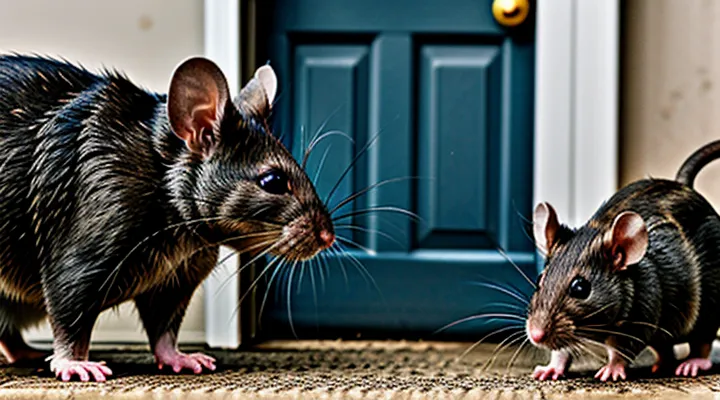
Understanding Rat Behavior and Fears
The Senses Rats Rely On
Auditory Sensitivity
Rats possess an auditory system that detects frequencies from 200 Hz up to 90 kHz, far beyond human hearing. Their inner ear structures amplify faint sounds, enabling rapid response to potential threats.
Sounds that provoke avoidance include:
- Ultrasonic frequencies (20–30 kHz) that exceed normal environmental noise.
- Sudden high‑pitch squeals or alarms that mimic predator vocalizations.
- Continuous low‑frequency hums that interfere with communication.
Effective acoustic deterrents rely on these sensitivities. Common approaches are:
- Ultrasonic emitters – devices that broadcast 20–30 kHz tones continuously or intermittently.
- Predator call recordings – playback of owl, hawk, or cat screams at irregular intervals.
- White‑noise generators – broad‑band sound that masks rat chatter and reduces nesting comfort.
- Timed buzzers – short bursts of 25 kHz pulses triggered by motion sensors.
Placement guidelines:
- Install emitters near entry points, food storage, and known pathways.
- Overlap coverage zones to prevent silent gaps.
- Elevate devices 10–15 cm above the floor, where rats travel.
- Replace batteries or recalibrate units every 6 months to maintain output strength.
Acoustic methods alone rarely eradicate an established infestation. Combine them with sealing cracks, removing food sources, and setting traps for comprehensive control.
Olfactory Sensitivity
Rats possess an exceptionally acute sense of smell, detecting odorants at concentrations far below human thresholds. This olfactory sensitivity drives their behavior, influencing food selection, territorial marking, and threat assessment. When a scent signals danger or unfamiliarity, rats instinctively withdraw to avoid potential predators or contaminated environments.
Exploiting this sensory trait offers a practical, chemical‑free strategy for residential rodent management. Substances that rats find repellent trigger avoidance responses without harming the animals or the household.
- Peppermint oil: high concentration of menthol creates an overwhelming aroma; apply cotton balls soaked in oil to entry points and pantry shelves, replace weekly.
- Ammonia: strong, pungent vapour mimics urine of predators; place small open containers in concealed corners, monitor for vapour buildup.
- Eucalyptus oil: phenolic compounds interfere with olfactory receptors; spray diluted solution on baseboards and behind appliances.
- Citronella: citrus notes disrupt scent trails; use soaked fabric strips near garbage bins and outdoor vents.
- Clove oil: eugenol produces a sharp, irritating odor; dab on cracks and gaps where rodents may travel.
Effective deployment requires consistent coverage. Rotate at least two repellents to prevent habituation; rats can become desensitized to a single scent after prolonged exposure. Combine olfactory deterrents with physical barriers—seal gaps, install door sweeps, and maintain a clean environment—to reinforce the aversive signal and reduce the likelihood of re‑infestation.
Tactile Sensitivity
Rats rely heavily on touch receptors located in their whiskers, paw pads, and skin. These receptors detect minute changes in surface texture, temperature, and vibration, allowing the animals to navigate tight spaces and locate food.
When a surface feels irregular, excessively smooth, or emits continuous micro‑vibrations, rats interpret it as a potential threat. This tactile aversion drives them away from areas where such sensations are present, reducing the likelihood of nesting or foraging.
Practical methods that exploit tactile sensitivity include:
- Sticky traps: adhesive surfaces create an uncomfortable, immobilizing texture that rats avoid after initial contact.
- Rough mats: coarse‑woven rubber or silicone mats placed under cabinets and shelves generate an uneven terrain rats find difficult to traverse.
- Vibrating pads: low‑frequency motorized pads emit continuous tremors that stimulate whisker receptors, prompting retreat.
- Cold‑metal sheets: thin aluminum or steel sheets kept cool by occasional airflow produce a chilling sensation that discourages rat movement.
- Textured sprays: aerosol applications containing fine granules form a gritty film on countertops and ledges, disrupting the smoothness rats prefer.
Implementing one or more of these tactile deterrents in entry points, storage areas, and along travel routes can significantly reduce rodent activity in a residence. Continuous monitoring and replacement of worn materials ensure the sensory barrier remains effective.
Common Rat Fears
Natural Predators
Rats are instinctively wary of animals that hunt them in the wild. Introducing or encouraging these natural enemies can reduce rodent activity in residential settings.
- Cats – sharp vision, keen hearing, and predatory instincts cause rats to avoid areas where cats roam. Regular indoor or outdoor access for a domestic cat creates a persistent deterrent.
- Barn owls – silent flight and powerful talons enable these birds to capture rats at night. Installing a nesting box in a quiet corner of the garden encourages occupancy and continuous predation.
- Hawks and kestrels – daytime hunters that scan open spaces for movement. Placing perches or tall structures near potential entry points gives them a clear line of sight.
- Snakes – especially non‑venomous constrictors such as corn snakes, which can subdue rats without posing a threat to humans. Maintaining a controlled enclosure in a shed or garage provides a low‑maintenance predator.
- Foxes – adaptable to suburban environments, foxes patrol yards and compost heaps, forcing rats to stay hidden. Providing natural cover and avoiding excessive feeding can attract occasional visits.
Each predator relies on sensory cues—sound, sight, scent—that rats interpret as danger. By creating habitats that support these animals, homeowners can leverage natural fear responses to keep rodent populations low without chemicals or traps.
Loud Noises and Sudden Movements
Rats possess acute hearing and react strongly to abrupt sounds. Frequencies above 20 kHz can startle them, causing immediate retreat from the source. Domestic environments often contain appliances that generate such noise, making them useful tools for deterrence.
Loud noises can be employed strategically:
- Place ultrasonic emitters near entry points; continuous emission disrupts foraging activity.
- Activate a portable speaker with sudden, high‑decibel bursts when rats are observed; the shock effect forces evacuation.
- Use a timed alarm that repeats at irregular intervals; unpredictability prevents habituation.
Sudden movements also trigger rat flight responses. Rapid gestures, such as shaking a broom or flicking a light switch, create visual cues that rats interpret as threats. Implementing this principle involves:
- Positioning a handheld device that vibrates or clicks when motion is detected.
- Training a pet to dash toward rodent activity; the animal’s swift approach reinforces the rats’ perception of danger.
- Installing motion‑activated lights that flash brightly upon detection; the instant illumination startles nocturnal rodents.
Combining auditory and kinetic disturbances maximizes effectiveness. Deploy devices that emit both sound and motion cues simultaneously, ensuring rats encounter a multi‑sensory threat that discourages repeated incursions. Consistent application of these tactics reduces population size and encourages permanent vacating of the premises.
Unfamiliar Scents and Substances
Rats rely heavily on their sense of smell; unfamiliar odors disrupt their foraging patterns and can drive them from a residence. Introducing scents they have not encountered creates an environment that feels hostile, prompting avoidance.
- Peppermint oil: strong menthol aroma, toxic in high concentrations, effective when applied to cotton balls or diluted spray.
- Eucalyptus oil: sharp, resinous scent, deters rodents when dispersed near entry points.
- Ammonia: pungent vapor, repels rats if placed in open containers away from children and pets.
- Citrus peel: citronellal compounds, useful for short‑term deterrence on kitchen surfaces.
- Clove oil: phenolic odor, interferes with rat olfactory receptors, suitable for periodic reapplication.
Synthetic substances designed to repel rodents also exploit unfamiliar chemical cues.
- Commercial rodent repellents: formulations containing capsaicin or bittering agents, applied to baseboards and crawl spaces.
- Ultrasonic devices: emit high‑frequency sounds coupled with scent cartridges, creating a multisensory deterrent.
- Rodenticides with strong odor additives: attract rats for ingestion while emitting a warning scent to non‑target species.
Effective deployment requires consistent placement, regular replenishment of volatile compounds, and adherence to safety guidelines. Keep all scented materials sealed from children and pets, ventilate treated areas, and monitor for signs of reduced activity to confirm success.
Bright, Unwavering Lights
Bright, unwavering lights disrupt the natural behavior of rats, which rely on darkness for foraging and nesting. Continuous illumination interferes with their ability to navigate, locate food, and avoid predators, prompting them to vacate illuminated zones.
When applying this principle at home, follow these steps:
- Install motion‑activated floodlights near entry points, basements, and storage areas. The sudden burst of light startles rodents and prevents lingering.
- Replace dim bulbs with high‑luminosity LEDs in kitchens, pantries, and utility rooms. Consistent brightness eliminates shadowed pathways.
- Use solar‑powered light strips under decks and in outdoor sheds. The perpetual glow deters rats from establishing shelters.
- Keep interior lighting on during peak activity periods (dusk to dawn). Persistent illumination reduces the attractiveness of dark corners.
Additional considerations:
- Ensure lights cover all potential travel routes; gaps create safe passages.
- Position fixtures at a height of 6–8 feet to prevent rats from climbing around the beam.
- Combine lighting with sealing of cracks and removal of food sources for maximum effectiveness.
By maintaining an environment where darkness is absent, homeowners create an inhospitable setting that compels rats to seek alternative habitats, thereby reducing infestations without chemical interventions.
Identifying a Rat Infestation
Signs of Rat Activity
Droppings and Urine Trails
Droppings and urine trails serve as primary indicators of rat activity, allowing homeowners to locate infestations quickly. Fresh feces appear as dark, pellet‑shaped deposits, usually 0.5–0.8 cm long, while urine marks create faint, oily residues that may be invisible until they dry. Both substances emit a strong odor that attracts conspecifics, reinforcing the colony’s presence in a given area.
The presence of these waste products poses health hazards. Pathogens such as hantavirus, leptospira, and salmonella can survive in droppings for weeks, while urine can contaminate surfaces and food sources. Immediate removal reduces the risk of disease transmission and interrupts the scent trails that guide other rodents toward food and shelter.
Effective elimination follows a systematic approach:
- Wear disposable gloves and a mask; avoid direct contact with waste.
- Collect droppings with a damp paper towel; place in a sealed bag.
- Apply an EPA‑approved disinfectant to the contaminated area; allow the recommended dwell time.
- Rinse with hot water and dry thoroughly to prevent moisture buildup.
- Seal entry points, cracks, and gaps that rats may use to access the interior.
- Install traps or bait stations along identified pathways to intercept remaining individuals.
Regular inspection of low‑traffic zones—attics, basements, behind appliances—ensures early detection. Maintaining a clean environment deprives rats of the cues they rely on for navigation and colony expansion, thereby supporting long‑term eradication efforts.
Gnaw Marks
Gnaw marks reveal the presence of rodents and indicate the materials they consider safe to chew. Fresh, clean cuts on wood, plastic, or wiring suggest active foraging, while darkened, ragged edges point to repeated attempts. Rats avoid surfaces that emit strong odors, taste bitter compounds, or feel unusually hard; these aversions can be exploited to prevent further damage.
Identifying gnaw marks:
- Uniform, shallow grooves on baseboards or furniture.
- Irregular, deep bites on insulation or cables.
- Parallel scratches on cardboard boxes or paper.
When gnaw marks appear, immediate action reduces the risk of structural harm and disease transmission. Effective measures include:
- Seal entry points with steel wool and caulk to eliminate access.
- Apply rodent‑deterrent sprays containing capsaicin or peppermint oil to the affected area; the strong scent discourages chewing.
- Replace damaged sections with metal or hardened plastic, materials rats find difficult to bite.
- Install snap traps or electronic devices near the marks, positioning them where rats are likely to investigate.
Regular inspection of potential gnaw sites, combined with targeted deterrents, prevents rats from establishing pathways and limits the spread of damage throughout the home.
Scratching Noises
Rats produce scratching noises when moving through concealed pathways, gnawing on structural elements, or searching for shelter. The sound signals active foraging and nest construction, which indicates a viable habitat inside the residence. Recognizing these noises allows homeowners to locate infestation points before the problem spreads.
Typical sources of rat scratching include:
- Gaps behind walls, especially near plumbing or electrical conduits.
- Insulation cavities where rats can create tunnels.
- Attic joists and floorboards that provide easy passage.
When the noises become frequent, the following actions reduce the attraction and eliminate the presence of rodents:
- Seal all openings larger than ¼ inch with steel wool, caulk, or metal flashing.
- Replace damaged insulation and repair gnawed wood to remove shelter.
- Install snap traps or electronic devices at identified scratching sites; position them perpendicular to the wall to intersect the rodent’s path.
- Apply rodent‑repellent granules or ultrasonic emitters near the source of the noise; these create an uncomfortable acoustic environment that discourages further activity.
- Maintain a clean environment by storing food in sealed containers and removing debris that could mask the sound of predators.
By addressing the origin of scratching noises directly, homeowners deprive rats of both shelter and a sense of safety, prompting them to abandon the premises. Continuous monitoring of auditory cues ensures early detection and prevents re‑infestation.
Nests and Burrows
Rats create nests and burrows in concealed areas such as wall cavities, attic insulation, crawl spaces, and beneath appliances. These structures provide shelter, food storage, and breeding sites, making them central to infestation persistence.
The presence of a nest signals safety for rodents; disruption triggers a strong aversion. Rats react to disturbances that expose their hideouts, including bright light, strong vibrations, and unfamiliar scents. Exploiting these sensitivities can effectively dismantle their habitat.
Practical steps to eliminate nests and burrows:
- Inspect hidden zones: remove ceiling tiles, lift floorboards, and examine behind cabinets for gnaw marks, droppings, or shredded material.
- Seal entry points: apply steel wool and caulk to gaps larger than ¼ inch; install metal flashing around vents, pipes, and foundation cracks.
- Remove nesting material: discard shredded paper, fabric, insulation, and debris; replace with clean, non‑absorbent surfaces.
- Apply repellent agents: use concentrated peppermint oil, ammonia, or commercial rodent deterrents on the interior of burrows; reapply weekly.
- Install traps: position snap or electronic traps directly inside burrow tunnels; use bait that mimics natural food sources.
- Encourage natural predators: if permissible, allow owls or feral cats to access the property, increasing predation pressure on hidden colonies.
After clearing nests, maintain a dry, clutter‑free environment. Regularly sweep basements, store food in sealed containers, and monitor for new gnaw marks. Continuous vigilance prevents re‑establishment of burrows and reduces the likelihood of future infestations.
Locating Entry Points
Gaps in Walls and Foundations
Rats enter homes through openings that provide unobstructed passage to food, shelter, and water. Gaps in walls and foundations create direct routes, allowing rodents to bypass exterior barriers and reach interior spaces with minimal exposure to predators and human activity.
Identifying these vulnerabilities requires a systematic inspection. Look for cracks wider than ¼ inch, gaps around utility penetrations, and deteriorated mortar or caulking. Pay special attention to areas where pipes, wires, or vent ducts intersect the building envelope, as these junctions often conceal hidden openings.
Sealing gaps eliminates a primary attraction for rats. Effective measures include:
- Cleaning debris and dust from the gap surface.
- Applying a high‑quality, rodent‑resistant sealant (silicone‑based or polyurethane) to fill cracks up to ½ inch wide.
- Installing steel wool or copper mesh in larger openings before applying sealant, preventing rodents from gnawing through the material.
- Using cement mortar or concrete patch for foundation cracks, ensuring a smooth, continuous surface.
- Replacing damaged weatherstripping around doors and windows with durable, compression‑fit profiles.
Regular maintenance preserves the integrity of sealed areas. Schedule quarterly inspections, repair new cracks promptly, and keep vegetation trimmed away from the building’s base to reduce moisture that can weaken mortar.
By removing accessible pathways, homeowners deprive rats of safe entry points, forcing them to seek alternative, less favorable routes that increase exposure to predators and environmental hazards, ultimately reducing infestation risk.
Unsealed Pipes and Vents
Unsealed pipes and vents provide direct pathways for rodents to enter residential structures, offering shelter, water, and easy access to food sources. Gaps around plumbing penetrations, dryer exhausts, and roof vents create continuous routes from the exterior to interior spaces, allowing rats to move undetected and establish nests.
- Inspect all pipe entries, especially in basements, crawl spaces, and utility rooms. Identify gaps larger than ¼ inch.
- Apply steel wool or copper mesh to fill openings before sealing, preventing rats from chewing through soft materials.
- Use a high‑quality, rodent‑resistant sealant such as silicone‑based caulk or expanding polyurethane foam to close remaining voids.
- Replace damaged vent covers with metal screens that feature a mesh size of ¼ inch or smaller.
- Secure dryer and furnace vent ducts with metal collars and tighten all clamps to eliminate loose connections.
- Conduct a final walk‑through with a flashlight to verify that no gaps remain around water heaters, sump pumps, and gas lines.
Regular maintenance of sealed connections reduces the likelihood of re‑entry, disrupts established travel corridors, and supports long‑term rodent exclusion.
Damaged Screens and Doors
Damaged screens and doors create entry points that undermine a home’s defense against rodents. Cracks, gaps, or torn mesh allow rats to slip inside, where they find shelter, food, and water. Once inside, the pests exploit the compromised barriers to move between rooms, increasing the likelihood of infestation.
Repairing these vulnerabilities eliminates the primary route rats use to invade a dwelling. Effective measures include:
- Inspect all exterior openings; note any tears, loose hinges, or warped frames.
- Replace torn screen material with tightly woven mesh; secure edges with corrosion‑resistant staples.
- Seal gaps around doors with weatherstripping; adjust hinges to ensure a firm closure.
- Fit door sweeps to block the space beneath entryways; use durable rubber or brush strips.
- Apply expanding foam or caulk to fill cracks around window frames, vent pipes, and utility penetrations.
A sealed environment forces rats to seek alternative, less accessible routes, reducing their presence and discouraging colony formation. Regular maintenance of screens and doors sustains this barrier, supporting long‑term rodent control.
Effective Rat Extermination Methods
Non-Lethal Approaches
Repellents Based on Scent
Rats rely heavily on their sense of smell to locate food, shelter, and mates; strong, unpleasant odors disrupt this navigation and discourage their presence.
Common scent-based repellents include:
- Essential oils – peppermint, eucalyptus, clove, and citronella contain compounds that irritate rodent nasal passages. Apply a few drops on cotton balls, place them in corners, or dilute in water for spray application. Replace every 2–3 days to maintain potency.
- Predator urine – extracts from fox, coyote, or owl urine mimic the scent of natural enemies. Distribute in small sachets near entry points; reapply after rain or cleaning.
- Ammonia – a high‑pH vapor mimics the smell of urine and feces. Soak rags in undiluted ammonia, seal in containers with holes, and position away from food storage. Use gloves and ventilate the area.
- Vinegar – acetic acid creates an acrid odor that deters rodents. Mix equal parts white vinegar and water, spray along baseboards and behind appliances. Refresh weekly.
Effectiveness depends on concentration, placement, and environmental factors. Scent repellents work best in confined spaces where airflow is limited; open rooms dilute odors quickly, reducing impact. Combining multiple scents can create a broader deterrent spectrum but may increase the risk of odor fatigue, where rats become accustomed to a single fragrance.
Safety considerations:
- Essential oils may irritate skin and respiratory passages; handle with gloves and avoid direct contact with pets.
- Ammonia fumes can harm humans and animals; ensure proper ventilation and keep out of reach of children.
- Predator urine may attract other wildlife; monitor for unintended visitors.
Limitations:
- Scent alone rarely eliminates an established infestation; it serves as a preventive measure or supplemental tactic.
- Persistent food sources, water, and structural entry points override olfactory deterrence; sealing gaps and maintaining cleanliness remain essential.
Optimal use strategy: identify high‑traffic rat routes, deploy scent sources at each junction, rotate oils or urine types every week, and pair with physical barriers and sanitation. Consistent monitoring and replenishment sustain the repellent effect and reduce the likelihood of re‑infestation.
Ultrasonic Devices
Ultrasonic repellents emit sound waves beyond human hearing, typically between 20 kHz and 65 kHz. Rats perceive these frequencies as uncomfortable, causing them to avoid treated zones.
Effectiveness depends on several factors:
- Frequency range: 30 kHz–50 kHz produces the strongest aversive response in laboratory rats.
- Power output: higher decibel levels increase the radius of influence, usually up to 30 ft in open space.
- Placement: devices should be installed near entry points, food storage, and nesting sites; obstacles such as furniture and walls diminish coverage.
- Continuous operation: rats quickly habituate if the device is turned off for extended periods.
- Environmental conditions: humidity and temperature affect sound propagation; dry, moderate climates allow the greatest reach.
Limitations include:
- Limited penetration through solid materials; walls and thick insulation block the waves.
- Variable results across species; some rat populations exhibit reduced sensitivity due to prior exposure.
- No impact on established infestations; ultrasonic devices deter movement but do not eliminate existing nests.
Safety considerations:
- No known risk to humans or pets with frequencies above 20 kHz, but small mammals with higher hearing ranges (e.g., hamsters, gerbils) may experience distress.
- Electrical safety standards require UL‑listed units and proper grounding.
Maintenance involves periodic cleaning of the speaker grille and verification of power supply. Battery‑operated models need replacement every 6–12 months, while plug‑in units run indefinitely if supplied with stable voltage.
Cost analysis shows a typical ultrasonic unit priced between $20 and $60. For comprehensive coverage in a medium‑size home, a network of 2–4 devices is recommended, raising total expense to $40–$240. Compared with chemical baits or traps, ultrasonic repellents present a non‑lethal, low‑maintenance alternative, though they function best as part of an integrated pest‑management strategy that includes sanitation, exclusion, and physical removal.
Exclusion and Sealing Entry Points
Rats cannot thrive when every possible opening is blocked; exclusion eliminates the primary attraction of a home.
Common pathways include:
- Gaps beneath exterior doors and windows
- Openings around utility lines, cables, and plumbing stacks
- Cracks in foundation walls or slab edges
- Unscreened vents, chimney flues, and attic hatches
- Holes surrounding pipe penetrations and drainage systems
Effective sealing requires durable, rod‑proof materials:
- Steel wool or copper mesh packed into narrow gaps, then covered with caulk or concrete
- Hardware cloth (½‑inch mesh) welded over larger openings, fastened with screws or staples
- Rigid metal flashing applied to vent covers and roof eaves
- Expanding polyurethane foam for irregular cracks, followed by a layer of cement or metal sheeting
- Silicone or acrylic sealants for small seams around trim and molding
Step‑by‑step exclusion process:
- Conduct a thorough visual inspection of the building envelope, both interior and exterior, focusing on the items listed above.
- Measure each opening to determine the appropriate material thickness and coverage area.
- Clean the perimeter of the gap to remove debris, dust, and loose material.
- Insert the chosen barrier (steel wool, mesh, or foam) and secure it according to manufacturer instructions.
- Apply a finishing sealant or concrete patch to create a smooth, impenetrable surface.
- Verify the repair by checking for any remaining light or airflow; repeat as needed.
Ongoing maintenance involves periodic re‑inspection, especially after severe weather or structural work, and prompt repair of any new cracks or gaps. Keeping vegetation trimmed away from the building reduces concealment opportunities for rodents, further supporting the exclusion strategy.
Lethal Control Measures
Snap Traps
Snap traps provide immediate, lethal control of rodents by delivering a rapid, high‑impact strike to the neck or spine. The sudden motion and audible snap trigger a natural aversion response, causing rats to avoid areas where the device is active.
The trap’s effectiveness depends on proper setup. Key factors include:
- Placement: Position traps along walls, behind appliances, and near known runways; rats travel close to surfaces.
- Bait: Use high‑protein items such as peanut butter, dried fruit, or small pieces of meat; secure the bait to prevent premature removal.
- Sensitivity: Adjust the trigger mechanism to a light setting for wary rats; a sensitive trigger reduces the chance of escape.
- Safety: Keep traps out of reach of children and pets; wear gloves when handling to avoid transferring scent.
- Maintenance: Check traps daily, remove dead rodents promptly, and reset or replace the device as needed.
Snap traps are reusable, cost‑effective, and do not require electricity or chemicals. Their instantaneous action eliminates the risk of disease transmission associated with live captures. Proper disposal of captured rats—sealed in a plastic bag and discarded in a trash container—prevents secondary contamination.
When integrated with sanitation measures, such as sealing entry points and removing food sources, snap traps become a reliable component of a comprehensive rodent‑control strategy.
Electronic Traps
Electronic traps eliminate rats by delivering a brief, high‑voltage shock that instantly incapacitates the animal. The sudden discharge triggers a natural aversion to sudden electrical surges, making the device an effective deterrent.
The devices operate on a simple principle: a sensor detects the presence of a rodent, closes an electric circuit, and releases a pulse of 2,000–3,000 volts. The shock kills the rat within seconds, preventing suffering and eliminating the need for poisons or manual handling.
Key considerations for successful deployment:
- Position traps along walls, behind appliances, and near known pathways; rats prefer concealed routes.
- Ensure a stable power source, either battery‑powered units for flexibility or mains‑connected models for continuous operation.
- Clean the trap after each capture to maintain sensor accuracy and prevent odor buildup.
- Verify local regulations regarding electric pest control devices before installation.
Electronic traps offer several advantages: immediate results, no hazardous chemicals, and minimal contact with dead rodents. They also reduce the likelihood of secondary infestations, as the rapid kill prevents breeding cycles from continuing. Proper placement and regular maintenance maximize effectiveness while maintaining a safe environment for humans and pets.
Baits and Poisons
Bait stations provide a controlled environment for delivering toxic agents to rats while minimizing exposure to non‑target animals and humans. Effective formulations combine an attractant with a slow‑acting poison, allowing the rodent to feed repeatedly before succumbing, which reduces the chance of bait avoidance.
- Anticoagulant baits (warfarin, bromadiolone, brodifacoum) inhibit blood clotting; symptoms appear after 2–5 days.
- Bromethalin baits disrupt neuronal energy production, leading to paralysis within 24–48 hours.
- Zinc phosphide releases phosphine gas in the stomach, causing rapid respiratory failure.
- Cholecalciferol (vitamin D₃) induces hypercalcemia, resulting in kidney failure after several days of consumption.
Placement determines success. Position stations along wall bases, behind appliances, and near known gnawing sites. Keep stations out of reach of children and pets; use tamper‑resistant containers whenever possible. Rotate locations every few weeks to counteract learned avoidance.
Safety protocols include wearing gloves during handling, storing baits in sealed containers, and disposing of dead rodents according to local regulations. Record the date and location of each station to monitor effectiveness and adjust the bait type if mortality rates decline.
When used correctly, baits and poisons eliminate infestations faster than mechanical traps, especially in concealed nesting areas where rats spend most of their time. Continuous monitoring and timely replenishment sustain pressure on the population until activity ceases.
Preventing Future Rat Infestations
Maintaining a Clean Environment
Proper Food Storage
Proper food storage is a fundamental barrier against rodent incursions. Rats locate kitchens by scent; unsecured food sources provide both nourishment and a navigational cue. Eliminating these cues removes the incentive to enter a dwelling.
Seal dry items such as grains, cereals, and pet food in containers made of metal or thick plastic with airtight lids. Transparent containers are acceptable if they incorporate a locking mechanism that prevents chewing. Store canned goods on shelves rather than on the floor; this elevates potential food away from rodent pathways.
Maintain cleanliness in storage areas. Sweep crumbs, wipe spills, and discard expired products promptly. Empty trash cans daily and fit them with tight‑fitting lids that lock in place. When disposing of waste, use sealed bags to contain odors.
Implement a routine inspection schedule:
- Verify that all containers remain intact; replace any damaged seals.
- Check for signs of gnawing, droppings, or urine stains near food storage zones.
- Rotate stock to use older items first, preventing spoilage that attracts pests.
- Clean shelves with a mild detergent and a disinfectant solution weekly.
By enforcing these practices, households deprive rats of the primary attractant—accessible food—thereby reducing the likelihood of infestation and supporting broader rodent‑control efforts.
Regular Waste Disposal
Effective waste management eliminates a primary attractant for rodents, reducing the likelihood of an infestation. Food residues, organic debris, and improperly sealed trash provide a reliable food source, encouraging rats to enter homes and seek shelter.
Key practices for regular waste disposal include:
- Store waste in containers with tight-fitting lids that rats cannot gnaw through.
- Remove trash from the kitchen area at least once daily; avoid accumulation over night.
- Clean the interior of bins regularly with disinfectant to eliminate lingering odors.
- Position outdoor dumpsters away from building foundations and elevate them on platforms or pallets to prevent easy access.
Timely removal of waste prevents rats from establishing feeding routes. Schedule pickups or personal disposal at consistent intervals, ensuring no stale material remains for more than 24 hours. Use separate bins for recyclables and compostable waste, and keep compost covered with a sealed lid.
Neglecting these measures creates a persistent food supply, leading to increased rodent activity, structural damage, and health hazards. Consistent adherence to disciplined waste handling is a proven deterrent, complementing other control methods and maintaining a rodent‑free environment.
Decluttering and Organization
Rats are attracted to hidden food sources and shelter created by disorganized interiors. Removing clutter eliminates concealment points, reduces nesting opportunities, and forces rodents to seek more exposed environments where they are vulnerable.
A systematic approach to decluttering enhances rodent control:
- Clear floor space: keep aisles at least 18 inches wide; remove boxes, stacks of paper, and unused furniture.
- Store items in sealed containers: use metal or heavy‑duty plastic bins with tight‑fitting lids; avoid cardboard boxes that can be chewed.
- Organize pantry goods: place dry food in airtight containers; discard expired products promptly.
- Elevate storage: keep items off the ground on shelves; rats cannot climb smooth, metal surfaces as easily as they can crawl through piles.
- Maintain regular inspections: schedule monthly checks for accumulated debris, misplaced items, or signs of gnawing.
Consistent organization reduces the number of potential pathways rats use to travel through a home. By limiting accessible hiding spots, the likelihood of infestation drops dramatically, making other control measures more effective.
Securing Your Home's Perimeter
Sealing Cracks and Openings
Sealing cracks and openings is a critical component of effective rodent control inside a residence. Rats exploit any gap larger than a quarter‑inch to gain entry, travel between rooms, and access food sources. By eliminating these pathways, the environment becomes inhospitable, reducing the likelihood of infestation and limiting the need for traps or poisons.
Identify all potential entry points. Inspect the foundation, walls, roof eaves, and utility penetrations. Pay special attention to:
- Gaps around pipes, cables, and vent ducts
- Spaces beneath doors and windows
- Cracks in brick, concrete, or drywall
- Openings around chimney flues and attic hatches
Select appropriate sealing materials. Use steel wool or copper mesh for small openings, then cover with a durable sealant such as polyurethane caulk, expanding foam, or cement mortar for larger gaps. For structural cracks, apply epoxy or hydraulic cement to ensure a permanent bond.
Apply sealing methods systematically:
- Clean the area; remove debris, loose material, and moisture.
- Insert steel wool or mesh into the gap to block rodent teeth.
- Fill the surrounding space with a flexible sealant, smoothing the surface to create a uniform barrier.
- Allow the sealant to cure fully before exposing the area to humidity or temperature changes.
- Conduct a follow‑up inspection after a week to verify the integrity of the repair.
Maintain the sealed environment by regularly checking for new cracks caused by settlement, weather, or pest activity. Prompt repairs preserve the barrier and sustain a rodent‑free home.
Trimming Vegetation
Trimming vegetation reduces shelter and travel routes that rats use to approach a home. Dense bushes, tall grass, and overgrown shrubs create hidden pathways and nesting sites; cutting them back eliminates these safe zones.
- Cut back shrubs to ground level at least six inches from the house foundation.
- Mow lawns weekly during peak rodent activity months, keeping grass no higher than two inches.
- Remove vines climbing walls or covering decks, as they provide bridges for rats to reach elevated areas.
- Dispose of trimmed plant material in sealed containers or incinerate it, preventing rodents from scavenging the debris.
- Maintain a clear perimeter of at least three feet around the property, removing any piles of leaves, compost, or wood chips.
These actions deny rats the cover they rely on for movement and concealment, making the environment less attractive and more exposed to predators and human detection. Consistent vegetation management, combined with other sanitation measures, strengthens a household’s defense against rodent intrusion.
Addressing Water Sources
Rats require constant access to water; eliminating these sources removes a primary attractant and weakens their survival chances.
Inspect all areas where moisture accumulates. Common sources include leaky pipes, dripping faucets, condensation on windows, and pet water dishes left unattended. Repair any leaks promptly, replace damaged hoses, and tighten fittings. Install drip‑stop devices on outdoor spigots and use timers for garden irrigation to prevent excess runoff.
Secure indoor water containers. Store pet water bowls on trays that can be emptied and refilled daily. Keep kitchen sinks dry after use, wipe countertops, and clean up spills immediately. Use sealed lids on trash cans and compost bins to block moisture from decomposing waste.
Improve drainage around the property. Ensure ground slopes away from the foundation, clear gutters, and install French drains or gravel beds in low‑lying spots. Direct downspouts to discharge water at least three feet from the house to avoid pooling.
Maintain ventilation in damp spaces such as basements, crawl spaces, and laundry rooms. Run dehumidifiers or exhaust fans to keep relative humidity below 50 %. Replace or repair damaged insulation that traps moisture.
By systematically removing or managing water availability, you deprive rats of a vital resource, making the environment hostile and encouraging them to seek shelter elsewhere.