
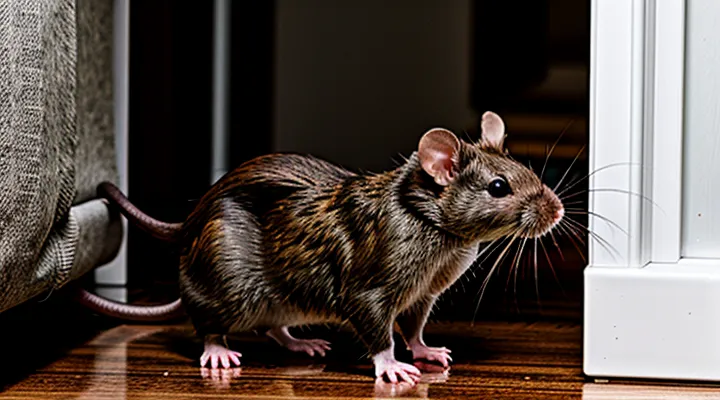
Understanding Rat Behavior and Fears
The Rat's Sensory World
Acute Sense of Smell
Rats possess an exceptionally sensitive olfactory system, capable of detecting volatile compounds at concentrations far below human thresholds. This acute sense of smell enables rapid identification of food sources, territorial markers, and potential threats.
Odorous cues associated with predators, toxic substances, or unfamiliar environments trigger avoidance behavior. When a scent conveys danger, neural pathways activate stress responses that drive immediate withdrawal from the contaminated area.
Effective odor‑based deterrents include:
- Peppermint oil, concentration ≥ 5 % in carrier fluid
- Ammonia solution, undiluted application on entry points
- Mothball fragments, placed in sealed containers near nesting sites
- Citrus peel extracts, refreshed weekly to maintain potency
Implementation guidelines:
- Position repellents at known travel routes, such as wall gaps and pipe openings.
- Ensure continuous exposure by replenishing volatile agents before odor diminishment.
- Avoid direct contact with pets or children; use sealed dispensers or confined spaces.
By exploiting the rat’s heightened olfactory perception, control measures can achieve rapid displacement without reliance on lethal methods.
Excellent Hearing
Rats possess a highly developed auditory system that detects a broad spectrum of sounds, including frequencies beyond human perception. This sensitivity enables rapid assessment of potential threats, causing immediate flight responses when alarming noises are encountered.
Specific sound ranges, particularly ultrasonic frequencies between 20 kHz and 50 kHz, provoke intense aversion. Sudden high‑pitch tones, repetitive clicks, and irregular noise patterns disrupt normal activity and trigger escape behavior. Continuous low‑frequency vibrations generally produce limited effect, as rats habituate quickly.
Utilizing auditory aversion forms a core component of rodent management. Devices that emit targeted ultrasonic bursts, irregular pulsations, or broadband noise create an environment hostile to rat habitation. Placement near entry points, nesting sites, and food storage areas maximizes exposure and reduces population persistence.
Effective auditory deterrents include:
- Ultrasonic emitters calibrated to 25–35 kHz, operating on intermittent cycles.
- Broadband noise generators producing irregular, high‑energy bursts.
- Mechanical clickers delivering sharp, short‑duration sounds at random intervals.
- Combination units integrating ultrasonic and audible components for layered disruption.
Implementation guidelines recommend positioning devices at least 30 cm from walls, ensuring unobstructed sound propagation, and rotating operating schedules to prevent habituation. Regular monitoring of activity levels confirms efficacy and informs adjustments.
Poor Eyesight and Nocturnal Habits
Rats possess limited visual acuity; their eyes detect movement rather than detail. Bright, sudden illumination overwhelms their retina and triggers avoidance behavior. This sensitivity makes intense white light an effective deterrent during nocturnal activity periods.
Nocturnal habits confine rats to darkness, where auditory and olfactory cues dominate. Disruption of darkness through continuous low‑level lighting or intermittent flashes reduces the perceived safety of shelter sites. Additionally, sound frequencies above the rodent hearing range interfere with navigation, prompting retreat.
Practical applications:
- Install motion‑activated floodlights in suspected pathways; the abrupt brightness exploits poor eyesight.
- Employ timed LED strips that emit soft pulses throughout the night; sustained illumination diminishes the appeal of concealed areas.
- Deploy ultrasonic emitters calibrated to 20–30 kHz; the sound penetrates dark zones, exploiting nocturnal reliance on hearing.
- Replace dense vegetation with open, well‑lit ground cover; exposure to ambient light discourages nesting.
By targeting visual weakness and the dependence on darkness, control measures align with innate rat vulnerabilities, leading to reduced presence without chemical interventions.
Natural Predators and Deterrents
Predatory Animals
Predatory animals exert a strong deterrent effect on rats, exploiting the rodents’ innate survival instincts. Their presence, scent, and auditory signals trigger avoidance behavior, reducing rodent activity in infested areas.
- Cats – domestic and feral felines patrol indoor and outdoor spaces, leaving pheromonal trails that signal danger.
- Owls – nocturnal hunters emit low-frequency calls and create silhouettes that discourage rats from foraging at night.
- Hawks and other birds of prey – aerial attacks generate visual alarms, prompting rats to retreat to concealed burrows.
- Snakes – reptilian predators release musk and vibrations that rats associate with lethal encounters.
- Foxes – terrestrial hunters disturb ground cover, forcing rats to abandon established runways.
- Weasels and ferrets – slender bodies enable pursuit through narrow passages, reinforcing the perception of constant threat.
- Coyotes – larger canids produce territorial markings that extend the perceived range of risk.
Each predator contributes specific cues: urine and feces convey chemical warnings; vocalizations and wing beats provide auditory alerts; movement and silhouettes create visual warnings. Rats respond by limiting foraging time, avoiding exposed routes, and increasing concealment, which directly lowers population density.
Effective pest‑management strategies incorporate these natural deterrents without relying on toxic chemicals. Encourage feline activity by providing shelter and feeding stations in problem zones. Install owl boxes or bat roosts to attract nocturnal raptors. Place realistic predator decoys—such as plastic owls or snake models—near entry points, rotating positions to prevent habituation. Employ scent‑based repellents that mimic predator urine, applying them along walls, behind appliances, and in crawl spaces.
Implementation must respect local wildlife regulations and consider human safety. Ensure that introduced predators do not threaten non‑target species or domestic pets. Monitor rodent activity after deployment; a sustained decline indicates successful integration of predatory pressure.
By leveraging the instinctual fear rats have of natural hunters, property owners can achieve long‑term reduction of infestations while minimizing chemical exposure. The strategic use of predatory cues aligns pest control with ecological principles, delivering reliable results.
Human Intervention
Human actions shape the environment that triggers rat aversion. Direct disturbance, such as sudden movement or loud noise, activates a species‑wide alarm response, prompting rapid retreat from the area. Consistent exposure to human presence conditions rats to associate a specific location with threat, reducing the likelihood of habitation.
Effective measures rely on altering habitats and introducing deterrents:
- Physical barriers: sealed entry points, steel mesh, concrete foundations prevent infiltration.
- Mechanical traps: snap traps, live‑capture devices deliver immediate danger cues, reinforcing fear.
- Chemical repellents: predator urine, ammonia, or capsaicin sprays emit odor signals that rats interpret as hostile.
- Toxic baits: anticoagulant pellets provide delayed toxicity, creating internal risk perception.
- Ultrasonic emitters: high‑frequency sounds exceed rat hearing thresholds, generating discomfort without visible signs.
Sanitation practices diminish food availability, removing the incentive to ignore fear cues. Regular waste removal and proper storage eliminate attractants, forcing rats to confront an environment dominated by human‑imposed threats.
Introducing natural predators, such as barn owls or feral cats, adds a biological layer of intimidation. The presence of these hunters reinforces the perception of danger, encouraging avoidance of treated zones.
Coordinated application of these interventions produces cumulative stress, leading to population decline and eventual displacement from the targeted area.
Environmental Factors
Rats respond strongly to environmental cues that signal danger or discomfort. Reducing shelter, limiting food access, and increasing exposure to predators create conditions that deter infestation.
Key environmental factors include:
- Clutter and debris: piles of cardboard, insulation, or stored items provide hiding places and nesting sites. Removing such materials eliminates safe zones.
- Food availability: unsecured waste, pet food, or spilled grain attract rodents. Sealing containers and maintaining clean surfaces cut off sustenance.
- Water sources: dripping pipes, standing water, or pet water bowls offer hydration. Repairing leaks and limiting water containers reduce attraction.
- Structural gaps: cracks in walls, gaps around pipes, and unsealed entry points allow entry. Installing steel mesh, caulking, and door sweeps blocks access.
- Lighting and vibration: bright illumination and regular vibrations mimic predator presence. Installing motion‑activated lights or ultrasonic devices amplifies perceived threat.
Implementing these measures modifies the habitat, making it hostile and prompting rats to vacate the area. Continuous monitoring ensures that newly created niches do not reappear, sustaining long‑term control.
Effective Rat Eradication Strategies
Non-Lethal Approaches
Trapping and Relocation
Trapping and relocation constitute a direct method for reducing rat activity while respecting animal‑welfare standards. Effective implementation relies on exploiting rodents’ natural aversion to confined spaces and sudden movements.
Common trap types include:
- Live‑capture cages equipped with a trigger mechanism; allow retrieval without injury.
- Snap traps with a calibrated spring; provide immediate dispatch.
- Electronic traps delivering a high‑voltage pulse; ensure rapid neutralization.
Relocation requires adherence to legal and ecological guidelines. Release sites must be at least several miles from the original infestation to prevent re‑entry. Preferred habitats are open fields or wooded areas lacking shelter, reducing the likelihood of immediate return. Protective gloves and sealed containers minimize disease transmission during transport.
Optimal results stem from strategic placement and bait selection. Position traps along walls, near gnaw marks, and in dark corners. Use high‑protein baits such as peanut butter or dried meat, refreshing them daily. Monitor traps regularly, removing captured animals promptly to avoid stress and scent buildup. Consistent application of these practices diminishes rat populations while maintaining humane standards.
Scent-Based Repellents
Scent‑based repellents exploit rats’ acute olfactory system to create an environment that discourages habitation and foraging. The approach relies on volatile compounds that trigger aversion, reducing the likelihood of nesting and food theft.
Effective ingredients include:
- «peppermint oil» – strong menthol aroma overwhelms sensory receptors, prompting avoidance.
- «eucalyptus oil» – phenolic constituents produce a pungent scent that interferes with scent marking.
- «clove oil» – eugenol component acts as a natural irritant to nasal passages.
- «citronella» – citrus notes mask food odors, diminishing attraction.
- «ammonia» – high‑pH vapors create an unpleasant atmosphere, though safety precautions are required.
Application methods:
- Soak cotton balls in the chosen oil, place them in concealed entry points, corners, and near suspected burrows. Replace every three to five days to maintain potency.
- Prepare a spray mixture of water and a few drops of oil; apply to surfaces, walls, and baseboards. Allow drying before re‑entry.
- Install commercial dispensers that release a steady mist of the repellent, ensuring continuous coverage in larger areas.
Limitations arise from rodents’ ability to habituate; rotating scents or combining several agents mitigates desensitization. Environmental factors such as ventilation and temperature affect vapor dispersion, requiring regular monitoring. For persistent infestations, integrate scent‑based measures with physical barriers and sanitation improvements to achieve comprehensive control.
Ultrasonic Devices
Ultrasonic devices emit sound waves above the range of human hearing, typically 20 kHz to 65 kHz. Rodents detect these frequencies through sensitive auditory receptors, causing discomfort and avoidance behavior. The emitted pulses create a hostile acoustic environment that discourages rats from entering or remaining in infested areas.
Effectiveness depends on several factors. Proper placement ensures coverage of target zones; devices should be positioned at least 12 inches off the floor and away from solid obstacles that block sound propagation. Continuous operation maintains a consistent deterrent field, while periodic rotation of units prevents habituation. Research indicates that well‑installed systems reduce rodent activity by 30 % to 70 % in controlled settings.
Limitations include reduced efficacy in open spaces, dense furnishings, and areas with high ambient noise that masks ultrasonic output. Devices do not eliminate established nests; they function as a preventive measure rather than a removal method. Integration with traps, sanitation, and exclusion techniques yields the most reliable results.
Key considerations for implementation:
- Frequency range: 20 kHz–65 kHz for optimal rodent sensitivity.
- Coverage area: 200–300 sq ft per unit, adjusted for barriers.
- Power source: mains‑powered units provide uninterrupted emission; battery models suit temporary setups.
- Safety: frequencies are inaudible to humans and most pets; however, ultrasonic exposure can affect small mammals such as hamsters and guinea pigs.
When combined with comprehensive pest‑management practices, ultrasonic devices contribute to a hostile environment that aligns with the goal of minimizing rat presence.
Lethal Control Methods
Baits and Poisons
Bait selection determines the effectiveness of any rodent control program. Commercially available products fall into two categories: anticoagulant baits and non‑anticoagulant baits. Anticoagulants, such as diphacinone and brodifacoum, interfere with blood clotting, leading to delayed mortality that reduces bait avoidance. Non‑anticoagulants, including zinc phosphide and cholecalciferol, cause rapid physiological disruption, useful when swift elimination is required.
Key considerations when deploying baits:
- Placement: position stations near walls, behind appliances, and in concealed corners where rats travel.
- Density: distribute baits at intervals of 10–15 feet to ensure constant access.
- Protection: use tamper‑resistant stations to prevent non‑target exposure.
- Rotation: alternate active ingredients weekly to prevent resistance buildup.
Poison formulations must comply with local regulations governing hazardous substances. Label instructions dictate maximum application rates, required personal protective equipment, and disposal procedures for unused product and contaminated materials. Monitoring is essential; dead rodents should be collected promptly, and bait stations inspected for depletion or contamination.
Integrated use of baits with habitat modification—sealing entry points, eliminating food sources, and reducing clutter—enhances long‑term suppression. Selecting the appropriate bait type, adhering to proper deployment protocols, and maintaining vigilant observation constitute a comprehensive approach to eliminating rat infestations.
Snap Traps
Snap traps deliver a rapid, lethal strike that exploits rats’ natural aversion to sudden pressure. The device consists of a sprung metal bar that releases when the animal applies force to a trigger plate, producing an instantaneous impact that eliminates the threat without prolonged struggle. This abrupt action triggers a fear response, discouraging further intrusion in the vicinity.
Effective deployment relies on strategic placement. Recommended positions include:
- Along walls where rats travel, typically within 2–3 inches of the baseboard.
- Near known feeding stations, such as pantry corners or garbage containers.
- In concealed pathways, like behind appliances or within crawl spaces.
- At points of entry, including gaps around pipes and vents.
Bait selection influences capture rates. High‑protein options—peanut butter, dried fruit, or small pieces of meat—produce strong olfactory cues that attract rodents. Securely affix bait to the trigger plate to prevent premature removal.
Safety measures protect non‑target species and humans. Use traps with protective shields that limit access to the spring mechanism. Position devices out of reach of children and pets, preferably on elevated surfaces or within sealed bait stations. Regularly inspect traps to ensure functionality and reset when necessary.
After a successful catch, dispose of the carcass in a sealed bag and place it in an outdoor waste container. Clean the trap with a mild disinfectant before reuse to maintain hygiene and prevent disease transmission. Continuous monitoring and timely replacement sustain long‑term effectiveness.
«Snap traps provide instant kill, reinforcing a deterrent effect that reduces rat activity».
Electronic Traps
Electronic traps exploit rats’ sensitivity to sudden electrical discharge and intense light. A high‑voltage shock delivered within milliseconds incapacitates the animal, while a built‑in LED flash creates an additional deterrent. The immediate, painless termination eliminates the need for poison or manual removal.
The device consists of a sealed chamber, a motion‑sensing plate, a rechargeable battery, and a step‑down transformer that generates a lethal voltage of 2,000–4,000 V. When a rodent steps onto the plate, the sensor activates the circuit, releasing the shock and triggering the flash. The enclosure prevents contact with non‑target species and protects users from accidental exposure.
- Position traps along walls, near burrows, and behind appliances where rats travel.
- Install at least 2 inches from the floor to match the animal’s gait.
- Replace batteries when indicator light dims; most units operate for 6–12 months on a single charge.
- Clean the chamber after each capture to maintain sensor reliability.
- Verify compliance with local regulations regarding electric pest‑control devices.
Consistent deployment, regular maintenance, and strategic placement maximize the reduction of rodent activity while minimizing health risks and environmental impact.
Integrated Pest Management for Rats
Sanitation and Exclusion
Sanitation reduces food sources that attract rodents, limiting their ability to establish colonies. Proper waste management eliminates accessible crumbs, spilled grain, and unsealed containers, thereby removing the primary incentive for foraging. Regular removal of garbage, sealing of dumpsters, and routine cleaning of kitchen surfaces create an environment that offers no sustenance for rats.
Exclusion denies entry points, preventing rodents from penetrating structures. Structural repairs and sealing of openings are essential components of a comprehensive control strategy. Effective measures include:
- Installing metal flashing around vent pipes and utility openings.
- Fitting tight-fitting door sweeps on all exterior doors.
- Repairing cracks in foundations, walls, and rooflines with cement or steel mesh.
- Using hardware cloth of at least ¼‑inch mesh to cover gaps under decks and crawl spaces.
By combining rigorous sanitation with meticulous exclusion, the conditions that rats seek—food, water, and shelter—are systematically eliminated, leading to a sustained decline in rodent activity.
Habitat Modification
Habitat modification targets the conditions that attract and sustain rats, making the environment hostile to their survival. Removing accessible food sources eliminates a primary incentive for infestation. Securely store grain, pet food, and compost in sealed containers; dispose of waste in tightly closed bins; and clean spills promptly.
Sealing entry points blocks access. Inspect foundations, walls, and utility penetrations for gaps larger than ¼ inch. Install steel wool, metal flashing, or concrete patches to close cracks, vents, and openings around pipes, doors, and windows. Reinforce door sweeps and weatherstripping to prevent nocturnal ingress.
Eliminate shelter opportunities by clearing clutter and debris. Keep storage areas organized, elevate items off the floor, and avoid stacking firewood or cardboard against exterior walls. Trim vegetation, especially low shrubs and vines, to create a clear perimeter that reduces cover for climbing rodents.
Maintain sanitation standards to deter nesting. Regularly clean gutters, remove standing water, and repair leaks that provide moisture. Use rodent‑proof containers for feed in agricultural settings and limit the availability of birdseed or pet treats outdoors.
Implementing these measures creates an environment where rats encounter limited food, water, and shelter, thereby increasing their exposure to predators and reducing the likelihood of establishment. Consistent application of habitat modification forms a foundational component of effective rodent control.
Professional Pest Control Services
Professional pest control firms specialize in eliminating rodent infestations by targeting the innate aversions that rats exhibit. Fear responses to strong odors, sudden movements, and unfamiliar surfaces guide the design of interventions that discourage entry and encourage evacuation.
Key stimuli that rats instinctively avoid include:
- Concentrated ammonia or vinegar vapors that irritate the nasal passages.
- Ultrasonic emissions beyond the hearing range of humans but uncomfortable for rodents.
- Bright, flickering lights that disrupt nocturnal activity patterns.
- Physical barriers such as metal mesh or sealed gaps that block familiar pathways.
Professional services typically follow a structured sequence:
- Comprehensive site inspection to identify entry points, nesting locations, and food sources.
- Strategic placement of bait stations calibrated to attract while minimizing non‑target exposure.
- Deployment of mechanical traps engineered for rapid, humane capture.
- Installation of exclusion measures, including door sweeps, vent covers, and foundation sealing.
- Ongoing monitoring and documentation to verify eradication and prevent recurrence.
Advantages of engaging certified operators include adherence to regulatory standards, access to EPA‑approved products, and reduced risk of secondary infestations. Continuous follow‑up ensures that the environment remains inhospitable to rats, sustaining long‑term protection.
Preventing Future Rat Infestations
Sealing Entry Points
Inspecting Exterior Walls
Inspecting exterior walls is a fundamental step in preventing rodent infestations. The outer surface of a building provides the primary route for entry, and any breach can attract rats seeking shelter and food.
A systematic examination includes the following actions:
- Scan for gaps larger than ¼ inch around windows, doors, and utility penetrations.
- Verify the integrity of soffits, eaves, and roof overhangs; missing or damaged flashing creates easy access points.
- Look for signs of gnawing, fresh droppings, or nesting material along the base of the wall.
- Assess the condition of siding, brick, or stucco; cracks or loose panels should be sealed promptly.
- Examine drainage systems; standing water near the foundation encourages rodent activity and should be redirected.
Repair measures focus on exclusion. Replace deteriorated caulking, install steel wool or copper mesh in small openings, and apply durable sealants to larger gaps. Ensure that all vents are equipped with rat‑proof screens, and that crawl spaces are sealed with heavy‑duty hardware cloth.
Regular monitoring after repairs confirms the effectiveness of the barriers. Any new damage observed during subsequent inspections must be addressed immediately to maintain a rat‑free environment.
Securing Vents and Drains
Securing vents and drains eliminates entry points that rats exploit for shelter and movement. Open or poorly fitted openings provide direct access to interior spaces, allowing rodents to travel unnoticed from exterior to hidden areas such as basements, crawl spaces, and utility rooms. By reinforcing these passages, the likelihood of infestation diminishes significantly.
Effective measures include:
- Installing metal mesh or stainless‑steel screens with apertures no larger than ¼ inch over all vent openings.
- Applying concrete‑based sealant or expanding foam around the perimeter of vent covers to close gaps.
- Replacing damaged or missing vent grates with heavy‑duty, lockable models.
- Fitting drain covers made of solid metal or heavy plastic, secured with corrosion‑resistant screws.
- Inspecting and repairing cracked or deteriorated pipe sleeves, ensuring a tight fit around utilities that pass through walls and floors.
Routine inspection should focus on the integrity of installed barriers, signs of gnawing, and accumulation of droppings near vent or drain locations. Prompt replacement of compromised components prevents re‑entry and supports long‑term rodent control.
Protecting Utility Entrances
Rats approach utility entrances seeking shelter, water, and food, yet they retreat when exposed to bright illumination, strong chemical odors, and persistent vibrations.
Securing these access points requires eliminating entryways and creating hostile conditions that exploit the rodents’ aversions.
- Install stainless‑steel mesh or metal flashing to block gaps larger than ¼ inch.
- Apply rodent‑repellent granules containing peppermint oil or ammonia near the perimeter.
- Fit motion‑activated LED lights to maintain constant brightness at the opening.
- Use ultrasonic emitters that generate frequencies uncomfortable for rodents.
- Conduct regular inspections to repair cracked concrete, damaged conduit, and worn sealant.
Maintaining a sealed, well‑lit, and chemically unfriendly environment around utility entrances reduces the likelihood of infestation and supports long‑term rodent control.
Maintaining a Clean Environment
Proper Food Storage
Proper food storage is a fundamental element of rodent control. Secure containers made of metal or thick plastic prevent rats from detecting scent cues and accessing nutrients. When food is sealed, the olfactory signals that attract rodents disappear, reducing the likelihood of infestation.
Effective storage practices include:
- Using airtight, lock‑able bins for dry goods, grains, and pet food.
- Placing containers on raised platforms to avoid direct contact with floor surfaces.
- Regularly cleaning pantry shelves to eliminate crumbs and spills.
- Rotating stock to ensure older items are consumed before expiration, limiting prolonged exposure.
Consistent implementation of these measures creates an environment where food sources are unavailable, thereby discouraging rats from establishing a presence. The resulting scarcity of resources forces the pests to seek alternative habitats, supporting broader eradication efforts.
Regular Waste Disposal
Regular waste disposal directly influences rodent behavior by eliminating food sources that attract rats. When garbage is stored in sealed containers and removed frequently, rats encounter fewer opportunities for foraging, increasing their exposure to open spaces where predators and human activity are present. This environmental pressure heightens their natural aversion to unsecured food sources and encourages avoidance of inhabited areas.
Effective waste management practices include:
- Using rat‑proof bins with tight‑fitting lids.
- Scheduling collection at least twice weekly to prevent accumulation.
- Positioning containers away from building foundations and walls.
- Cleaning bins regularly to remove residues that emit odors.
By maintaining a consistent removal schedule, the scent trail that guides rats to a location dissipates rapidly. The lack of detectable food reduces the incentive for rats to explore, reinforcing their instinctual fear of unfamiliar, resource‑scarce environments. Consequently, regular disposal of waste becomes a critical component of a broader strategy to deter rodent activity and protect premises from infestation.
Decluttering Indoor and Outdoor Spaces
Rats thrive in concealed, cluttered areas where food, shelter, and escape routes are abundant. Removing unnecessary objects from both indoor and outdoor spaces eliminates hiding places, reduces food sources, and creates an environment perceived as unsafe by rodents.
Decluttering indoor areas involves:
- Storing food in sealed containers and discarding crumbs promptly.
- Eliminating piles of newspapers, cardboard, and clothing that can serve as nests.
- Organizing storage closets and garages to keep items off the floor and against walls.
Outdoor decluttering focuses on:
- Trimming vegetation to maintain a clear perimeter around foundations.
- Removing debris, wood piles, and compost heaps that attract foraging.
- Securing garbage bins with tight‑fitting lids and positioning them away from entry points.
These actions exploit rats’ natural aversion to open, exposed surroundings. When shelter options diminish, rats are more likely to avoid the property, increasing the effectiveness of traps and repellents. Consistent maintenance of a tidy environment sustains long‑term rodent deterrence without reliance on chemical controls.
Monitoring and Early Detection
Signs of Rat Activity
Rats leave unmistakable evidence that indicates their presence and movement. Recognizing these indicators is essential for effective control measures.
Typical signs include:
- Fresh droppings, dark and cylindrical, often found near food sources, along walls, or in hidden corners.
- Gnaw marks on wood, plastic, insulation, or wiring; teeth create clean, parallel cuts.
- Chewed food packaging, especially cardboard, plastic, or grain containers, showing ragged edges.
- Rub marks or greasy smears along baseboards and walls, created by the animal’s oily fur.
- Accumulated nesting material such as shredded paper, fabric, or dried plant matter, usually in concealed areas.
- Visible tracks in dust, flour, or soft soil, displaying four-toed footprints with a distinctive hind‑foot pattern.
- Audible activity, including scratching, scurrying, or squeaking sounds, most common at night.
- Unusual odors, a strong, musky smell emanating from urine or secretions.
Each sign provides a direct clue to infestation severity and location. Prompt identification enables targeted interventions, reducing damage and health risks associated with rodent populations.
Routine Inspections
Routine inspections form a cornerstone of effective rodent management, targeting the behaviors and sensitivities that deter rats and facilitate their removal. Regular visual surveys identify early signs of activity, allowing swift intervention before infestations expand.
Key indicators to assess during each visit include:
- Fresh droppings, especially in concealed corners
- Gnaw marks on structural elements, wiring, or packaging
- Nesting material such as shredded paper, fabric, or insulation
- Visible burrows or pathways along walls, foundations, and piping
- Unusual odors that suggest urine accumulation
Inspection frequency should correspond to risk level. High‑traffic food storage areas demand weekly checks, while low‑risk storage rooms may be inspected bi‑weekly. Seasonal peaks, typically in late summer and early autumn, warrant increased vigilance, with additional visits scheduled to capture heightened activity.
Accurate documentation supports decisive action. Each finding must be recorded with location, date, and severity rating. Photographic evidence enhances clarity and assists pest‑control professionals in selecting appropriate deterrents, such as ultrasonic devices, trap placement, or targeted baiting. Prompt remediation of identified vulnerabilities—sealing entry points, removing food sources, and eliminating clutter—reinforces the fear response rats exhibit toward hostile environments, thereby reducing population persistence.
Setting up Monitoring Stations
Monitoring stations provide objective evidence of rat activity, allowing targeted interventions that exploit the species’ natural aversion to disruption. By recording movement patterns, nesting sites, and foraging routes, these stations reveal the precise locations where fear‑inducing measures will be most effective.
Placement follows three principles: proximity to identified pathways, visibility of concealment opportunities, and distance from food sources that could mask activity. Install devices along walls, beneath cabinets, and within utility tunnels where rats commonly travel. Ensure each station is positioned at least 30 cm above the floor to avoid interference from debris.
Typical equipment includes:
- Motion‑activated infrared cameras calibrated for low‑light environments;
- Pressure‑sensitive pads that register weight thresholds of 150 g or greater;
- Chemical scent dispensers delivering predator‑derived odors;
- Data loggers with wireless transmission capability for real‑time alerts.
Data collection proceeds continuously, with timestamps stored for each detection event. Analyze frequency curves to identify peak activity periods; prioritize treatment during those windows. When a station records repeated incursions, deploy exclusion devices or targeted bait stations at the corresponding entry point. Regularly audit equipment functionality and replace batteries or sensors according to manufacturer specifications to maintain reliability.