
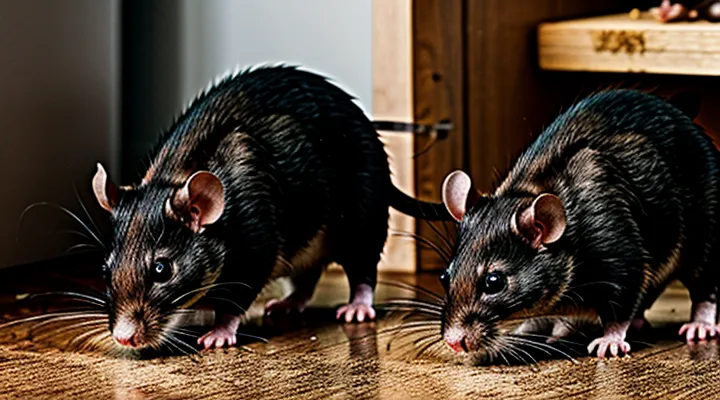
The Nutritional Needs of Pet Rats
Understanding a Rat's Diet
Omnivore Tendencies
Rats possess a flexible diet that includes both animal and plant matter, a trait that directly shapes the choices owners make when providing food in a household setting. In the wild, they consume seeds, fruits, insects, and small vertebrates, obtaining protein, carbohydrates, fats, vitamins, and minerals from a diverse array of sources. Translating this pattern to a domestic environment requires a blend of commercial and fresh items that together satisfy the species’ nutritional spectrum.
Typical home‑feeding regimen may contain:
- Commercial rodent pellets formulated to meet baseline nutrient requirements.
- Fresh vegetables such as carrots, broccoli, and kale, offered in small, chopped portions.
- Fruits like apple, banana, or berries, limited to a few pieces per week to avoid excess sugar.
- Protein supplements, for example boiled egg, cooked chicken, or mealworms, provided sparingly.
- Small quantities of whole grains or oats for additional fiber.
Balancing these components ensures adequate protein for growth and tissue repair while supplying sufficient carbohydrates for energy. Fiber from vegetables and grains supports gastrointestinal health, and occasional treats supply enrichment without compromising dietary integrity. Regular monitoring of body condition and adjusting portion sizes maintain optimal health outcomes for pet rats.
Essential Nutrients
Pet rats require a balanced diet that supplies all essential nutrients for growth, reproduction, and immune function. The diet must contain adequate protein, fat, carbohydrates, vitamins, minerals, and clean water.
- Protein – 15‑20 % of total calories; sources include cooked eggs, low‑fat cheese, plain cooked chicken, and commercial rat pellets formulated with soy or animal protein.
- Fat – 5‑10 % of calories; unsalted nuts, seeds, and small amounts of vegetable oil provide essential fatty acids.
- Carbohydrates – 45‑55 % of calories; offer whole grains such as rolled oats, barley, and brown rice, as well as fresh vegetables like carrots and sweet potatoes.
- Vitamins – A, D, E, K, and B‑complex vitamins are critical; fortified pellets contain most of these, while fresh leafy greens (e.g., kale, spinach) supplement vitamin A and K, and occasional exposure to sunlight supports vitamin D synthesis.
- Minerals – Calcium, phosphorus, magnesium, iron, zinc, and selenium must be present in proper ratios; calcium‑rich foods include low‑fat cheese and broccoli, while mineral blocks or fortified pellets help maintain balance.
- Water – continuous access to fresh, chlorine‑free water prevents dehydration and supports metabolic processes.
A typical daily menu might consist of a measured portion of high‑quality pellets, a small serving of fresh vegetables, a protein supplement, and a handful of nuts or seeds. Adjust quantities according to the rat’s age, activity level, and health status, monitoring body condition to avoid obesity or nutrient deficiencies. Regular veterinary check‑ups confirm that the nutrient profile meets the animal’s physiological requirements.
Staple Diet: Commercial Rat Food
Pellets vs. Mixes
Benefits of Pellets
Pellet diets provide a reliable source of complete nutrition for domesticated rats. Commercially formulated pellets contain precise ratios of protein, fat, fiber, vitamins, and minerals, ensuring that each bite meets the species’ dietary requirements without the need for individual ingredient calculations.
- Consistent composition eliminates variability that can arise from mixed fresh foods.
- High fiber content supports gastrointestinal health and promotes regular bowel movements.
- Balanced protein levels maintain muscle development and immune function.
- Fortified vitamins and minerals prevent deficiencies common in improvised home diets.
- Compact packaging reduces spoilage risk and simplifies storage.
- Measured portions enable accurate calorie control, helping to prevent obesity.
- Low moisture content minimizes mold growth, enhancing overall safety.
Using pellets as the staple of a rat’s home feeding regimen reduces reliance on supplemental ingredients while delivering a stable, nutritionally complete diet. Supplemental fresh produce can be added for enrichment, but pellets remain the foundation for optimal health and growth.
Considerations for Mixes
When creating a home‑prepared diet for rats, the blend must supply all essential nutrients in appropriate ratios. A well‑balanced mix reduces the risk of deficiencies and supports growth, reproduction, and immune function.
Key nutritional factors include:
- Protein content: 16–20 % of the mix, sourced from high‑quality animal or plant proteins such as cooked eggs, lean meat, or soy isolate.
- Fat level: 4–6 % to provide energy without promoting obesity; include modest amounts of omega‑3‑rich oils (e.g., flaxseed).
- Fiber: 5–7 % to aid digestion; incorporate wheat bran, oat hulls, or shredded vegetables.
- Vitamins and minerals: Ensure adequate calcium, phosphorus, vitamin A, D, E, and B‑complex; supplement with a calibrated rodent multivitamin powder.
Ingredient selection should prioritize freshness, low pesticide residues, and minimal processing. Recommended components are:
- Cooked lean poultry or fish, finely diced.
- Fresh vegetables (broccoli, carrots, kale) and fruits (apple, banana) in limited quantities to avoid excess sugar.
- Whole grains (brown rice, quinoa) and legumes (lentils, peas) for carbohydrate and protein support.
- Safe treats such as plain popcorn or unsalted nuts, limited to 5 % of total intake.
Preparation steps:
- Cook all animal proteins to an internal temperature of 74 °C to eliminate pathogens.
- Steam or blanch vegetables briefly to preserve nutrients while improving digestibility.
- Cool ingredients to room temperature before combining.
- Mix components thoroughly to achieve uniform distribution of nutrients.
Storage guidelines:
- Refrigerate the mixture in airtight containers for up to three days.
- Freeze portions exceeding this period; thaw in the refrigerator before use.
- Discard any mix showing signs of spoilage, such as off‑odors or mold.
Safety monitoring:
- Observe rats for changes in weight, coat condition, and activity level.
- Conduct periodic health checks with a veterinarian to adjust the formula as needed.
- Record daily intake to ensure caloric needs are met without overfeeding.
By adhering to these considerations, caregivers can formulate a reliable, nutritionally complete diet that promotes the long‑term health of pet rats.
Recommended Brands and Types
Rats kept indoors require a balanced diet that includes a reliable commercial base and appropriate supplemental foods.
A solid commercial base supplies essential nutrients, reduces the risk of deficiencies, and simplifies daily feeding routines. Recommended brands known for consistent quality and nutrient profiles include:
- Oxbow Essentials – fortified pellet formula, high in protein and fiber, minimal fillers.
- Mazuri Rodent Chow – grain‑free pellet, enriched with vitamins and minerals, suitable for sensitive digestive systems.
- Sunseed Super Natural – seed‑based mix with added dried fruit and nuts, provides natural variety while maintaining nutritional balance.
- Kaytee Exact Rat Food – affordable pellet blend, includes pre‑biotic fiber and calcium source.
Supplemental foods enhance enrichment and address specific nutritional needs. Preferred types are:
- Fresh vegetables – leafy greens (kale, romaine), carrots, bell peppers; wash thoroughly, offer in small portions daily.
- Fresh fruits – apple slices, berries, melons; limit to occasional treats due to sugar content.
- Protein treats - boiled egg whites, cooked chicken breast, mealworms; provide 1–2 g per rat three times per week.
- Hardy chew items - untreated wood blocks, mineral chews; support dental health and prevent over‑gnawing.
Implement a feeding schedule that delivers the commercial base once daily, supplements in the morning and evening, and fresh items in limited quantities. Monitor intake, adjust portions based on weight and activity level, and rotate fresh produce to maintain interest.
Fresh Foods: A Healthy Addition
Safe Fruits and Vegetables
Daily Servings
Pet rats require a consistent daily diet that supplies energy, protein, fiber, vitamins, and minerals. The foundation of every meal is a high‑quality, nutritionally complete pellet formulated for rodents; a standard serving for an adult rat ranges from 10 g to 15 g, divided into two feedings to encourage natural foraging behavior.
Supplementary items should be offered in measured quantities:
- Fresh vegetables (e.g., kale, carrot, broccoli): 1–2 Tbsp per rat, split between morning and evening.
- Fresh fruit (e.g., apple, berries): no more than ½ Tbsp per rat, limited to two days per week to prevent excess sugar.
- Protein sources (e.g., boiled egg, cooked chicken, mealworms): ¼ Tbsp per rat, provided twice weekly.
- Treats (e.g., nuts, seeds, commercial rat snacks): ¼ Tbsp per rat, occasional only.
Young rats (under 12 weeks) receive 5–8 g of pellets per feeding and larger portions of soft foods to support rapid growth. Elderly rats may require slightly reduced pellet amounts but increased moisture‑rich vegetables to aid digestion.
Constant access to clean, fresh water is mandatory; bowls should be inspected daily and refilled with filtered water. Food leftovers must be removed within four hours to prevent spoilage and bacterial growth. Regular weight checks enable adjustment of portions, ensuring the animal maintains a healthy body condition without obesity.
Portion Control
Feeding pet rats at home requires precise portion sizes to maintain optimal health and prevent obesity. Adult rats typically need 1–2 teaspoons of mixed food per day; juveniles require slightly more frequent, smaller servings. Adjust quantities based on activity level, age, and body condition.
Key practices for effective portion control:
- Weigh dry pellets or kibble before dispensing; a digital kitchen scale provides the most accurate measurement.
- Offer fresh vegetables in limited amounts (approximately ¼ cup per day) and replace uneaten portions within 24 hours to avoid spoilage.
- Limit high‑fat treats, such as nuts or seeds, to no more than 5 % of the total daily intake.
- Observe each rat’s weight weekly; a stable weight indicates that portions are appropriate, while rapid gain or loss signals the need for adjustment.
Providing consistent, measured meals reduces the risk of digestive issues and supports steady growth in younger rats. Regular monitoring and precise measurement are essential components of responsible home feeding.
Lean Proteins
Occasional Treats
Pet rats thrive on a balanced diet of commercial pellets, fresh vegetables, and occasional treats. Treats should complement, not replace, the core nutrition plan and be offered sparingly to prevent obesity and digestive upset.
Safe occasional treats include:
- Small pieces of fresh fruit such as apple (seed‑free), banana, or berries
- Cooked plain pasta or rice in tiny quantities
- Unsalted nuts, limited to a few halves of almonds or walnuts
- Whole grain crackers without added sugars or salts
- Small bits of cheese (hard varieties) or plain yogurt as protein boosters
Treats must meet these criteria:
- Low in sugar and fat to avoid weight gain.
- Free of added salt, spices, or artificial sweeteners.
- Introduced gradually to monitor for allergic reactions or digestive issues.
- Served in portions not exceeding 5% of the daily caloric intake.
Unsafe items to avoid entirely:
- Chocolate, caffeine, alcohol, and caffeine‑containing beverages
- Processed meats, raw beans, or foods high in oxalates (e.g., rhubarb)
- Citrus peel, avocado, and onion families due to toxic compounds
When presenting a new treat, observe the rat for at least 24 hours. Any signs of diarrhea, lethargy, or loss of appetite indicate intolerance and require immediate removal of the item. Consistent, measured use of approved treats can enrich enrichment activities, reinforce training, and provide nutritional variety without compromising health.
Preparation Methods
Pet rats thrive on a varied diet that includes grains, vegetables, fruits, and protein sources. Preparing this food at home requires methods that preserve nutrients, ensure safety, and accommodate the rodents’ small size.
- Steaming or blanching vegetables – short exposure to heat softens fibrous tissue, reduces bacterial load, and retains most vitamins. Cool the pieces before serving to avoid burns.
- Soaking dry pellets – brief immersion in warm water rehydrates the kibble, making it easier to chew and enhancing digestibility. Drain excess liquid to prevent sogginess.
- Mashing fresh fruit – blend small fruit portions into a smooth puree, eliminating large seeds or pits that could cause choking. Serve immediately to limit oxidation.
- Cooking lean protein – boil or poach chicken, boiled eggs, or tofu until fully cooked, then cut into bite‑size cubes. Avoid added salts, spices, or oils.
- Freezing for storage – portion prepared foods into airtight containers and freeze for up to two weeks. Thaw in the refrigerator before offering to maintain texture.
When preparing meals, wash all produce thoroughly, remove any toxic parts (e.g., onion skins, citrus seeds), and measure portions to match the rat’s caloric needs. Consistency in preparation helps maintain a balanced diet and reduces the risk of digestive issues.
Healthy Grains and Nuts
Moderation is Key
Feeding pet rats requires a balanced approach that avoids excess. A diet composed of high‑quality commercial pellets, fresh vegetables, occasional fruit, and limited protein sources provides essential nutrients while preventing obesity and digestive issues.
- Commercial pellets: 1–2 tablespoons per day, divided into two feedings.
- Fresh vegetables: leafy greens (e.g., kale, romaine) 1 cup total, chopped, offered daily.
- Fruit: berries, apple slices, or banana, ¼ cup maximum, 2–3 times per week.
- Protein treats: cooked egg, mealworms, or low‑fat cheese, no more than 1 teaspoon per week.
- Water: clean, fresh supply refreshed daily.
Treats such as nuts, seeds, or sugary snacks should remain below 5 % of total intake. Overfeeding any single item disrupts gut flora and accelerates weight gain. Monitor body condition weekly; a healthy rat displays a sleek silhouette with a slight waist behind the ribs.
Adjust portions according to activity level, age, and reproductive status. Juvenile rats need slightly larger protein portions, while senior individuals benefit from reduced calorie density. Consistent, moderate portions sustain vitality and extend lifespan.
Avoiding Salted Options
Pet rats require a diet low in sodium to maintain cardiovascular health, kidney function, and fluid balance. Excess salt accelerates hypertension, leads to dehydration, and can cause electrolyte disturbances that shorten lifespan.
When planning daily meals, exclude any food that has been seasoned, cured, or processed with added salt. Common examples include:
- Commercial snack chips and pretzels
- Cured meats such as ham, bacon, or salami
- Pickled vegetables and olives
- Flavored nuts and seeds with salt coating
Instead, provide fresh, unsalted options that supply essential nutrients without excess sodium:
- Fresh fruits: apple slices, berries, melon (remove seeds)
- Fresh vegetables: carrots, broccoli, kale, cucumber (peeled if necessary)
- Whole grains: cooked oatmeal, plain rice, unsalted whole‑grain bread
- Protein sources: boiled egg white, plain cooked chicken, low‑fat plain yogurt
Measure portions to avoid overfeeding, and ensure continuous access to clean water. Regularly monitor the rat’s weight and behavior; any signs of excessive thirst, lethargy, or swelling may indicate a sodium‑related issue and require veterinary assessment.
Foods to Avoid: Dangerous for Rats
Toxic Items
Understanding the Risks
Pet rat diets can expose animals to several hazards if owners select inappropriate items. Common mistakes include offering foods high in sugar or fat, which can trigger rapid weight gain and metabolic disorders. Raw or spoiled produce may contain bacteria or toxins, leading to gastrointestinal upset or systemic infection. Certain household items—such as chocolate, caffeine, citrus peel, and processed snacks—contain compounds that are toxic to rodents and can cause organ damage or death. Inadequate calcium-to-phosphorus ratios, often found in unbalanced homemade mixes, increase the risk of skeletal deformities and dental wear.
Key risk categories:
- Nutritional imbalance – insufficient protein, excess carbohydrates, or missing vitamins and minerals.
- Toxic substances – chocolate, onions, garlic, nicotine, and artificial sweeteners.
- Contamination – moldy grains, pesticide‑treated produce, and unwashed fruits.
- Physical hazards – hard seeds or shells that can fracture teeth, choking hazards from large pieces.
Mitigation requires consulting veterinary nutrition guidelines, using commercially formulated rodent pellets as a base, and supplementing with fresh vegetables and limited fruit in measured portions. Regular health checks detect early signs of obesity, dental problems, or toxin exposure, allowing prompt intervention.
Common Household Dangers
Feeding pet rodents in a domestic setting requires awareness of hazards that can compromise nutrition and health. Common sources of danger include:
- Toxic foods: chocolate, caffeine, alcohol, raw potatoes, avocado, and citrus peels contain compounds harmful to rodents. Even small quantities can cause organ damage or death.
- Chemical residues: cleaning agents, pesticides, and disinfectants left on surfaces or in food containers may be ingested inadvertently. Only food‑grade, non‑toxic products should be used near feeding areas.
- Small objects: plastic beads, rubber bands, and loose wires pose choking and intestinal blockage risks. All bedding and enrichment items must be inspected for detachable parts.
- Moldy or spoiled feed: bacterial growth produces toxins that can lead to gastrointestinal upset and systemic infection. Store dry pellets in airtight containers and discard any feed that changes color, odor, or texture.
- Heavy metals: painted wood, old metal cages, and contaminated water sources may leach lead or cadmium, impairing neurological function. Use untreated, food‑safe materials for cages and water bottles.
Mitigation strategies involve strict separation of human food waste from rodent diets, routine cleaning with mild, pet‑safe detergents, and regular inspection of all accessories for wear. Providing a balanced, species‑appropriate diet in a controlled environment eliminates most exposure to these domestic threats.
Unhealthy Human Foods
High Sugar and Fat Content
Pet rats commonly receive a variety of homemade foods, many of which contain elevated levels of sugar and fat. Commercial treats, sweetened cereals, and human snack items often dominate the diet despite being formulated for human metabolism.
Excessive sugar accelerates weight gain, induces insulin resistance, and predisposes rats to type‑2 diabetes. High fat intake contributes to hepatic lipidosis, cardiovascular strain, and reduced mobility. Both macronutrients exacerbate dental wear by promoting plaque formation and increasing the risk of oral infections.
Guidelines recommend that sugary and fatty components constitute no more than 5 % of total caloric intake. Primary nutrition should derive from high‑protein rodent pellets, fresh vegetables, and limited whole‑grain sources. Treats must be balanced with low‑calorie alternatives to maintain stable body condition.
Practical options for low‑sugar, low‑fat supplementation:
- Small pieces of raw carrot or cucumber (fresh, unsalted)
- Thin slices of apple (core removed, no added sugar)
- Steamed broccoli florets
- Unsweetened plain yogurt (minimal quantity)
- Cooked lean chicken breast, shredded
These selections provide flavor without compromising metabolic health, supporting optimal growth and longevity in domesticated rats.
Processed Snacks
Pet rats can safely consume a limited range of commercially produced snacks, provided the products meet specific nutritional and safety criteria. Processed items should contain low levels of added sugars, salts, and artificial preservatives, because excessive intake of these compounds can lead to obesity, kidney strain, and digestive upset in rodents. Look for snacks formulated for small mammals or specifically labeled for rats; these typically balance protein, fiber, and fat to match the species’ dietary requirements.
Suitable processed snacks include:
- Small, plain cheese cubes (no added flavorings or molds) – source of protein and calcium.
- Commercial rat treats made from dried fruits and grains, with ≤5 % added sugar.
- Low‑fat, unsalted popcorn kernels, broken into bite‑size pieces – provides fiber and minimal calories.
- Freeze‑dried insects (e.g., mealworms) – high‑protein supplement, free from chemical sprays.
Products that contain chocolate, caffeine, citrus oils, or high levels of sodium must be excluded, as they are toxic to rats. When introducing any new processed snack, offer a single piece and observe the animal for 24 hours; discontinue use if gastrointestinal symptoms appear.
Store processed snacks in airtight containers at room temperature, away from direct sunlight. Replace items that show signs of moisture, mold, or rancidity. Rotate stock regularly to maintain freshness and prevent nutrient degradation. Feeding guidelines recommend limiting processed snacks to no more than 5 % of a rat’s total daily caloric intake, supplementing a base diet of high‑quality pellets, fresh vegetables, and occasional protein sources.
Hydration: The Importance of Water
Water Bottle vs. Bowl
Maintenance and Hygiene
Feeding pet rats at home requires strict maintenance of the feeding area and regular hygiene practices to prevent disease and ensure nutritional quality.
Clean the food bowl and water bottle daily with warm, soapy water, rinse thoroughly, and sanitize with a diluted white‑vinegar solution or a pet‑safe disinfectant. Replace bedding weekly to avoid urine and fecal buildup, which can contaminate food residues. Store dry pellets, fresh fruits, and vegetables in airtight containers to protect them from moisture, pests, and mold.
- Remove uneaten fresh produce within 24 hours to prevent spoilage.
- Inspect water bottles for cracks or leaks before each refill.
- Disinfect the cage interior, including bars and corners, at least once a month.
- Rotate feeding spots within the cage to reduce localized contamination.
Monitor the rats’ feeding behavior; any refusal of food or excessive droppings may indicate hygiene issues that require immediate corrective action. Consistent cleaning schedules and proper storage of feed eliminate pathogens and preserve the nutritional integrity of the diet.
Daily Changes
Rats kept as pets experience noticeable variations in their diet from day to day. These fluctuations arise from changes in food availability, the owner’s routine, and the animal’s health status.
Morning meals often consist of a measured portion of dry rodent pellets, providing a stable source of protein, fat, and essential vitamins. Owners may supplement this base with fresh vegetables such as carrots, broccoli, or leafy greens. The quantity of fresh produce typically varies according to seasonal availability and the rat’s appetite, leading to daily adjustments in nutrient intake.
Afternoon offerings frequently include small amounts of fruit—apple slices, berries, or banana. Fruit portions are limited to prevent excessive sugar, and the specific fruit chosen can differ each day based on ripeness and owner preference. This practice introduces short‑term changes in carbohydrate levels.
Evening feeds may incorporate protein treats like boiled egg, cooked chicken, or mealworms. The type and size of the treat are often modified to reward training sessions or to address weight management needs. Consequently, the protein contribution to the rat’s diet shifts nightly.
Owners track these variations to maintain balanced nutrition. A typical monitoring routine includes:
- Recording the food type and amount served each day.
- Noting the rat’s weight and activity level.
- Adjusting portions when weight gain or loss is observed.
- Rotating fresh foods to prevent nutrient deficiencies.
By systematically managing daily dietary changes, caregivers ensure that pet rats receive consistent, adequate nutrition while accommodating the natural variability of home feeding practices.
Monitoring Water Intake
Monitoring water intake is a critical component of caring for domestically kept rats. Adequate hydration supports digestion, kidney function, and overall health, while insufficient water can lead to rapid weight loss, urinary complications, and reduced lifespan.
Rats prefer fresh, clean water presented in a bottle with a stainless‑steel spout. Bottles should be inspected daily for leaks, residue, or blockage. Replace the water every 24 hours to prevent bacterial growth. In addition to bottles, a shallow ceramic dish may be offered for enrichment, but it requires more frequent cleaning.
Effective tracking involves recording the volume of water supplied and the amount remaining after a set period, typically 24 hours. A simple log can be kept in a notebook or spreadsheet with columns for date, bottle capacity, initial volume, final volume, and calculated consumption. Consistent data reveal patterns such as increased intake during warmer months or after dietary changes.
Key indicators of abnormal water consumption include:
- Consumption below 10 ml per 100 g body weight per day, suggesting possible dehydration.
- Sudden increase exceeding 30 ml per 100 g, which may signal infection or metabolic disorder.
- Water bottle left empty for more than 12 hours, indicating a potential health issue.
When irregularities appear, immediately provide fresh water, examine the rat for signs of illness, and consult a veterinarian if consumption does not normalize within 24 hours.
Maintaining a disciplined monitoring routine ensures that water provision aligns with the nutritional regimen of home‑kept rats, thereby promoting optimal health and longevity.
Special Dietary Considerations
Young Rats and Growing Needs
Young rats require a diet that supports rapid growth, bone development, and immune function. Their nutritional needs differ markedly from those of adult rodents, demanding higher protein, calcium, and vitamin D levels.
During the first three weeks, a diet composed of 20‑25 % protein, 10‑12 % fat, and adequate calcium (approximately 1 % of the diet) is essential. Commercially formulated “growth” or “juvenile” pellets meet these specifications and provide balanced micronutrients. Supplement the pellets with fresh, unprocessed foods such as:
- Cooked chicken breast, finely diced (no seasoning)
- Hard‑boiled egg, chopped
- Small pieces of low‑fat cheese
- Fresh greens (spinach, kale, carrot tops) in limited quantities
- Whole‑grain cereal or rolled oats, lightly moistened
Introduce each new item gradually, monitoring for digestive upset. Avoid sugary treats, processed human snacks, and foods high in sodium or fat, as they can impair growth and lead to obesity.
Hydration is critical; provide a clean water bottle with constant flow. Replace water daily and clean the bottle to prevent bacterial contamination.
At four to five weeks of age, transition to an adult maintenance diet while maintaining a portion of the high‑protein feed for two additional weeks. Reduce calcium content gradually to prevent skeletal abnormalities. Continue offering fresh vegetables and occasional protein treats, but limit them to no more than 10 % of total intake.
Regular health checks—weight measurement, coat condition, and activity level—help verify that the diet satisfies the evolving requirements of growing rats. Adjust portions based on observed growth rates, aiming for a steady increase of 2‑3 g per week until the animal reaches adult size.
Pregnant or Lactating Rats
Pregnant and lactating rats require increased energy, protein, and essential nutrients to support fetal development and milk production. Their diet must provide more calories than that of non‑reproductive adults, typically 10–15 % higher.
- High‑quality commercial rodent pellets formulated for breeding stock
- Fresh vegetables rich in vitamin C (e.g., bell pepper, broccoli)
- Lean protein sources such as boiled egg white, cooked chicken breast, or low‑fat cottage cheese
- Small amounts of healthy fats like unsalted sunflower seeds or a drizzle of olive oil
Supplementation with calcium and phosphorus is critical for skeletal growth and milk synthesis. Provide a reliable calcium source, such as calcium‑enriched blocks or powdered calcium supplement, and ensure a balanced calcium‑to‑phosphorus ratio (approximately 2:1). Vitamin D, B‑complex vitamins, and trace minerals (zinc, selenium) should be present in the chosen pellet or added as a fortified supplement.
Portion sizes should be increased gradually as gestation progresses, reaching 1.5–2 times the normal adult amount by the third week. During lactation, maintain the elevated intake and monitor body condition daily; excessive weight gain may indicate over‑feeding, while weight loss suggests insufficient nutrition.
Maintain a consistent feeding schedule, offering fresh food twice daily and removing uneaten portions after 12 hours to prevent spoilage. Supply constant access to clean water; hydration supports milk volume. Observe for signs of deficiency—such as brittle fur, lethargy, or reduced litter size—and adjust the diet promptly.
Senior Rats
Senior rats require a diet that compensates for reduced metabolic efficiency and the onset of age‑related health issues. A balanced home feeding regimen should include the following components:
- High‑quality commercial rat pellets formulated for adult or senior animals; these provide consistent protein (15–20 %), fiber, and essential vitamins.
- Fresh vegetables such as cooked carrots, steamed broccoli, and finely chopped kale; limit to 1–2 tablespoons per day to avoid excess water content.
- Small portions of fruit (e.g., apple slices, blueberries) no more than ½ teaspoon daily, serving as a source of antioxidants while controlling sugar intake.
- Protein supplements like boiled egg white or low‑fat cottage cheese, offered 2–3 times per week to support muscle maintenance.
- Calcium‑rich additions, for example, crushed eggshell or a calibrated calcium block, to counteract bone demineralization.
Feeding frequency should shift from multiple daily offerings in youth to two consistent meals spaced 12 hours apart. This schedule aligns with slower digestion and helps prevent overeating.
Water must remain clean and accessible at all times; replace daily and monitor for contamination.
Monitor body condition regularly. A senior rat’s weight should remain stable; sudden loss may indicate dental problems or gastrointestinal distress, prompting veterinary assessment.
Avoid high‑fat treats, sugary snacks, and raw nuts, which can exacerbate obesity and liver strain. Replace occasional indulgences with low‑calorie chew toys made from untreated wood to satisfy gnawing instincts while maintaining nutritional discipline.
Rats with Health Issues
Rats suffering from health problems require diets that address the underlying condition while maintaining overall nutrition. Adjustments focus on moisture content, fiber level, protein quality, and avoidance of ingredients that may exacerbate disease.
Common ailments and corresponding dietary modifications:
- Respiratory infections: Increase humidity by offering fresh vegetables with high water content (cucumber, leafy greens). Limit dry pellets that can irritate nasal passages.
- Dental disease: Provide soft, chewable foods such as mashed sweet potato or cooked oatmeal. Include calcium‑rich items (plain yogurt, small amounts of low‑fat cheese) to support tooth repair.
- Obesity: Reduce caloric density by substituting a portion of standard pellets with measured servings of fresh greens. Count total daily calories and avoid high‑fat treats.
- Diabetes: Offer low‑glycemic vegetables (broccoli, zucchini) and limit sugary fruits. Replace sugary treats with small pieces of plain, unsweetened applesauce.
- Gastrointestinal disorders: Incorporate soluble fiber sources like cooked pumpkin or psyllium husk in small quantities. Maintain consistent feeding times to stabilize gut motility.
Practical measures for caretakers include: preparing meals in small batches to prevent spoilage; storing fresh produce in refrigerated containers and discarding leftovers after 24 hours; monitoring body condition weekly and adjusting portions based on weight changes; consulting a veterinarian for precise nutrient ratios when chronic disease persists. These steps help ensure that rats with medical concerns receive balanced nutrition tailored to their specific needs.
Dietary Supplements (If Necessary)
When to Consider Supplements
Pet rats thrive on a balanced mix of commercial pellets, fresh vegetables, and occasional fruits. Even with a well‑rounded base diet, certain life stages or health conditions create nutrient gaps that require supplementation.
Observable indicators that a rat may need additional nutrients include: persistent weight loss, dull coat, slow wound healing, lethargy, or abnormal behavior. Laboratory tests confirming low levels of calcium, vitamin D, B‑complex vitamins, or essential fatty acids also justify supplement use.
Typical scenarios prompting supplementation are:
- Rapid growth in juveniles
- Pregnancy or lactation
- Recovery from illness or surgery
- Advanced age with reduced food intake
- Diagnosed deficiencies (e.g., calcium, vitamin E)
When adding supplements, select products formulated specifically for rodents. Dosage should match the animal’s weight and the recommended daily allowance; excessive amounts can cause toxicity. Incorporate supplements into the regular feeding schedule rather than offering them as isolated treats.
Regular monitoring of body condition, coat quality, and activity level helps assess effectiveness. Veterinary evaluation remains essential before initiating any supplement regimen to ensure safety and appropriate dosing.
Consulting a Veterinarian
When planning a domestic diet for pet rats, professional veterinary advice is essential. A veterinarian evaluates nutritional needs based on age, weight, health status, and activity level, then recommends appropriate foods and supplements. The consultation typically includes the following steps:
- Review of current feeding regimen and any observed health issues.
- Assessment of body condition using standardized scoring.
- Identification of nutritional gaps, such as insufficient protein, calcium, or fiber.
- Prescription of commercial rat pellets, fresh vegetables, and occasional fruit, with precise portion sizes.
- Guidance on safe treats, toxic foods to avoid, and proper storage practices.
- Recommendations for water provision, hygiene, and monitoring for signs of malnutrition or disease.
Following veterinary guidance reduces the risk of obesity, dental problems, and gastrointestinal disorders. Regular check‑ups allow adjustments as the rat matures or develops health conditions, ensuring a balanced diet that supports longevity and well‑being.
Meal Planning and Feeding Schedule
Frequency of Meals
Rats kept as pets require a consistent feeding schedule to maintain metabolic stability and prevent obesity. Irregular meals can cause stress, disrupt digestion, and lead to aggressive behavior during food competition.
A practical routine includes:
- Morning feeding: Offer a measured portion of dry pellets or laboratory‑grade mix within 30 minutes of the first light cycle.
- Midday supplement: Provide a small amount of fresh vegetables (e.g., carrots, broccoli) or a piece of fruit no larger than a thumbnail.
- Evening feeding: Supply the remaining portion of pellets, ensuring the total daily caloric intake matches the rat’s weight and activity level.
- Nighttime check: Verify that water is available and clean; do not introduce additional solid food after the evening meal.
Typical adult rats consume 15–20 g of pellets per day, divided equally between the morning and evening servings. Juvenile rats may require 2–3 meals spaced 4–6 hours apart, while senior rats benefit from smaller, more frequent portions to aid digestion.
Adhering to this schedule reduces the risk of food hoarding, supports predictable bathroom habits, and allows owners to monitor intake for early detection of health issues. Adjustments should be made only after consulting a veterinarian or an experienced rodent nutritionist.
Portions and Overfeeding
When keeping pet rats, portion control determines health outcomes. Adult rats require roughly 1–2 tablespoons (15–30 g) of commercial pellet or mix per day; juveniles need ½–1 tablespoon (7–15 g). Fresh vegetables add ¼–½ cup (30–60 g) daily, while fruit should not exceed 1–2 tablespoons (15–30 g) because of sugar content.
Key variables affecting portion size:
- Body weight (10–15 g per rat)
- Age (growth phase vs. maintenance phase)
- Activity level (exercise‑rich environment vs. sedentary cage)
Overfeeding produces rapid weight gain, fatty liver, and reduced lifespan. Early signs include:
- Enlarged abdomen
- Lethargy
- Decreased grooming
- Elevated blood glucose
Preventing excess intake involves precise measurement and scheduling. Recommended practice:
- Weigh food each morning with a digital scale.
- Divide total daily amount into two feedings, 12 hours apart.
- Offer treats only after the main meal, limiting them to ≤5 % of total calories.
- Remove uneaten fresh produce after 2 hours to avoid spoilage and hidden calories.
Consistent monitoring of body condition score—using a scale from 1 (emaciated) to 5 (obese)—allows timely adjustment of portions. Maintaining the described limits sustains optimal weight, dental health, and overall vigor in domestic rats.
Introducing New Foods
When expanding a pet rat’s diet, proceed methodically to prevent digestive upset and maintain nutritional balance. Introduce each novel item in small quantities, observe the animal for at least 24 hours, and record any signs of intolerance such as diarrhea, reduced appetite, or lethargy. If no adverse reaction occurs, gradually increase the portion over several days.
Key principles for safe incorporation:
- Gradual escalation – start with a teaspoon‑size piece, then double the amount every two days if tolerated.
- Single‑item testing – offer only one new food at a time to isolate potential allergens.
- Frequency control – limit novel foods to two or three times per week to avoid displacing core staples.
Suitable additions include:
- Fresh vegetables – finely chopped carrot, broccoli florets, or cucumber slices.
- Fruits (sparingly) – small apple cubes, blueberries, or banana bits, each no larger than a pea.
- Protein sources – cooked egg white, small pieces of boiled chicken breast, or low‑fat plain yogurt.
- Whole grains – cooked quinoa, brown rice, or rolled oats, introduced as a warm, soft mash.
Avoid foods that are toxic or hard to digest: chocolate, caffeine, raw beans, citrus peel, and high‑fat processed snacks. Maintain the primary diet of high‑quality rat pellets and occasional treat portions; novel foods should complement, not replace, these staples. Regular monitoring and consistent record‑keeping ensure the diet remains both varied and health‑supportive.
Common Feeding Mistakes to Avoid
Over-Treating
Over‑treating pet rats with human‑grade snacks, sugary foods, or excessive treats can disrupt their balanced diet. Treats should never replace the staple mix of high‑quality rodent pellets, fresh vegetables, and occasional protein sources.
Excessive sweet or fatty treats increase the risk of obesity, liver disease, and dental problems. Rats store excess calories as fat, leading to reduced agility and shortened lifespan. High‑sugar items also promote dental decay, as rodent teeth require constant abrasion from fibrous foods.
Signs of over‑treating include rapid weight gain, lethargy, reduced grooming, and abnormal stool consistency. Dental wear may appear as uneven incisors or difficulty chewing. Behavioral changes such as increased aggression or reduced activity can also indicate nutritional imbalance.
Preventive measures:
- Limit treats to less than 5 % of daily caloric intake.
- Choose low‑sugar, high‑fiber options such as small pieces of carrot, apple (without seeds), or unsweetened dried fruit.
- Offer treats no more than three times per week.
- Track each rat’s weight weekly and adjust portions accordingly.
- Replace human snacks with species‑specific treats formulated for rodents.
By adhering to these guidelines, owners maintain optimal health while still providing occasional variety that enriches a rat’s environment.
Inconsistent Diet
An inconsistent diet for domesticated rats leads to rapid physiological fluctuations. Variable nutrient intake disrupts digestive microbiota, causing irregular stool consistency and occasional diarrhea. Fluctuating protein levels alter muscle maintenance, resulting in uneven growth rates and potential loss of body condition. Inadequate calcium‑phosphorus balance may produce skeletal abnormalities, while irregular vitamin supply increases susceptibility to respiratory infections and eye problems.
Symptoms of dietary instability appear within weeks. Observe the following indicators:
- Weight changes exceeding 5 % of baseline in a short period
- Fur that becomes dull, patchy, or prematurely sheds
- Erratic activity patterns, including lethargy or sudden hyperactivity
- Frequent gastrointestinal upset, such as soft stools or constipation
Stabilizing nutrition requires a standardized feeding schedule and consistent food composition. Choose a commercial rat pellet formulated for complete nutrition, supplement with measured portions of fresh vegetables, and limit treats to a fixed weekly quota. Record daily intake to ensure caloric and micronutrient targets remain constant.
Lack of Variety
Rats kept indoors often receive a narrow selection of foods, typically a commercial pellet or seed mix supplemented with occasional fruit or vegetable pieces. This limited menu provides basic calories but fails to cover the full spectrum of nutrients required for optimal health.
A monotonous diet can lead to deficiencies in essential vitamins, minerals, and fatty acids, compromising immune function and dental health. Behavioral signs such as increased gnawing, reduced activity, and repetitive grooming may indicate nutritional frustration caused by repetitive meals.
Expanding the menu improves both physiological and psychological well‑being. Consider adding the following items in small, balanced portions:
- Fresh leafy greens (e.g., kale, romaine, dandelion leaves) for calcium and fiber.
- Colorful vegetables (e.g., carrots, bell peppers, broccoli) for vitamin A and antioxidants.
- Whole grains (e.g., cooked quinoa, oats) for complex carbohydrates and B‑vitamins.
- Lean protein sources (e.g., boiled egg, cooked chicken breast, low‑fat cottage cheese) for amino acids.
- Safe fruits (e.g., apple slices, blueberries, kiwi) for natural sugars and vitamin C, offered sparingly.
Rotating these components weekly prevents habituation and ensures a broader nutrient intake, supporting robust health and more engaged behavior in pet rats.