
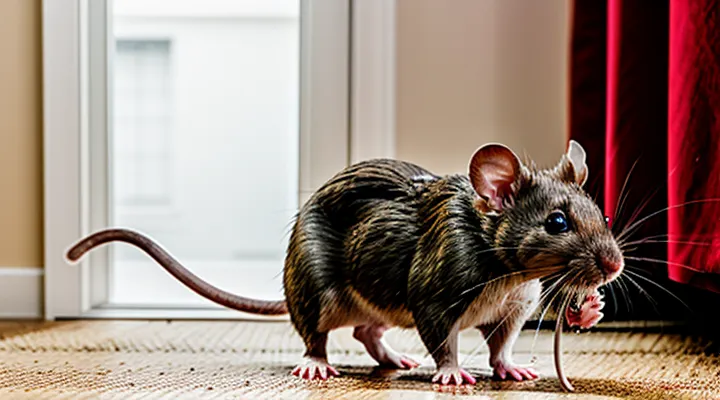
Understanding Rodent Behavior
Signs of Infestation
Droppings and Urine
Droppings and urine are primary indicators of rodent activity and sources of health hazards within a residence. Fresh feces appear as small, dark pellets, while older droppings may dry and crumble. Urine stains manifest as yellowish discolorations on surfaces, often accompanied by a pungent odor. Both substances contain pathogens such as hantavirus, salmonella, and leptospira, which can spread through inhalation of dried particles or direct contact.
Effective elimination of these contaminants requires immediate removal and thorough disinfection. Professional guidelines recommend the following steps:
- Wear disposable gloves and a mask to prevent exposure.
- Collect droppings with a damp paper towel; avoid dry sweeping to reduce aerosolization.
- Dispose of waste in a sealed plastic bag and discard it in an outdoor trash container.
- Apply an EPA‑registered disinfectant to the affected area; allow the solution to remain wet for the manufacturer’s recommended contact time.
- Rinse the surface with clean water and dry completely.
- Inspect adjacent areas for additional signs of activity and repeat the process as needed.
Persistent odors and residues attract rodents, reinforcing their presence. Eliminating droppings and urine removes the scent trails that guide rats and mice to food sources and nesting sites, thereby reducing the likelihood of re‑infestation. Regular monitoring and prompt cleaning disrupt the olfactory cues rodents rely on, contributing to long‑term control.
Gnaw Marks
Gnaw marks are the most reliable indicator of rodent activity inside a residence. They appear as shallow, crescent‑shaped incisions on wood, plastic, cables, and insulation, typically 2–6 mm deep. The pattern of the bite reveals the animal’s size: rats produce larger, more ragged cuts, while mice leave finer, cleaner edges. Identifying the material and location of the marks helps pinpoint entry points and feeding routes.
Rodents create gnaw marks to wear down continuously growing incisors. The damage compromises structural integrity, exposes wiring, and creates fire hazards. When marks are found near walls, baseboards, or behind appliances, they signal a high‑risk zone that requires immediate attention.
Effective countermeasures focus on eliminating the incentive and preventing access:
- Seal all holes larger than ¼ inch with steel wool, copper mesh, or cement.
- Replace damaged wiring and insulation to remove food sources and nesting material.
- Install metal or hard‑plastic guards on vulnerable pipes and cables.
- Deploy snap traps or electronic devices directly at the site of fresh gnaw marks.
- Apply rodent‑resistant coatings to wood and plastic surfaces in affected areas.
Regular inspection of suspected zones, combined with prompt repair of gnaw‑induced damage, reduces the likelihood of infestation and protects the home from further rodent‑related hazards.
Tracks and Runways
Rats and mice avoid clear, unobstructed pathways that expose them to predators and human activity. When a potential route is illuminated, smoothed, or bordered by hostile surfaces, the animal perceives a heightened risk and seeks alternative shelter.
Identifying tracks and runways is essential for effective control. Visible footprints, gnaw marks, and smudge trails indicate established routes. These pathways often connect food sources, nesting sites, and exit points. Disrupting them removes the sense of safety that rodents rely on.
Effective measures:
- Seal gaps around doors, windows, and utility penetrations with steel wool, caulk, or metal flashing.
- Install door sweeps and weather stripping to block low‑level entry.
- Replace smooth flooring near walls with textured mats or carpet to deter rapid movement.
- Eliminate food residues and store dry goods in airtight containers.
- Position snap traps or electronic devices directly on identified runways, ensuring they are flush with the floor.
- Apply non‑toxic repellents, such as peppermint oil or ultrasonic emitters, along the length of the pathway.
Regular inspection of suspected routes prevents re‑establishment. Maintaining a barrier‑free environment forces rodents to search elsewhere, reducing their presence in the home.
Nests and Hiding Spots
Rats and mice select concealed areas for nesting because darkness, limited disturbance, and proximity to food sources increase survival chances. Typical locations include wall voids, attic insulation, under floorboards, behind appliances, and inside stored boxes. These sites provide protection from predators, temperature fluctuations, and human activity.
When hidden spaces are inaccessible or regularly inspected, rodents abandon them, reducing population density. Sealing entry points, removing clutter, and maintaining a clean environment eliminate the conditions that encourage nest building.
Practical steps to eradicate nests and hideouts:
- Inspect structural cavities, especially near plumbing, HVAC ducts, and electrical conduits; fill gaps with steel wool, copper mesh, or caulk.
- Remove stored items from basements and attics; keep boxes off the floor and on shelves with clear back panels.
- Trim vegetation and eliminate debris that touches the building envelope to prevent exterior access to interior voids.
- Replace damaged insulation with rodent‑resistant materials; treat existing insulation with approved repellents when removal is impractical.
- Conduct regular visual checks behind appliances, under sinks, and inside cabinets; dispose of any discovered droppings, gnaw marks, or shredded material promptly.
Consistent application of these measures deprives rodents of safe nesting environments, forcing them to seek less hospitable areas outside the dwelling.
Common Entry Points
Gaps in Foundations
Gaps in foundations provide direct access points for rats and mice, allowing them to enter concealed spaces beneath the floor. Even a crack as thin as a quarter‑inch creates a viable route for these pests, which can squeeze through openings smaller than a dime. Once inside, the insects exploit the temperature stability and shelter of the sub‑floor area, establishing nests and foraging routes throughout the dwelling.
Sealing foundation gaps eliminates a primary intrusion pathway. Effective measures include:
- Inspecting the perimeter for visible cracks, voids around utility penetrations, and deteriorated sealant.
- Cleaning debris from each opening to ensure adhesive contact.
- Applying a high‑quality, flexible polyurethane sealant or hydraulic cement to fill gaps up to two inches wide.
- Installing metal flashing or stainless‑steel mesh over larger fissures before sealing, preventing future re‑opening.
- Rechecking the sealed areas after heavy rain or seasonal temperature shifts, repairing any new movement.
Regular maintenance of the foundation perimeter reduces the likelihood that rodents will encounter an inviting entry point. By removing these vulnerabilities, homeowners deprive pests of a critical habitat, thereby diminishing the overall infestation risk.
Openings Around Pipes and Wires
Rodents locate homes by exploiting gaps that surround plumbing, electrical conduits, and cable bundles. These openings provide direct pathways from exterior walls, basements, and crawl spaces into living areas, allowing rats and mice to enter unnoticed. Even small apertures—down to a quarter‑inch—are sufficient for a mouse, while a rat can slip through openings as large as a half‑inch. Unsealed gaps also create concealed routes that bypass traps and poison stations, making them a primary entry point for infestations.
Effective sealing of pipe and wire penetrations removes the most accessible routes and forces rodents to seek alternative, less favorable paths. The process involves three essential actions:
- Identify all penetrations: inspect exterior walls, foundation cracks, utility entry points, and interior junction boxes for visible gaps or loose fittings.
- Apply appropriate filler material: use steel wool for small holes, then cover with expanding polyurethane foam or cement‑based sealant; for larger openings, install metal flashing or rigid conduit sleeves before sealing.
- Maintain integrity: periodically check sealed areas for wear, especially around moving components such as HVAC ducts and water supply lines, and reapply sealant as needed.
By systematically eliminating these vulnerable points, homeowners significantly reduce the likelihood that rats and mice will gain entry, supporting broader pest‑control strategies without relying on chemical measures.
Damaged Vents and Screens
Damaged vents and screens create direct pathways for rodents to enter living spaces. Cracks, missing sections, and loose fittings expose interior rooms to the same concealment and food sources that attract rats and mice. Once inside, these openings also provide escape routes, making control efforts less effective.
Repairing and reinforcing these structures removes the primary access points. Follow these actions:
- Inspect all ventilation openings, attic hatches, and exterior screens for gaps larger than ¼ inch.
- Replace torn or corroded screen material with stainless‑steel mesh rated at ¼ inch or smaller.
- Seal cracks around ductwork, vent covers, and fan housings using rodent‑resistant caulk or expanding foam.
- Install vent covers equipped with lockable latches to prevent accidental removal.
- Conduct a seasonal check after severe weather to address new damage promptly.
Consistent maintenance of vents and screens eliminates the hidden corridors rodents use for movement, reducing infestation risk and supporting long‑term pest‑free conditions.
Unsealed Doors and Windows
Unsealed doors and windows provide direct pathways for rodents to enter living spaces. Gaps as small as a quarter‑inch allow mice, while rats can exploit openings up to two inches. Once inside, these pests locate food, water, and shelter, making the home a permanent habitat.
Sealing these entry points removes the most obvious invitation. Effective measures include:
- Installing weather‑stripping around door frames and ensuring the seal contacts the floor.
- Fitting door sweeps that cover the gap beneath exterior doors.
- Replacing cracked or warped window screens with tightly woven mesh.
- Applying silicone or expanding foam to fill cracks around window sills, lintels, and surrounding masonry.
- Checking attic and basement vents, installing mesh covers rated for rodent exclusion.
Regular inspection is essential. Inspect hinges, locks, and latch hardware for misalignment that could create gaps. Verify that sliding doors sit flush against their tracks; adjust or replace rollers if necessary. Periodic maintenance of seals prevents wear that could reopen pathways.
By eliminating unsealed doors and windows, the structure becomes inhospitable to rodents. Entry is denied, reducing the likelihood of infestation and simplifying any subsequent control efforts.
What Rodents Fear: Natural Deterrents
Predators
Cats and Dogs
Cats and dogs serve as natural deterrents for house‑bound rodents. Their scent, presence, and occasional predatory behavior trigger avoidance responses in rats and mice, reducing the likelihood of infestation. Studies show that even the mere perception of a feline or canine presence can alter rodent foraging patterns and nesting choices.
Effective use of these animals requires careful management. Owners should maintain regular veterinary care to ensure health and prevent disease transmission. Indoor cats benefit from access to elevated perches and safe escape routes, encouraging natural hunting instincts without endangering household items. Dogs trained for scent detection can locate hidden rodent activity, allowing targeted interventions.
Practical steps for homeowners:
- Keep pet areas clean; remove food scraps and waste that attract rodents.
- Provide cats with interactive toys that simulate prey, reinforcing predatory drive.
- Use dog breeds with strong scenting abilities; train them to alert owners to rodent scents.
- Rotate pet bedding and toys regularly to disrupt rodent habituation to a static environment.
Combining pet deterrence with conventional control methods—such as sealing entry points and eliminating clutter—creates a comprehensive strategy that minimizes rodent presence while maintaining a safe, pet‑friendly household.
Birds of Prey (Simulated)
Rats and mice perceive the silhouette and movement of birds of prey as a direct threat, prompting avoidance behavior that can be exploited for indoor pest control. Simulated predators replicate the visual profile, wingbeat rhythm, and occasional call of hawks, owls, or kestrels, triggering the rodents’ innate flight response without introducing live animals.
The effectiveness of artificial raptors relies on three sensory triggers:
- Visual silhouette: high‑contrast shapes resembling a predator’s outline disrupt rodent foraging routes.
- Motion dynamics: occasional wing flaps or head turns create the illusion of a living hunter.
- Acoustic cues: low‑volume calls or wing‑beat sounds reinforce the perception of danger.
To integrate simulated birds of prey into a household environment, follow these steps:
- Position decoys near entry points, pantry shelves, and concealed nesting sites; maintain a line of sight from the rodent’s typical pathways.
- Select models with realistic coloration and textured feathers; matte finishes reduce glare that could betray the artificial nature.
- Activate motion or sound functions on a random schedule; predictable patterns diminish deterrent value.
- Rotate or replace decoys every two to three weeks to prevent habituation.
- Combine with sanitation, sealing of gaps, and trap placement for comprehensive control.
Limitations include reduced impact in cluttered spaces where line of sight is obstructed and the potential for rodents to acclimate if the device remains static. Regularly adjusting placement and activity cycles preserves the predator effect and maximizes rodent avoidance.
Strong Scents
Peppermint Oil
Peppermint oil is widely recognized as a natural deterrent for rats and mice in residential settings. Its volatile compounds overwhelm the rodents’ highly developed sense of smell, prompting avoidance of treated areas.
The active ingredient, menthol, interferes with olfactory receptors, creating an environment that rodents find hostile. The scent persists for several hours before dissipating, requiring regular renewal to maintain efficacy.
Practical application methods include:
- Soaking cotton balls in undiluted peppermint oil and placing them in corners, behind appliances, and near known entry points.
- Mixing 10–15 ml of oil with one liter of water, adding a few drops of dish soap, and spraying the solution on baseboards, shelves, and window sills.
- Using a plug‑in diffuser set on low intensity, positioning it in rooms where activity is observed.
- Applying a few drops directly onto wooden blocks or silicone pads, then positioning them in crawl spaces or attics.
Effectiveness peaks within the first 24 hours after treatment. Studies indicate a noticeable reduction in rodent sightings when peppermint oil is combined with physical barriers and trapping devices. Reapplication every two to three days sustains the repellent effect.
Safety precautions are essential. Pure oil can irritate skin and mucous membranes; use gloves when handling. Keep treated items out of reach of children and pets, especially cats, which may react adversely to strong aromas. Avoid contact with painted surfaces, as oil may cause discoloration.
Peppermint oil alone does not eradicate infestations. Successful control requires sealing cracks, eliminating food sources, and deploying mechanical traps. When integrated into a comprehensive management plan, peppermint oil contributes to a less inviting environment for rats and mice.
Ammonia
Ammonia is a widely available chemical that creates an environment rodents find intolerable. Its sharp, pungent odor overwhelms the highly developed olfactory system of rats and mice, prompting immediate avoidance of treated areas.
The repellent effect stems from ammonia’s ability to irritate nasal mucosa and respiratory passages. Even low concentrations trigger a reflexive flight response, preventing entry into kitchens, basements, or attics where the substance is applied.
Application guidelines
- Mix one part household ammonia (5–10 % concentration) with three parts water.
- Soak cotton balls or cloth strips in the solution, then place them in corners, behind appliances, and near known entry points.
- Replace soaked material every 48 hours to maintain potency.
- Keep the solution away from food preparation surfaces and children’s play areas.
- Use protective gloves and ensure adequate ventilation during preparation.
Precautions and limitations
- Direct contact with skin or eyes may cause burns; wear gloves and goggles.
- Strong odor can be unpleasant for occupants; limit use to unoccupied rooms or brief exposure periods.
- Ammonia does not eradicate established infestations; combine with trapping or sealing of entry points for comprehensive control.
- Pets, especially birds, are highly sensitive to ammonia fumes; avoid placement in shared spaces.
When employed correctly, ammonia provides a cost‑effective, non‑chemical barrier that exploits rodents’ natural aversion, reducing the likelihood of indoor colonization.
Cayenne Pepper
Cayenne pepper contains capsaicin, a chemical that irritates the nasal passages and mucous membranes of rodents. When dispersed in areas where rats and mice travel, the strong scent and burning sensation discourage entry and lingering.
Application methods:
- Sprinkle a thin layer of powdered cayenne along baseboards, behind appliances, and in cracks where gnawing activity is observed. Reapply after cleaning or after rain exposure.
- Mix equal parts cayenne powder and powdered garlic, then spread the blend in pantry corners and storage shelves to enhance repellent strength.
- Prepare a spray by dissolving one tablespoon of cayenne powder in a cup of water, adding a few drops of liquid soap, and spraying the solution on surfaces that cannot be dusted, such as the underside of cabinets.
Safety considerations:
- Wear gloves and a mask during handling to prevent skin and eye irritation.
- Avoid direct contact with food preparation surfaces; label treated zones clearly.
- Children and pets should not have access to treated areas until the residue has dried completely.
Effectiveness:
- Studies show capsaicin reduces rodent activity by up to 70 % within 48 hours of initial application.
- The deterrent effect diminishes as the powder absorbs moisture; regular reapplication maintains potency.
Limitations:
- Heavy infestations often require integrated pest management, combining traps, sealing entry points, and professional treatment.
- Strong odors may be unpleasant to humans; ventilation mitigates lingering scent.
Cayenne pepper offers a low‑cost, non‑chemical option for deterring rats and mice, particularly in localized problem spots. Proper placement, consistent reapplication, and complementary control measures maximize its utility.
Clove Oil
Clove oil is a potent natural repellent that exploits rodents’ acute sense of smell. The oil’s primary component, eugenol, emits a strong, pungent aroma that overwhelms the olfactory receptors of rats and mice, causing discomfort and prompting them to vacate treated areas.
Application methods:
- Dilute clove oil with water at a ratio of 1 ml per 250 ml; add a few drops of mild dish soap to improve surface tension.
- Soak cotton balls or small fabric pads in the diluted solution and place them in corners, behind appliances, and along wall voids where activity is observed.
- For larger spaces, fill spray bottles with the same mixture and mist floorboards, baseboards, and entry points every 3–4 days.
- Combine with other aromatic deterrents (e.g., peppermint or eucalyptus) to broaden the scent spectrum and reduce the chance of habituation.
Effectiveness factors:
- Concentration above 5 % may cause skin irritation in humans and pets; maintain recommended dilution.
- Replace treated media weekly; clove oil’s volatility reduces potency after 48 hours.
- Ensure the area is well‑ventilated during application to prevent respiratory irritation.
Safety considerations:
- Store clove oil in a sealed container away from direct sunlight.
- Test a small, inconspicuous area for material compatibility before widespread use.
- Keep out of reach of children and animals; ingesting concentrated oil can be toxic.
By integrating clove oil into a systematic repellent regimen, homeowners can exploit rodents’ aversion to the oil’s intense odor, reduce infestations, and limit reliance on synthetic chemicals.
Loud Noises and Ultrasonic Devices
Effectiveness and Limitations
Rats and mice react to specific stimuli that signal danger, and control strategies rely on provoking those responses. The degree to which each method reduces activity depends on how consistently the animal perceives the stimulus as threatening.
- Ultrasonic emitters generate frequencies beyond human hearing; initial avoidance rates often exceed 70 % in enclosed spaces. Effectiveness declines after 2–3 weeks as rodents acclimate to the sound pattern.
- Snap traps and electronic killers produce sudden, sharp noises and physical shock. Immediate capture rates reach 80–90 % when bait placement matches foraging routes. Success drops sharply if trap locations are altered or if food sources are abundant elsewhere.
- Predator odors (e.g., fox urine, feline feces) trigger innate fear. Short‑term avoidance can reduce activity by 30–50 % in newly treated areas. Persistence is limited; scent dissipates within days, requiring frequent reapplication.
- Visual deterrents such as flashing lights or moving silhouettes produce momentary alarm. Field observations show a 15–25 % decrease in rodent traffic, but rodents quickly learn to ignore static patterns.
Limitations arise from behavioral adaptation, environmental complexity, and species variation. Rodents habituate to repetitive sounds, reducing ultrasonic efficacy after repeated exposure. Traps lose appeal if alternative food sources remain plentiful, and improper bait selection can render them ineffective. Predator scents lose potency when ventilation disperses the odor, and some species—particularly house mice—show weaker responses to visual cues. Additionally, structural gaps and hidden pathways allow rodents to bypass deterrents entirely, rendering localized measures insufficient for whole‑house protection.
Optimal outcomes require integrating multiple tactics, rotating stimuli to prevent habituation, and sealing entry points. Continuous monitoring of activity levels guides adjustments, ensuring that each method remains a credible threat rather than a background noise. Combining ultrasonic devices with strategically placed traps and periodic predator‑odor applications maximizes overall reduction while mitigating the inherent limitations of any single approach.
Bright Lights and Sudden Movements
Motion-Activated Lights
Motion‑activated lighting systems deter rodents by introducing sudden illumination whenever movement is detected. Rats and mice, being nocturnal, rely on darkness for safe navigation; abrupt light exposure triggers a stress response that discourages entry and encourages retreat.
The devices operate on a simple principle: a passive infrared sensor monitors a defined zone, and when body heat exceeds a threshold, an LED or fluorescent lamp flashes for a preset duration. The flash duration and intensity can be adjusted to suit the size of the area and the species targeted.
Key advantages:
- Immediate visual disturbance disrupts foraging routes.
- Low power consumption; many units run on batteries for weeks.
- Installation requires only mounting the sensor and power source, no wiring.
- Minimal maintenance; LEDs retain brightness for thousands of hours.
Considerations for optimal use:
- Position sensors near known entry points such as gaps under doors, utility chases, and pantry corners.
- Aim the light beam toward hiding spots, not directly at open windows, to avoid attracting insects that could provide alternative food sources.
- Set the detection range to avoid frequent activation by pets or human traffic, which can reduce effectiveness.
- Combine with sealing of cracks and placement of traps for a comprehensive control strategy.
When deployed correctly, motion‑activated lights create an environment that rodents perceive as unsafe, reducing their presence without chemicals or physical barriers.
Effective Elimination Strategies
Trapping Methods
Snap Traps
Snap traps remain one of the most reliable tools for controlling rodent intruders inside a dwelling. Their design delivers a rapid, lethal blow that most rats and mice instinctively avoid once they associate the device with danger. The threat is perceived through visual cues—bright metal springs, dark bait stations, and the distinctive clicking sound when the trap is set—triggering the animals’ natural wariness of unfamiliar objects.
Effective use of snap traps requires precise selection and placement. Choose traps sized for the target species: larger models for rats, smaller ones for mice. Use high‑protein or grain bait to entice the pest, and secure the bait firmly to prevent premature removal. Position traps along walls, behind appliances, and in concealed pathways where gnaw marks or droppings indicate activity. Place the trigger end facing the wall so the rodent approaches from the side, reducing the chance of a missed strike.
Safety considerations protect occupants and pets. Keep traps out of reach of children, wear gloves when handling, and inspect each device before placement to ensure the spring is fully tensioned. After a capture, wear disposable gloves, dispose of the carcass in a sealed bag, and reset the trap with fresh bait.
Key practices for maximum impact:
- Inspect suspected routes weekly; relocate traps if no activity is observed.
- Replace worn or rusted traps promptly to maintain lethal force.
- Combine snap traps with exclusion measures—seal gaps, repair broken screens, and store food in airtight containers—to reduce re‑infestation.
- Record capture dates and locations to identify hotspots and adjust trap density accordingly.
When deployed correctly, snap traps provide swift elimination of rodents, disrupt their foraging patterns, and deter further incursions by reinforcing the perception of lethal risk within the household environment.
Live Traps
Live traps provide a humane solution for removing rats and mice from residential spaces. The devices capture rodents without killing them, allowing owners to release the animals far from the property. This method eliminates the health risks associated with dead pests and prevents secondary infestations caused by carcasses.
Effective use of live traps requires strategic placement and proper bait selection. Traps should be positioned along walls, behind appliances, and near known gnawing sites, because rodents travel close to surfaces. Peanut butter, dried fruit, or small pieces of meat serve as strong attractants; a single dab is sufficient to lure a wary rodent into the chamber.
Key practices for successful deployment:
- Check traps at least twice daily to reduce stress on captured animals.
- Wear disposable gloves when handling traps to avoid transferring scent trails.
- Release captured rodents at least five miles from the residence, preferably in a wooded or agricultural area.
- Reset each trap promptly after release to maintain continuous pressure on the infestation.
When live traps are integrated with sanitation measures—such as sealing entry points, removing food residues, and decluttering storage areas—the overall rodent population declines rapidly. Consistent application of these steps offers a reliable, non‑lethal approach to controlling unwanted visitors in the home.
Glue Traps (Considerations)
Glue traps provide a quick method to capture rodents without the need for poison or live‑catch equipment. Their effectiveness depends on proper placement, selection of appropriate size, and awareness of potential drawbacks.
When using glue traps, consider the following factors:
- Location – Position traps along walls, behind appliances, and in dark corners where rodents travel. Place them perpendicular to the wall, with the sticky surface facing the expected direction of movement.
- Size and strength – Choose traps large enough to hold the target species. A trap rated for mice may not contain a rat, while an oversized trap can waste adhesive and increase the chance of non‑target captures.
- Safety – Keep traps out of reach of children and pets. Seal unused traps in airtight containers to prevent accidental contact.
- Humane concerns – Glue traps cause prolonged suffering. Evaluate whether the method aligns with ethical standards and local regulations. Some jurisdictions restrict or ban their use.
- Monitoring – Check traps daily. Remove captured rodents promptly to avoid decomposition, which can attract insects and create odor problems.
- Disposal – Wear gloves, place the trap in a sealed bag, and discard according to local waste guidelines. Do not reuse traps after a capture.
- Environmental factors – High humidity reduces adhesive effectiveness; replace traps in damp areas more frequently.
- Complementary tactics – Combine glue traps with exclusion measures, sanitation improvements, and, where appropriate, snap traps or bait stations to increase overall control success.
Understanding these considerations helps ensure that glue traps contribute to a comprehensive rodent‑management plan while minimizing unintended consequences.
Multi-Catch Traps
Multi‑catch traps provide a reusable solution for reducing rat and mouse populations inside residential buildings. The devices consist of a hinged or sliding entry panel that releases a spring‑loaded mechanism when a rodent triggers a pressure plate, capturing several individuals before requiring reset.
Key characteristics include:
- Capacity to hold multiple captured rodents, reducing the frequency of trap checks.
- Simple mechanical activation, eliminating the need for electricity or batteries.
- Transparent or mesh chambers that allow visual verification of catches.
Effective placement follows a pattern of targeting high‑traffic routes:
- Identify walls, baseboards, and concealed pathways where droppings or gnaw marks appear.
- Position traps perpendicular to these routes, with the entry side facing the wall.
- Maintain a spacing of 5‑10 feet between traps to cover overlapping activity zones.
Routine maintenance involves inspecting the chamber daily, disposing of captured rodents according to local regulations, and resetting the spring mechanism. Cleaning the interior with a mild detergent prevents scent buildup that could deter further activity.
Safety considerations require securing traps out of reach of children and pets, using lockable lids where available, and selecting models with smooth edges to avoid accidental injury. When properly deployed, multi‑catch traps deliver consistent reductions in rodent presence while minimizing labor and cost.
Baits and Poisons
Rodenticides (Safety Precautions)
Rodenticides provide rapid reduction of rodent populations but require strict adherence to safety protocols to prevent accidental poisoning of humans, pets, and non‑target wildlife.
First‑generation anticoagulants such as warfarin and chlorophacinone act by disrupting blood clotting; second‑generation compounds like bromadiolone and difethialone are more potent and effective at lower doses. Non‑anticoagulant options, including zinc phosphide and cholecalciferol, cause rapid metabolic failure. Selecting the appropriate class depends on the severity of infestation, resistance patterns, and the presence of vulnerable animals.
Handling rodenticides safely involves several essential measures:
- Wear disposable gloves and, when dust formulations are used, a particulate‑filtering mask.
- Store containers in a locked, temperature‑controlled area inaccessible to children and pets.
- Keep original labels intact; record batch numbers, expiration dates, and application locations.
- Place bait stations out of reach of non‑target species, securing them to walls or using tamper‑proof units.
- Clean spills immediately with absorbent material, then dispose of waste according to local hazardous‑waste regulations.
Apply bait in calibrated amounts, following manufacturer instructions for concentration and frequency. Monitor stations daily, remove dead rodents promptly, and replenish bait only after confirming continued activity. Avoid scattering loose bait on floors or countertops, which increases ingestion risk for unintended occupants.
Compliance with regional pest‑control legislation is mandatory; many jurisdictions require licensed applicators for second‑generation anticoagulants and impose reporting obligations for large‑scale use. Environmental stewardship calls for minimizing runoff by keeping bait stations away from drains and food preparation areas. Proper disposal of unused product and contaminated containers reduces long‑term ecological impact.
Bait Stations
Bait stations provide a sealed environment where rodents encounter a lethal or non‑lethal attractant without exposing occupants or pets to risk. The device’s enclosed design eliminates the primary fear rodents have of open, exposed bait, encouraging them to feed safely inside the unit.
Effective deployment relies on strategic placement. Position stations along walls, behind appliances, in dark corners, and near known activity trails. Avoid high‑traffic human areas to reduce accidental contact. Secure each station to the floor or a fixed surface to prevent removal by curious animals.
Key advantages of bait stations include:
- Targeted delivery – rodents must enter the chamber to access the bait, ensuring consumption.
- Reduced secondary poisoning – containment prevents predators or scavengers from ingesting unconsumed poison.
- Easy monitoring – clear lids allow quick inspection of bait depletion and rodent activity.
- Compliance with regulations – many jurisdictions require sealed devices for indoor pest control.
Maintenance involves regular inspection, replenishment of bait, and proper disposal of used stations according to local guidelines. Replace stations promptly when bait is exhausted or when signs of tampering appear.
When integrated with sanitation measures—such as sealing entry points, eliminating food sources, and reducing clutter—bait stations become a central component of a comprehensive rodent‑control program, directly addressing the aversion rodents have to unprotected, visible threats while delivering an effective eradication method.
Professional Pest Control
When to Call an Exterminator
Rats and mice can cause structural damage, contaminate food, and spread disease. Homeowners often attempt DIY measures, but certain conditions demand professional intervention.
- Visible droppings in kitchens, pantries, or hidden areas.
- Gnaw marks on wiring, insulation, or structural components.
- Persistent noises in walls or attics, especially at night.
- Multiple live or dead rodents discovered in a short period.
- Failure of traps or bait stations after several weeks of use.
- Evidence of nesting material, such as shredded paper or fabric.
When any of these indicators appear, a licensed pest‑control specialist should be contacted. Professionals provide comprehensive inspection, identify entry points, and apply treatments that exceed the capabilities of over‑the‑counter products. They also guarantee compliance with local regulations and offer follow‑up monitoring to prevent re‑infestation.
Delaying professional help can increase repair costs, health risks, and the likelihood of a full‑scale infestation. Promptly engaging an exterminator reduces long‑term expenses and safeguards the household environment.
Integrated Pest Management (IPM)
Integrated Pest Management (IPM) offers a systematic framework for reducing rodent activity in residential environments. The approach combines preventive measures, continuous monitoring, and targeted interventions, thereby minimizing reliance on chemical treatments.
Effective IPM for rats and mice begins with a thorough inspection of the property. Inspectors identify signs of activity—droppings, gnaw marks, burrows—and map entry points. Data collected during inspections guide the selection of control tactics and enable progress tracking.
Key components of an IPM program include:
- Sanitation: Eliminate food sources by storing pantry items in airtight containers, promptly cleaning spills, and disposing of waste in sealed bins.
- Exclusion: Seal cracks, gaps, and openings larger than ¼ inch with steel wool, concrete, or metal flashing to block ingress.
- Physical control: Deploy snap traps, electronic devices, or live‑catch traps in identified hot spots; position traps perpendicular to walls where rodents travel.
- Biological deterrents: Install predator scent products or ultrasonic emitters to create an unfavorable environment for rodents.
- Chemical treatment: Apply rodenticides only after non‑chemical methods have failed; use bait stations placed in inaccessible locations to protect non‑target species.
Monitoring remains essential throughout the process. Set up tracking boards or motion‑activated cameras to verify activity levels, adjust trap placement, and confirm the effectiveness of exclusion work. Document findings weekly; a decline in detection signs indicates successful suppression.
When a rodent population resurfaces, revisit each IPM element. Reinforce sanitation practices, re‑inspect structural integrity, and rotate trap types to prevent habituation. The iterative nature of IPM ensures long‑term control while reducing health risks associated with unchecked rodent infestations.
Prevention and Long-Term Control
Sealing Entry Points
Caulking and Steel Wool
Rodents instinctively seek gaps that provide easy entry and hideaway opportunities. Tight, sealed openings deprive them of passage and shelter, making caulking and steel wool among the most reliable deterrents.
Caulking creates a continuous, impermeable barrier around cracks, seams, and pipe penetrations. Silicone‑based or polyurethane formulas remain flexible, resist weathering, and adhere to wood, concrete, and metal. Apply the sealant after cleaning the surface, press it into the void, and smooth the bead to eliminate any residual space.
Steel wool fills openings that are too large for sealant alone. The fibrous mesh resists gnawing because the sharp strands irritate rodent incisors. When placed behind a thin layer of caulk, the steel wool stays in place and the combined barrier cannot be breached by chewing.
Practical implementation:
- Inspect foundation, walls, and utility entry points for gaps larger than ¼ inch.
- Insert a generous amount of steel wool into each opening, ensuring the fibers reach the far side.
- Cover the steel wool with a bead of caulk, smoothing it to seal completely.
- Allow the sealant to cure according to manufacturer instructions before exposing the area to moisture.
- Re‑inspect annually; replace degraded steel wool and reapply caulk where cracks have re‑opened.
By eliminating entry routes with these materials, homeowners remove the primary attraction for rats and mice, reducing the likelihood of infestation without reliance on traps or chemicals.
Repairing Damaged Structures
Rats and mice exploit gaps, cracks, and weakened building components to enter homes. When these vulnerabilities are repaired, the primary pathways for infestation disappear, reducing the likelihood of re‑entry.
Identify and seal openings that lead to the interior. Typical problem areas include:
- Cracked foundation walls
- Gaps around utility penetrations (pipes, cables)
- Damaged roof sheathing or missing shingles
- Unfinished attic floorboards
- Loose siding or deteriorated trim
Use appropriate materials for each location. Cement‑based mortar or hydraulic cement works for foundation cracks; steel wool combined with caulk blocks rodent‑sized openings around utilities; metal flashing reinforces roof defects; plywood or oriented strand board restores compromised attic flooring; and weather‑resistant sealant restores siding integrity. Ensure all repairs are flush with surrounding surfaces to prevent future gnawing.
After structural work, inspect the site for signs of activity. Look for fresh gnaw marks, droppings, or nesting material near repaired sections. If evidence persists, consider additional measures such as trapping or professional pest control to eliminate any remaining occupants.
Maintaining the repaired structures requires periodic checks, especially after extreme weather. Promptly address new damage to preserve the barrier that deters rodents and keeps the residence secure.
Food Storage and Sanitation
Airtight Containers
Airtight containers deny rodents access to food, a primary attraction in residential settings. By sealing crumbs, pet food, and dry goods, these containers remove the scent cues that draw rats and mice into kitchens and pantries, reducing the likelihood of initial entry and subsequent nesting.
Key attributes of effective containers include:
- Lids that lock with a snap‑fit or compression seal, preventing even the smallest gnawing pressure from opening.
- Materials such as heavy‑gauge plastic or stainless steel that resist chewing and are easy to clean.
- Transparent sides for visual inventory, eliminating the need to open containers frequently.
- Size options that accommodate bulk purchases while still fitting standard shelving.
Implementation steps:
- Transfer all dry consumables—cereals, grains, nuts, and pet food—into the sealed containers immediately after purchase.
- Store containers on low shelves or in cupboards where rodents cannot reach them.
- Inspect seals weekly for damage; replace any compromised lid or container.
- Maintain a regular cleaning routine for pantry surfaces to remove residual odors that could attract pests.
Regular Cleaning
Regular cleaning removes food residues that attract rodents, eliminates water sources, and reduces clutter where they can build nests. Consistently wiping surfaces, sweeping floors, and promptly disposing of waste deprive rats and mice of the resources they seek, making the environment inhospitable.
Effective cleaning routine includes:
- Vacuuming carpets and upholstery daily to capture crumbs and droppings.
- Mopping hard floors after each meal preparation to eliminate spills.
- Emptying trash bins every 24 hours and using sealed containers.
- Cleaning behind appliances, under sinks, and inside cabinets weekly to reach hidden food particles.
- Washing dishes immediately; avoiding overnight piles in the sink.
- Sanitizing pet feeding areas after each use.
Maintaining these practices limits access to nourishment and moisture, directly discouraging rodent activity and supporting broader pest‑management strategies.
Yard Maintenance
Trimming Vegetation
Trimming vegetation around a residence reduces shelter and food sources that attract rodents, making the property less inviting to rats and mice. Dense shrubs, overgrown hedges, and tall grass provide cover for foraging and nesting; removing these elements forces pests to seek alternative habitats, often farther from the building.
Key actions:
- Cut back shrubs to a height of no more than six inches from the ground. This eliminates low-level hiding spots and improves visibility for predators and homeowners.
- Maintain a clear zone of at least three feet between the house foundation and any vegetation. This distance prevents rodents from using plants as a bridge to reach the structure.
- Prune tree branches that overhang the roof or walls. Direct contact creates a pathway for climbing rodents; trimming forces them to descend before reaching the building.
- Remove dead or decaying plant material promptly. Decomposing matter serves as a food source for insects, which in turn attract rodents.
- Keep lawn mowing regular, aiming for grass height under two inches. Short grass reduces ground cover and hinders movement.
Implementing these measures limits the environmental conditions that rodents seek, thereby decreasing the likelihood of infestation and supporting broader pest‑management strategies.
Removing Debris
Rats and mice exploit piles of junk, cardboard, and unused materials as safe harborage. Loose debris creates dark, inaccessible cavities where rodents can nest, store food, and avoid predators. By eliminating such clutter, homeowners remove the primary refuge that encourages infestation.
Key actions for effective debris removal:
- Collect all discarded items, broken furniture, and packaging from corners, attics, basements, and garages.
- Dispose of waste in sealed containers; avoid leaving bags or boxes open to the environment.
- Sweep floors, vacuum corners, and use a shop‑vac to extract dust, shredded paper, and insulation fragments.
- Store necessary items in sealed plastic bins with tight‑fitting lids; label bins to prevent accidental opening.
- Conduct a final inspection for hidden crevices behind appliances, under shelving, and inside wall voids; fill gaps with steel wool or appropriate sealant.
Removing clutter reduces the number of entry points and eliminates the concealment that rodents rely on for survival. The result is a less inviting habitat, making other control measures—such as traps or exclusion devices—more effective. Regular maintenance of a clean, organized interior sustains the deterrent effect and minimizes the risk of future rodent activity.
Monitoring and Maintenance
Regular Inspections
Regular inspections are a primary deterrent for rodents that seek shelter in residential spaces. By systematically examining potential entry points, food sources, and nesting areas, homeowners remove the conditions that attract rats and mice, thereby reducing the likelihood of infestation.
Key inspection tasks include:
- Checking foundation cracks, gaps around doors, windows, and utility penetrations; sealing any openings with steel wool, caulk, or hardware cloth.
- Inspecting attic, basement, and crawl‑space for debris, insulation damage, or water leaks that create humid, concealed environments.
- Verifying that all food storage containers are airtight and that countertops, floors, and pet feeding stations are free of crumbs.
- Monitoring waste bins, compost piles, and outdoor grills for accessible refuse; using tight‑fitting lids and routine removal.
Conducting these checks monthly, and after severe weather events, ensures early detection of rodent activity before populations establish. Prompt remediation of identified issues maintains a hostile environment for unwanted pests.