
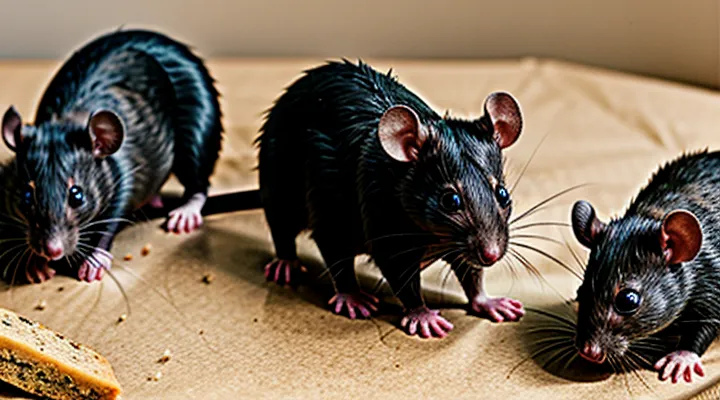
Why Homemade Treats Are Great for Your Rat
Benefits of DIY Rat Snacks
Healthier Ingredients
When preparing snacks for pet rodents, selecting ingredients that support digestive health, immune function, and weight management is essential. Whole grains such as rolled oats, barley, and quinoa provide complex carbohydrates and fiber, which aid intestinal motility and prevent constipation. Fresh vegetables—including finely shredded carrots, broccoli florets, and spinach leaves—contribute vitamins A, C, K, as well as calcium and iron. Fruit pieces, limited to low‑sugar varieties like blueberries, apple slices, or strawberries, supply antioxidants without excessive glucose.
Protein sources should be lean and easily digestible. Options include boiled egg white, low‑fat cottage cheese, cooked chicken breast, or unsalted, roasted chickpeas. Small quantities of nuts—almonds, walnuts, or hazelnuts—add omega‑3 fatty acids and micronutrients, but must be offered sparingly to avoid excess fat.
Avoid ingredients that introduce health risks:
- Processed sugars, honey, or syrup
- Artificial sweeteners, especially xylitol
- High‑sodium foods such as cured meats or cheese spreads
- Fried or greasy items
- Dairy products with high lactose content
Preparation guidelines enhance safety and nutritional value. Wash all produce thoroughly, remove seeds or pits, and cut components into bite‑size pieces to prevent choking. Cook protein sources without added oil or seasoning; steaming or boiling preserves nutrients while eliminating pathogens. Allow treats to cool completely before serving, and store leftovers in a sealed container within two days.
Balancing macronutrients—approximately 60 % carbohydrates, 20 % protein, and 20 % healthy fats—mirrors the natural diet of wild rodents and promotes optimal health. Regular rotation of ingredients prevents monotony and reduces the risk of nutrient deficiencies.
Cost-Effectiveness
Producing treats at home for pet rats markedly reduces expenses compared with purchasing commercial products. Ingredient prices are low, portion sizes are controllable, and waste is minimized.
Typical components—rolled oats, unsweetened applesauce, plain yogurt, and finely chopped vegetables—cost less than one cent per gram. A single batch yields dozens of servings, bringing the per‑treat cost to fractions of a cent, whereas store‑bought equivalents often exceed several cents each.
Cost‑saving measures include:
- Buying bulk grains and legumes; unit price drops sharply with larger quantities.
- Using seasonal produce; market rates decline during peak harvest periods.
- Repurposing vegetable trimmings that would otherwise be discarded.
- Preparing treats in advance and storing them in airtight containers to extend shelf life.
Overall, self‑made rat snacks provide a financially efficient alternative, allowing owners to allocate resources to other aspects of pet care without compromising nutritional quality.
Bonding Opportunities
Preparing fresh, nutritious snacks offers a practical method to strengthen the relationship with pet rats. The act of mixing ingredients, shaping portions, and presenting the treat engages the animal’s senses, encouraging curiosity and trust. Regular participation in this routine signals consistency, which rodents interpret as safety.
During the preparation phase, gentle handling of the rat—allowing it to sniff the ingredients, observe the process, and receive brief, calm touches—creates direct physical contact. This tactile exchange releases oxytocin‑like responses, fostering emotional attachment without the need for elaborate training sessions.
Key bonding opportunities include:
- Offering the finished treat by hand, promoting eye contact and gentle nibbling.
- Allowing the rat to assist by retrieving small pieces from a shallow dish, reinforcing cooperative behavior.
- Incorporating short, quiet pauses while the treat cools, during which the owner can stroke the animal’s back or head.
- Rotating flavors and textures weekly, providing novelty that maintains the rat’s interest and reinforces positive anticipation.
Consistent use of these practices transforms a simple culinary activity into a reliable conduit for trust, affection, and mutual enjoyment.
Safety First: What Not to Feed Your Rat
Toxic Foods to Avoid
Common Household Items
Everyday kitchen supplies can be transformed into nutritious snacks for pet rats. The approach relies on ingredients that are readily available, inexpensive, and safe when prepared correctly.
- Oats or rolled oats – provide fiber; serve plain or lightly toasted.
- Whole‑grain bread – cut into bite‑size cubes; remove crusts if hard.
- Unsweetened applesauce – offers moisture and natural sweetness; use sparingly.
- Cooked plain rice – soft texture; cool before serving.
- Small pieces of cooked carrots – source of beta‑carotene; avoid seasoning.
- Plain yogurt – probiotic benefit; choose low‑fat, unsweetened varieties.
- Peanut butter – protein boost; ensure it contains no xylitol or added salt.
- Hard‑boiled egg – rich in protein; remove shell and chop finely.
Preparation must eliminate additives such as salt, sugar, garlic, onions, and artificial flavors. Items should be washed, cooked without oil, and cooled to room temperature before offering. Portion sizes should not exceed a few teaspoons per day to maintain balanced nutrition. Regular monitoring of weight and activity confirms suitability of the homemade snacks.
Foods High in Sugar or Fat
Rats enjoy occasional treats that are richer in sugar or fat, but such items must be offered sparingly to prevent obesity and metabolic disorders. Homemade alternatives allow precise control over ingredient quality and portion size, supporting balanced nutrition while satisfying cravings.
- Dried fruit pieces (e.g., apricot, banana) – high natural sugars, low added fat.
- Small portions of unsalted peanut butter – dense fat source, protein complement.
- Cooked oatmeal mixed with a drizzle of honey – modest sugar, complex carbohydrates.
- Soft cheese cubes (e.g., mozzarella) – saturated fat, calcium contribution.
- Miniature granola bars formulated without artificial sweeteners – concentrated energy, fiber.
Limit each high‑sugar or high‑fat treat to a maximum of one teaspoon per day. Blend ingredients into a smooth paste, shape into bite‑size pieces, and chill to firm texture. Store in airtight containers at refrigeration temperature to preserve freshness and prevent spoilage. Monitoring body condition regularly ensures treats remain a beneficial supplement rather than a health risk.
Portion Control and Frequency
Avoiding Overfeeding
When preparing DIY snacks for pet rats, controlling portion size prevents health complications. Excess calories accelerate weight gain, strain the cardiovascular system, and increase the risk of fatty liver disease. Monitoring intake preserves a balanced diet and supports longevity.
Recommended practices include:
- Weigh each treat before offering; a typical snack portion ranges from 0.5 to 1 gram per animal.
- Limit treat frequency to two or three times per week; the majority of nutrition should come from a high‑quality commercial pellet base.
- Use a small spoon or calibrated scoop to dispense consistent amounts.
- Record daily consumption in a log to identify trends and adjust portions promptly.
Signs of overfeeding appear as rapid weight increase, reduced activity, and enlarged abdomen. Regularly weigh rats and compare measurements to breed‑specific standards. If growth exceeds expected limits, reduce treat volume or extend the interval between servings.
Storage considerations also affect consumption. Keep homemade snacks in airtight containers in the refrigerator; stale or odor‑rich treats may entice rats to eat more than intended. Portion the batch into individual packets to eliminate the temptation of large, unmeasured supplies.
By adhering to precise measurements, scheduled intervals, and vigilant observation, caretakers maintain nutritional balance while still providing enjoyable, homemade rewards.
Recommended Treat Sizes
Treat size directly influences a rat’s ability to chew safely and digest efficiently. Oversized pieces can cause choking, while pieces that are too small may be swallowed whole, increasing the risk of gastrointestinal blockage. Selecting an appropriate dimension for each snack ensures the animal can manipulate the treat with its incisors and consume it without stress.
Recommended dimensions for common homemade rat treats:
- Soft fruit or vegetable cubes: approximately 5 mm × 5 mm × 5 mm (roughly the size of a pea).
- Hard cheese or nut fragments: 4 mm × 4 mm × 4 mm, allowing gradual gnawing.
- Bread or grain bites: 6 mm × 6 mm × 6 mm, providing sufficient texture for dental wear.
- Protein‑rich pellets (e.g., boiled egg, cooked lean meat): 3 mm × 3 mm × 3 mm, facilitating easy handling.
When preparing treats, cut each component to the specified size before offering. Adjust dimensions slightly for younger or larger rats, but never exceed the maximum measurements listed. Consistency in treat size supports regular chewing activity, promotes oral health, and reduces the likelihood of accidental ingestion of overly large fragments. «Treats should be no larger than a pea»—a guideline endorsed by veterinary nutritionists for small rodents.
Easy Homemade Treat Recipes
Fruit and Vegetable Delights
Baked Apple Crisps
Baked apple crisps provide a low‑fat, fiber‑rich snack suitable for pet rodents. Apples contain natural sugars, vitamins A and C, and antioxidants; baking reduces moisture, creating a crunchy texture that encourages chewing and dental health.
Ingredients
- Fresh, organic apples, washed and core‑removed
- Optional: a pinch of ground oat bran for added fiber
Preparation steps
- Preheat oven to 150 °C (300 °F).
- Slice apples uniformly, 3–4 mm thick, to ensure even drying.
- Arrange slices on a parchment‑lined baking tray, leaving space between pieces.
- If using oat bran, sprinkle a thin layer over each slice.
- Bake for 45–60 minutes, rotating the tray halfway through to promote uniform crispness.
- Allow crisps to cool completely on a wire rack before serving.
Safety notes
- Verify that apples are free of pesticide residues; organic produce minimizes risk.
- Remove all seeds, as they contain trace cyanogenic compounds.
- Offer only a few crisps per day; excess fruit may cause digestive upset.
Storage recommendations
- Store in an airtight container at room temperature for up to one week.
- For longer preservation, keep in a refrigerator; moisture may cause softening.
Baked apple crisps combine nutritional value with a texture that supports oral health, making them a practical addition to a rodent’s diet.
Dehydrated Sweet Potato Chews
Dehydrated sweet potato chews provide a high‑fiber, vitamin‑rich option for pet rodents. The low sugar content and natural texture support dental health while delivering essential nutrients such as beta‑carotene and potassium.
Ingredients
- Fresh sweet potato, washed and peeled
- Optional: a pinch of powdered calcium supplement
Preparation
- Slice sweet potato into 2‑3 mm thick rounds.
- Arrange slices on a silicone baking mat, ensuring no overlap.
- Dehydrate at 55 °C (130 °F) for 6–8 hours, or until completely dry and crisp.
- Allow to cool, then store in an airtight container.
Storage
- Keep in a cool, dark place.
- Use within four weeks to maintain optimal texture and nutrient levels.
- Discard any chews that develop mold or off‑odors.
Feeding guidelines
- Offer 1–2 small chews per day, adjusting quantity to the animal’s size and activity level.
- Monitor for signs of digestive upset; discontinue if loose stools occur.
- Combine with a balanced pellet diet to ensure complete nutrition.
Frozen Pea Pops
Frozen pea pops provide a low‑calorie, high‑fiber treat that supports dental health and hydration in pet rats. The simple composition—green peas, water, and optional calcium supplement—delivers essential vitamins A, C, and K, as well as potassium and magnesium.
Ingredients
- Fresh or frozen green peas, unsalted
- Filtered water
- Calcium powder (optional, one‑quarter teaspoon per cup of peas)
Preparation
- Rinse peas thoroughly; if using frozen peas, thaw completely.
- Blend peas with enough water to create a smooth puree.
- Stir in calcium powder, if desired.
- Spoon mixture into silicone ice‑cube trays or small silicone molds.
- Freeze for 4–6 hours until solid.
Storage and serving
- Keep trays sealed in the freezer; individual pops remain viable for up to three months.
- Offer one or two pops per day, depending on the rat’s size and overall diet.
- Allow a pop to thaw briefly at room temperature for 5 minutes before presenting, ensuring the texture remains palatable.
Safety considerations
- Verify that peas are free from added salt, seasoning, or canned preservatives.
- Monitor the animal for any signs of gastrointestinal upset after the first few servings.
- Discard any pop that shows discoloration or freezer burn.
Grain-Based Goodies
Oatmeal and Banana Bites
Oatmeal and banana bites combine easily digestible carbohydrates, soluble fiber, and potassium, creating a snack that supports steady energy release and healthy gastrointestinal function in pet rats. The mixture supplies essential B‑vitamins from whole‑grain oats and vitamin B6 and manganese from ripe banana, while low‑fat content aligns with the species’ metabolic requirements.
Preparation steps:
- Measure ½ cup rolled oats; pulse briefly in a food processor to achieve a coarse texture.
- Mash one medium banana until smooth; blend with oats to form a uniform paste.
- Add a pinch of calcium carbonate powder (approximately ¼ teaspoon) to reinforce skeletal health.
- Spread the mixture on parchment paper, flatten to a ¼‑inch thickness.
- Refrigerate for 30 minutes; cut into bite‑sized pieces, each about 0.5 cm².
- Store in an airtight container in the refrigerator for up to three days; discard any leftovers after 48 hours to prevent spoilage.
These bites provide a nutritionally balanced, readily consumable treat that can be incorporated into a regular feeding schedule without compromising dietary balance.
Whole Wheat "Pizza" Crusts
Whole wheat «Pizza» crusts provide a balanced source of fiber, protein, and complex carbohydrates suitable for small‑rodent diets.
Ingredients
- Whole wheat flour, 1 cup
- Water, ¼ cup, lukewarm
- Olive oil, 1 teaspoon
- Baking powder, ½ teaspoon
- Optional seed mix (sunflower, pumpkin), 1 tablespoon
Preparation
- Combine dry ingredients in a bowl; stir to distribute evenly.
- Add water and olive oil; mix until a pliable dough forms.
- Roll dough to a ¼‑inch thickness on parchment paper.
- Cut into 1‑inch squares or small circles appropriate for a rat’s bite size.
- Bake at 180 °C for 12–15 minutes, until surface turns lightly golden.
The resulting crusts deliver sustained energy without excess sugar, supporting dental health and digestive regularity.
Store cooled crusts in an airtight container within the refrigerator; use within five days or freeze for longer preservation.
Rice Krispie Treats (Rat-Friendly Version)
Rice Krispie treats can be adapted for pet rats by substituting ingredients that are safe and nutritionally appropriate. The base consists of whole‑grain oat cereal, a modest amount of unsalted peanut butter, and a natural binder such as pureed pumpkin or mashed banana. A small quantity of honey or maple syrup provides the necessary stickiness without excess sugar.
Ingredients
- 1 cup whole‑grain oat cereal (unsweetened)
- 2 tablespoons unsalted peanut butter, smooth
- 2 tablespoons pureed pumpkin or mashed banana
- 1 teaspoon honey or maple syrup (optional)
Preparation steps
- Combine oat cereal and peanut butter in a mixing bowl; stir until grains are evenly coated.
- Add the fruit puree and honey; mix until a cohesive mass forms.
- Press the mixture into a shallow dish or silicone mold, smoothing the surface.
- Refrigerate for 30 minutes to allow the treat to set.
- Cut into bite‑size squares (approximately ½ inch) suitable for a rat’s small jaws.
The recipe eliminates marshmallows, which contain gelatin and added sugars that can be problematic for rodents. Peanut butter supplies protein and healthy fats, while pumpkin contributes fiber and vitamins. Honey, if used, should be limited to a teaspoon per batch to keep the treat low in simple sugars.
Safety considerations
- Verify that the peanut butter contains no added salt, sugar, or oil.
- Avoid ingredients known to be toxic to rats, such as chocolate, raisins, or nuts with hard shells.
- Store treats in an airtight container in the refrigerator; consume within three days to prevent mold growth.
Variations
- Replace peanut butter with tahini for a seed‑based protein source.
- Incorporate a pinch of powdered calcium supplement for bone health.
- Add a few finely chopped dried herbs (e.g., parsley) for enrichment.
Each portion supplies a balanced snack that can be offered a few times per week alongside a varied diet of fresh vegetables, fruits, and high‑quality pellets.
Protein-Packed Snacks
Scrambled Egg Bites
Scrambled Egg Bites provide a protein‑rich, calcium‑enhanced option for small‑animal nutrition, suitable for pet rats that require balanced nutrients in a palatable form. The texture remains soft enough for easy chewing, while the flavor appeals to the natural preferences of rodents.
Ingredients
- Two large eggs, beaten
- One tablespoon finely shredded low‑fat cheese
- One teaspoon finely chopped spinach, wilted and squeezed dry
- One pinch of powdered calcium supplement (optional)
- A few drops of unsalted, low‑sodium vegetable broth for moisture
Preparation
- Preheat a miniature oven or toaster oven to 175 °C (350 °F).
- Combine eggs, cheese, spinach, calcium supplement, and broth in a small bowl; mix until uniform.
- Spoon the mixture into silicone mini‑muffin cups, filling each about three‑quarters full.
- Bake for 8–10 minutes, or until the center is set and lightly golden.
- Cool on a wire rack before serving.
Serving and storage
- Offer a single bite per rat, monitoring for acceptance.
- Store remaining bites in an airtight container in the refrigerator for up to three days; discard any that develop odor or discoloration.
Safety considerations
- Ensure eggs are fresh and free from cracks to prevent bacterial contamination.
- Avoid adding salt, pepper, or other seasonings that may be harmful to rodents.
- Introduce the treat gradually, observing for signs of digestive upset; discontinue if adverse reactions appear.
Cooked Chicken or Turkey Shreds
Cooked chicken or turkey shreds provide a high‑protein, low‑fat addition to a rat’s diet. The meat must be plain, free of seasoning, sauces, and skin to prevent digestive upset. After boiling or steaming until fully cooked, allow the meat to cool, then shred into bite‑size pieces approximately ¼ inch long; this size encourages chewing and reduces choking risk.
Guidelines for safe inclusion:
- Portion: ½ – 1 gram per 100 g of body weight, offered no more than three times weekly.
- Preparation: Use only boneless cuts; remove any visible fat, cartilage, or gristle.
- Storage: Refrigerate shredded meat in an airtight container for up to 48 hours; discard any leftovers after this period.
- Monitoring: Observe for changes in stool consistency or appetite; discontinue if adverse signs appear.
«Plain, thoroughly cooked poultry supports muscle maintenance and provides essential amino acids without introducing harmful additives». Regular rotation with other nutritious treats maintains dietary balance and promotes overall health.
Yogurt Drops
Yogurt drops provide a protein‑rich, calcium‑enhanced snack that can be prepared at home for pet rats. The texture encourages chewing, while the mild flavor appeals to sensitive palates.
Ingredients
- Plain, unsweetened yogurt (full‑fat)
- Fresh fruit puree (e.g., banana, apple) or vegetable puree (e.g., carrot) for natural sweetness
- Gelatin or agar‑agar (1 g per 100 ml yogurt) to set the mixture
- Optional: a pinch of powdered calcium supplement for extra bone support
Preparation
- Warm yogurt to room temperature; avoid heating above 40 °C to preserve live cultures.
- Combine fruit or vegetable puree with yogurt; stir until homogeneous.
- Dissolve gelatin or agar‑agar in a small amount of warm water; add to the yogurt mixture and mix thoroughly.
- Pour the blend into a silicone mold or shallow tray; refrigerate for 2–3 hours until firm.
- Once set, cut into bite‑sized drops appropriate for a rat’s mouth.
Storage and serving
- Keep drops in an airtight container in the refrigerator; consume within 5 days.
- Offer 1–2 drops per rat per day, supplementing rather than replacing a balanced diet.
- Discard any leftovers after 24 hours to prevent spoilage.
«Yogurt drops are a source of calcium and probiotic bacteria, supporting dental health and gut flora». Proper handling ensures safety and maximizes nutritional benefit.
Storing Your Homemade Rat Treats
Shelf Life Considerations
Refrigeration Needs
Proper refrigeration is essential for preserving the nutritional quality and safety of self‑prepared rat snacks. Fresh ingredients such as cooked vegetables, lean meats, and dairy‑based spreads begin to degrade within hours at ambient temperature; storing them at 4 °C or lower slows bacterial growth and enzymatic loss of vitamins.
Key considerations for safe storage include:
- Use airtight containers made of glass or food‑grade plastic to prevent moisture loss and cross‑contamination.
- Label each batch with preparation date; most homemade mixtures remain optimal for 3–5 days when kept consistently cold.
- Place containers on the middle shelf of the refrigerator, away from door openings, to maintain stable temperature.
- For treats containing perishable proteins, consider a secondary chill step: freeze portions at –18 °C for up to two months, then thaw in the refrigerator before serving.
Monitoring temperature with a calibrated probe guarantees that the environment stays within the recommended range. Regular cleaning of storage containers eliminates residual residues that could foster spoilage. By adhering to these refrigeration protocols, caregivers ensure that each homemade rat delicacy retains its intended flavor, texture, and nutritional value.
Freezing for Longer Storage
Free‑zable rat snacks extend shelf life while preserving nutrients.
Cool baked or dehydrated treats to room temperature before packaging. Portion sizes matching a single daily ration prevent waste and reduce repeated thaw cycles.
Use airtight containers or zip‑lock freezer bags. Press out excess air, seal tightly, and label with preparation date. Plastic‑wrapped portions placed in a single layer avoid clumping.
Maintain freezer temperature at –18 °C or lower. Most homemade treats retain quality for three to six months; fatty ingredients may deteriorate sooner.
Thaw frozen portions in the refrigerator for several hours or overnight. Serve at room temperature; discard any treat that shows discoloration, off‑odor, or excess moisture after thawing.
Key steps for optimal preservation
- Cool fully before packaging.
- Portion into single‑serving sizes.
- Seal in airtight, air‑removed containers.
- Label with date.
- Store at ≤ –18 °C.
- Thaw refrigerated, inspect before feeding.
Proper Packaging
Airtight Containers
Airtight containers protect homemade rat snacks from moisture, odors, and pests, preserving nutritional value and preventing spoilage.
Key characteristics of suitable containers include:
- Material – glass, high‑density polyethylene, or stainless steel resist staining and do not leach chemicals.
- Seal integrity – silicone gaskets or locking lids provide a vacuum‑tight closure.
- Size – choose volumes that accommodate weekly batches without leaving excessive headspace.
- Transparency – clear walls allow visual inspection of contents without opening the container.
When selecting a storage solution, prioritize containers labeled BPA‑free and dishwasher‑safe. Verify that the lid engages evenly across the rim; uneven pressure creates micro‑leaks that compromise freshness.
Store sealed containers in a cool, dark pantry or refrigerator, depending on ingredient composition. Label each unit with preparation date and expected shelf life; most fresh mixes remain stable for 7–10 days at room temperature and up to three weeks when refrigerated.
Routine maintenance extends container performance. Wash with warm, soapy water after each use, then rinse thoroughly. For deeper sanitation, immerse in a diluted bleach solution (1 % concentration) for five minutes, followed by a complete rinse. Allow containers to air‑dry completely before resealing.
Adhering to these practices ensures that rat treats retain flavor, texture, and safety throughout their intended storage period.
«Store in airtight containers to maintain quality».
Labeling and Dating
Labeling and dating are essential for maintaining the safety and nutritional quality of home‑prepared rat snacks. Accurate information on each batch enables caregivers to monitor freshness, avoid spoilage, and provide consistent nutrition.
A label should contain the following elements:
- Product name or description
- Complete ingredient list, including any allergens
- Date of preparation
- Recommended “use by” or “best before” date, calculated according to storage conditions
- Storage instructions (e.g., refrigerate, freeze, keep in airtight container)
Date calculations must consider the treat’s composition. Moist treats stored at refrigerator temperature typically remain safe for 3–5 days, whereas dry treats kept frozen can retain quality for several months. The “use by” date should reflect the shortest safe period among all ingredients.
Practical implementation steps:
- Write information on waterproof stickers or laminated tags to prevent smudging.
- Attach the label to the container’s lid or to a visible spot on the storage bag.
- Record the preparation date in a kitchen log or digital spreadsheet for quick reference.
- Rotate stock by placing newer batches behind older ones, ensuring the earliest‑dated items are used first.
Example of a clear label entry: «Best before: 2025‑04‑30». Consistent labeling and precise dating reduce the risk of feeding spoiled food and support optimal health for pet rodents.
Creative Treat Presentation Ideas
Enrichment Through Treats
Treat Dispensing Toys
Treat‑dispensing toys provide mental stimulation while encouraging rats to work for homemade rewards. By integrating small compartments that release bite‑size snacks, these devices mimic natural foraging behavior and help maintain healthy weight.
Key design principles include:
- Secure, chew‑resistant materials such as untreated wood or food‑grade acrylic.
- Easy‑to‑open sections that require a modest amount of force or manipulation.
- Adjustable difficulty, allowing progressive challenge as the animal becomes proficient.
Popular DIY models:
- Puzzle tube – a hollow PVC pipe fitted with perforations; treats fall out when the rat rolls the tube.
- Sliding box – a wooden box with a sliding lid; a treat is concealed beneath and released when the rat pushes the lid sideways.
- Rotating carousel – a small platform mounted on a low‑friction axle; treats are hidden in compartments that open when the rat rotates the carousel.
Maintenance guidelines:
- Clean all components with warm, unscented soap after each use to prevent bacterial growth.
- Inspect for cracks or splintered edges weekly; replace damaged parts promptly.
- Rotate toys regularly to sustain interest and avoid habituation.
When selecting treats for these toys, prioritize low‑fat, high‑fiber options such as finely chopped vegetables, plain oats, or small pieces of unsalted nuts. Portion sizes should not exceed 1‑2 % of the rat’s daily caloric intake to prevent overfeeding.
Foraging Opportunities
Foraging enriches a rat’s environment by encouraging natural search behavior and providing mental stimulation. Incorporating hidden food items forces the animal to use its whiskers, paws, and sense of smell, which supports sensory development and reduces boredom.
Practical methods for creating foraging opportunities include:
- Placing small pieces of fresh fruit, vegetables, or grain in a paper towel roll, then folding the ends to conceal the contents.
- Burying a handful of dried peas or millet in a shallow tray of shredded paper, allowing the rat to dig and uncover the morsels.
- Using a wooden block with drilled holes; insert tiny food bits and seal with a thin strip of cardboard, creating a puzzle that requires nibbling to access the treat.
- Dispersing tiny seed clusters across a bed of safe, untreated wood shavings, prompting the rat to scavenge while exploring the substrate.
Rotating the type of food and the hiding medium prevents habituation and maintains interest. Monitoring consumption ensures that the added foraging items complement the overall diet without exceeding caloric limits. Regularly cleaning reusable foraging devices preserves hygiene and prevents mold growth.
Special Occasion Treats
Birthday Cakes (Rat-Sized)
Rat‑sized birthday cakes combine visual appeal with nutritional suitability for pet rodents. The cakes must be free of toxic ingredients, low in sugar, and sized to fit comfortably within a rat’s mouth.
Key considerations for safe cake preparation include:
- Use plain, unsweetened oat or whole‑wheat flour as the base.
- Incorporate finely grated carrots, apples, or banana for natural sweetness.
- Add a small amount of powdered milk or plain yogurt to improve moisture.
- Avoid chocolate, caffeine, citrus peels, and artificial sweeteners.
- Keep the final diameter between 2 cm and 3 cm; height should not exceed 1 cm.
Basic recipe
Ingredients
- 1 tbsp oat flour
- 1 tbsp finely grated carrot
- 1 tsp plain yogurt
- ½ tsp honey (optional, for occasional treats)
Procedure
- Preheat oven to 180 °C.
- Mix dry ingredients in a small bowl.
- Stir in yogurt until a smooth batter forms.
- Spoon batter into a silicone mini‑muffin mold, filling each cavity about three‑quarters full.
- Bake for 8–10 minutes, or until a toothpick inserted in the center emerges clean.
- Cool completely before serving.
Optional variations
- Substitute grated apple for carrot to alter flavor.
- Add a pinch of ground linseed for extra omega‑3 fatty acids.
- Top each cake with a tiny dollop of low‑fat cream cheese for decorative frosting.
Storage guidelines recommend refrigerating cakes in an airtight container for up to three days; discard any leftovers after this period to prevent spoilage.
Holiday Themed Snacks
Seasonal treats enhance enrichment and provide variety for pet rodents while respecting dietary requirements. Ingredients should be low‑fat, low‑sugar, and free of toxic additives such as chocolate, caffeine, or artificial sweeteners. Fresh fruits, vegetables, whole‑grain cereals, and small amounts of unsalted nuts form a safe foundation.
- «Christmas Nutmeg Oats»: rolled oats mixed with a pinch of ground nutmeg, a teaspoon of unsweetened applesauce, and a few chopped walnuts; shaped into tiny balls and baked at 150 °C for 10 minutes.
- «Halloween Pumpkin Bites»: cooked pumpkin purée combined with millet flour and a dash of cinnamon; formed into bite‑size cubes and lightly dehydrated for 2 hours.
- «Easter Carrot Sticks»: grated carrot blended with barley flour and a teaspoon of honey; rolled thin, cut into strips, and air‑dried until crisp.
- «Thanksgiving Cranberry Quinoa»: cooked quinoa tossed with dried cranberries, a sprinkle of sage, and a drizzle of sunflower oil; formed into small clusters and chilled to set.
Preparation guidelines emphasize hygiene and temperature control. All components must be washed, peeled, and trimmed of seeds or pits. Mixing should occur in a clean bowl; dough consistency should allow easy shaping without excess moisture. Baking or dehydrating temperatures must not exceed 160 °C to preserve nutrients and prevent charring. After cooking, treats should cool on a wire rack before serving.
Storage recommendations include placing finished snacks in airtight containers within the refrigerator for up to five days or freezing portions for longer preservation. Prior to offering, each treat should be inspected for mold or spoilage; only a few pieces should be provided daily to maintain balanced caloric intake.